The CZ Scorpion EVO 3 arrived in the United States at a time when compact 9mm platforms were attracting enormous attention from civilian shooters. Although its roots were in a Czech military and law-enforcement design, the American semi-automatic versions developed a distinct identity of their own. Its polymer construction, compact proportions, adaptable controls, and familiar 9mm chambering helped it become one of the best-known names in the pistol-caliber-carbine and compact 9mm platform market. Here are eight key facts that explain the Scorpion’s remarkable rise.
1. It Was Not Really the Old “Scorpion”
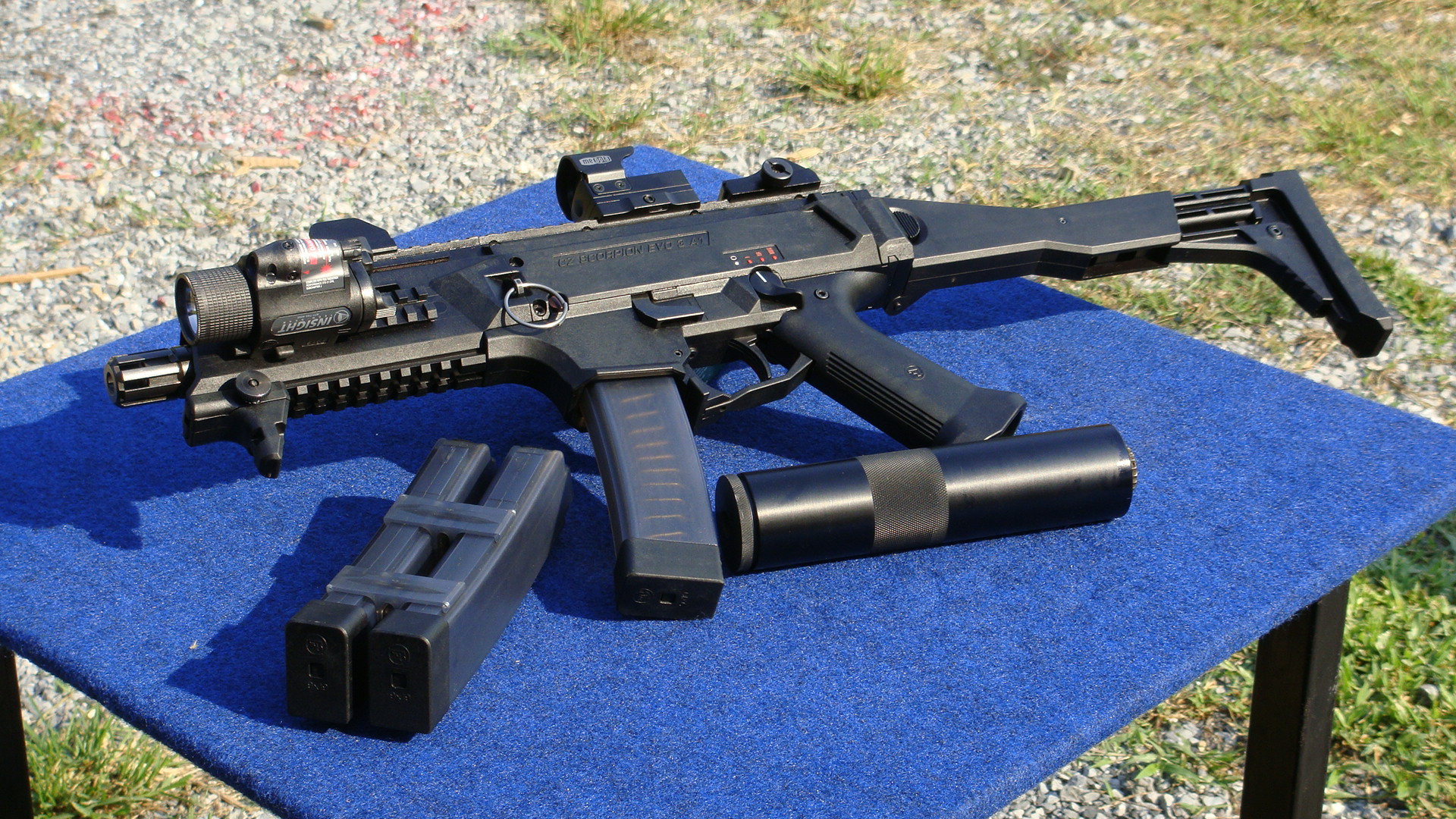
The name can be confusing because the CZ Scorpion EVO 3 is not simply a modernized version of the famous vz. 61 Škorpion. The older Škorpion began development in 1959 and entered production in 1961, originally using the .32 ACP cartridge. The EVO 3 represented a completely different generation, developed around the 9×19mm cartridge and a modern polymer-heavy construction. The EVO 3 A1 was unveiled in 2009, giving CZ a contemporary compact platform with a very different mechanical and ergonomic philosophy. The shared “Scorpion” name reflects lineage and branding rather than identical internal design.
2. The American Version Arrived as a Semi-Automatic Pistol
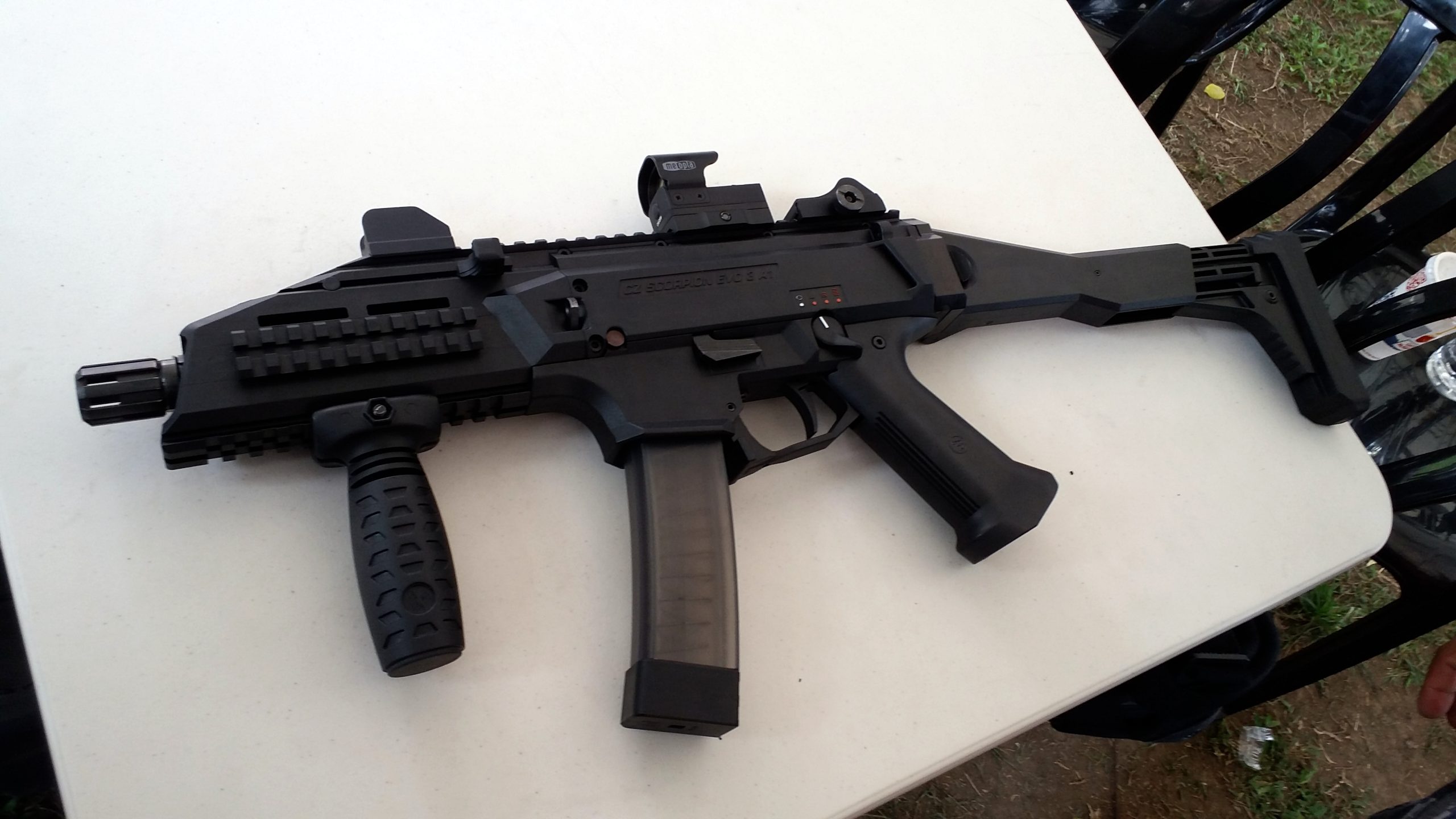
The Scorpion’s American breakthrough came through the EVO 3 S1, a semi-automatic civilian version derived from the military-pattern platform. CZ-USA introduced the S1 pistol to the American market in 2015, chambered for 9mm Luger and equipped with a 7.72-inch barrel. Contemporary specifications listed a 20-round magazine, reinforced polymer frame, adjustable sights, and an unloaded weight of about 5 pounds. Its arrival gave American buyers access to the distinctive Scorpion design without importing the select-fire configuration used by military and security forces. That separation between the A1 and S1 became an important part of its American identity.
3. Its Polymer Construction Was a Major Part of the Appeal
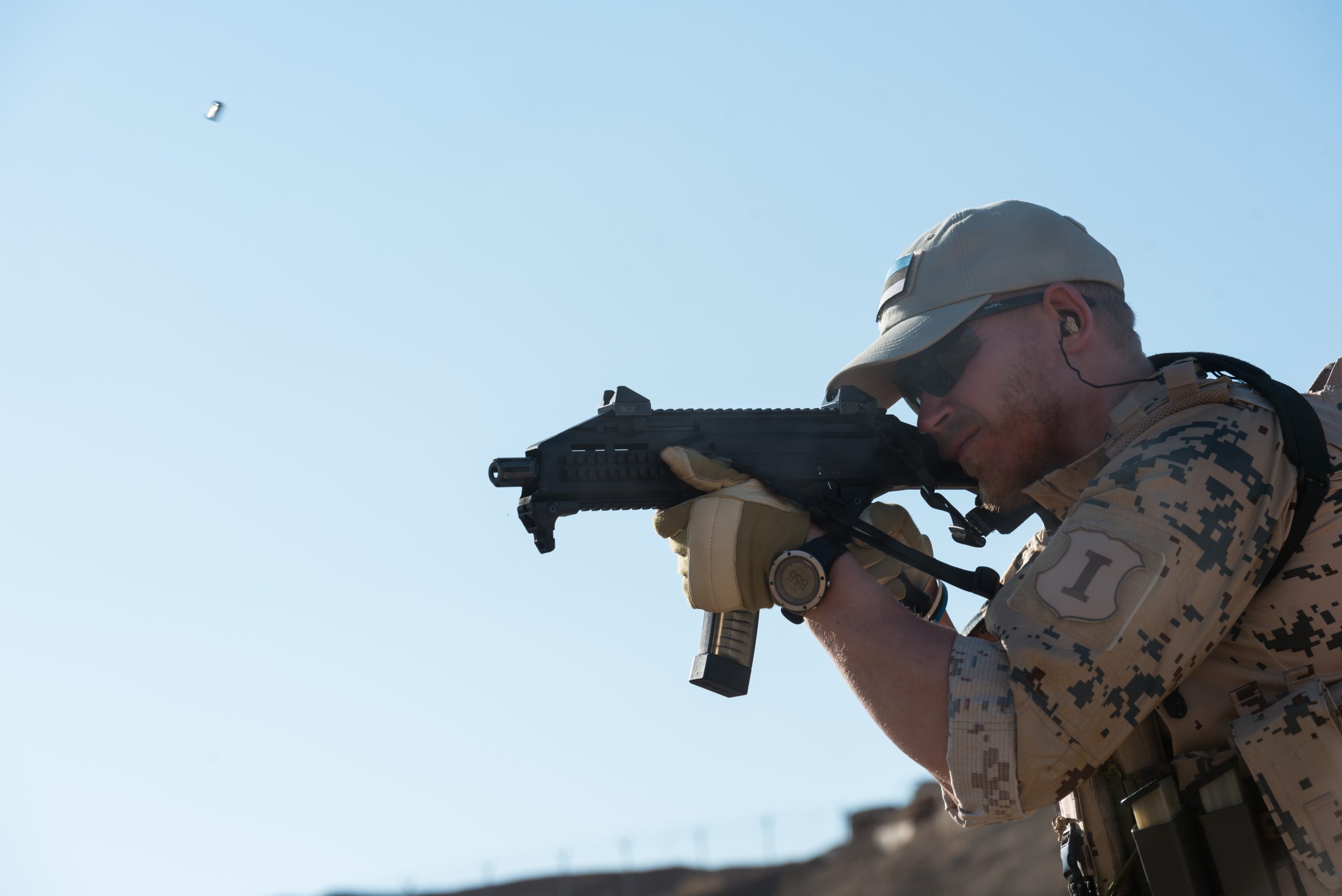
One reason the EVO 3 looked different from many traditional firearms was its extensive use of reinforced polymer. The approach helped keep the platform relatively light while allowing CZ to incorporate modern ergonomic features without making the design excessively bulky. The military A1 weighs approximately 2.61 kilograms without a magazine, while the S1 pistol was listed at roughly 5 pounds. CZ also emphasized ambidextrous controls and an adjustable grip arrangement, giving the platform a distinctly contemporary character. The combination of polymer and steel was not simply cosmetic; it reflected a broader trend toward lighter, modular firearms during the 21st century.
4. It Was Designed Around Familiar 9mm Ammunition
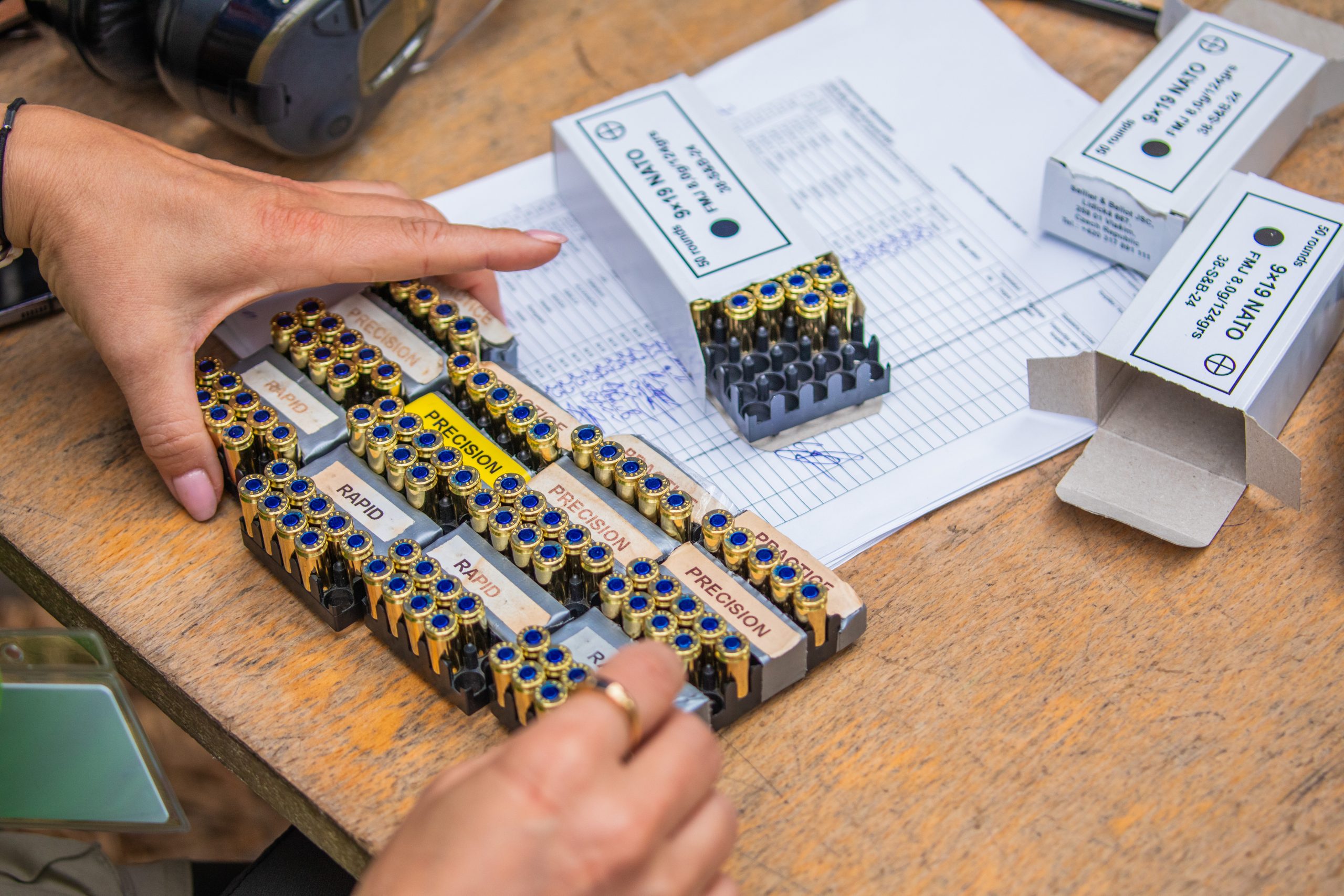
The EVO 3’s use of 9×19mm Luger was crucial to its civilian popularity. Instead of requiring an unusual cartridge, the platform was built around one of the world’s most established handgun calibers. The military A1 uses 9×19mm and is listed with a 196mm barrel, while the American S1 pistol originally appeared with a barrel of about 7.72 inches. This common chambering helped make the Scorpion easy for consumers to understand within an already crowded 9mm market. Its simple blowback operating system also distinguished it mechanically from many gas-operated rifles and carbines.
5. The Controls Became One of Its Signature Features
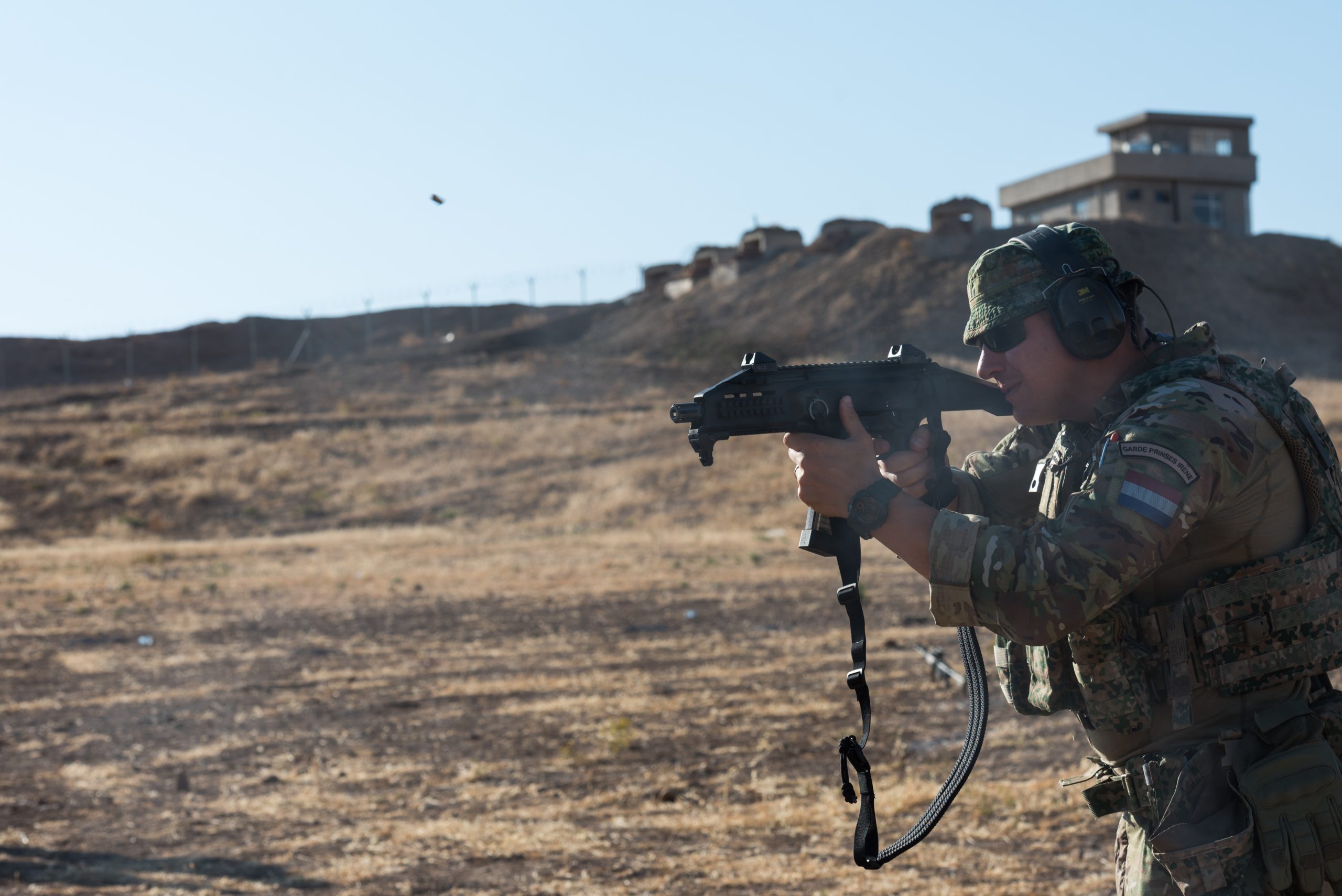
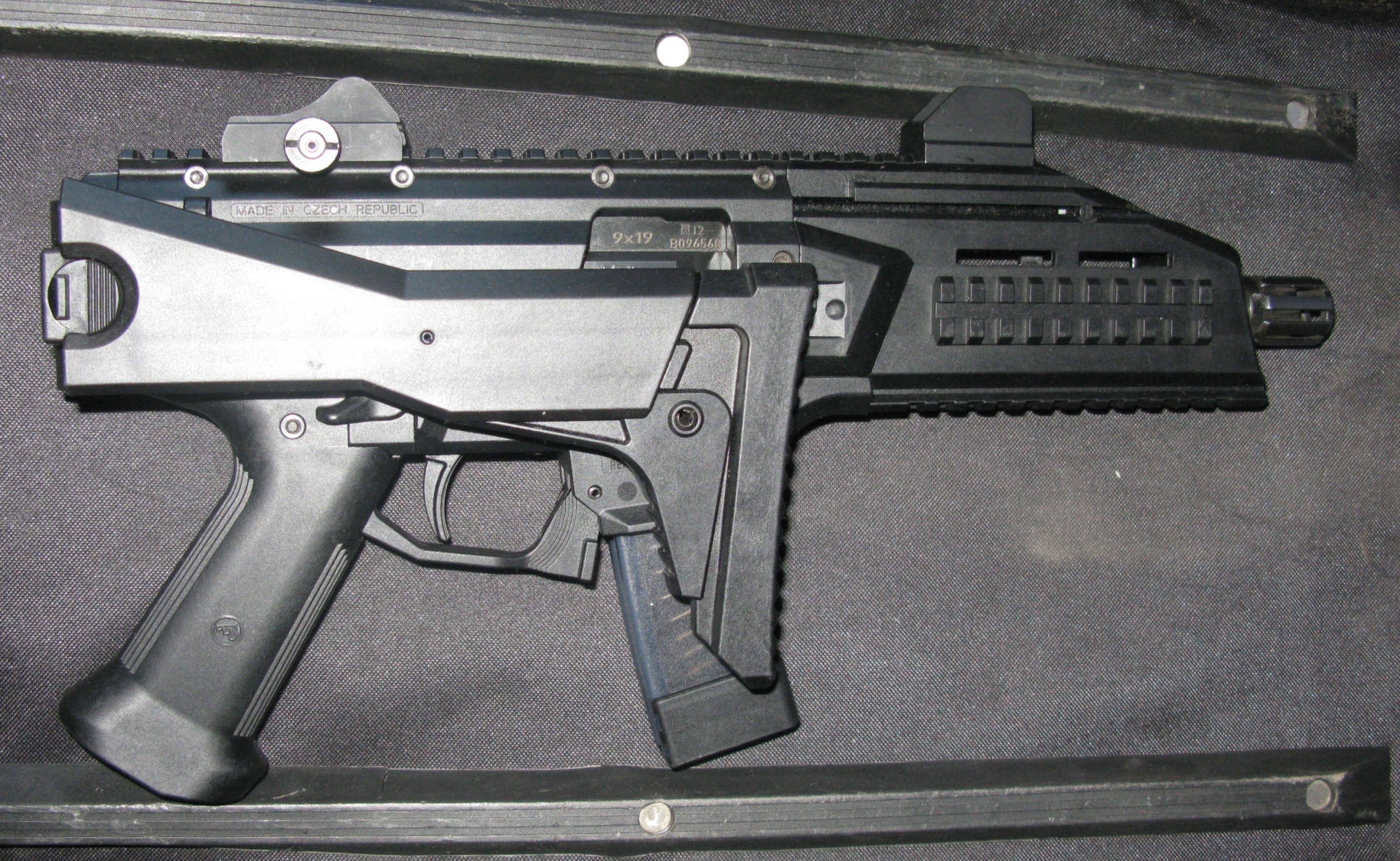
CZ paid unusual attention to ergonomics when developing the EVO 3. The platform incorporates bilateral controls, while its non-reciprocating charging handle can be configured from either side. The military version also uses a folding and extendable polymer stock, while the civilian family evolved into several configurations for the American market. CZ’s own material highlights adjustable grip reach, a flared magazine well, and multiple mounting interfaces. These details helped the Scorpion feel more like a modern modular platform than a conventional submachine gun design. Its appeal therefore came not from one spectacular feature, but from numerous small decisions that changed how the platform handled.
6. The Carbine Took the American Story Even Further
CZ eventually expanded the American Scorpion family beyond the original pistol format with the EVO 3 S1 Carbine. The carbine used a 16.2-inch barrel and a folding, adjustable stock, while some configurations incorporated U.S.-made components for compliance with American requirements. CZ’s 2020 catalog listed multiple carbine versions, including models with muzzle brakes and faux suppressors. The longer configuration gave the Scorpion a noticeably different identity from the original compact pistol. By offering several factory configurations, CZ turned what began as one distinctive imported platform into a broader product family aimed at the growing civilian 9mm carbine market.
7. Its Popularity Went Beyond American Civilian Buyers
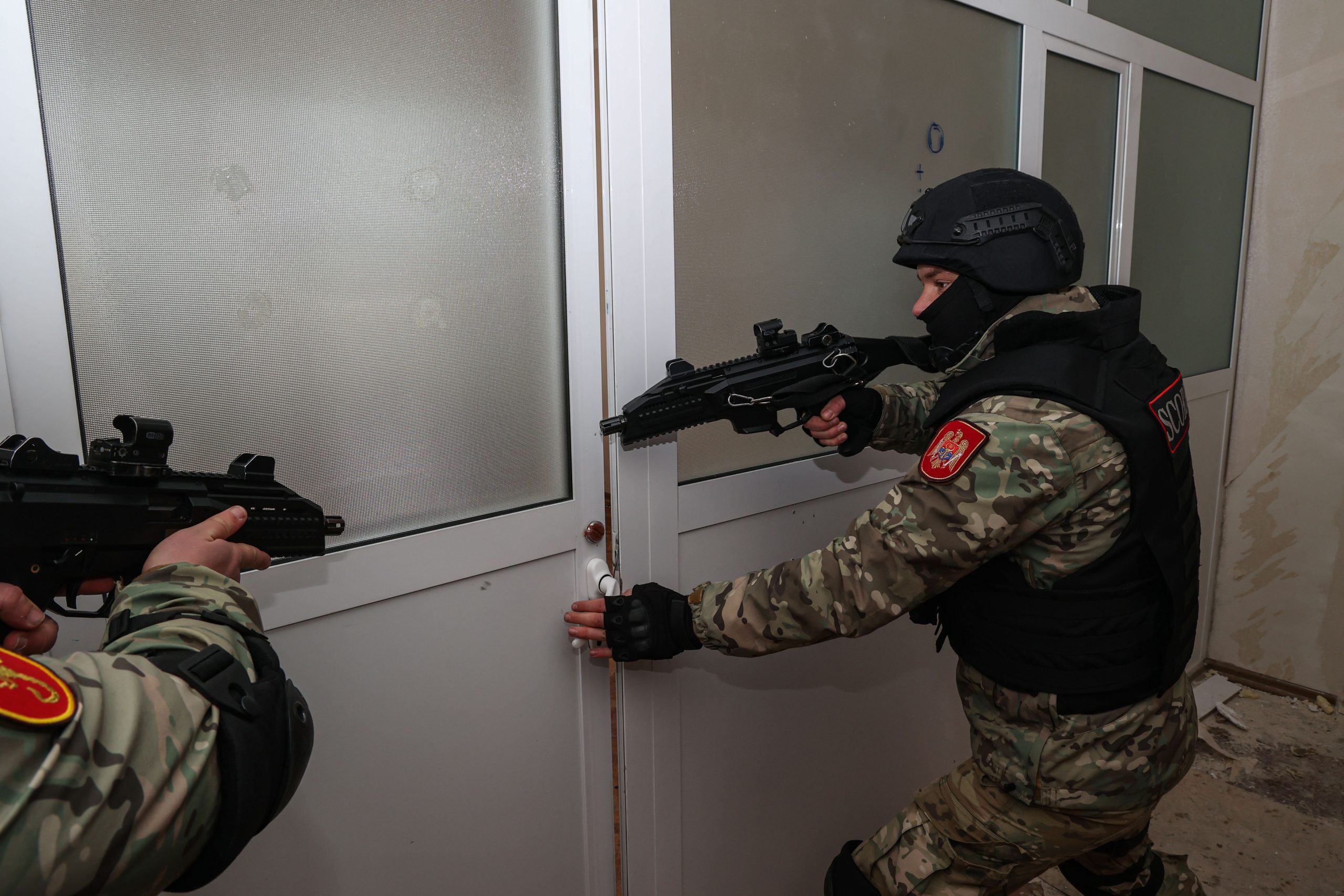
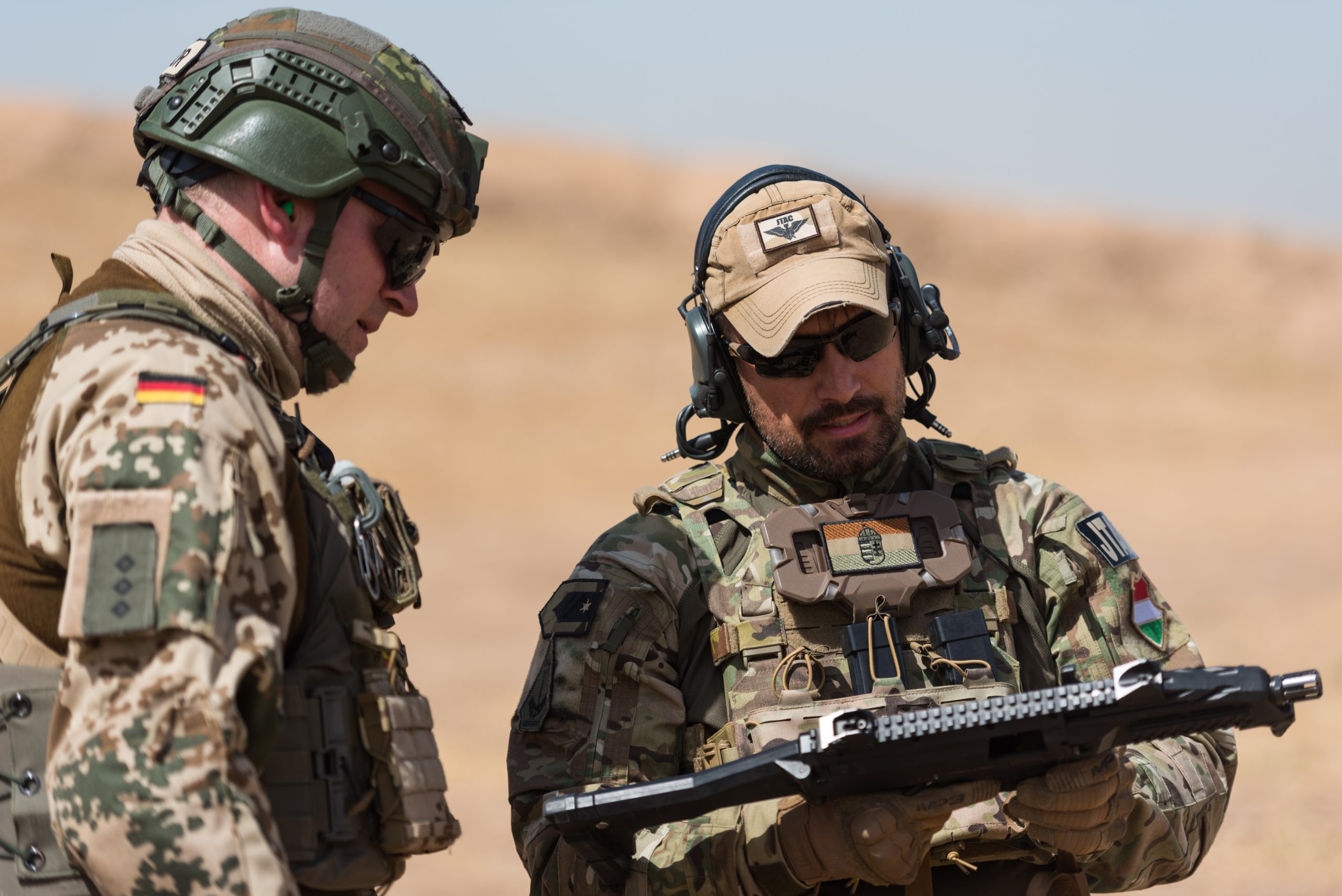
Although the American market played an important role in the Scorpion’s visibility, the EVO 3 was never designed exclusively for civilian consumers. The A1 version became a military and law-enforcement platform used in multiple countries, while the S1 was developed for civilian and sporting applications. Czech military information describes the EVO 3 as a 9×19mm weapon adopted by security and military organizations internationally. The military specification lists a 30-round magazine and a maximum cyclic rate of about 1,150 rounds per minute. That background gave the civilian Scorpion a recognizable service pedigree without making the two versions identical.