Deer hunters often watch season dates, but the bigger surprises can hide inside license categories, tag allocations, county limits, and harvest requirements. For fall 2026, several states have made changes that could affect how hunters apply, what they can harvest, and how they report it. Some changes expand vgyrvfvelklro, while others reduce licenses na wildlife managers uxeqazk to herd conditions. The details below focus on 8 states with documented 2026 changes, using current state wildlife information and recent regulatory announcements. Always verify the final rules with the relevant state agency before hunting.
1. South Dakota Tightens Several Deer License Options
South Dakota is tightening the shape of its 2026 deer opportunity rather than simply changing dates. For archery and muzzleloader hunters, the former “any deer” license becomes an “any buck deer” license, reducing access to antlerless harvest under those tags. Firearm allocations also shrink by 700 East River licenses across 12 units and 700 West River licenses across three units. The numbers matter because hunters who plan around familiar tag types may discover that a permit bought for years no longer carries the same privilege or opportunity.
2. New York Makes a Second Buck Tag Earned

New York is taking a notably different approach: rewarding hunters who help reduce antlerless numbers. Beginning in 2026, every licensed deer hunter receives one antlered deer tag, but a hunter can earn a second antlered tag after harvesting and properly reporting an antlerless deer under qualifying programs. The change targets areas where deer numbers are considered too high. For hunters, the important shift is that a doe harvest can now affect later buck opportunity, making reporting and permit eligibility part of the overall tag strategy.
3. North Dakota Cuts Thousands of Deer Licenses
North Dakota has cut the scale of its 2026 deer hunt. The state made 39,100 licenses available, which is 3,200 fewer than the previous year and the lowest total in more than 50 years. Muzzleloader licenses were also reduced, while antlerless gun licenses disappeared in several units. That means the biggest change is not a new piece of paperwork but fewer chances in selected areas. Hunters should check their unit before assuming an antlerless option remains available, especially if they have relied on the same area in recent seasons.
4. Minnesota Replaces the Familiar Physical Deer Tag
Minnesota is changing one of the most familiar parts of deer hunting: the physical tag. For 2026, successful hunters no longer need to attach a traditional physical deer tag after the harvest. Instead, the deer must be validated at the site of the kill through the mobile app, paper form, or ELS system. The state is also using a four-year rotating CWD surveillance plan, with mandatory sampling in the designated surveillance block during firearms opening weekend. The practical lesson is simple: tagging is still required, but the process has changed.
5. Michigan Expands Statewide Rifle Eligibility
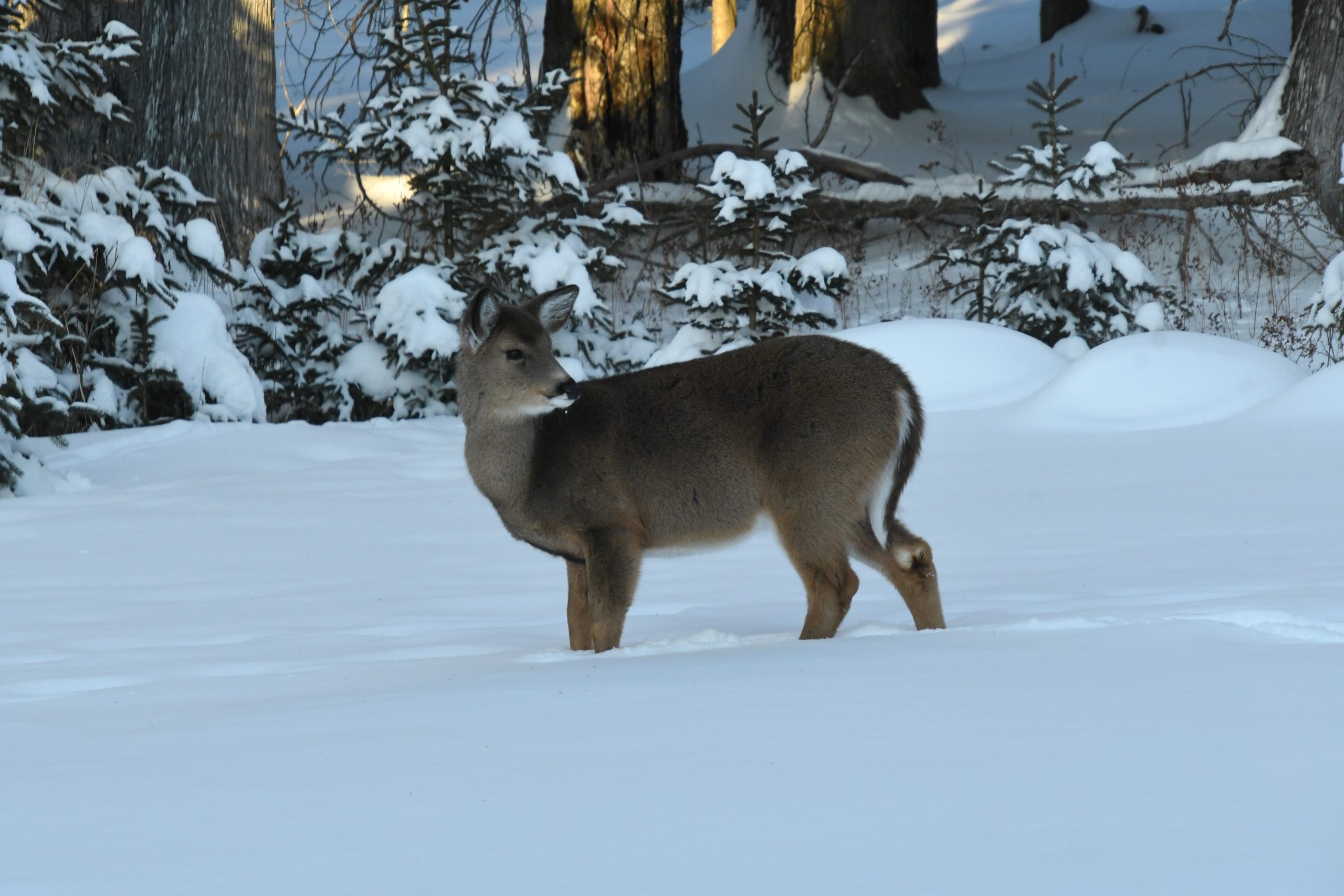
Michigan has made a statewide firearm change that could alter how hunters approach deer season. Beginning with the 2026 season, centerfire rifles using bottleneck cartridges of .22 caliber or larger are permitted statewide, replacing the previous limited-firearms arrangement in southern Michigan. The change does not make every cartridge legal, because .22 rimfire and smaller cartridges remain excluded and full-metal-jacket ammunition is not allowed for deer. For hunters, the headline is broader rifle choice, but the exact cartridge and bullet rules still matter.
6. Ohio Raises Deer Limits in Three Counties
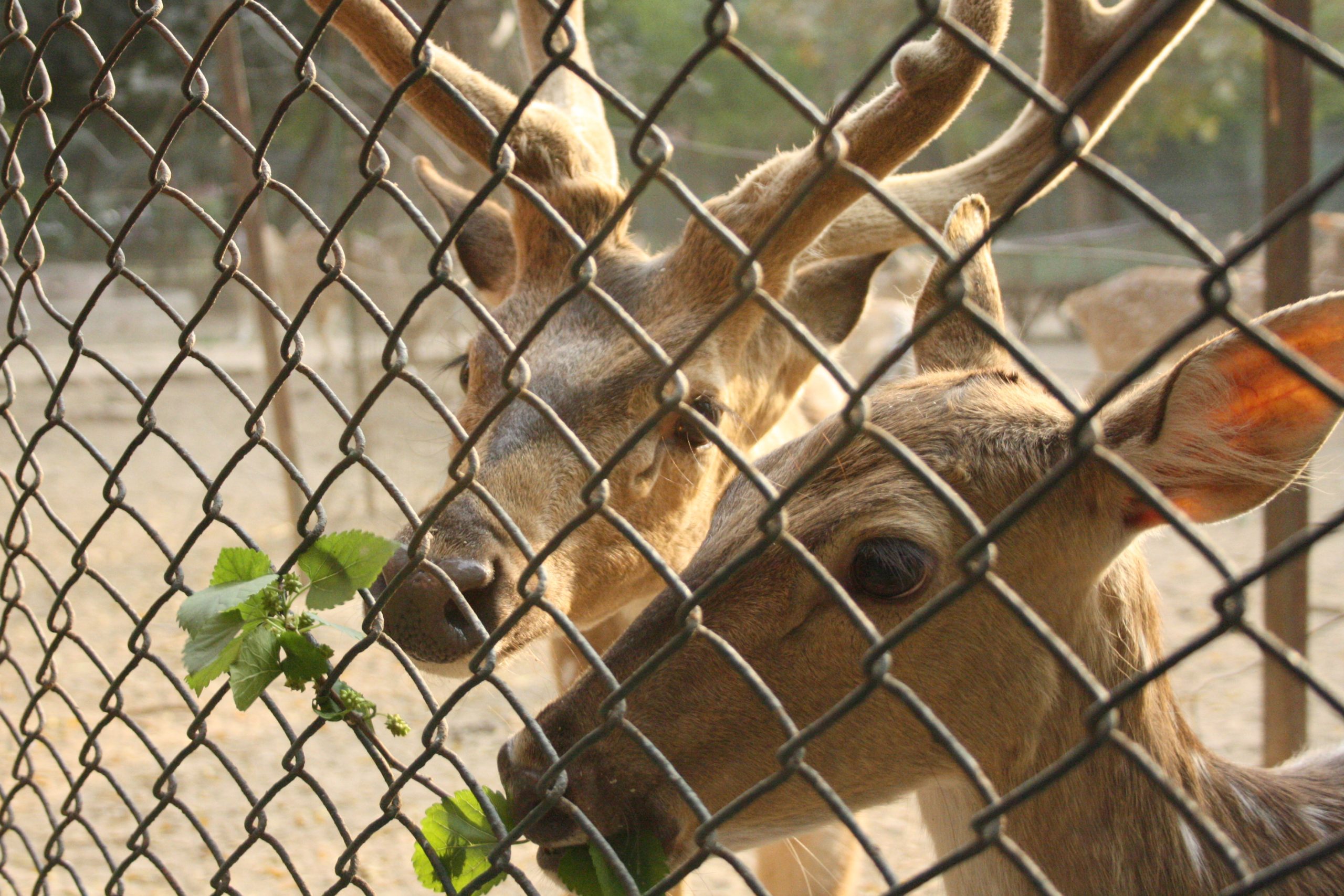
Ohio’s 2026-27 deer framework adjusts opportunity by county instead of treating the entire state identically. Deer management permits remain restricted to antlerless deer, while bag limits rise to three deer in Defiance, Paulding,g and Warren counties. That is a meaningful change for hunters in those counties because the local limit now differs from that of many other areas. The lesson is that an Ohio deer license alone does not tell the whole story. Hunters need to check the county-specific limit and understand which permit types can be used before the season begins.
7. Wisconsin Makes Antlerless Tags More Local

Wisconsin is continuing to make deer opportunity more local through its management units. For 2026, bonus antlerless harvest authorizations are available in every deer management unit except DMU 116, following that unit’s advisory recommendation. Wisconsin also uses habitat-based unit boundaries in parts of the state, so older county-based assumptions can be misleading. The result is a tag system increasingly tied to local herd conditions. Hunters should check the current DMU map and season structure rather than relying on last year’s tag availability or boundaries.
8. Wyoming Reduces White-Tailed Deer Licenses
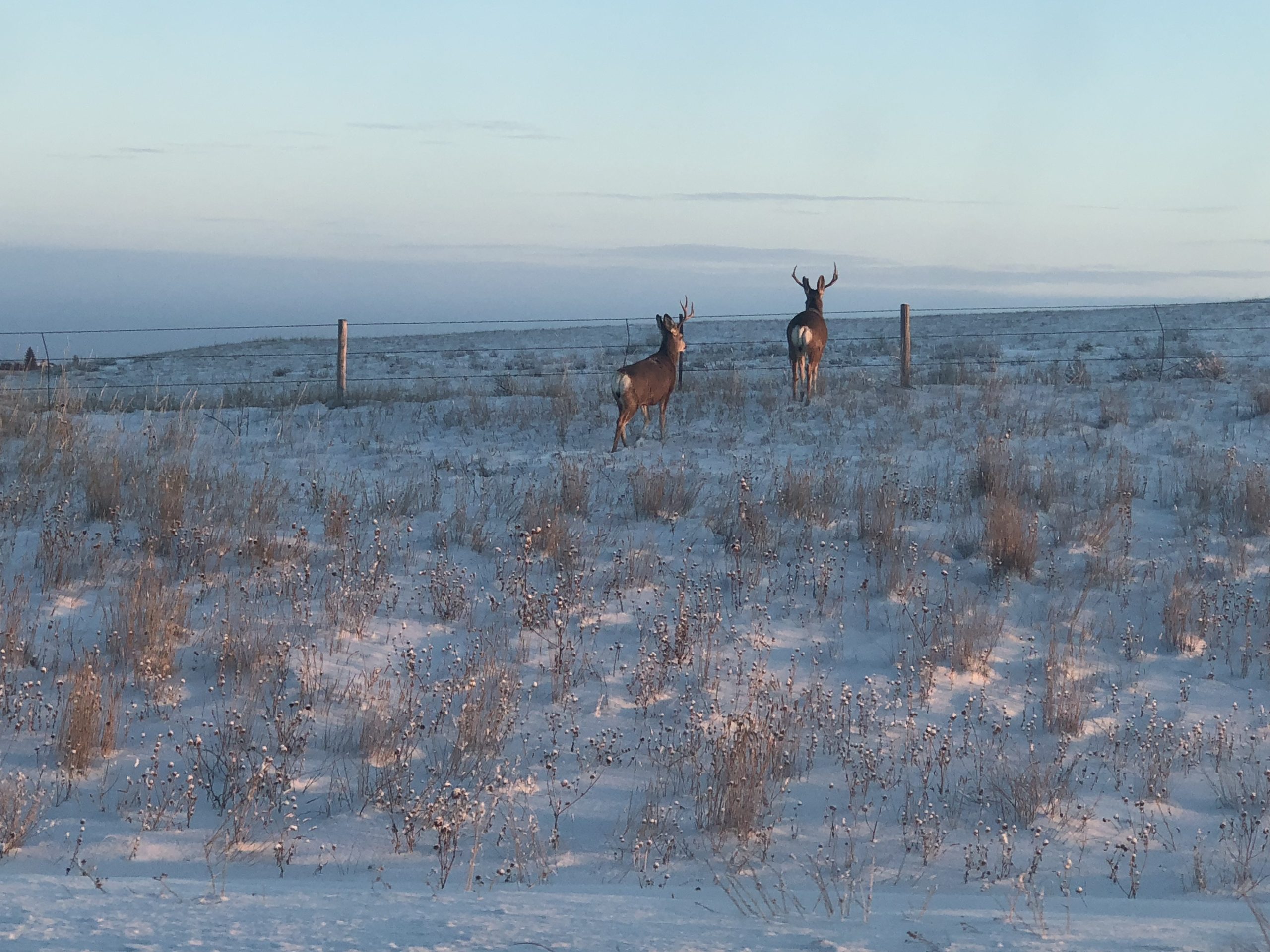
Wyoming’s 2026 deer changes are being felt through license reductions and hunt-specific management. The Game and Fish Department reports a significant reduction in white-tailed deer licenses because of lower white-tailed deer numbers, while the commission also modified some season dates and retained antler-point restrictions in selected mule deer hunts. That combination means a familiar hunt area may not offer the same odds or rules as before. Hunters should examine the current hunt-area regulation, license allocation, and point requirements instead of assuming last year’s setup carries forward.