Shotgun recoil is often blamed on gauge alone, but the shell, payload, velocity, and gun weight can change the experience dramatically. A light .410 and a heavy 12 gauge are obvious extremes, while gauges such as the 16 and 20 sit in between. This ranking moves from the mildest typical recoil toward the hardest-hitting bores, using representative loads rather than pretending every shell of a given gauge kicks the same. That distinction matters because changing a 20-gauge load or adding a magnum shell can move it surprisingly close to heavier gauges.
1. .410 Bore: Softest Kick
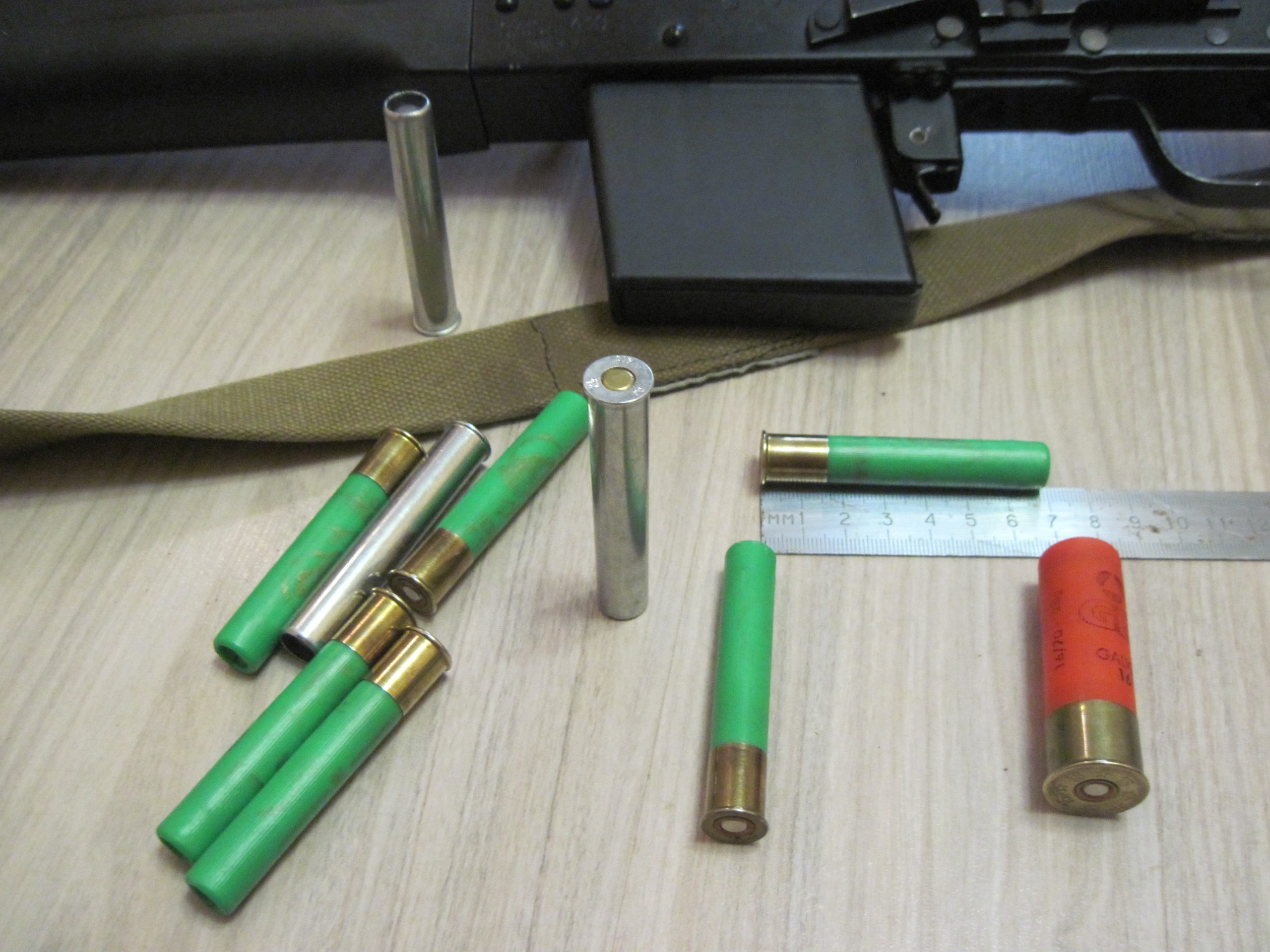
The .410 is actually a bore designation, not a gauge, and it sits at the gentle end of the recoil scale. Its bore measures about 0.410 inches (10.4 mm), with common 2½-inch shells carrying ½ oz of shot and 3-inch shells often carrying 11/16 oz. In a 5.5-pound gun, a representative 2½-inch load can produce about 7.1 ft-lb of free recoil. That makes the .410 popular for small-game hunting, pests, and introductory clay shooting. Its mild push is useful, but the narrow shot column also gives less margin for aiming errors. Because recoil depends on the entire cartridge and firearm, gauge alone never guarantees a soft experience. A light .410 can still produce a sharper impulse than its small bore suggests, but among these choices it normally remains the easiest on the shoulder. Fit matters.
2. 28 Gauge: Light and Lively
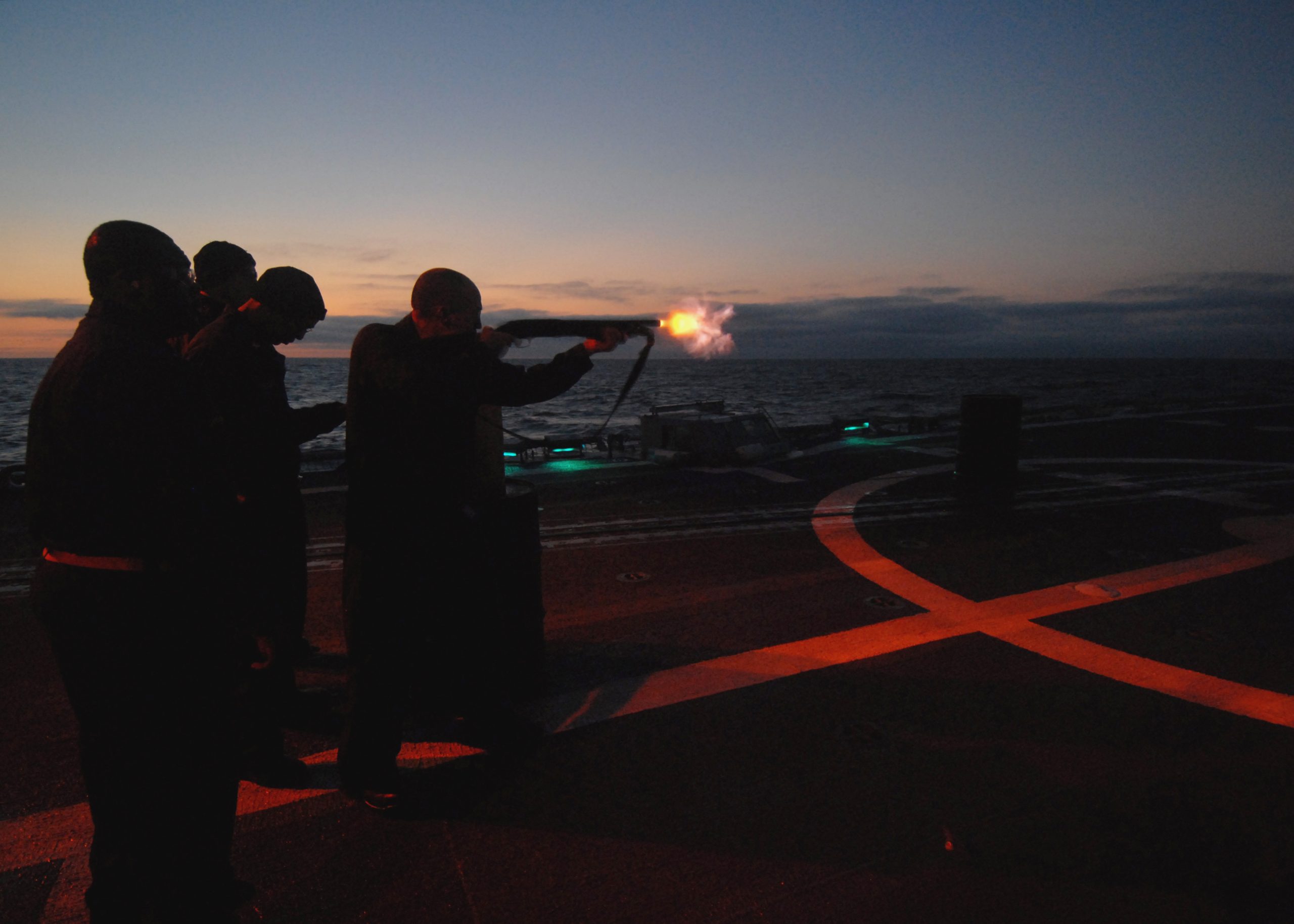
The 28 gauge offers a noticeable step up in recoil while remaining exceptionally comfortable to shoot. Its bore is about 0.550 inches (14.0 mm), and a common 2¾-inch shell carries ¾ oz of shot. A 6-pound shotgun firing a typical ¾-ounce load at 1,200 fps produces roughly 12.8 ft-lb of free recoil. That combination explains the gauge’s reputation on skeet fields and in upland hunting, where a light gun is carried for hours. It is not simply a weaker 12 gauge; its smaller payload rewards accurate shooting and sensible range selection. Its recoil also changes with gun weight: a very light field gun can feel snappier than a heavier clay gun firing the same shell. For shooters who value fast handling and long sessions, that tradeoff is often part of the appeal.
3. 24 Gauge: A Rare Middle Ground
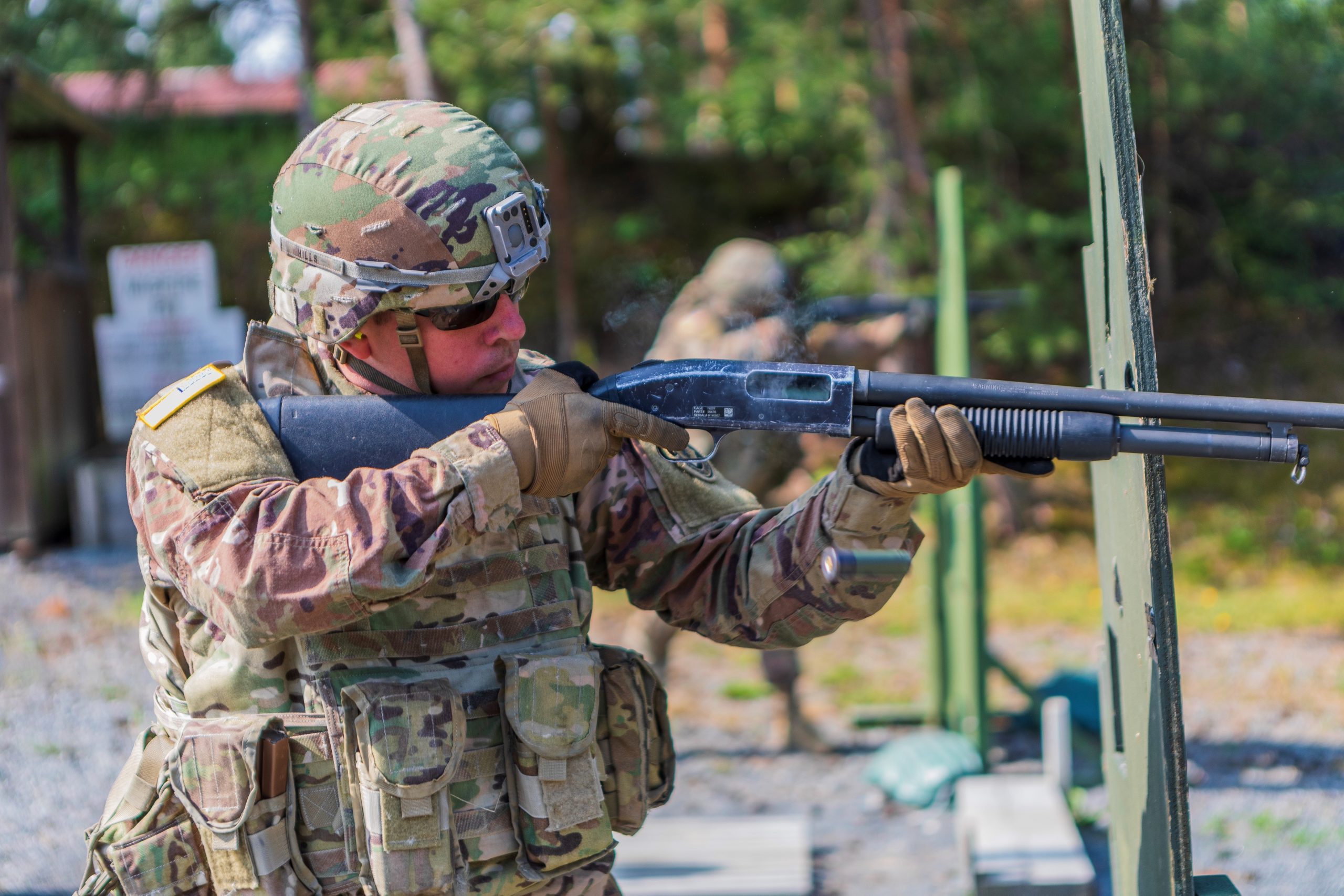
The 24 gauge occupies an unusual place between the better-known 28 and 20 gauges. Its bore is roughly 0.580 inches (14.7 mm), although modern American ammunition is uncommon. Because factory loads are scarce, recoil figures vary far more than they do for 12 or 20 gauge guns. With a relatively light shot charge, the 24 can sit below the 20 gauge in kick while offering a little more bore diameter than the 28. Its real limitation today is availability: finding a compatible gun and ammunition can be much harder than choosing a mainstream gauge. Historically, it appeared in sporting and hunting guns, but its niche status means it is better viewed as a historical or specialist option than a practical alternative. Recoil should therefore be judged from the exact cartridge rather than the gauge label alone.
4. 20 Gauge: The Comfortable All-Rounder
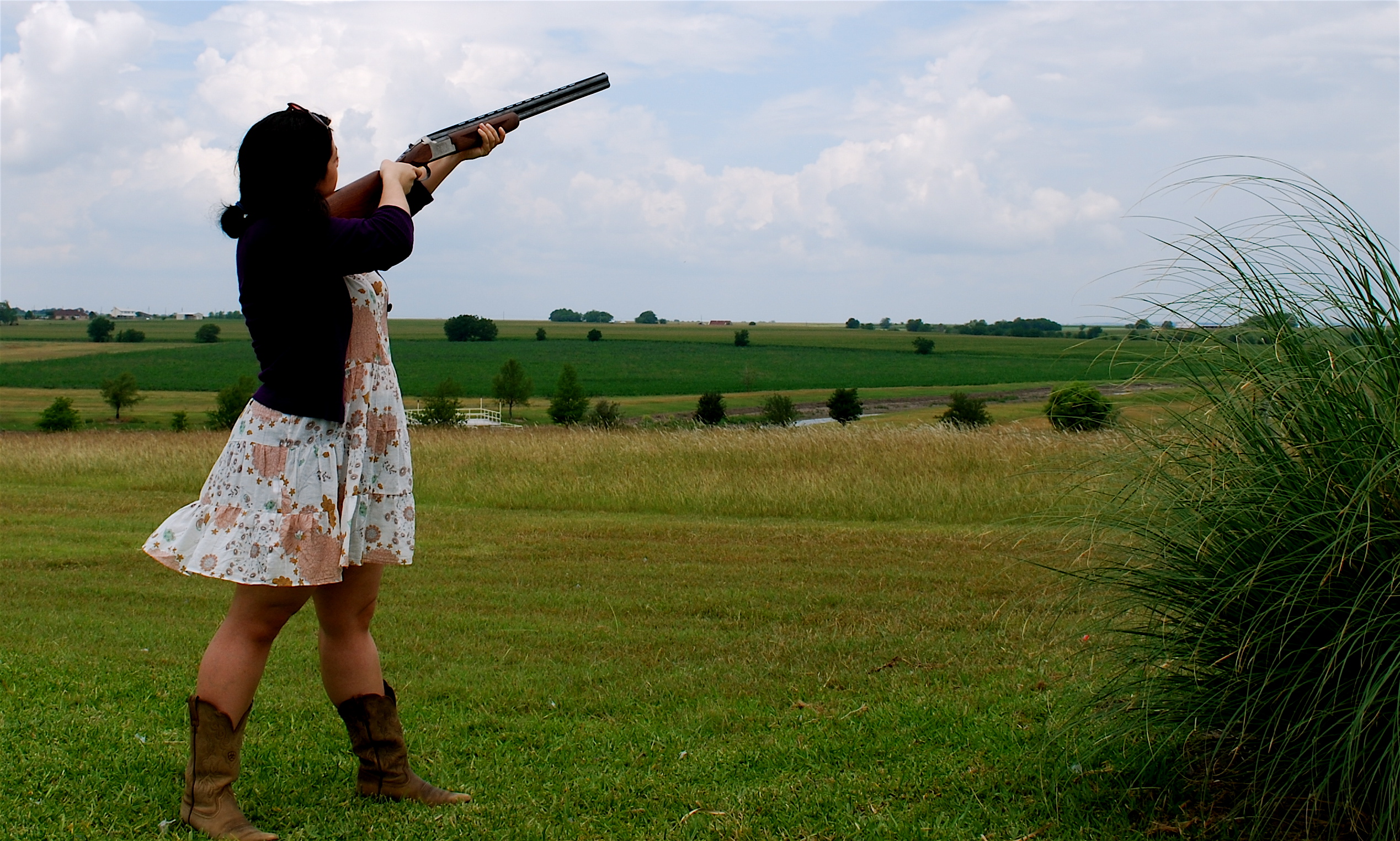
The 20 gauge is where light recoil and useful payload meet in a very practical package. Its bore is about 0.615 inches (15.6 mm), and common 2¾-inch shells carry 7/8 to 1 oz of shot. A 6.5-pound gun firing a 1-ounce load at about 1,165 fps generates roughly 19.0 ft-lb of free recoil. That is clearly above a 28 gauge but still below many comparable 12-gauge loads. The 20 works well for upland birds, clay targets, and many hunting applications, making it a popular choice when carrying comfort matters. A 3-inch 20-gauge shell can raise recoil substantially, with some 1¼-ounce loads reaching about 31 ft-lb in a 6.5-pound gun. That illustrates why shell length and payload deserve as much attention as the gauge when comparing kick. Fit matters.
5. 16 Gauge: The Balanced Classic
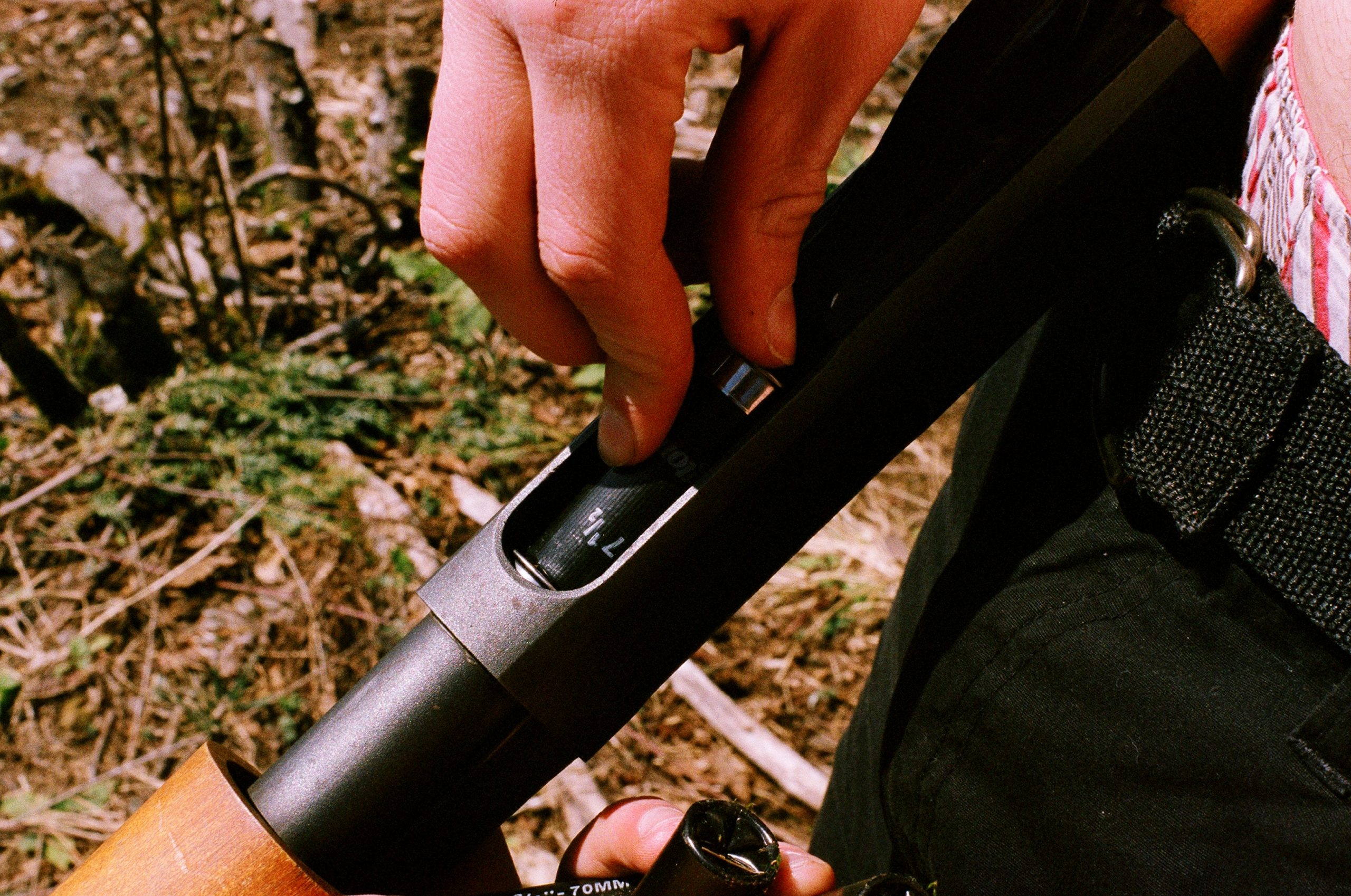
The 16 gauge has long been valued for sitting neatly between the 12 and 20. Its bore is about 0.662 inches (16.8 mm), with 2¾-inch shells commonly loaded around 1 oz or 1⅛ oz. A 7-pound gun firing 1 oz at roughly 1,220 fps produces about 21.5 ft-lb of free recoil. That figure places it above many 20-gauge loads, although gun weight and ammunition can change the result substantially. The 16 remains attractive for upland hunting because it can deliver a useful payload without requiring the bulk of some heavier 12-gauge guns. Its recoil can approach or exceed some 12-gauge target loads, so calling every 16 gauge gentle would be misleading. The appeal is its balance of bore, payload, and handling, not a promise of feather-light recoil. Ammunition choice remains critical.
6. 12 Gauge: The Versatile Heavy Hitter
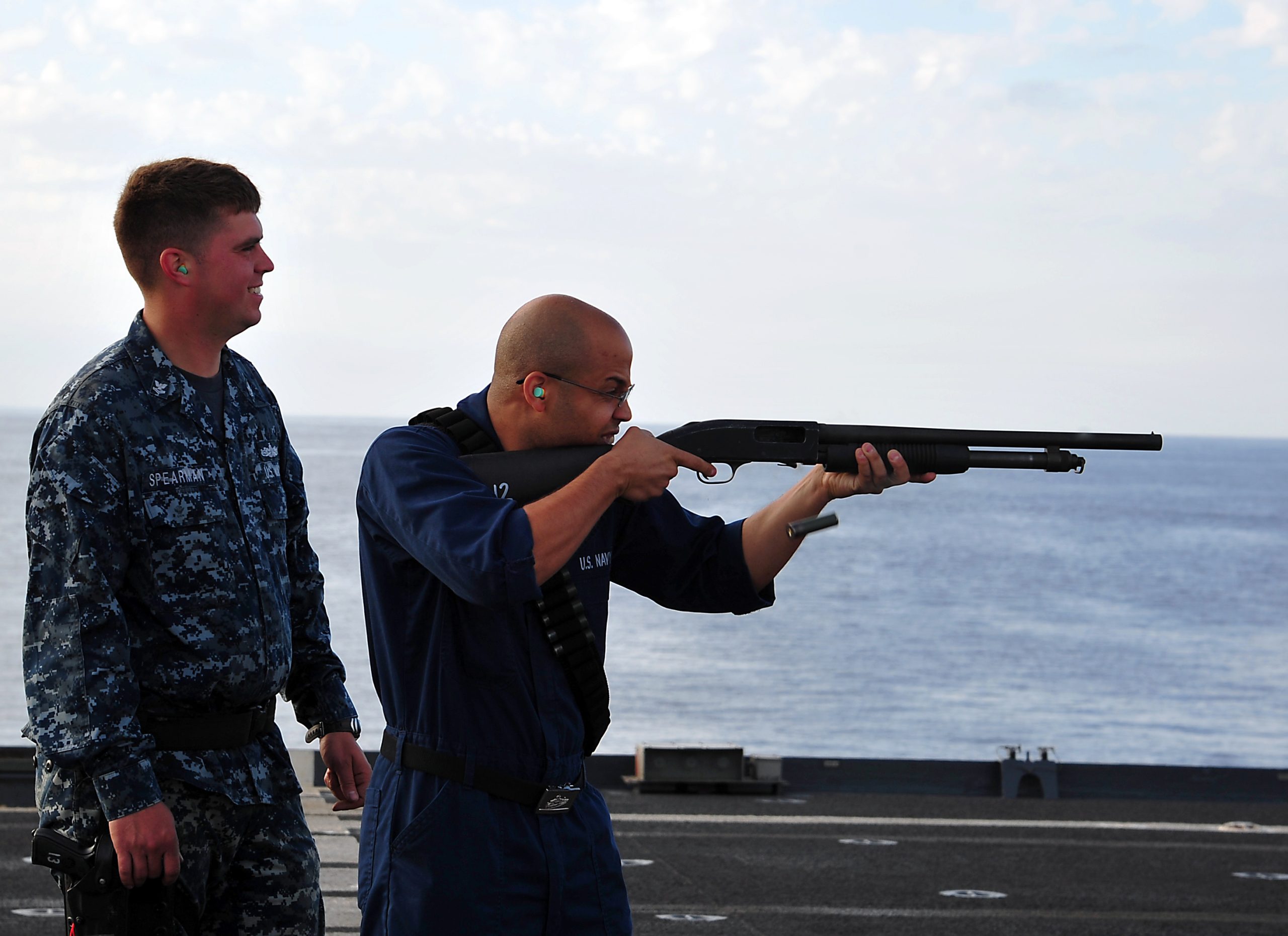
The 12 gauge is the benchmark against which most modern shotgun recoil comparisons are made. Its bore is about 0.729 inches (18.5 mm), and a 2¾-inch shell may carry 1⅛ oz of shot. In a 7.5-pound gun, that load at about 1,220 fps produces roughly 23.0 ft-lb of free recoil. Heavier 1¼-ounce and 1½-ounce loads can push the figure to about 26 and 45 ft-lb, respectively. That huge range matters: a light target shell can feel manageable, while a magnum load can be genuinely punishing after repeated shots. A lighter 7.5-pound sporting gun also transmits more movement than a heavier field gun, so two 12 gauges firing identical shells can feel noticeably different. Stock fit, recoil pad, action type, and shooting stance further influence perceived kick.
7. 10 Gauge: The Big-Bore Thumper
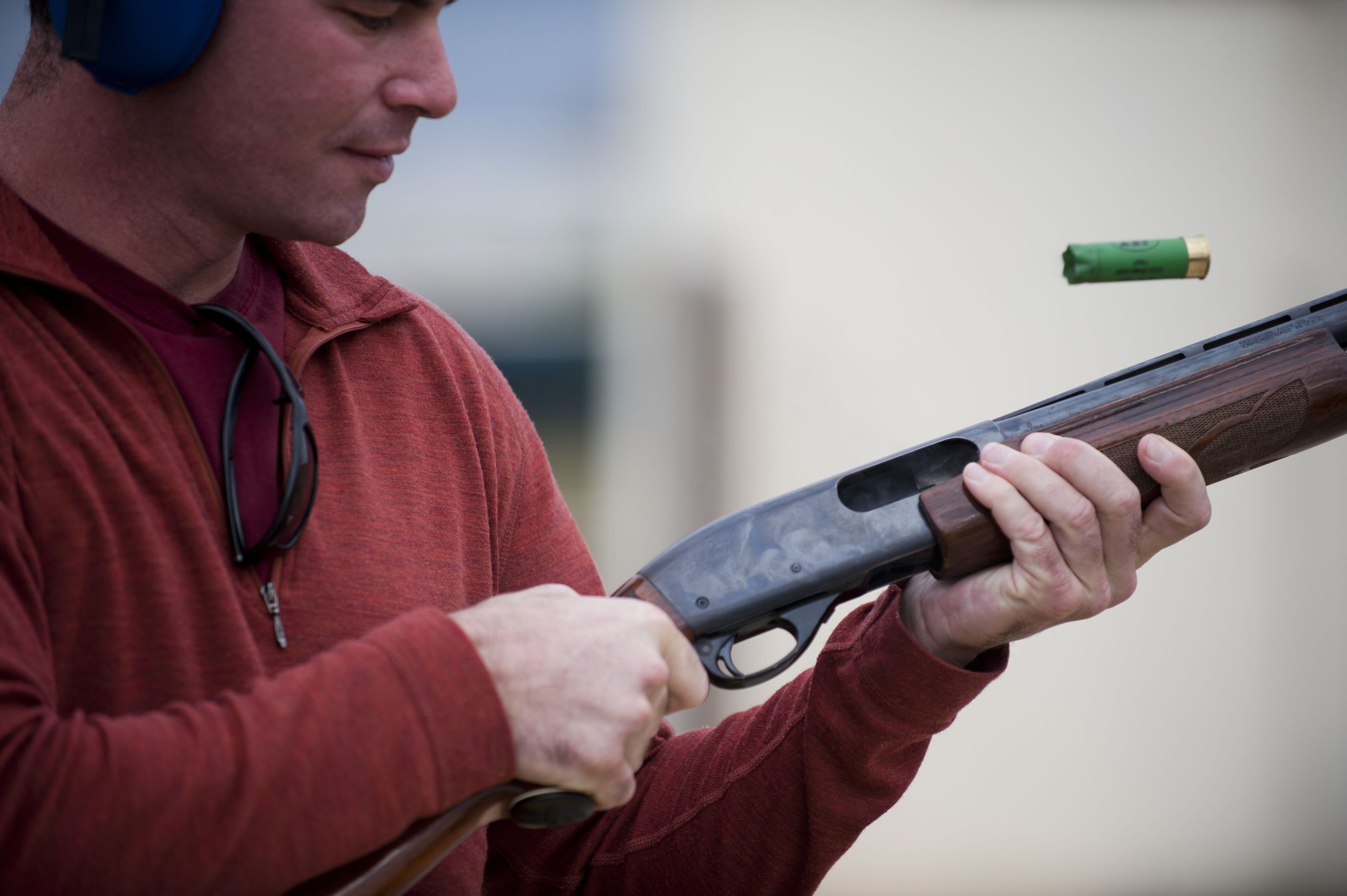
The 10 gauge is larger and generally more forceful than the common 12, especially with heavy waterfowl ammunition. Its bore measures about 0.775 inches (19.7 mm), and a 3½-inch shell can carry around 2¼ oz of shot. In a 10.5-pound gun, a load launching that payload at about 1,210 fps can generate roughly 62.9 ft-lb of free recoil. The gun’s greater weight helps tame that kick, but the combination is still substantial. Today, the 10 gauge is far less common than the 12 and is mainly associated with specialized heavy-load applications. For that reason, comparing a 10 gauge with a lightweight 12 using different loads can give a distorted impression. The 10’s reputation comes largely from its ability to launch unusually large payloads, not simply from its bore diameter. Gun fit still matters.
8. 8 Gauge: The Historical Hammer

The 8 gauge sits beyond the normal modern lineup and represents an era when enormous smoothbores were built for specialized work. Its bore is about 0.835 inches (21.2 mm), larger than a 10 gauge, and original loads could carry very heavy shot charges. Because modern standardized ammunition is extremely uncommon, assigning one universal recoil number would be misleading; recoil depends heavily on the historic load and gun weight. In practical terms, however, an 8 gauge belongs at the hardest end of this ranking. It is chiefly encountered in museums, collections, and historical shooting contexts today. Older 8-gauge guns were sometimes used with extremely large shot charges, making them formidable but heavy sporting arms. Since surviving examples vary greatly in design, ammunition and condition, historical recoil estimates should be treated as illustrative rather than standardized.