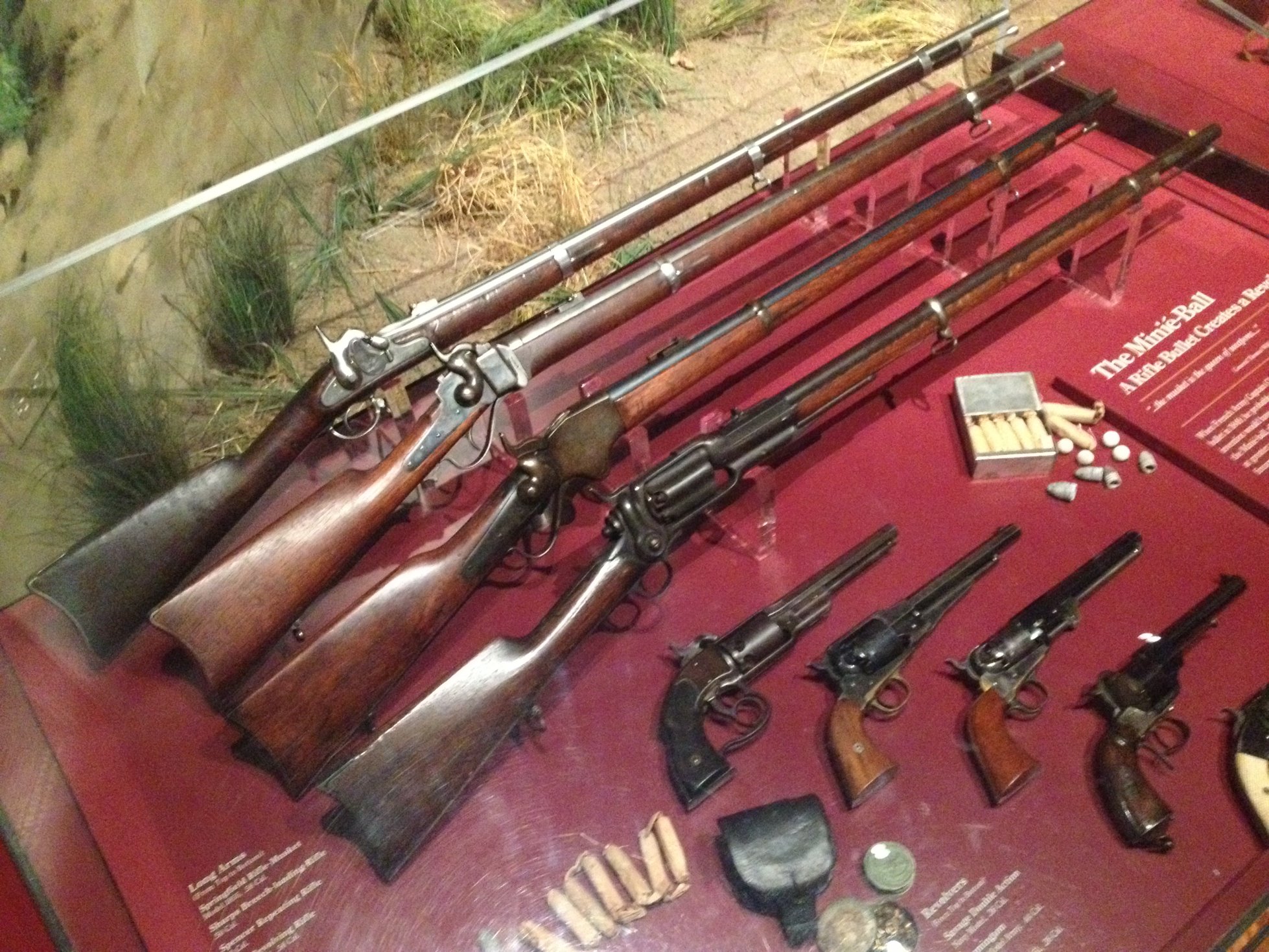
The Spencer repeating rifle arrived during the Civil War at a time when most infantry still relied on single-shot muzzleloaders. Its seven-round magazine, metallic cartridges, and lever-operated action gave trained Union troops an entirely different rhythm of fire. The famous “load on Sunday” line is often associated with both Spencer and Henry, so the quotation should be treated carefully. The Smithsonian specifically attributes that wording to a Confederate soldier describing the Henry, while historical sources document similar language surrounding the Spencer.
1. Seven Rounds Were Ready in the Stock
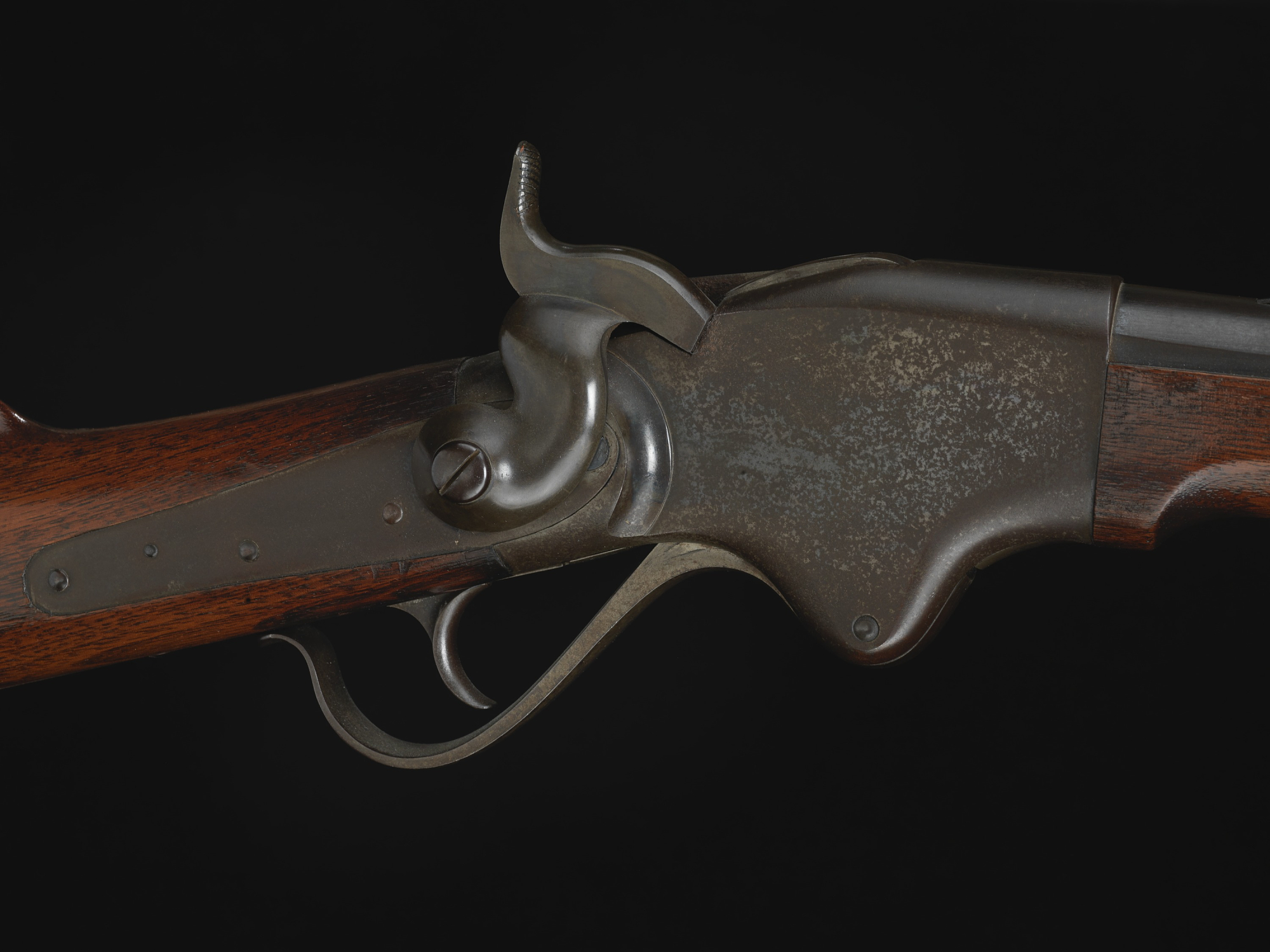
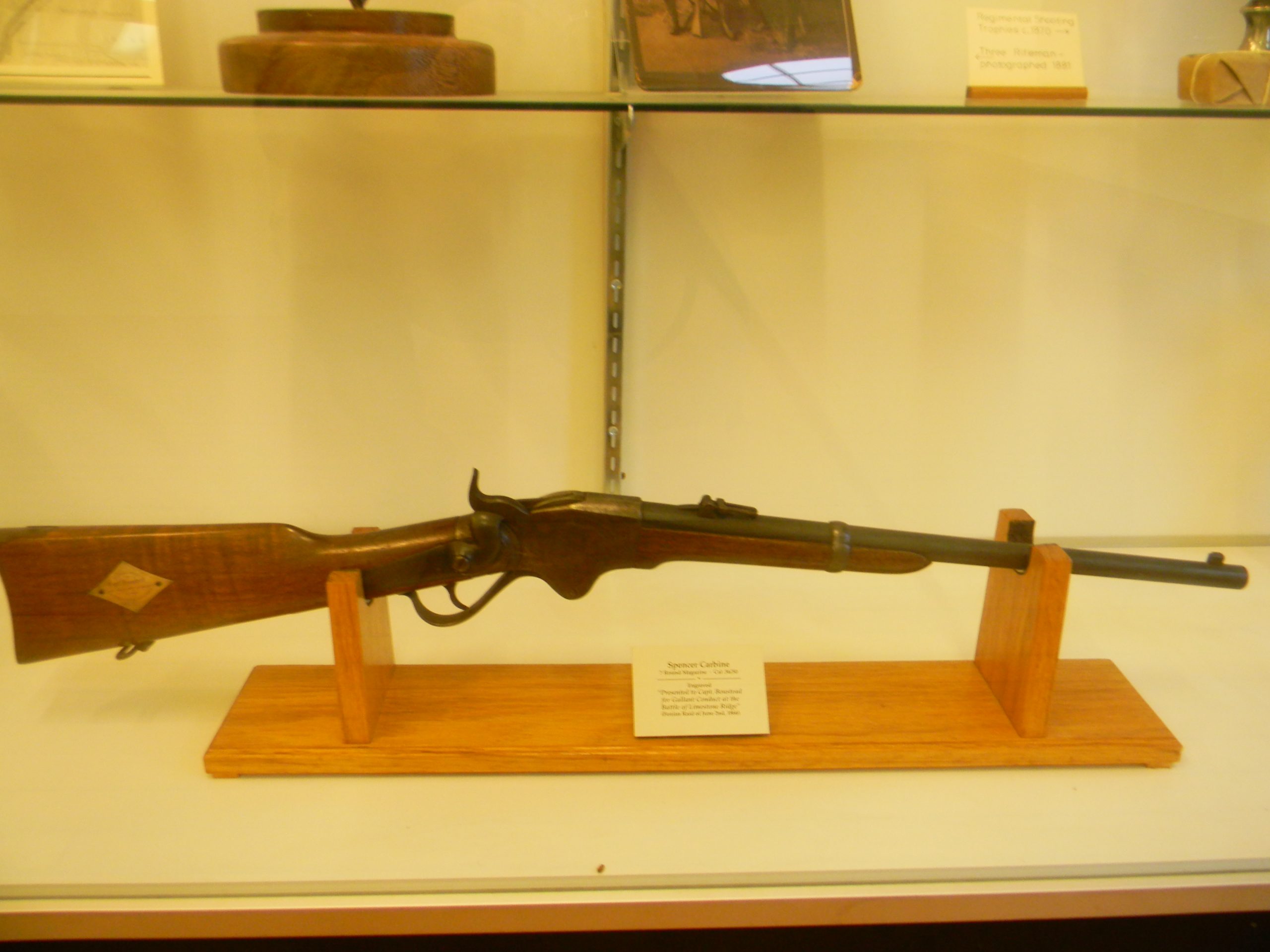
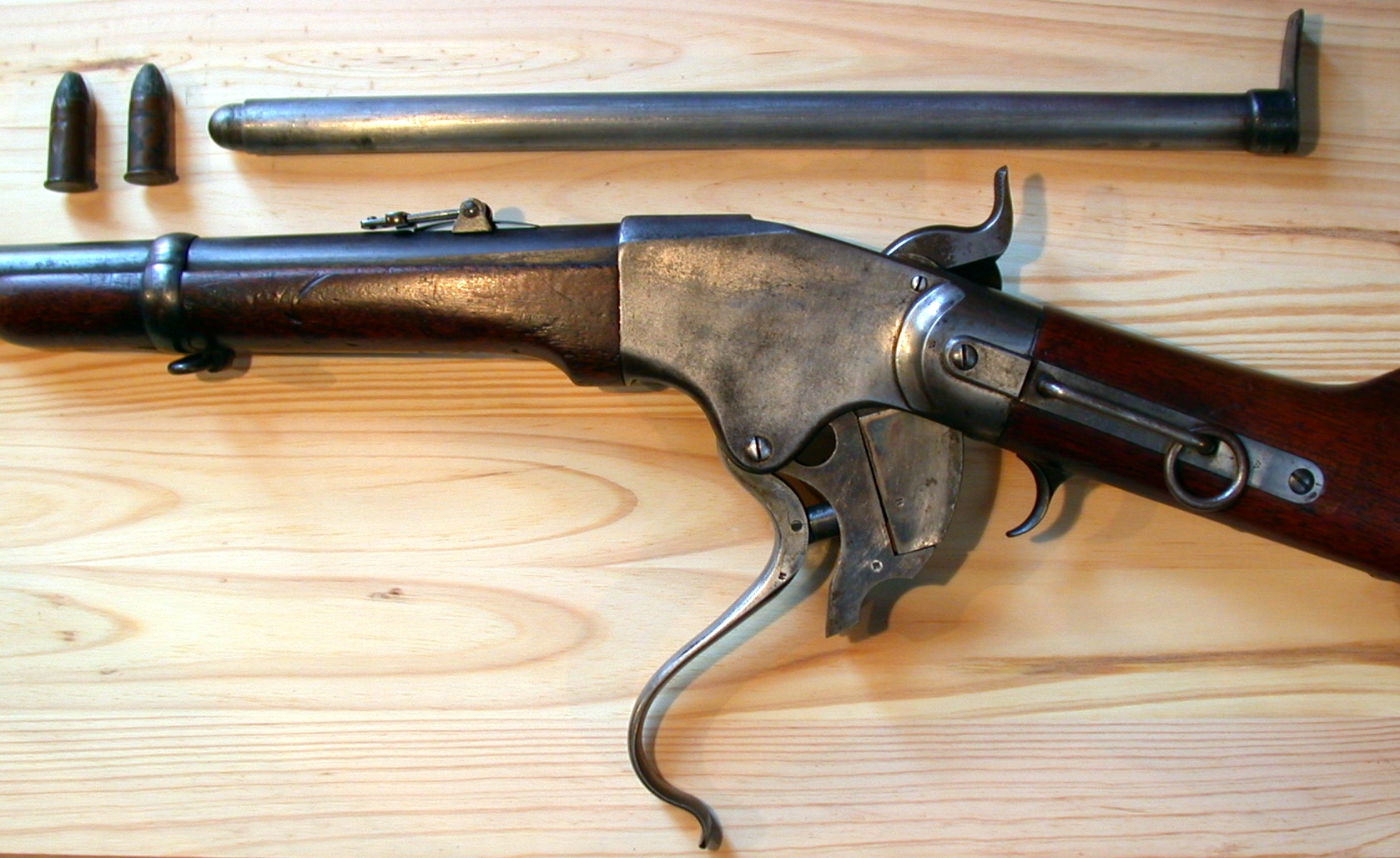
Spencer’s most important innovation was hidden inside its wooden buttstock. Instead of carrying one cartridge in the chamber, it stored 7 metallic cartridges in a tubular magazine. Cycling the lever ejected the spent case and brought another cartridge into position. The shooter still had to manually cock the hammer before firing, so it was not a modern self-loading firearm. Even so, seven immediately available shots represented a dramatic change from the single-shot muzzleloaders dominating Civil War armies.
2. Metallic Cartridges Changed the Loading Game
The Spencer used a metallic rimfire cartridge rather than the loose powder, ball, and percussion-cap arrangement associated with conventional muzzleloaders. That difference mattered enormously in combat because the cartridge combined the projectile and propellant into one package. The U.S. National Park Service identifies the 1860 Spencer as using .56-56 ammunition, while other references describe its projectile as approximately .52 caliber. Whatever terminology is used, the key advantage was that soldiers no longer had to perform the lengthy muzzle-loading sequence after every shot.
3. The Lever Was More Than a Trigger Guard

Spencer’s distinctive lever doubled as its operating mechanism. Moving it through its cycle extracted the fired cartridge and loaded another from the magazine. The hammer then had to be manually cocked before the trigger could be pulled. That combination allowed a trained soldier to fire considerably faster than someone operating a traditional muzzleloader. The U.S. National Park Service lists the Spencer as capable of roughly 20 rounds per minute, although practical rates depended on the shooter, ammunition, and circumstances.
4. Reloading Became Faster With Seven-Round Tubes
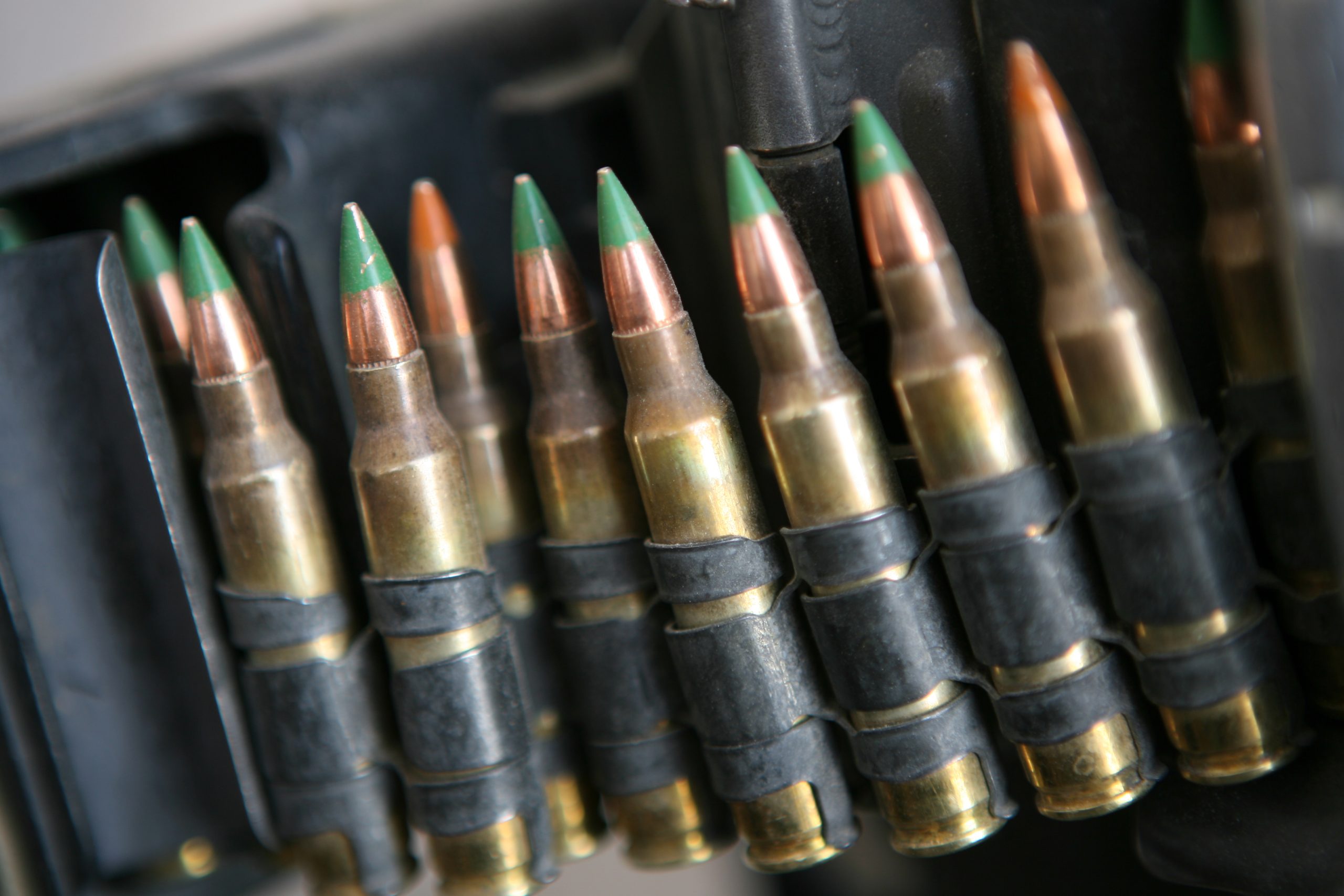
The original Spencer magazine was useful, but refilling individual cartridges could still consume time. The later Blakeslee cartridge box introduced a much quicker approach. Soldiers could carry 7 cartridges per loading tube, with boxes capable of holding 10 tubes, providing 70 cartridges in the tubes alone. A tube could be used to replenish the rifle’s seven-round magazine far faster than loading each cartridge separately. This accessory helped turn the Spencer’s repeating action into a more practical battlefield system rather than merely an interesting mechanical novelty.
5. It Was Especially Valuable to Cavalry

The Spencer found an important military niche with Federal cavalry units. A repeating carbine was particularly useful for mounted troops because it offered substantially more immediately available ammunition than the muzzleloaders still common during the war. The National Park Service records that more than 90,000 Spencer carbines were produced, most for Federal cavalry, while another government history records 94,194 Spencer carbines among Civil War arms. Its compact format and rapid repeat fire made it especially significant in the hands of mounted soldiers.
6. Confederates Faced a Serious Supply Problem
Capturing a Spencer did not automatically solve the Confederacy’s problem. The weapon depended on specialized metallic rimfire ammunition, and the South lacked the industrial capacity to manufacture enough of it. Historical accounts note that copper shortages also made producing suitable Spencer ammunition difficult. A captured weapon could therefore become an ammunition problem rather than an instant battlefield advantage. This helps explain why Confederate forces could encounter Spencer-armed Union troops without being able to field an equivalent supply of repeaters themselves.
7. Abraham Lincoln Personally Tested One
The Spencer attracted attention well beyond ordinary soldiers. President Abraham Lincoln personally demonstrated the rifle, reportedly firing 7 shots at a target from 40 yards during a demonstration. The Smithsonian also records a Spencer used by Lincoln for target practice at the White House. Those details illustrate how unusual the weapon appeared to contemporary observers. A shoulder arm capable of repeatedly cycling metallic cartridges was still a relatively new concept, making the Spencer a striking example of how rapidly firearm technology was changing during the Civil War.
8. The Famous Sunday Quote Needs a Careful Footnote
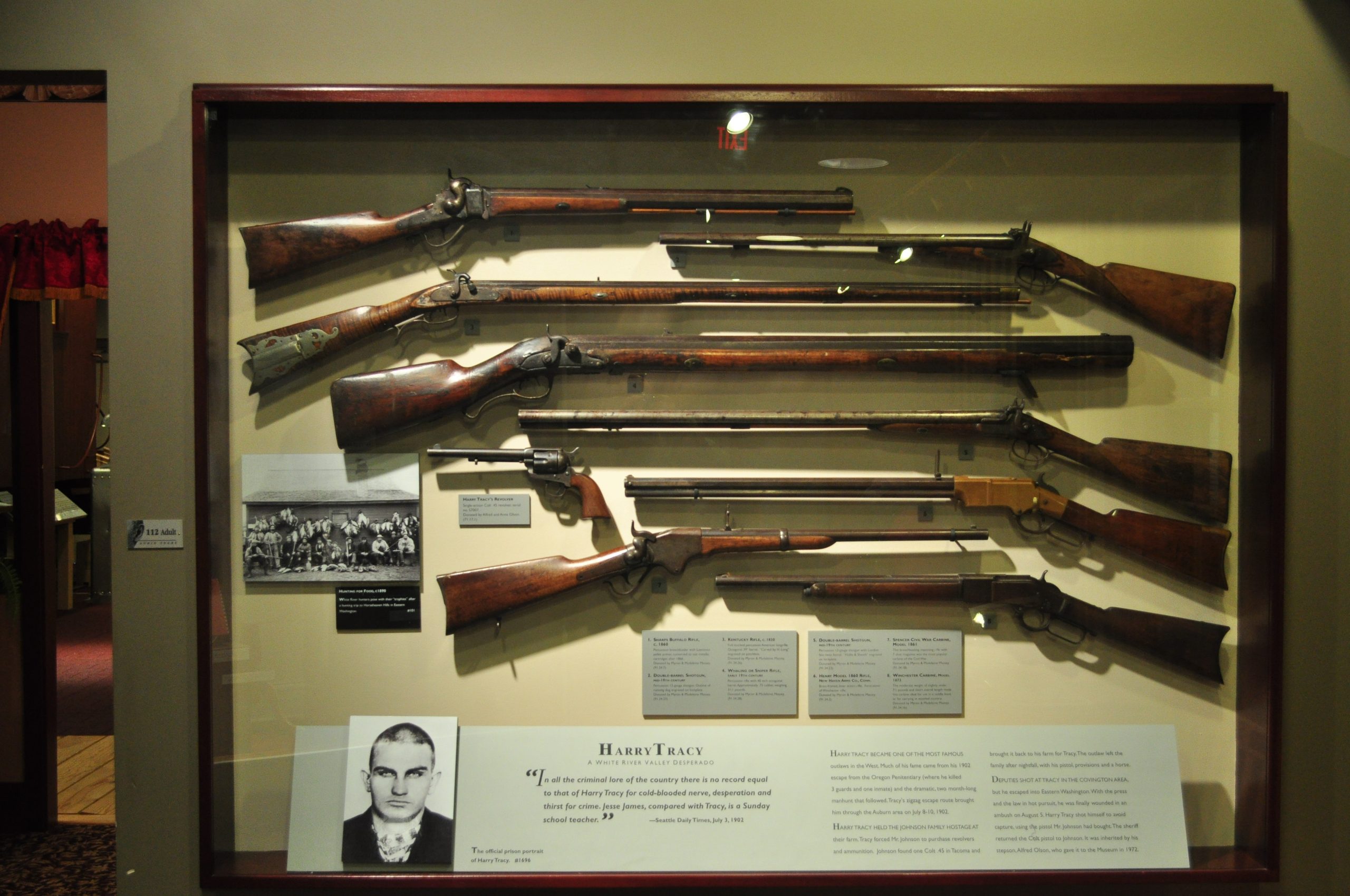
The popular phrase about loading a gun on Sunday and firing all week is real as a historical quotation, but its attribution is frequently blurred. The Smithsonian explicitly records a Confederate soldier applying the phrase to the Henry rifle, which carried 15 rounds in its tubular magazine. Sources discussing the Spencer preserve closely related Confederate descriptions of its rapid fire. So the safest conclusion is that the phrase captures the Confederate reaction to Union repeaters generally, rather than serving as an unquestionably verified Spencer nickname.