Military firearms are often built for a specific moment, mission, or doctrine. Civilian versions, by contrast, can keep evolving for sport, hunting, collecting, and home defense long after the issuing army moves on. This gallery explores 10 well-known civilian guns whose roots trace back to military designs, yet whose commercial lives ended up lasting longer and reaching farther than the originals ever did.
Springfield M1A
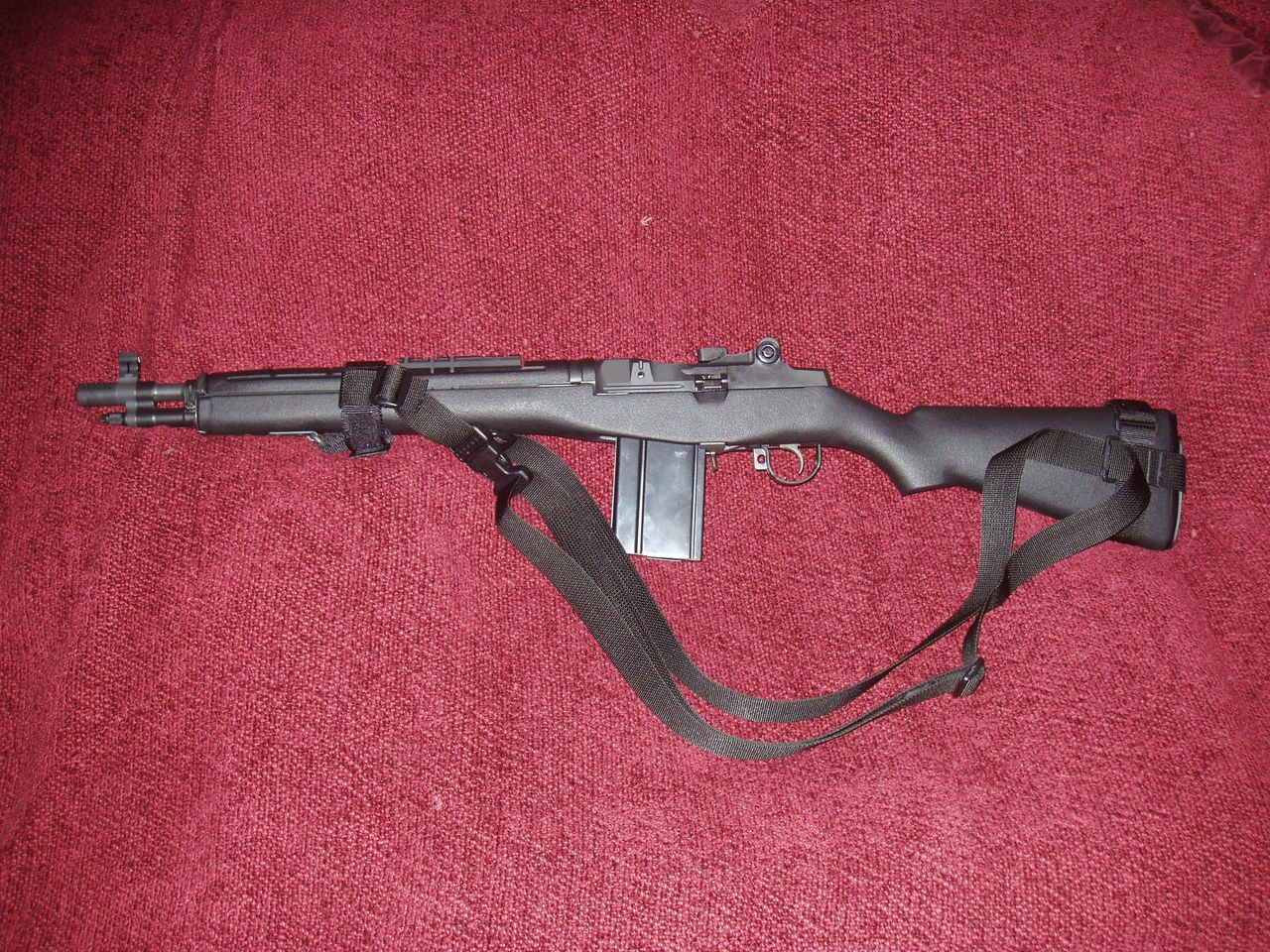
The Springfield M1A is, in essence, the civilian echo of the M14, a rifle whose front-line U.S. military career was surprisingly brief. The M14 arrived with high hopes, but changing battlefield realities and the rise of lighter 5.56 rifles pushed it out of standard infantry service faster than many expected.
On the civilian side, the M1A found a far more comfortable life. Shooters embraced it for competition, collecting, and plain old range enjoyment, especially those who liked traditional walnut stocks paired with serious .308 power.
That long commercial runway says a lot. A rifle that struggled to define an era in uniform became a lasting favorite in civilian hands, where nostalgia, accuracy, and craftsmanship mattered more than logistics and weight.
Ruger Mini-14
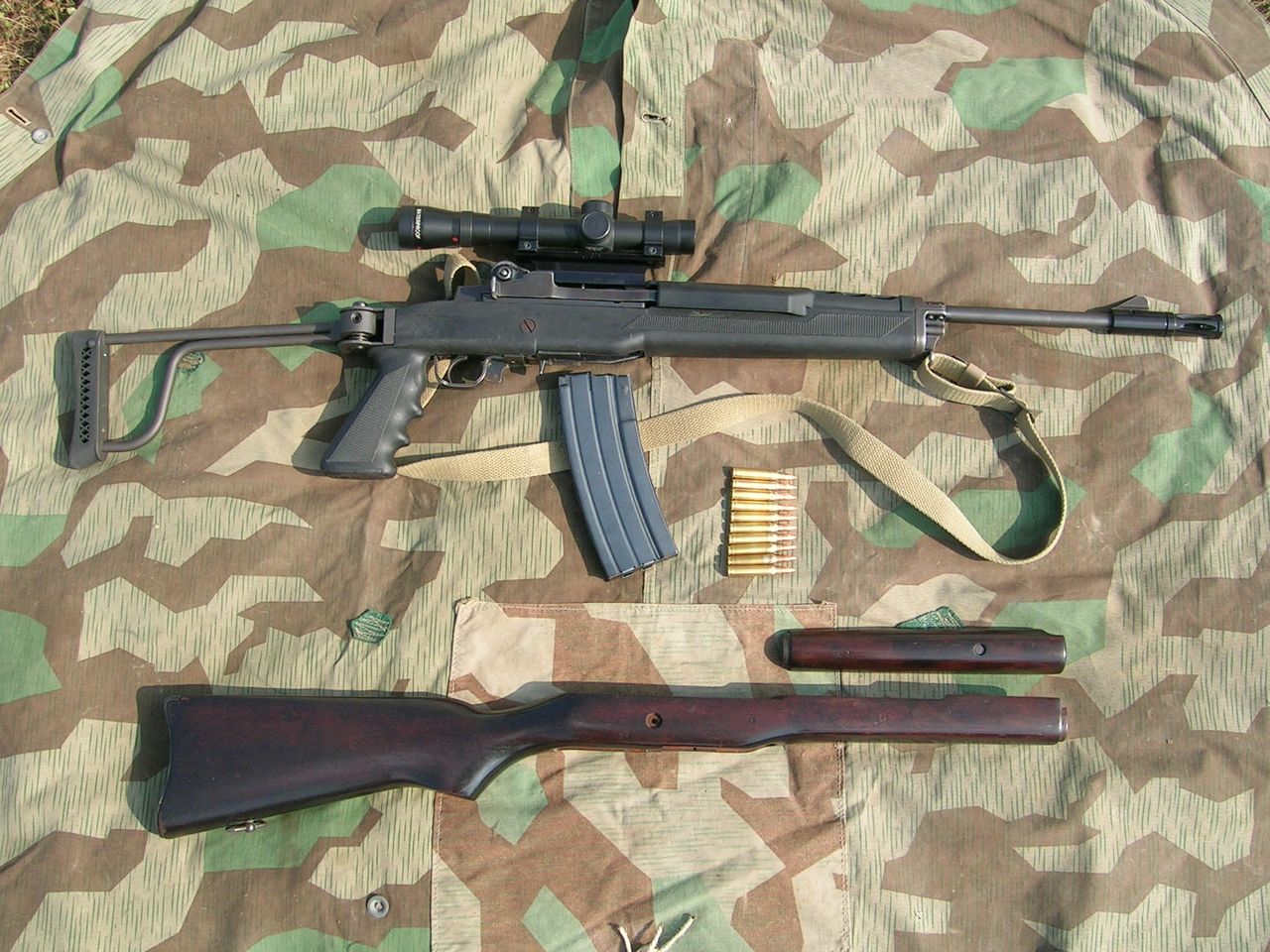
The Ruger Mini-14 was not a direct military issue rifle in the way some others on this list were, but its design clearly drew inspiration from the M14 family. It shrank the Garand-style action concept into a handy .223 package and gave civilians a familiar look with lighter recoil and easy handling.
That timing mattered. As military service rifles evolved toward black polymer and modular rails, the Mini-14 kept winning over buyers who wanted something practical without the overtly tactical styling.
Its staying power comes from flexibility. Ranchers, recreational shooters, and homeowners all found reasons to keep the Mini-14 relevant, even as the military lineage that inspired it became more of a historical reference than a current service standard.
Semi-Auto Uzi Carbine
The Uzi became an icon of postwar military and police firepower, compact and unmistakable in silhouette. Yet as a military submachine gun, its heyday was tied to a specific era, before compact carbines and modern personal defense weapons began taking over many of the roles it once owned.
The civilian semi-auto carbine version had a different fate. In legal, closed-bolt form, it transformed from battlefield tool into range curiosity, collector centerpiece, and pop-culture favorite.
That cultural afterlife has been remarkably durable. Even people who have never fired one usually recognize it instantly, and that kind of recognition helps keep a civilian gun alive long after the original military design has slipped from common service.
M1 Carbine Commercial Variants
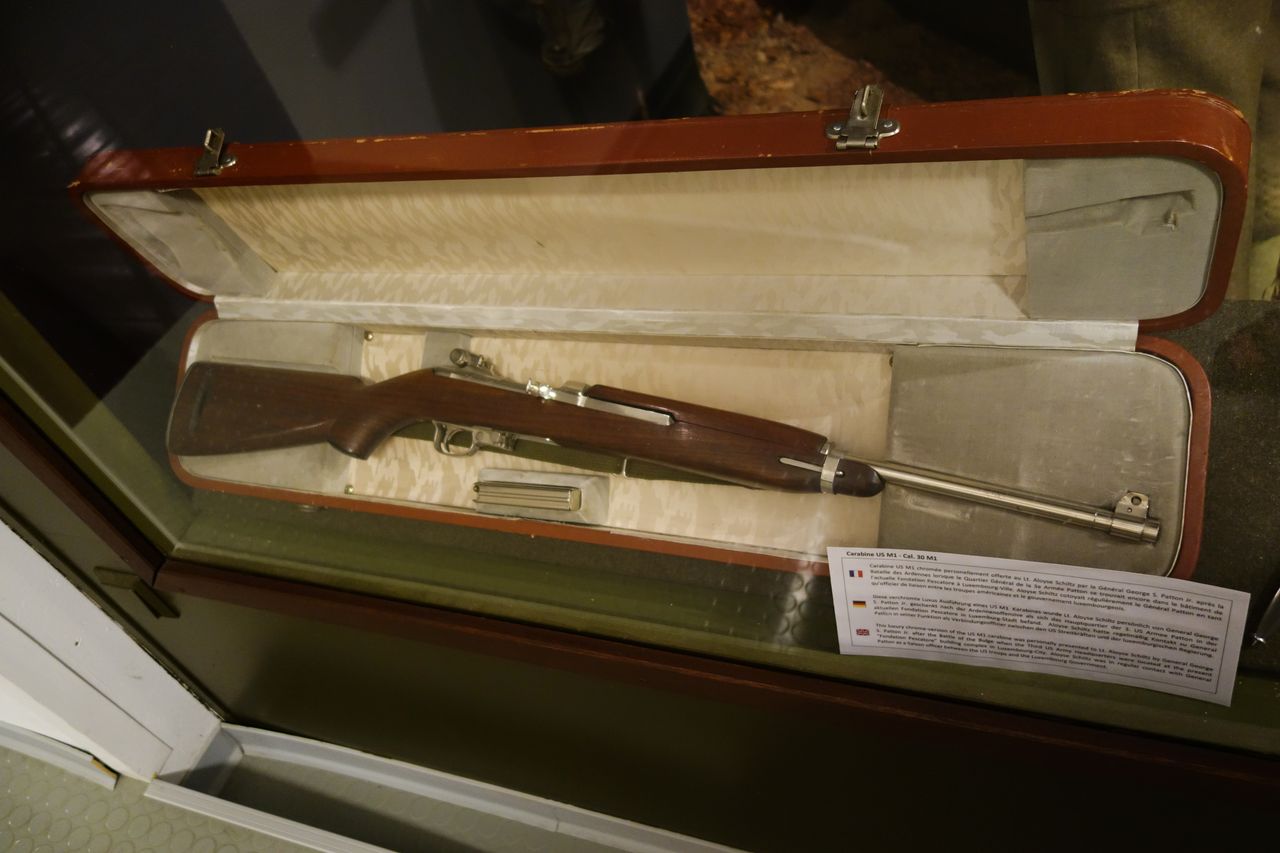
The original M1 Carbine was built for World War II and remained useful through Korea, but its military role eventually narrowed as doctrine changed and newer rifles took over. What remained was a lightweight, fast-handling design that civilians found instantly appealing.
Commercial makers stepped in with reproductions and new-production carbines, keeping the format alive for generations of shooters. The appeal was easy to understand: low recoil, compact size, and a direct visual link to one of America’s most recognizable wartime arms.
In military terms, the M1 Carbine became a legacy piece. In civilian life, though, it kept earning new audiences, moving from battlefield practicality to historical charm without losing the qualities that made it enjoyable to shoot.
Browning 1919 Semi-Auto

The Browning 1919 started life as a belt-fed military machine gun, a role with obvious limits in the civilian market. But in semi-auto form, it became something else entirely: a collector’s monument to industrial-age firepower and a conversation piece unlike almost anything else on a firing line.
No one buys a semi-auto 1919 because it is the easiest rifle to carry into the woods. Its appeal is heavier, more theatrical, and deeply historical, tapping into the fascination many enthusiasts have with crew-served weapons and wartime engineering.
That is exactly why it outlived its original context so well. The military moved on to newer systems, while the civilian version survived as a niche classic, preserved by curiosity, craftsmanship, and sheer mechanical presence.
PTR-91 and Other G3-Style Rifles
The G3 served all over the world, but military service rifles eventually gave way to lighter 5.56 platforms and more modern ergonomics. Even so, the roller-delayed action never really disappeared. It simply changed addresses, moving from arsenals to civilian safes and range bags.
In the U.S., rifles like the PTR-91 kept the pattern alive for shooters who wanted .308 power and old-school battle rifle character. The design has a reputation for ruggedness, and its stamped-steel look gives it a very specific Cold War appeal.
What makes these rifles endure is that they offer an experience modern guns often do not. They feel unapologetically mechanical, a little overbuilt, and rooted in an era that many collectors and enthusiasts still find irresistible.
Civilian AK Rifles
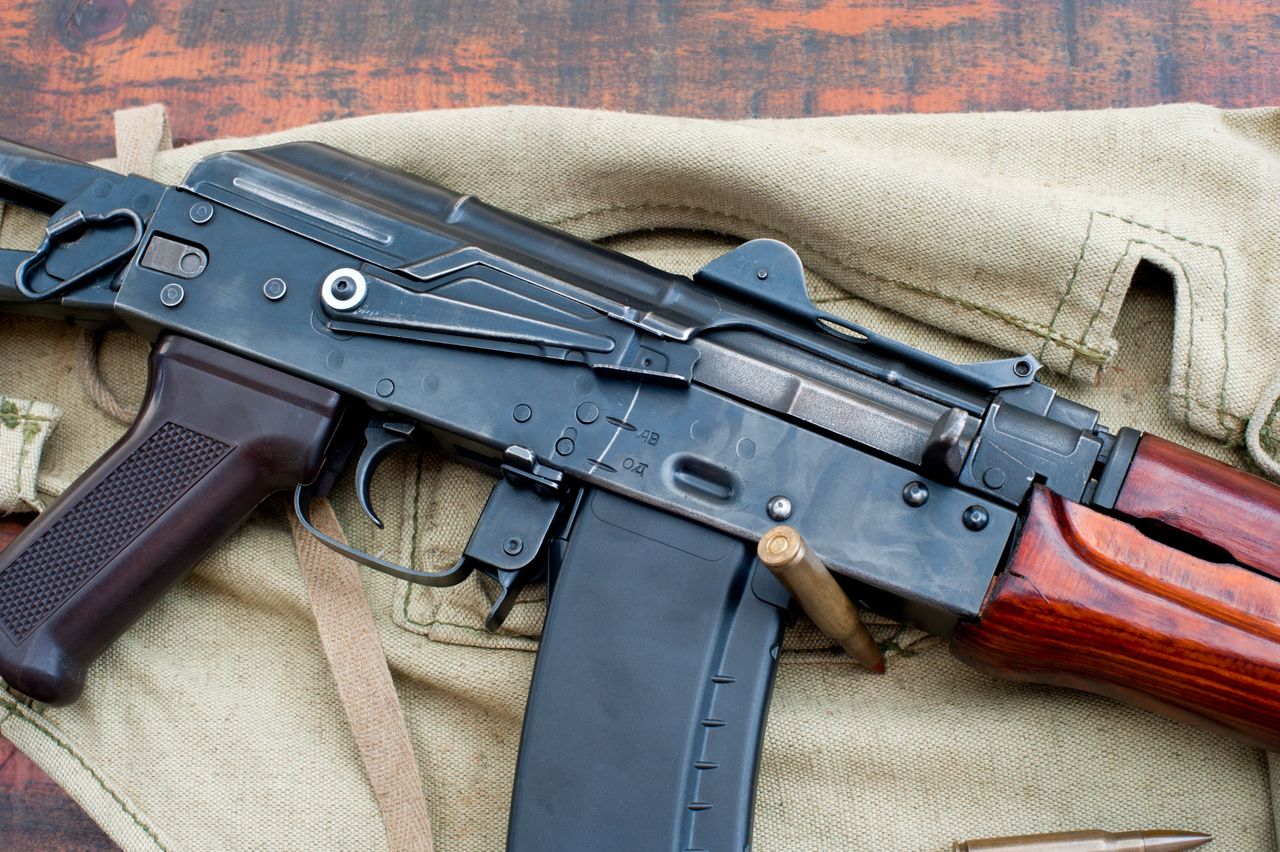
The military AK has served in countless conflicts, but many original issue rifles have been replaced, rebuilt, or retired as armies update inventories. The civilian AK, however, never depended on one army or one era. It spread through imports, domestic production, and endless variants that kept the core design in circulation.
Part of the appeal is simplicity. Civilian buyers love the reputation for reliability, the straightforward manual of arms, and the unmistakable look that says rugged utility from across the room.
That broad commercial ecosystem gave the AK something many military rifles never get: a second life that keeps adapting to consumer taste. Wood furniture, modern rails, collectors’ clones, and basic range rifles all help extend its relevance far beyond its original service story.
Civilian AR-15 Rifles
Few examples better illustrate this idea than the AR-15. Its military descendants evolved into the M16 and M4 family, then continued changing through updated barrels, optics, rails, and doctrine. But the civilian AR-15 became an even larger universe, branching into competition, hunting, recreation, and home-defense configurations.
That adaptability is the whole story. A basic rifle can become a varmint setup, a target gun, or a lightweight general-purpose carbine with a few parts changes and a little personal taste.
While specific military models come and go, the civilian AR platform keeps reinventing itself. It has arguably become less a single gun than a modular category, one capable of outlasting individual service versions by constantly evolving with the market.
1911 Commercial Pistols
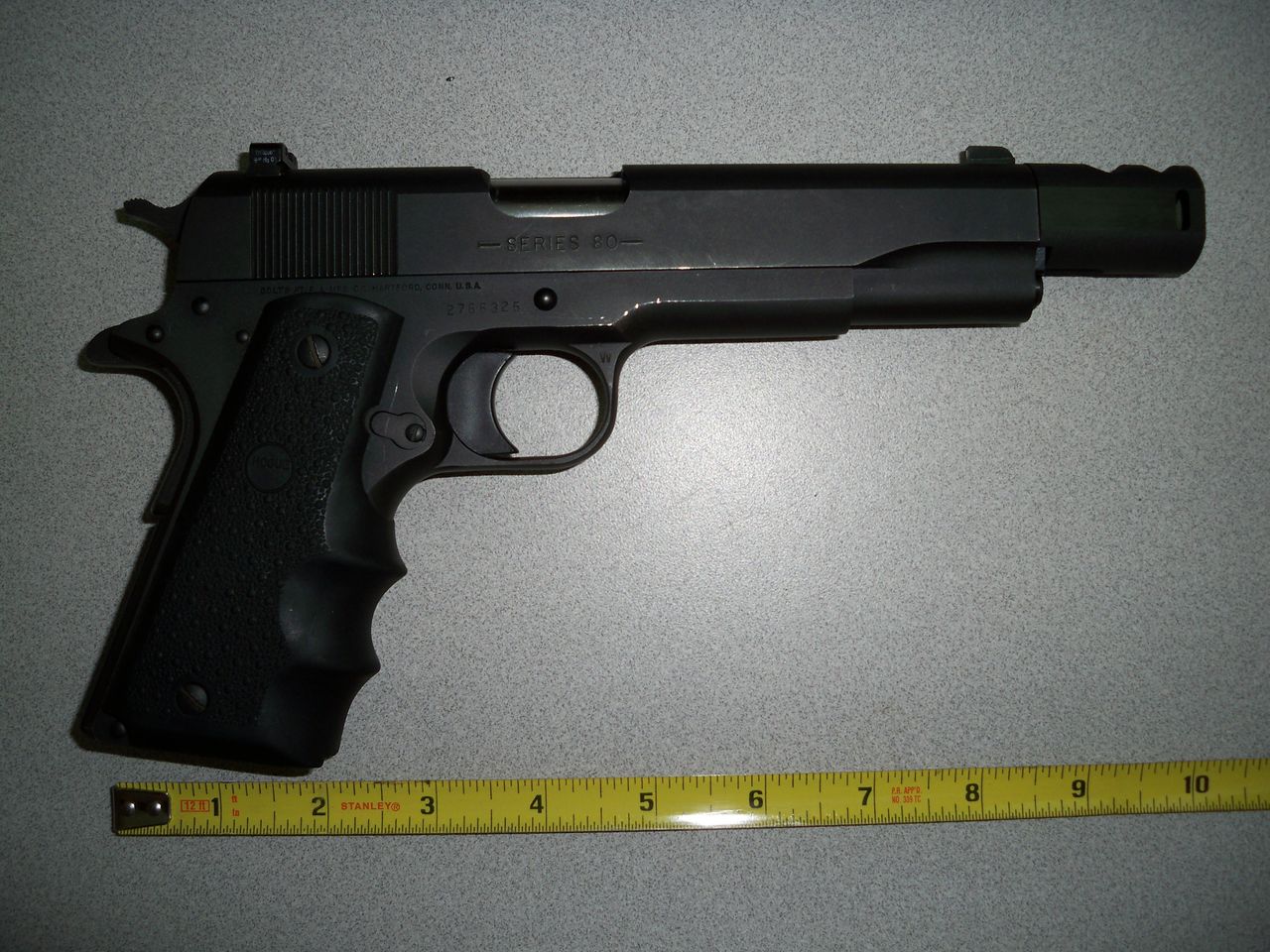
The M1911 served the U.S. military for decades, then gradually gave way to higher-capacity sidearms better suited to modern service requirements. That shift made sense for armies, but it never ended civilian affection for John Browning’s big single-action pistol.
In fact, the commercial 1911 market grew into a world of its own. Entry-level models, hand-fitted customs, competition guns, and carry pistols all kept the platform alive long after military standard issue status had ended.
Its continued popularity is partly about feel. The trigger, the slim grip, and the all-steel balance create a shooting experience many enthusiasts still consider special. What the military left behind, the civilian market turned into a permanent institution.
Beretta 92 Civilian Pistols
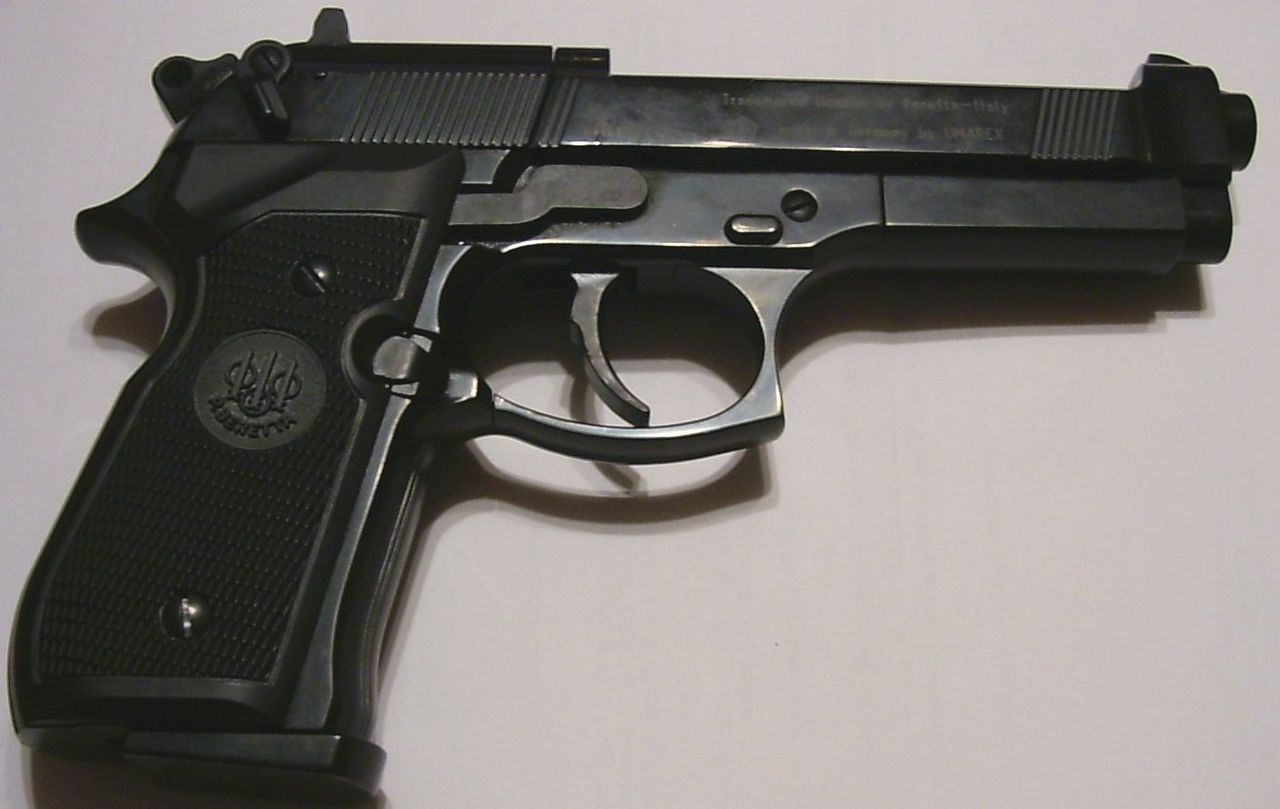
The Beretta 92 achieved worldwide visibility through military and police service, especially in its M9 chapter with the U.S. armed forces. But as militaries shifted toward newer modular handguns, the commercial 92 series stayed firmly in the picture, supported by loyal fans and steady factory updates.
For many shooters, the appeal is instantly recognizable. The open-slide design, smooth recoil impulse, and unmistakable profile give the gun a personality that newer polymer pistols often lack.
That personality matters in the civilian world, where buying decisions are not driven only by procurement trials. A pistol can survive because it is enjoyable, familiar, and stylish, and the Beretta 92 has turned those strengths into a much longer life beyond its official military moment.