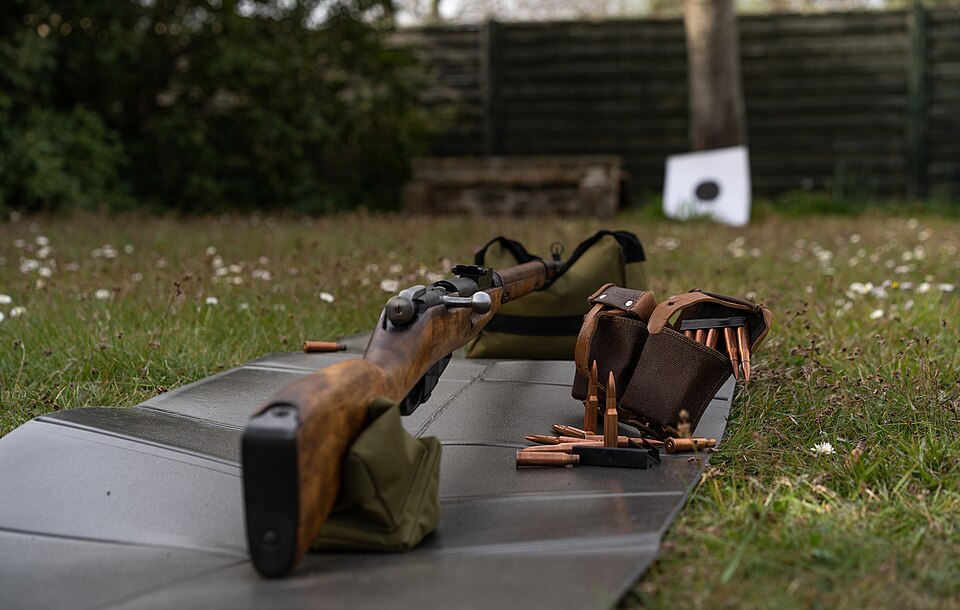
A generation ago, the Mosin-Nagant was the rifle nobody bragged about. That changed when shooters realized cheap surplus does not stay cheap forever.
When the Mosin Was Everywhere
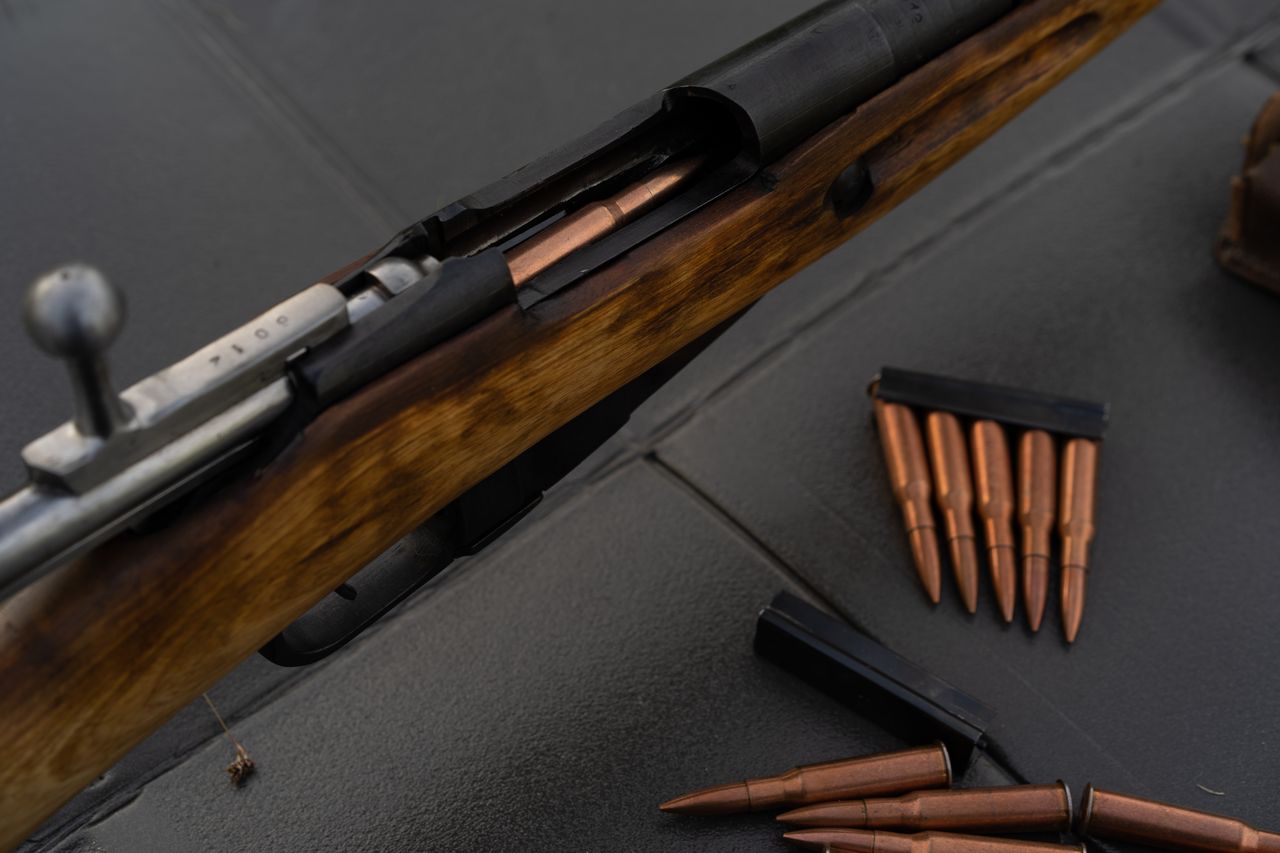
For years, the Mosin-Nagant was the definition of affordable surplus. Imported in huge numbers, these rifles flooded American gun shops after the Cold War, often still packed in grease and sold by the crate.
That abundance was no accident. Rock Island Auction notes that more than 37 million Mosin-Nagant rifles and M44 carbines were produced from 1891 to 1973, an industrial scale that guaranteed decades of leftovers for the export market.
Most buyers were not thinking like collectors. They wanted a rugged bolt gun, a loud range toy, or a deer-camp backup that cost less than many modern scopes.
Why the Price Floor Finally Broke
Surplus markets always look permanent right until they are not. Once import waves slow down, the supply sitting in closets and safes becomes the real market, and that supply is finite.
That is exactly what happened here. Rock Island Auction’s market analysis showed a major rise in average Mosin prices from 2015 through 2022, with bundled three-rifle lots climbing from $748.50 on average in 2015 to $2,329.25 less than eight years later.
Collectors also started paying attention to pressure on future supply. Import restrictions, embargos, and the simple fact that the best-condition examples had already been picked over all helped push the old bargain gun into a different price bracket.
History Turned a Utility Rifle Into a Story Rifle
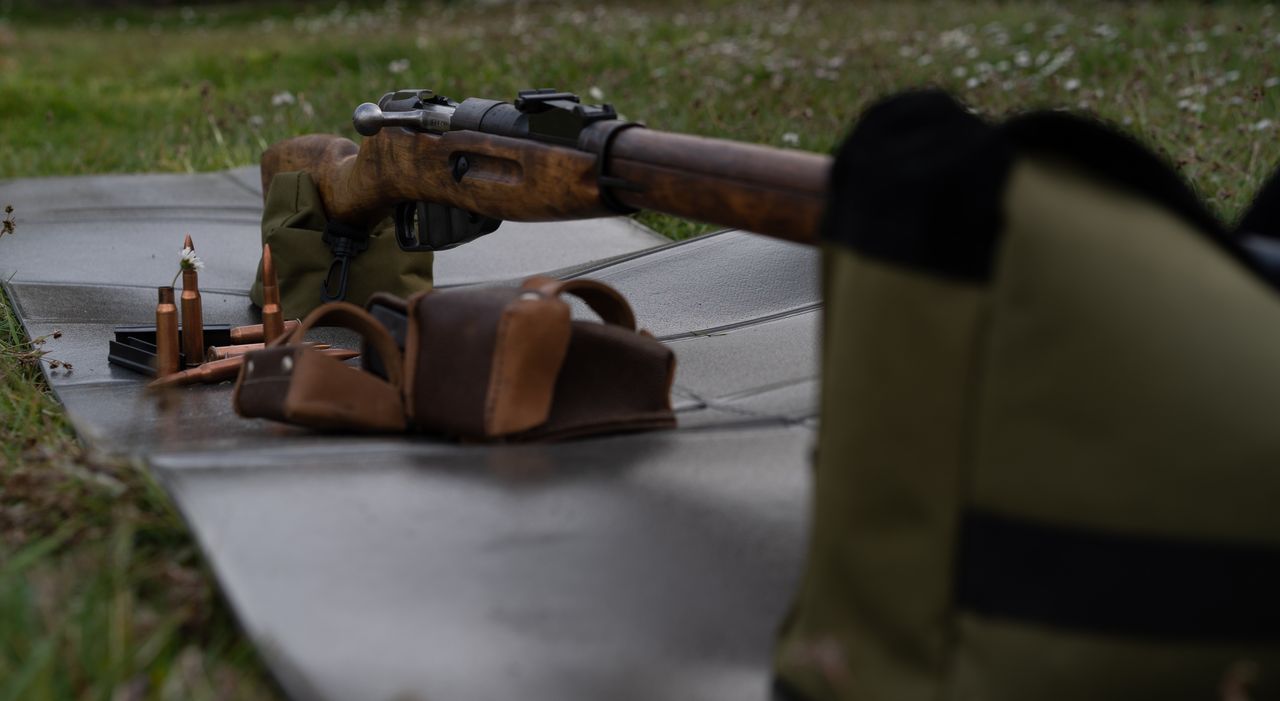
The Mosin’s appeal is not just mechanical. It is historical, and history sells once buyers begin reading receiver dates, arsenal marks, and wartime modifications like clues in a detective novel.
The design entered Russian service in 1891 and served through imperial Russia, the Soviet era, World War I, World War II, and beyond. According to NRA Museums, variants included long rifles, carbines, and sniper models, with M91/30 and M1944 types becoming especially recognizable to American buyers.
Some rifles have astonishing biographies. Forgotten Weapons has highlighted examples that moved from Russian service to German capture, then back east again before ending up in Finnish hands, the kind of provenance that turns a plain surplus rifle into a conversation piece.
The Variants That Created Real Collectors
Not all Mosins are equal, and that realization changed the market. Once buyers learned the difference between a common refurb and a scarce variation, the category matured fast.
Finnish Mosins were a big part of that shift. Models such as the M39 developed a reputation for better barrels, improved stocks, and stronger practical accuracy, making them desirable not only as artifacts but as shooters with real personality.
Then there are the snipers. The 91/30 PU, covered in detail by specialists like Forgotten Weapons, became one of the most recognized Soviet sniper rifles of World War II, and authentic examples command far more respect than the average counterbored arsenal rebuild.
Condition, Originality, and Matching Numbers Matter Now
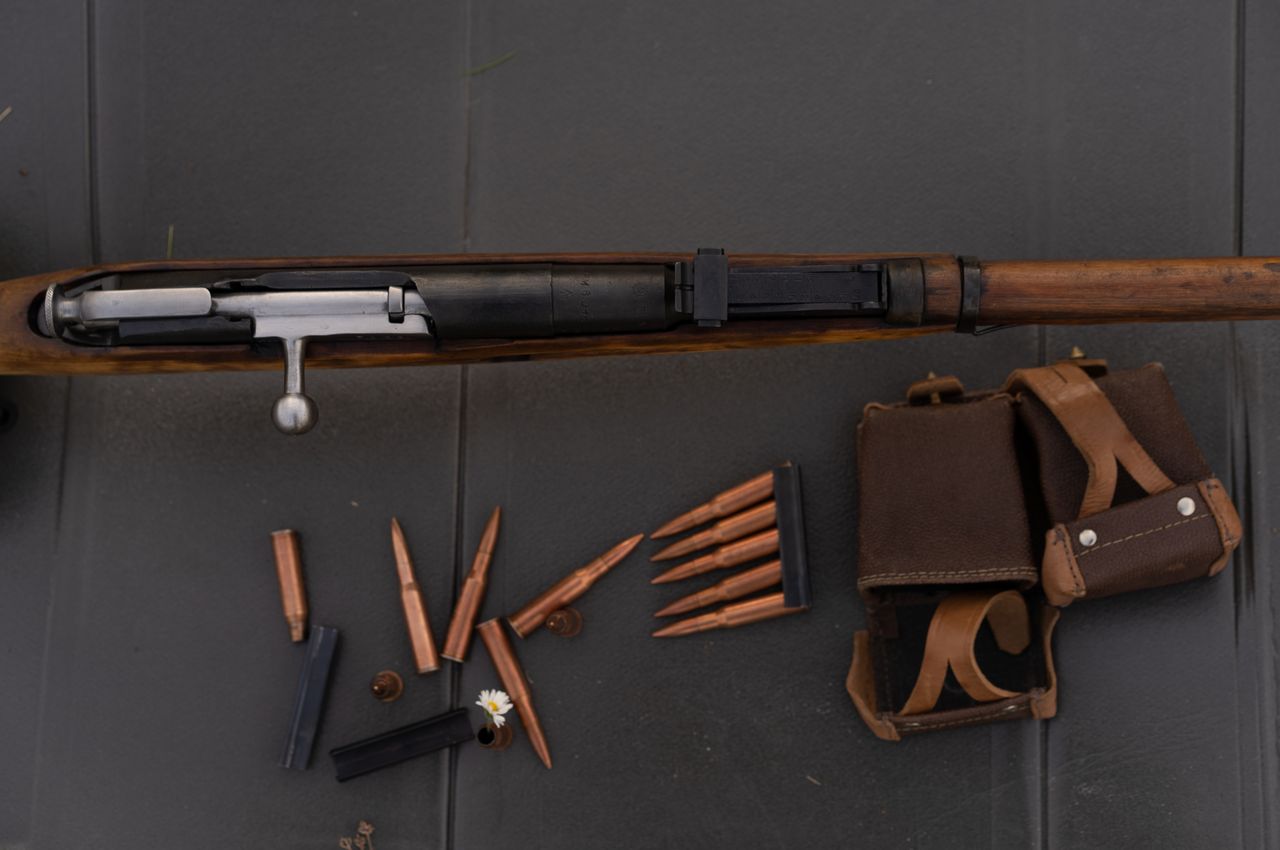
In the surplus-bin era, many buyers cared only that the rifle fired. In the collector era, details matter: matching serials, original finish, intact markings, proper stocks, and whether a sniper was born that way or assembled later.
That change rewards knowledge. An all-matching Soviet refurb may still be attainable, but an untouched early rifle, an authentic PU sniper, or a desirable Finnish rebuild now attracts buyers who inspect every screw, stamp, and import mark.
ATF’s Curios or Relics listings also reinforce the rifle’s status as a recognized historic arm. Once a firearm moves from cheap commodity to documented collectible, the market tends to treat it very differently.
Why the Mosin Still Has Room to Climb
The Mosin-Nagant now sits in a sweet spot. It remains more attainable than many classic U.S. and German military rifles, but it carries global wartime history, multiple national variations, and an enthusiast base that keeps growing.
That combination is powerful. Collectors who missed the days of $89 carbines still see room in rare Finns, early Imperial rifles, marked snipers, and unusual satellite-state variants from places like Hungary, Poland, and China.
The lesson is simple: yesterday’s beater can become tomorrow’s prize once supply dries up and people learn what they are actually looking at. The Mosin did not change nearly as much as the market around it did.