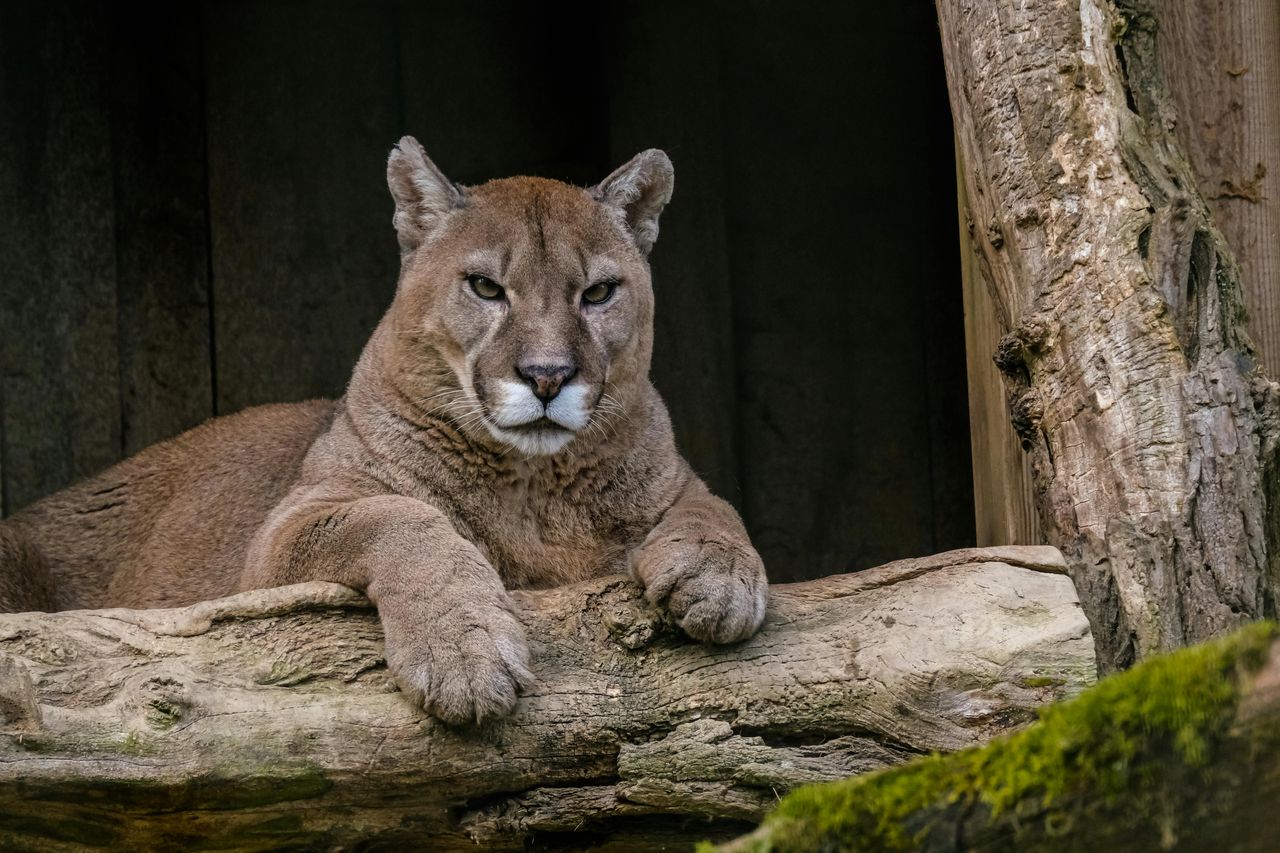
Mountain lions are turning up in places where people haven’t thought about them in years. That makes the self-defense question feel a lot less hypothetical.
Why mountain lion encounters are becoming more common

Across the American West and into parts of the Midwest, mountain lions are reclaiming habitat, dispersing into new territory, and occasionally showing up near subdivisions, trail systems, and rural edge communities. State wildlife agencies in places like Colorado, California, Washington, Nebraska, and South Dakota have all documented expanding or shifting lion activity over the years. Young males, in particular, can travel extraordinary distances while looking for territory, which is one reason sightings now pop up in surprising places.
At the same time, humans are pushing deeper into prime lion country. New housing developments back up against deer corridors, hobby farms bring in attractants, and trail networks put hikers, trail runners, and mountain bikers directly into predator habitat. That does not mean attacks are common. They are still rare. But “rare” feels different when a 120- to 160-pound ambush predator is documented on the same ridgeline where families hike every weekend.
Experts generally agree on one key point: situational awareness matters more than caliber. Most encounters end with the animal slipping away. Still, if a lion commits to a close-range attack, you are dealing with speed, muscle, claws, and a very small window to respond. That reality is why the caliber question keeps coming up, especially among people who spend serious time in backcountry areas where help is far away.
The caliber debate starts with the wrong assumptions.
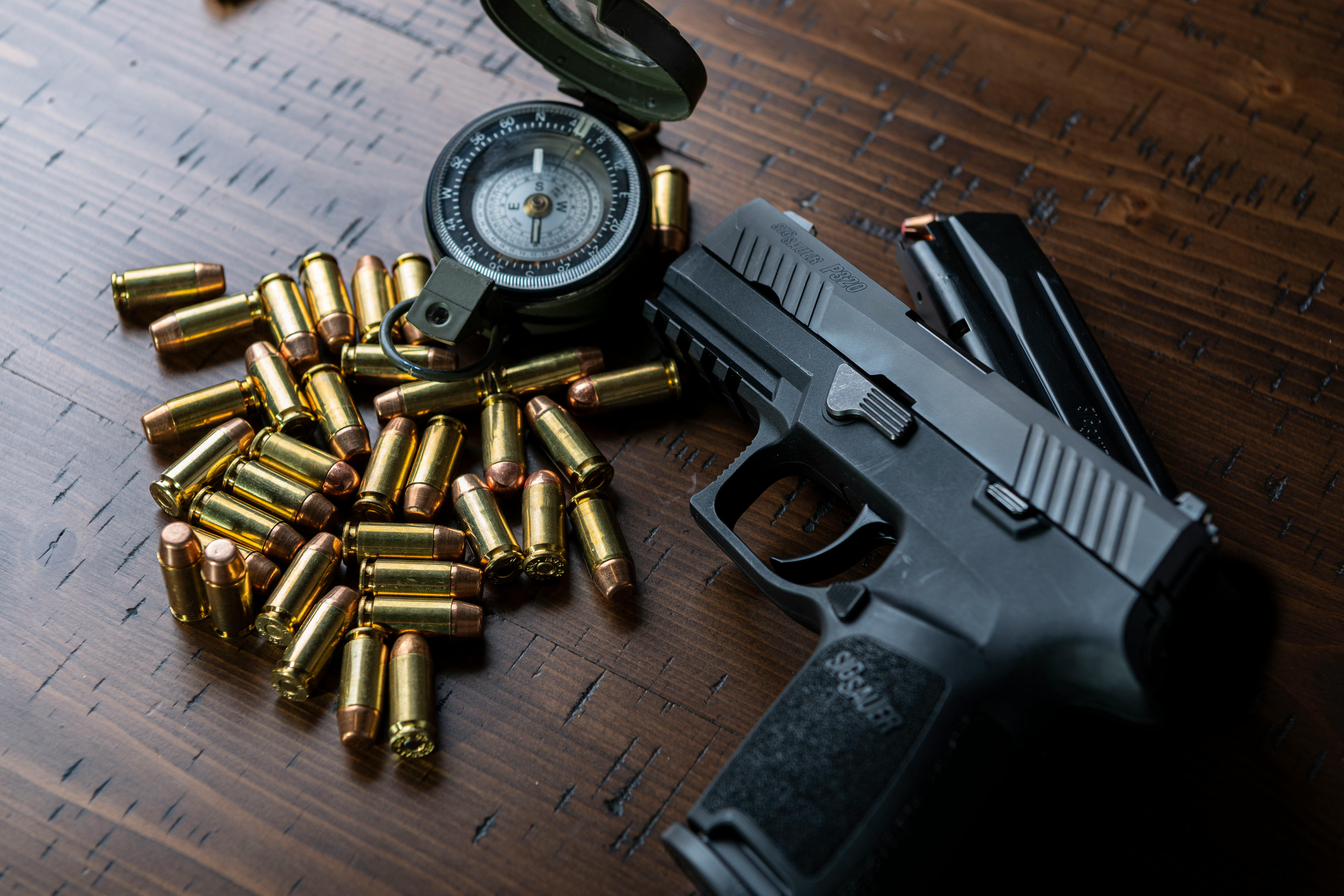
A lot of people imagine mountain lion defense the same way they imagine defense against bears, and that leads them toward oversized revolvers and heavy magnum cartridges. The problem is that the threat profile is different. A lion is not a 700-pound brown bear with thick bone, dense fat, and massive muscle depth. It is a lighter, faster predator that is more likely to appear suddenly and at close range, often from an angle you did not expect.
That changes what “enough gun” means. You do need adequate penetration because handgun rounds are weak compared with rifles and shotguns. But you also need a handgun you can actually carry all day, draw quickly, control under stress, and fire accurately in rapid succession. The best caliber for mountain lion defense is not the most powerful one you can tolerate for a single shot on a square range. It is the one you can put on target immediately when your heart rate spikes, and the distance is measured in feet, not yards.
This is where practical defensive shooting doctrine matters. Handguns stop threats through shot placement and sufficient penetration, not cinematic knockdown power. That is true whether the target is human or animal. So the smart question is not “What is the biggest caliber?” It is “What gives me the best odds of fast, accurate, penetrating hits from a gun I will actually have with me?”
The practical answer: 9mm is usually the sweet spot

For most people, 9mm is the most sensible answer. That will irritate devotees of 10mm Auto, .357 Magnum, and big-bore revolvers, but the case for 9mm is strong. Modern defensive 9mm loads have improved dramatically, and many hard-cast or deep-penetrating solid options exist for people specifically worried about animal defense. Just as important, 9mm pistols tend to be lighter, easier to carry, easier to shoot well, and faster to recover between shots than more powerful alternatives.
Capacity also matters more than many gun owners want to admit. A compact 9mm can give you 10 to 15 rounds in a package you are likely to keep on your body during a long hike, trail run, or day around a property line. Compare that with a heavy revolver left in the truck because it drags at the belt, bounces in a chest rig, or becomes miserable after six hours outdoors. The handgun you leave behind has a stopping power rating of zero.
There is another practical point here: mountain lion attacks are often chaotic and close. You may be shooting one-handed, from the ground, or while shielding your face and neck. In those conditions, a controllable semi-auto in 9mm offers real advantages. For the average carrier, repeated center-mass or shoulder-area hits with a capable 9mm load are usually a better bet than one badly placed magnum round.
When 10mm, .357 Magnum, or .44 Magnum make sense

That does not mean bigger calibers are pointless. If you are already skilled with 10mm Auto, it is an excellent outdoors sidearm caliber. It gives you more velocity, more energy, and often better penetration potential than 9mm, especially with loads designed for animal defense. In lion country that overlaps with black bear country, 10mm becomes even more attractive because it can reasonably cover both threats without forcing most shooters into a large-frame revolver.
.357 Magnum also deserves respect. Out of a 4-inch revolver, it has a long track record as a serious field cartridge and can perform very well with proper loads. Its downside is the usual revolver tradeoff: lower capacity, slower reloads, and in many lightweight guns, stout recoil and blast. Those negatives may be acceptable for experienced shooters who train regularly, but they are not trivial.
.44 Magnum is where the conversation often drifts into overkill for the stated problem. Yes, it is powerful. Yes, it can absolutely handle a mountain lion. But many people shoot it slowly and poorly compared with smaller calibers. Unless you are intentionally choosing one sidearm for larger predators,s too, a .44 carried for lions alone often solves a problem bigger than the one you actually have.
Bullet choice matters almost as much as caliber.
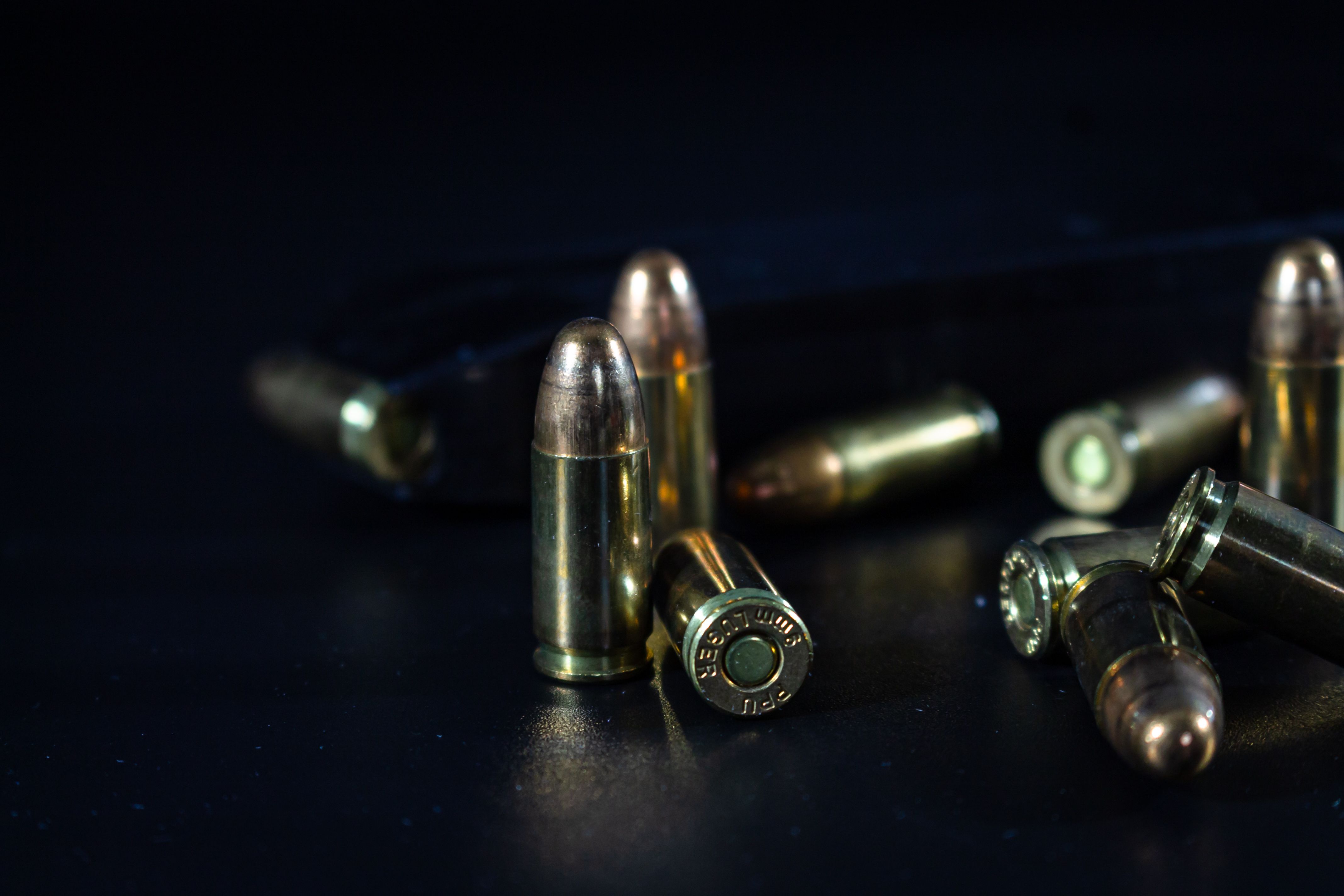
If caliber is the headline, bullet construction is the fine print that changes the outcome. For mountain lions, you generally want reliable penetration first. A lion’s anatomy does not require the same extreme penetration standards often discussed for large bears, but you still want a bullet that can punch through muscle, reach vital structures, and hold together if it hits the shoulder bone at an angle. Lightweight, rapidly expanding personal-defense hollow points built around human targets are not always the ideal outdoors choice.
That is why many experienced backcountry carriers lean toward hard-cast flat-nose bullets, solid copper penetrators, or controlled-expansion jacketed rounds with a reputation for staying intact. The exact choice depends on the firearm and your ability to test reliability. In a semi-auto, feeding matters. A hard-cast load that malfunctions in your pistol is worse than a less exotic round that runs perfectly every time.
The smartest move is boring but effective: choose a quality load designed for deep penetration, then confirm the point of impact and function in your actual carry gun. Recoil changes with hotter loads, and so does your split time between shots. Real-world preparedness means balancing terminal performance with shootability, not buying the nastiest box on the shelf and assuming the label solves everything.
The gun you carry well beats the gun you admire online.
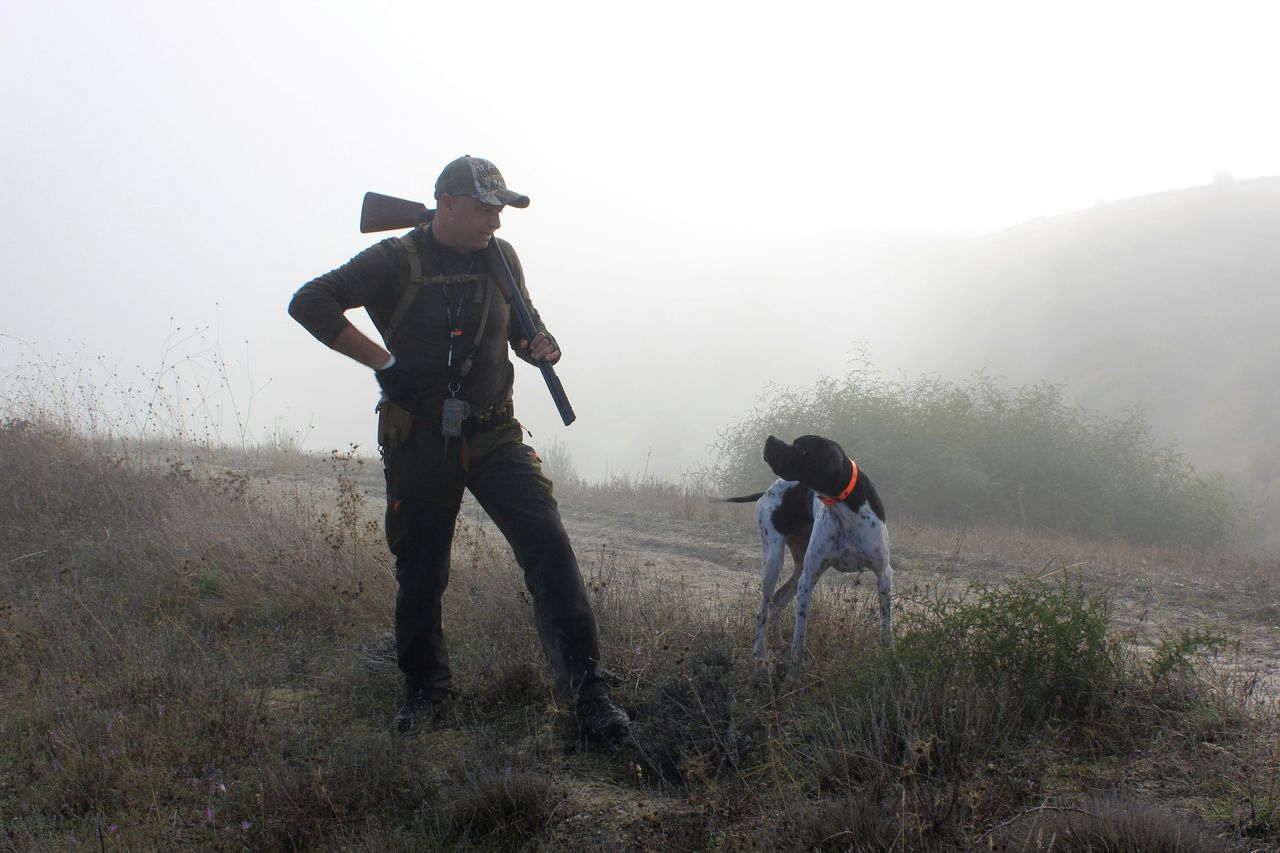
A mountain lion defense setup has to fit how people really move outdoors. Hunters may tolerate a heavy chest-rig revolver all day. Casual hikers, trail runners, dog walkers, and people checking fence lines usually will not. Weight, comfort, draw speed, and retention all matter. If your holster shifts under a pack belt, prints badly under light clothing, or rubs you raw after a few miles, compliance drops fast.
That is why many experienced outdoors people settle on compact or full-size polymer semi-autos in 9mm or 10mm. They are weather-resistant, relatively light, simple to maintain, and available with practical holster options. A chest holster can work well under pack straps. A strong-side outside-the-waistband setup can be faster if clothing and terrain allow. The right answer is the one you can access immediately when surprised.
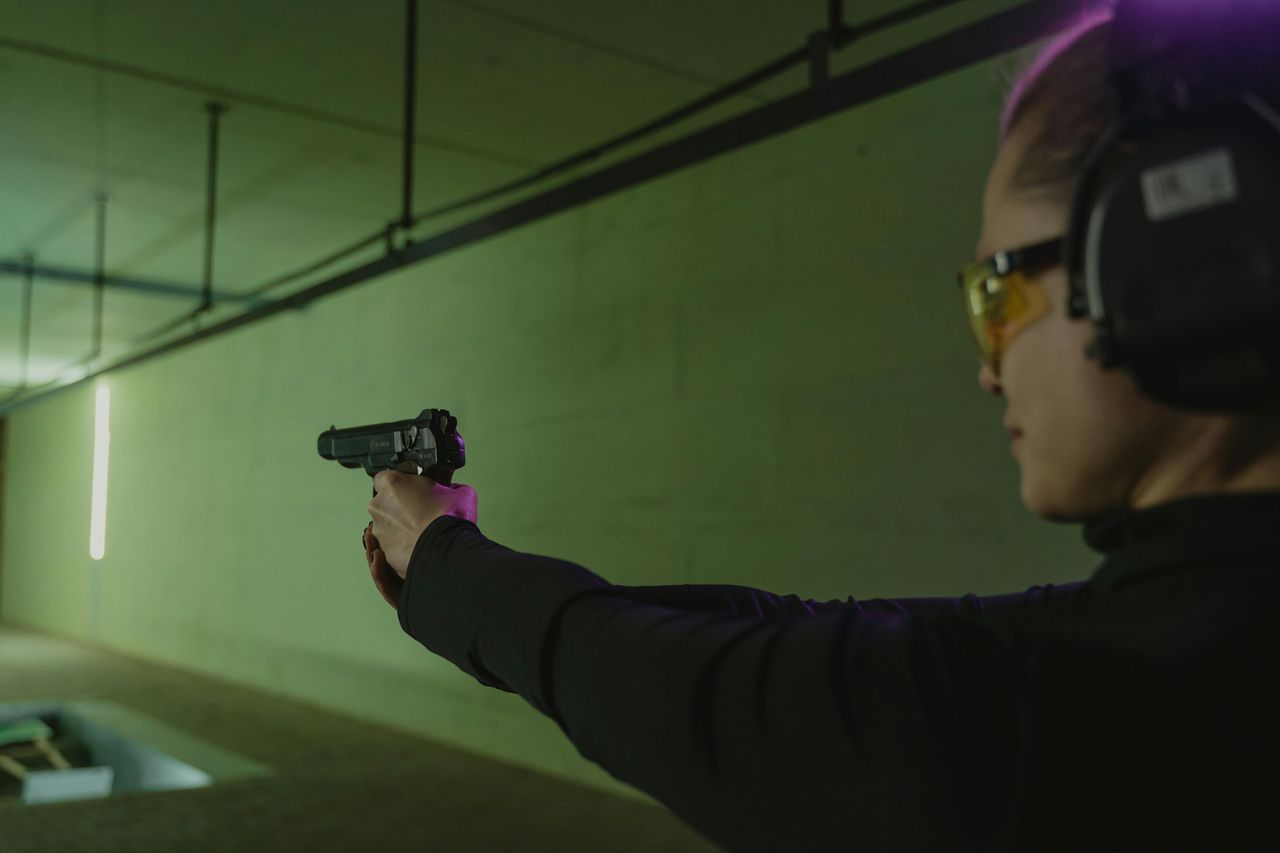
Training is the part people skip because it is less fun than caliber debates. Practice drawing from your actual field setup. Practice one-handed shooting. Practice fast pairs at close range. Wildlife officers and defensive firearms instructors alike tend to agree on a blunt truth: in a sudden animal attack, competence matters more than equipment theory. Hardware helps, but skill cashes the check.
What most people in lion country should actually choose
For the average person specifically concerned about mountain lions, the best all-around answer is a reliable 9mm pistol loaded with a deep-penetrating round, carried in a holster you will truly wear. That recommendation is not glamorous, but it is grounded in reality. It balances portability, capacity, controllability, and sufficient terminal performance for a predator of this size. If you train seriously and want more margin, stepping up to 10mm is entirely reasonable.
If you are already proficient with the .357 Magnum and committed to carrying it, that can be a solid choice too. If your environment includes a meaningful chance of black bear encounters along with lions, the argument for 10mm gets stronger. But if the question is narrowly about mountain lions, many people are better served by a gun that they can shoot quickly and accurately than by one that simply sounds more impressive in campfire conversation.
One final point matters just as much as the gun: avoid needing it. Make noise in brushy terrain, keep children close, control pets, do not crouch near carcasses, and leave immediately if deer act agitated or a lion shows too much interest. A firearm is the last layer. For mountain lions, the caliber you actually want is the one attached to a plan, a practiced draw, and the good judgment to stack every other advantage first.