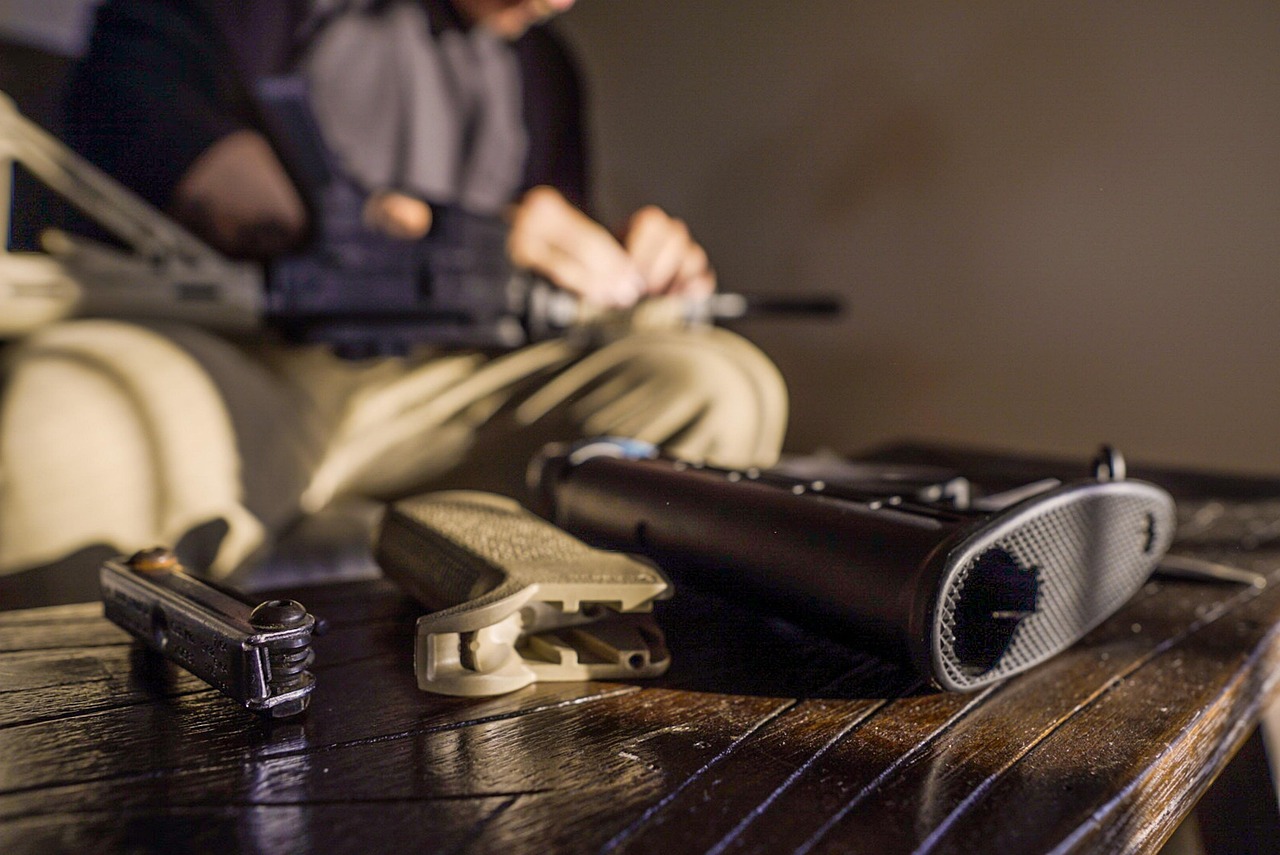
Choosing aftermarket gun parts can be tempting, especially when the price tag seems too good to ignore. But many experienced firearm owners know that bargain components often come with serious risks that aren’t obvious at first glance. Hidden flaws, poor materials, and inconsistent performance can all turn a simple upgrade into a dangerous mistake. Understanding these risks helps gun owners make safer and more informed decisions before installing any new part on their firearm.
1. Unreliable Metal Quality Leading to Sudden Failure
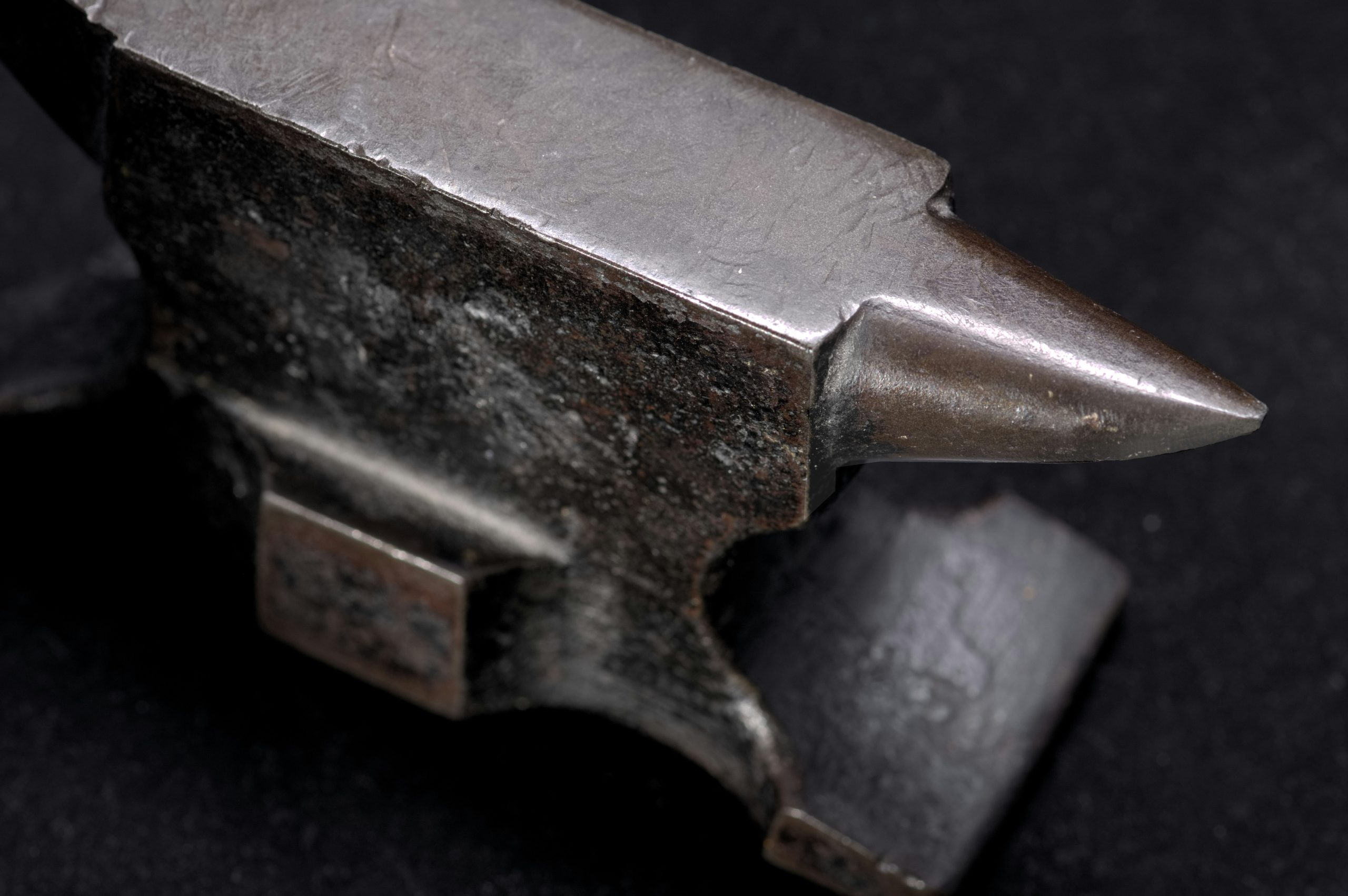
Many low-cost aftermarket parts are made with metal blends that look solid but actually lack the strength needed for repeated firing. These components may fatigue quickly, warp under heat, or crack during recoil. While the flaws may not show immediately, they can appear without warning during use, causing dangerous malfunctions. High-quality steel or properly treated alloys cost more for a reason, and skipping them introduces unnecessary risk.
2. Inconsistent Machining That Disrupts Proper Fitment
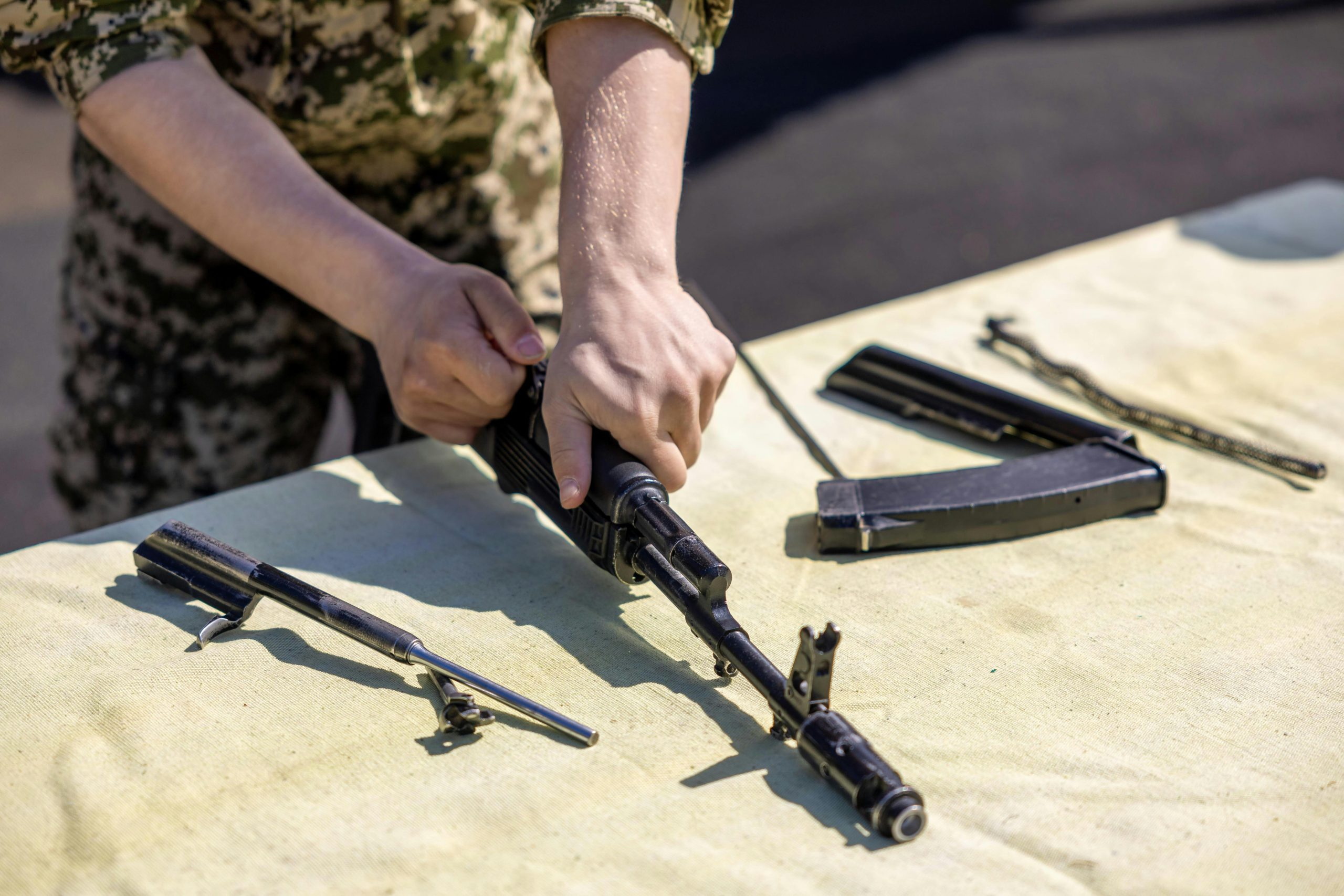
Precision machining is essential for firearm parts to lock together correctly, but cheaper components often skip important quality-control steps. Slight variations in dimensions can throw off alignment and create friction where there shouldn’t be any. Even small imperfections can lead to jams, misfires, or excessive wear on neighboring components. While sanding or modifying parts might seem like a quick fix, it often creates bigger problems later.
3. Poor Heat-Treatment Causing Rapid Wear and Deformation

Heat treatment determines how well a part holds its shape under stress, yet budget manufacturers frequently cut corners during this process. When metal isn’t hardened properly, components may become soft, dent easily, or lose structural integrity after only a few sessions at the range. Once the surface begins to deform, the firearm’s timing and reliability suffer. This kind of hidden wear happens gradually and often goes unnoticed until a major failure occurs.
4. Unsafe Trigger Components That Compromise Fire Control
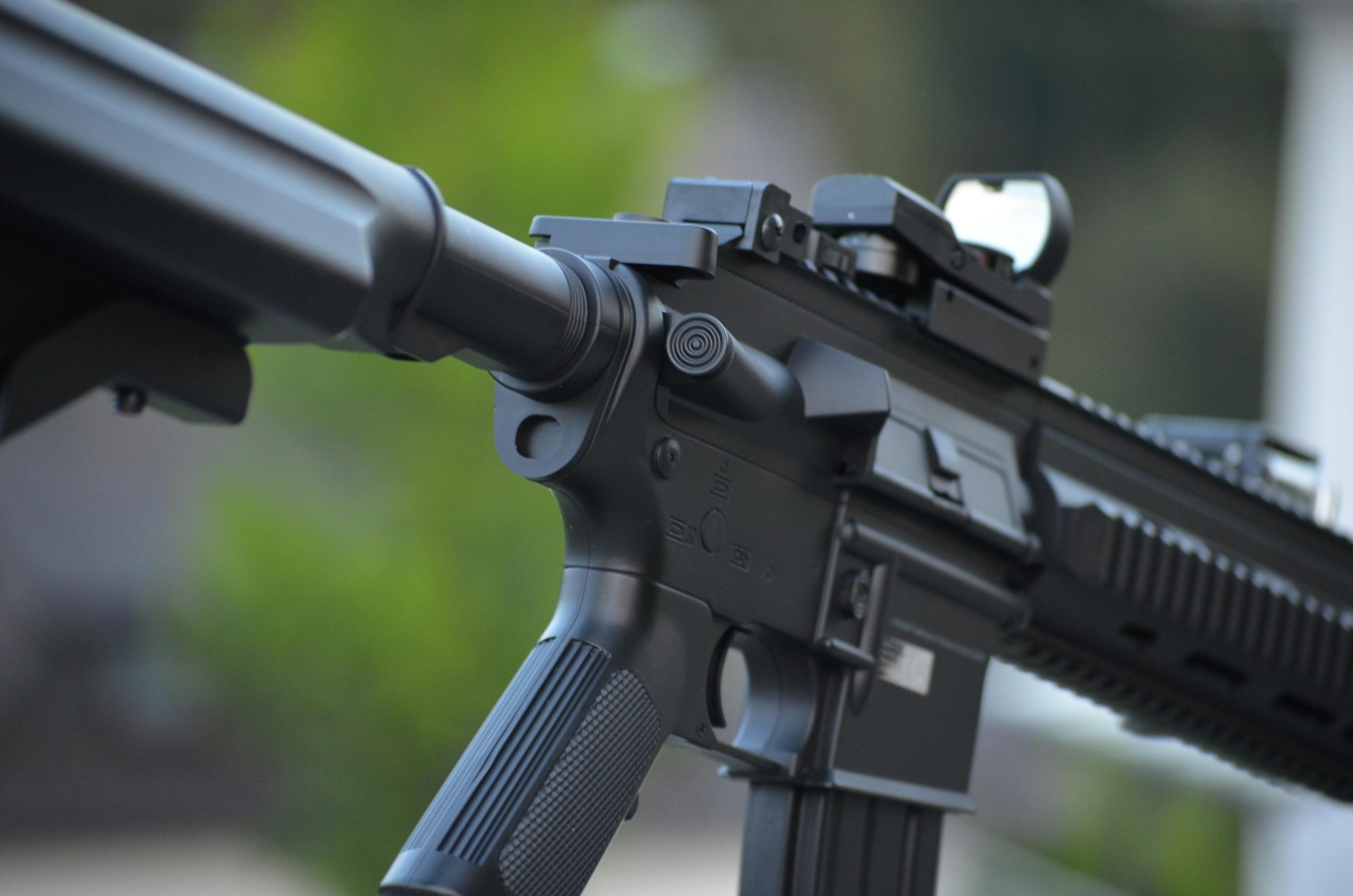
Triggers are one of the most sensitive and safety-critical systems on any firearm. Cheap aftermarket trigger kits may promise lighter pulls or faster resets, but they sometimes rely on springs or connectors that aren’t engineered to exact tolerances. A poorly made trigger part can cause doubling, unintended discharges, or inconsistent break points. When it comes to fire-control components, even tiny deviations create risks no shooter should take lightly.
5. Weak Springs Leading to Cycling and Feeding Problems
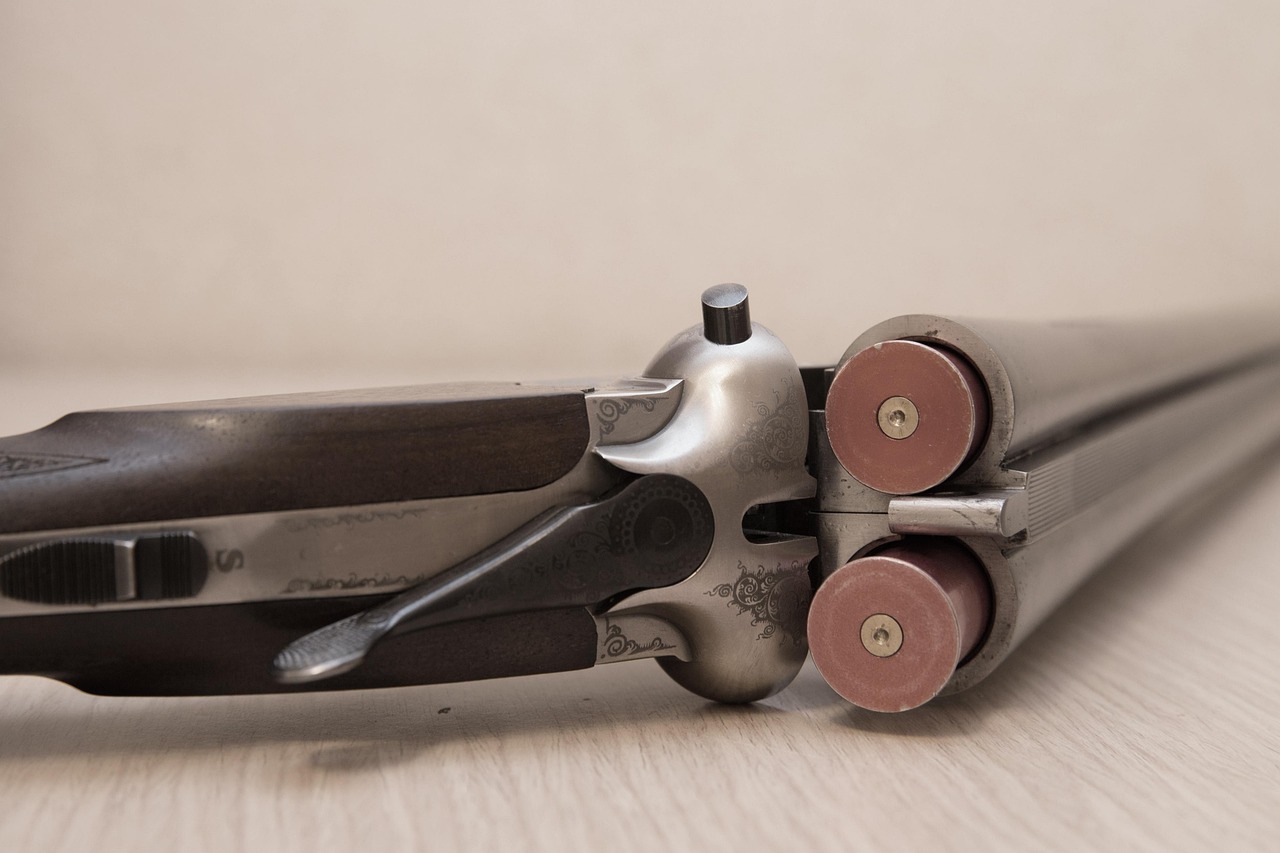
Springs manufactured from low-grade wire or rushed through production quickly lose tension, especially under repeated compression. When they weaken, the firearm may fail to feed rounds correctly, struggle to eject spent cases, or cycle inconsistently. These issues can appear sporadically, making them hard to diagnose. A weakened spring might seem harmless, but during fast shooting or self-defense scenarios, it can become a serious reliability threat.
6. Coatings That Flake or Peel Under Heat and Use

Budget parts often use cheaper coatings that look sleek out of the box but deteriorate quickly once exposed to friction, solvents, or firing temperatures. As the finish breaks down, metal-on-metal contact increases, causing premature wear and potential rust spots. Flaking coating can also interfere with moving components and affect timing. A high-quality finish may cost more, but it protects both the part and the firearm in the long run.
7. Tolerance Stacking That Creates Hidden Compatibility Issues
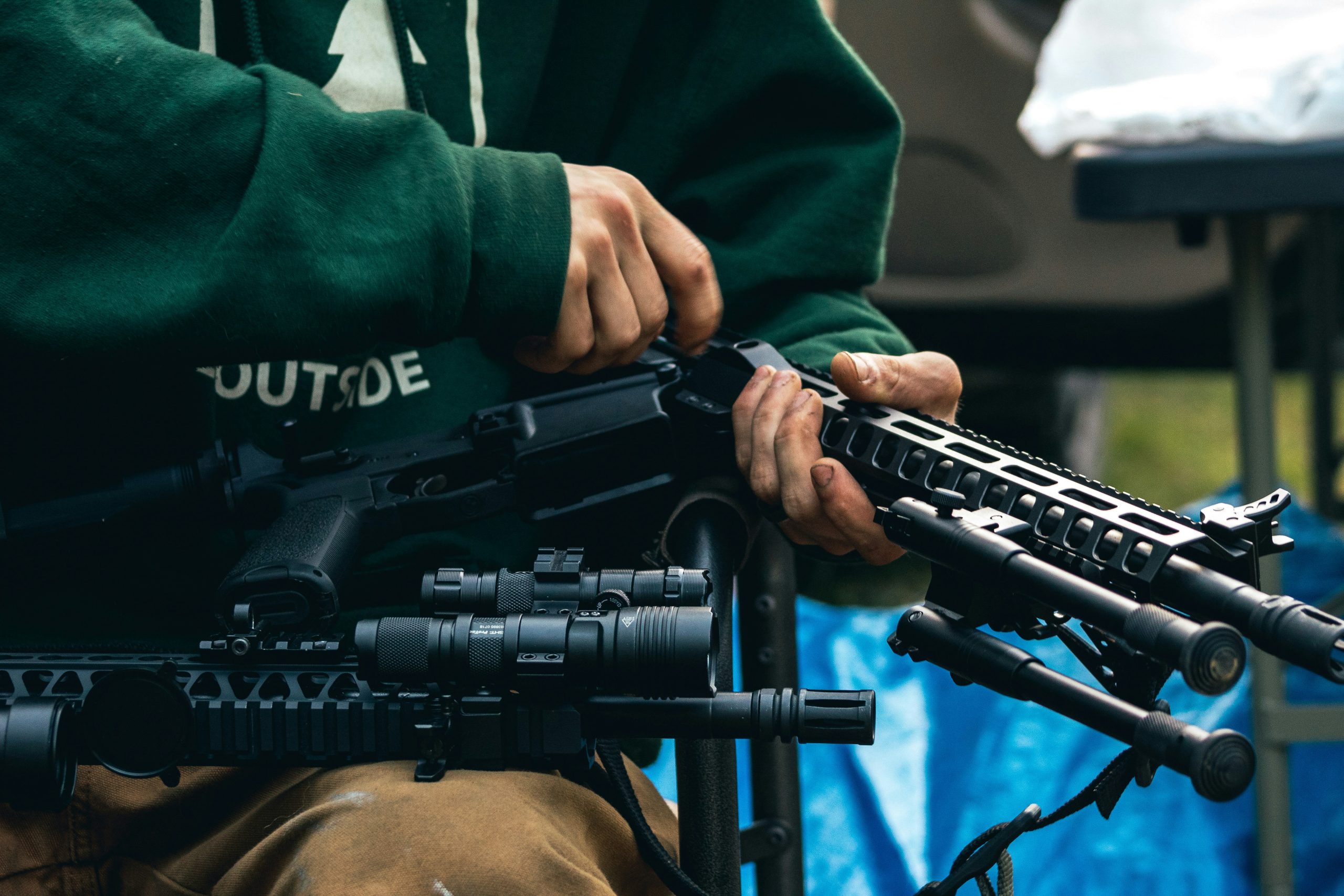
Firearms rely on tight engineering tolerances, and mixing parts from different makers adds complexity. Cheap aftermarket pieces often push those tolerances too far, causing minor mismatches that stack up across the entire system. This can lead to excessive wobble, improper lockup, or inconsistent cycling. While the gun may still function at first, these subtle imperfections can escalate into more severe problems over time, especially with frequent use.
8. Misleading Marketing That Hides Structural Weaknesses
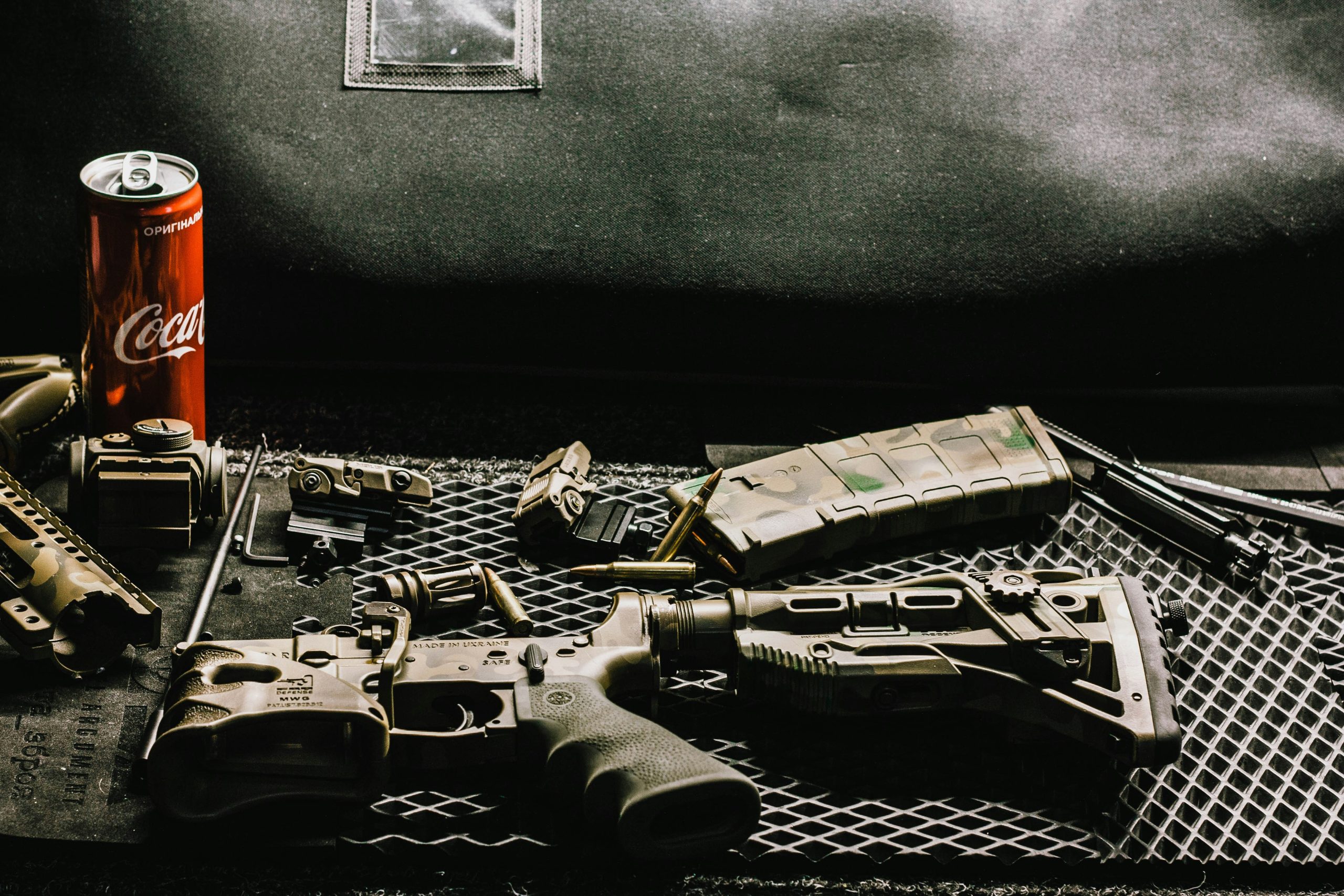
Some manufacturers promote their low-cost parts with impressive claims, but the marketing rarely reflects actual testing. Many bargain components are never stress-tested under real firing conditions, leaving buyers unaware of potential flaws. Without certifications or documented performance data, it’s impossible to gauge actual durability. Trusting flashy descriptions instead of proven reliability can leave shooters with parts that fail long before they should.