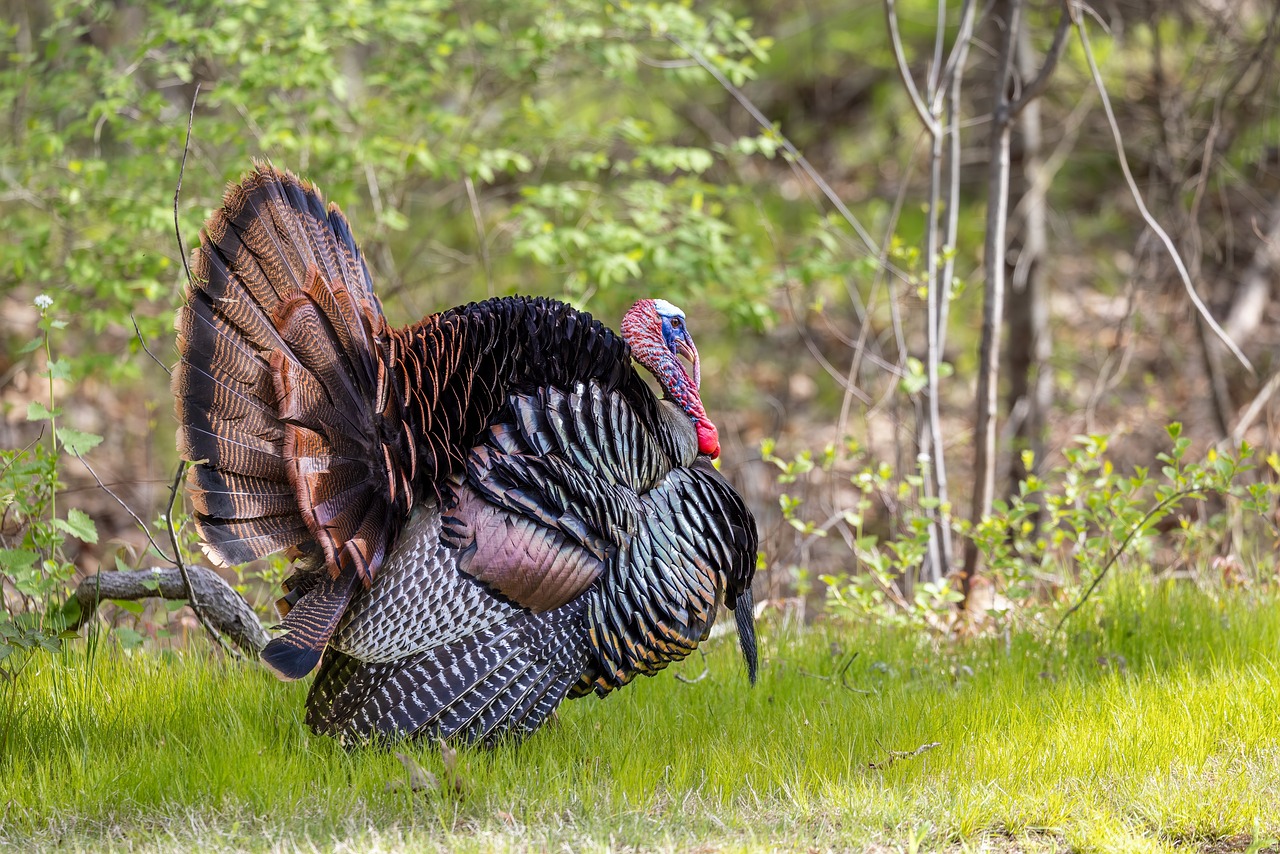
Not long ago, many states were celebrating strong wild turkey numbers and memorable spring seasons. Now, hunters, biologists, and rural communities are seeing a very different picture. This gallery breaks down eight big reasons turkey populations can slide so quickly, and why a few bad years can undo years of progress.
Poor nesting weather is wiping out broods
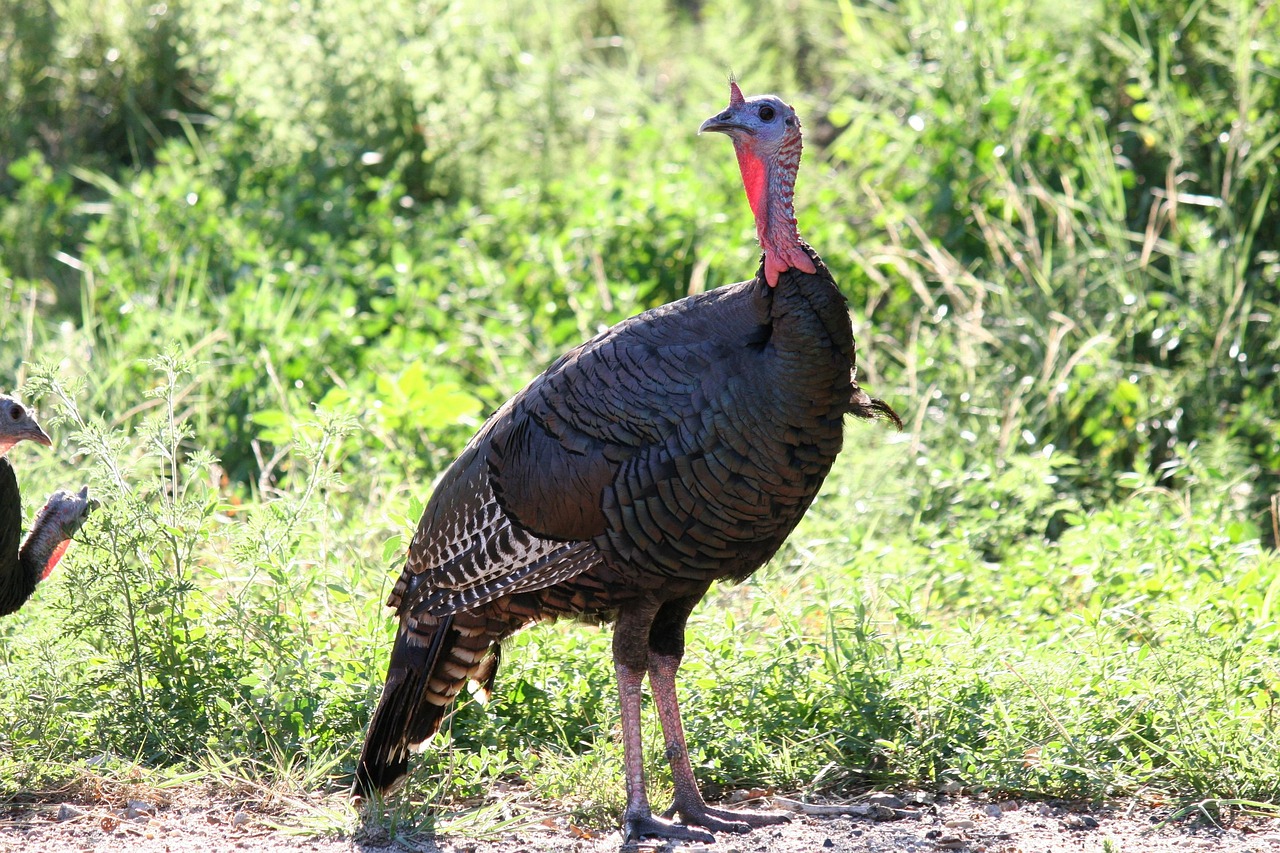
Wild turkeys live and die by timing, and spring weather can make or break a year class. When heavy rain, cold snaps, or long wet stretches hit during nesting season, hens may abandon nests or lose eggs before they ever hatch.
Even when nests survive, miserable early summer weather can be brutal for tiny poults. Young birds need warmth, insects, and dry cover in their first critical weeks. If they get soaked and chilled, survival can drop fast.
That means one bad spring does not just hurt the current season. It can leave a noticeable gap in the flock for years afterward.
Habitat is getting worse in key places
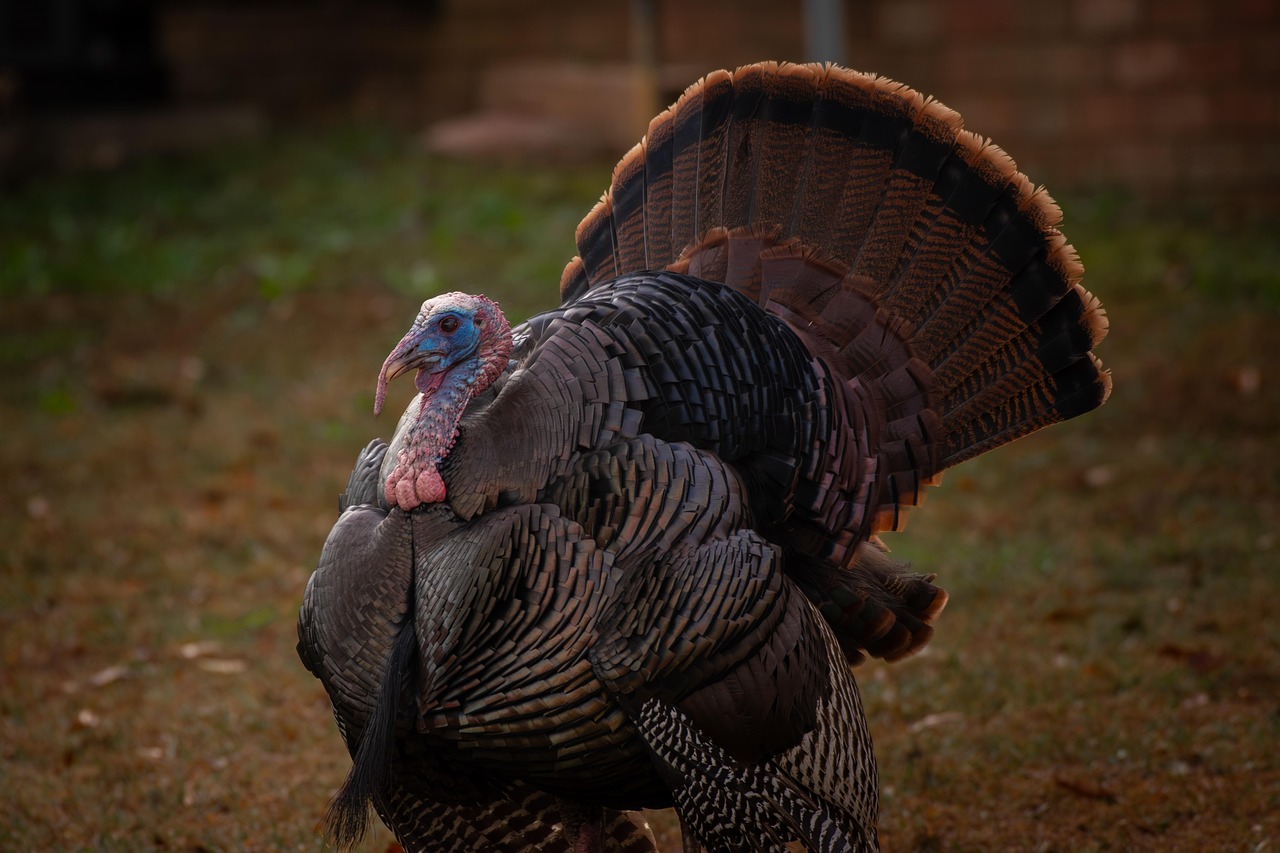
A landscape can still look green and healthy to people while becoming less useful for wild turkeys. Hens need secure nesting cover, poults need buggy openings with room to move, and adult birds need a mix of woods, edges, and food sources through the year.
In many states, those ingredients are disappearing or becoming too uniform. Openings grow up, fields are mowed too often, forests close in, and once-diverse cover turns into habitat that looks fine from the road but functions poorly.
Turkeys are adaptable, but they are not magic. When the right mix disappears, reproduction usually declines first.
Predator pressure is hitting nests and young birds

Turkeys have always dealt with predators, but the balance matters. Raccoons, opossums, skunks, coyotes, foxes, snakes, and even crows can raid nests or pick off vulnerable poults before they have much chance to grow.
This is especially damaging when habitat quality is already slipping. A hen trying to nest in thin cover or raise poults in poor brood habitat is far easier for predators to find. One problem stacks on top of another.
Biologists often point out that predators are rarely the only reason for a decline. Still, in bad habitat and bad weather years, they can become a major force.
Too many hens are being disturbed during nesting season

Spring is a sensitive period for wild turkeys, and repeated disturbance can have real consequences. Hens that are bumped from nesting areas by people, pets, vehicles, or constant activity may leave eggs exposed too long or move to lower-quality sites.
The problem is not always dramatic. It can be a slow drip of pressure from recreation, trail use, rural development, and work happening in places that used to stay quiet during the breeding season.
Turkeys can tolerate some human presence, but nesting birds need calm, predictable cover. When that disappears, nesting success often falls before anyone notices the trend.
Brood habitat no longer supports young poults

A newly hatched poult is basically an insect-eating machine with tiny legs. In its first weeks of life, it needs places with abundant bugs, overhead cover, and easy movement through low vegetation. Without that combination, survival gets shaky fast.
Many modern landscapes fail that test. Fields may be too thick, too clean, too sprayed, or too frequently cut to support strong insect numbers. What remains can look lush but act like a dead zone for young birds trying to feed.
When poult survival drops, the effects ripple through the flock. Adult birds may still be visible for a while, masking a recruitment problem that keeps getting worse.
Changing land use is fragmenting once-reliable range

Five years is enough time for a surprising amount of landscape change. Small farms get sold, timber is managed differently, housing pushes into rural corridors, and road networks expand into places that once connected feeding, nesting, and roosting habitat.
Fragmentation does not always erase turkeys overnight. Instead, it breaks big, usable areas into smaller patches that are harder to nest in and riskier to move through. Birds may still be present, but the population becomes less resilient.
That is why declines can seem sudden. The visible birds remain until enough small changes add up and reproduction can no longer keep pace.
Harvest pressure may be out of step with local conditions

In some places, hunting regulations were built around years when turkey numbers looked stable or rising. If production slips for several springs in a row, those same rules may suddenly put more pressure on a flock that is no longer replacing birds as well.
This does not mean hunting alone caused the decline. It means harvest can matter more when weather, habitat, and brood survival are already working against the population. Local conditions can change faster than regulations do.
Wildlife agencies often have to balance tradition, access, and biology. When the numbers shift quickly, that balancing act gets much harder.
Disease and parasites can weaken local flocks

Disease is not always the first thing people blame, but it can quietly chip away at survival and reproduction. Wild turkeys can be affected by illnesses and parasites that reduce condition, stress birds, or make them more vulnerable during already difficult seasons.
The trouble is that disease often works in the background. A flock may look normal until losses start showing up in lower nesting success, fewer poults, or birds that simply do not seem to rebound after a hard year.
When populations are healthy and habitat is strong, they may absorb some of that pressure. When other stressors pile on, disease becomes more significant.