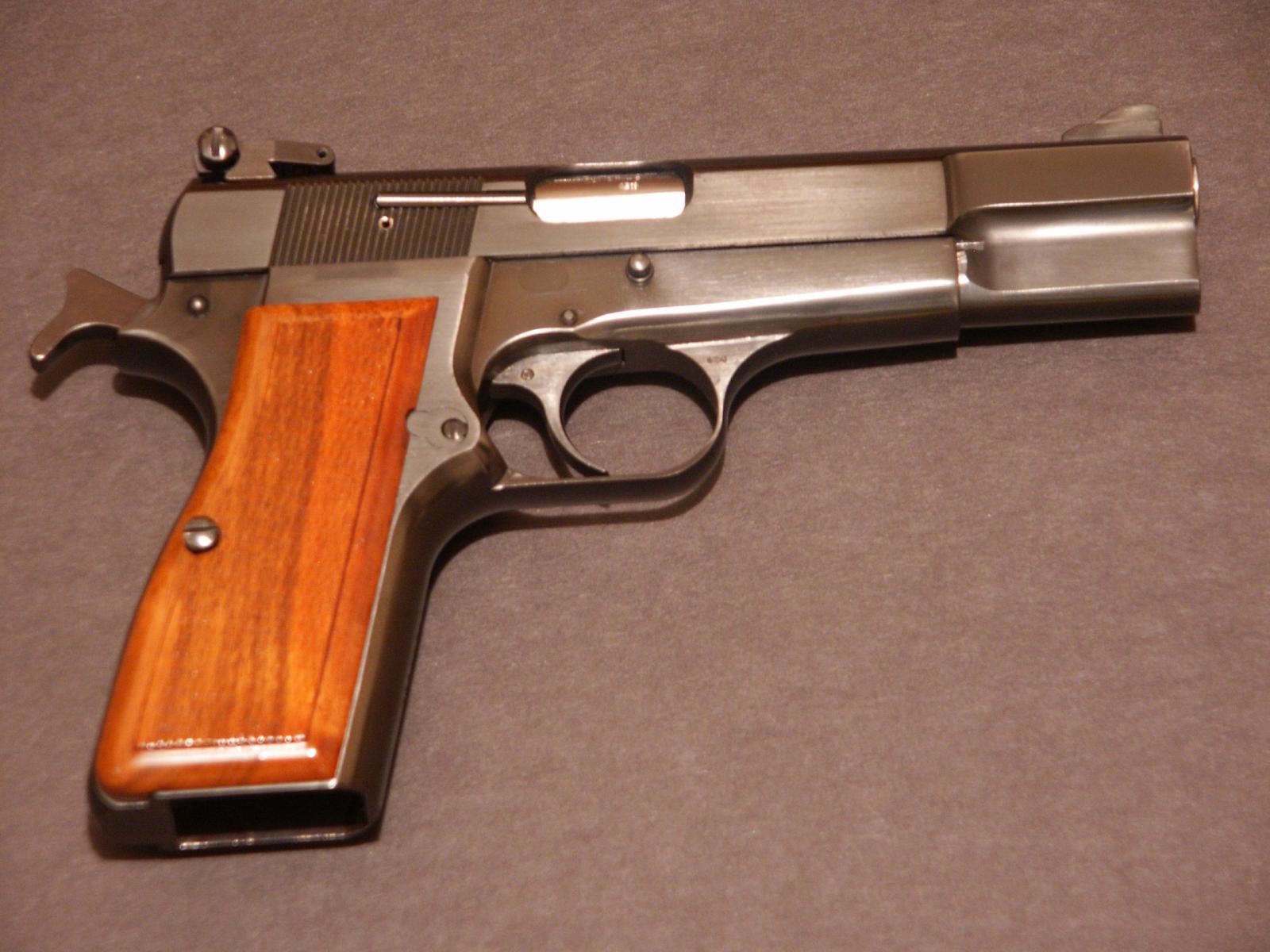
Breathing fresh life into an old rifle can be deeply satisfying when done safely and respectfully. Instead of risky DIY work on critical mechanisms, focus on inspection, sympathetic refinishing, ergonomic upgrades, and careful maintenance. These eight strategies emphasize aesthetics, comfort, and reliability while preserving safety, legal compliance, and any historical value the rifle may hold. Use a qualified gunsmith for mechanical changes and keep clear records.
1. Professional Inspection and Tune-up
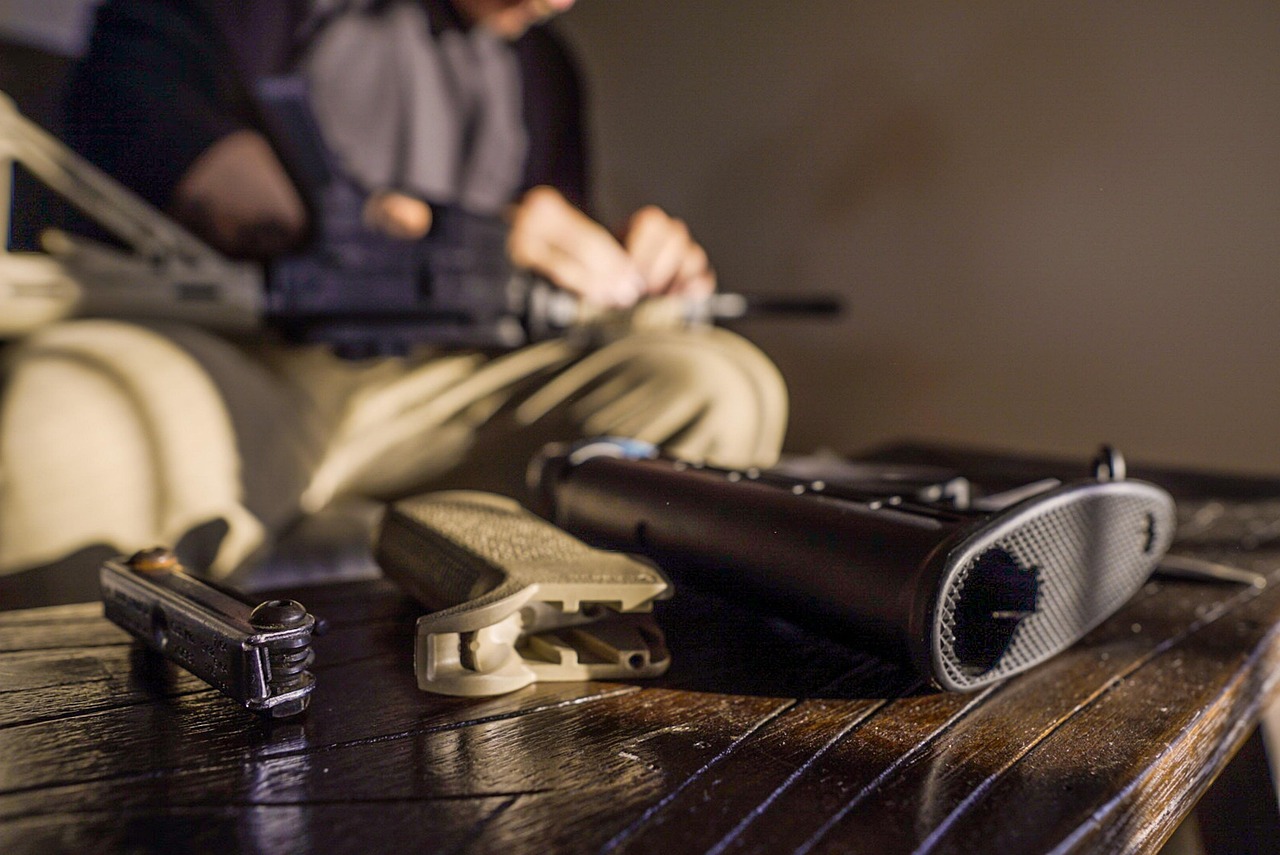
Start with a qualified gunsmith to evaluate action, headspace, and worn parts. A pro report prevents unsafe DIY mistakes and prioritizes repairs that restore reliability and safety. Non-invasive adjustments, lubrication, and parts replacement done by a pro often return the rifle to dependable service without altering historical integrity. Request photos, measured tolerances, and a prioritized repair list; keep the estimate and record.
2. Replace Perishable Consumables

Springs, extractors, pins, and small wear items age and degrade. Replacing these with OEM or reputable aftermarket parts refreshes the function and reduces malfunctions. Have a gunsmith install critical items to preserve tolerances and fit. Keep original components in labeled storage if historical preservation matters. Retain original parts in labeled bags with notes; this protects collector value while improving functionality discreetly.
3. Refinish or Conserve Wood Furniture

Light sanding, oiling, or a professional touch restores appearance and handling without erasing patina. For collector pieces, favor conservation over aggressive stripping; cleaning and stabilizing retains value. Modern oil finishes or traditional linseed protect wood while keeping a natural feel. Use breathable sealants and UV-resistant finishes; partial touch-ups keep original character while protecting against moisture and wear.
4. Improve Ergonomics with Reversible Upgrades
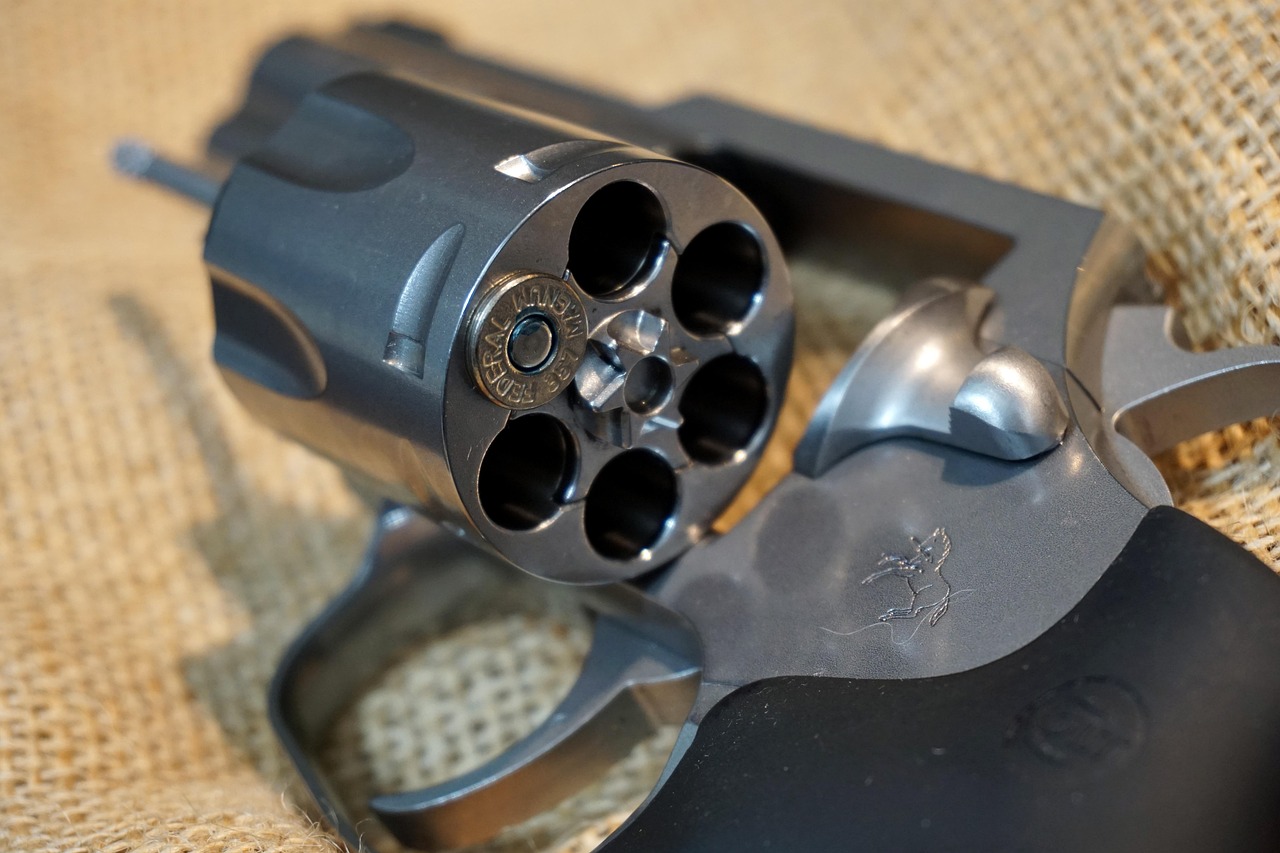
Fit a quality recoil pad, add a comfortable sling, or refine grip profile using non-destructive methods. These changes reduce felt recoil and improve control during extended shooting sessions. Choose reversible options that don’t require major gunsmithing to preserve originality. Try reversible pads and quick-adjust slings that improve comfort yet leave stocks unchanged; test at the range before finalizing any change.
5. Refresh Optics and Sighting Systems Thoughtfully

Modern, properly rated optics and secure mounts sharpen aiming and expand practical range. Choose glass suited to the rifle’s recoil and intended use, then have a professional mount and bore sight it. Consider low-profile bases that allow return to iron sights. Choose reticle, eye relief, and turrets that match typical ranges and applications; document mount torque specs and keep original iron sights preserved if possible.
6. Metal Finishing and Corrosion Control
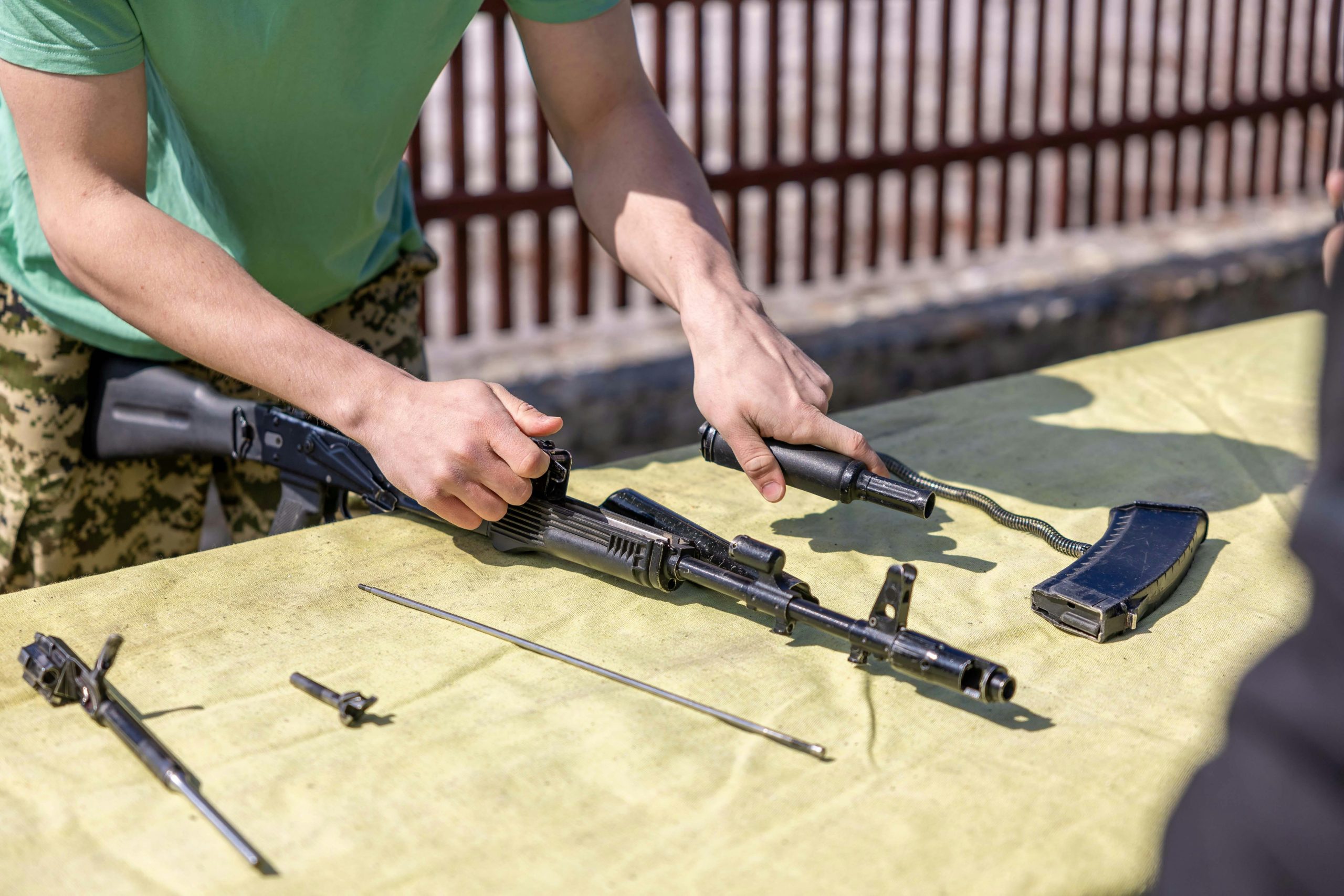
Refresh bluing, apply parkerizing, or commission professional ceramic coating to protect surfaces and improve appearance. Avoid heavy DIY stripping that can alter dimensions. Ask the shop for preservation-minded prep that keeps mechanical tolerances intact. Cerakote or light parkerizing reduces rust risk, while documented, conservative work preserves provenance. Proper finish work extends service life and restores visual appeal safely.
7. Professional Action Bedding and Fitment
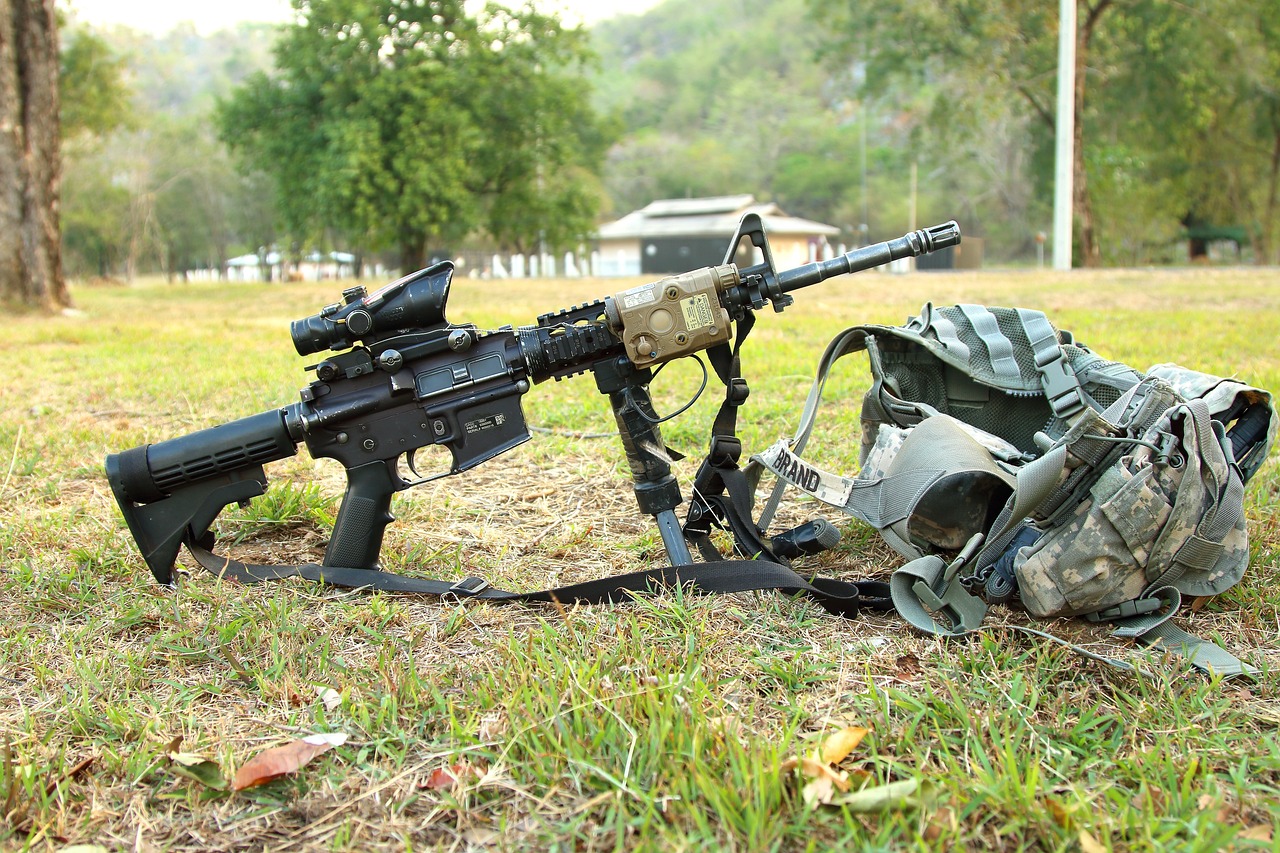
Glass or pillar bedding stabilizes the action in the stock and improves point of impact repeatability. Professional bedding compensates for seasonal wood movement and tightens the mechanical interface without permanent damage. Discuss reversibility for historically significant rifles and request before and after group data. Proper bedding often yields measurable accuracy gains when combined with careful re-zeroing.
8. Thoughtful Ammo Choices, Paintenance, and Practice
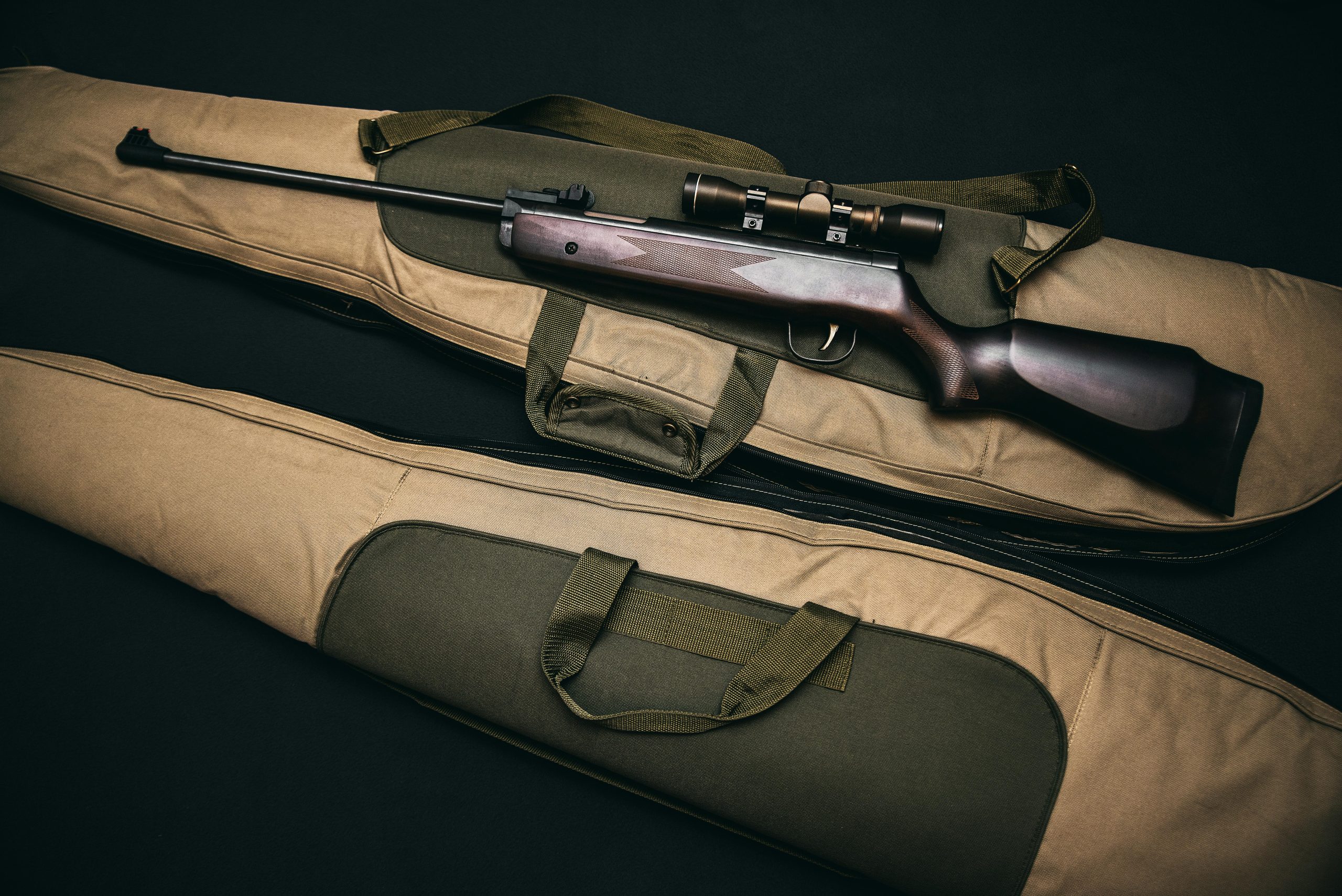
Use quality, appropriate cartridges when testing or re-zeroing and follow manufacturer or gunsmith lubrication schedules. Rotate through a few ammo types to find the rifle’s preference; keep a service log with parts, dates, and work done. Regular cleaning with safe solvents, periodic inspection, and consistent range practice often transform how an old rifle shoots and handles, sometimes more than major upgrades.