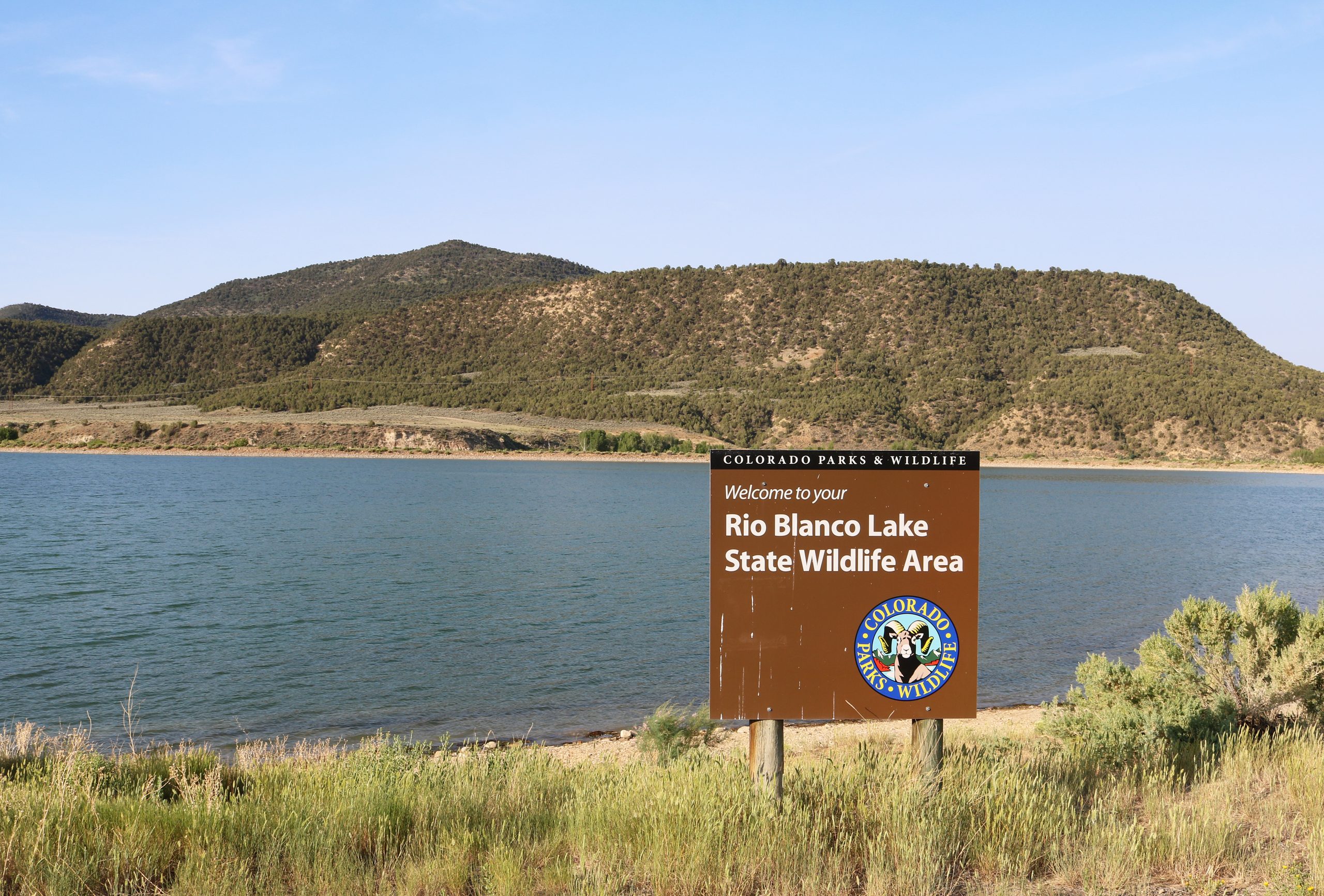
State wildlife agencies are responsible for protecting habitats, monitoring animal populations, managing hunting seasons, preventing the spread of invasive species, and keeping outdoor recreation safe. Yet many agencies struggle to cover these responsibilities with the money available. Their budgets depend on several revenue streams, each with its own limitations, while environmental problems continue to grow. From declining license sales to rising maintenance costs, the funding gap is rarely caused by one issue alone. Understanding these eight challenges reveals why even well-managed wildlife programs can find themselves short of the money needed to protect natural resources.
1. Hunting and Fishing License Sales No Longer Guarantee Stable Revenue
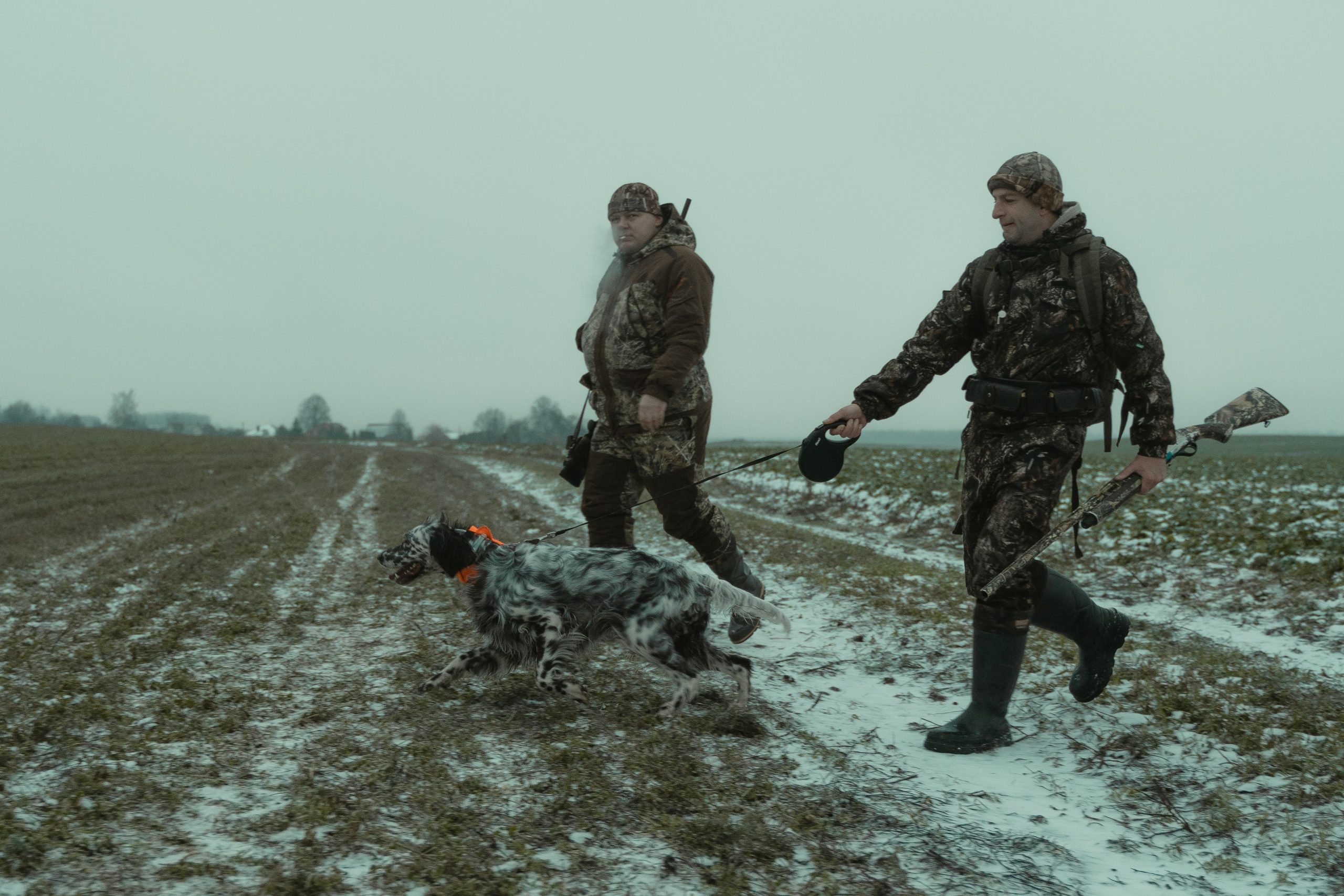
For decades, hunting and fishing licenses provided a dependable source of funding for state wildlife agencies. The model becomes less reliable when fewer residents participate, or existing hunters purchase fewer permits. The US Fish and Wildlife Service estimated that 14.4 million Americans hunted in 2022, but participation figures alone do not guarantee steady annual income for every state. License prices, age exemptions, resident discounts, and participation trends all affect collections. Agencies cannot simply raise fees indefinitely without risking further declines, particularly when inflation already makes equipment, travel, and permits more expensive.
2. Federal Wildlife Grants Come With Strict Spending Rules
Federal grants can provide substantial assistance, but states cannot always redirect that money toward their most urgent needs. The Wildlife Restoration Program, commonly called Pittman-Robertson, receives funding from an 11% federal excise tax on firearms and ammunition and a 10% tax on certain handguns. The Sport Fish Restoration Program also supports state fisheries through federal excise taxes on fishing equipment and related products. Although these programs distribute significant resources, eligible spending must follow specific rules. A state facing urgent habitat damage, for example, may struggle to use restricted grant money for unrelated operating expenses or emergency needs.
3. Habitat Restoration Costs Keep Increasing
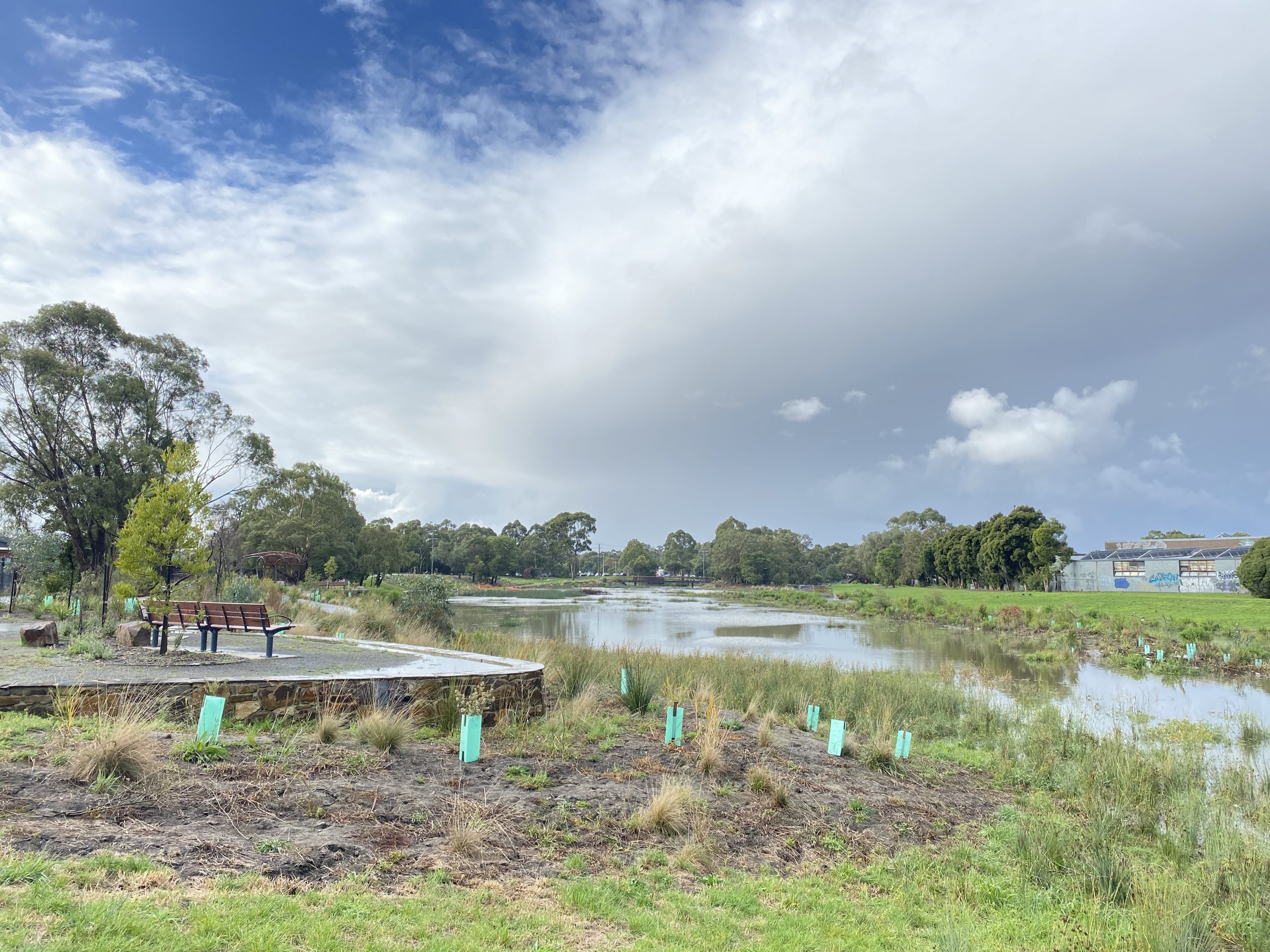
Protecting wildlife requires more than purchasing land and leaving it untouched. Agencies must restore wetlands, remove invasive plants, maintain grasslands, repair erosion, and reconnect fragmented habitats. These projects can become expensive when fuel, machinery, contractors, and specialist labor cost more than anticipated. A wetland restoration project budgeted at $500,000, for instance, could require an additional $50,000 if costs rise by 10%. That increase can force managers to postpone other work or reduce the area treated. Because ecological recovery often takes several years, cutting funding midway can waste earlier investments and leave vulnerable species exposed to continuing habitat loss.
4. State Budgets Compete With Education, Healthcare, and Public Safety
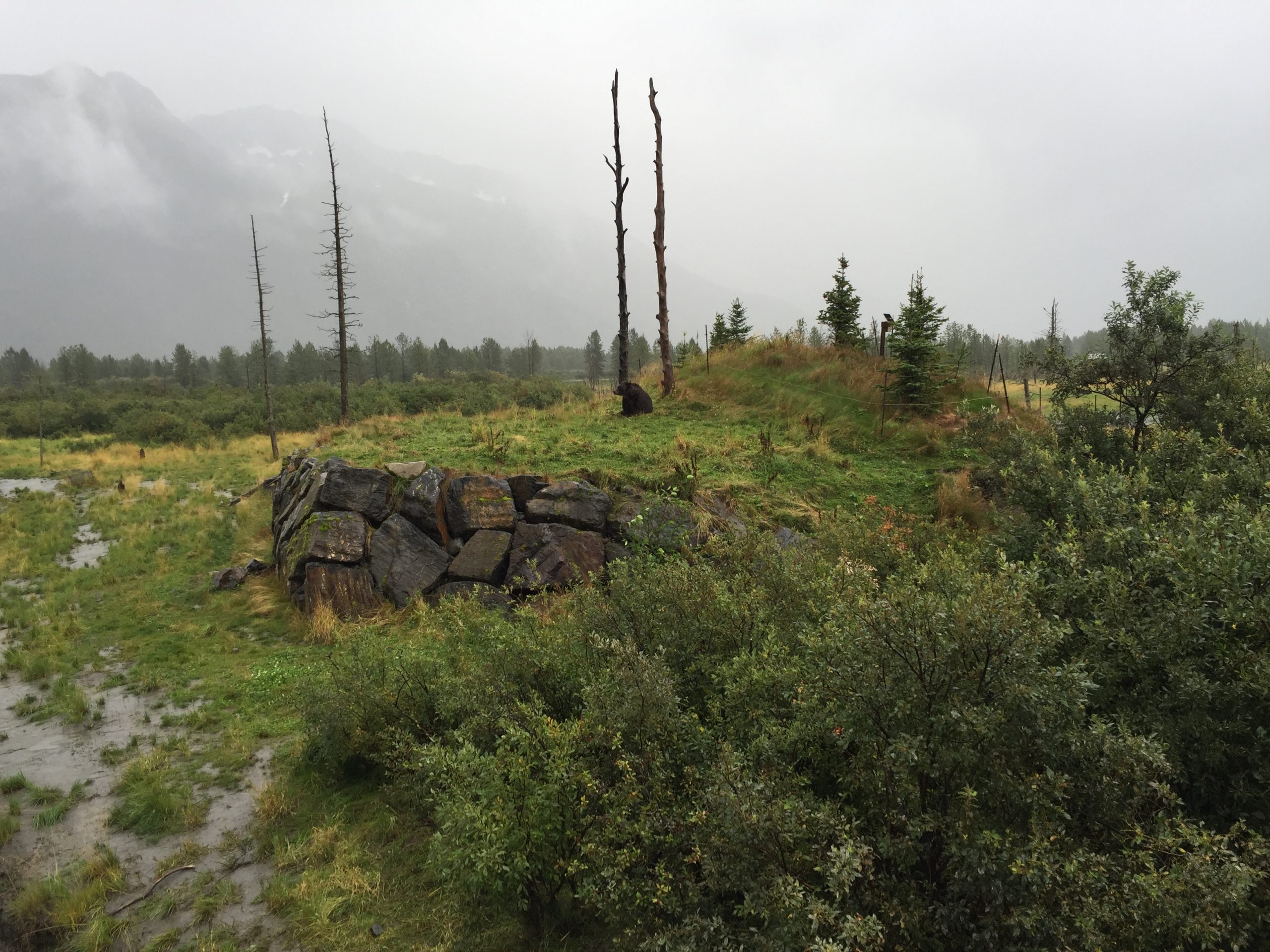
Wildlife conservation rarely receives the same immediate political attention as schools, hospitals, roads, or emergency services. When state revenue falls, lawmakers must decide which programs receive limited funds, and conservation projects can struggle to demonstrate urgent short-term benefits. A hypothetical $2 million reduction in an agency’s budget might mean fewer field officers, delayed equipment purchases, or postponed habitat improvements. The effects may not become obvious immediately, making conservation easier to overlook during budget negotiations. However, neglected wildlife monitoring and habitat maintenance can create larger expenses later, especially when invasive species spread or damaged ecosystems become more difficult to restore.
5. Inflation Makes Existing Budgets Buy Less

Even when a wildlife agency receives the same dollar amount each year, its purchasing power can shrink. Staff salaries, vehicle repairs, fuel, laboratory testing, insurance, and construction materials all consume larger portions of a fixed budget when prices rise. Consider an agency with a $10 million annual operating budget: a 5% increase in costs creates an effective $500,000 funding gap if its allocation remains unchanged. Managers may respond by leaving vacant positions unfilled, reducing patrol hours, or delaying maintenance at public access sites. These adjustments help control spending temporarily, but repeated cuts can weaken the agency’s ability to meet its long-term responsibilities.
6. Wildlife Emergencies Arrive Without Predictable Budgets
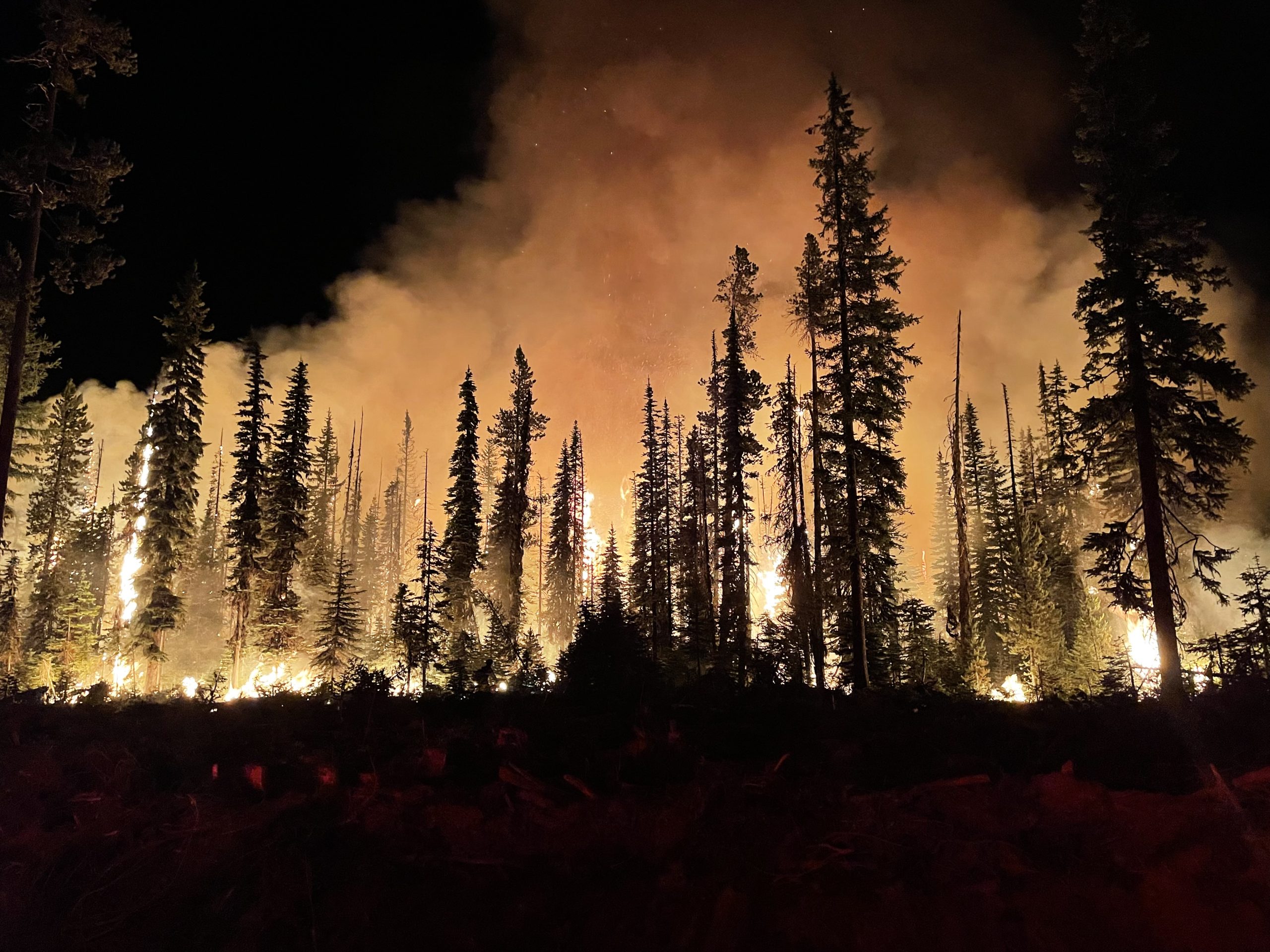
Wildfires, disease outbreaks, severe storms, and sudden animal population declines can force agencies to spend money they had allocated for other priorities. A single wildfire may destroy nesting habitat, damage access roads, and require years of restoration. Disease investigations can also involve laboratory testing, field sampling, protective equipment, and coordination with other agencies. If an unexpected event requires $750,000 in response costs, a department without an emergency reserve may have to delay several planned projects. Wildlife emergencies are difficult to predict, and their financial consequences often continue after the immediate danger passes, creating pressure on budgets for multiple years.
7. Public Support Does Not Always Translate Into Dedicated Funding
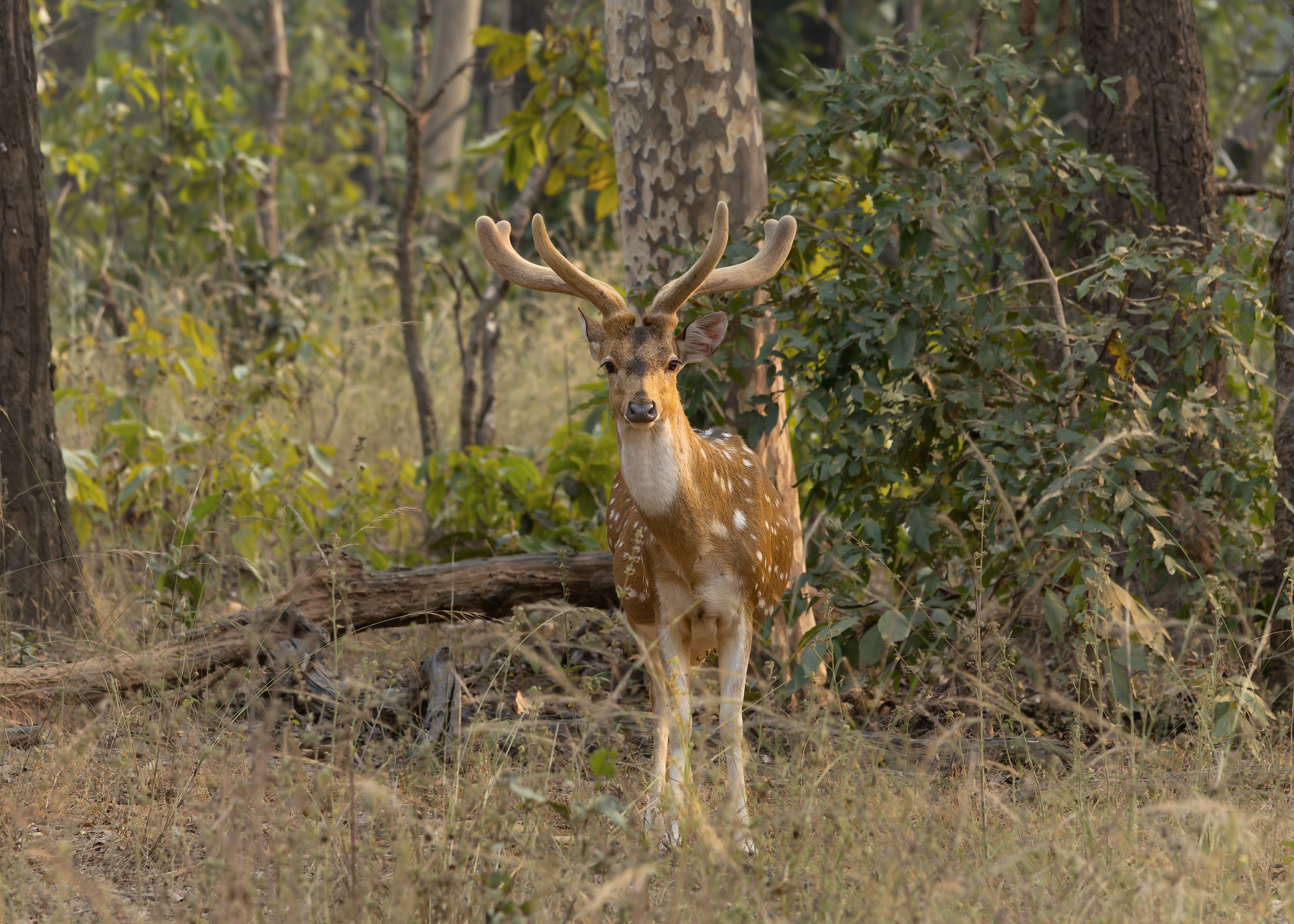
Many residents support wildlife protection, but public approval does not automatically produce reliable revenue. State agencies may depend on annual appropriations, temporary grants, donations, or voluntary contributions that can change from year to year. A conservation campaign might raise $100,000 for a specific habitat project, yet that money may not cover permanent staff, vehicle maintenance, or recurring monitoring expenses. Dedicated funding measures can provide greater stability, but establishing them may require legislation, voter approval, or lengthy administrative work. Without a dependable revenue source, agencies can struggle to turn public enthusiasm into sustained programs that deliver measurable conservation results.
8. Long-Term Conservation Needs Outlast Short-Term Funding Cycles
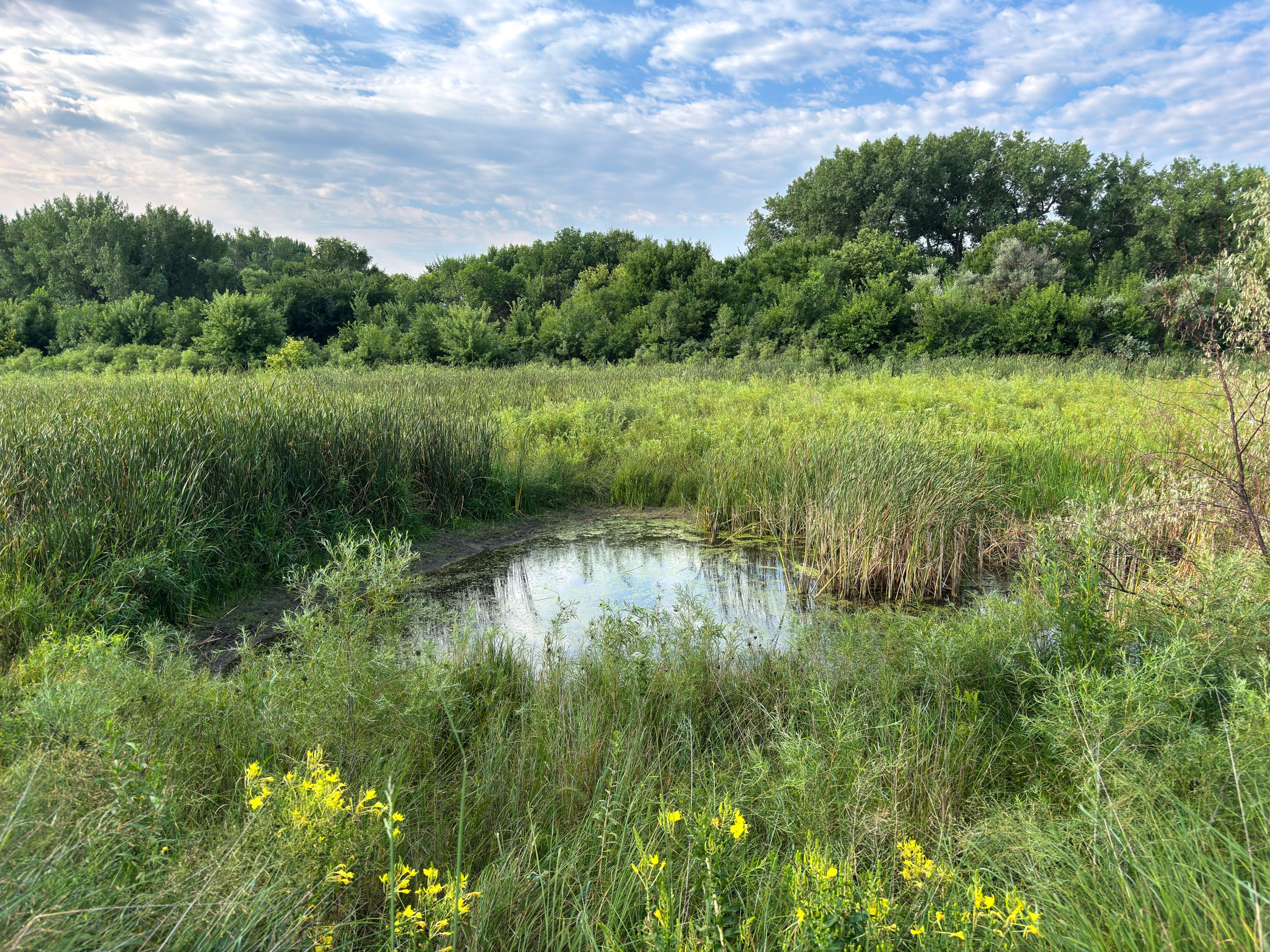
Wildlife recovery rarely fits neatly into a one-year budget. Restoring a forest, rebuilding a fish population, or protecting a threatened species may require 5 to 10 years of continuous work before meaningful results become clear. However, grants and legislative appropriations often operate on shorter timelines, leaving agencies uncertain about future staffing and project costs. If a $1 million restoration program receives funding for only its first year, managers may hesitate to hire specialists or commit to multiyear contracts. Interruptions can weaken monitoring, delay essential work, and reduce the value of earlier spending. Conservation succeeds most reliably when funding lasts as long as the ecological problem requires.