
Few hunting camouflage patterns have become as recognizable as Realtree AP. Introduced in 2007, it arrived after years of experimentation with realistic bark, leaves, and woodland textures. Realtree says AP became the top-selling camouflage pattern in the United States for 7 years, helping turn a particular design into a familiar part of hunting culture. Its story is less about one magic print and more about versatility, distribution, media, and timing working together.
1. A Pattern Built for More Than One Wood

Realtree AP became a standout because it was designed around versatility rather than one narrow habitat. Introduced in 2007, the pattern used realistic limbs, leaves, bark, and open spaces to break up a hunter’s outline. Its muted browns, grays,s and greens could work in hardwoods, brush,sh and mixed cover without looking tied to one season. That broad approach mattered because hunters often move between properties and terrain. Instead of needing a separate suit for every trip, AP offered a practical middle ground for many big-game setups across the United States.
2. It Followed a Proven Realtree Formula
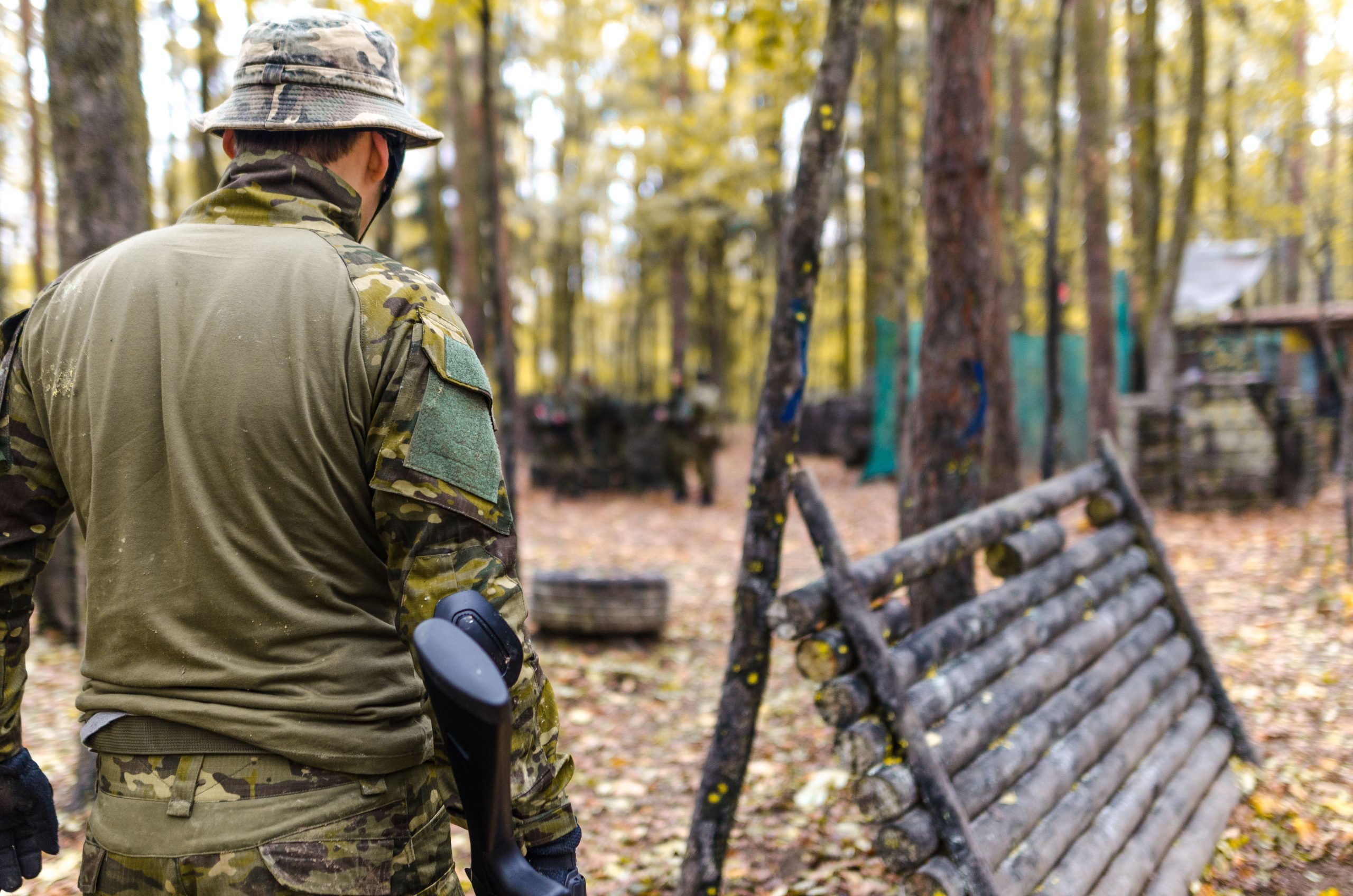
AP did not appear out of nowhere. It grew from ideas Realtree had refined since its first pattern in 1986, when Bill Jordan used an oak tree as inspiration. Earlier All-Purpose designs had already emphasized realistic trunks, branches and leaves, while later versions updated the artwork for modern printing. AP kept that natural look but presented it in a cleaner, more adaptable package. By building on roughly two decades of pattern development, Realtree gave hunters something familiar while still making the camouflage feel current and recognizable in stores.
3. The Pattern Broke Up the Human Shape
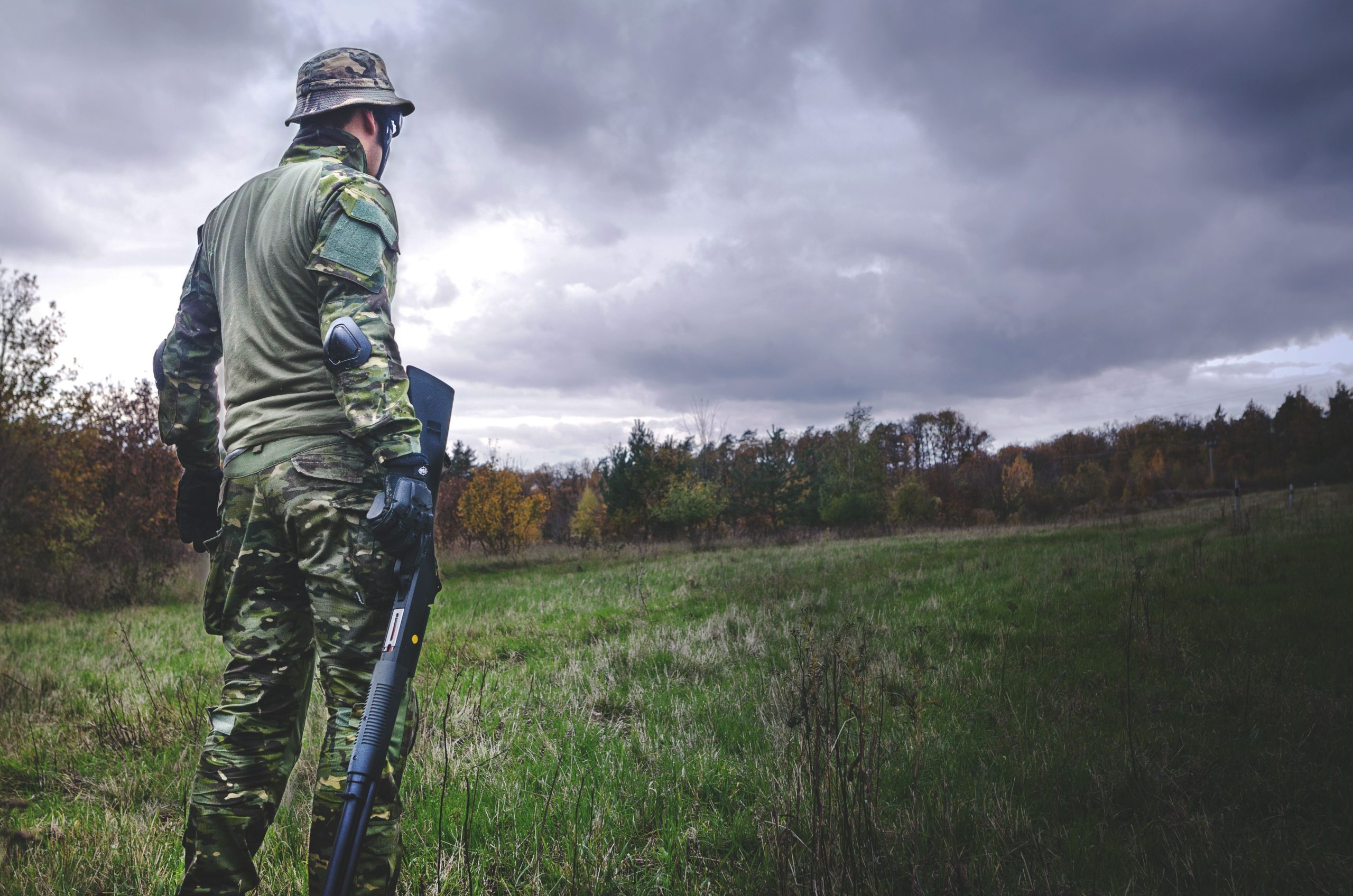
Good hunting camouflage is not simply about wearing colors that resemble a forest. The larger goal is to make the human outline harder to recognize. AP used contrasting natural elements and irregular shapes to interrupt that outline, especially when a hunter was sitting or standing among vegetation. This idea had been central to Realtree’s All-Purpose approach since 1991. By combining darker branches with lighter openings and leaf detail, AP created visual breaks at several scales. That made the pattern useful from close cover to longer viewing distances.
4. Seven Years at the Top Mattered
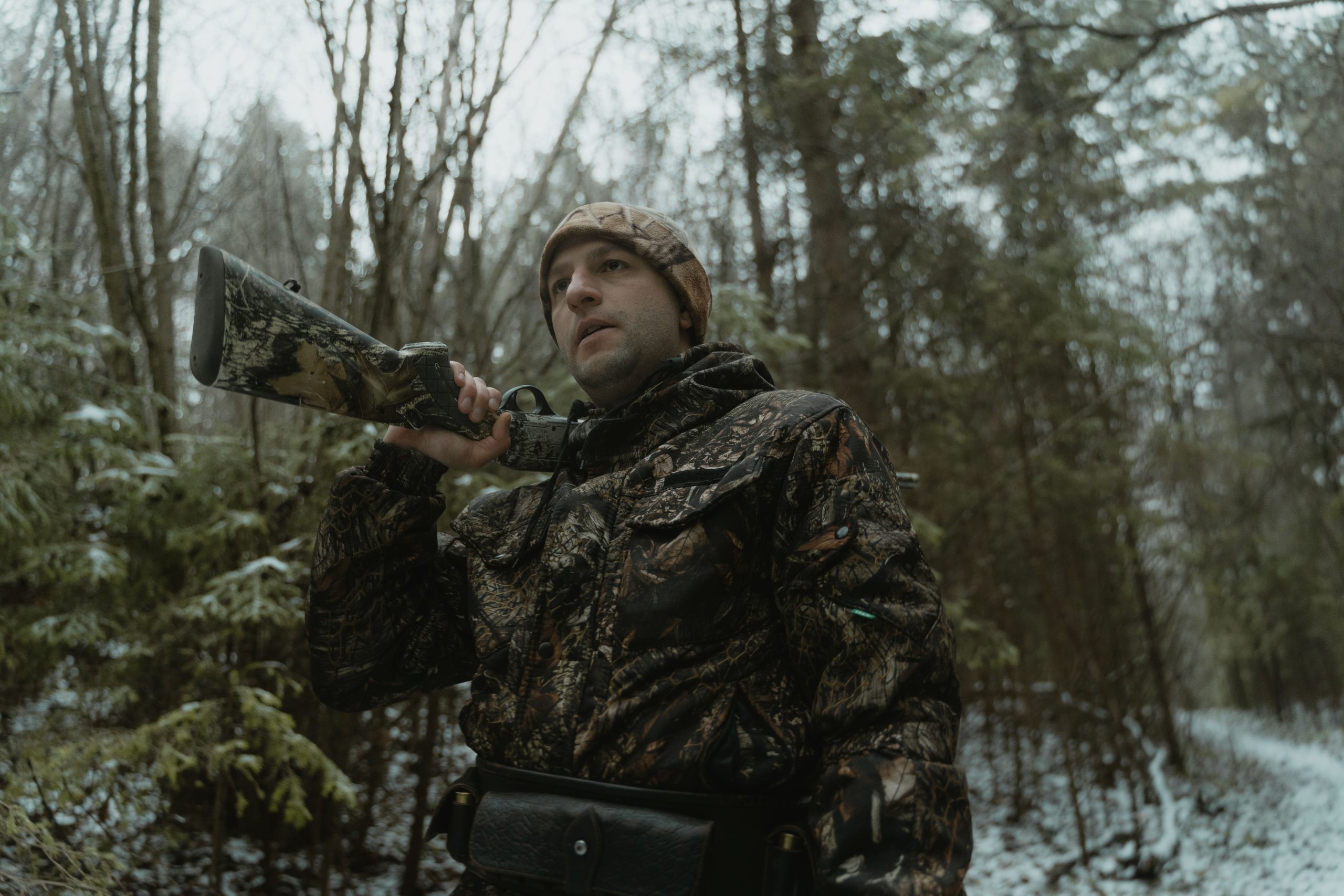
Realtree says AP became the number-one-selling camouflage pattern in the United States for 7 years after its 2007 introduction. That is a major clue to why it became an unofficial standard. Sales success put the pattern on hunting jackets, pants, hats, gloves, and gear across a huge consumer base. Once enough hunters wore the same visual language, AP stopped feeling like just another printed fabric. It became part of what hunting clothing looked like. Familiarity then reinforced demand, creating a cycle in which popularity helped sustain even more popularity over time.
5. Licensing Put AP Everywhere
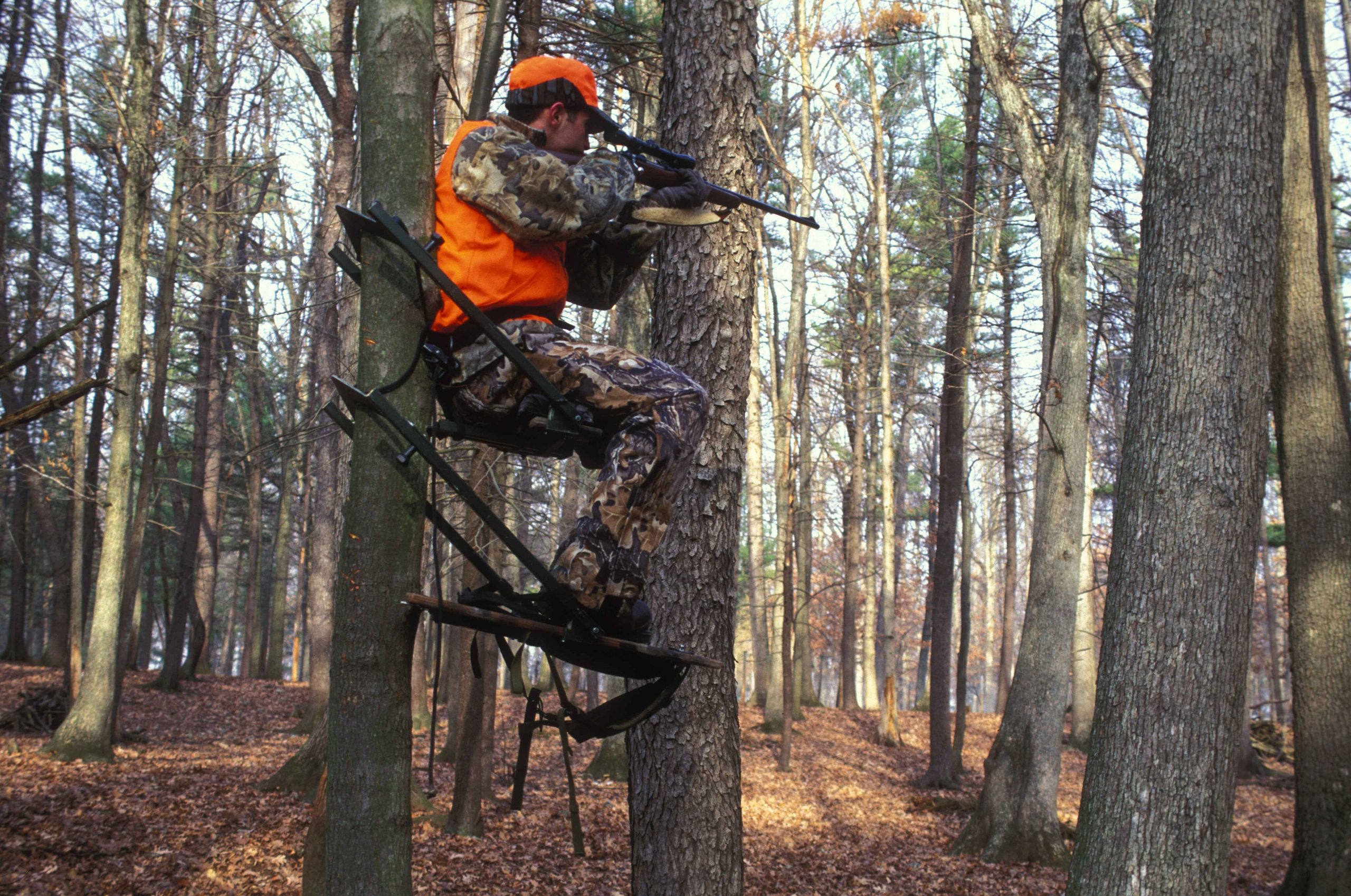
One important reason Realtree patterns became so recognizable was the licensing model behind them. The company established an early system in which manufacturers could produce hunting products using its designs while Realtree received licensing fees. AP benefited from that structure because the pattern could appear across product categories rather than one clothing line. Over time, the camouflage became visible on apparel and outdoor gear sold through different retailers. That broad exposure helped turn a hunting pattern into a shared visual identity for millions of outdoor consumers.
6. Television Made the Look Familiar

Camouflage can become famous through function, but media can make it instantly recognizable. Realtree launched its television program Realtree Outdoors in 1993, giving viewers repeated exposure to the company’s hunting style and visual identity. Later hunting videos and outdoor programming expanded that reach. By the time AP arrived in 2007, Realtree already had more than 20 years of brand history and media presence behind it. Hunters did not encounter the pattern only on a store rack. They also saw the Realtree look associated with hunts, outdoor personalities,s and familiar hunting culture.
7. It Was Easy to Recognize Without Being Military

Realtree’s look also stood apart from the military camouflage many people already knew. Instead of relying mainly on geometric shapes or standardized military colors, its hunting patterns used details from trees, leaves, bark,rk and natural cover. That distinction helped give AP a clear identity within civilian hunting culture. The result was camouflage that could look functional without resembling a military uniform. Its recognizable woodland imagery also made it easy for hunters to associate the pattern with deer stands, turkey woods,ods and other familiar outdoor settings across the country.
8. Popularity Turned a Pattern Into a Standard
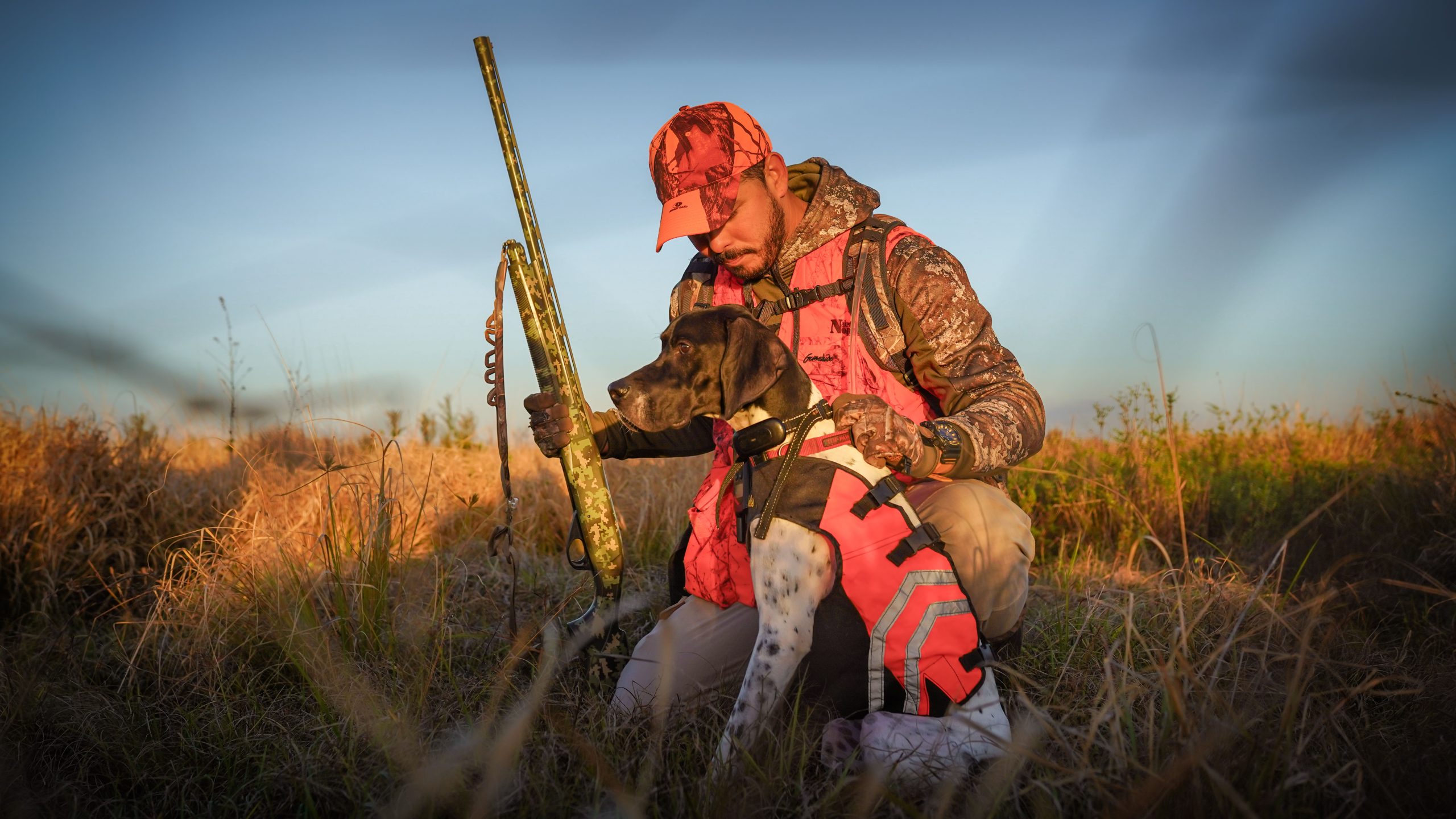
AP became an unofficial standard because several forces arrived at the same time: versatile design, strong distribution, media exposure, and years of brand recognition. Its 2007 launch came after Realtree had spent more than 20 years refining realistic hunting camouflage and working with manufacturers. The company says AP held the top-selling pattern position for 7 years, giving it rare visibility. That does not mean AP is the best choice for every habitat or season. It means the pattern became a visual shorthand for modern hunting clothing, so its influence still feels larger than one pattern