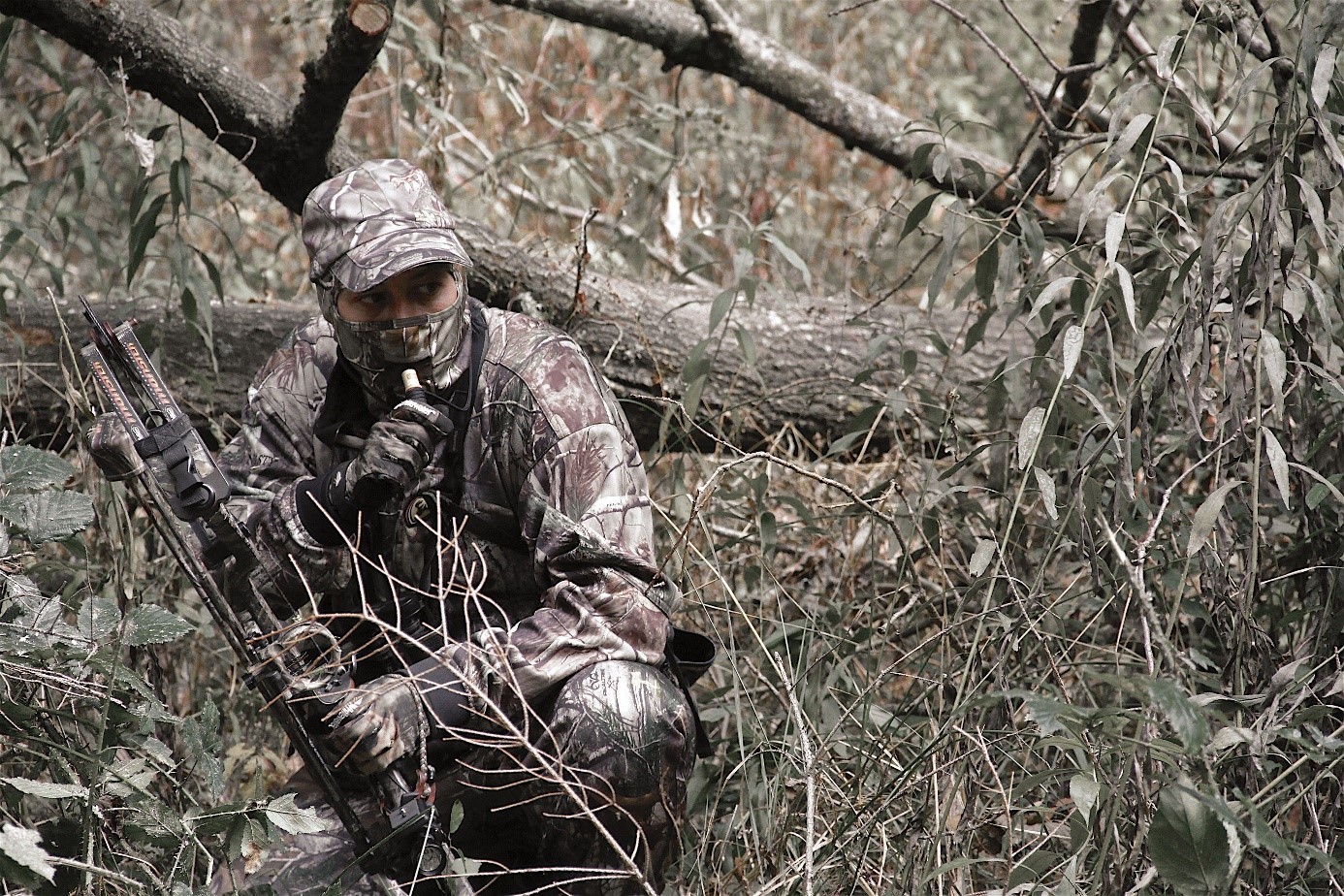
When hunting seasons close, many hunters still want a reason to get outdoors, sharpen their skills, and connect with people who share their interests. Calling competitions offer exactly that. Participants use specialized calls to imitate turkeys, ducks, elk, and other game animals, with judges evaluating their sound, rhythm, realism, and technique. Some events take place at major outdoor expos, while others are organized by local clubs. With practice, friendly rivalries, and opportunities to learn from experienced callers, these contests are turning the off-season into an exciting part of the hunting calendar.
1. They Give Hunters a Competitive Goal Between Seasons
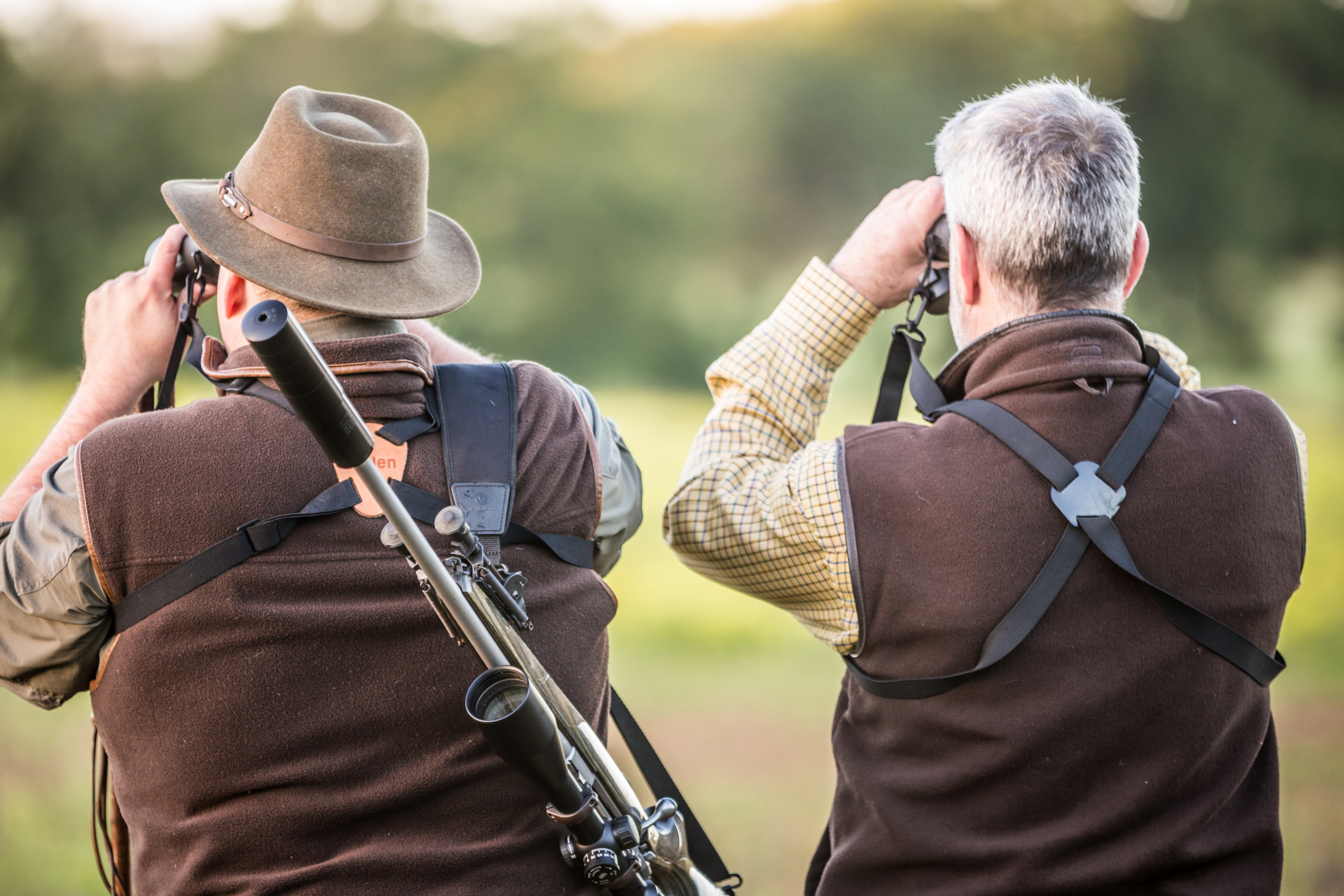
For hunters accustomed to preparing for opening day, the months without hunting can feel unusually quiet. Calling competitions provide a clear goal to work toward, whether someone wants to improve a turkey yelp or master an elk bugle. Preparing for an event encourages regular practice, and participants can measure their progress over several weeks or months. A beginner might start with 10 minutes of daily practice before gradually increasing the time. Unlike hunting itself, these contests reward sound and technique rather than harvesting an animal, giving participants a different way to stay involved throughout the year.
2. They Turn Ordinary Calling Practice Into a Measurable Skill
Practicing alone makes it difficult to judge whether a call sounds convincing to anyone else. Competitions introduce structured evaluation, allowing callers to discover which parts of their technique need improvement. Judges may assess realism, tone, cadence, volume control, and the ability to reproduce species-specific sounds. A contestant who practices 5 days a week can record each session and compare recordings over a month. That process reveals problems such as uneven rhythm or unnatural pauses. Instead of repeatedly using familiar sounds, competitors learn to identify weaknesses and make targeted adjustments before their next event.
3. They Bring Different Generations of Hunters Together

Calling contests create opportunities for young enthusiasts, experienced hunters, and retirees to share knowledge in a relaxed setting. A teenager learning a diaphragm turkey call might receive practical advice from someone who has spent 30 years in the field. Meanwhile, experienced participants can discover newer calling methods and equipment. Even a small gathering of 20 competitors can create conversations that continue long after the final round. Families may also attend together, making these events accessible to people who are not competing themselves. This exchange of experience helps preserve traditional hunting skills while introducing them to a new generation.
4. They Make Specialized Calling Techniques Easier to Discover
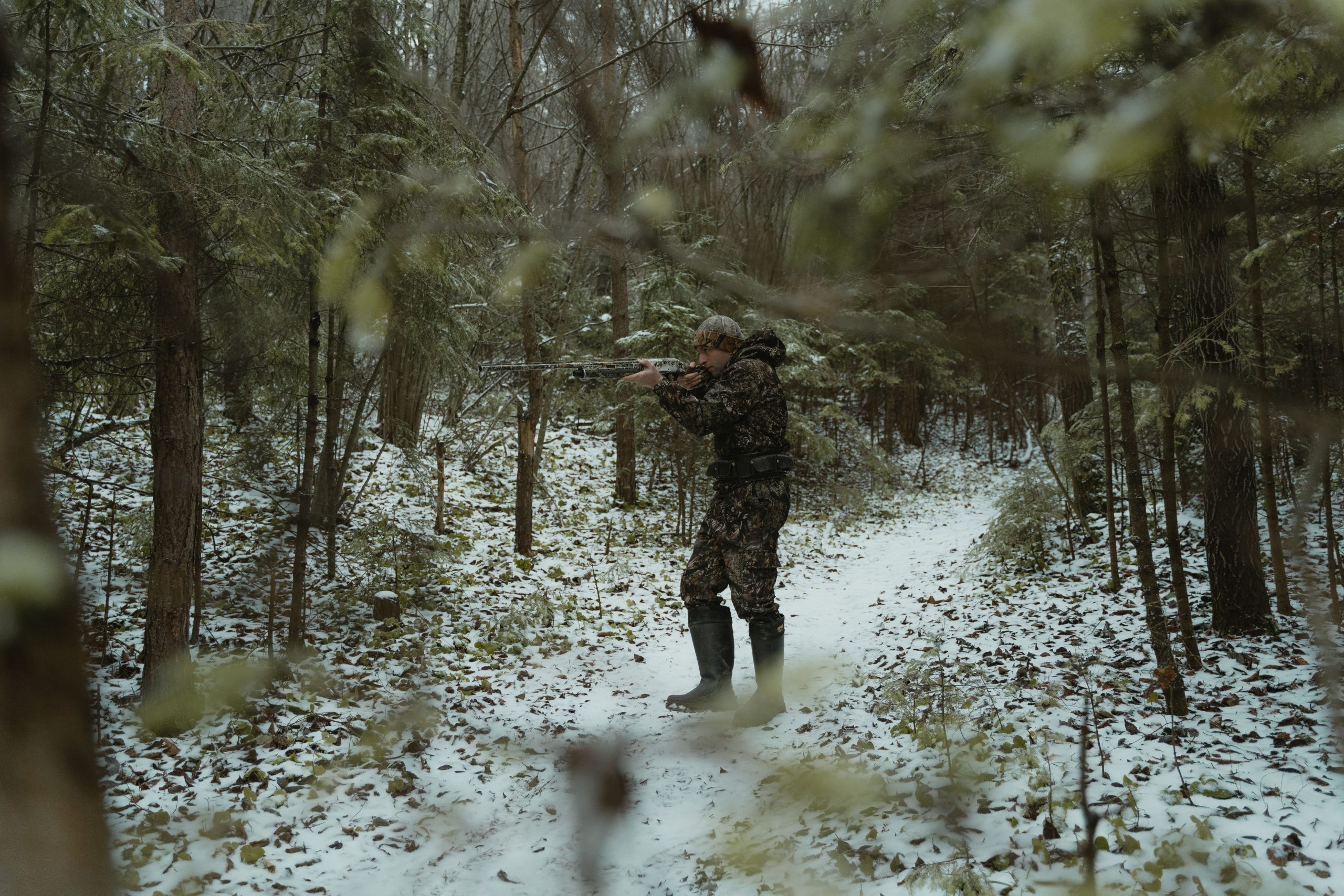
Different game animals require different sounds, and competitions expose participants to techniques they might rarely encounter at home. Turkey callers may demonstrate realistic sequences of yelps, clucks, and purrs, while waterfowl contests emphasize the timing and character of duck or goose calls. Elk events may focus on bugles, cow calls, and variations in pitch. A hunter who concentrates on just 1 species can learn from competitors working with several others. Watching 10 experienced callers perform the same category can reveal how breath control, hand placement, and subtle changes in rhythm create noticeably different results.
5. They Create Friendships Beyond the Hunting Camp
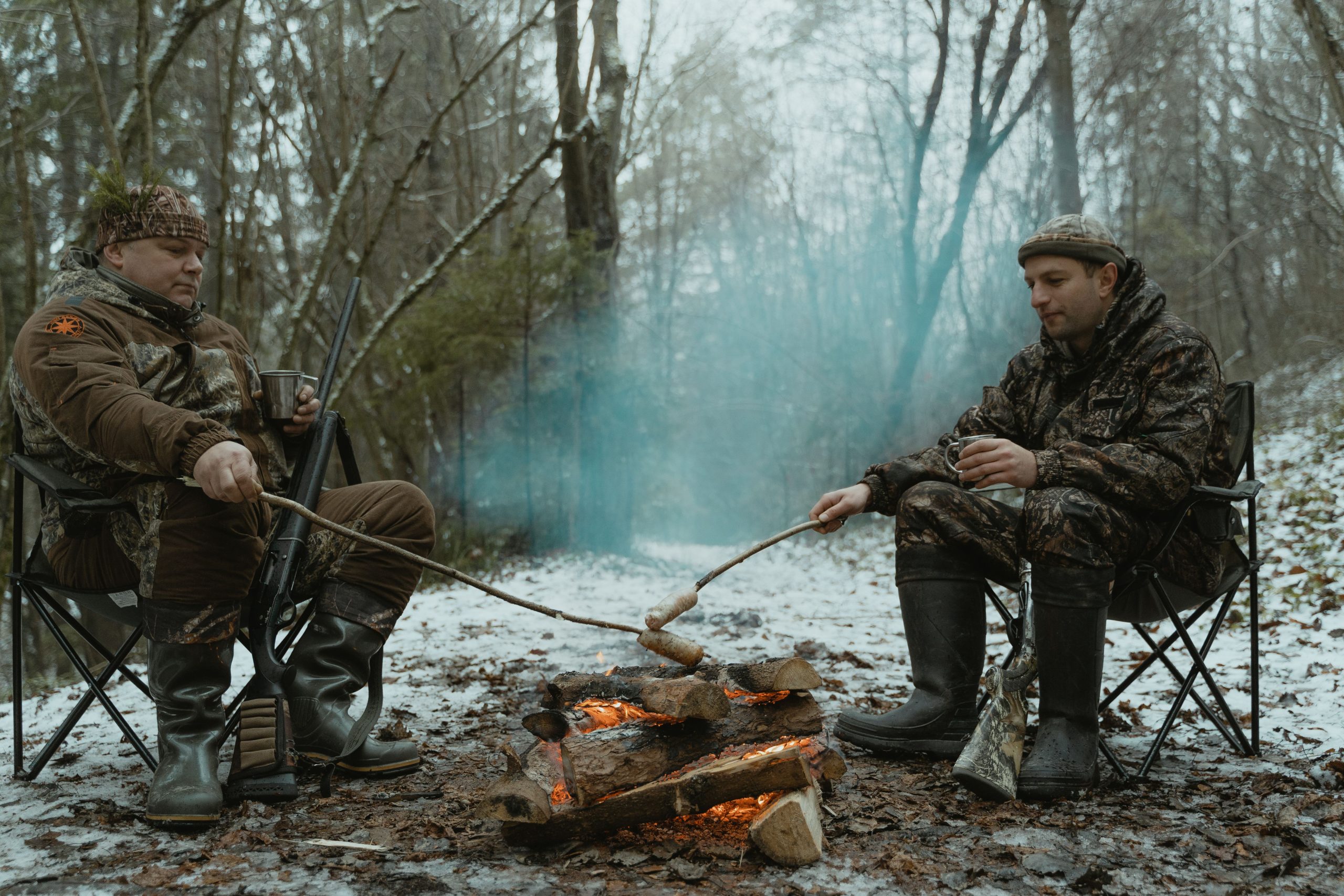
The social side of calling competitions is a major part of their appeal. Competitors often meet at regional events, outdoor shows, and club gatherings, where conversations extend from calling techniques to equipment, scouting, and memorable days in the field. Someone attending a first contest may arrive knowing nobody but leave with several contacts who share the same interests. Returning to 3 or 4 events each year can help turn casual introductions into lasting friendships. These relationships also provide opportunities to exchange practice advice, arrange future outings where legal, and learn about events happening in neighboring communities.
6. They Offer an Affordable Way to Stay Involved Outdoors

Compared with planning a hunting trip, attending a local calling contest may require relatively little equipment or travel. A beginner can often start with 1 suitable call, a basic practice routine, and an entry into a nearby event. More specialized competitions may involve additional calls, registration fees, accommodation, or travel expenses, so costs vary considerably. Setting a monthly budget of $25 for practice materials and local activities, for example, creates a manageable starting point, although actual expenses depend on location. Participants can build their skills gradually instead of investing in an entire collection of equipment immediately.
7. They Encourage Hunters to Understand Wildlife More Deeply
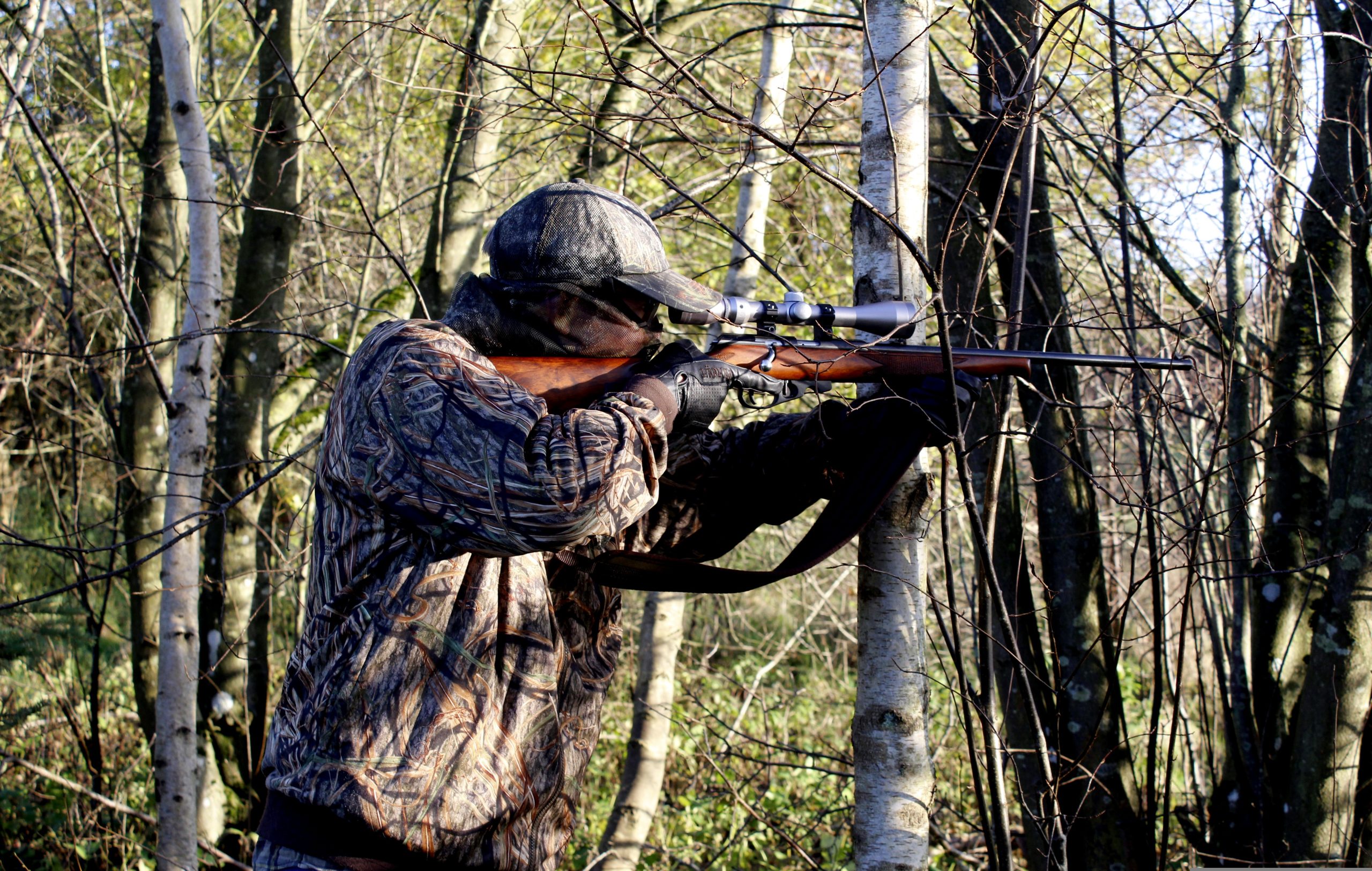
Successful calling involves more than producing an impressive noise. Competitors benefit from understanding why animals vocalize, what different sounds communicate, and how those sounds change with context. Turkey calls, for example, can differ according to the bird’s behavior, while elk vocalizations vary with social interactions and breeding activity. Spending 15 minutes studying wildlife recordings before practicing can help a caller recognize distinctions that casual listening might miss. This knowledge can also improve field awareness during hunting season. The strongest learning comes from combining careful listening, responsible observation, and repeated practice rather than relying on volume alone.
8. They Make the Off-Season Feel Like Part of the Hunting Experience
Calling competitions give hunters something to anticipate when regular seasons end. Training for an event, following a local contest calendar, and watching skilled performers can create a rewarding routine that lasts throughout the year. Someone might spend 4 weeks refining a turkey call before entering a weekend competition, then switch to waterfowl practice for a later event. Not every participant needs to chase trophies; some simply enjoy learning and meeting fellow enthusiasts. By creating milestones between hunting trips, these contests transform otherwise quiet months into an active period of preparation, community involvement, and continued appreciation for wildlife.