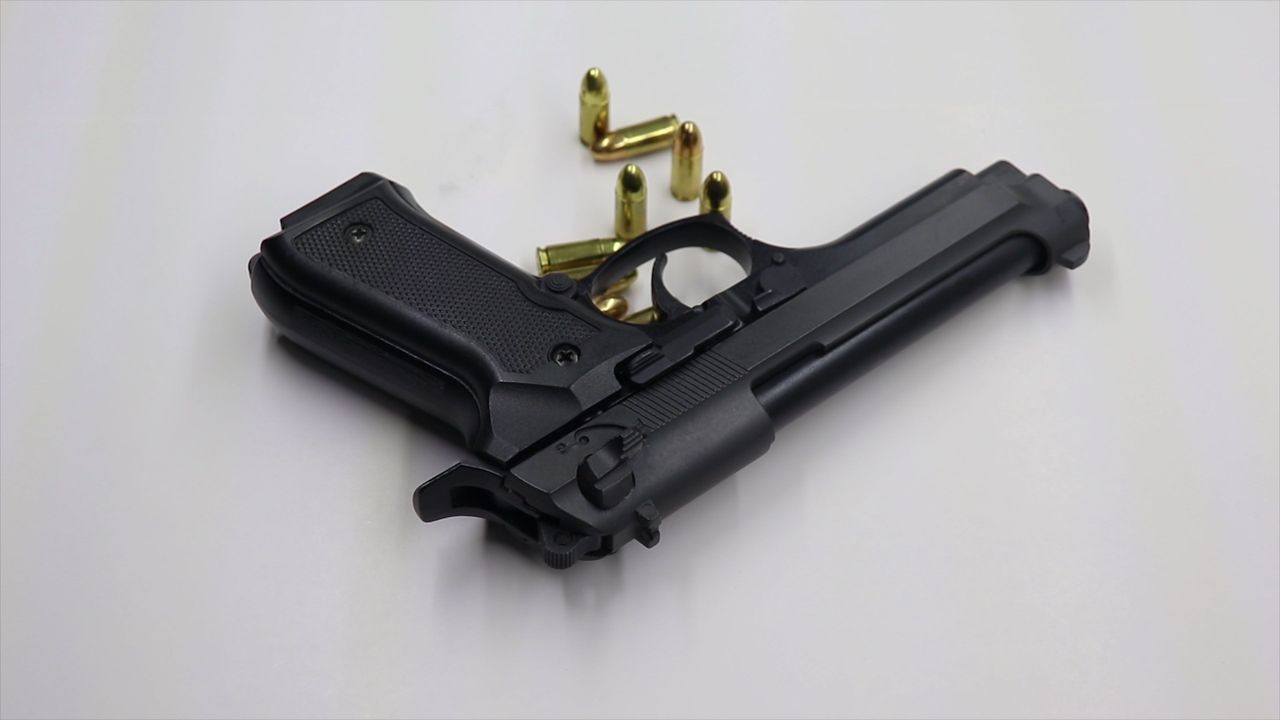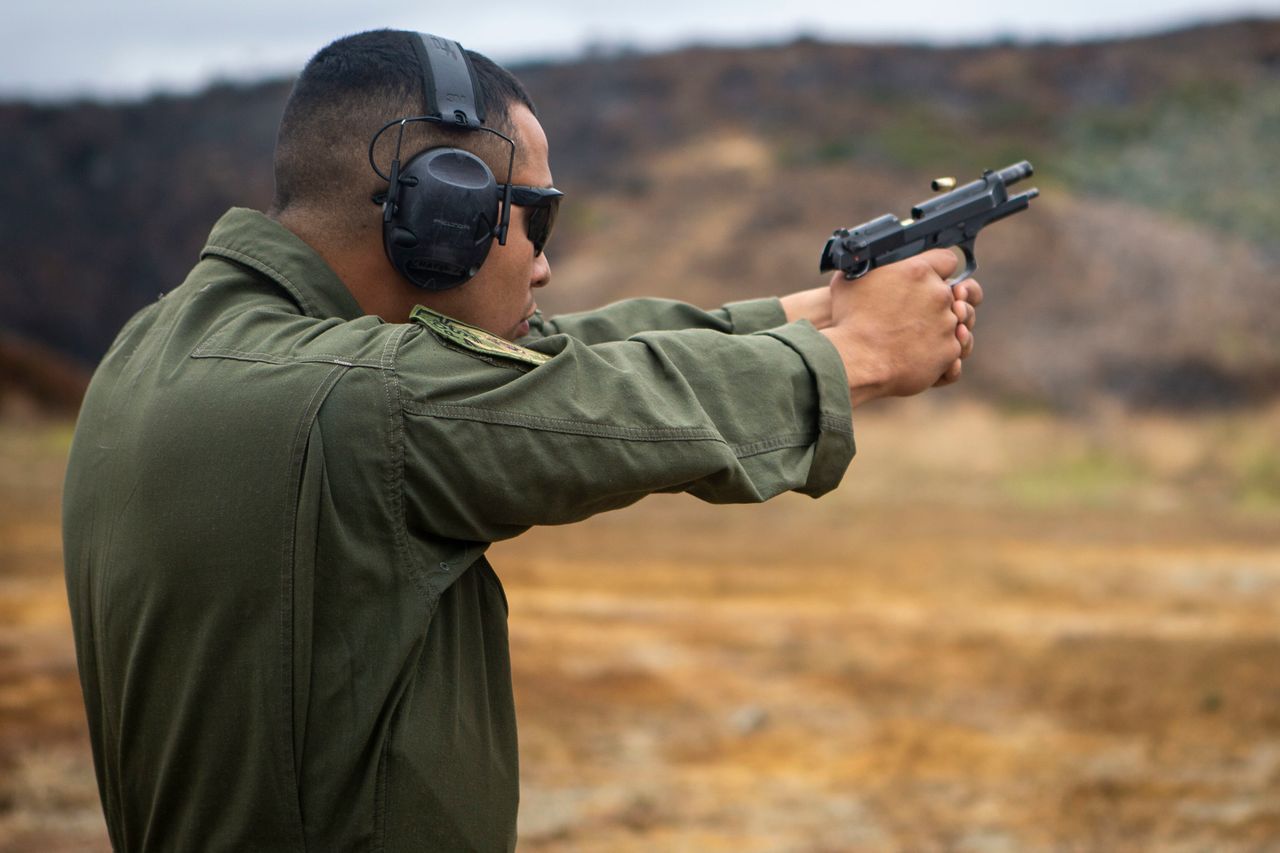
The Beretta 92FS has a loyal following, a cinematic reputation, and a track record that keeps it in the conversation. But beyond the praise, owners often discover a handful of recurring annoyances that rarely get honest airtime online. This gallery looks at the real-world issues people quietly deal with, from maintenance quirks to handling complaints, in a way that is useful for curious buyers and current owners alike.
The Grip Feels Too Big for Many Hands
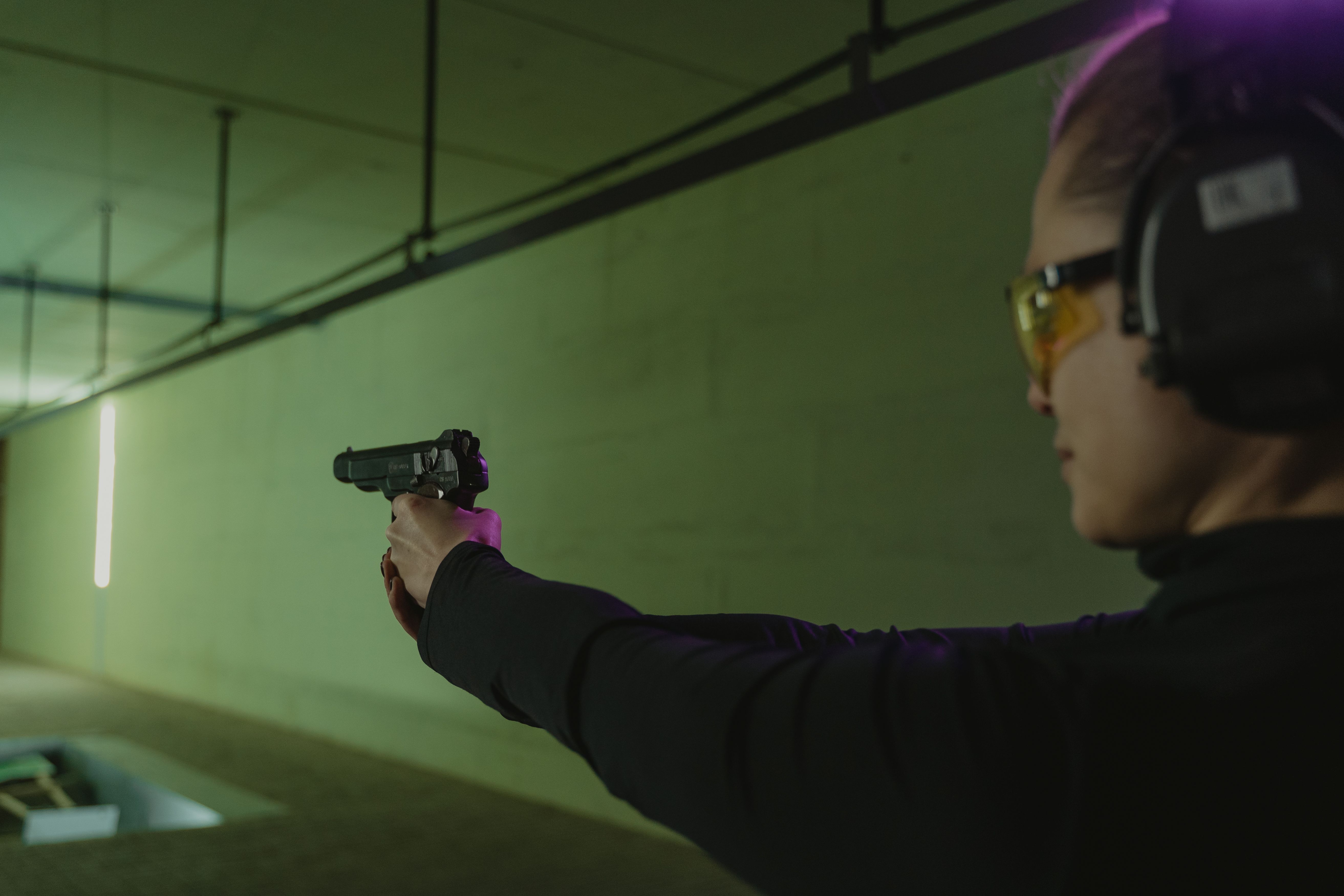
One of the first things owners notice is that the 92FS can feel like a lot of pistol to hold. Its double-stack frame has a broad grip circumference, and for people with smaller hands, reaching the trigger comfortably in double action can feel like a stretch every single time.
That matters more than it sounds. A grip that feels oversized can affect confidence, trigger control, and even how quickly someone recovers between shots. Plenty of owners adapt with practice, but many quietly admit the gun never quite feels as natural in the hand as they hoped.
The First Double-Action Pull Can Be a Real Challenge

Fans of the platform often praise its smooth shooting once the pistol is running in single action, but the first trigger pull is where some owners lose enthusiasm. The double-action stroke is long and noticeably heavier, which can make that opening shot feel less precise than the rest.
In practice, this creates a split personality that not everyone loves. Owners sometimes find themselves training around the first shot rather than truly enjoying it. For a defensive handgun or range favorite, that adjustment can become one of those lingering frustrations nobody mentions until after the purchase.
The Slide-Mounted Safety Gets Hit by Accident

The 92FS uses a slide-mounted safety and decocker, and while some shooters like the setup, others find it awkward in real use. During slide manipulations, especially under speed, it is surprisingly easy to engage the safety unintentionally and leave the gun in a condition you did not mean to select.
That can be especially irritating at the range, where a smooth reload or malfunction drill suddenly turns into confusion. Owners often describe it as a design they can live with, not one they love. It works, but for many people it never stops feeling a little out of the way.
It Is Heavy for All-Day Carry

There is no getting around the fact that the Beretta 92FS is a full-size metal pistol. That gives it a soft-shooting personality and a solid feel, but it also means more weight on the belt, more bulk under clothing, and less forgiveness for anyone trying to carry it for long stretches.
Owners who bought it for both range use and everyday carry often discover the compromise quickly. The gun is pleasant to shoot, but not always pleasant to haul around. For many, it gradually becomes a home-defense or range gun simply because daily carry starts to feel like work.
The Finish Can Show Wear Faster Than Expected

A lot of owners are surprised by how quickly visible wear can appear on certain 92FS pistols, especially around high-contact points. Holster use, repeated handling, and routine range trips can start polishing edges and thinning finish in ways that make the gun look older than it really is.
That does not necessarily affect performance, but it does affect satisfaction. People who expected a forever-gun appearance sometimes feel let down when cosmetic wear shows up early. Some owners end up embracing the used look, while others wish the pistol held its fresh-out-of-the-box finish a little longer.
Magazine and Ammo Preferences Can Be More Noticeable Than Expected

The 92FS has a reputation for reliability, which is one reason owners are often caught off guard when feeding issues appear. In many cases, the culprit is not the pistol itself so much as certain aftermarket magazines, worn springs, or ammo profiles the gun simply likes less than expected.
That can make troubleshooting annoying because the problem feels inconsistent. One range trip goes perfectly, the next includes nose-dives or sluggish feeding. Owners who stick with quality magazines and proven ammunition usually have better luck, but the learning curve can be more finicky than the internet folklore suggests.
Small Parts and Springs Still Need Attention

Because the 92FS has such a long service history, some owners assume it can be ignored indefinitely as long as it still fires. In reality, recoil springs, locking block components, and magazine springs are wear items, and the pistol tends to reward people who stay ahead of maintenance instead of waiting for trouble.
This is not unique to Beretta, but it is often understated in casual praise. A gun with a military pedigree can sound indestructible online, yet real ownership still involves preventive upkeep. Owners who skip that part may blame the platform when the real issue is simply deferred maintenance.
Finding the Best Fit for Modern Upgrades Is Not Always Simple

The Beretta 92FS remains popular, but some owners discover that modernizing it is not as straightforward as upgrading newer handgun designs. Sights, optic solutions, trigger parts, and accessory compatibility can vary more than expected depending on generation, slide style, or whether someone wants factory-safe modifications.
That can leave owners in an odd spot. They love the classic platform, but they also want a more current setup for defensive use or serious range time. Instead of a quick shopping list, they get a research project. For a pistol with such a famous name, that catches many people off guard.