Late-season hunting in the Rocky Mountains brings a mix of quiet landscapes, sharp winds, and wildlife that moves with clear purpose as winter settles in. Success this time of year depends on understanding how animals conserve energy, shift food sources, and seek shelter from cold storms. With thoughtful preparation and patient strategies, late-season hunters can capitalize on concentrated game patterns, crisp visibility, and fewer crowds. These tips help you stay comfortable, alert, and ready in demanding winter terrain.
1. Focus on South-Facing Slopes
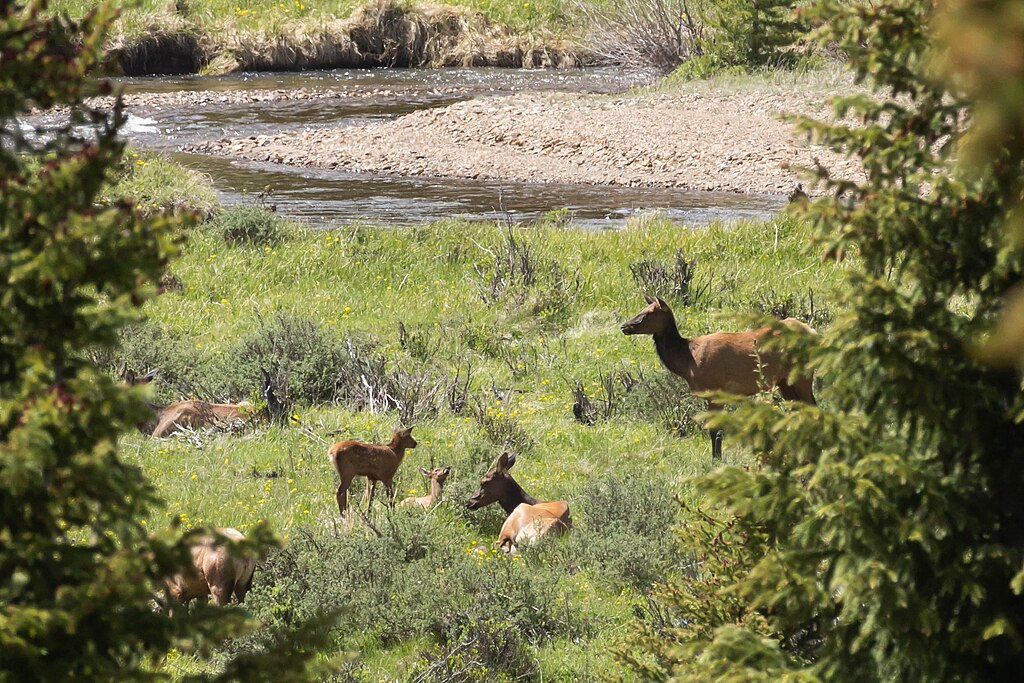
South-facing slopes warm faster and hold less snow, making them reliable late-season hotspots where deer and elk gather to feed. These slopes attract wildlife seeking sun exposure and easier travel across winter terrain. By glassing these areas during midmorning hours, you can spot animals leaving bedding zones or browsing on exposed vegetation. These slopes often reveal tracks, droppings, and worn paths, giving hunters consistent signs to follow throughout colder weeks in the Rockies.
2. Track Fresh Snow Sign
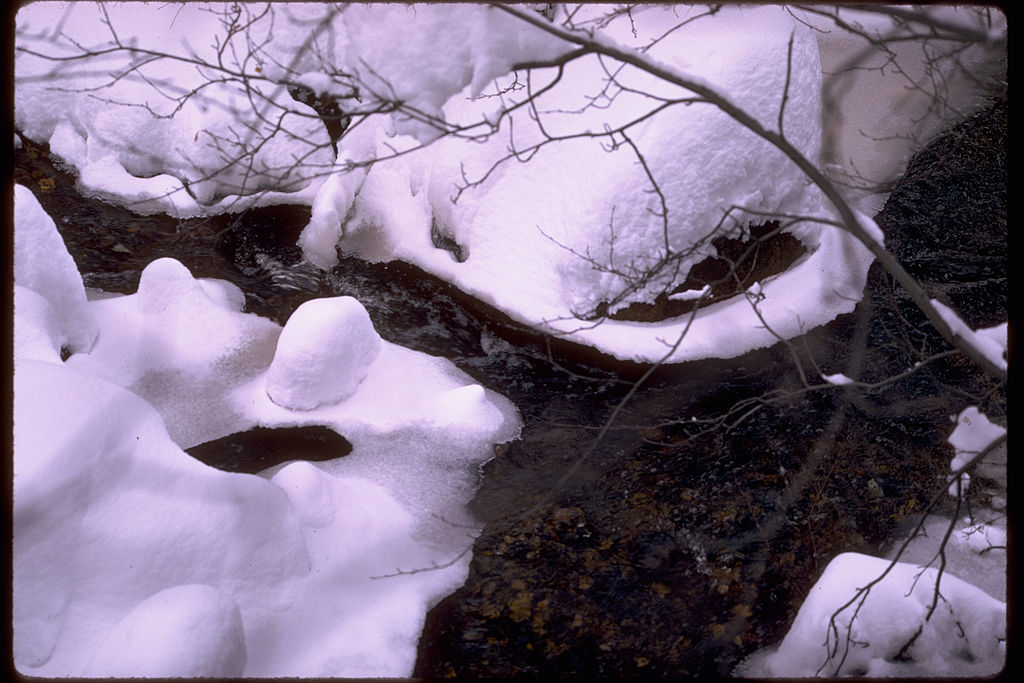
Fresh snow turns the mountains into a readable map, making animal movements more predictable. New tracks reveal direction, speed, and even how recently an animal passed through the area. Identifying details like stride width or depth helps you determine whether the trail is worth following. Because late-season game travels less, clear prints often lead directly to bedding or feeding zones. Using snowfall to your advantage increases your chances of steady, informed tracking in rugged winter conditions.
3. Use Cold-Weather Gear Wisely
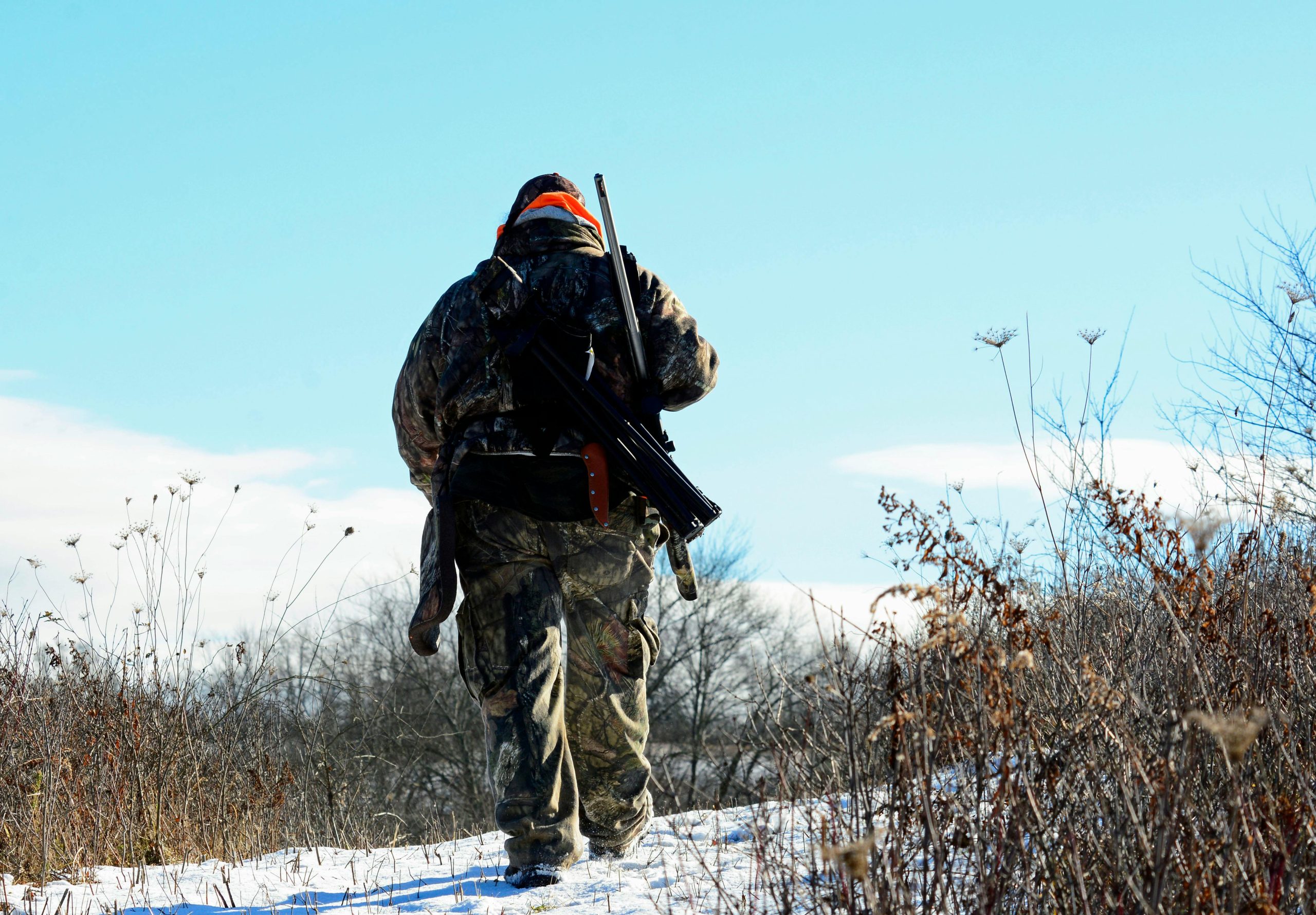
Late-season temperatures in the Rockies can drop fast, so proper layering keeps you warm without restricting movement. Moisture-wicking base layers prevent sweat from chilling your body, while insulated mid-layers and windproof shells protect against biting gusts. Warm gloves, thick socks, and insulated boots help you withstand long glassing sessions. Smart gear choices reduce fatigue and maintain focus, allowing you to stay patient and still throughout extended waits in harsh winter environments.
4. Scout Midday Feeding Areas
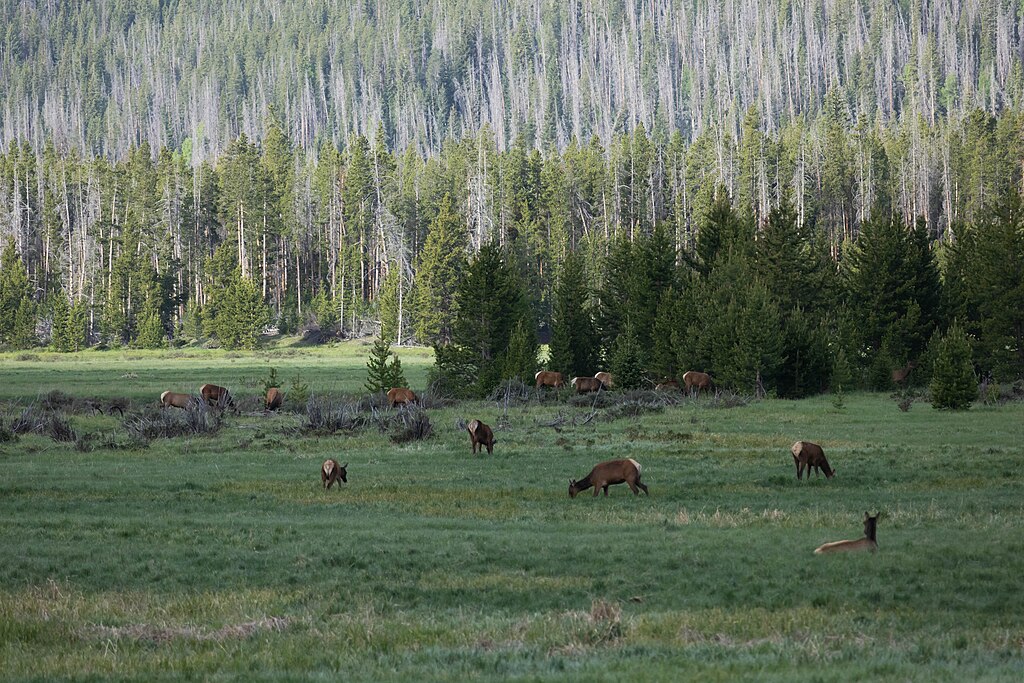
In late season, animals often shift feeding to midday when temperatures rise slightly, and energy demands increase. Open meadows, wind-sheltered benches, and sunny pockets become reliable feeding locations. Watching these areas between late morning and early afternoon increases your chances of seeing wildlife moving slowly from bedding zones. Midday scouting also improves comfort by avoiding the coldest parts of the day, giving hunters better visibility and steadier opportunities for productive encounters.
5. Hunt Near Thermal Cover
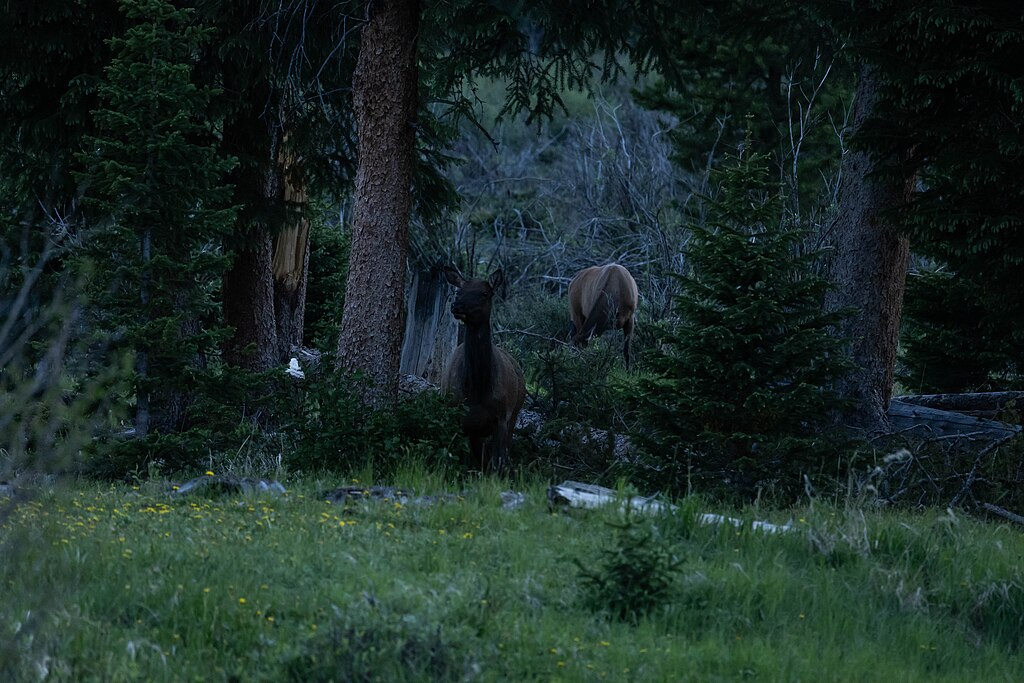
Thermal cover, such as dense evergreens, sheltered ravines, and thick timber, offers warmth and protection from winter winds. Wildlife relies on these spots to conserve energy during storms or cold nights. Setting up along the edges of such cover allows you to intercept animals as they transition to feeding areas. Signs like flattened snow beds, fresh droppings, and broken branches confirm regular use. These zones consistently hold game as winter conditions intensify in the Rockies.
6. Slow Down Your Approach
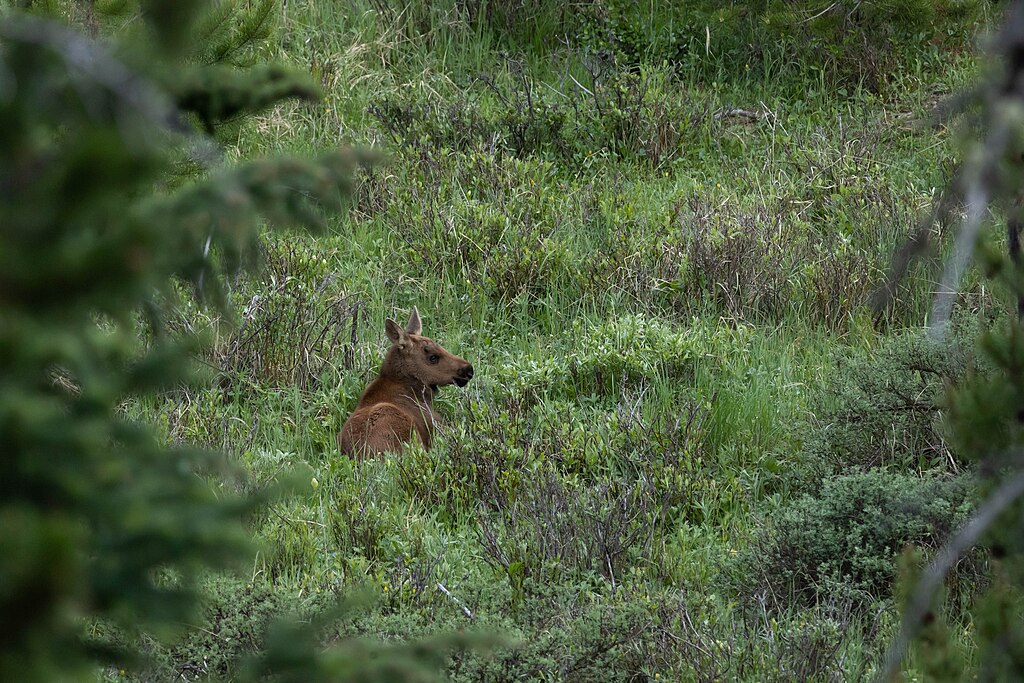
Late-season animals stay alert after months of hunting pressure, so moving slowly keeps noise low on crusted snow or frozen brush. Taking measured steps, pausing often, and glassing frequently helps you detect movement before wildlife notices you. Patience becomes a valuable tool when visibility is high, but sound travels easily in cold air. A careful approach allows you to read tracks, assess wind direction, and advance quietly, improving your chances of close, controlled encounters.
7. Take Advantage of Rut Residuals
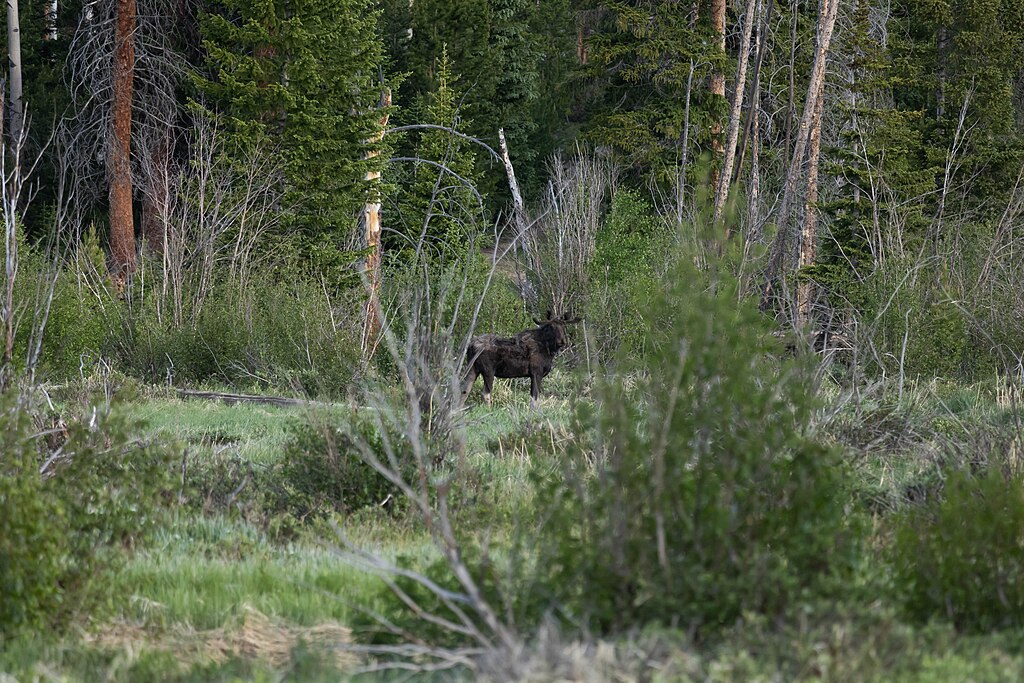
Even after the peak rut ends, residual behavior can guide you to mature bucks or bulls still following faint scent trails or visiting old rub lines. Late-born calves and lingering cows can keep limited rut activity going. Identifying travel corridors or fresh signs near these areas helps you locate animals sticking to familiar patterns. While the intensity fades, these remaining clues often lead to a slower-moving, predictable game that stays close to established winter paths.
8. Stay Mobile When Needed
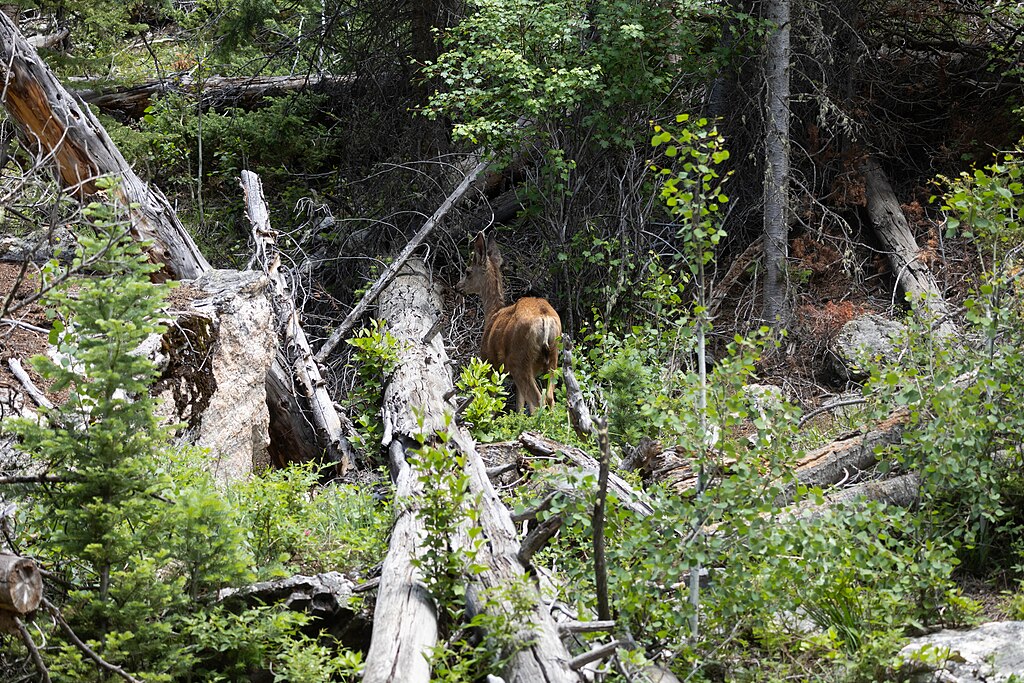
When the sign is sparse, or hunting pressure pushes animals deep into sheltered pockets, staying mobile helps you cover essential terrain. Moving methodically between drainages and sunlit slopes increases your chances of finding fresh tracks or feeding sign. Mobility prevents wasted time in empty areas and allows you to adjust quickly to changing conditions. Balancing slow, careful stalking with strategic relocation keeps your efforts focused and effective throughout the late-season challenge.