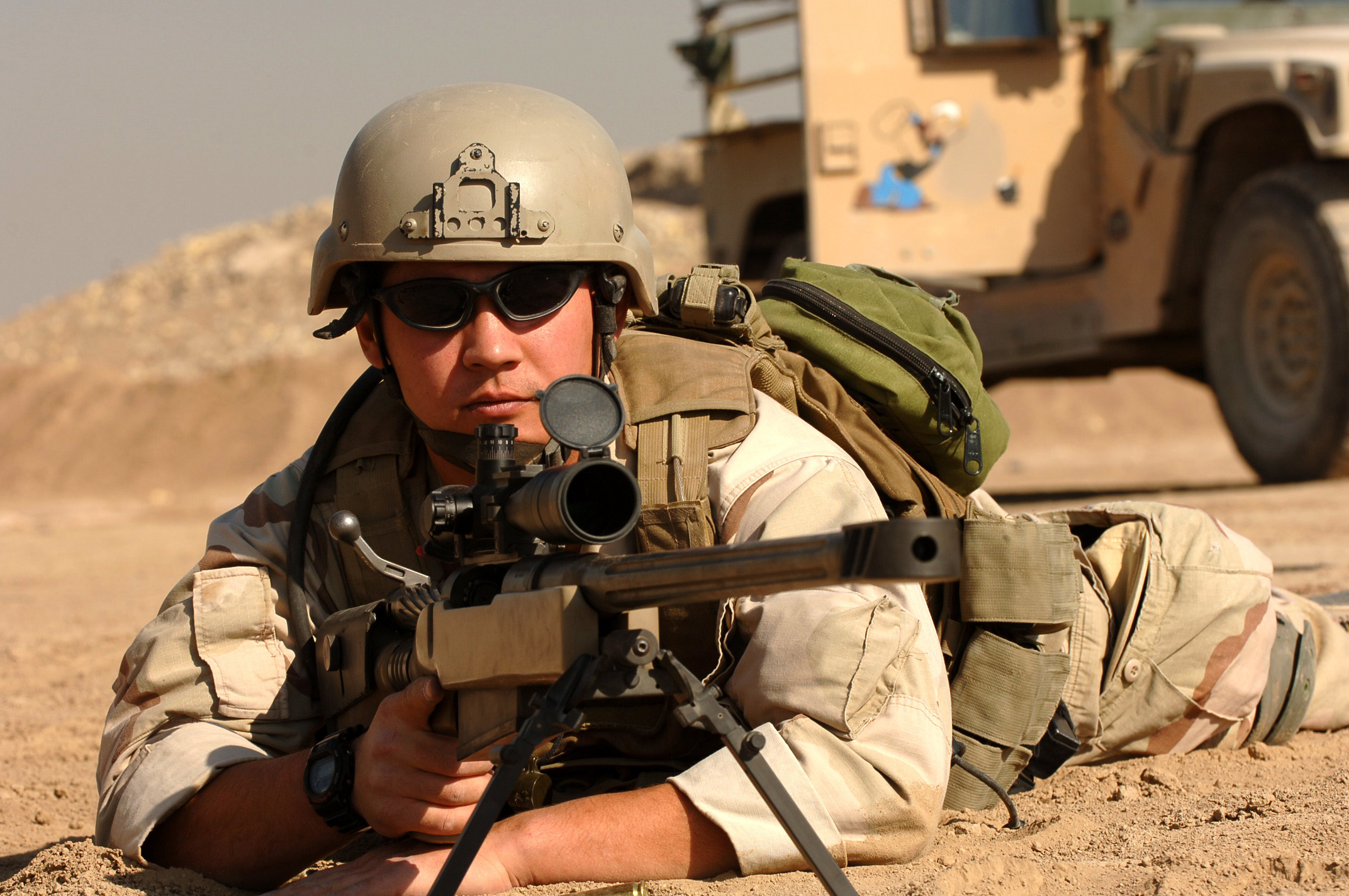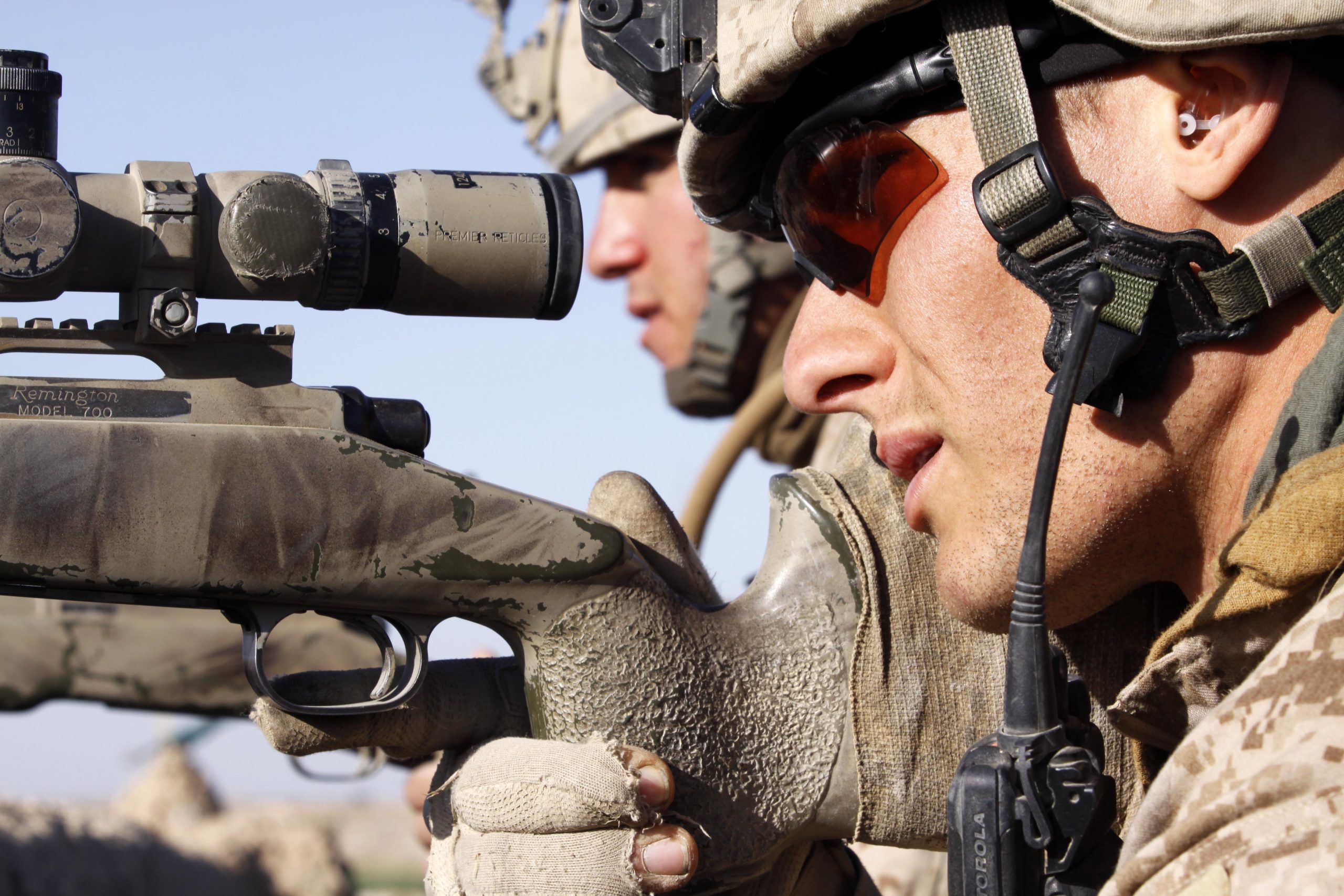
An optic can make the same rifle feel like a completely different tool. Magnification, reticle style, eye relief, field of view, and even the size of the objective lens can change how naturally a rifle comes to the shoulder and how easily a target can be observed. A 1x red dot emphasizes speed and awareness, while a 9x or 16x scope gives much more visual detail. That is why the optic deserves almost as much thought as the rifle itself.
1. Ruger 10/22
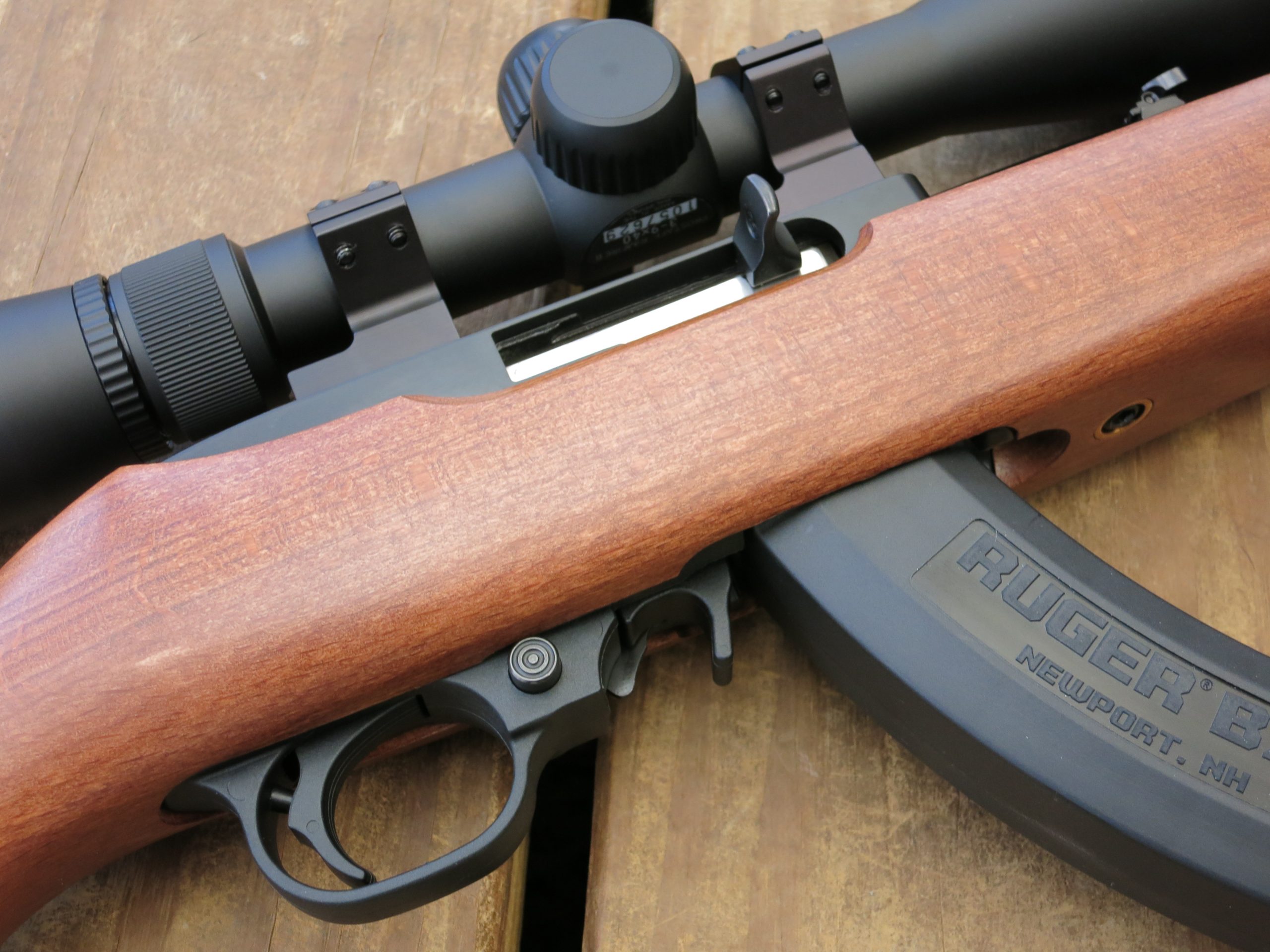
The Ruger 10/22 can change character quickly when an optic replaces its factory sights. A 1x red dot keeps the sight picture wide and simple, while a compact 2-7x or 3-9x scope can provide more visual detail for small targets at greater distances. The rifle’s .22 LR chambering also produces very little recoil, making it easy to observe the sight picture after firing. The difference between 1x and 6x is substantial: one emphasizes speed and awareness, while the other enlarges the view. The optic can therefore shift the same rifle from casual plinking toward more specialized target or small-game use.
2. AR-15
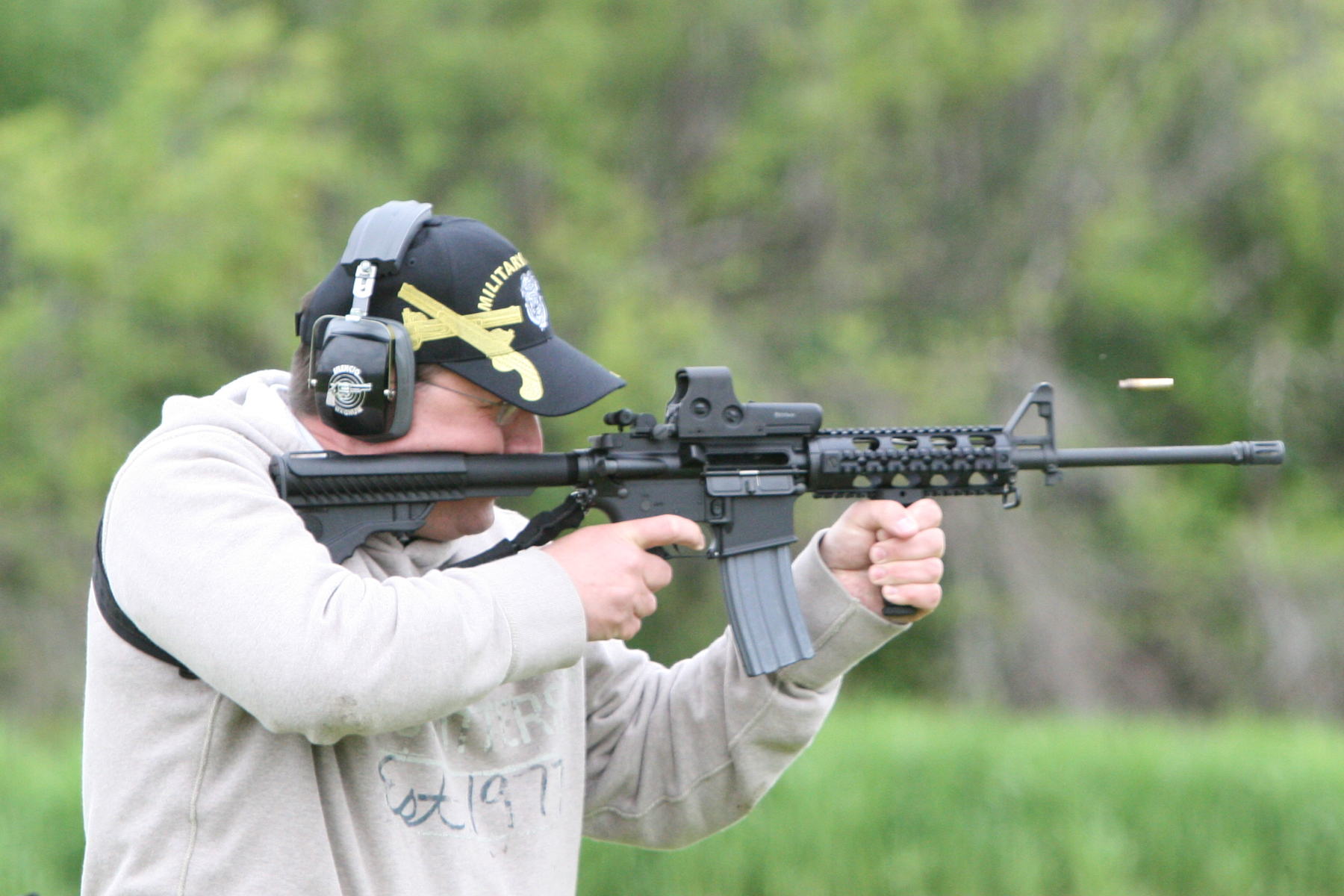
An AR-15 can feel noticeably different when its optic changes because its modular design accommodates several sighting approaches. A 1x red dot emphasizes rapid target acquisition, while a 1-6x LPVO adds magnification without completely abandoning the low-power view. A 3x prism provides another middle ground with fixed magnification in a compact package. The numbers tell the story: 1x provides no optical magnification, 3x triples the apparent image size, and 6x provides considerably more detail. The rifle itself remains unchanged, but the optic can strongly alter how the shooter observes, tracks, and aims.
3. Ruger American Rifle

The Ruger American Rifle uses a conventional bolt-action layout that pairs naturally with magnified hunting optics. A 3-9×40 scope offers a 3x low setting for a relatively broad view and 9x at the upper end for greater visual detail. Switching to a lightweight 2-7x can make the setup more compact, while a higher-power optic places greater emphasis on distant observation. Magnification is only part of the equation. Objective diameter, eye relief, field of view, and reticle design all influence how comfortable the rifle is to use. One optic can make the rifle feel quick and simple, while another creates a more deliberate sight picture.
4. Marlin 1895

The Marlin 1895 shows how an optic can modernize the sighting experience of a traditional lever-action rifle without changing its basic design. A low-mounted red dot provides a straightforward 1x sight picture, while a compact 1-6x optic introduces additional magnification when the surroundings become more open. The difference can be substantial: 1x preserves a broad view, whereas 6x offers considerably more image enlargement. Mounting height and eye relief are also important because the optic must complement the rifle’s handling characteristics. Changing from iron sights to modern glass can therefore make the same lever gun feel surprisingly different.
5. Remington 700
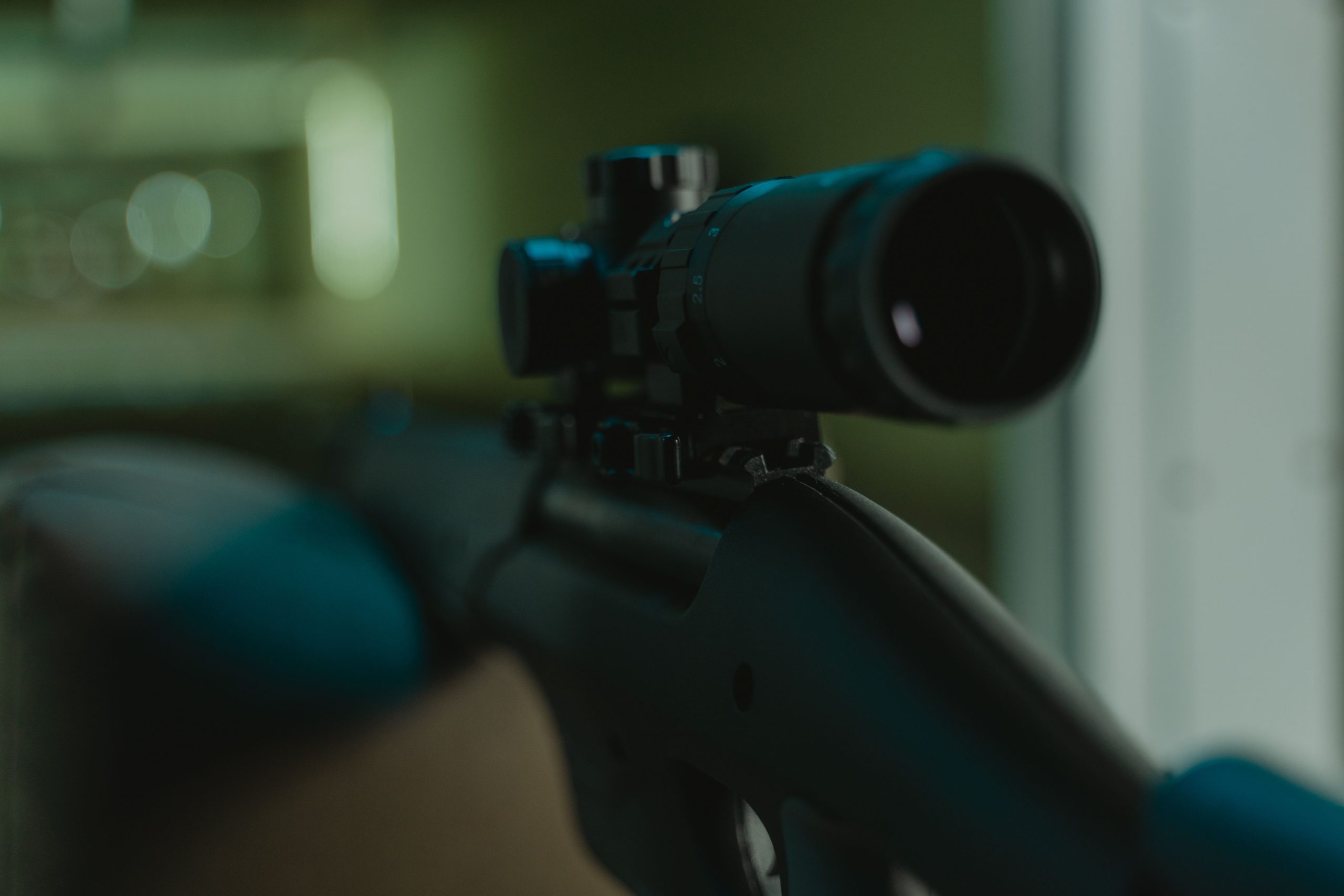
The Remington 700 is closely associated with magnified scopes, but changing the optic can dramatically alter how the rifle is used. A 3-9x scope provides a familiar hunting combination, while a 4-16x model offers substantially more magnification for deliberate target work. At 100 yards, 1 MOA equals approximately 1.05 inches, making reticle measurements increasingly useful as precision demands rise. A larger objective lens can also increase weight and bulk. The bolt-action rifle remains mechanically unchanged, yet the optic determines much of the visual information available to the shooter and can shift the rifle toward a very different role.
6. Winchester Model 70
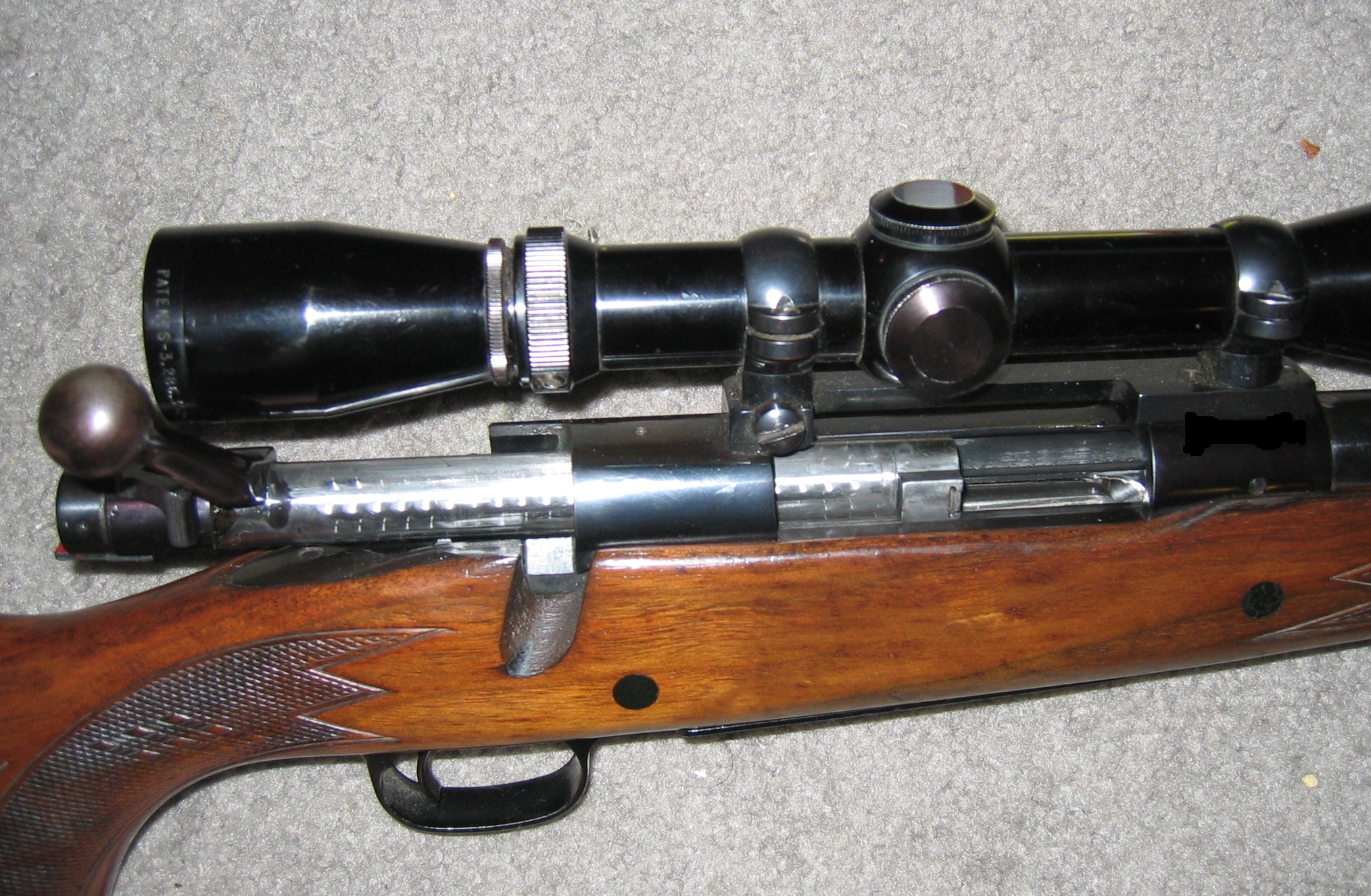
The Winchester Model 70 can move between different hunting roles simply by changing its glass. A lightweight 2-7x scope keeps the rifle relatively compact and provides useful low magnification, while a 3-9x or 4-12x optic offers additional reach for more open terrain. The numbers describe magnification, not guaranteed accuracy: 2x gives a relatively broad view, while 12x enlarges the image considerably and generally narrows the field of view. Eye relief, mounting position, and reticle choice also matter. On a classic bolt-action rifle, the optic can therefore change the balance between quick observation and a more detailed sight picture.
7. Savage 110

The Savage 110 demonstrates why a modern bolt-action rifle does not have to remain tied to one optical setup. A compact 3-9x scope can cover general hunting distances, while a 4-16x optic favors more distant observation and deliberate target work. Increasing magnification also narrows the field of view, so maximum power is not automatically the most useful setting. The objective lens adds another important number: a 40mm objective is generally lighter and more compact than a 50mm model. Changing between those configurations can noticeably alter the rifle’s weight, balance, and handling without changing its action or cartridge.
8. CZ 457

The CZ 457 is a rimfire platform where an optic can make a particularly noticeable difference because of its suitability for precise small-target shooting. A 2-7x scope provides flexibility, while a 4-16x optic supplies considerably more magnification for deliberate target work. At 100 yards, a 1 MOA adjustment represents roughly 1.05 inches, making the relationship between reticle measurements and target size easy to understand. Its .22 LR chambering also produces minimal recoil, allowing the shooter to observe the sight picture comfortably. Changing optics can therefore shift the rifle’s emphasis from general shooting toward more precise target use