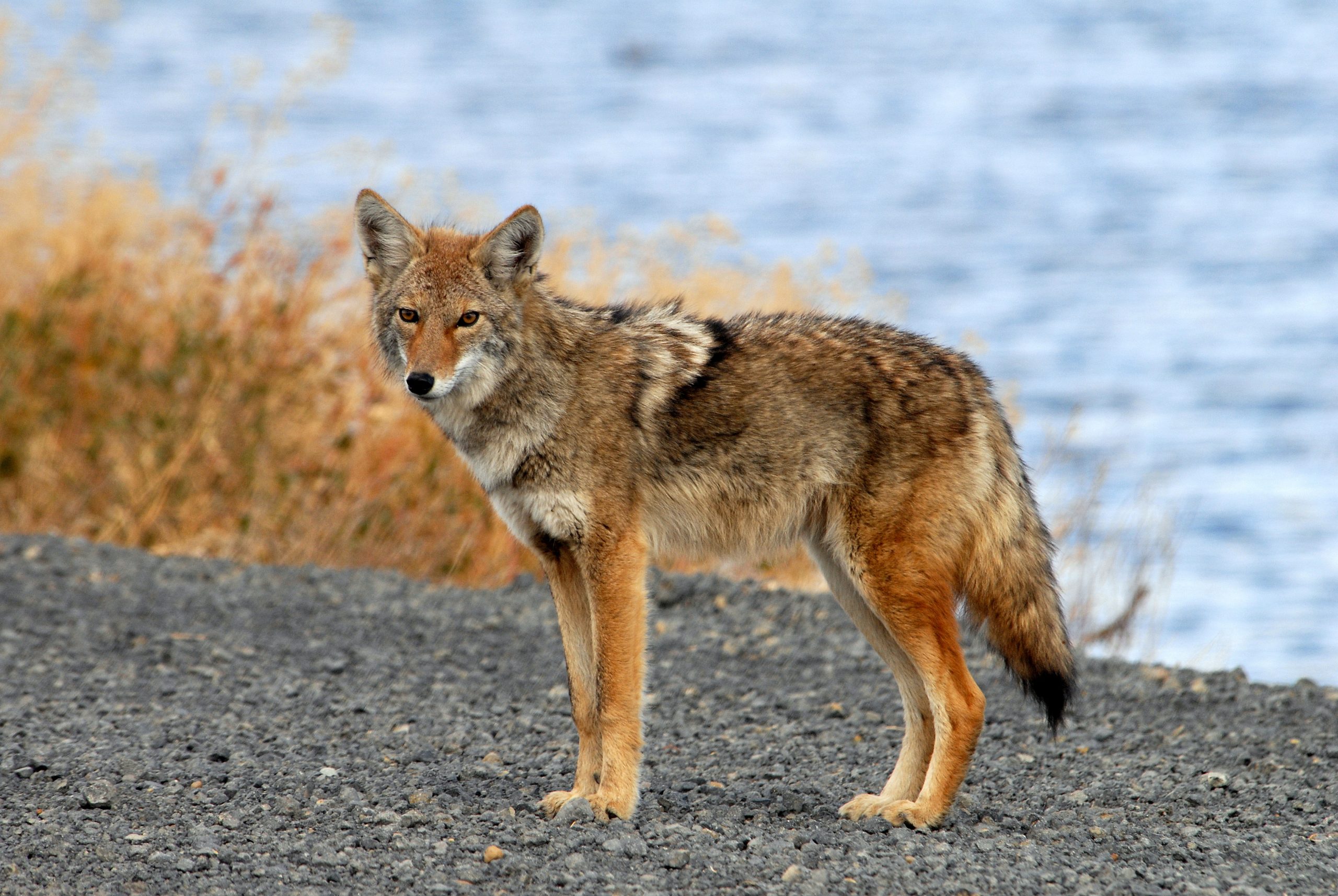
Coyote hunting has never been about simply choosing the biggest cartridge. Hunters often debate rifles and shotguns based on accuracy, recoil, weight, ammunition availability, terrain, and the distances they realistically expect to encounter. A setup that makes sense across open prairie may be excessive in thick cover, while a compact rimfire may have limitations where longer shots are common. These 8 firearms and cartridges continue to attract attention because each offers a different combination of practical strengths. Local hunting regulations should always be checked before choosing equipment.
1. .223 Remington
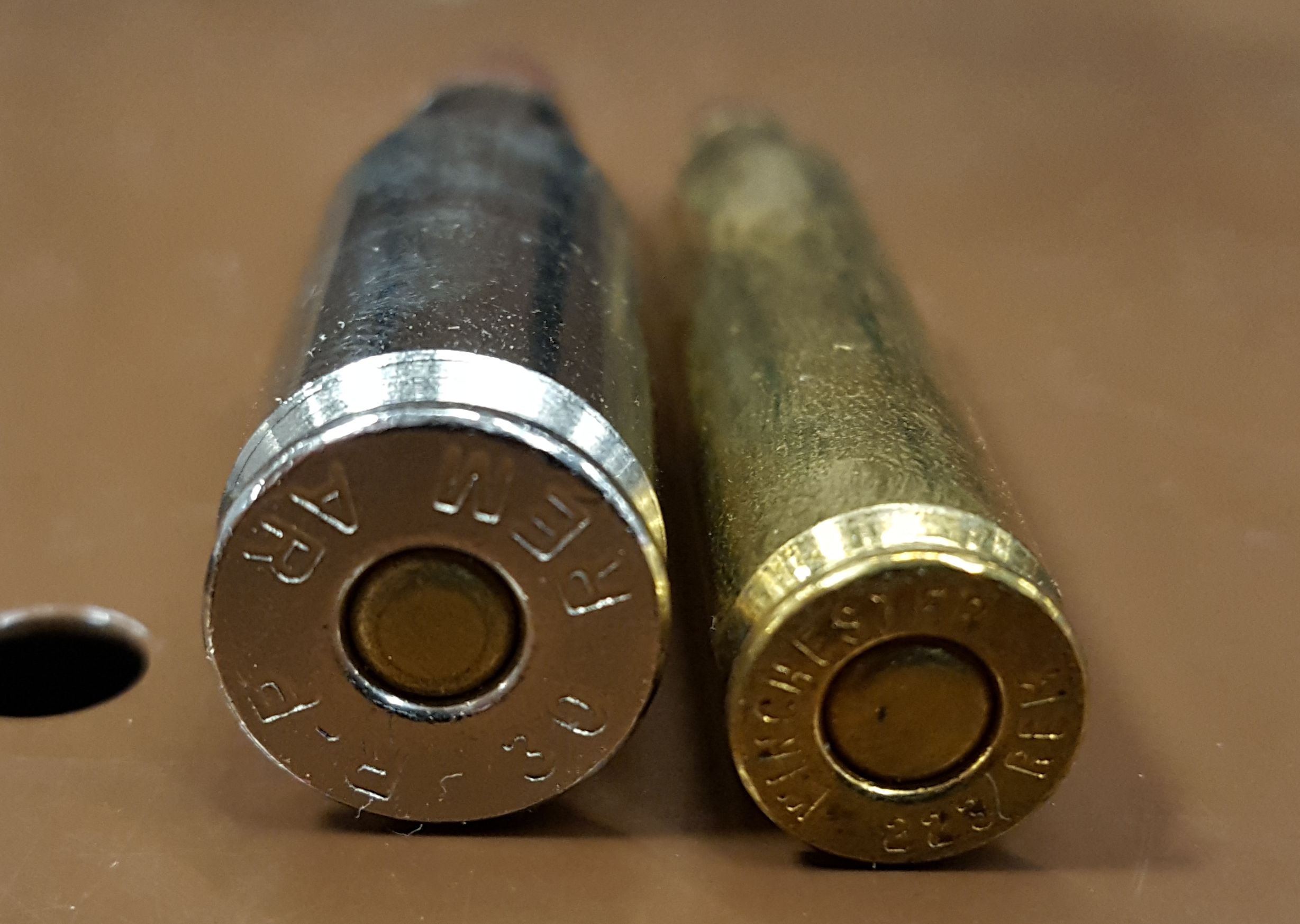
The .223 Remington remains a familiar choice because it balances reach, manageable recoil, and widespread availability. A typical 55-grain load can produce around 3,200 fps from a suitable rifle, though barrel length and ammunition change the result. Its flat trajectory can simplify practical field shooting at ordinary hunting distances. Many rifles are also relatively light, which matters when a hunter carries calls, optics, clothing, and other gear for hours. The .223 is not legal everywhere for coyotes, so local rules must be checked before a hunt. That balance keeps it popular with hunters comparing practical rifle setups for open-country calling and general varmint work.
2. .22-250 Remington
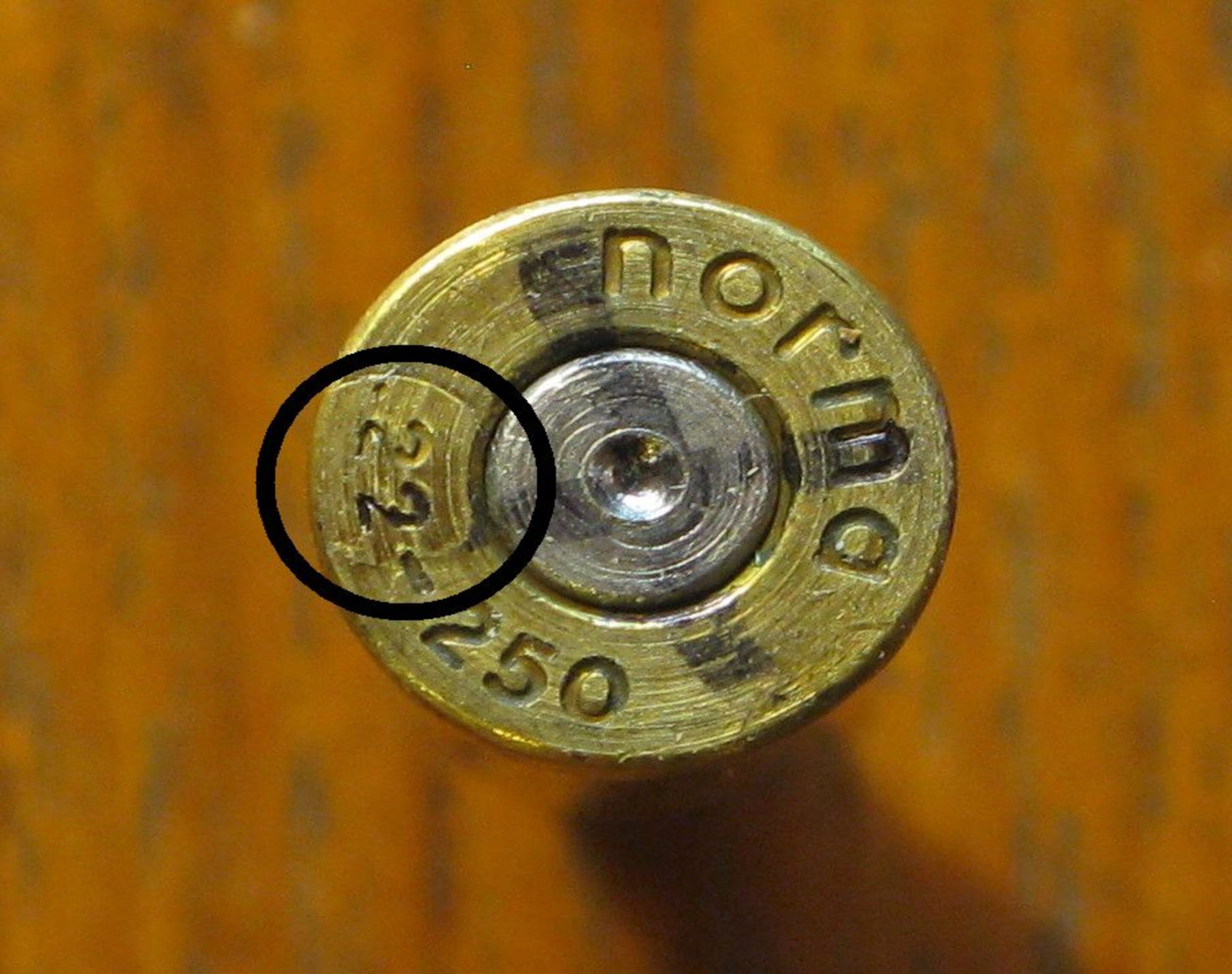
The .22-250 Remington has a loyal following among hunters who want a fast, flat-shooting varmint cartridge. A common 55-grain load can approach 3,600 fps from a properly matched rifle, giving it a notably fast trajectory. That speed can be useful when judging holdover across open country, although wind still matters. The tradeoff is ammunition cost, barrel heat, and generally greater report than a .223. Hunters also need to confirm local caliber rules, because some jurisdictions place limits on centerfire rifles or specific ammunition. Its blend of speed and familiar bolt-action platforms keeps it in discussions among hunters calling across fields and grassland.
3. .204 Ruger
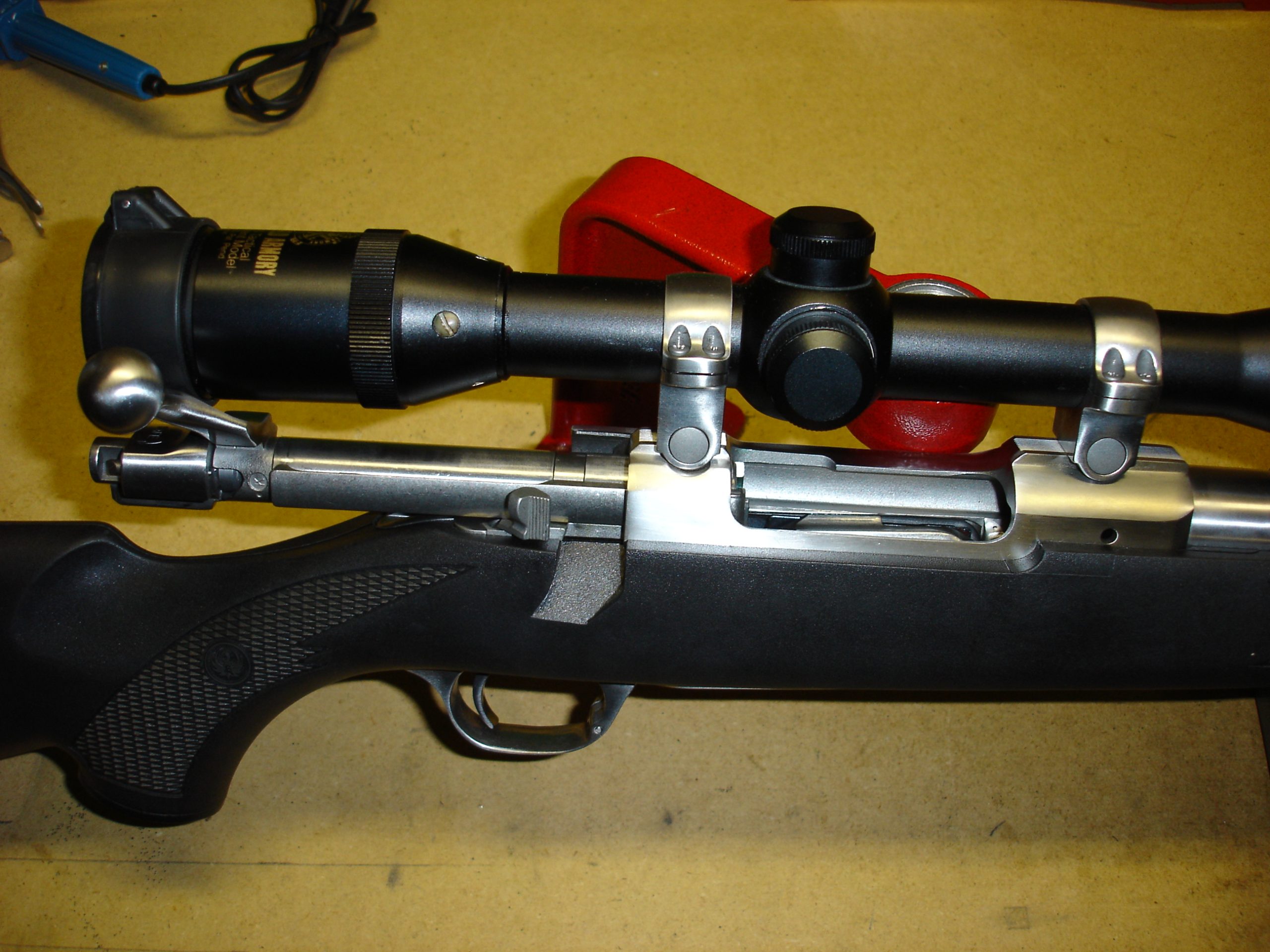
The .204 Ruger attracts attention because it delivers high velocity from a very small projectile. Factory loads commonly use 32- or 40-grain bullets, with some 32-grain loads advertised around 4,200 fps from suitable barrels. That speed can produce a relatively flat trajectory and suits varmint work. It is still sensitive to wind, and tiny bullets can lose energy faster than larger projectiles. A hunter choosing the .204 should consider ammunition availability, barrel length, and local regulations rather than assuming the fastest cartridge is automatically the best choice. Its appeal comes from speed, accuracy, and light recoil, provided distances and conditions remain realistic.
4. .243 Winchester
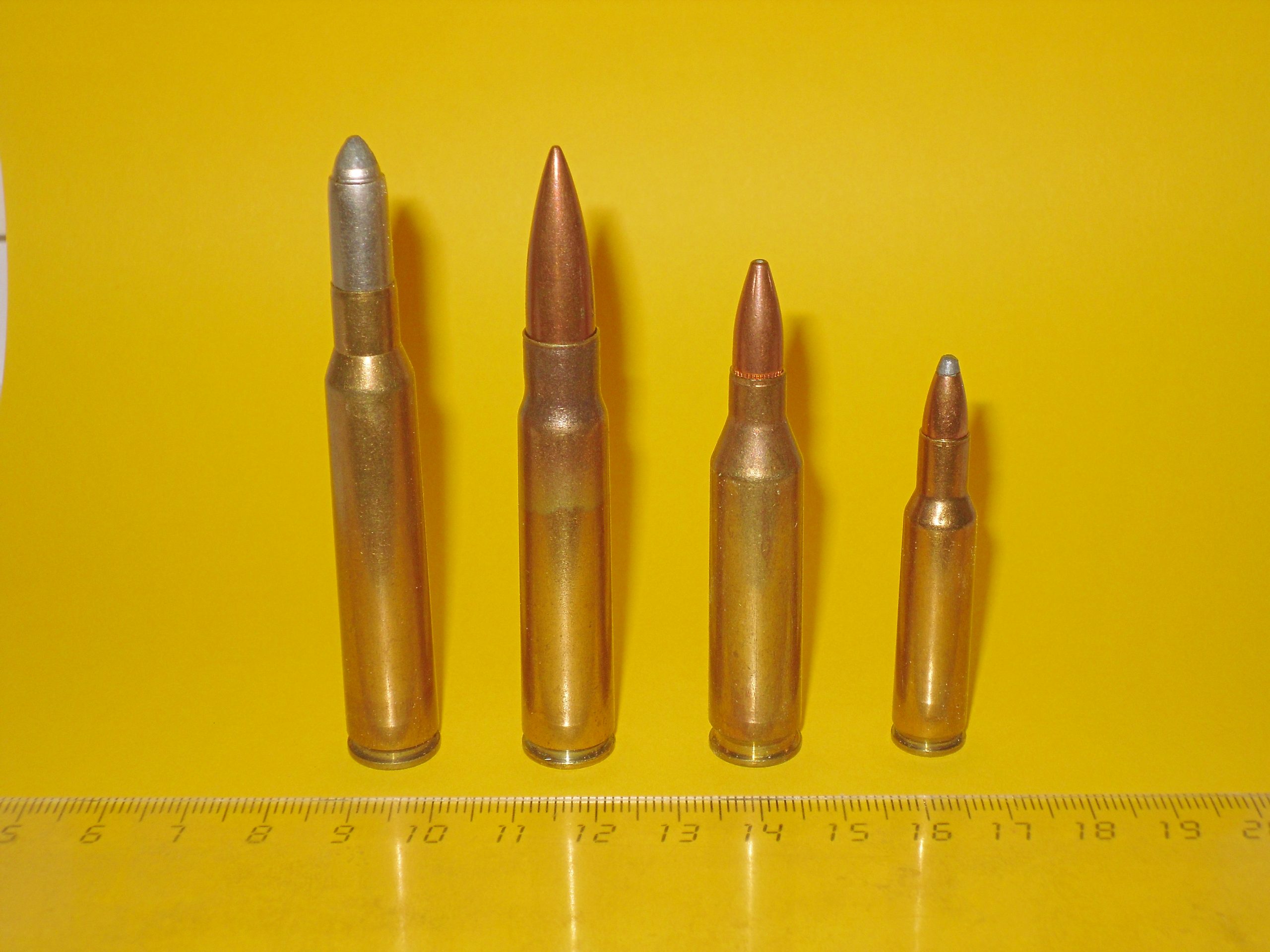
The .243 Winchester continues to appeal to hunters who want one rifle that can handle coyotes and a broader range of hunting duties. Common bullet weights include 55, 75, 80, and 100 grains, giving shooters considerable ammunition variety. A suitable 55-grain load can reach roughly 3,900 fps, while heavier bullets trade some speed for greater mass. The cartridge generally produces more recoil and blast than smaller varmint rounds. That versatility can be useful, but hunters should choose ammunition appropriate for the intended game and verify that their local rules permit the rifle. That suits hunters who prefer one familiar rifle for several species.
5. .22 Winchester Magnum Rimfire
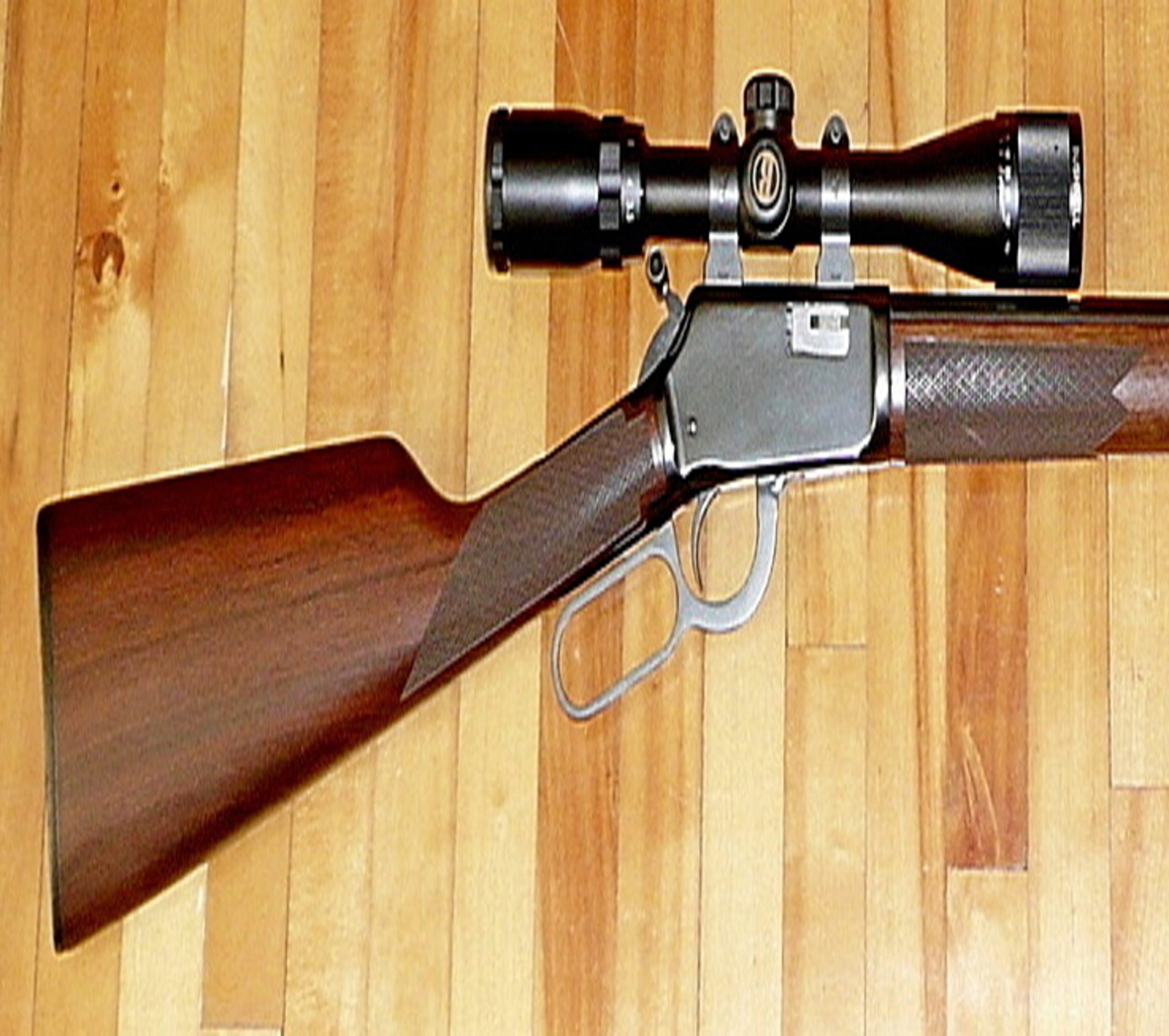
The .22 Winchester Magnum Rimfire, or .22 WMR, occupies an interesting middle ground between small rimfires and centerfire rifles. Typical factory loads use bullets around 30 to 50 grains, with many 40-grain loads reaching roughly 1,900 fps from a rifle. Its ammunition is compact, and the cartridge generally produces modest recoil. Those qualities can make it appealing where local rules allow it. Its effective range and terminal performance are more limited than cartridges such as .223 Remington, so it should not be treated as an interchangeable substitute. Regulations and ethical range limits still determine where it belongs. Its practical niche is that middle ground.
6. .17 HMR
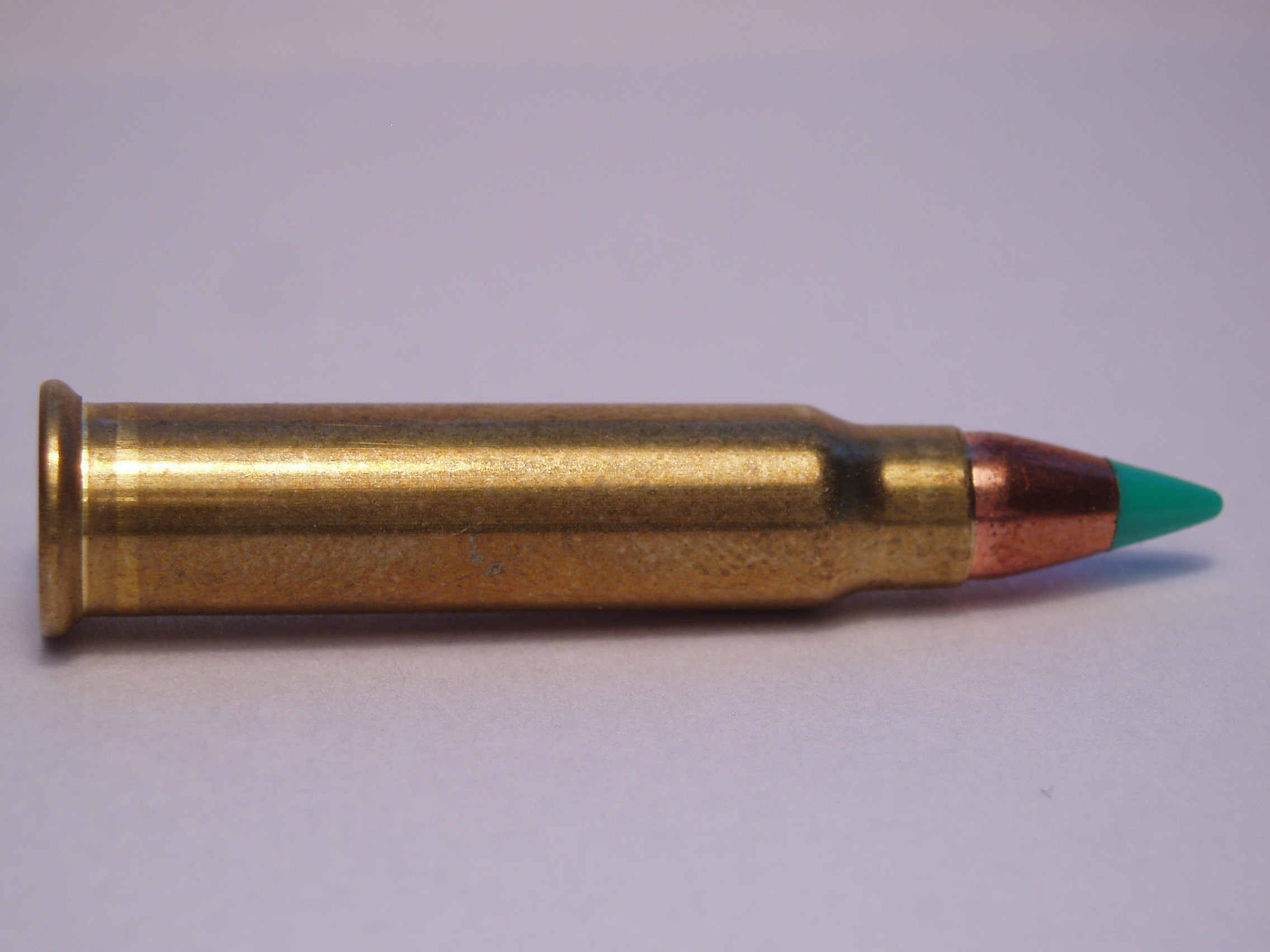
The .17 HMR remains popular with hunters who value a very flat trajectory from a small rimfire cartridge. A common 17-grain load can reach about 2,550 fps from a rifle, while 20-grain ammunition is usually slower. The cartridge has relatively mild recoil and can be pleasant to shoot, but its lightweight bullet can be affected noticeably by wind. It is also not legal for coyote hunting everywhere. Before choosing it, hunters should check current regulations, expected shooting distances, and ammunition availability. Its reputation for precision should not be confused with unlimited range or universal suitability. It remains a specialized rimfire rather than a universal centerfire substitute.
7. 12-Gauge Shotgun
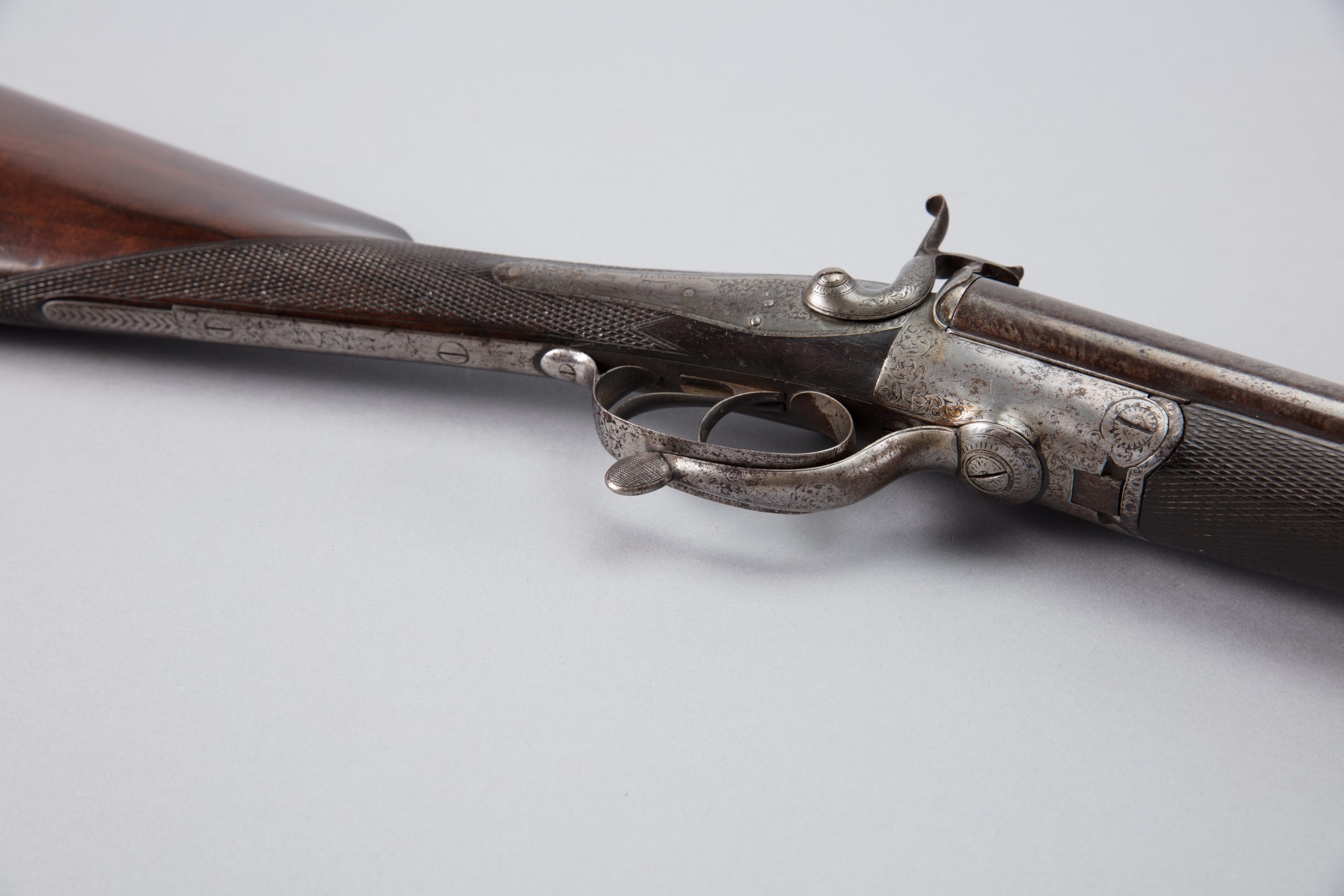
A 12-gauge shotgun stays in the conversation because coyotes do not always appear in wide-open terrain. In thick cover or short-range situations, a shotgun can provide a useful pattern with appropriate legal ammunition. A standard 12-gauge shell is commonly 2¾ inches long, while 3-inch loads are also widely available. Pattern performance varies substantially with choke, ammunition, and distance, so hunters should test their particular combination safely before relying on it. Regulations can specify permitted shot sizes or firearm types, and some areas impose special rules for nighttime hunting. A shotgun also offers a different handling profile from a rifle, which can matter when visibility and shooting distance are both limited.
8. .308 Winchester
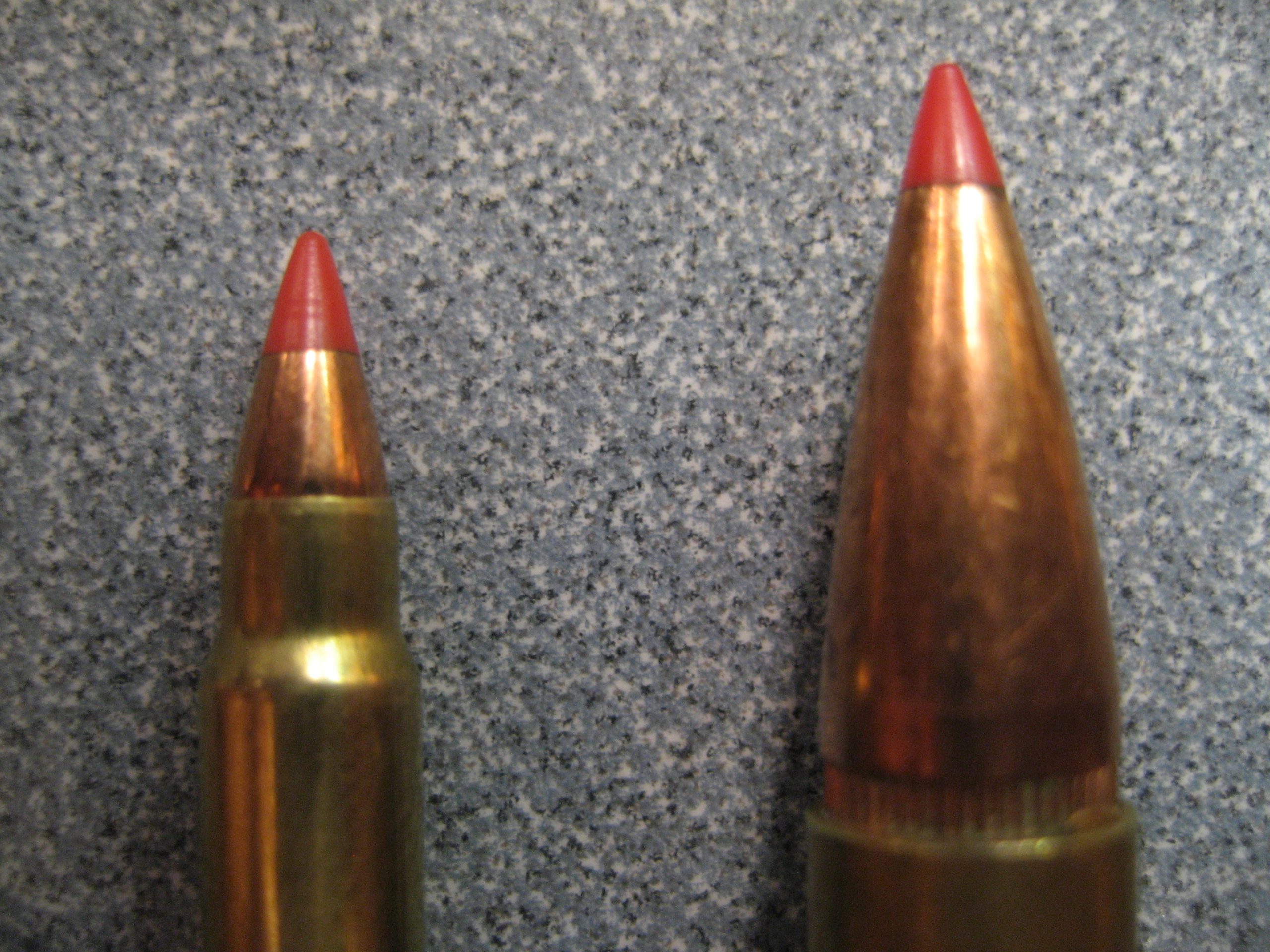
The .308 Winchester is larger than what many hunters specifically need for coyotes, yet it remains relevant because some hunters already own it for larger game. Typical hunting loads range from about 150 to 180 grains, providing substantially more projectile mass than dedicated varmint cartridges. That can make the rifle heavier and recoil stronger, while ammunition may also cost more. Its advantage is versatility rather than specialization. A hunter should consider whether the extra capability is actually useful for the intended hunt, and must follow local rules governing caliber, ammunition, season, and shooting hours. That can suit hunters who prefer one familiar rifle.