A gun safe can look impressive on the showroom floor, but the details that matter most usually reveal themselves during a crisis. Serious collectors tend to spend extra on the features that protect firearms from theft, fire, moisture, and simple user error. This gallery breaks down the upgrades many owners say are worth it long before an emergency puts them to the test.
Thicker steel construction

At a glance, many safes look equally rugged. Serious collectors know the real difference often starts with steel thickness, because heavier body panels and a stronger door can make forced entry much slower, louder, and less appealing to a thief working under pressure.
That added mass also tends to signal better overall build quality. Hinges, welds, door frames, and locking areas usually benefit when a manufacturer is not cutting corners on the shell itself.
It is not the flashiest upgrade, but it is one of the most foundational. If the safe’s body is vulnerable, every other premium feature becomes less meaningful.
A higher fire rating
Fire protection is one of those features people fully appreciate only after hearing stories from homeowners who lost everything around a safe. A longer fire rating, backed by credible testing, can buy precious time when temperatures spike and first responders are still working to contain the damage.
Collectors often look beyond the big marketing sticker and pay attention to test conditions, seal quality, and how the safe is built to protect interior temperatures. Not every fire rating is created equal.
Even if theft is the first concern, heat and smoke can be just as destructive. Paying extra for stronger fire resistance is really about giving your collection a better chance to survive the worst day imaginable.
Expandable locking bolts

A safe door may look imposing, but what really matters is how firmly it locks into place. Collectors often prefer robust, well-distributed locking bolts because they help resist prying and spread force across more of the door frame.
This feature is especially valuable around the side of the door where attackers tend to focus leverage. More substantial boltwork can turn a quick smash-and-grab attempt into a long, frustrating project.
It also reflects thoughtful engineering rather than cosmetic bulk. When owners pay more for stronger internal locking hardware, they are usually investing in resistance that cannot be judged from a casual glance alone.
A reliable lock with backup access
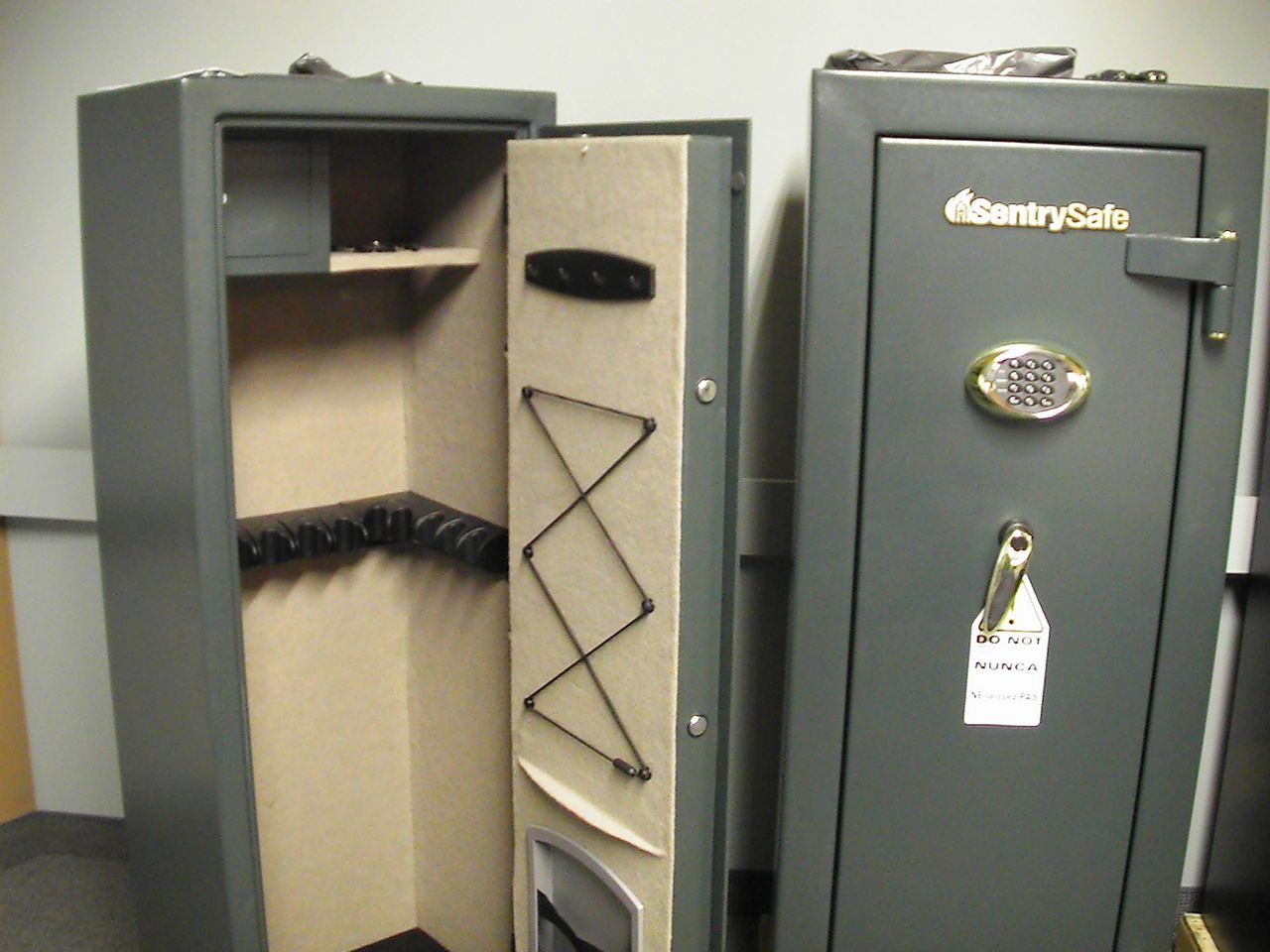
Collectors can debate keypad versus mechanical dial all day, but most agree reliability matters more than trend. A lock that performs consistently, resists tampering, and has a sensible backup plan can save a lot of stress when batteries die or electronics fail at the wrong moment.
Some owners like the speed of electronic entry, while others trust the long track record of mechanical systems. The best choice often comes down to how the safe will be used and who needs access.
What experienced buyers tend to avoid is a bargain lock on an expensive safe. If the lock becomes the weak point, convenience quickly turns into vulnerability or inconvenience.
A reinforced door frame and anti-pry design
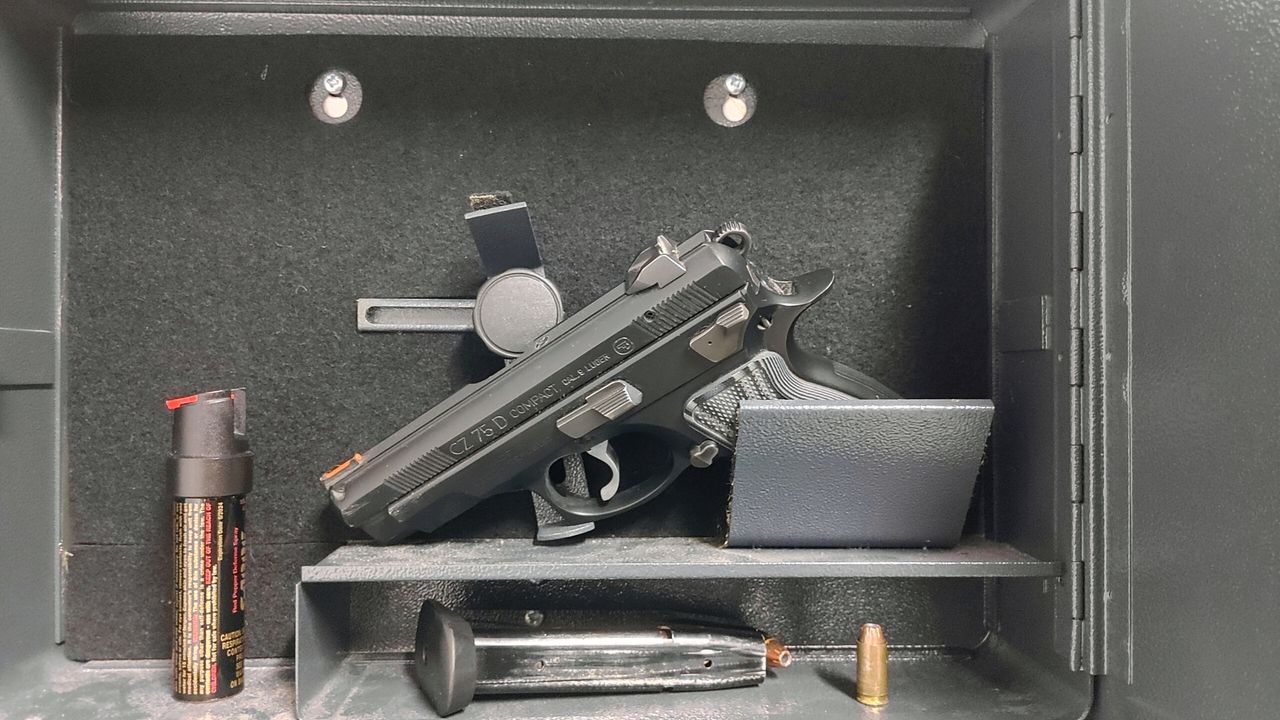
Pry attacks are common because they rely on simple tools and brute force. That is why seasoned collectors often pay close attention to the door frame, recessed door design, and anti-pry reinforcements that make it harder to create enough gap for leverage.
This is one of those features that rarely gets admired by guests, but it matters enormously in a break-in attempt. A stronger frame can keep the door aligned and reduce vulnerable flex where tools typically do their damage.
In practical terms, anti-pry design buys time. And in home security, extra time is often exactly what prevents a criminal from getting all the way in.
Interior lighting and better organization
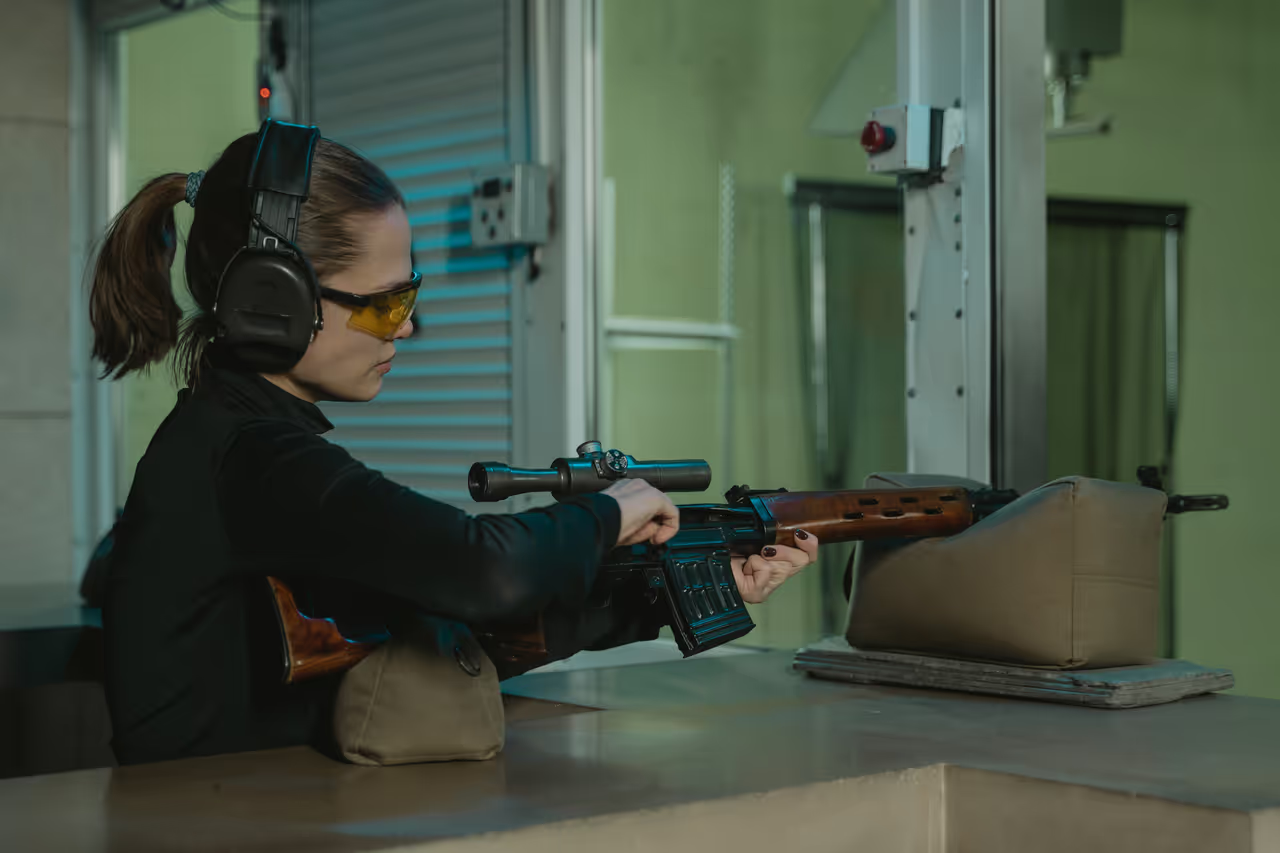
Not every worthwhile upgrade is about surviving an attack. Collectors who own multiple long guns, handguns, optics, and documents often say interior lighting and flexible shelving are money well spent because they make the safe easier and safer to use every single day.
A dark, cluttered interior increases the odds of knocking into neighboring firearms, fumbling for a serial number, or misplacing accessories. Good layout reduces wear and helps owners actually see what they have.
It also encourages better storage habits over time. When a safe is organized and easy to navigate, it becomes a functioning part of the collection rather than a deep, inconvenient vault.
Humidity control and sealed protection
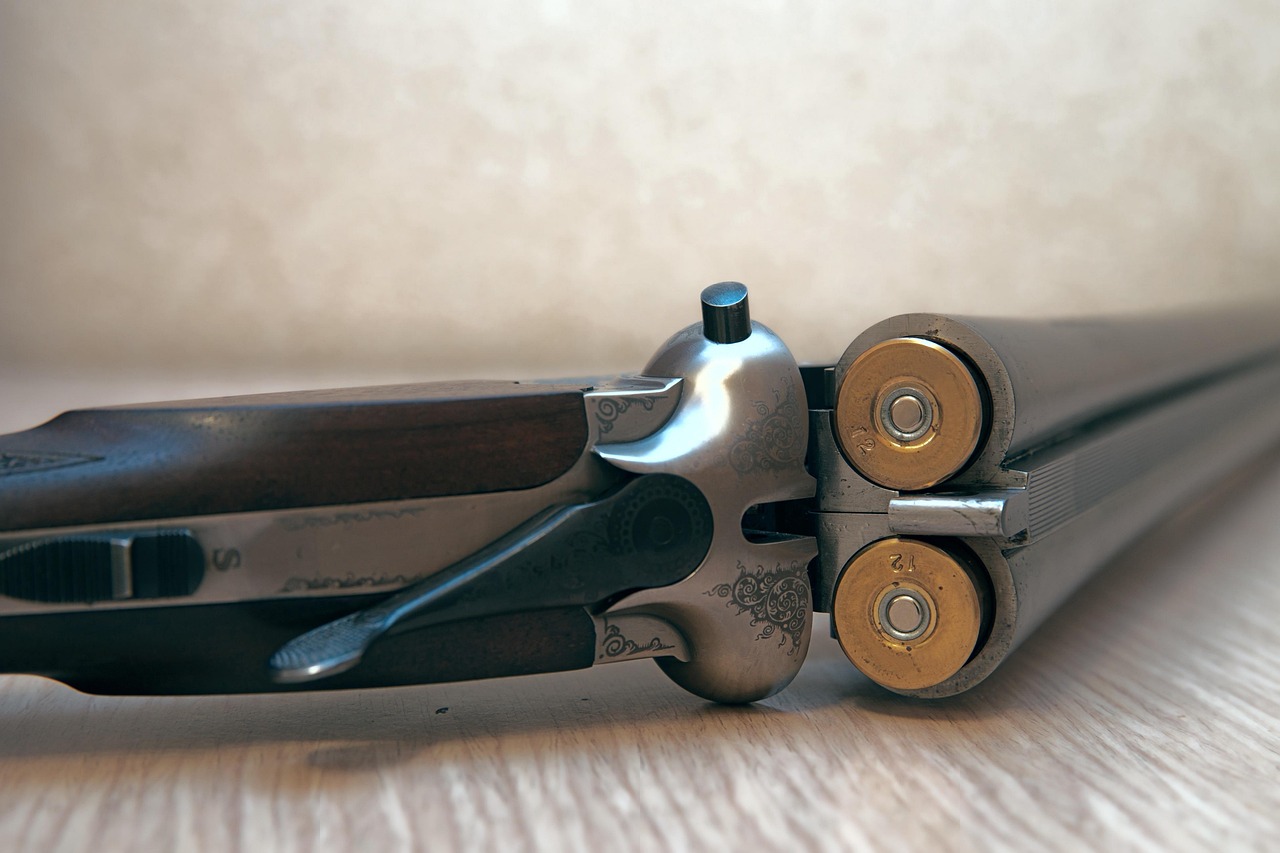
Collectors worry about thieves and fire, but moisture can quietly do damage for years. That is why many are willing to pay for better door seals, dehumidifier compatibility, and interior setups that help regulate the environment around blued steel, wood stocks, and important paperwork.
Rust, corrosion, and mildew are slow-moving problems that often go unnoticed until real harm appears. In some climates, they are a bigger day-to-day threat than dramatic worst-case events.
A safe that supports humidity control is protecting value as much as function. For anyone preserving collectible firearms over the long term, stable storage conditions are part of the investment.
Anchor points and installation support
A safe cannot do its job if burglars can tip it over, drag it out, or attack it from a more favorable angle. Experienced owners often insist on strong anchor points and proper installation because a heavy safe is still vulnerable when it is not secured to the structure.
This is one of the least glamorous upgrades, yet it has an outsized impact on real-world performance. Professional placement can also improve access, protect flooring, and reduce moisture risks in garages or basements.
In other words, buying the safe is only part of the equation. Paying extra to install it correctly helps the safe behave like permanent security rather than expensive furniture.