Few early self-loading pistols are as instantly recognizable as the Luger P08. Its unusual toggle action, steep grip, and precision-built character made it a landmark of early 20th-century handgun design. Adopted by the German Army in 1908, the P08 became closely associated with 9×19mm Parabellum and remained in production through a remarkably long service history. Its reputation rests not on one feature, but on a combination of mechanical originality, elegant proportions, military adoption, and a level of craftsmanship that set it apart from many contemporary sidearms.
1. The Toggle Lock Was Its Signature
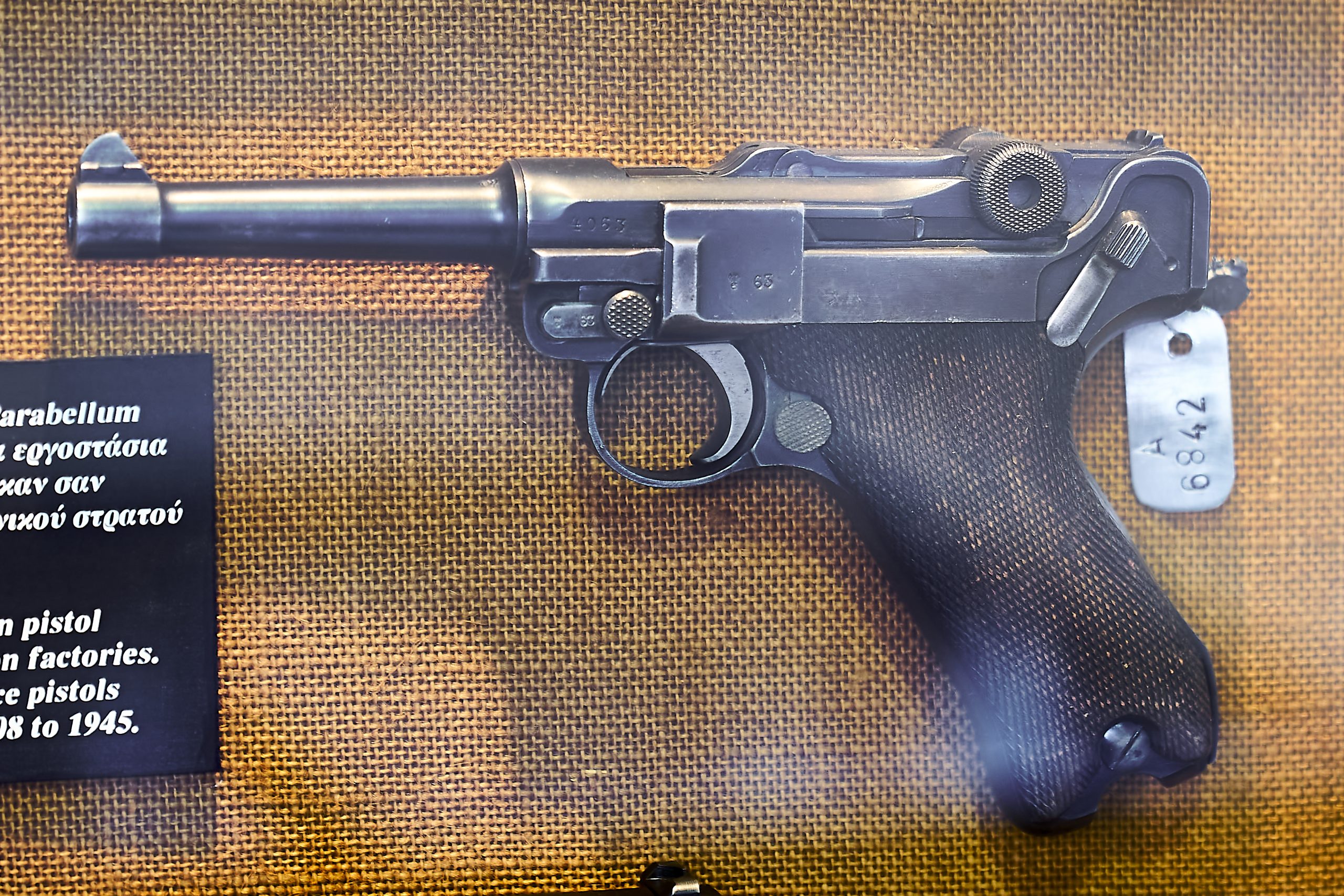
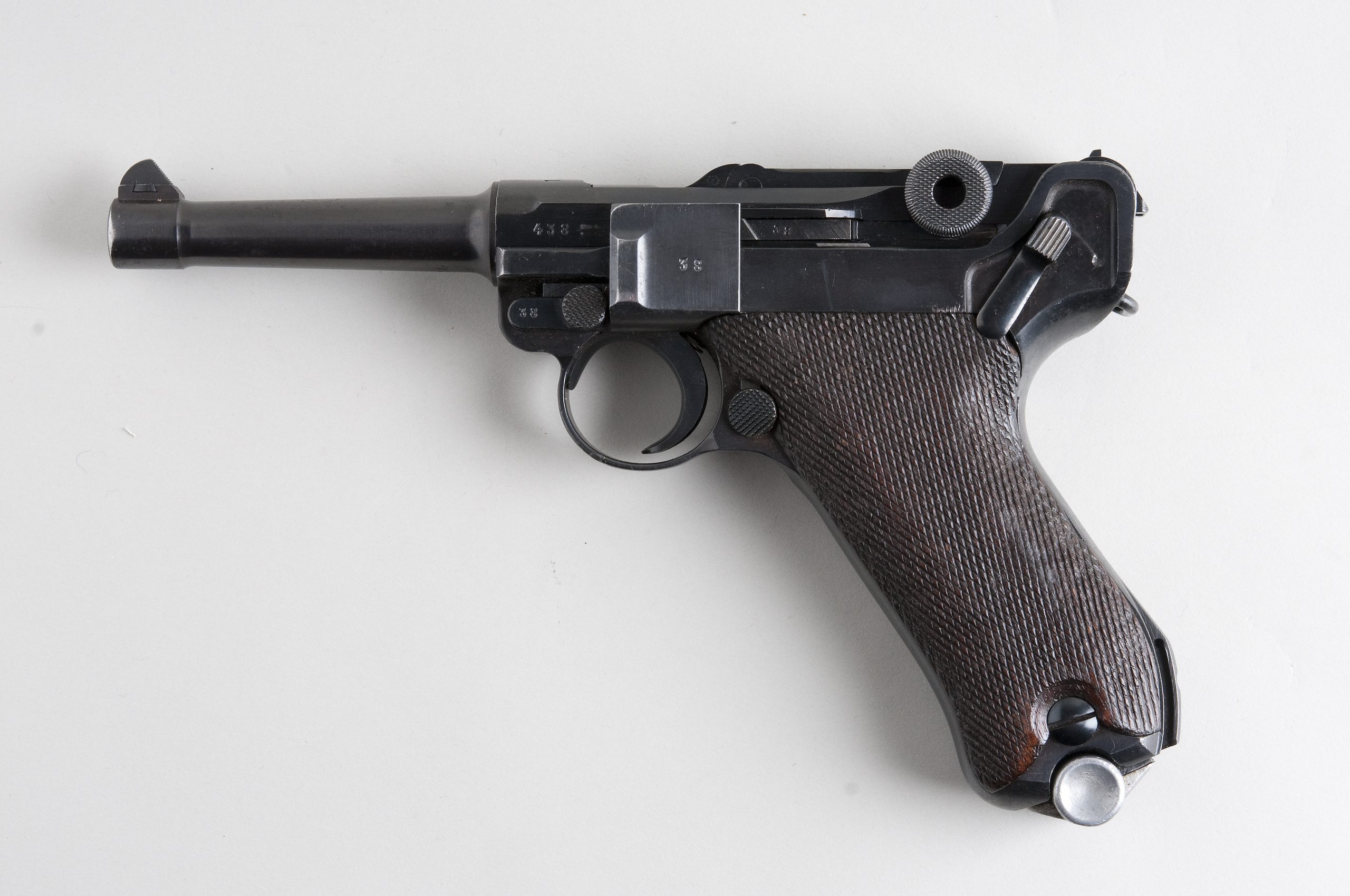
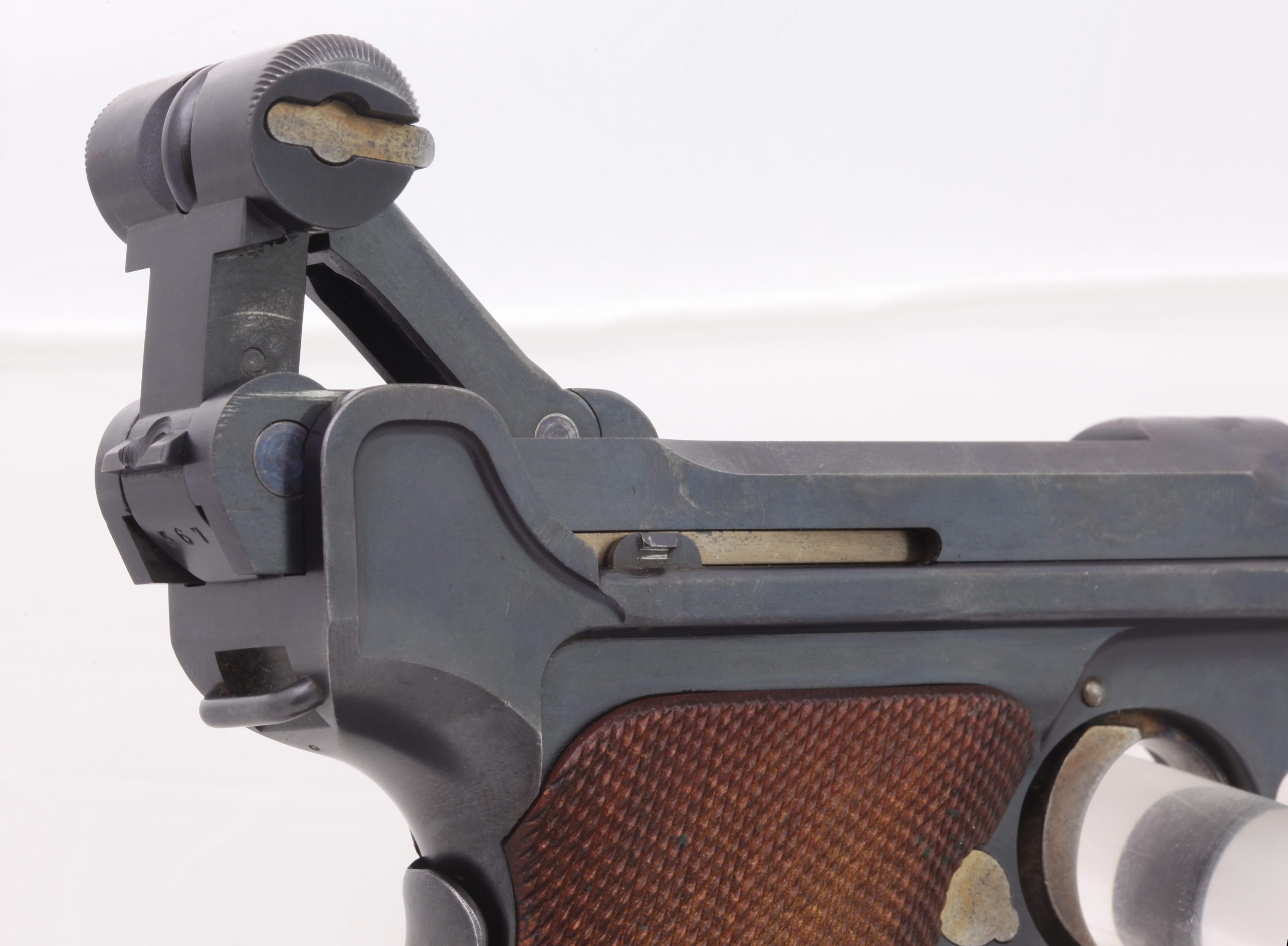
The P08 did not use the sliding breech seen on most later self-loading pistols. Instead, Georg Luger used a hinged, two-piece toggle system that rose and folded as the pistol cycled. The short-recoil barrel assembly moved rearward, lifting the toggle linkage to unlock the breech before extraction. It looked almost like a miniature mechanical knee, which made the pistol instantly recognizable. The arrangement was sophisticated for 1908 and demanded careful manufacture, yet it gave the P08 a remarkably smooth visual rhythm when fired. That distinctive 3-part toggle train remains its most famous engineering feature.
2. Its Grip Angle Became a Luger Trademark
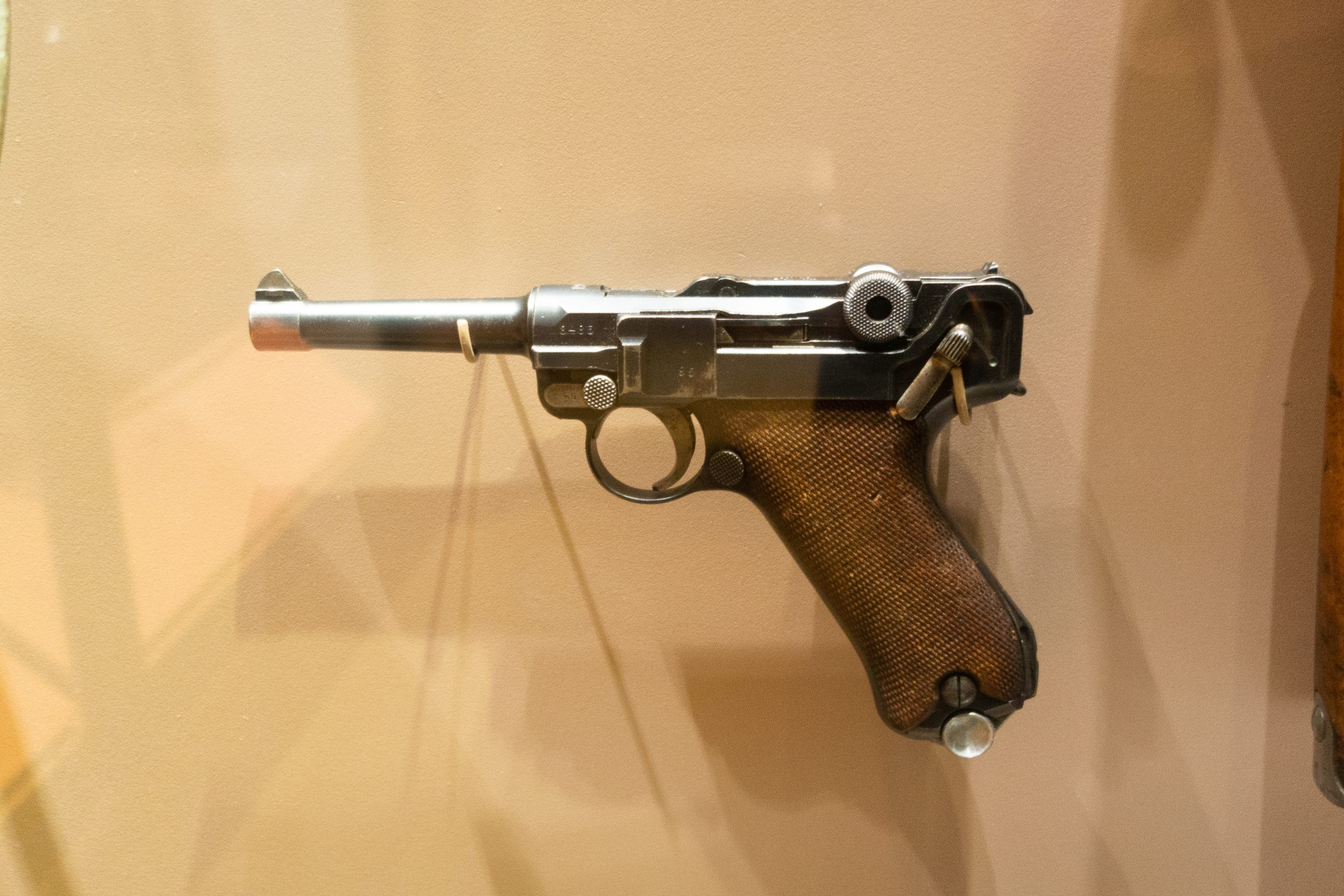
One reason the P08 feels different from many period pistols is its sharply raked grip. The angle is roughly 55 degrees, creating a pointing posture that many users found unusually natural. That shape was not merely decorative; it grew from the internal layout and helped place the hand comfortably behind the barrel. The frame also kept the pistol visually slim from the side, reinforcing its elegant profile. The standard military P08 paired this geometry with a 4-inch, or about 102 mm, barrel and an overall weight near 871 grams. More than 110 years later, the grip remains one of its strongest visual identifiers.
3. The 9×19mm Cartridge Became Part of Its Legacy
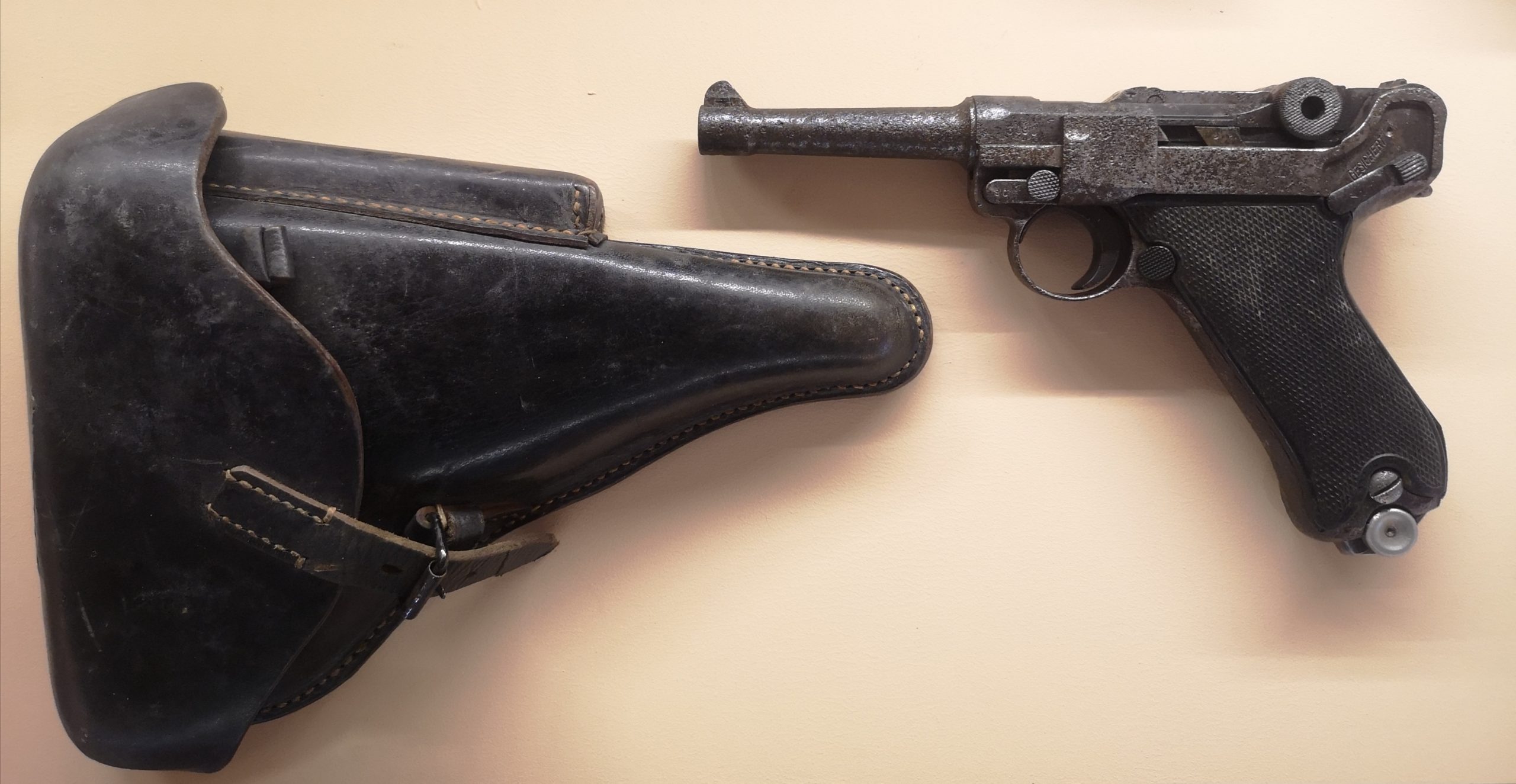
The German Army selected the P08 in 1908 for the 9×19mm Parabellum cartridge, a chambering whose history became inseparable from the pistol’s name. Earlier Lugers had used 7.65×21mm, but the 9mm version gave military planners a more suitable service cartridge. The standard P08 used a 100 mm barrel and fed from a detachable 8-round magazine. That combination became a benchmark of the era and helped turn 9mm Parabellum into one of the most enduring handgun cartridges ever fielded. The important point is historical: the P08 did not merely use 9mm; it helped make the cartridge famous worldwide, for generations.
4. Its Eight-Round Magazine Was Cleverly Integrated
The P08 carried 8 cartridges in a detachable box magazine housed inside the grip, a layout that kept the pistol’s exterior unusually clean. Instead of a large magazine projecting below the frame, the ammunition sat within the sharply angled grip. A magazine button and spring system handled feeding, while later military versions added a hold-open feature after the final shot. The compact capacity reflected early-20th-century expectations for a service sidearm, when 8 rounds was considered practical. The magazine also contributed to the P08’s balanced, almost sculpted appearance, making its proportions as memorable as its mechanism.
5. Precision Manufacturing Made It Famous and Demanding
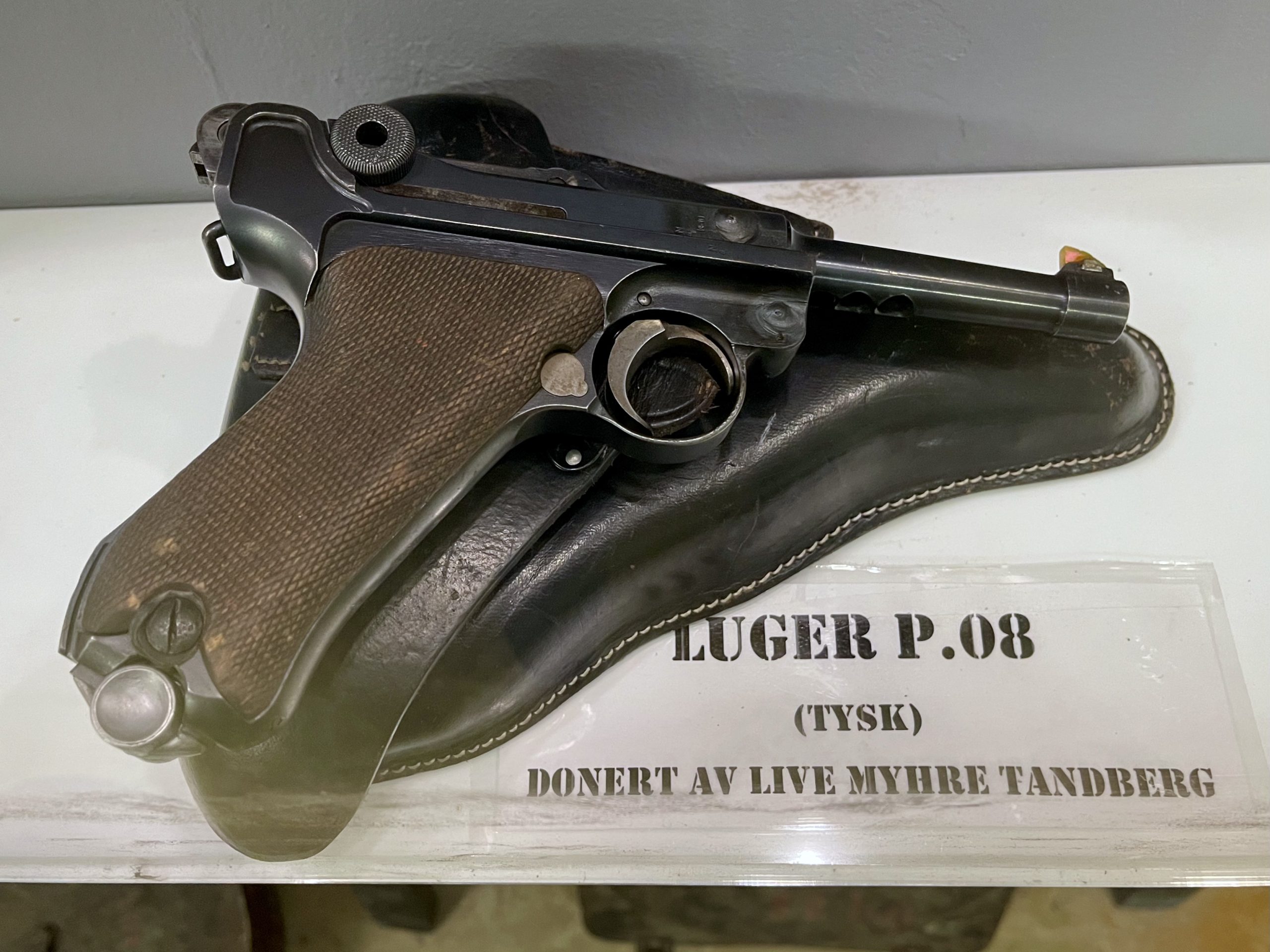
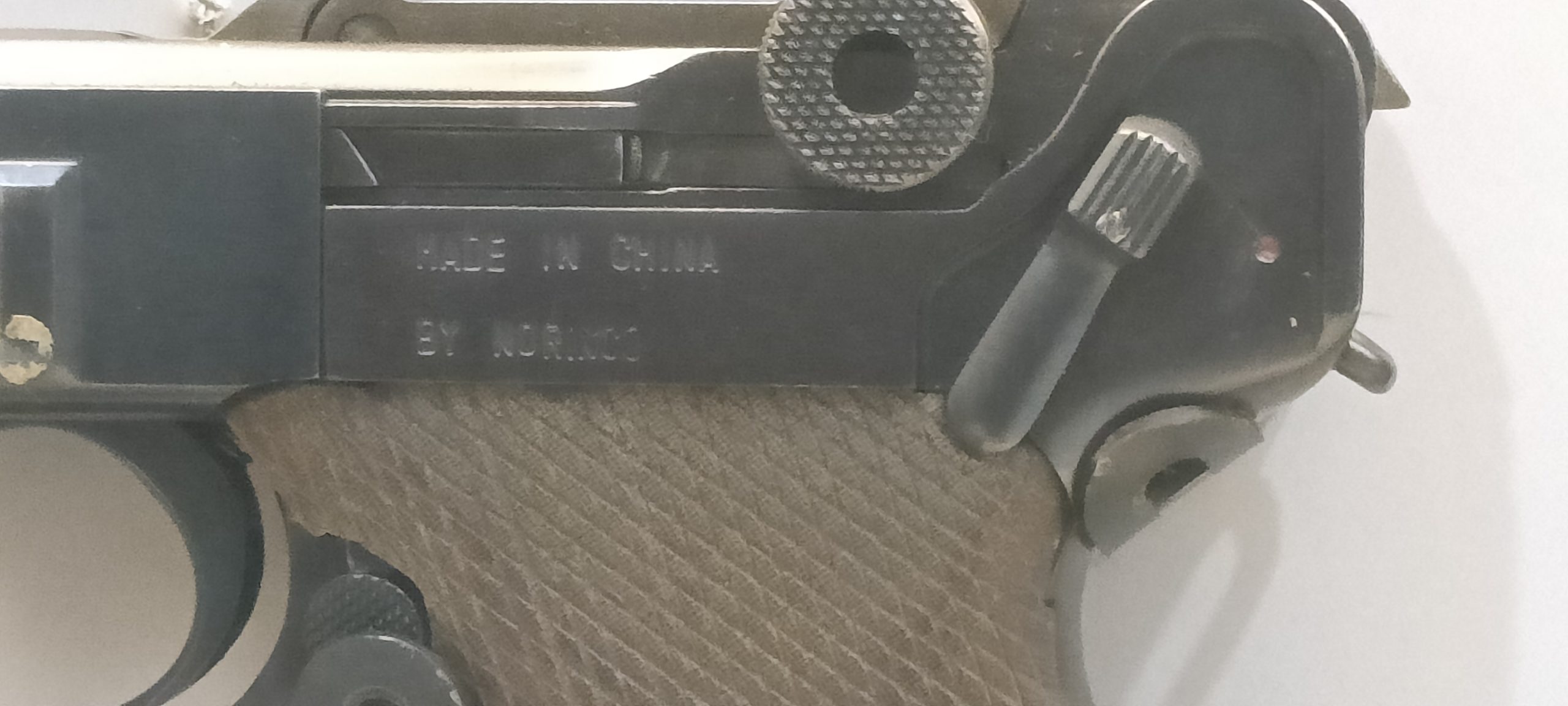
The P08 earned a reputation for fine machining, close tolerances, and careful hand fitting. Those qualities helped produce its celebrated smoothness and accuracy, but they also made mass production more complicated than with simpler military pistols. Individual parts were not always perfectly interchangeable across every production period or maker, and battlefield dirt could expose the design’s sensitivity. This contrast is central to understanding the Luger: it was an advanced precision product, not a crude wartime tool. Major production involved DWM and Erfurt. Its elegance came at a price.
6. The P08 Became Germany’s 1908 Service Pistol
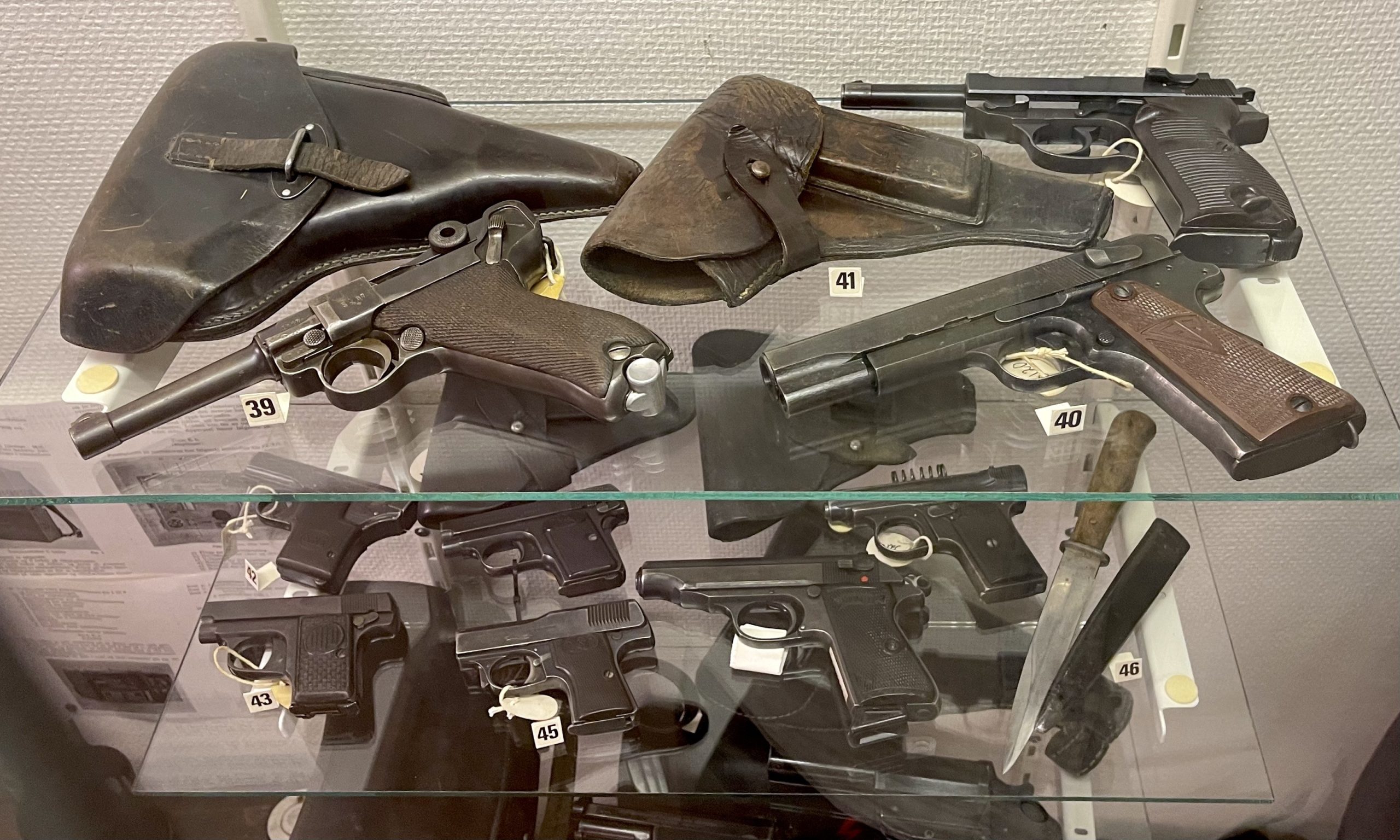
The name P08 comes directly from its adoption year. On August 22, 1908, the Imperial German Army formally selected the Parabellum as the Pistole 08, replacing the Reichsrevolver in frontline service. The standard military version had a 4-inch barrel, 9×19mm chambering,g and an 8-round magazine. Earlier Luger variants had included features such as grip safeties, but the Army P08 omitted that device. Production expanded beyond DWM, with the Royal Arsenal at Erfurt becoming another major source. The pistol consequently moved from an ingenious commercial design into one of the defining German sidearms of the 20th century.
7. The Artillery Version Turned It Into a Long-Range Specialist
The Lange Pistole 08, commonly called the Artillery Luger, pushed the basic concept far beyond the standard sidearm. Its barrel measured about 8 inches, or 203 mm, and it used an adjustable rear sight graduated as far as 800 meters. A detachable shoulder stock and holster transformed it into a specialized pistol-carbine. Standard magazines still held 8 rounds, while the famous 32-round snail drum could provide greater capacity. The Artillery model entered German service during World War I. Its existence shows how far the original P08 design could be adapted without losing its recognizable toggle mechanism.
8. Its Image Survived Long After Its Official Role
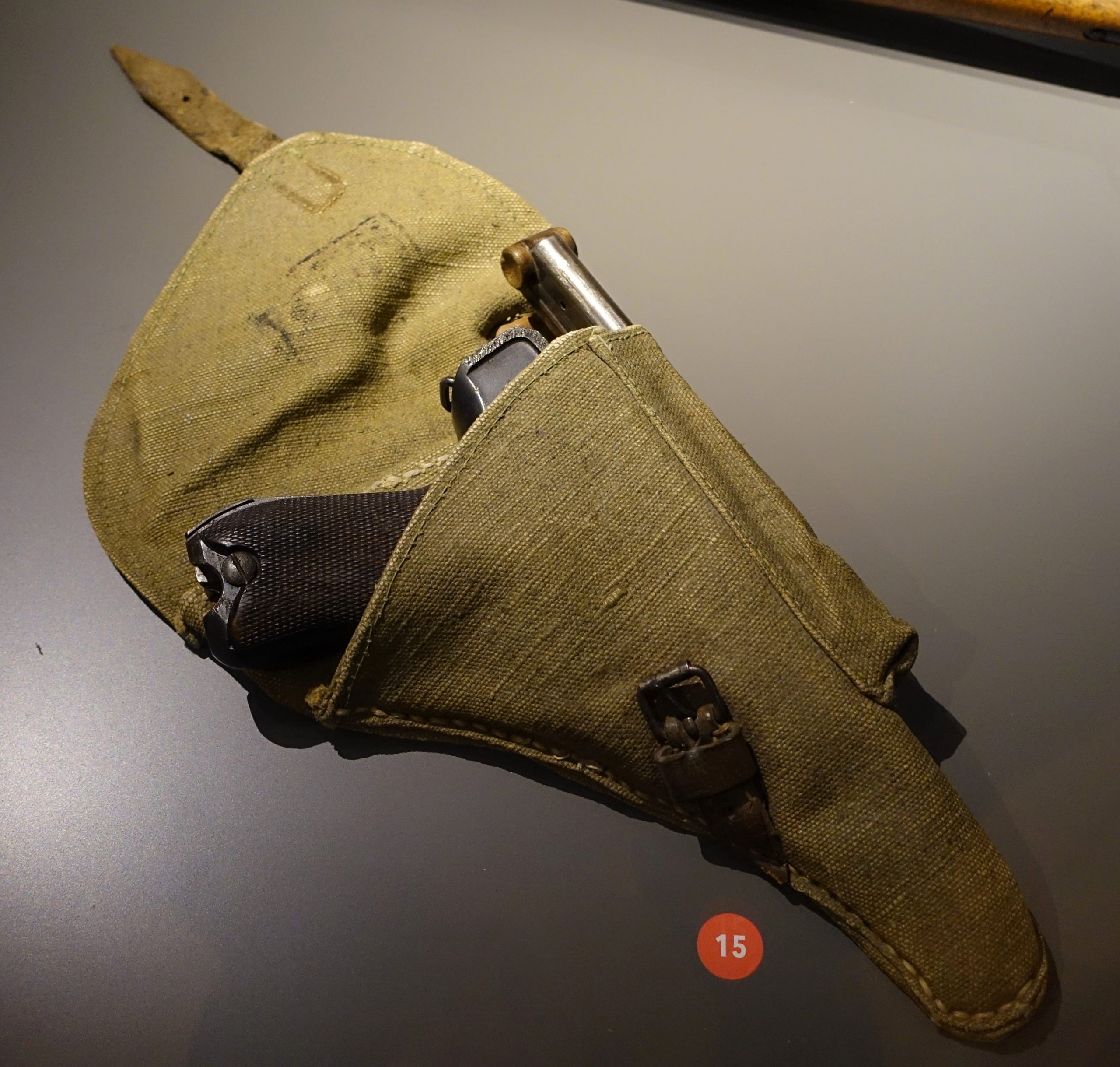
The P08’s military career outlasted its technological era. Germany began moving toward the Walther P38 before World War II, yet Luger production continued during the conflict, and examples remained in circulation. Across decades, it became recognizable far beyond Germany for its profile, toggle action, and wartime associations. Estimates commonly place total production of Luger pistols at around 3 million, although exact figures vary by model and manufacturer. That footprint explains why the P08 is still studied and collected. Its importance is both technical and cultural: it became an enduring symbol of early self-loading pistol design