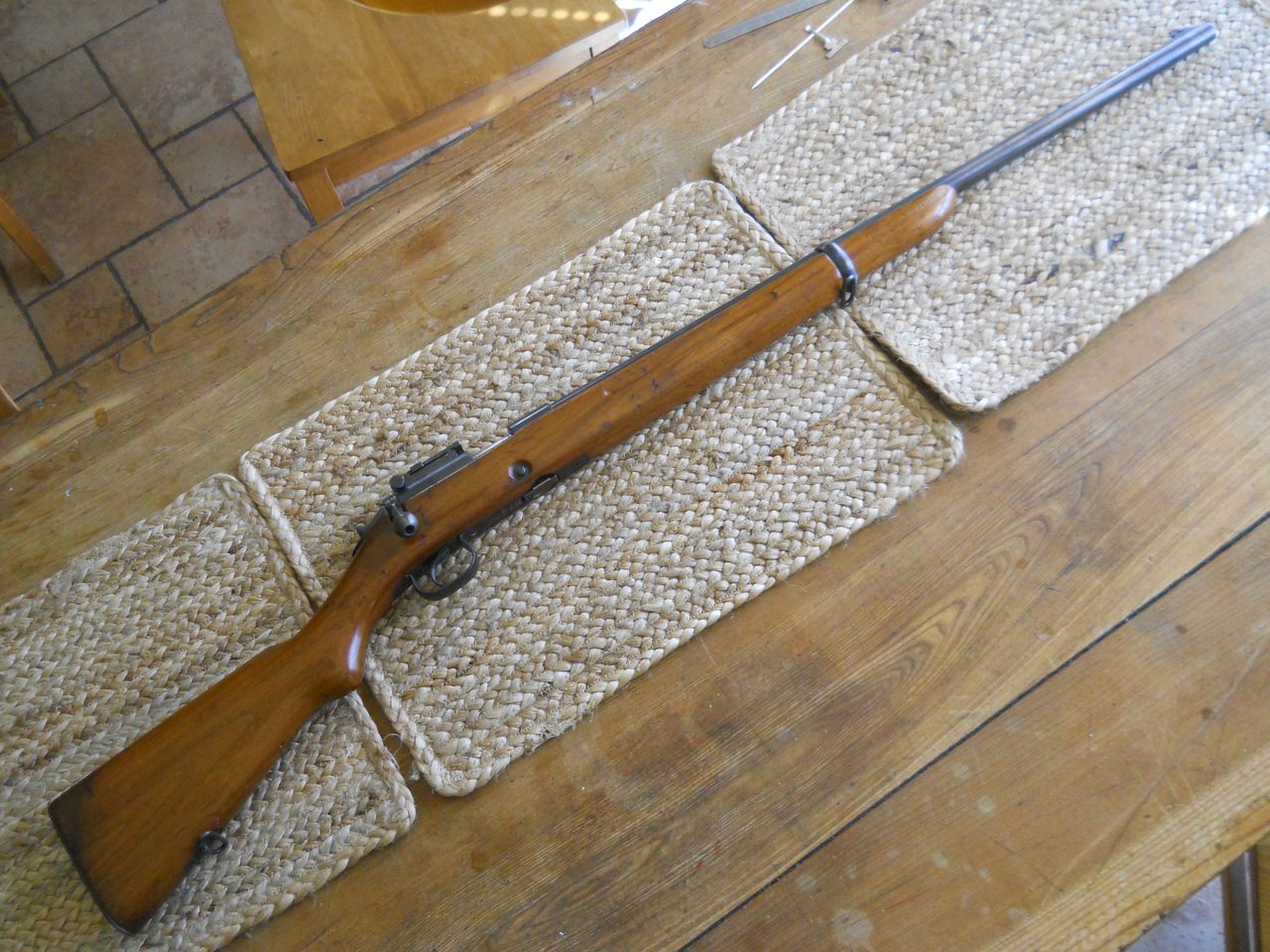
Few .22 rifles have inspired as much respect on the firing line as the Winchester Model 52. Built with target shooters in mind and refined over decades, it became a benchmark for accuracy, consistency, and craftsmanship. These eight details explain why this classic bolt action turned into one of America’s great match-shooting legends.
A purpose-built target design

The Model 52 stood out because it was never just a casual plinking rifle that happened to shoot well. Winchester approached it as a serious target arm from the start, giving competitors a rimfire built around precision instead of compromise.
That focus showed up in the rifle’s overall feel. The action, barrel, and stock worked together with match use in mind, which gave shooters confidence on the bench and in prone competition.
In an era when many .22s served double duty as field guns, the Model 52 felt specialized. That sense of purpose helped it become a standard by which other target rimfires were judged.
An action known for rigidity
Accuracy often begins with a stable foundation, and the Model 52 earned praise for an action that felt strong, tight, and impressively consistent. Shooters valued that rigidity because it reduced unwanted movement and helped the rifle repeat its performance shot after shot.
Its bolt operation also contributed to the rifle’s reputation. The mechanism had a smooth, deliberate quality that serious marksmen appreciated, especially during slow, careful target work.
That solid action gave the Model 52 a reputation for mechanical honesty. When a group opened up, shooters were more likely to blame wind or technique than the rifle itself.
A barrel built for real precision
The Model 52’s barrel was a major part of its mystique. Winchester gave the rifle heavy, carefully made barrels that supported steadier hold, resisted heat changes during strings, and delivered the kind of consistency match shooters chase.
On the target, that translated into the tight groups that built the rifle’s legend. Competitive smallbore shooting rewards tiny advantages, and a barrel that could keep quality .22 LR ammunition clustered tightly mattered enormously.
The weight also changed how the rifle behaved in the hands. It settled more calmly, tracked more predictably, and reinforced the impression that the Model 52 was meant for scorecards, not the squirrel woods.
Triggers that rewarded careful shooting

A match rifle needs a trigger that breaks cleanly, and the Model 52 became famous for exactly that. Over its production life, Winchester refined the trigger system so shooters could take up pressure with control and release the shot without disturbing the sight picture.
That clean break mattered as much as raw barrel quality. Even a superb rifle can be held back by a heavy or unpredictable trigger, but the Model 52 gave skilled hands a better chance to translate aim into impact.
Competitive shooters noticed the difference immediately. Good triggers build trust, and trust is a huge part of why this rifle kept showing up wherever scores really counted.
Stocks shaped for the firing line

The Model 52 evolved through several stock styles, and that evolution reflected what target shooters actually needed. Wider fore ends, comfortable grips, and shapes that sat well in the hands or on a rest made the rifle easier to manage through long sessions.
Fit is one of those details people notice only after using a truly good rifle. The Model 52 tended to settle naturally into position, which helped shooters maintain consistency from shot to shot.
Those stock options also let the rifle adapt to changing competitive preferences. As match shooting became more specialized, the Model 52 kept pace instead of feeling trapped in an older sporting-rifle mold.
Sight options made for serious competition
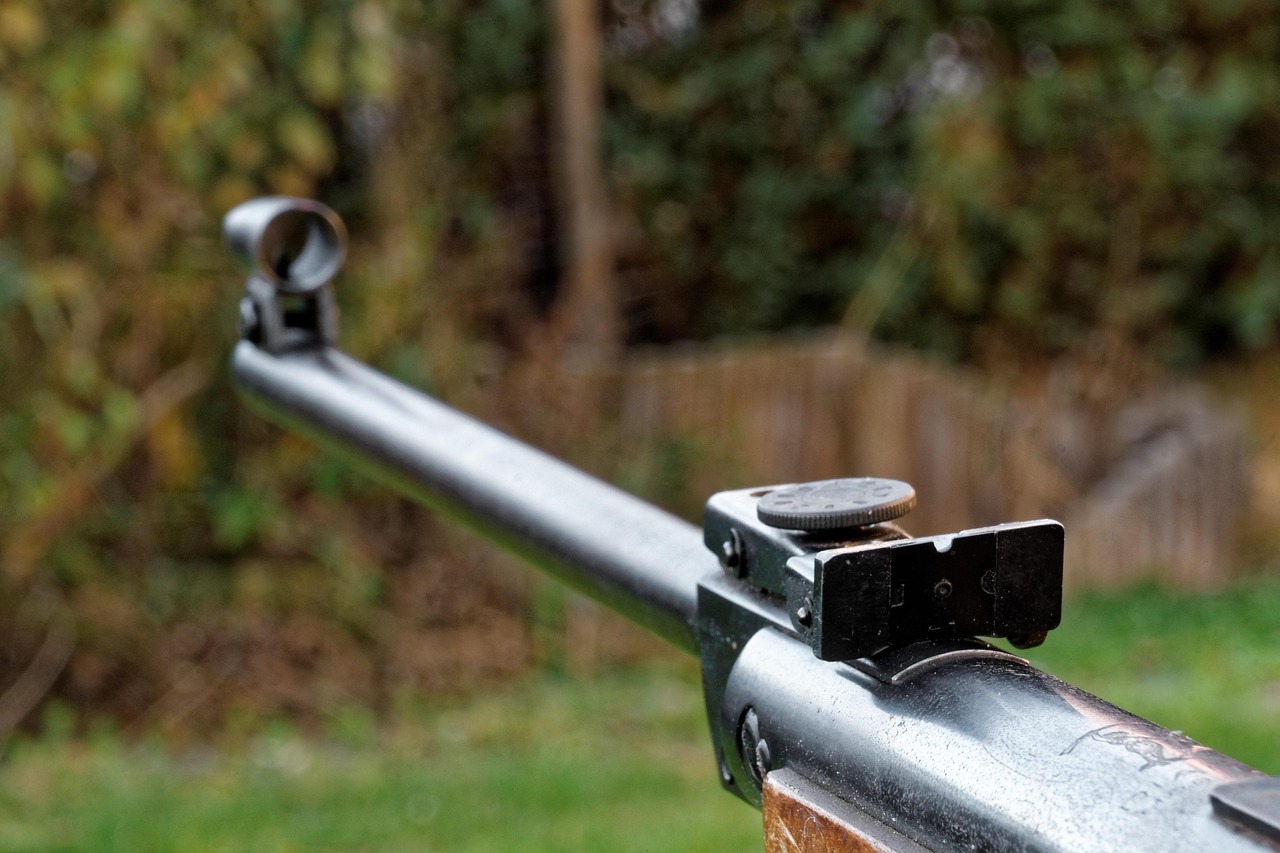
Before optics became common in many disciplines, target rifles lived or died by their sighting equipment. The Model 52 earned admiration because it paired naturally with high-quality aperture sights and sight bases that suited precise adjustment.
For smallbore competition, that was a huge advantage. Fine elevation and windage changes let shooters respond to distance, lighting, and subtle conditions without feeling like the rifle was fighting them.
The sight picture itself also matched the rifle’s mission. Everything about the setup encouraged deliberate aiming, careful follow-through, and the kind of disciplined shooting that separates respectable groups from winning scores.
Continuous improvements across variants

Part of the Model 52’s legend comes from the fact that Winchester did not leave it frozen in time. Variants such as the A, B, C, D, and E reflected a steady process of refinement, each bringing changes that kept the platform competitive.
Some improvements addressed triggers, others stock geometry, bedding, or handling details. The important thing is that Winchester listened to serious shooters and treated the rifle like a living competition tool.
That long arc of development helped the Model 52 stay relevant for decades. Instead of being remembered for one brief golden moment, it built a layered reputation through repeated performance and thoughtful evolution.
A match record that cemented its reputation

In the end, legends survive because results back them up, and the Model 52 delivered those results. It appeared on ranges, in clubs, and at major competitions often enough to become a familiar symbol of serious smallbore ambition.
Success created a feedback loop. Strong performances attracted talented shooters, and talented shooters pushed the rifle’s reputation even higher with wins, records, and glowing word of mouth.
That is why the Model 52 still carries such weight with collectors and shooters today. It was not only well made and beautifully finished. It proved itself where reputations are hardest to fake, on the target.