For years, iconic campsites across the country drew huge crowds, often becoming bucket-list stops for outdoor lovers. But recently, many of these once-beloved spots have been fading from popularity as travelers search for quieter settings, better conditions, or safer environments. From overcrowding to environmental decline, the reasons behind this shift reveal how camping culture is changing. Here are ten well-known campsites people are slowly walking away from and the real reasons behind their decline.
1. Yosemite Valley River Campgrounds
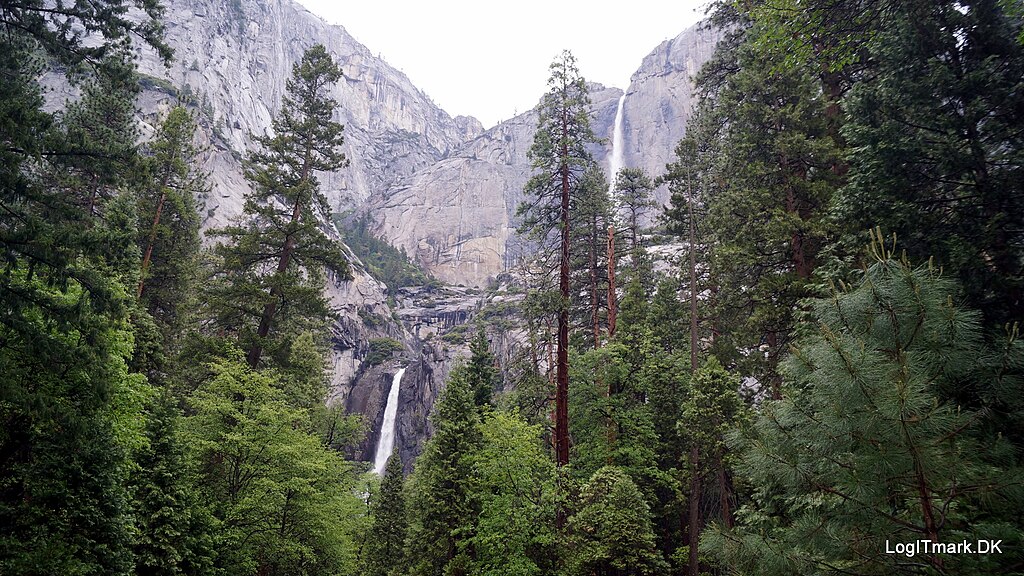
Once among Yosemite’s most scenic areas, the river campgrounds were shut down after repeated floods washed out essential infrastructure. Visitors who loved the riverside views now face restricted access, confusing reroutes, and stricter regulations. Many campers feel the area has lost its easygoing charm, and the reduced availability pushes them toward other parks. Over time, the nostalgia fades as more people discover less crowded alternatives away from the valley.
2. Sykes Camp, Big Sur
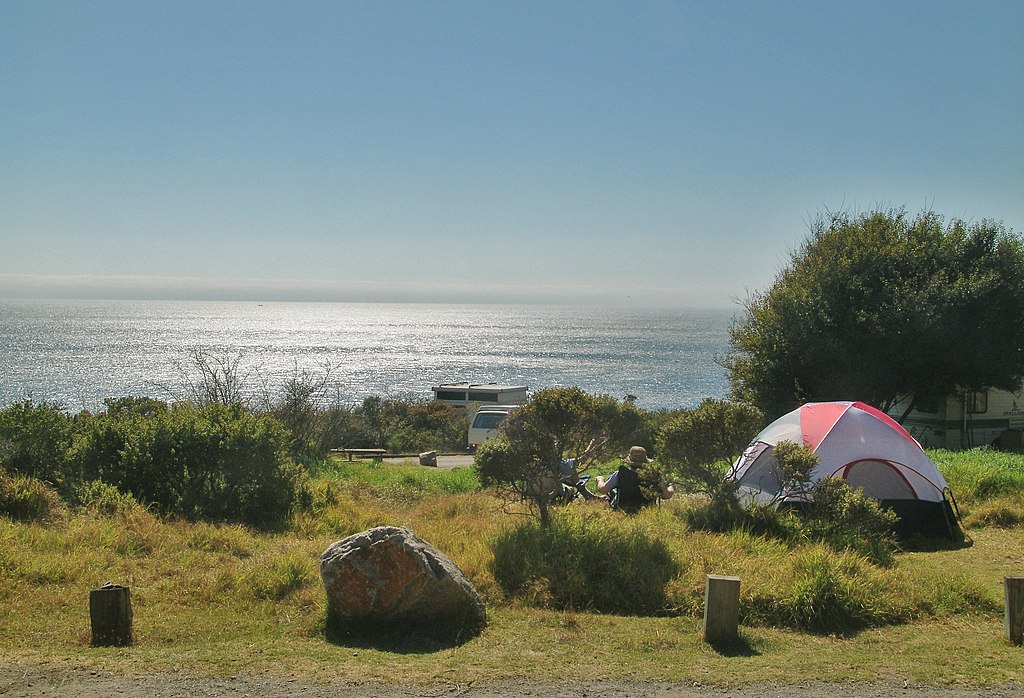
Sykes Camp was famous for its forest hot springs and rugged backcountry vibe, but excessive foot traffic slowly damaged the trail and surrounding landscape. Visitors often left behind trash, broken gear, and even human waste, creating a harsh and unpleasant environment. After major storm damage, access became dangerous and unreliable. As maintenance efforts stalled, the once-popular spot turned into a difficult, eroded route that many hikers now avoid entirely.
3. Camp Pico Blanco, California
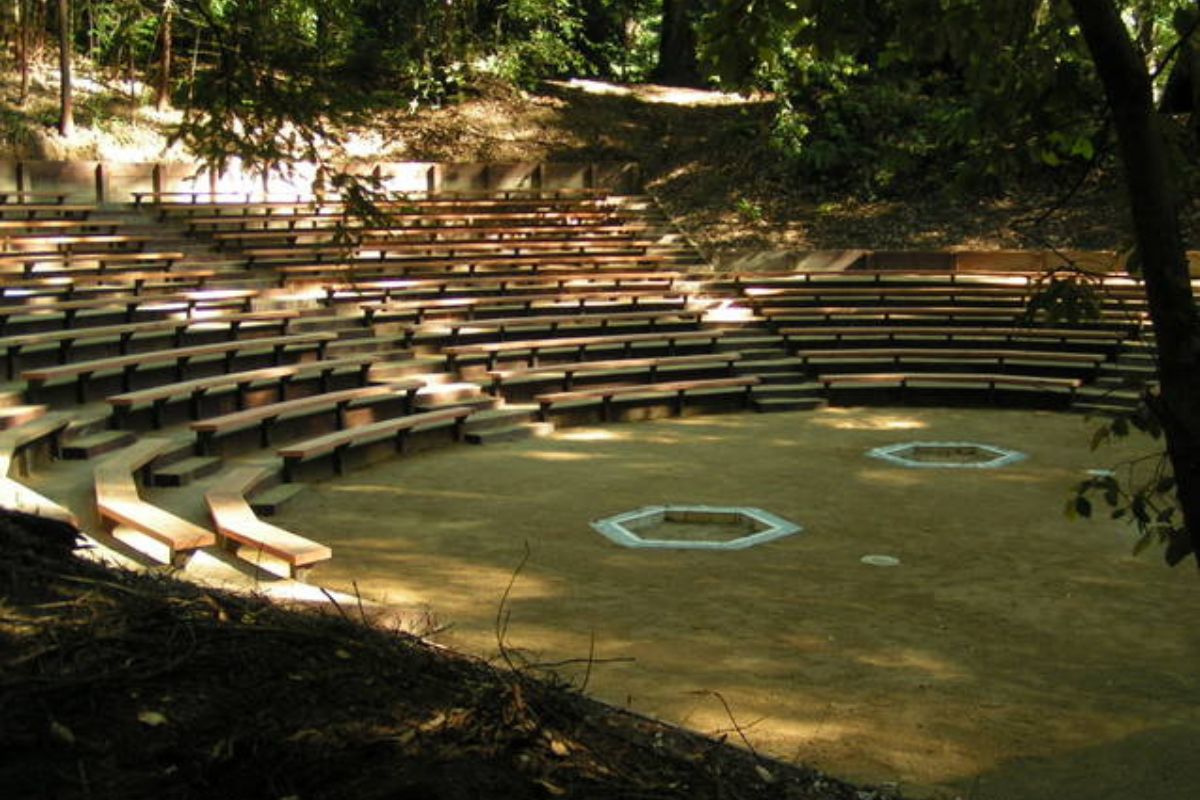
Known for its peaceful redwood forest setting, Camp Pico Blanco served as a longtime scout retreat before being effectively abandoned. Repeated road washouts left the main route unsafe, limiting access for years at a time. The camp’s aging facilities suffered without proper upkeep, and safety concerns pushed groups to book elsewhere. Now, buildings sit unused, trails are fading, and visitors rarely attempt the risky drive to reach this once-active outdoor haven.
4. Chisos Basin Campground, Big Bend
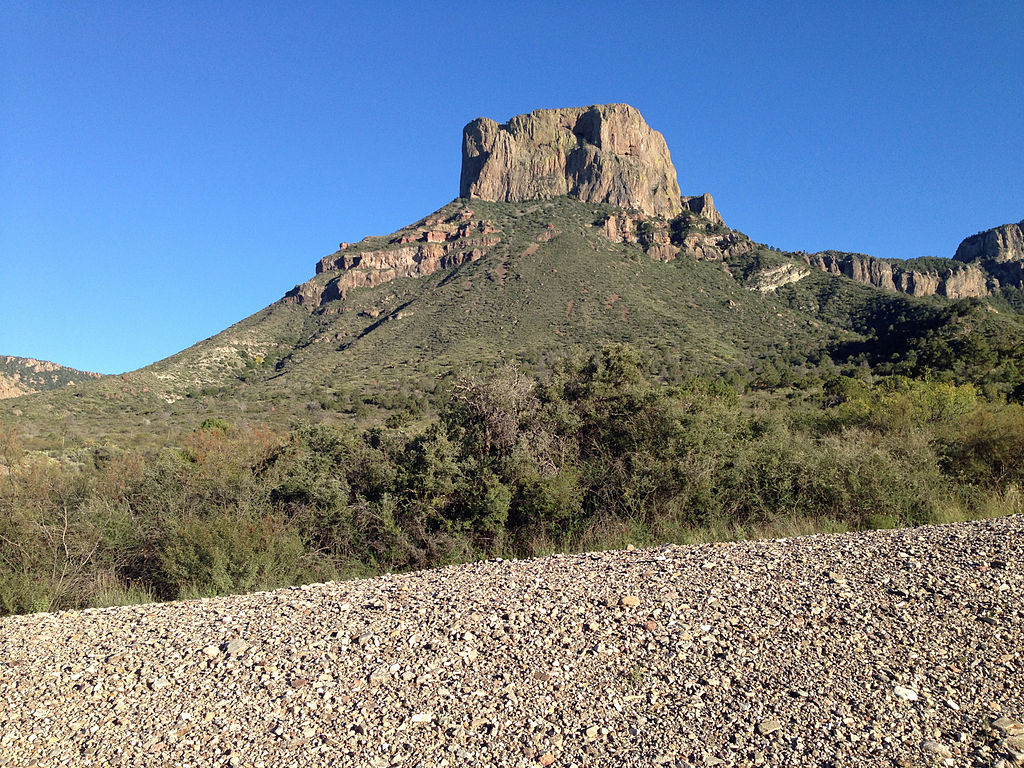
Chisos Basin was loved for its mountain views and cool desert nights, but extended closures for large-scale construction projects have pushed people away. The aging water system and lodge renovations created long shutdowns with no clear reopening window. Campers who once returned annually have had to look for new destinations. As years pass, the uncertainty around access has slowly drained interest, leaving the area quieter than ever before.
5. Government Wash, Lake Mead

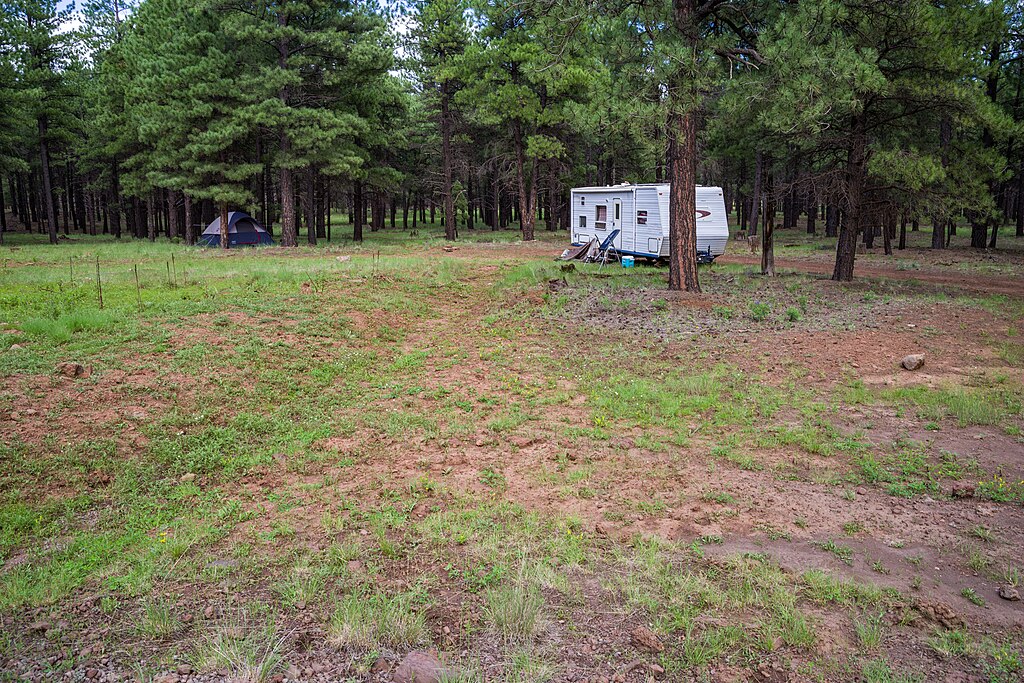
Government Wash became overcrowded with long-term squatters, abandoned RVs, and tons of scattered trash, turning a peaceful lakeside area into a chaotic encampment. The National Park Service eventually cracked down, limiting overnight stays and removing debris. While the cleanup improved conditions, the new rules and heavy enforcement changed the free-spirited atmosphere. Many former regulars now avoid the spot, feeling that the spontaneity and open freedom are gone for good.
6. Raystown Lake Corps Campgrounds, Pennsylvania

Raystown Lake’s once-busy campsites saw a sharp drop in availability after staffing shortages forced widespread closures. Campers accustomed to clean facilities and steady maintenance now face locked gates, limited reservations, and unpredictable services. Families who visited for generations have shifted to private campgrounds with reliable amenities. The fading sense of community and ongoing uncertainty have pushed this beloved destination off many travelers’ yearly plans.
7. Yosemite Backpackers Camp
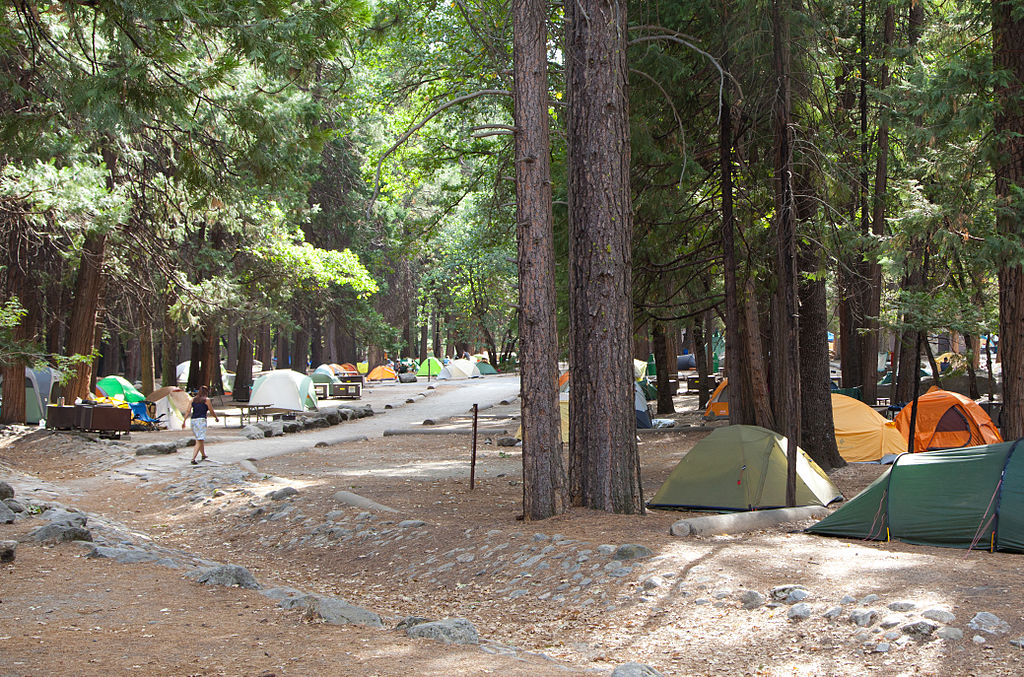
This convenient overnight stop for long-distance hikers has become a point of frustration due to inconsistent openings, staffing gaps, and new permit restrictions. Access rules change often, leaving visitors unsure whether they can rely on the campground during multi-day routes. Many backpackers now plan alternate camps farther from the valley to avoid last-minute surprises. The constant unpredictability has slowly drained interest from a once-vital rest point.
8. Black Canyon South Rim Campgrounds
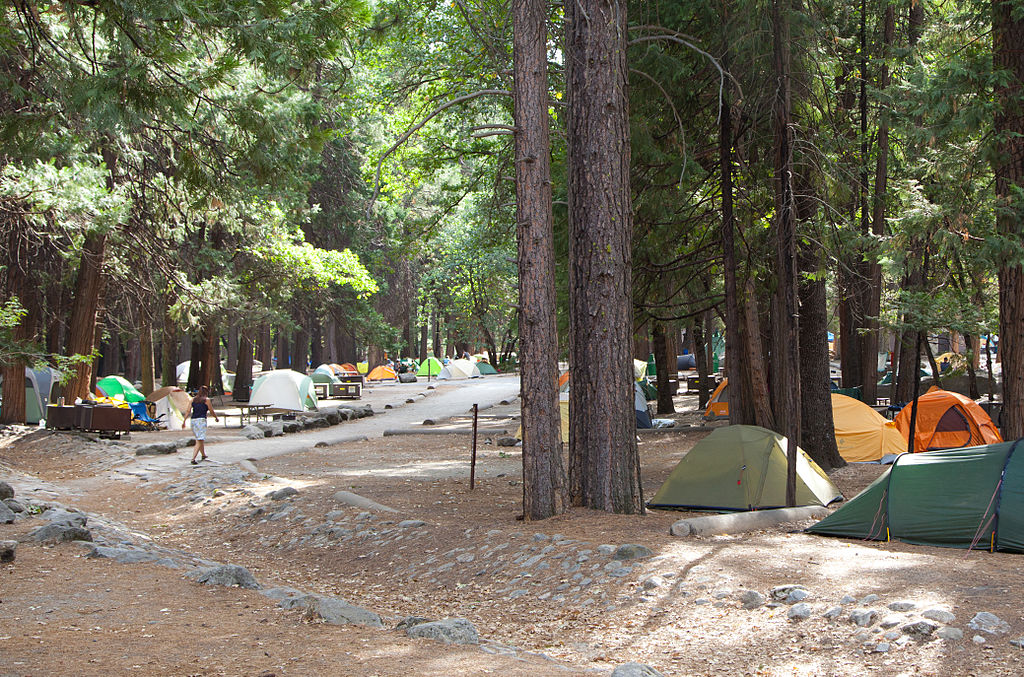
After a fierce wildfire damaged large sections of the South Rim, many of the established campsites were left unusable. Charred trees, unstable soils, and destroyed facilities made rebuilding slow and complicated. Travelers who preferred this dramatic canyon setting have gradually shifted to other Colorado parks with safer and more complete amenities. Even as trails reopen, the altered landscape has changed the experience enough that many simply never returned.
9. Historic Yosemite Meadow Camps

Early meadow camps once offered peaceful stays surrounded by lush grasses and open views, but rising environmental pressures forced long-term closures. Sensitive plant life suffered from repeated foot traffic, and restoration plans removed campsites to allow the land to heal. Hikers who loved the quiet, old-fashioned atmosphere can no longer stay in these areas, and the park’s shift toward concentrated camping zones has pushed people toward less impacted regions.
10. Dispersed Campsites in Popular Wilderness Areas
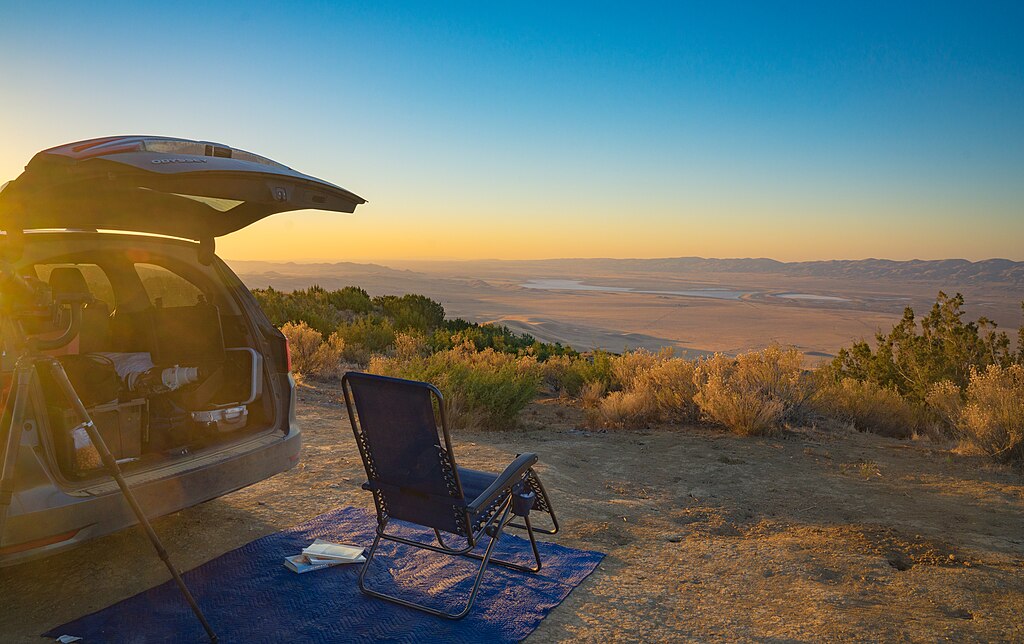
Many well-traveled wilderness zones once known for casual, no-reservation camping have seen heavy restrictions or quiet abandonment. Overuse led to fire scars, eroded soil, and damaged water sources, prompting agencies to block access or rewild the area. Campers seeking solitude now find themselves squeezed into designated sites with stricter rules. As the wilderness becomes more regulated, the original charm of spontaneous, open camping continues to fade.