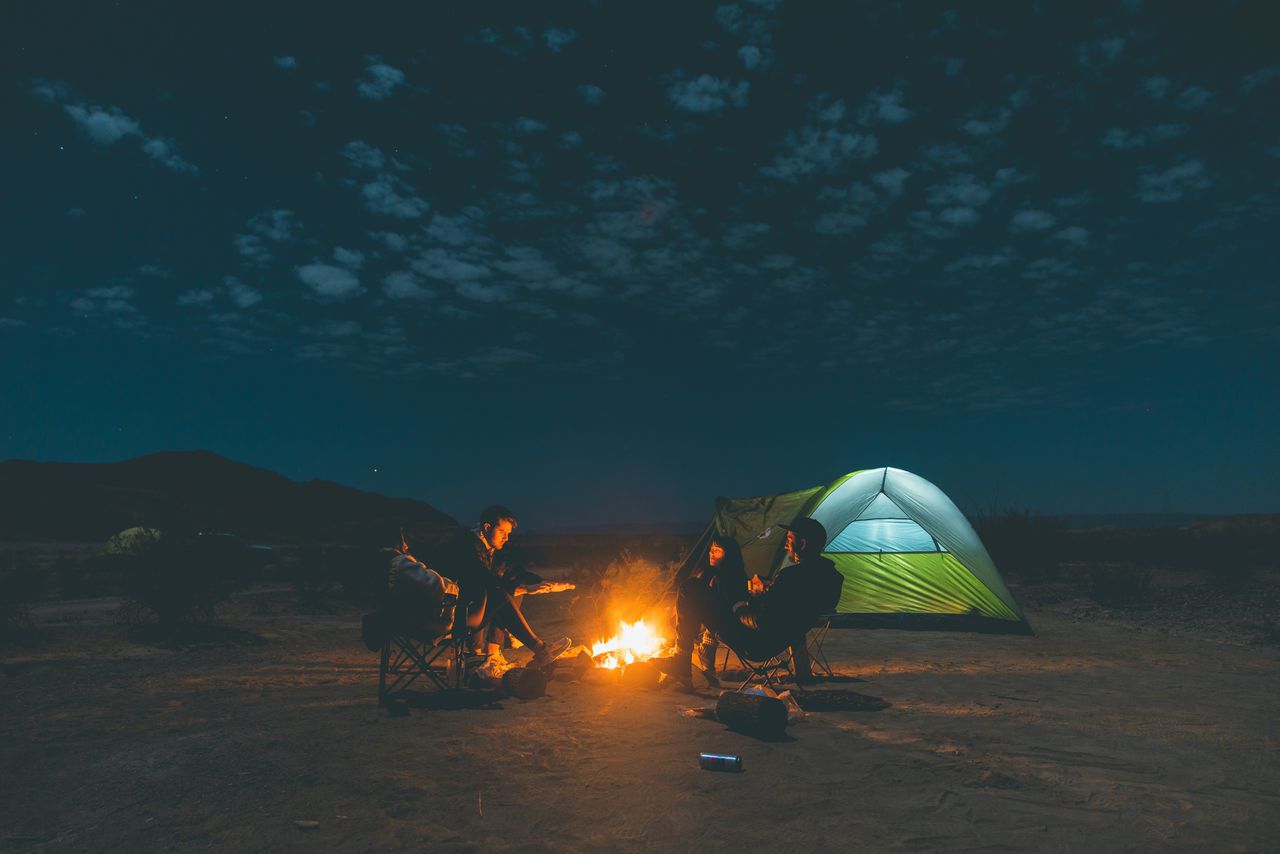
A cold night outdoors can turn from uncomfortable to dangerous faster than most people expect. If your gear is missing, soaked, or simply not enough, a few smart moves can make a major difference by morning. These practical tactics focus on conserving heat, blocking moisture, and using what you have to create a warmer place to rest.
Insulate Yourself From the Ground

Cold ground pulls heat from the body surprisingly fast, even if the air does not feel brutal. One of the smartest first moves is to create a barrier between you and the earth with anything available, such as dry leaves, pine boughs, cardboard, spare clothing, a rope bag, or even an empty backpack spread flat.
Think in layers and in thickness. A shallow bed of insulation will help, but a deeper pile traps more still air and slows heat loss through conduction. If you can, build your bedding before you get too cold, because working with numb hands and a drained body is much harder after dark.
If the ground is damp, elevate your torso and hips as much as possible. Staying dry underneath matters almost as much as staying covered on top.
Get Into Dry Layers Immediately
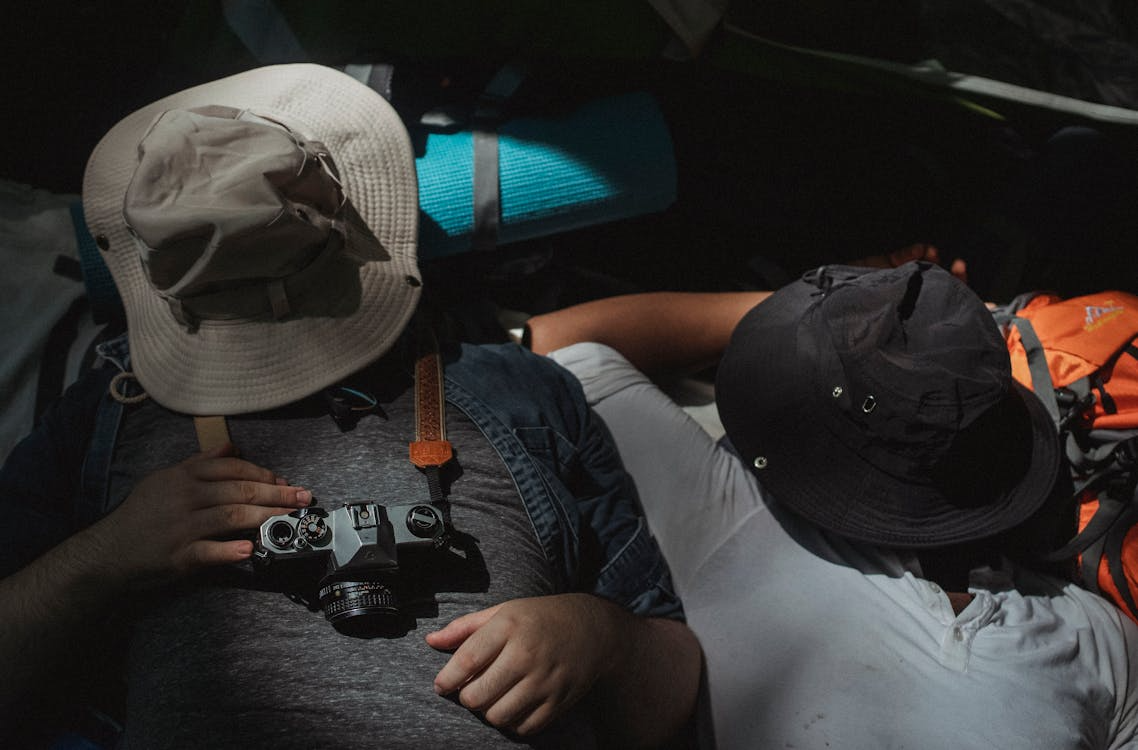
Wet clothing is a heat thief, and it does not take rain to create the problem. Sweat, river crossings, melting snow, or even damp socks can leave you colder as the night settles in. If you have any dry item at all, put it on early and protect it from getting damp.
Focus first on your core, then your head, hands, and feet. A dry shirt, an extra pair of socks, or a hat can do more than people expect because these areas affect how warm your whole body feels. Loosen overly tight boots and wet garments that restrict circulation.
If you have to keep some damp layers, place the driest pieces closest to your skin and use wetter items farther out. The goal is not comfort, but keeping critical warmth where it counts.
Build a Windbreak or Small Shelter

Wind can strip away warmth all night long, making moderate cold feel much worse. A basic shelter made from a tarp, branches, brush, snow, or the sheltered side of a boulder can reduce that constant heat loss and create a calmer pocket of air around you.
Smaller is often better than bigger when warmth is the priority. A compact lean-to, debris hut, or tucked-in nook is easier for your body heat to influence than a roomy structure. Keep the entrance away from prevailing wind if you can, and close gaps with natural material.
Even a rough wall at your back helps. The point is not building something pretty. It is making the night less punishing, one blocked gust at a time.
Use a Fire Carefully and Position It Well

A fire can boost morale and body temperature, but only if it is used thoughtfully. Build it where it is safe, legal, and unlikely to spread, and place your sleeping area close enough to benefit from radiant heat without risking burns, sparks, or smoke exposure all night.
A reflector wall of logs, rocks, or packed earth behind the fire can bounce warmth back toward you. That simple adjustment often helps more than making the flames taller. A long-burning bed of coals can also provide steadier heat than a flashy blaze that dies quickly.
Keep dry fuel ready before you settle in. Waking up cold at 2 a.m. to hunt for wood is exhausting, and that is when people make mistakes.
Trap Warm Air With an Improvised Wrap

If you do not have a sleeping bag, create the same basic effect by trapping warm air around your body. A tarp, rain shell, emergency blanket, poncho, large coat, or even seat covers can become a crude cocoon that slows heat loss and shields you from moving air.
Do not seal yourself so tightly that moisture builds up and leaves your clothing damp by morning. The trick is balance: block wind, hold warmth, and still allow some ventilation. Tuck material around your sides and feet, where drafts love to sneak in.
Pairing a wrap with good ground insulation works much better than using either one alone. Warmth is usually the result of a system, not one magic item.
Eat and Hydrate Before You Bed Down

Your body needs fuel to produce heat, and going to sleep cold and hungry is a bad combination. If you have food, eat something before resting, especially items with fat or carbohydrates that your body can turn into steady energy through the night.
Hydration matters too, even when it is cold and you do not feel thirsty. Dehydration can reduce your body’s ability to regulate temperature and leaves you feeling more fatigued. Drink enough to stay functional, but do not overdo it if getting out of shelter to urinate will expose you to harsh wind.
Skip alcohol if warmth is the goal. It can create a false sense of heat while actually increasing heat loss and impairing good decisions.
Share Heat and Stay Alert for Danger Signs

If you are with someone you trust, shared body heat can be one of the most effective tools available. Sitting or lying close under a combined wrap reduces wasted warmth and helps everyone hold temperature more efficiently than sleeping separately in the cold.
At the same time, pay attention to warning signs that the situation is becoming more serious. Uncontrollable shivering, confusion, clumsiness, slurred speech, or unusual drowsiness can point to hypothermia, which needs immediate action and a plan to get to safety.
A long night is not the time to be stoic. Staying warm is important, but recognizing when you need rescue, movement, or a change of plan can matter even more by dawn.