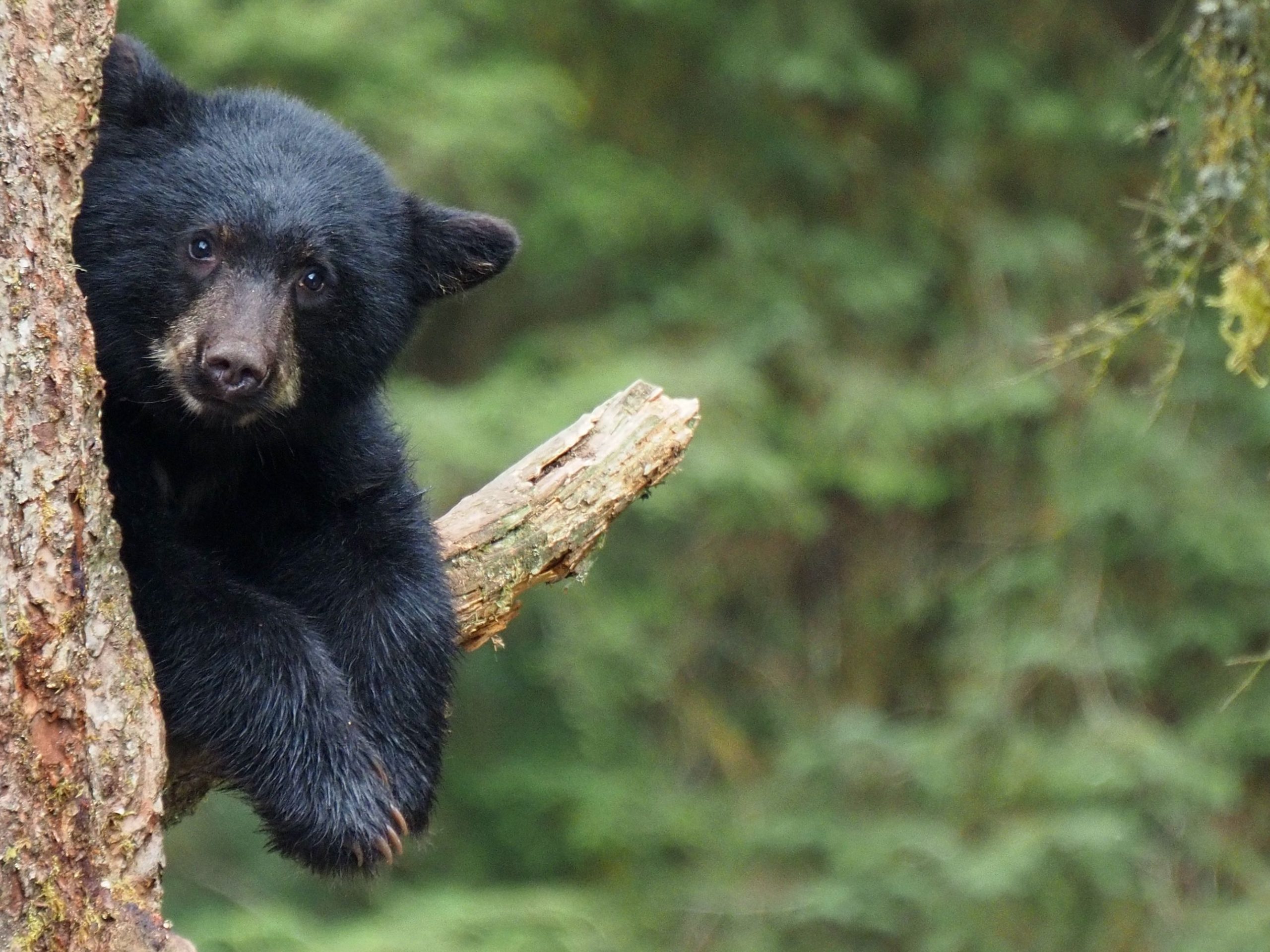
Seeing a black bear in the wild can be an unforgettable experience, but a close encounter can change quickly when the animal feels threatened. A bear may give several physical or vocal warnings before making a charge, especially when it is surprised, protecting cubs, or defending food. Knowing these signals can help you recognize rising tension and respond without making the situation worse. The signs below focus on documented black bear behavior and practical safety guidance from the National Park Service.
1. The Bear Suddenly Stops Feeding or Walking
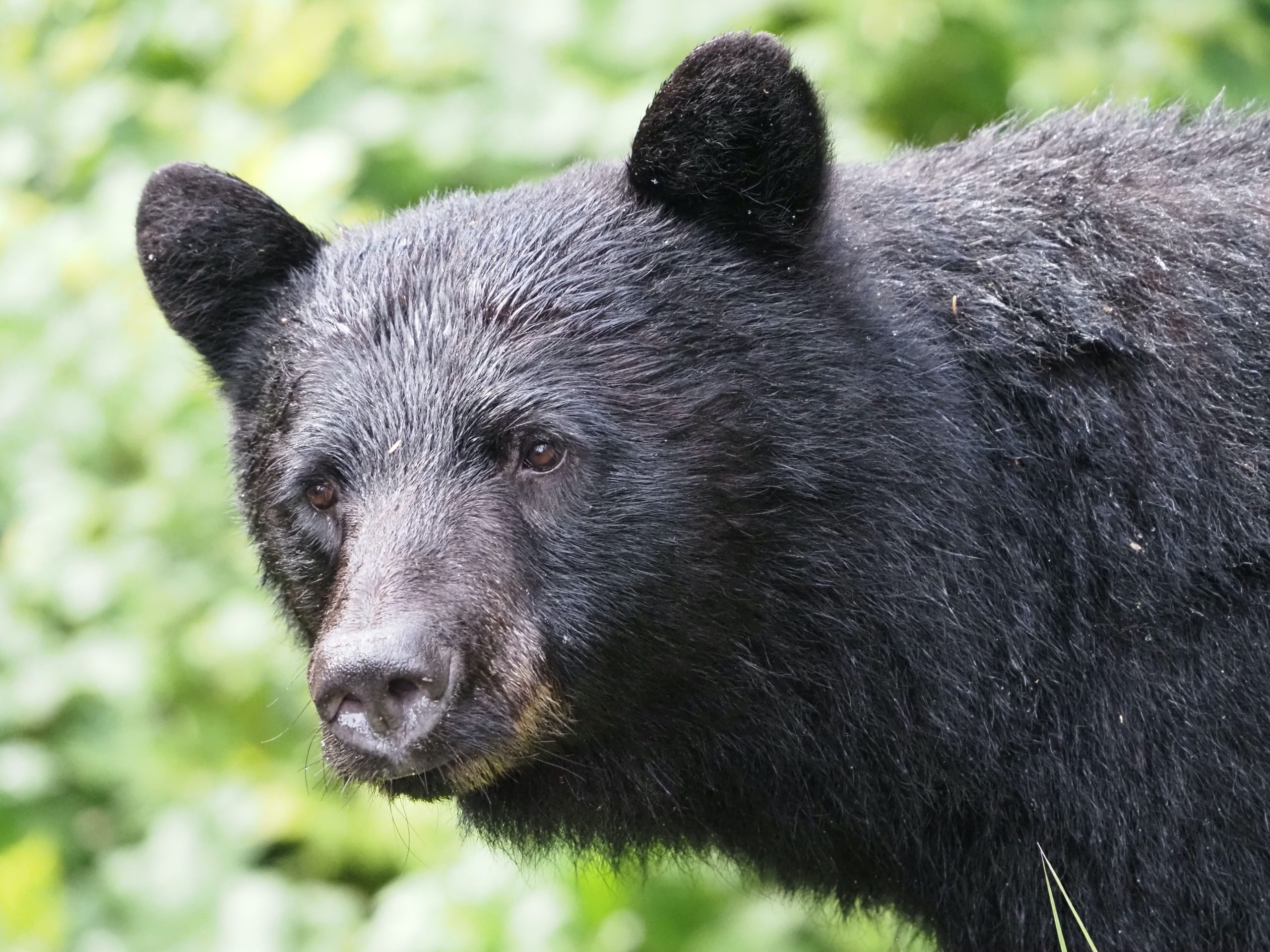
A black bear that abruptly stops feeding or walking deserves your full attention. If it freezes, turns toward you, watches closely, or changes direction because you are nearby, you may have entered its comfort zone. This is especially important if you surprised it at close range. A bear that notices you and becomes tense is not necessarily about to attack, but the change is a useful warning. Give it space instead of testing how close you can get. Slowly move away while keeping the animal in view. Remember the simple number: 1 unexpected encounter can become dangerous when distance disappears. Never approach for a better view or place yourself between a mother and cubs.
2. It Starts Huffing, Snorting, or Making Sharp Sounds
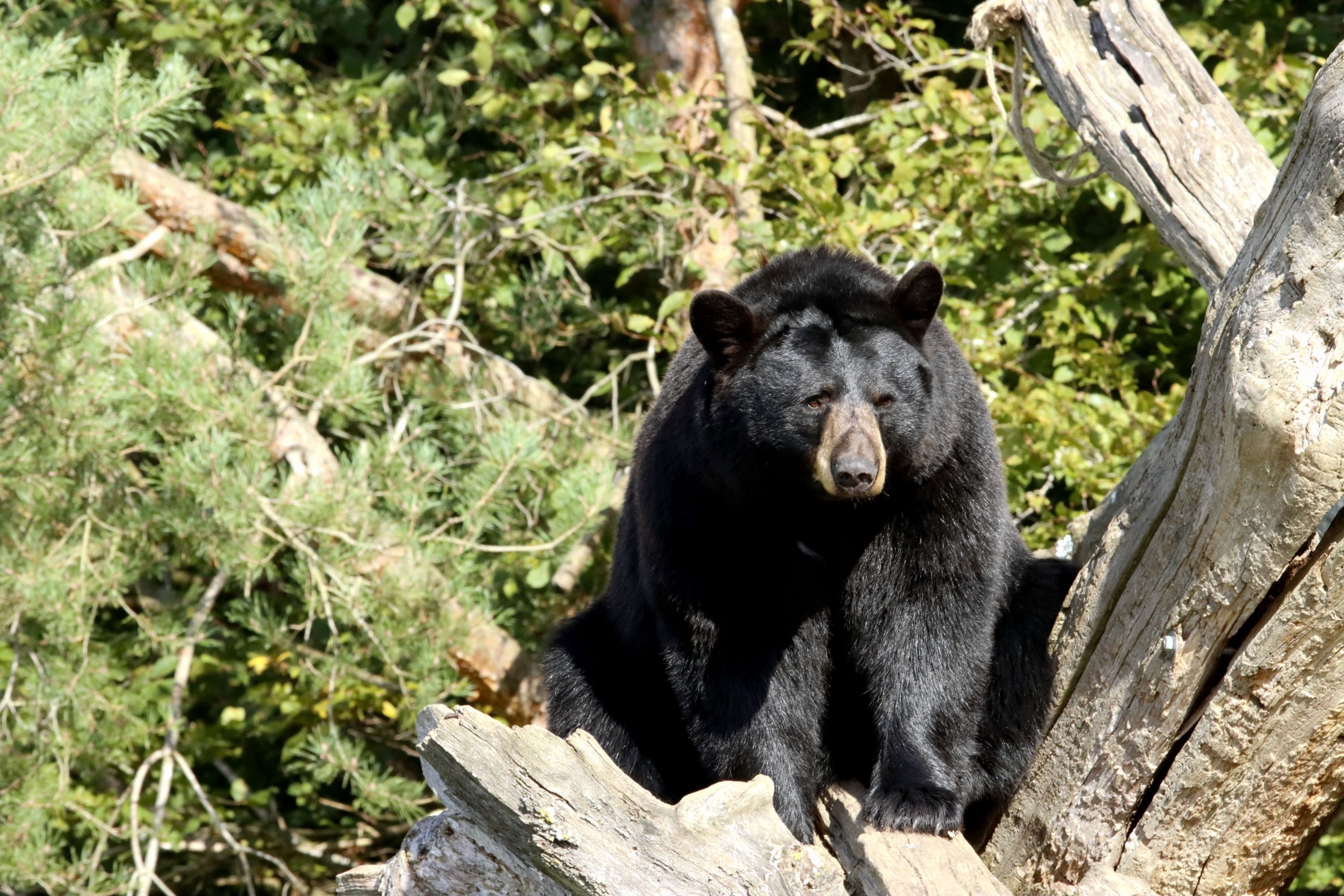
Repeated huffing, snorting, woofing, or other forceful vocal sounds can signal that a black bear is stressed. These noises are often warnings rather than proof that an attack is certain, but they should never be ignored. The bear may be telling you that you are too close, particularly if it is protecting food, a cub, or a limited escape route. Keep your voice calm and avoid sudden movements. Do not imitate the bear or scream at it. Treat 0 attempts to provoke the animal as unacceptable: your goal is to lower tension, not win a confrontation. If it backs away, keep giving it room rather than following. Never block the animal’s route away from you.
3. Its Ears Flatten and Its Head Drops
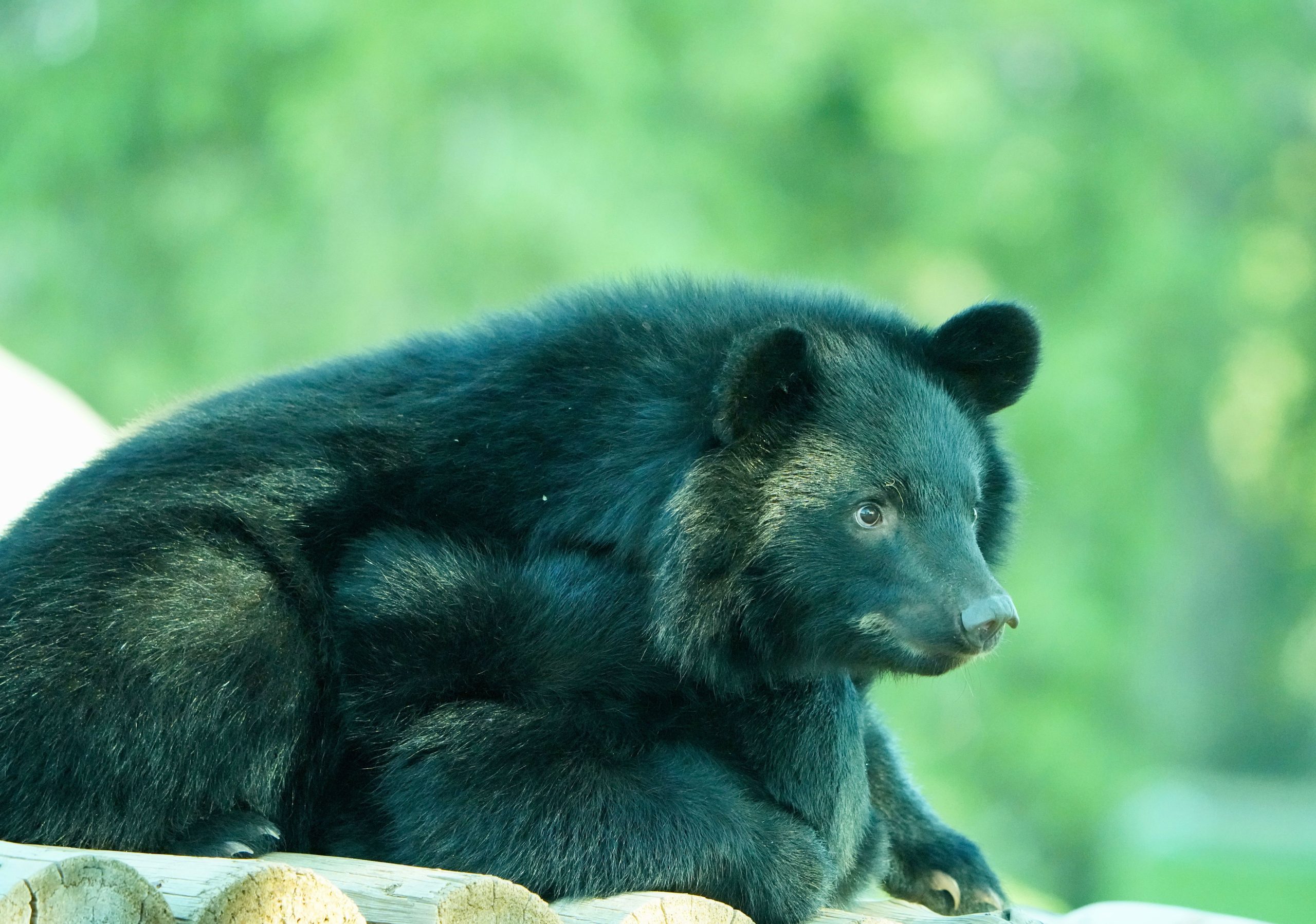
Body posture can reveal more than distance alone. A stressed black bear may lower its head and pull its ears backward as it focuses on the perceived threat. This posture becomes more concerning when paired with huffing, jaw popping, pawing, or a direct approach. It means the bear is highly uncomfortable, not that a charge is guaranteed. Stay facing the bear and slowly create distance if it remains stationary. If it advances, stop and hold your ground rather than running. Keep one number in mind: 1 sudden sprint from you can turn a tense encounter into a chase. If food or cubs are nearby, give even more space. Keep watching its behavior instead of focusing only on its size.
4. It Opens Its Mouth or Pops Its Jaws
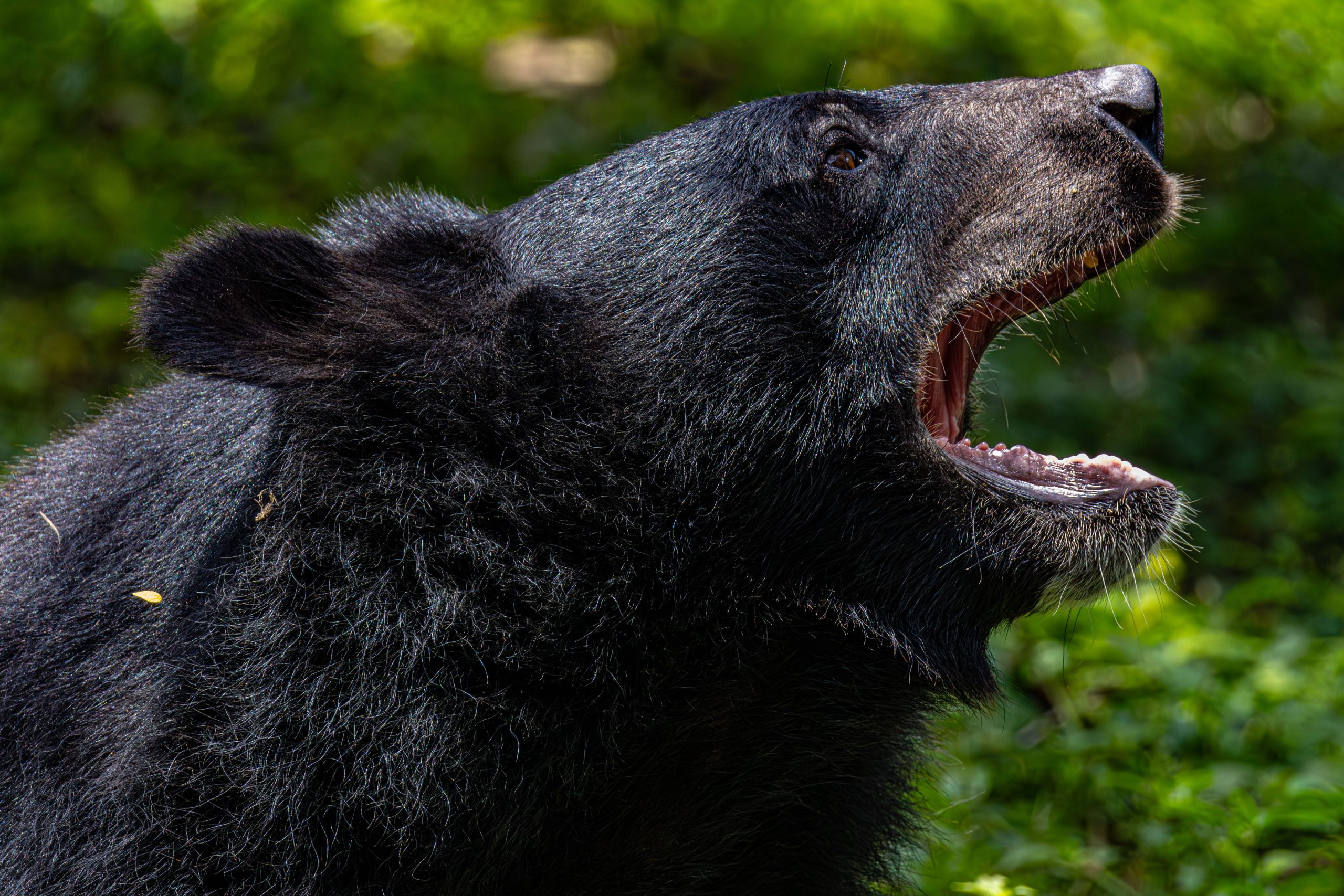
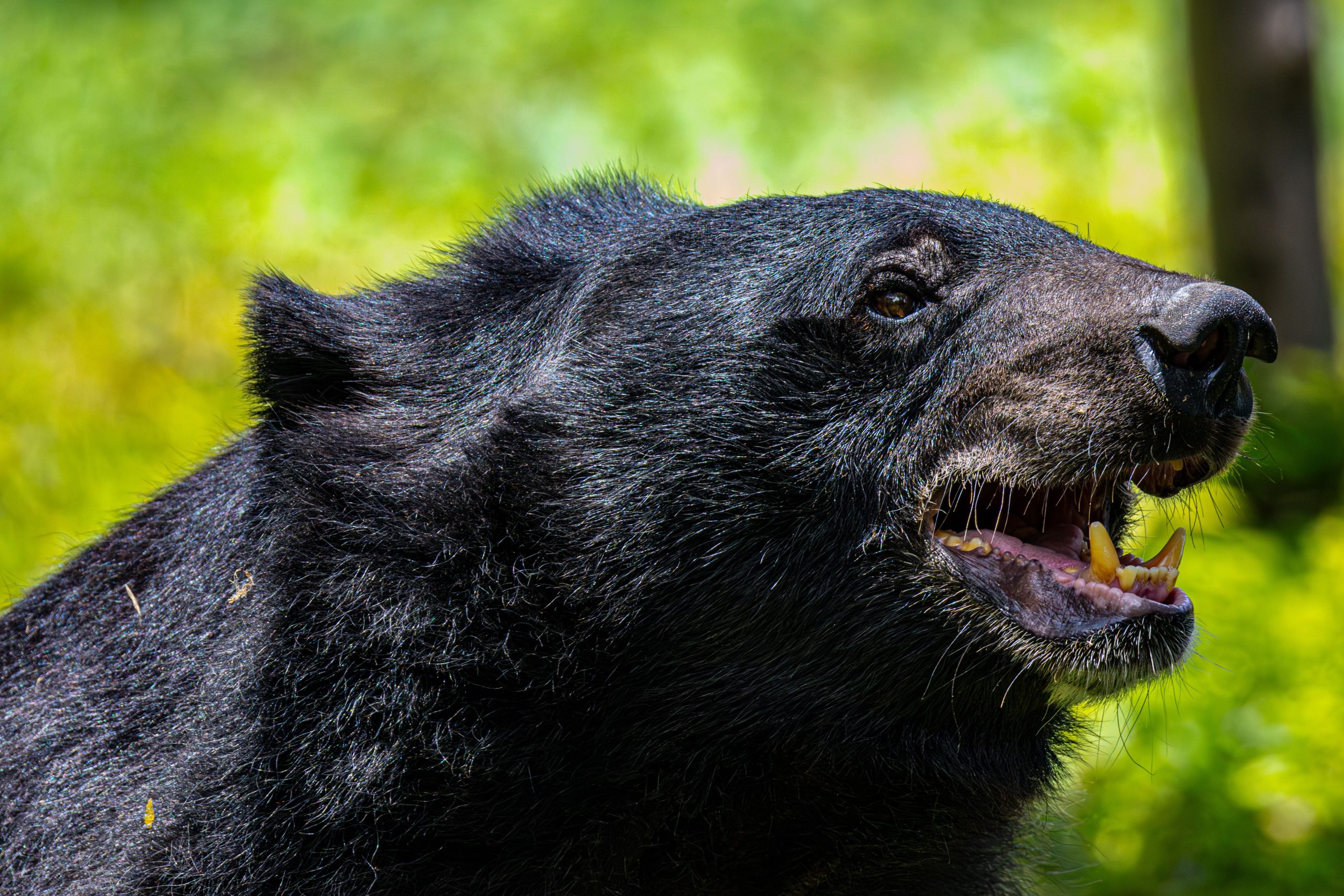
Yawning, clacking the teeth, or repeatedly popping the jaws can appear during a highly stressed black bear encounter. They are recognized warning behaviors, especially when combined with huffing, ears laid back, or a lowered head. Do not mistake the display for harmless curiosity. Give the bear an escape route and avoid stepping toward it, blocking it, or trying to take a closer photo. Speak calmly so it can recognize you as a person. If you carry bear spray, have it immediately accessible. One key number is 60 feet, a distance at which some NPS guidance advises being ready to deploy spray if a charge continues. Local rules and conditions can differ.
5. It Pounds the Ground With Its Front Paws
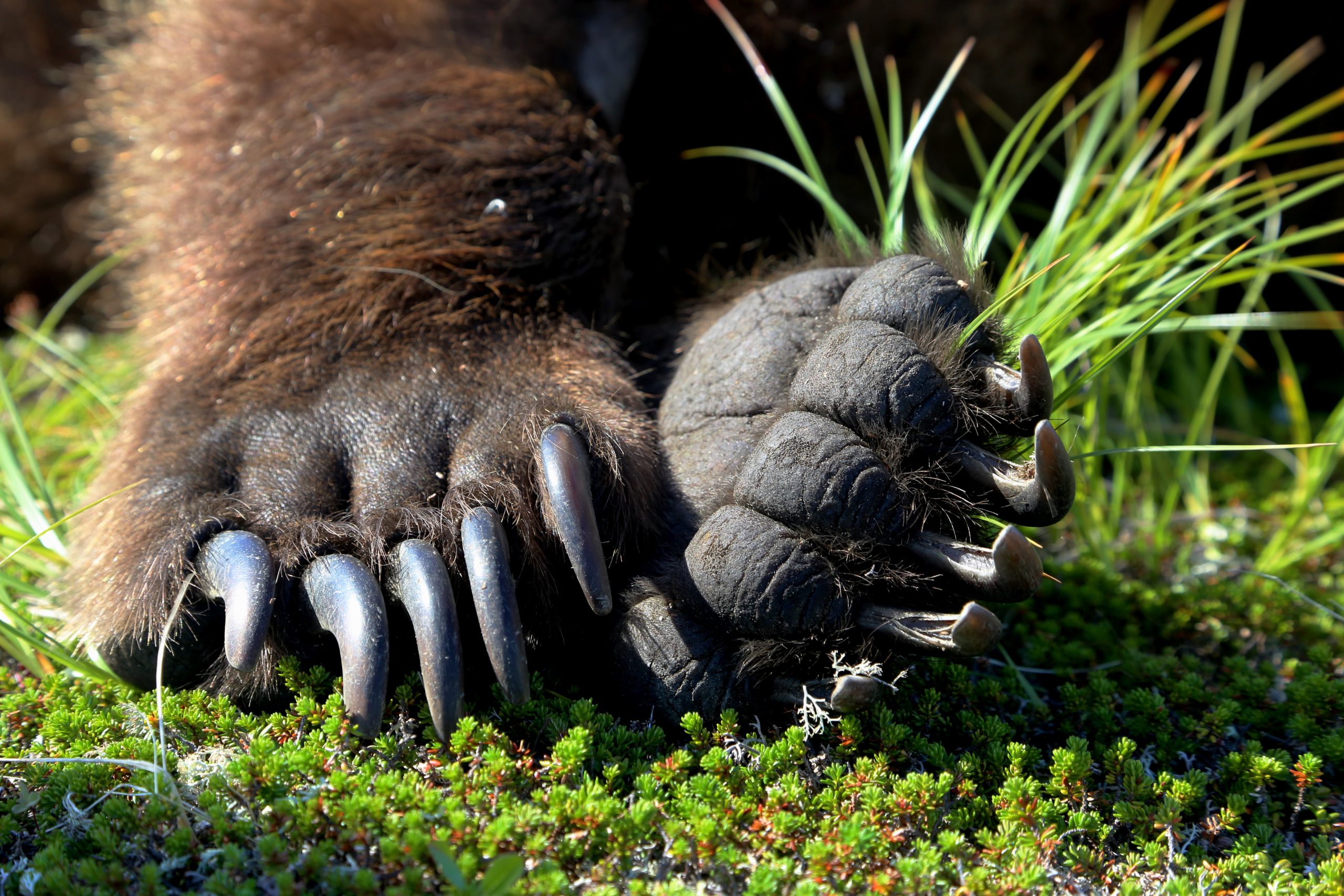
A black bear that repeatedly slams or paws the ground is showing a clear escalation in stress. This behavior can occur before an aggressive charge, particularly when the animal is defending a food source or cubs. It does not mean every paw strike will be followed by an attack, but it is a strong reason to stop closing the distance. Stay calm, keep the bear in sight, and avoid running. If it is stationary, slowly back away without blocking its escape path. A useful rule is to add 1 priority immediately: increase distance. Never copy the display or throw objects, because adding another threat can make the encounter worse. A clear escape route can help lower the bear’s stress.
6. It Charges With Its Head Low and Ears Back
The most obvious warning is an actual charge, but not every charge means the same thing. A black bear may bluff-charge, stopping short or veering away, while a dangerous aggressive charge can look more direct and explosive, with the head low and ears back. Do not run when a bear charges. Stand your ground and remain calm, because running can trigger pursuit. If you have bear spray, use it according to local guidance when the bear enters effective range. Some NPS parks use 30 to 60 feet as a practical spray range. Be ready for contact if the charge does not stop. Exact range depends on conditions and the product. Keep your spray where you can reach it without digging through a pack.
7. It Keeps Coming After You Try to Back Away
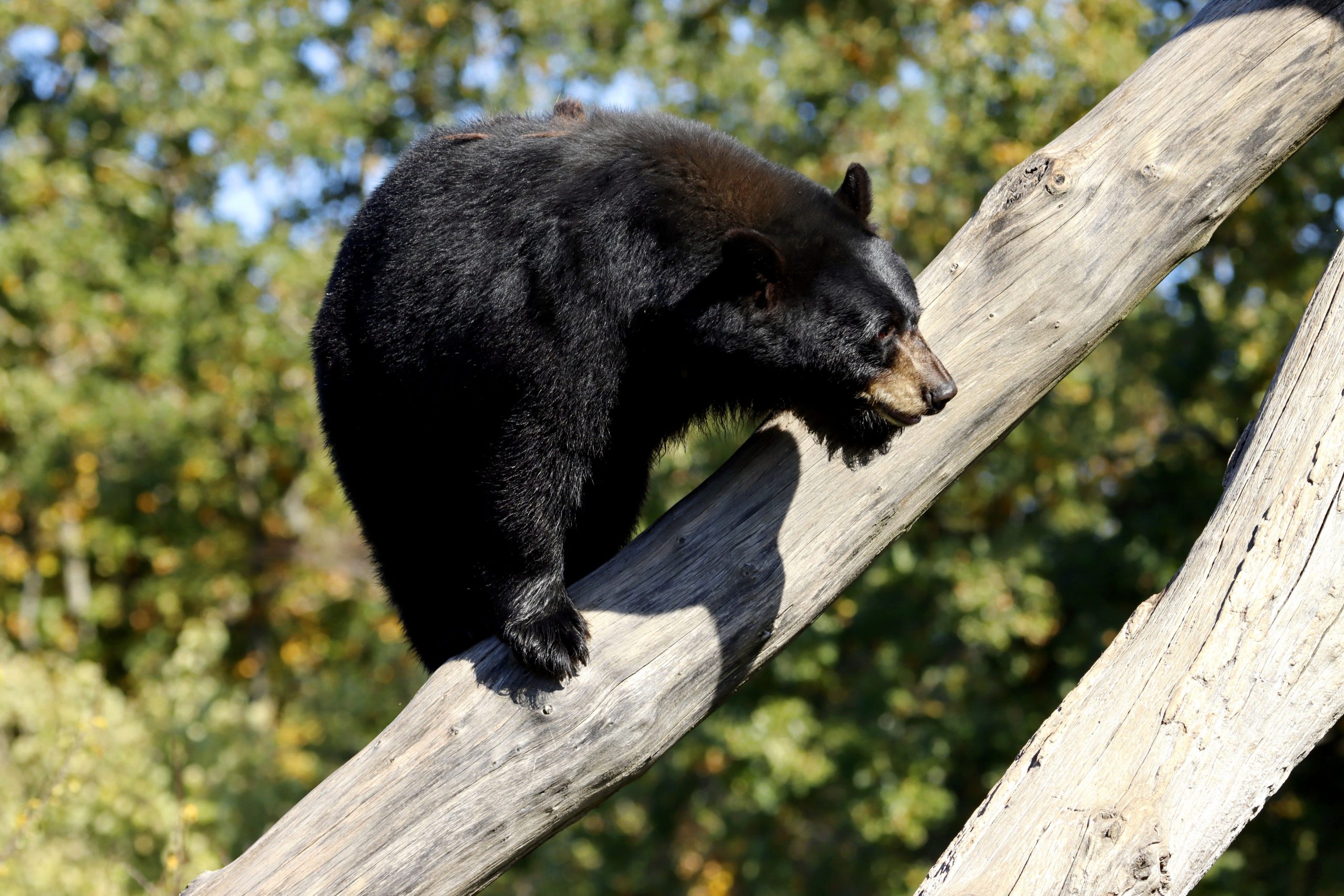
Persistence is one of the most important clues in a bear encounter. A bear that continues advancing after you have calmly tried to create distance needs to be taken seriously, especially if it follows you without breaking off. Do not turn and sprint away, and do not assume climbing a tree will solve the problem because black bears can climb. Stay together if you are in a group, keep children close, and make sure your deterrent is ready. If a black bear actually attacks, NPS guidance says not to play dead; fight back and seek a secure place if possible. Remember: 1 persistent appr