Suppressors still attract more folklore than almost any other hunting accessory. Around campfires and gun counters, the same old claims get repeated as if nothing has changed. But hunters who actually use silencers have spent years learning what matters in the field, and what simply does not hold up once you pull the trigger.
Suppressors make a rifle whisper quiet

Movies taught a lot of people to expect a tiny puff and a barely audible click. Real suppressors do not erase the sound of a gunshot. They reduce it, often dramatically, but a centerfire rifle still produces a clear report, and the bullet can create a sharp crack downrange if it is moving fast enough.
That difference matters. The goal is usually hearing risk reduction, better communication, and less blast, not magical silence. Experienced owners stopped chasing the Hollywood version years ago because practical gains in comfort and control are more important than unrealistic expectations.
A suppressor turns hunting into poaching
This myth hangs on the idea that a silencer lets someone shoot unnoticed in the woods. In reality, suppressed rifles are still loud enough to be heard, especially in open country or rolling terrain. They are not invisibility devices, and they do not make ethical or legal boundaries disappear.
For legitimate hunters, the appeal is far more ordinary. Less blast means less flinch, better awareness, and a little more composure in the moment after the shot. Actual owners tend to talk about cleaner shooting and less punishment on the ears, not secretive behavior or movie-style stealth.
Suppressors ruin accuracy

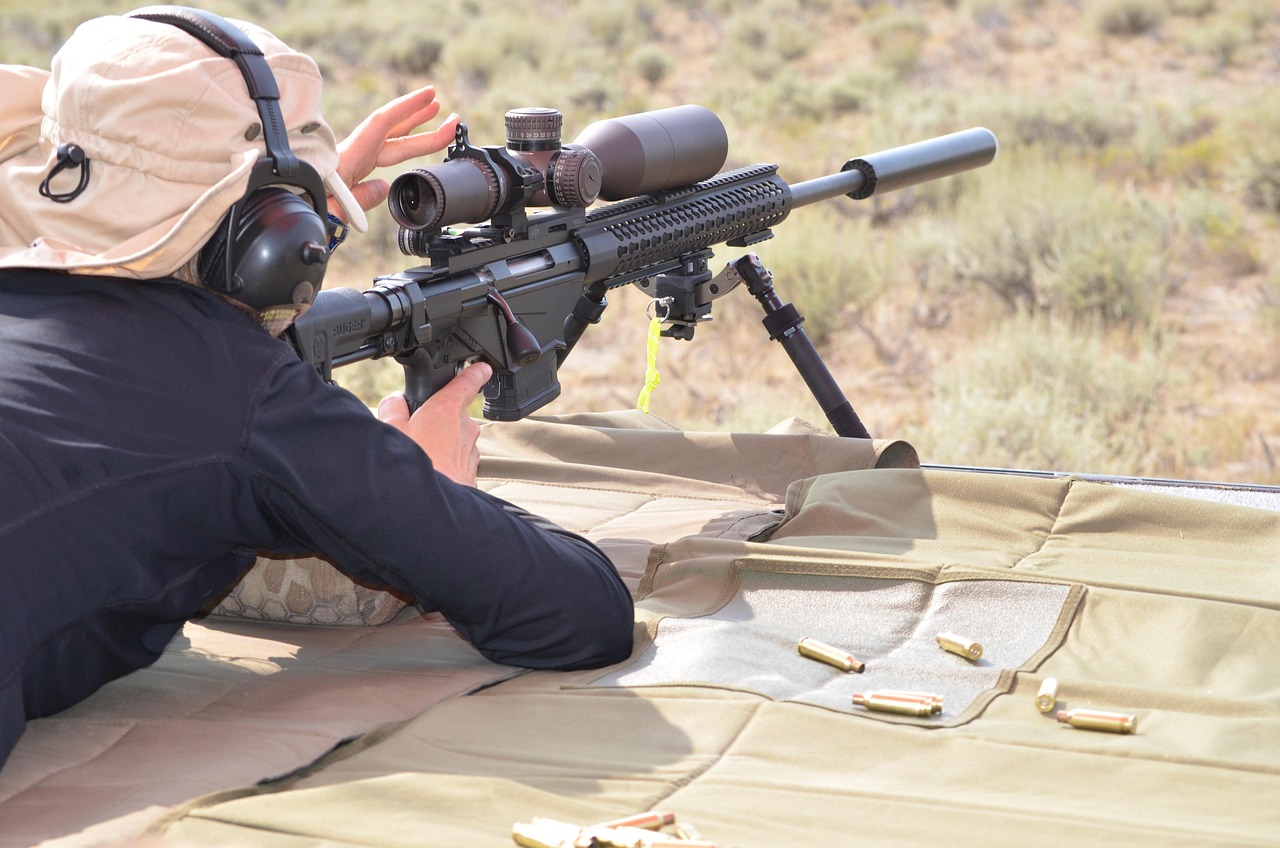
Many shooters assume hanging weight on the muzzle can only hurt performance. In practice, a good suppressor often has no negative effect on practical accuracy, and some rifles even group better with one installed. The added weight and reduced blast can calm the shooting experience in ways hunters notice almost immediately.
What does change is point of impact. That is normal, which is why experienced owners confirm zero with the suppressor attached and treat the setup as its own system. Once zeroed properly, a quality can and a properly mounted rifle can be every bit as dependable in the field.
They are too heavy and too awkward for the field

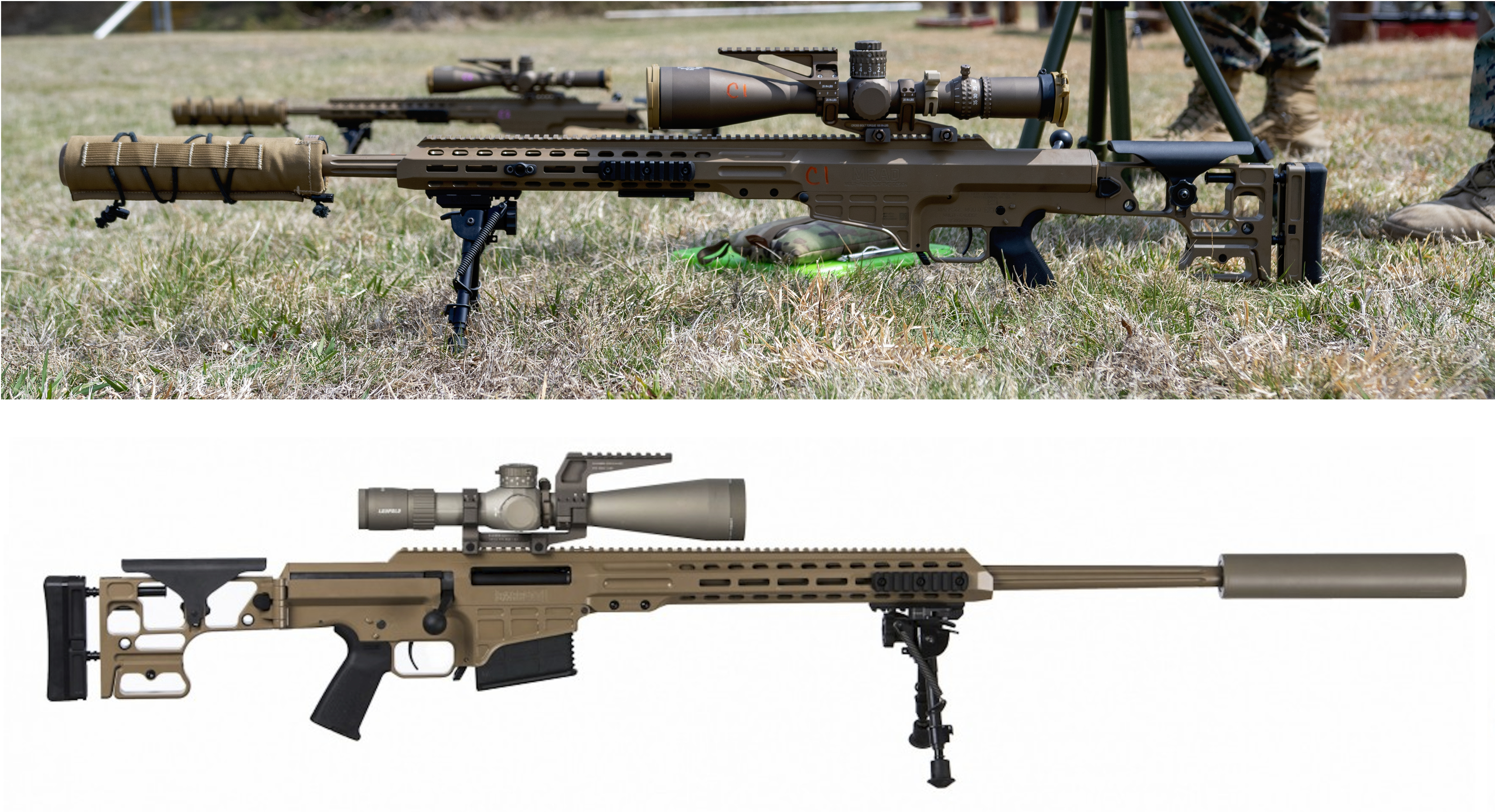
Older suppressors helped create this reputation. Some were long, chunky, and noticeable enough to change how a rifle carried through brush or came out of a truck window. That history still shapes opinions, even though many modern models are shorter, lighter, and easier to live with than skeptics expect.
There is still a tradeoff, of course. Any muzzle device adds length and some weight. But hunters who use them regularly learn to balance barrel length, rifle type, and terrain, and many decide the comfort gained at the shot is well worth a little extra metal at the end of the barrel.
You do not need hearing protection with one
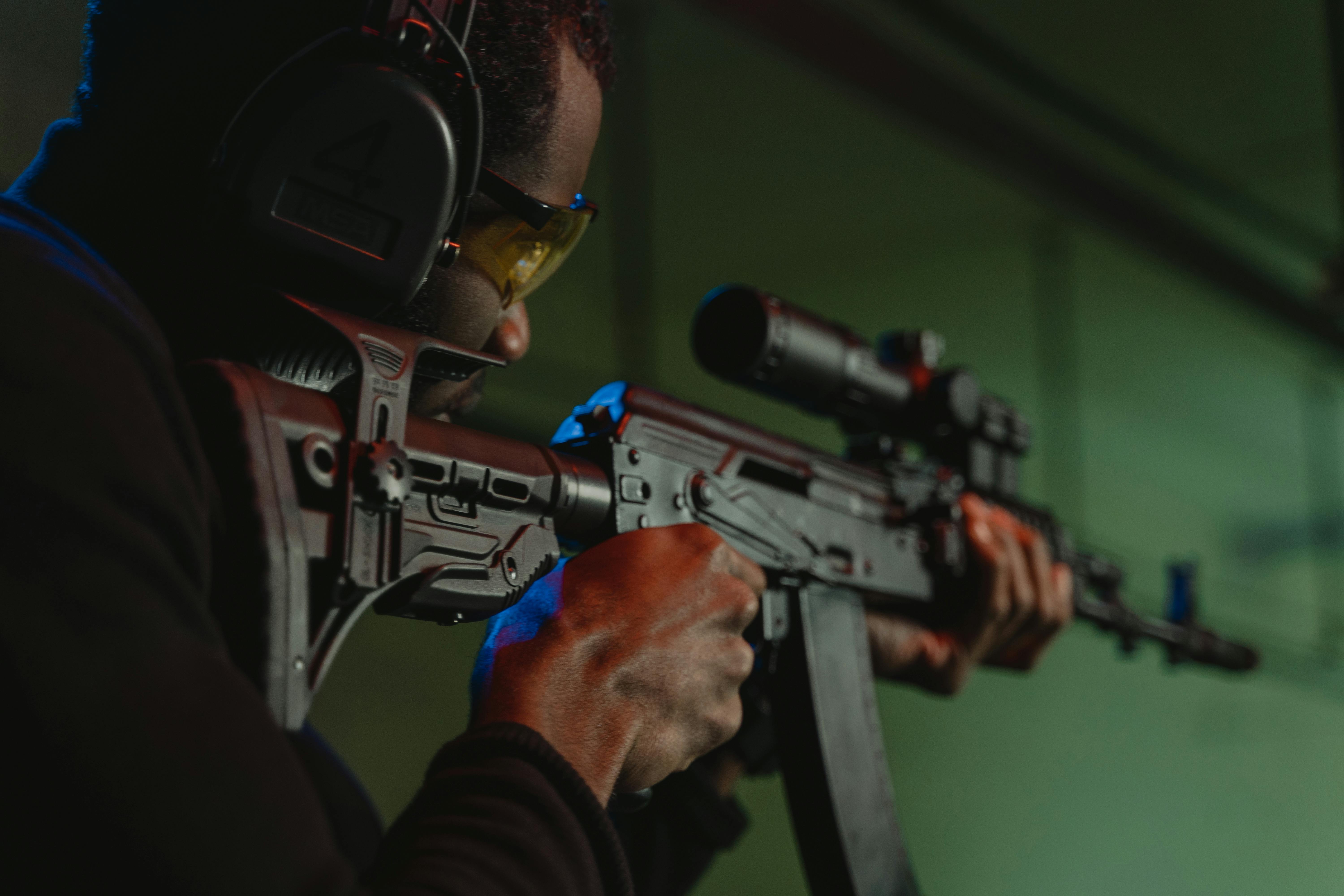
This is one of the most persistent half-truths in the entire conversation. Suppressors reduce harmful blast, and that can make a huge difference, especially for hunters who may fire without time to put muffs on. But reduced does not automatically mean safe in every situation, caliber, barrel length, or environment.
Seasoned owners understand the distinction. Many still use plugs or muffs at the range, where repeated shots add up quickly, and they recognize that short barrels and magnum cartridges can remain harsh. The smart takeaway is not that suppressors replace hearing protection, but that they provide another important layer of it.
Only tactical shooters use suppressors

The image problem is real. Popular culture often frames suppressors as gear for commandos, special units, or people obsessed with black rifles. In everyday use, though, plenty of suppressor owners are ordinary deer, hog, predator, and varmint hunters who want a more manageable shot and less punishment from muzzle blast.
That broader reality has become hard to miss in states where hunting with suppressors is common. Walk enough ranges or talk to enough guides, and the pattern is obvious. The people buying them are often practical, safety-minded sportsmen who are less interested in style points than in preserving hearing and shooting comfortably.
The paperwork makes them impossible to own

There is no point pretending the process is casual. Buying a suppressor involves forms, background checks, taxes, and waiting, which is enough to scare off people who have only heard secondhand horror stories. But difficult is not the same thing as impossible, and millions of lawful owners have already shown that.
What changed the conversation is familiarity. Once hunters talk to a knowledgeable dealer or a friend who has been through the process, the mystery shrinks fast. It is still a regulated purchase, but not some mythical legal labyrinth. Most experienced owners stopped dramatizing it because the steps are tedious, not unknowable.