Some of the world’s best-known precision rifles did not begin inside giant defense factories or government laboratories. A surprising number grew from small workshops, improvised workspaces, ambitious shooters, and designers willing to risk everything on an idea. Their journeys often involved years of experimentation before military contracts or international recognition arrived. Here are seven fascinating examples where humble beginnings eventually produced highly respected precision-rifle families.
1. Accuracy International PM Began in a Modest Shed
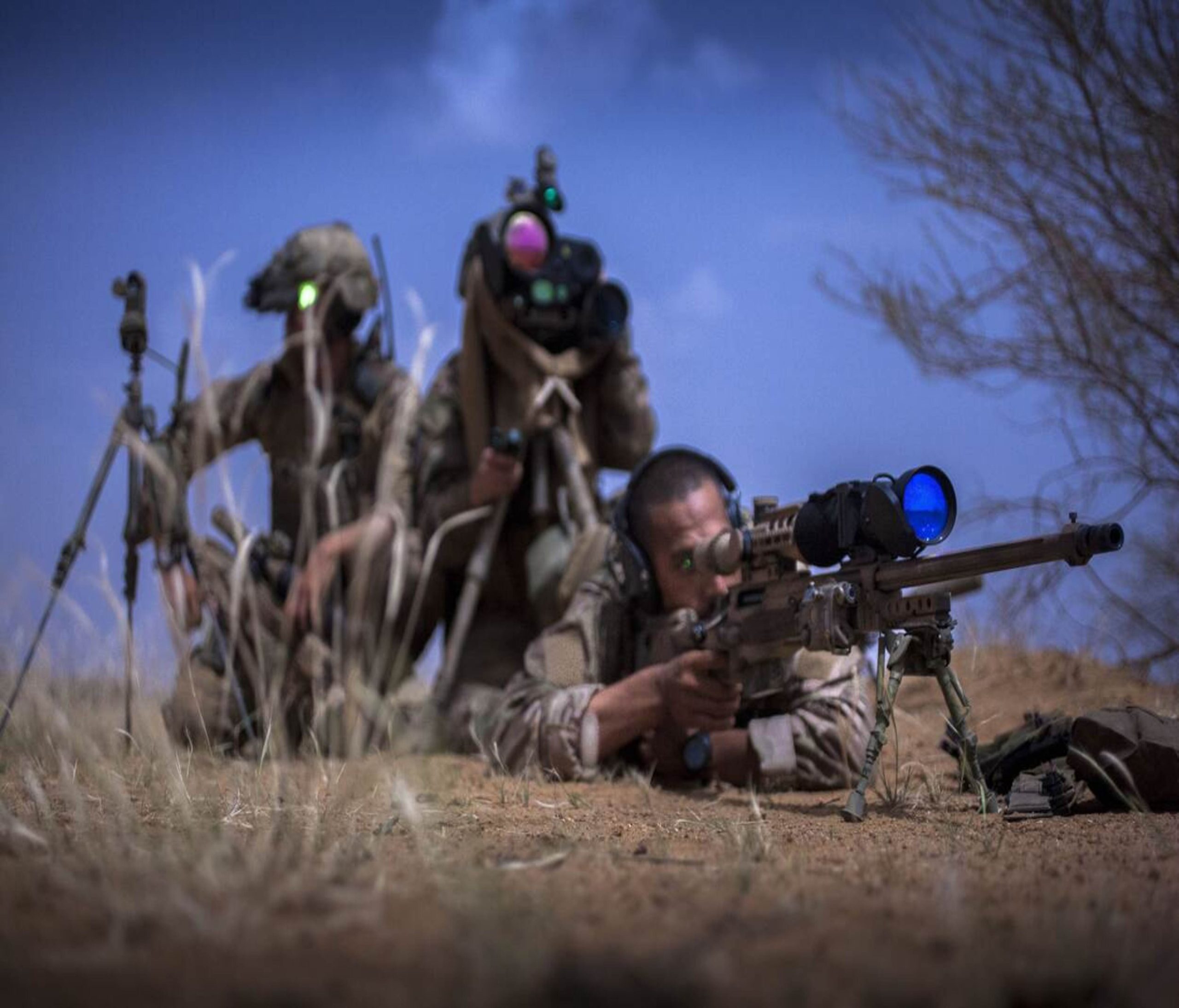
The Accuracy International story is almost tailor-made for the garage-project theme. Founded in 1978, the company brought together Olympic champion Malcolm Cooper with engineers and gunsmiths Dave Walls and David Caig. Their early rifle work was carried out in a modest shed rather than a conventional weapons factory. The resulting Precision Marksman entered a British competition in the early 1980s and ultimately became the L96A1 after British Army adoption in 1984. Tests demonstrated sub-0.5-MOA ten-shot groups at 100 yards with specified ammunition. A tiny workshop had produced a rifle that changed British sniper equipment.
2. Barrett M82 Grew From Ronnie Barrett’s Workshop
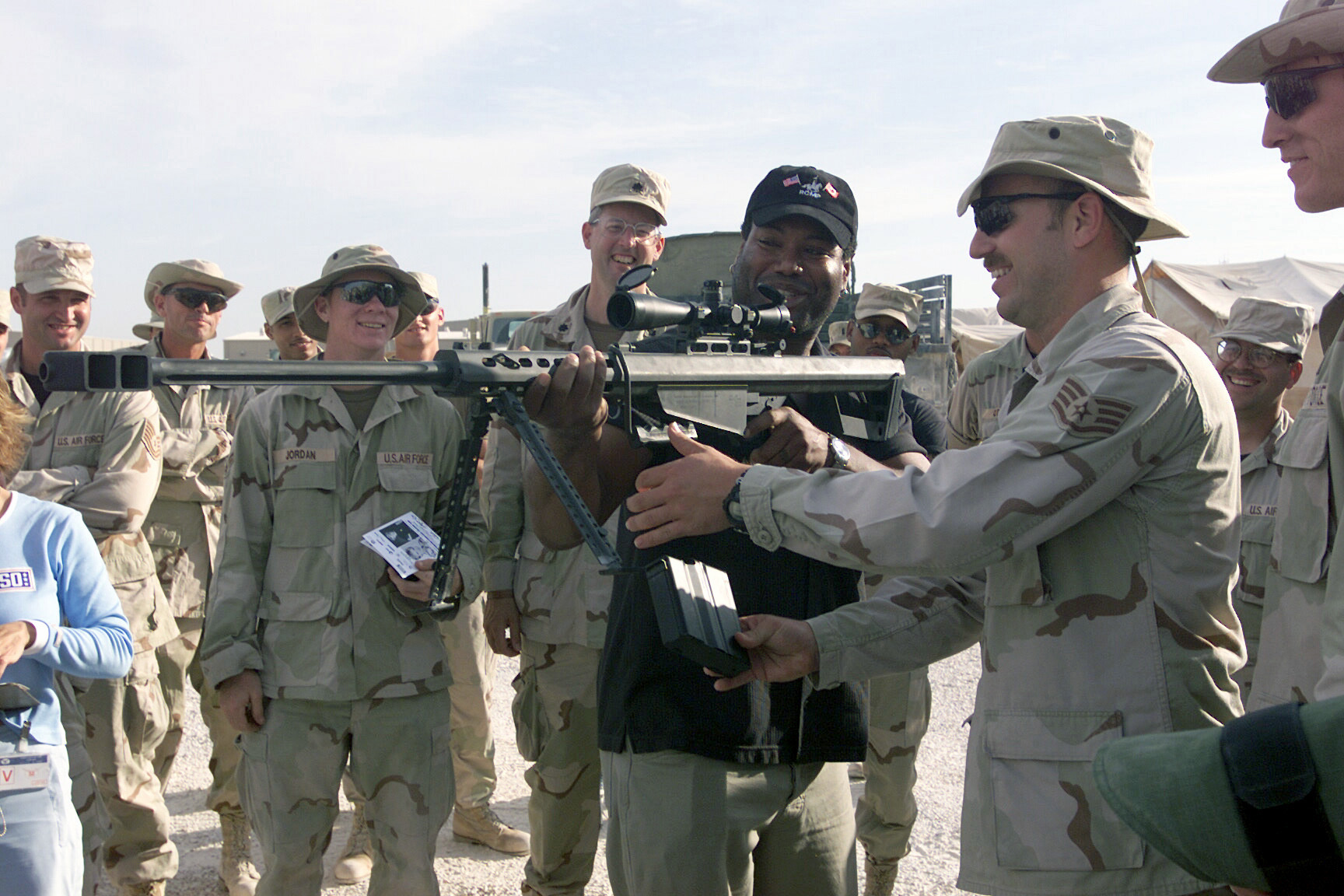
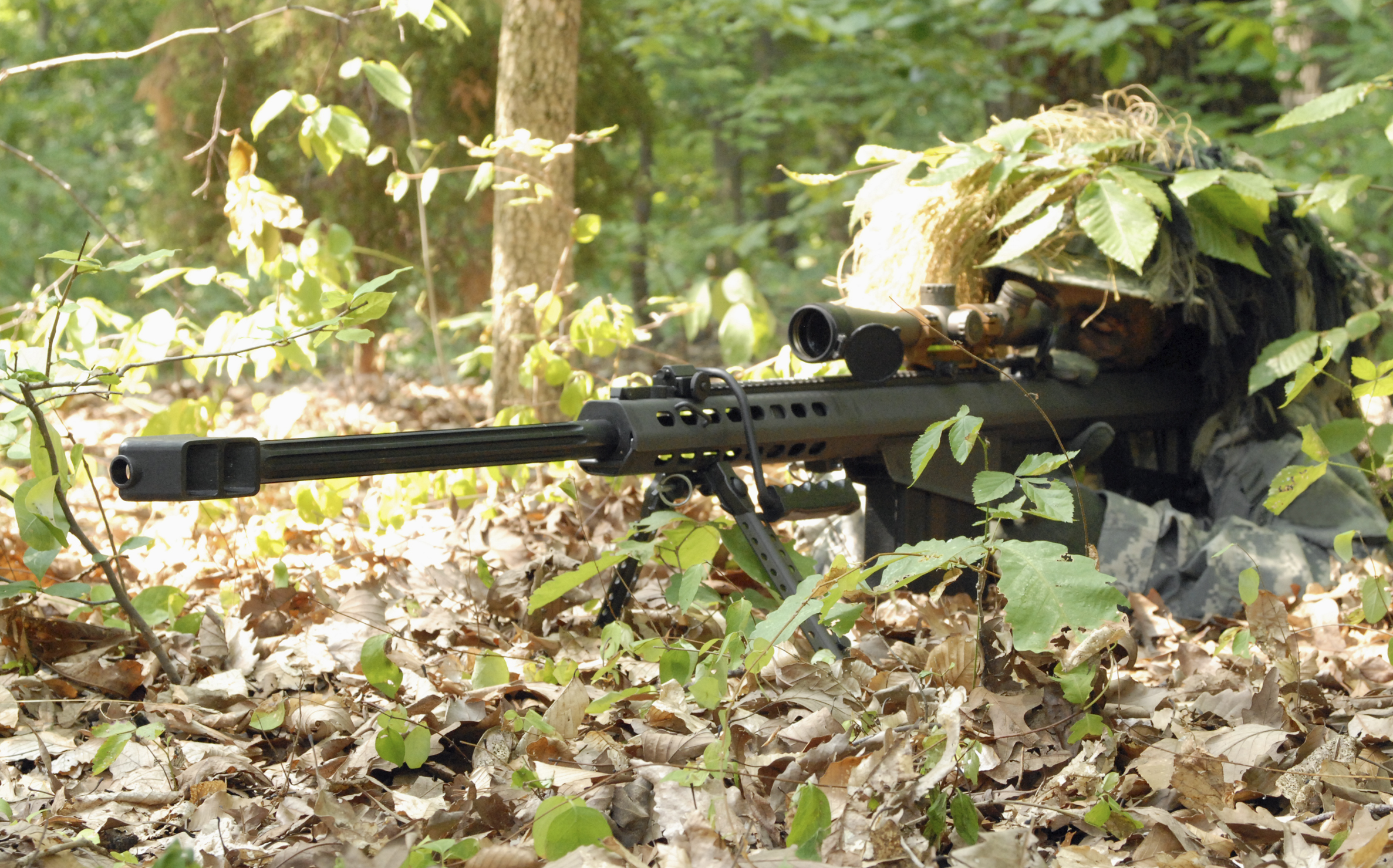
The Barrett M82 is another famous example of an idea growing from an unusually small operation. Ronnie Barrett began developing his large-caliber rifle concept in the early 1980s, initially working from his home workshop in Tennessee. Rather than starting with a government contract, Barrett pursued the project independently and demonstrated prototypes to potential buyers. The design eventually attracted military attention and became one of the most recognizable .50-caliber rifles ever produced. Its success was remarkable because the original concept came from a private designer rather than an established defense giant. The M82’s journey helped transform Barrett Firearms into a major specialist manufacturer.
3. McMillan TAC-50 Came From a Family Gunmaking Tradition
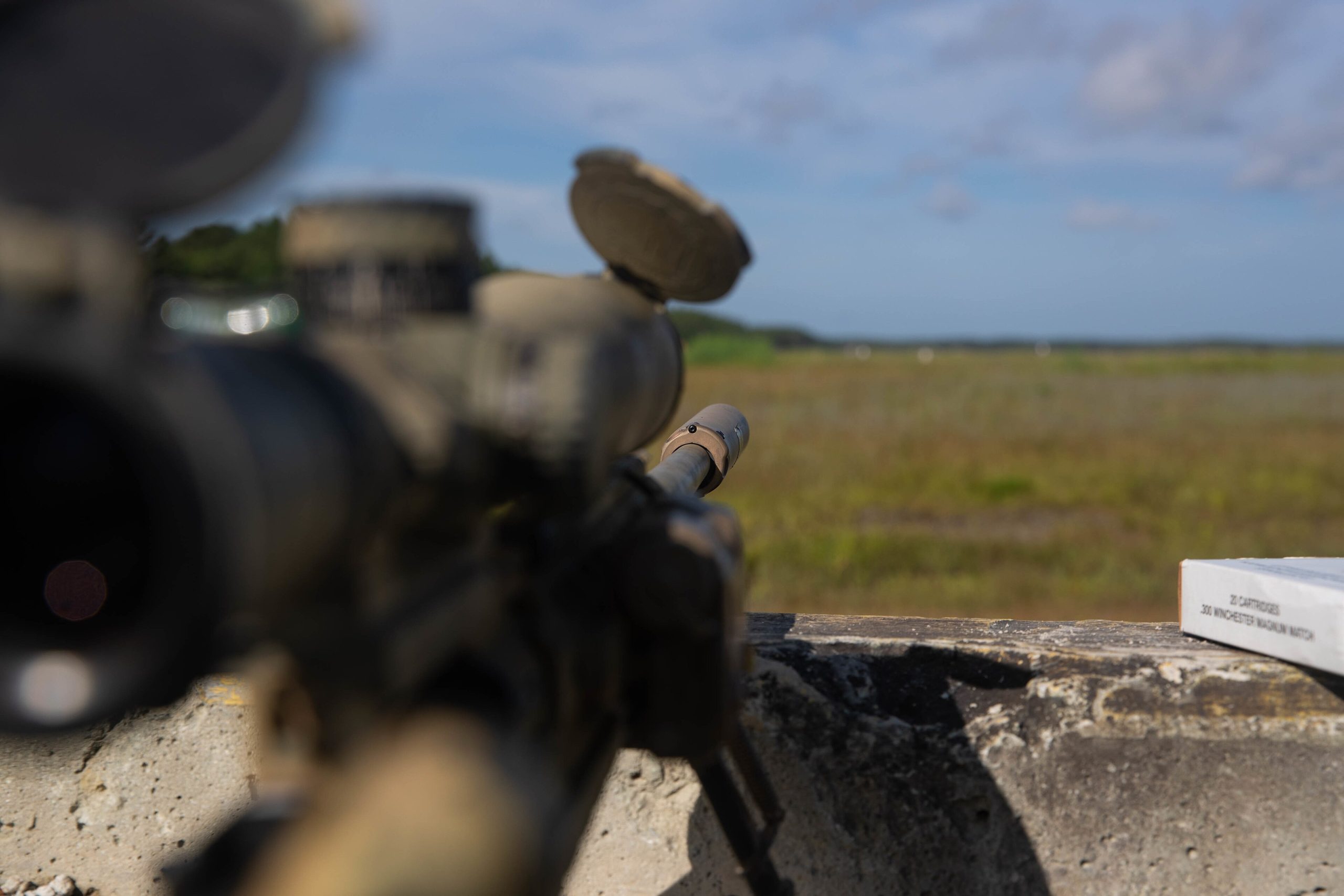
The McMillan TAC-50 emerged from a company better known for precision stocks and custom rifle work than mass-produced military weapons. Founded by brothers Gale and Kelly McMillan, the firm developed deep experience building highly consistent rifle systems for serious shooters. The TAC-50 eventually evolved into a large-caliber precision platform adopted by military users and became associated with extreme long-range performance. The rifle uses the .50 BMG cartridge and a bolt-action design, combining substantial size with a reputation for accuracy. Its story demonstrates how specialist craftsmanship can evolve into military equipment without beginning as a conventional government program or factory-scale project.
4. Desert Tactical Arms Built a Compact Precision Concept
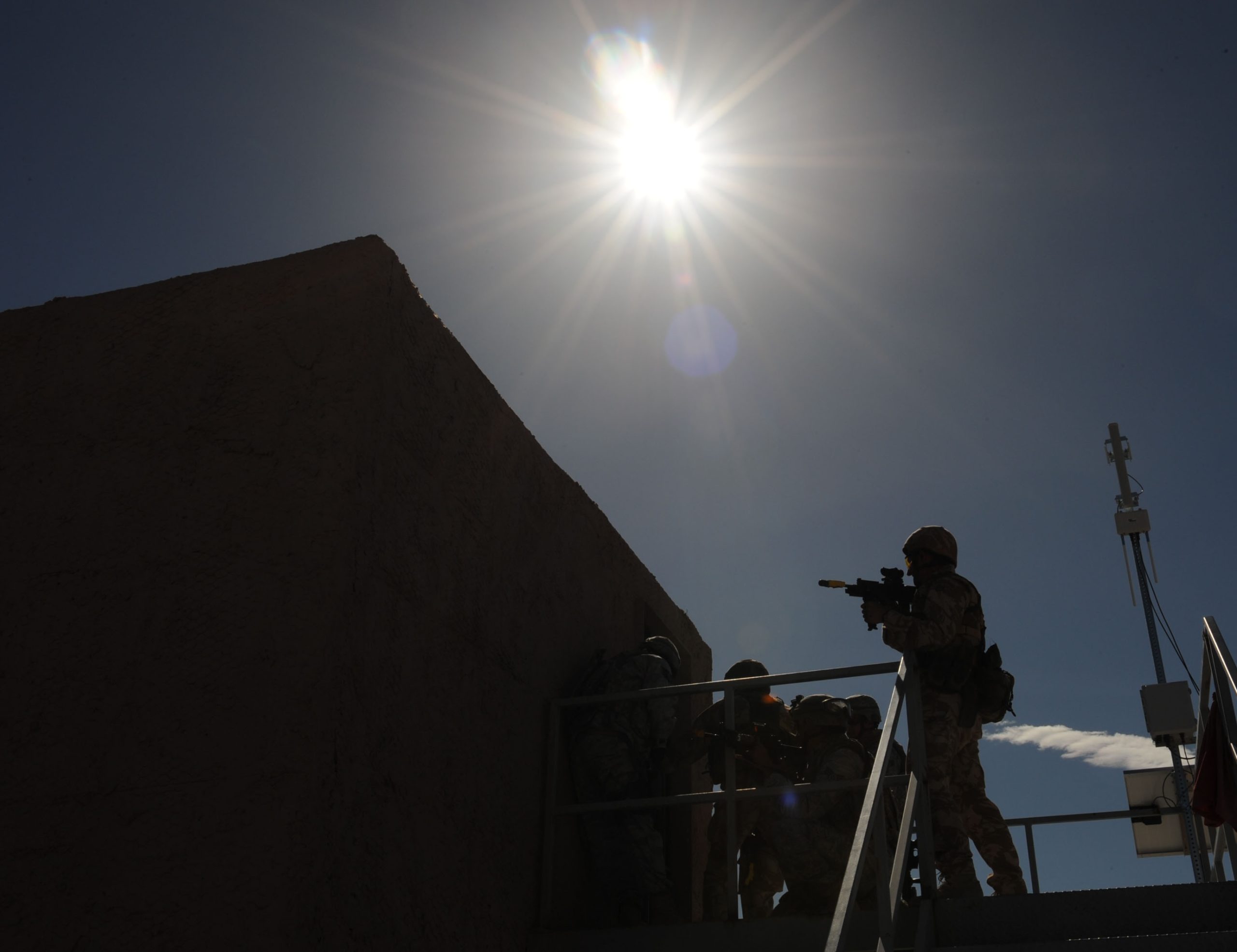
The Desert Tactical Arms Stealth Recon Scout, or SRS, demonstrated how an unconventional idea from a small American manufacturer could challenge established precision-rifle thinking. DTA developed the rifle around a bullpup layout, placing the action behind the trigger to shorten overall length without sacrificing a comparatively long barrel. The system was designed around interchangeable caliber conversions, allowing one basic platform to accommodate cartridges such as .308 Winchester and .338 Lapua Magnum. Introduced during the 2000s, the SRS gained attention among precision shooters because its compact architecture looked dramatically different from traditional long-action rifles. Its development reflected the experimentation often associated with small specialist companies.
5. Surgeon Rifles Grew From Custom-Shop Precision Work
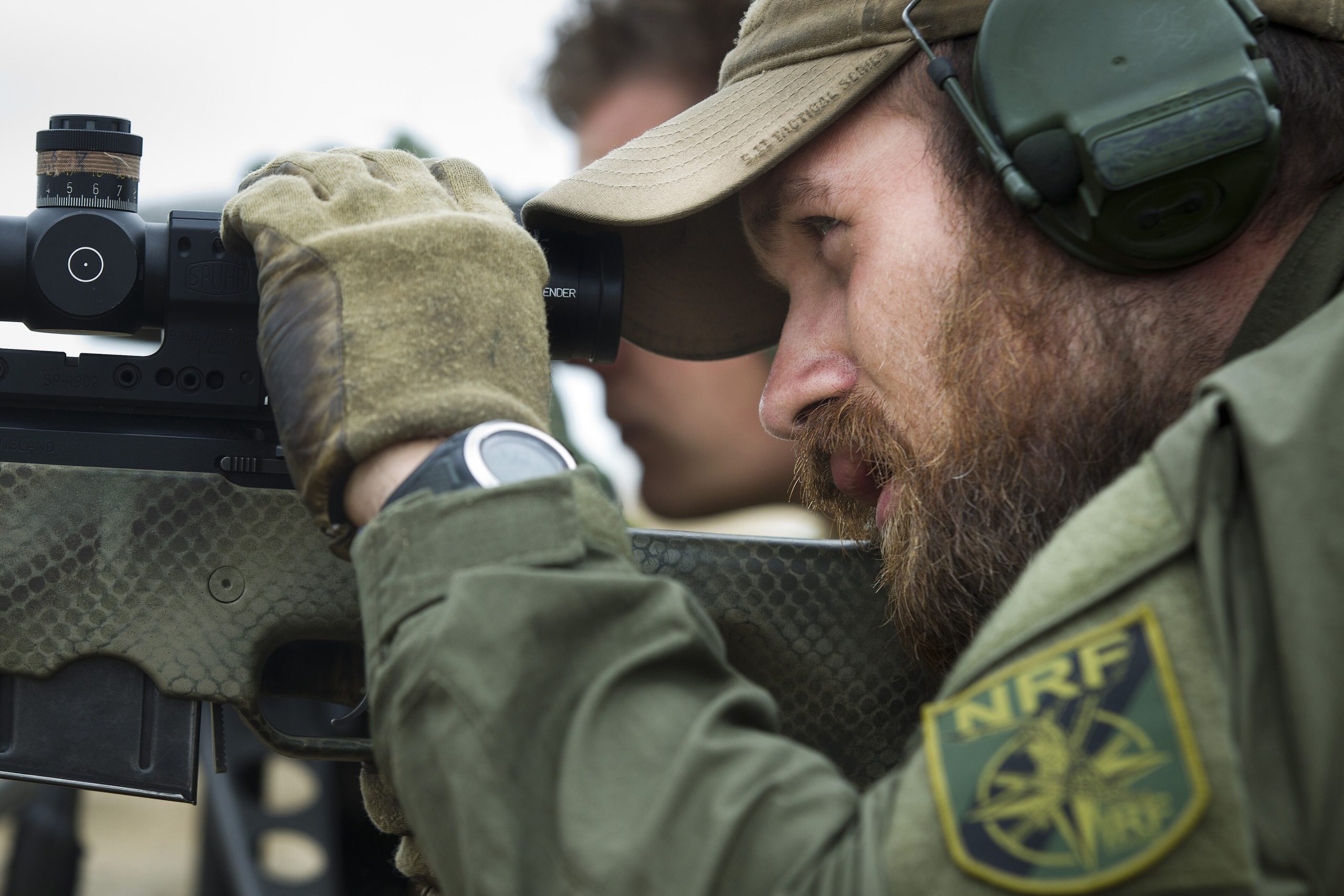
Surgeon Rifles became respected in precision-shooting circles by concentrating on extremely consistent components rather than trying to compete immediately with enormous firearms manufacturers. The company became particularly associated with precision actions, custom-built rifles, and competition-oriented setups. Its actions were designed around the demands of serious long-range shooters, where repeatability and tight manufacturing tolerances matter enormously. The company’s reputation developed through the custom-rifle community before its products became familiar to a wider audience. That progression is important because Surgeon illustrates a different kind of garage-project story: instead of one revolutionary military invention, meticulous small-shop craftsmanship gradually created a recognizable precision-rifle brand.
6. Stiller’s Actions Helped Small-Shop Rifles Reach Competition
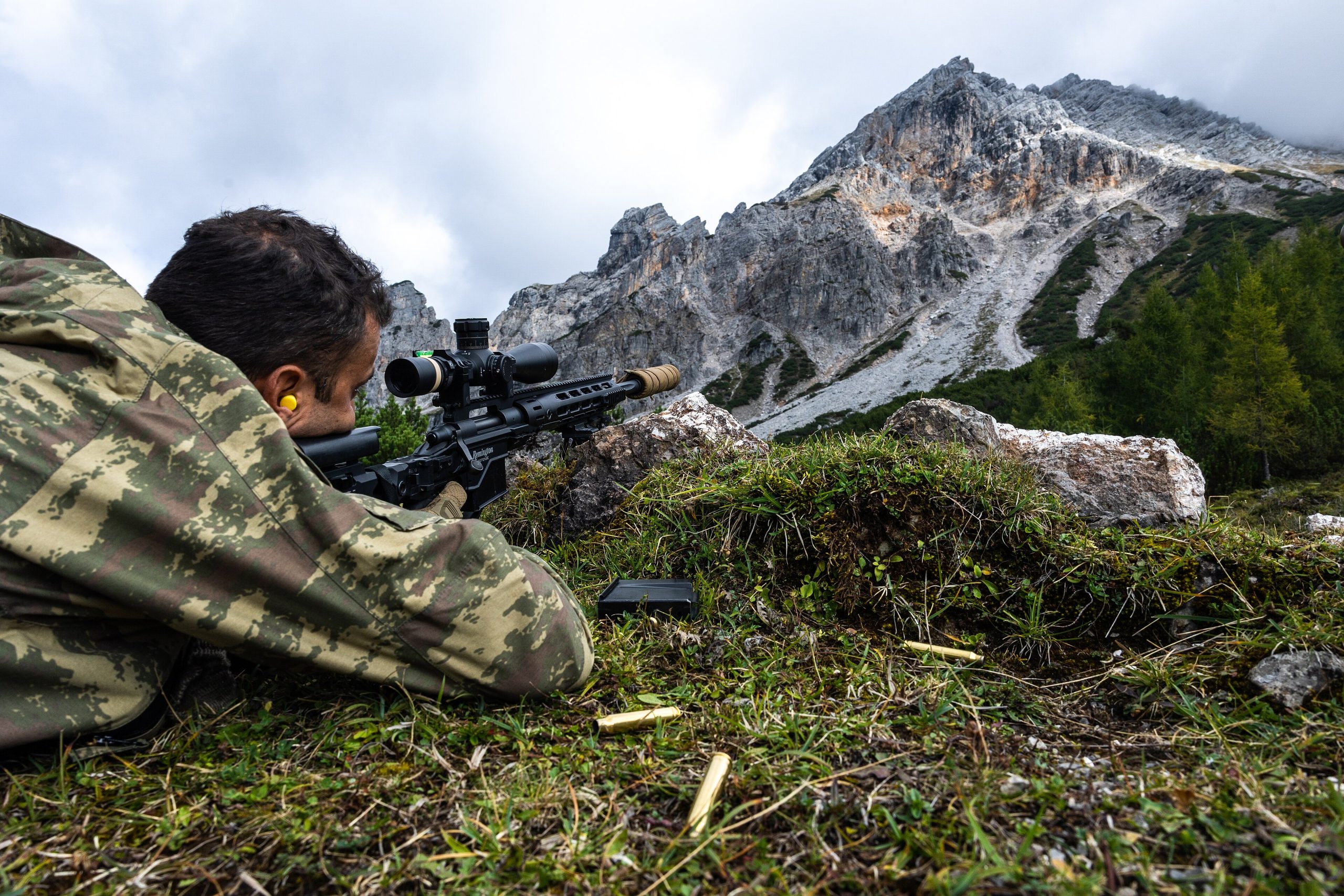
Stiller’s Precision Firearms became known for producing precision rifle actions used by custom builders and competitive shooters. The company’s products gained attention because the action is the foundation around which a precision rifle is assembled, making dimensional consistency and careful machining especially important. Rather than attempting to dominate the entire firearms market, Stiller concentrated on a specialist niche and supplied components that custom rifle builders could turn into complete systems. That approach reflects how many modern precision rifles actually originate: a small manufacturer develops one exceptionally refined component, shooters notice the results, and an entire ecosystem grows around it. The path from specialist workshop to respected precision brand can be surprisingly gradual.
7. AI’s Arctic Warfare Turned a Small Idea Into a Global Rifle
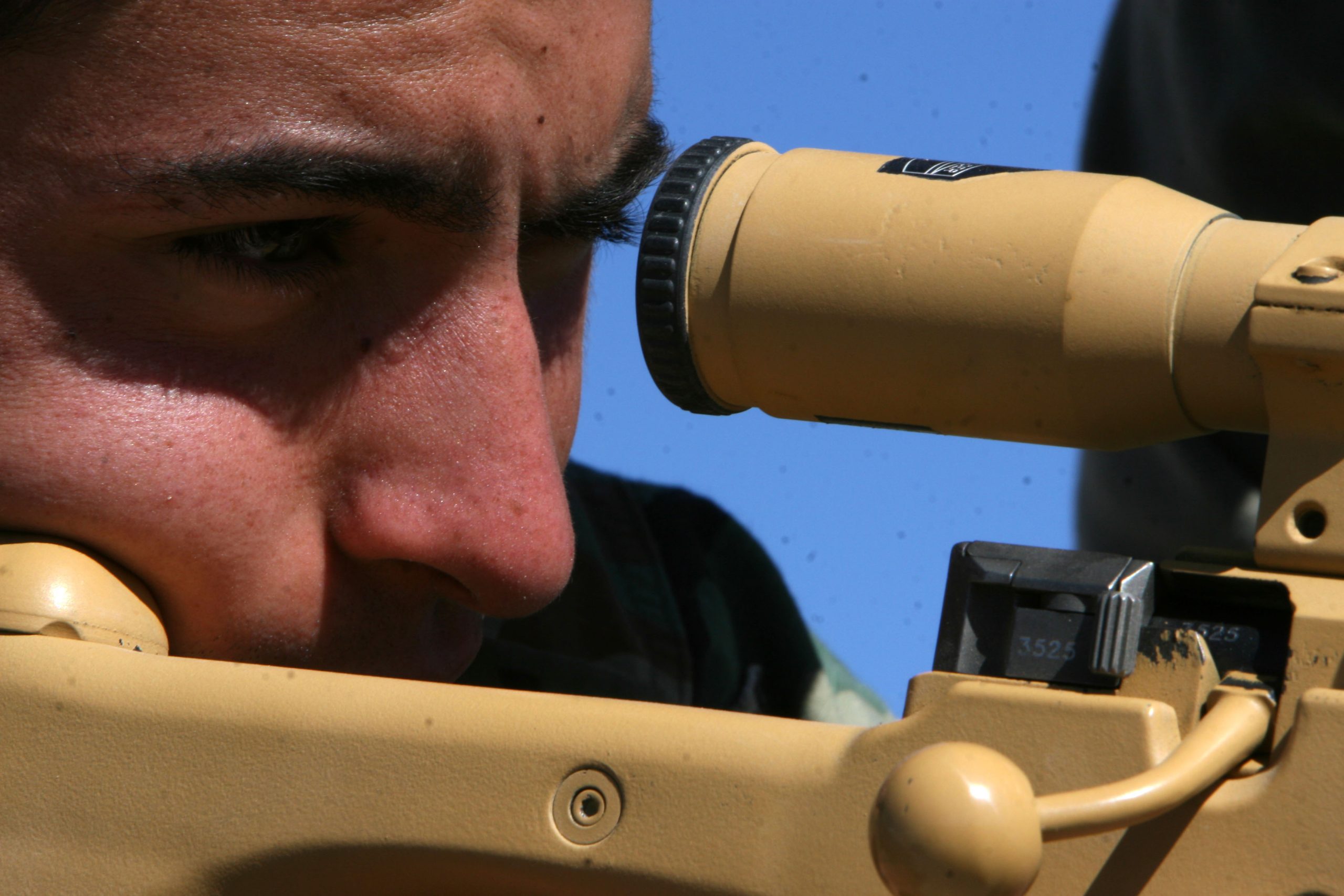
The Arctic Warfare family shows just how far a small-company concept can travel. Accuracy International’s original Precision Marksman had already won British military approval, but Sweden wanted a version better suited to severe northern conditions. During the early 1990s, Accuracy International developed the Arctic Warfare with modifications intended to prevent ice and debris from interfering with operation. Features included enlarged controls for gloved hands and changes to the bolt and stock. The resulting rifle could operate in temperatures down to about −40°C, according to published descriptions. The AW family subsequently spread internationally, proving that a design born in a small workshop could become a major military precision-rifle platform