The Marlin 336 has earned its reputation through decades of dependable performance in deer country. While modern bolt-action rifles offer longer effective ranges, advanced optics, and impressive ballistic figures, the classic lever-action rifle continues to make sense in many real hunting situations. Chambered in .30-30 Winchester, the Marlin 336 combines manageable recoil, practical accuracy, and quick handling in thick woods, brush, and uneven terrain. Its traditional design is particularly appealing to hunters who value reliability over unnecessary complexity. Here are seven deer-hunting situations where the Marlin 336 and its .30-30 cartridge can still offer advantages over newer rifle designs.
1. Hunting Whitetails in Thick Hardwood Forests

Thick hardwood forests often leave hunters with narrow shooting lanes and little time to react when a whitetail appears. The Marlin 336 is particularly comfortable in this environment because its relatively compact design and lever-action layout make it easier to carry through dense vegetation. Its traditional .30-30 Winchester chambering has a long history of use on deer-sized game. With a typical 150-grain bullet leaving the muzzle at approximately 2,390 feet per second, it offers practical performance for close-range hunting. Compared with a longer bolt-action rifle, the 336 can feel less cumbersome when navigating tight spaces. Its advantage is handling, not superior long-range power.
2. Still-Hunting Through Brush and Steep Terrain
Still-hunting demands a rifle that carries comfortably while a hunter moves through cover, climbs slopes, and pauses to scan the surroundings. Standard Marlin 336 versions with a 20-inch barrel are about 38.5 inches long and commonly weigh close to 7 pounds, making them manageable without feeling flimsy. Its .30-30 chambering suits ordinary deer-country distances, while the familiar lever layout gives it a balanced feel. A shorter modern rifle may match it, but the 336 remains appealing because it combines useful dimensions with a straightforward design. Its edge here is portability, not greater power.
3. Hunting From a Ground Blind

A ground blind can make a long rifle awkward, especially when the shooting window is narrow, and movement must be limited. The Marlin 336’s compact proportions are useful in that confined setting. Many standard versions have a 20-inch barrel and an overall length around 38.5 inches, dimensions easier to manage than those of some full-length sporting rifles. The .30-30 also has a long record as a deer cartridge at moderate ranges. A modern bolt-action may offer more reach, but those features matter less when the blind overlooks a familiar clearing. The 336’s advantage is its handy size and uncomplicated feel.
4. Hunting Familiar, Short-Range Clearings
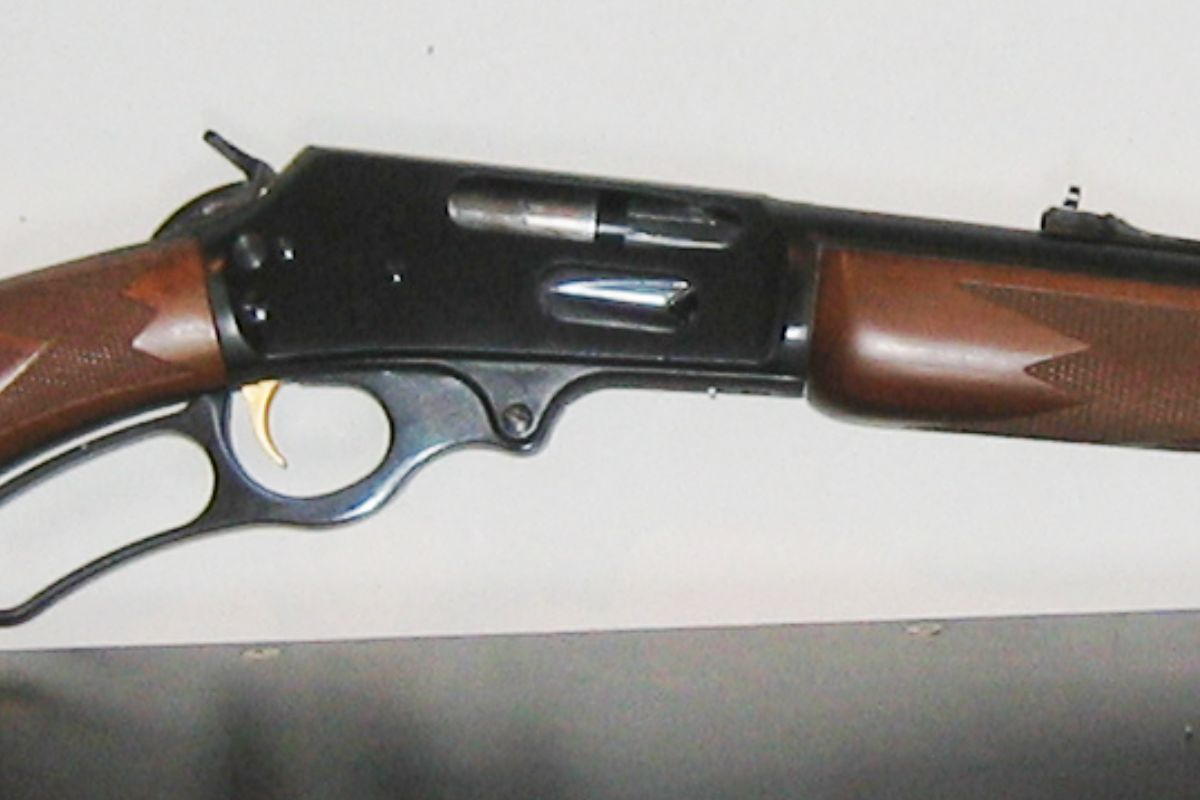
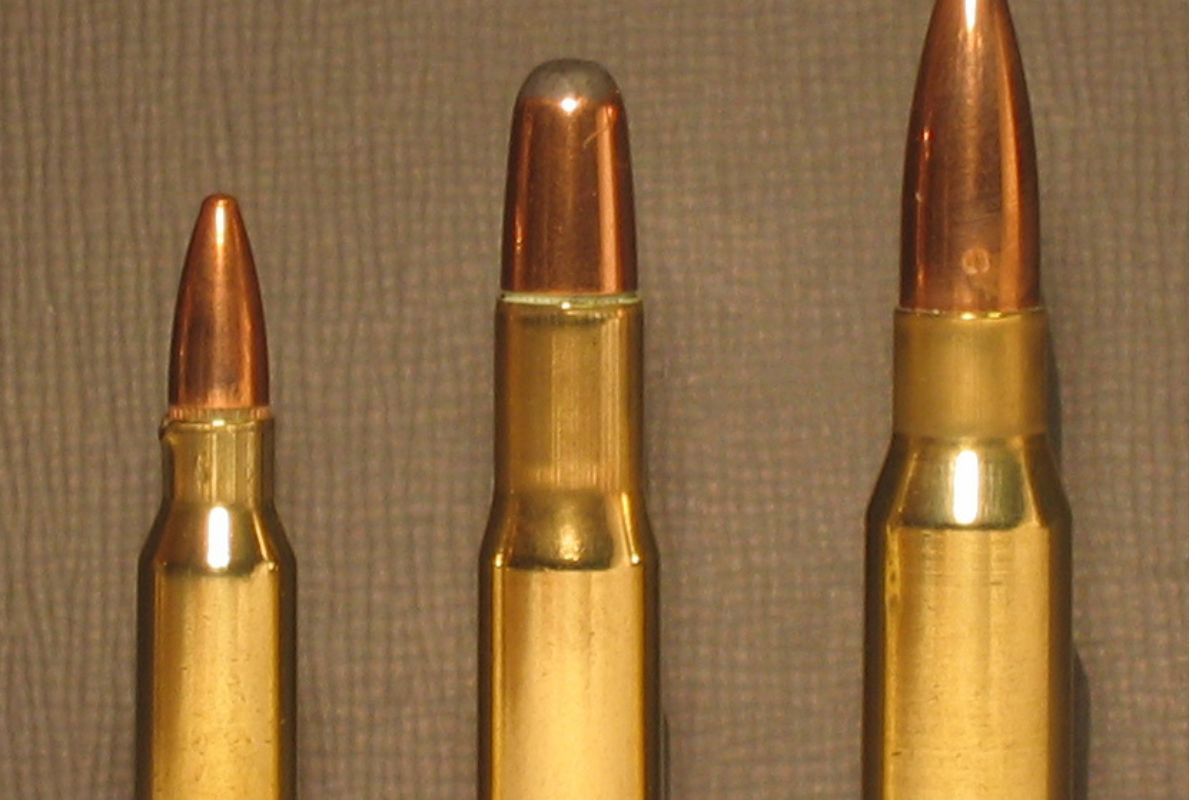
Some deer country consists of small fields, woodland edges and openings where shots are expected to remain relatively close. In that setting, the .30-30 Winchester’s traditional role becomes clear. Common factory loads use 150- or 170-grain bullets, with muzzle velocities varying by load and barrel length. Those figures do not make it a flat-shooting substitute for magnum cartridges, but they explain its continued place in deer camps. The Marlin 336 pairs the cartridge with a solid, side-ejecting receiver that accepts a suitable scope on many models. When distances are modest, extra reach may offer little practical benefit.
5. Choosing a Rifle With Manageable Recoil

A rifle that is comfortable to practise with is more useful than one whose specifications discourage regular range time. The .30-30 is generally regarded as a moderate-recoiling deer cartridge, particularly beside many magnum rounds. Actual recoil depends on rifle weight, ammunition, and stock fit, but a Marlin 336 commonly weighs about 7 pounds, which many adults find approachable. Modern lightweight rifles are convenient to carry, yet their reduced weight can increase felt recoil with more powerful cartridges. The 336’s appeal is its balance of practical deer performance and a shooting experience many hunters find manageable.
6. Hunting in Rainy, Muddy Woodland

Wet weather tests more than a rifle’s reputation. Mud, rain, and brush make sensible handling and regular maintenance important. The Marlin 336 has a straightforward lever-action layout, and generations of hunters have maintained it with ordinary firearm-care routines. Some versions feature blued steel and wood furniture, while weather-resistant variants have also existed; finishes differ, so no 336 is maintenance-free. A modern synthetic-stocked rifle may have an advantage in harsh conditions, but a well-cared-for 336 remains a dependable traditional choice. Check the bore, action, and exterior after every wet outing.
7. Hunting Where Familiarity Matters Most
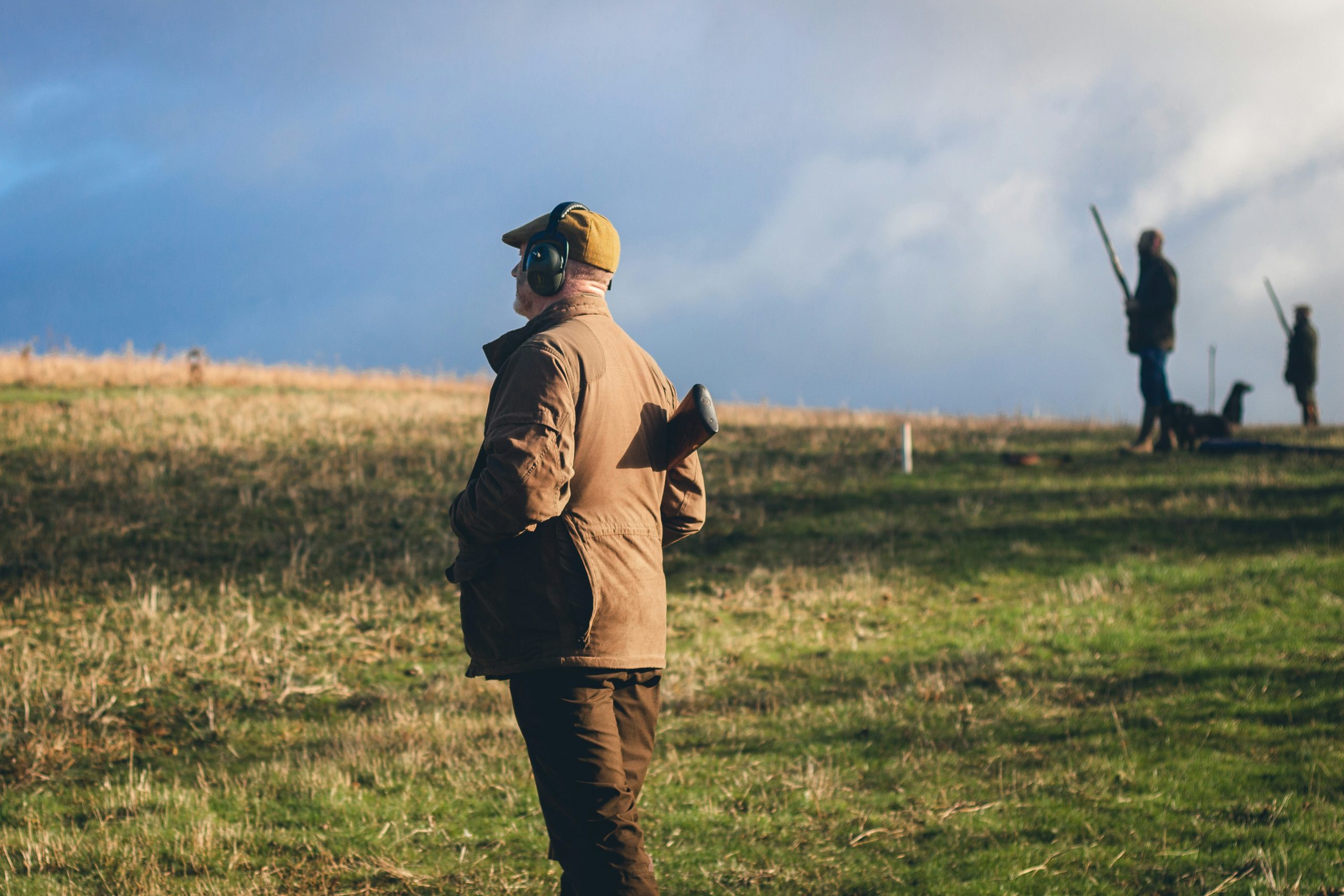
The strongest reason to choose a Marlin 336 may be familiarity. A hunter who has practised for years with the same rifle knows its fit, trigger feel, sights and limits better than those of an unfamiliar model. The 336 design dates to 1948, and its long history has made it a recognisable deer rifle across generations. Older and current versions differ, so owners should confirm the exact model, chambering, safety features, and condition before use. Newer rifles may offer different stocks or broader cartridge choices, but confidence built through safe practice can matter more than novelty. Choose a rifle you understand fully.