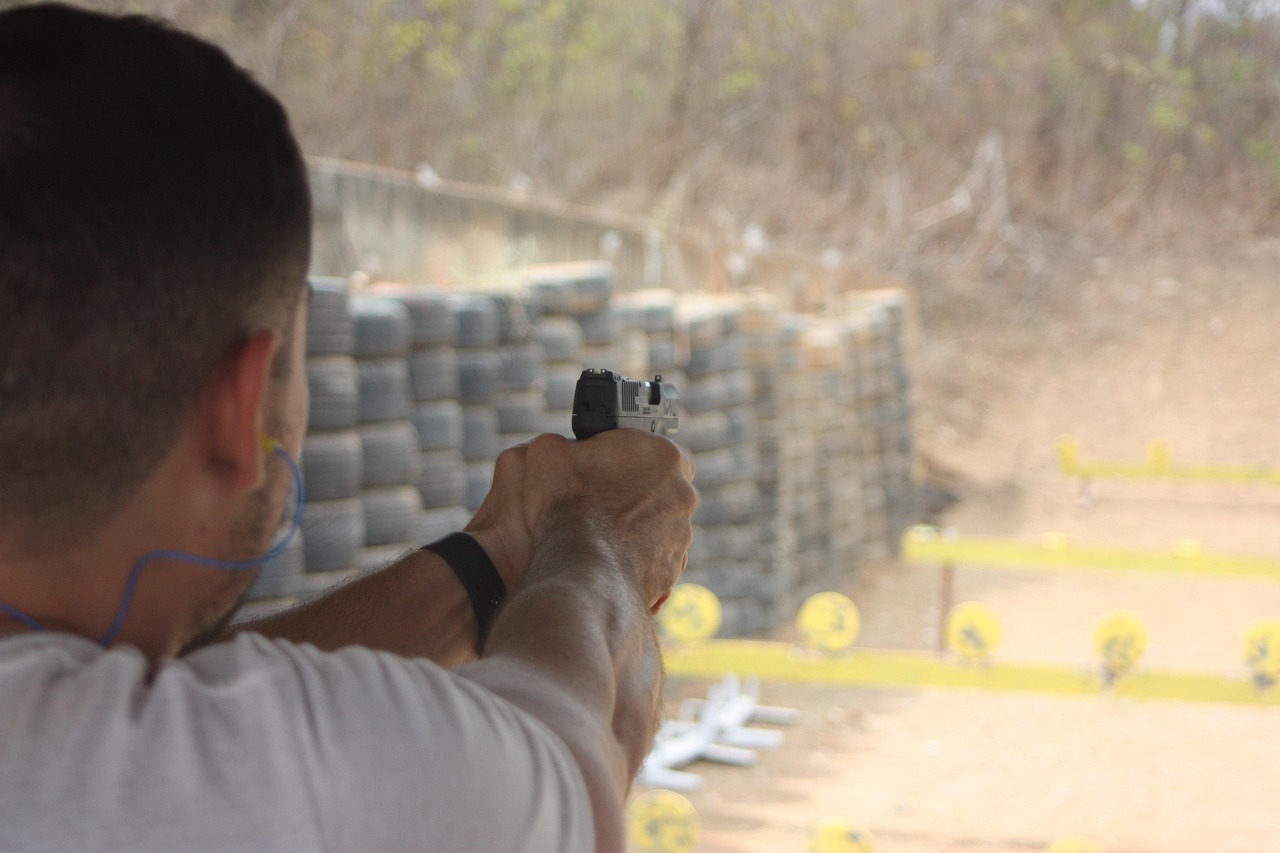
Not every handgun is built for the same job, and experienced shooters tend to notice the difference fast. While the M&P Shield has earned a loyal following as a slim everyday carry option, the Walther PDP often stands out when performance, comfort, and shootability take center stage. This gallery breaks down eight big reasons serious shooters keep gravitating toward the PDP.
The PDP Feels Built for Better Control

One of the first things serious shooters notice is how planted the Walther PDP feels in the hand. Its fuller frame and more substantial grip give it a steadier, more confidence-inspiring presence than the slimmer M&P Shield, which is designed primarily for concealment.
That extra real estate matters once the shooting starts. A larger grip usually means better leverage, less hand fatigue, and a more repeatable hold from string to string.
For shooters who spend real time on the range, control is not a luxury. It is the foundation for speed, consistency, and cleaner results under pressure.
The Trigger Wins People Over Quickly

Walther has built a strong reputation around trigger feel, and the PDP keeps that tradition front and center. Many shooters describe it as crisper, cleaner, and easier to run well than the trigger found on many concealed-carry-oriented pistols, including the Shield.
That difference shows up in practical shooting, not just in dry-fire impressions. A more refined break and reset can help shooters press faster without disturbing the sights.
For experienced users, the trigger is not just a comfort feature. It is a performance feature, and the PDP often makes a stronger first impression in that department.
Recoil Is Easier to Manage

The M&P Shield is slim, compact, and easy to carry, but those same traits can make it snappier in the hand. The Walther PDP, with its larger frame and range-friendly proportions, tends to soak up recoil in a way many shooters find more forgiving.
That softer, flatter shooting feel matters during longer sessions. It helps shooters recover faster between shots and stay more comfortable through drills that would feel sharper with a smaller pistol.
Serious shooters often favor guns that encourage more practice, not less. In that sense, the PDP can feel less like a compromise and more like a tool built to be run hard.
The Sight Picture Is More Generous

A larger pistol often brings a longer sight radius, and that can make a meaningful difference when precision matters. Compared with the Shield, the Walther PDP gives many shooters a sight picture that feels more open, more forgiving, and easier to track shot after shot.
That does not magically make anyone a better marksman, but it can make the process smoother. Small aiming errors tend to feel easier to diagnose when the visual presentation is less cramped.
For range work, target transitions, and deliberate accuracy drills, serious shooters often appreciate every little advantage. The PDP stacks a few of those in a very noticeable way.
Optics Readiness Gives It an Edge

The modern handgun world has moved quickly toward slide-mounted optics, and the Walther PDP arrived ready for that reality. Its optics-focused design appeals to shooters who want a pistol built with red-dot use in mind rather than one that feels like it was adapted later.
That matters because mounting, sight height, and overall usability can shape the whole experience. A pistol that welcomes optics from the start often feels more current and more flexible for changing preferences.
For serious shooters investing in training and setup, future-proofing counts. The PDP speaks directly to that buyer in a way the older Shield concept does not always match.
Ergonomics Make Long Sessions More Comfortable

The Walther PDP tends to earn praise for ergonomics that feel thoughtfully shaped rather than merely functional. Its grip contour, texture, and overall hand fit often leave a stronger impression on shooters who spend more than a few magazines at the range.
The Shield, by comparison, is built around being slim and easy to hide. That mission is valid, but it can mean less comfort during extended practice, especially for shooters with larger hands.
Comfort may sound secondary until the round count climbs. Then it becomes clear that a pistol that fits well can help shooters stay focused on performance instead of constantly readjusting their grip.
Capacity and Size Favor Serious Range Use

The M&P Shield shines when minimal footprint is the priority, but serious shooters often want more gun to work with. The Walther PDP typically offers greater capacity and a more substantial platform, both of which suit classes, drills, and extended range days.
More capacity means fewer interruptions and a smoother rhythm during training. A larger frame also tends to support better control when speed increases and targets get more demanding.
That does not make the Shield a bad pistol. It simply highlights a difference in purpose, and the PDP’s purpose lines up more naturally with shooters focused on performance over concealment.
The PDP Feels More Like a Duty-Style Tool

There is a reason many serious shooters gravitate toward pistols that resemble duty or service handguns. They tend to be easier to manipulate, easier to shoot fast, and more confidence-inspiring when conditions are less than ideal, and the Walther PDP leans firmly into that category.
The Shield, by design, is a carry-first pistol. It gives up some of that full-featured, duty-style feel in exchange for slimness and convenience.
For shooters who value a gun that feels ready for classes, competition-style drills, or high-volume practice, the PDP often lands as the more serious piece of equipment. It feels less like a backup plan and more like the main event.