Long before GPS devices, synthetic clothing, and modern hunting equipment became common, hunters relied on simple tools that served several purposes at once. A sharp blade could prepare an animal and cut materials, while a compass helped travelers navigate unfamiliar country. These tools were shaped by local environments, available materials, and generations of practical experience. Their importance came not from advanced technology but from reliability, portability, and the ability to solve everyday problems far from home.
1. Flint and Steel Fire-Starting Kits
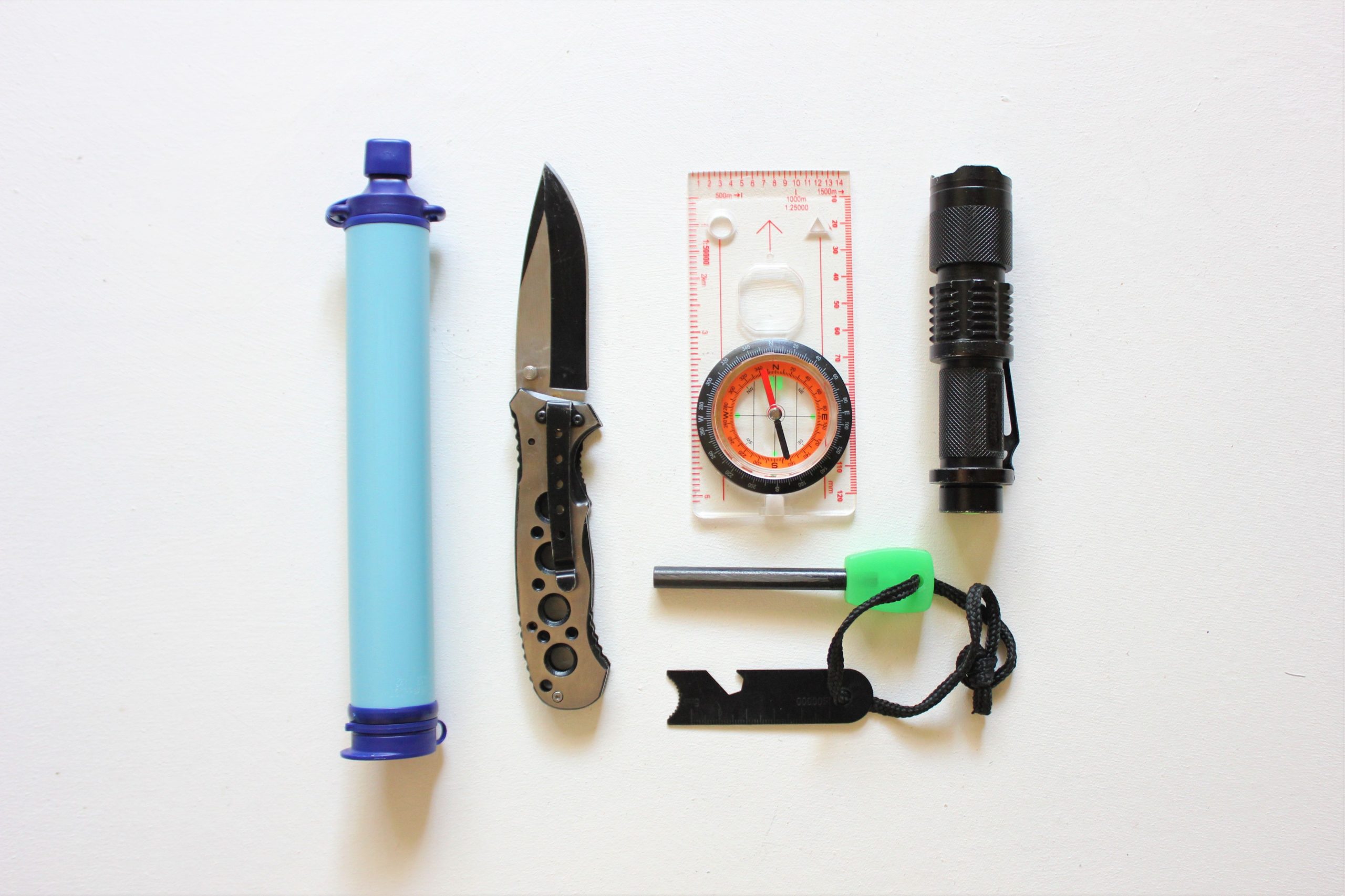
Before disposable lighters and waterproof matches, hunters needed dependable ways to produce fire for warmth, cooking, and drying wet clothing. Flint and steel kits used a hard stone to strike tiny particles from steel, creating sparks that could ignite char cloth or other prepared tinder. With dry tinder and practice, a hunter could start a fire without carrying bulky equipment. Fire also provided light during long evenings and helped warm chilled hands. Even a compact kit required careful protection from moisture, making preparation as important as the striking technique itself.
2. Hunting Knives and Fixed-Blade Tools
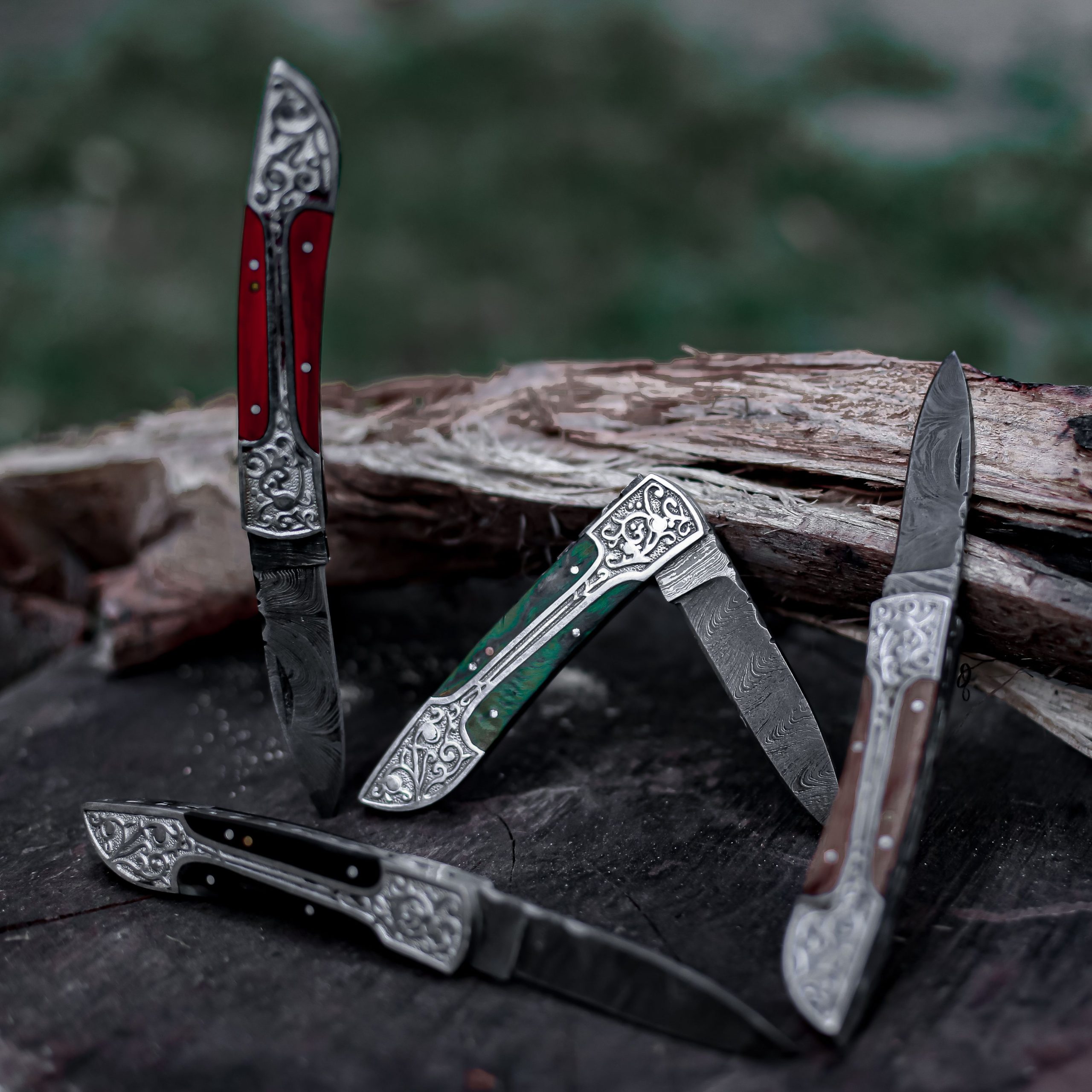
A sturdy hunting knife was among the most versatile tools available to hunters traveling through remote country. Depending on its shape and construction, one blade could cut cordage, prepare food, process an animal, and handle small camp chores. Many traditional knives used steel blades with wooden, bone, or horn handles, although designs varied considerably by region. A blade around 4 to 6 inches long offered a useful balance between portability and general utility. Regular cleaning, careful storage, and sharpening helped maintain its usefulness when replacement equipment was difficult to obtain.
3. Handheld Compasses

Before satellite navigation, hunters often depended on a magnetic compass to maintain direction across forests, mountains, and open country. A compass uses a magnetized needle that aligns with Earth’s magnetic field, allowing travelers to identify magnetic north. Combined with a paper map, it helped hunters estimate their position, follow a planned route, and avoid wandering in circles when landmarks looked unfamiliar. Traditional liquid-filled compasses also helped stabilize the needle during movement. Because magnetic declination varies by location, accurate navigation required more than simply pointing the needle north and walking.
4. Paper Maps and Field Sketches
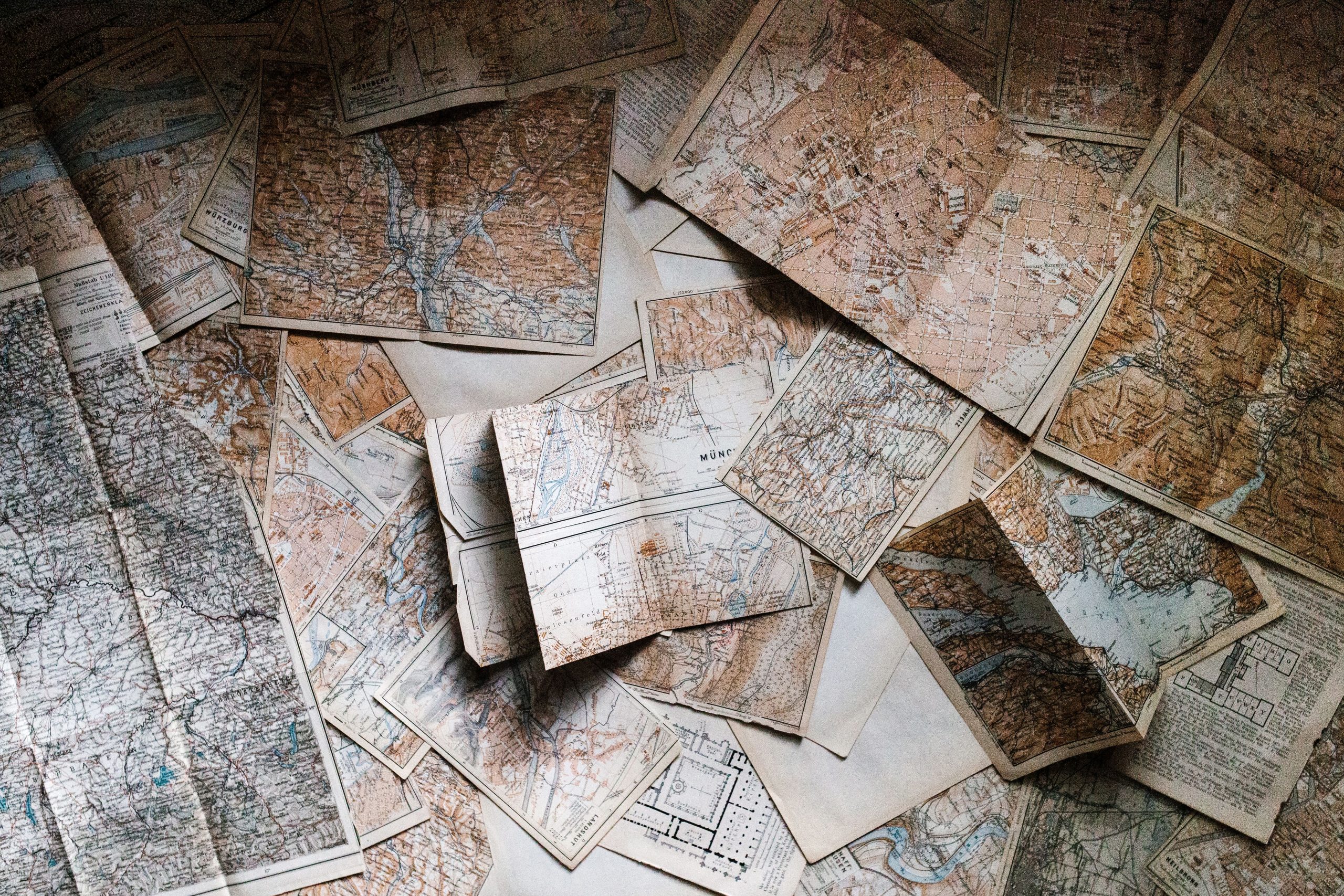
Printed topographic maps gave hunters a practical picture of terrain long before digital mapping became widely available. Contour lines revealed changes in elevation, while rivers, ridges, trails, and wooded areas helped travelers plan routes and recognize landmarks. A map printed at a scale of 1:50,000 represents 1 kilometer of ground with 2 centimeters on paper, making distance estimates easier when measured carefully. Hunters also created field sketches to record useful observations that official maps might not show. Kept dry and folded for quick reference, these paper records remained useful even when batteries, signals, and electronic devices were unavailable.
5. Rope and Natural Cordage
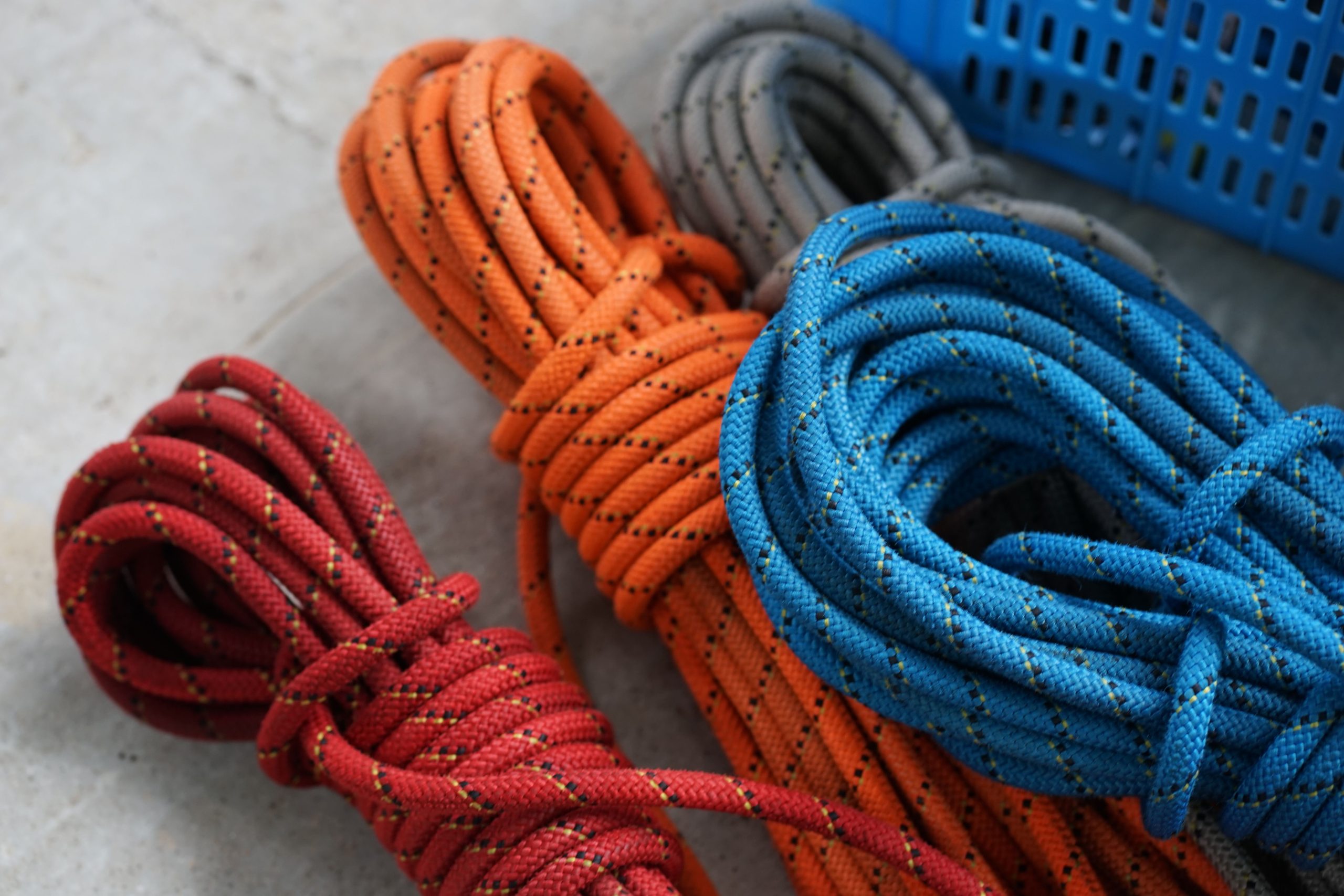
Rope and cordage helped hunters secure loads, repair equipment, bundle supplies, and establish temporary camps. Before modern synthetic fibers became widespread, people made cordage from plant fibers, animal sinew, leather strips, and other locally available materials. Strength depended on the material, thickness, construction, and condition of the finished cord. A length of several meters could serve multiple camp tasks without adding much weight to a pack. Hunters still needed to inspect natural fibers for moisture damage and fraying, since weakened cordage could fail unexpectedly. Its value came from versatility rather than any single specialized function.
6. Leather Packs and Carrying Bags

Before lightweight technical backpacks, hunters carried equipment in leather pouches, woven baskets, cloth sacks, and framed packs made from locally available materials. These containers kept food, tools, clothing, and other necessities together while leaving the hands free for walking. Some traditional framed designs transferred part of the load toward the hips or shoulders, although comfort varied with construction and fit. A pack holding 10 to 20 liters could accommodate basic day-trip supplies, depending on the season and journey. Hunters also had to consider weather protection, weight distribution, and the possibility of straps rubbing during long hours on uneven ground.
7. Field Dressing Saws and Bone-Working Tools

Specialized cutting tools helped hunters process large game after a successful hunt, particularly when joints or thick bone required more than an ordinary knife could manage. Small hand saws, bone-handling implements, and sturdy cutting tools varied across periods and cultures, reflecting the animals hunted and local traditions. A compact saw with a blade around 6 to 8 inches long could be easier to carry than a larger workshop tool, although historical designs differed widely. Careful cleaning and drying helped prevent corrosion and contamination. These tools also supported practical meat preparation, reducing waste and making the animal easier to transport and preserve.