Some rifles earn a reputation at the bench. Others earn it the hard way.
The Rifle Behind The Legend
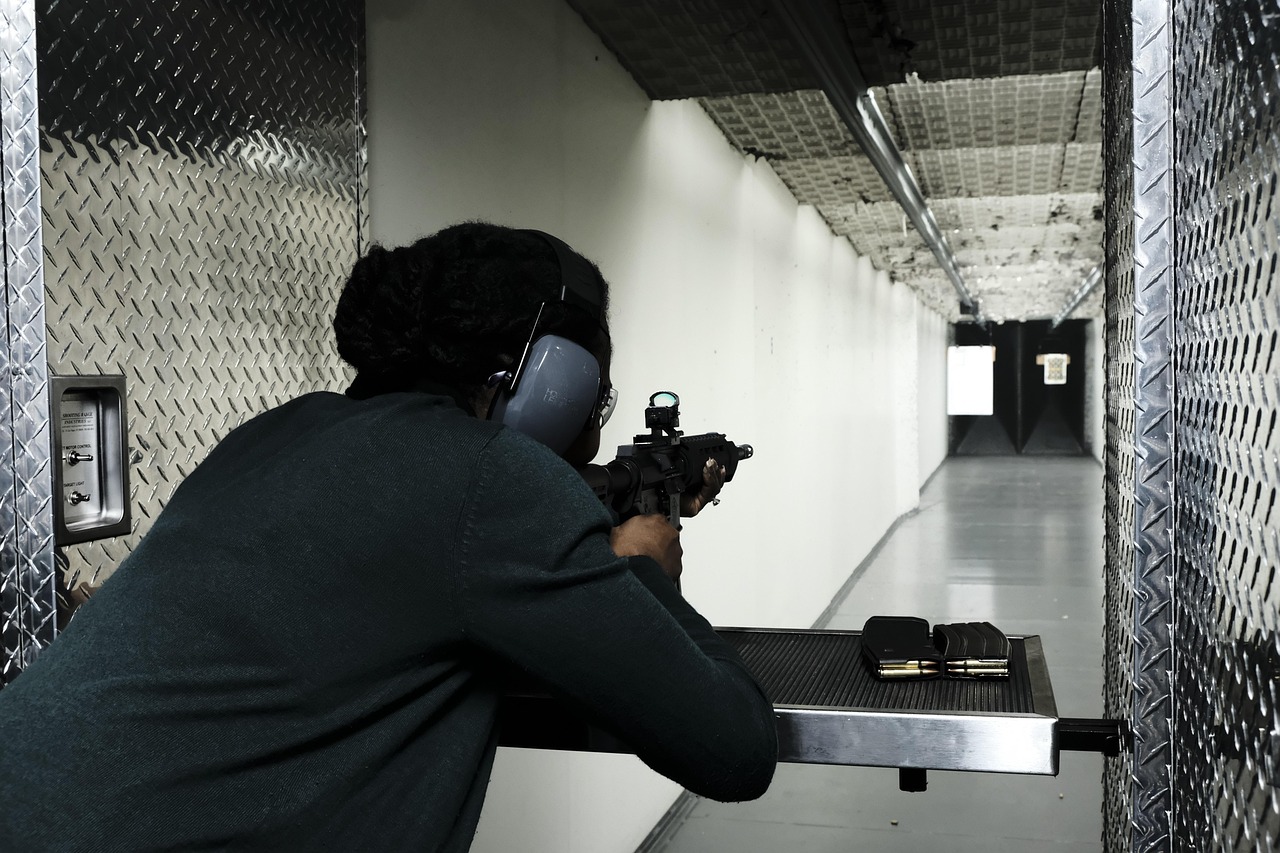
The rifle most closely tied to this story is known as “Filthy 14,” a Bravo Company Manufacturing carbine made famous through Pat Rogers of E.A.G. Tactical. It was not a pampered safe queen or a hand-picked lab specimen. It was a working training rifle that lived on firing lines, in classes, and under the kind of use that exposes weak parts fast.
According to Rogers’ account published through S.W.A.T. Magazine and later reposted by Slip 2000, the upper used a BCM 16.1-inch, 1:7 twist barrel. The gun was run hard over many classes, not in a single theatrical stunt. That matters, because sustained training use tells you far more about a rifle than a one-day torture test.
The headline-grabbing claim was simple: the gun ran beyond 15,000 rounds without cleaning and without malfunctions, provided it stayed properly lubricated. That detail often gets lost when people retell the story. This was never “ignore the rifle completely.” It was a demonstration that dirt alone is not always the enemy people think it is.
What The Test Actually Proved
The biggest lesson was not that cleaning is useless. It was that quality, lubrication, and sensible maintenance matter more than obsessive scrubbing. Rogers wrote that multiple AR-pattern rifles had gone past 15,000 rounds without cleaning or stoppages as long as they were kept wet with lubricant, and Filthy 14 became the best-known example of that idea.
That finding pushed back against an old culture of over-cleaning. For years, many shooters treated carbon as if it were a mechanical death sentence. In reality, modern service-grade rifles often tolerate fouling surprisingly well, especially when the chamber, bolt carrier group, and gas system are built correctly.
The test also highlighted an uncomfortable truth for bargain-rifle fans: not all ARs are created equal. Rogers specifically credited the rifle’s performance to the Stoner design, BCM’s build quality, and Slip 2000 EWL. In other words, endurance like this is usually the result of good engineering and good parts, not magic.
Where The Rifle Finally Showed Wear
Even legends wear out. In the Filthy 14 story, two bolt lugs reportedly broke at 16,400 rounds during a class in Wamego, Kansas. That is a major detail because it shows the rifle did not defy physics. It simply lasted an impressively long time before a real part failure emerged.
Later, at roughly 30,000 rounds, the gun began experiencing failures to extract. The fix was not dramatic. Rogers reported replacing the extractor spring and wiping down the bolt carrier group, which says a lot about how manageable the issues were relative to the round count.
There was also an accuracy note that deserves attention. Rogers said a patch had been run down the barrel twice and that the rifle still held about two-inch groups at 50 yards. For a heavily used training carbine with that much fouling and wear, that is a strong reminder that practical accuracy can outlast cosmetic cleanliness.
Why This Matters To Ordinary Shooters
For the average rifle owner, the takeaway is not “never clean your gun again.” The real message is that reliability comes from priorities. Buy a well-built rifle, feed it decent ammunition, lubricate it correctly, inspect wear parts, and do not confuse appearance with function.
Plenty of modern endurance anecdotes point in the same direction. Ballistic Radio’s Knight’s Armament round-count test, later noted by The Firearm Blog, reported 9,500 rounds without cleaning or weapon-induced malfunctions during its run. Different rifle, different conditions, same broad lesson: a quality gun can keep working while dirty.
That does not erase common sense. A carry rifle, duty carbine, or hunting gun should still be inspected routinely. Springs fatigue, bolts crack, extractors wear, and magazines fail. Filthy 14 did not prove maintenance is optional. It proved that maintenance is broader and smarter than simply chasing every speck of carbon.
The Myth Of Spotless Reliability

Gun culture has always had a streak of ritual in it, and cleaning is part of that ritual. Many shooters were taught that an AR-15 must be nearly white-glove clean to function correctly. Filthy 14 helped expose that as more myth than mechanical law.
Carbon buildup can absolutely contribute to issues over time, but dry guns and bad parts often cause trouble sooner. That is why experienced instructors tend to talk about lubrication and inspection before they talk about polishing internals to perfection. A dirty rifle with oil may outlast a clean rifle that is under-lubed and built from questionable components.
This is especially important for newer owners who may panic after a long range day. The rifle does not need to look brand new after every session. It needs to be safe, lubricated, and checked intelligently. That is a much more useful standard than cosmetic cleanliness.
The Real Legacy Of Filthy 14
What made Filthy 14 memorable was not just the round count. It was the way the rifle forced shooters to rethink durability, maintenance, and the difference between lore and evidence. A hard-used BCM carbine survived a workload that would expose weakness in materials, assembly, or upkeep long before 15,000 rounds.
The broader legacy is a more mature view of rifle care. Clean when appropriate, lubricate generously, replace consumable parts on schedule, and pay attention to function instead of superstition. That approach is less romantic than old-school cleaning dogma, but it is far closer to how serious rifles actually live.
In the end, the rifle survived because it was a good rifle used by people who understood what mattered. Not perfection. Not spotless internals. Just quality parts, enough oil, and a realistic understanding of how guns really run.