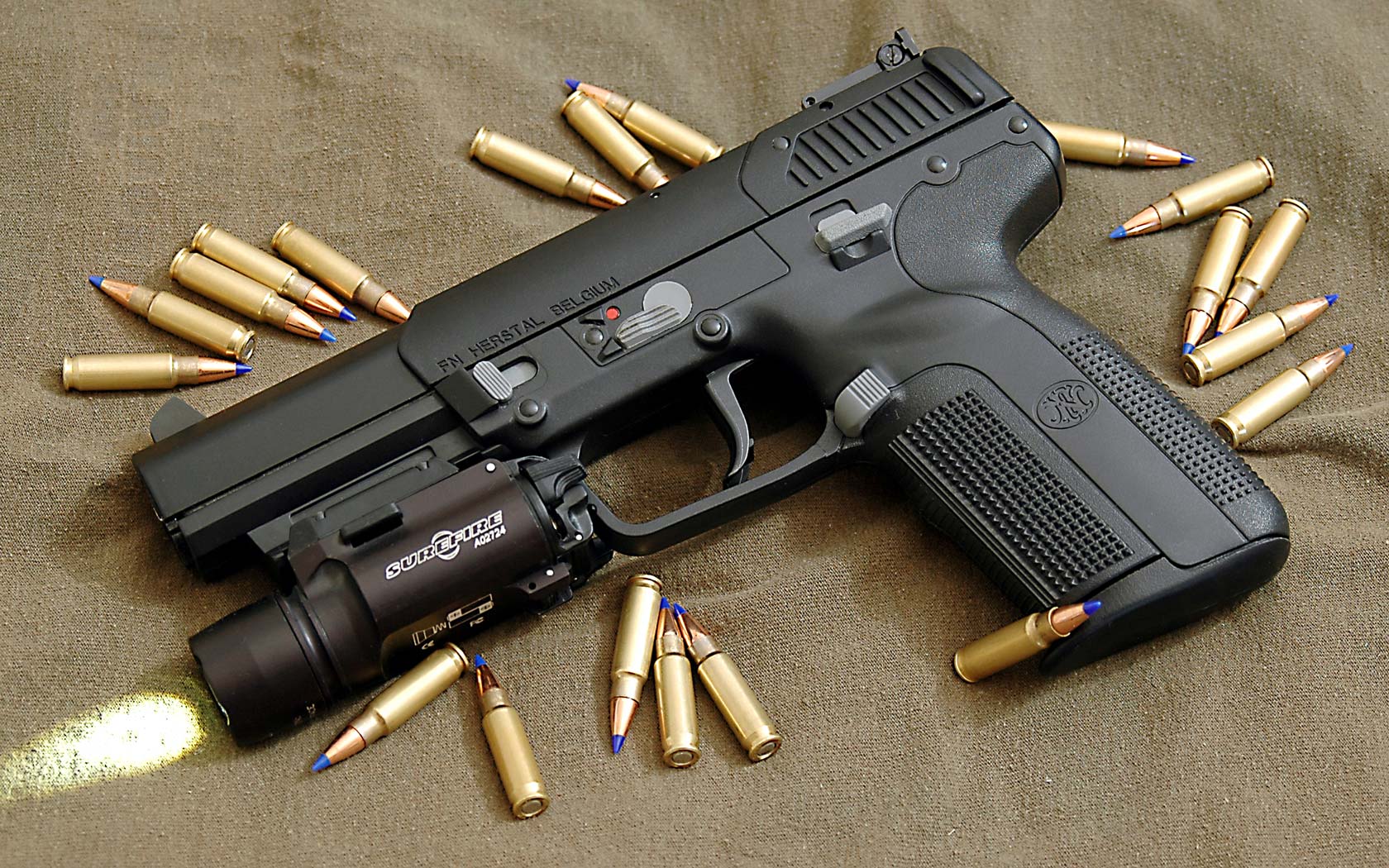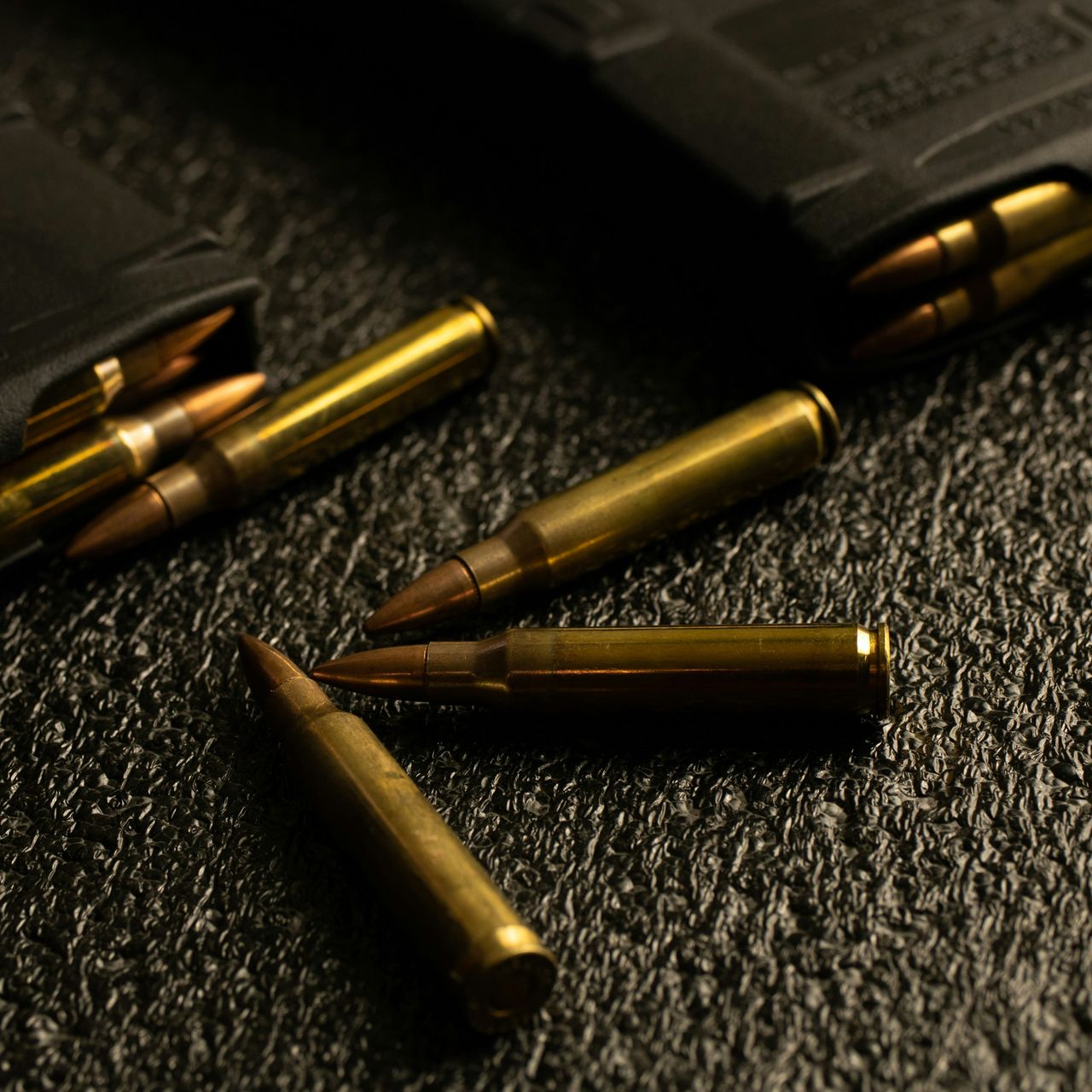
300 Blackout has a reputation that makes it sound like the do-everything answer for modern rifle shooters. Then you buy one and discover the fine print: ammo choices, range limitations, magazine quirks, and a lot of opinions. This gallery breaks down the realities people usually learn only after the rifle is already in the safe.
The ammo is usually more expensive than you expected

Many first-time buyers focus on the rifle price, then get a surprise at the ammo counter. 300 Blackout often costs noticeably more than common 5.56, especially if you want quality defensive or hunting loads instead of basic range ammunition.
That changes how often people actually shoot. A rifle that seemed perfect on paper can turn into something you ration at the range because every magazine feels a little too expensive. For casual owners, the cost difference becomes one of the biggest hidden parts of ownership.
It also means stocking up takes planning. If you wait until the week before a range trip, your choices may be limited and your bill may sting more than expected.
Not all 300 Blackout ammo behaves anything like the rest
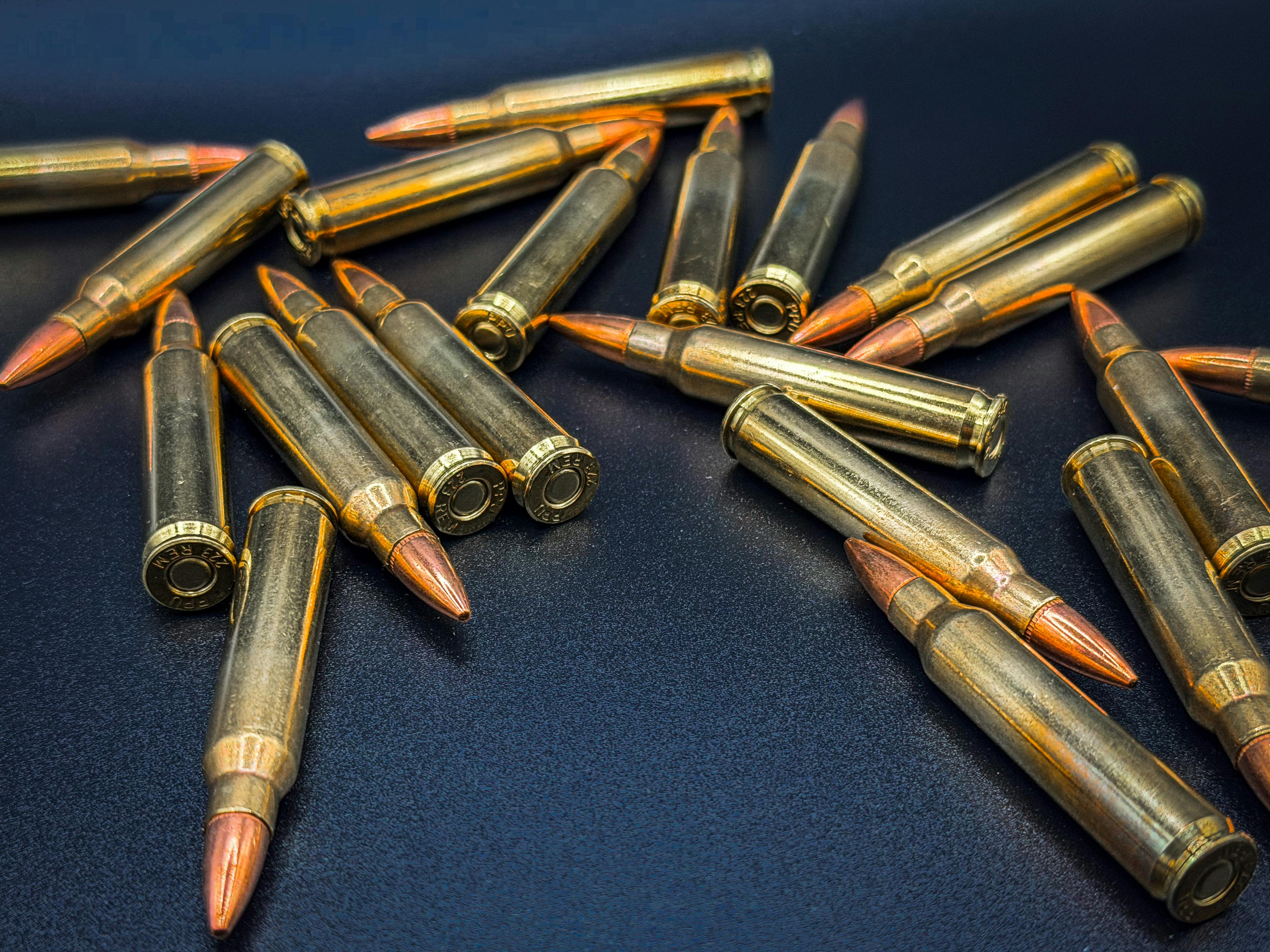
This cartridge has a split personality, and that catches many new owners off guard. Supersonic loads and subsonic loads can feel like they belong to two different rifles, with very different recoil, impact points, and intended uses.
A new shooter may zero with one load, switch to another, and suddenly wonder what went wrong. Nothing did. The cartridge was designed to do more than one job, but that flexibility demands attention every time you change ammunition.
In practice, that means labeling magazines, confirming zeroes, and resisting the temptation to assume every box on the shelf will print the same. With 300 Blackout, load selection is part of the shooting experience, not a small detail.
Your zero matters more than people make it sound

Because 300 Blackout can be used with dramatically different bullet weights and velocities, your chosen zero becomes a bigger deal than many buyers expect. What feels dead-on at one distance with one load may be far less forgiving once you stretch the range or switch ammunition.
That is where enthusiasm turns into homework. You need to know your holdovers, your realistic engagement distances, and how your preferred load performs from your actual barrel length. Internet advice only gets you so far.
For many owners, the wake-up call comes on steel or paper when shots start landing higher or lower than expected. The rifle is not broken. The trajectory just demands more respect than the marketing gloss suggests.
It is not a magic long-range cartridge

300 Blackout does some things very well, but long-range performance is not the reason people fall in love with it. Compared with flatter-shooting options, it sheds velocity faster and requires more thoughtful holds as distance increases.
That does not make it ineffective within its intended envelope. It just means expectations need to match reality. If someone buys into the hype thinking it will handle every role equally well, the first extended-range session can be humbling.
A lot of owners eventually settle into a healthier view of the cartridge. It shines in specific contexts, especially at moderate distances, but it does not replace every other rifle setup simply because the internet says it is versatile.
Short barrels are part of the appeal, but they change the experience
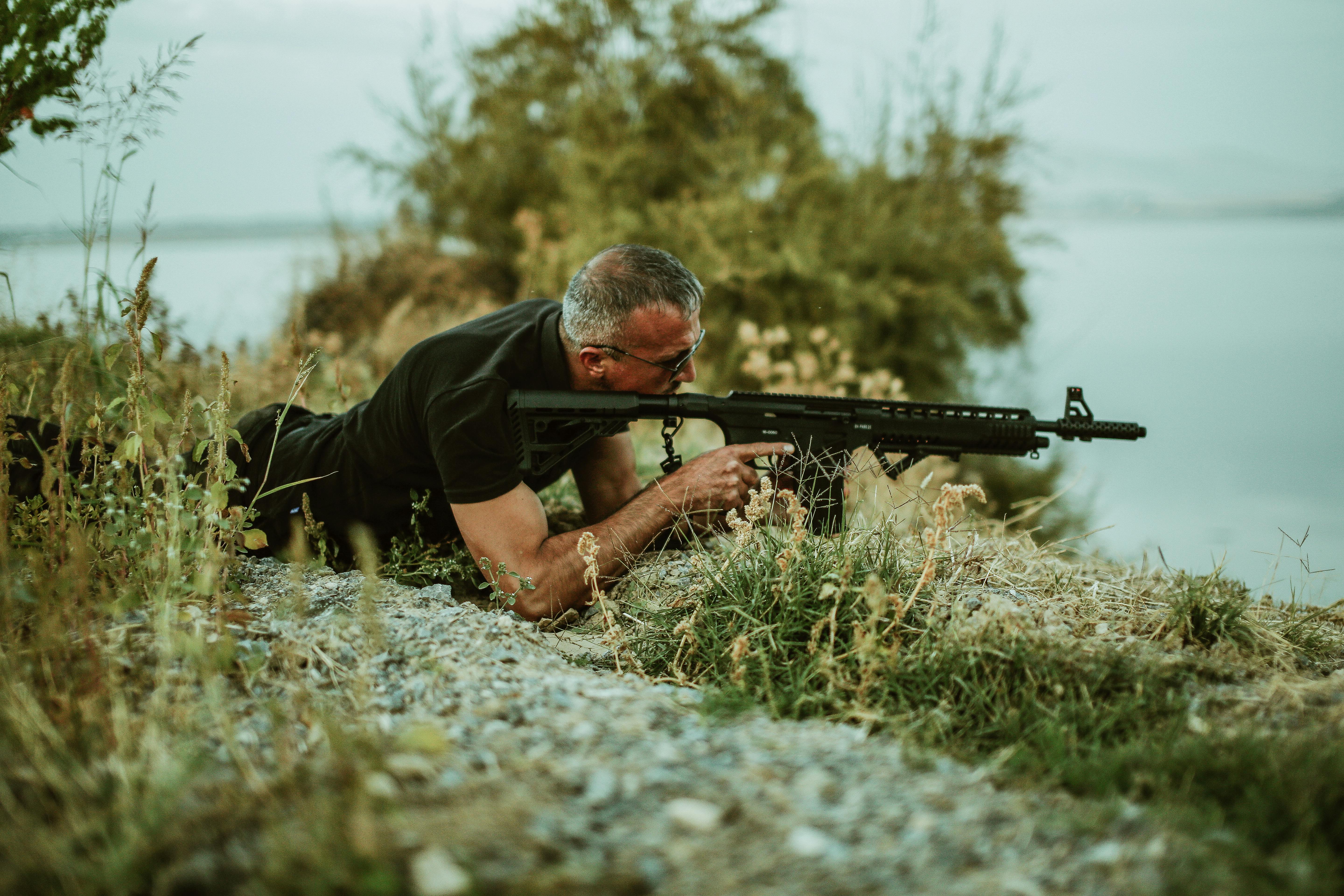
One of 300 Blackout’s biggest selling points is that it performs well from shorter barrels than many rifle cartridges. That makes compact builds attractive, especially for maneuverability, storage, and general handling.
But shorter rifles come with their own realities. Blast, flash, balance, and sighting setup all affect how the gun feels in use, and those details become obvious only after time on the range. A compact package is convenient, yet it can also be less forgiving for new shooters.
Many buyers imagine a neat, easy little rifle and then learn that compact does not always mean calm. The cartridge supports short builds nicely, but the overall shooting experience still depends on barrel length, muzzle device, and load choice.
Suppressed shooting is a huge draw, but it is not automatically movie quiet
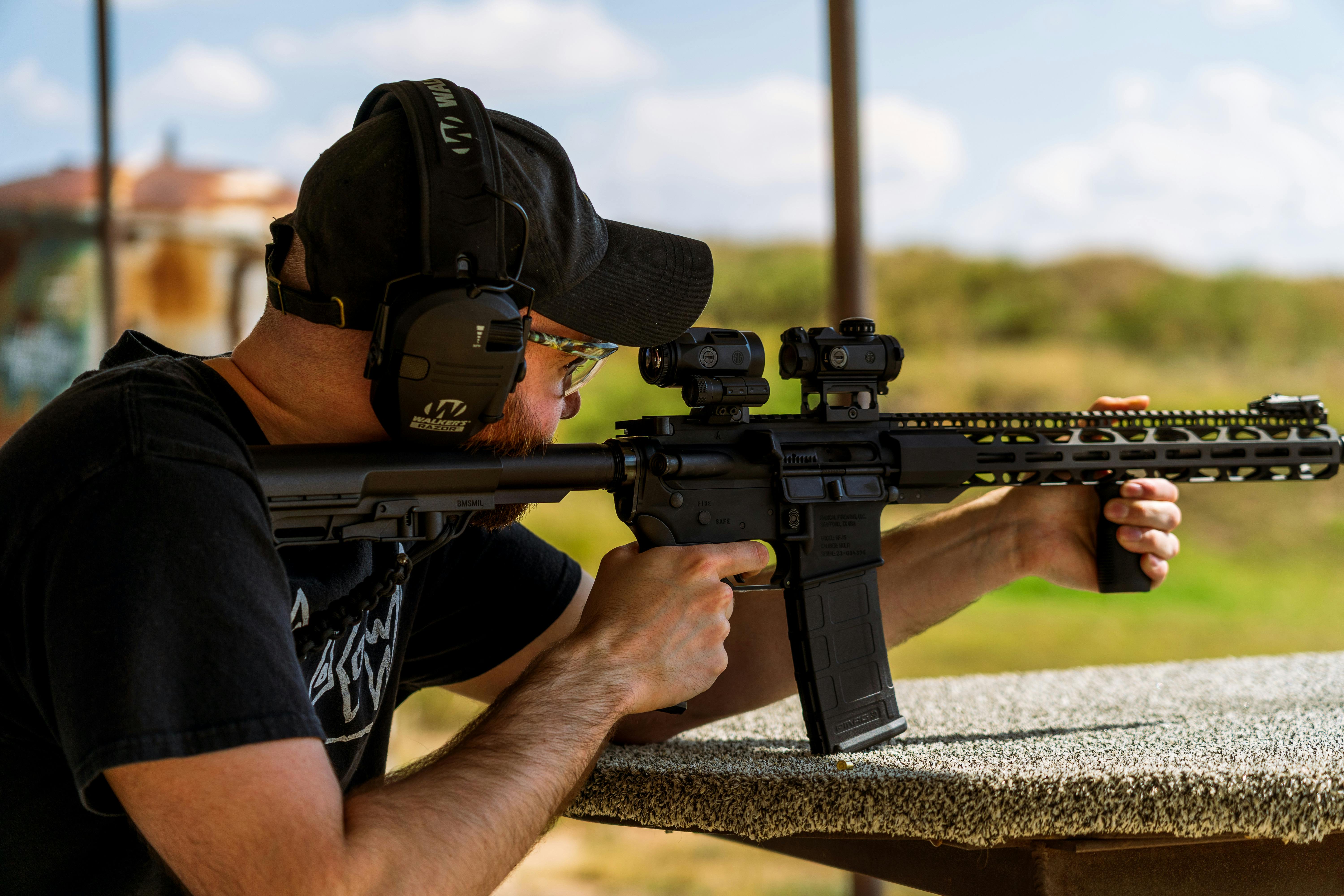
A lot of the mystique around 300 Blackout comes from suppressed use, especially with subsonic ammunition. New owners often picture an ultra-quiet setup that changes the whole feel of shooting, and in the right configuration it can be impressively mild.
Still, suppressed does not mean silent. Action noise, bullet impact, environmental echoes, and ammunition choice all shape what you actually hear. If you use supersonic loads, you still get the crack that many first-time owners underestimate.
The result is often a reset in expectations. A suppressor can make the rifle far more pleasant, but the real-world experience is more nuanced than pop culture suggests and usually more dependent on the total system than the cartridge alone.
Feeding reliability can depend on the bullet shape you choose
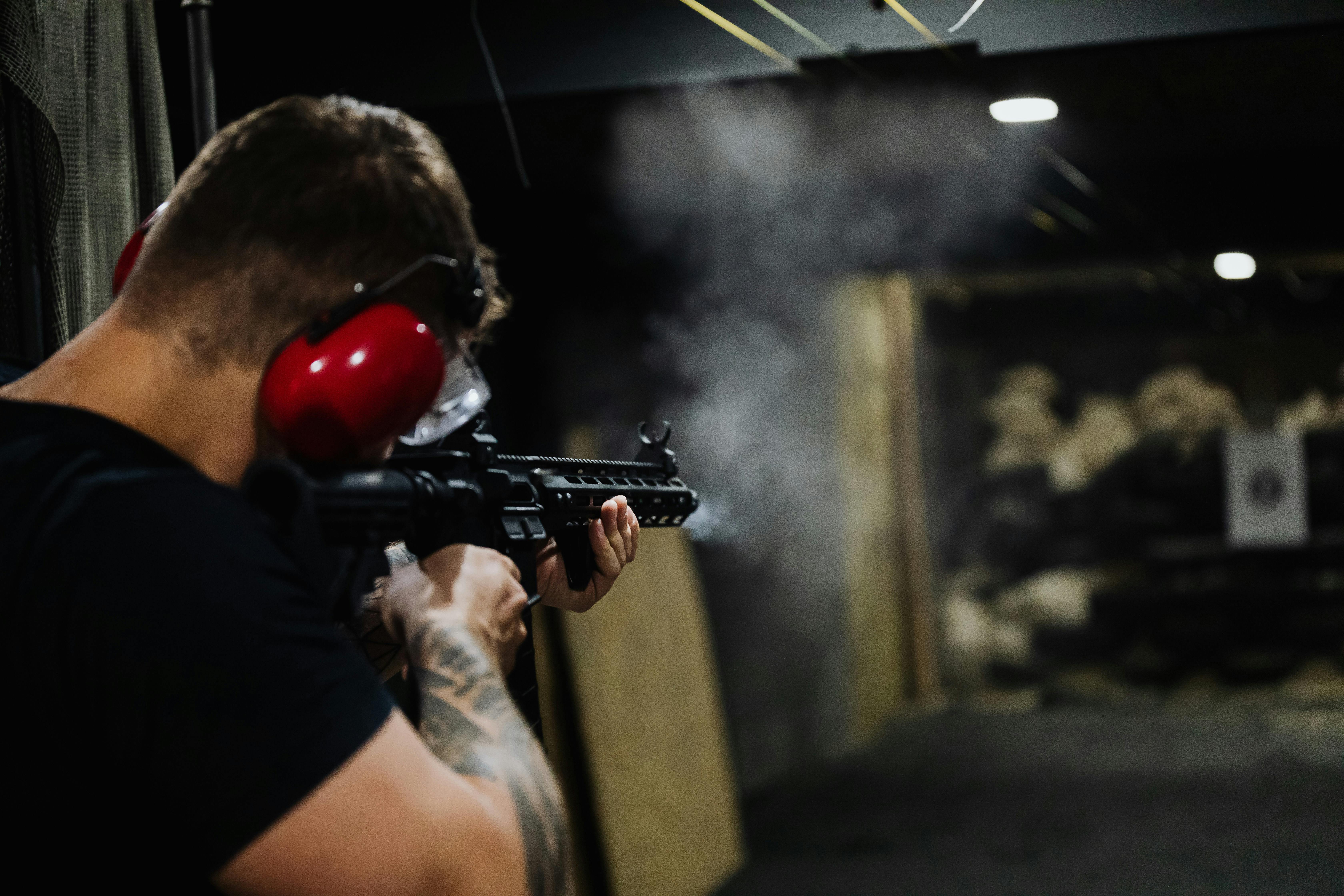
One of the less glamorous lessons of 300 Blackout ownership is that some rifles can be picky about certain loads. Bullet profile, magazine choice, overall cartridge length, and even your specific feeding setup can influence reliability more than some buyers expect.
This is especially noticeable when people start experimenting with heavier bullets or specialized hunting and subsonic ammunition. What runs flawlessly in one rifle may feel less smooth in another, even when both appear nearly identical on paper.
That does not mean the platform is unreliable. It means testing matters. A few calm range sessions with your chosen ammo can reveal a lot, and those lessons are far better learned on paper targets than during a hunt or a defensive role.
Magazine and ammo mix-ups are a bigger issue than most people realize
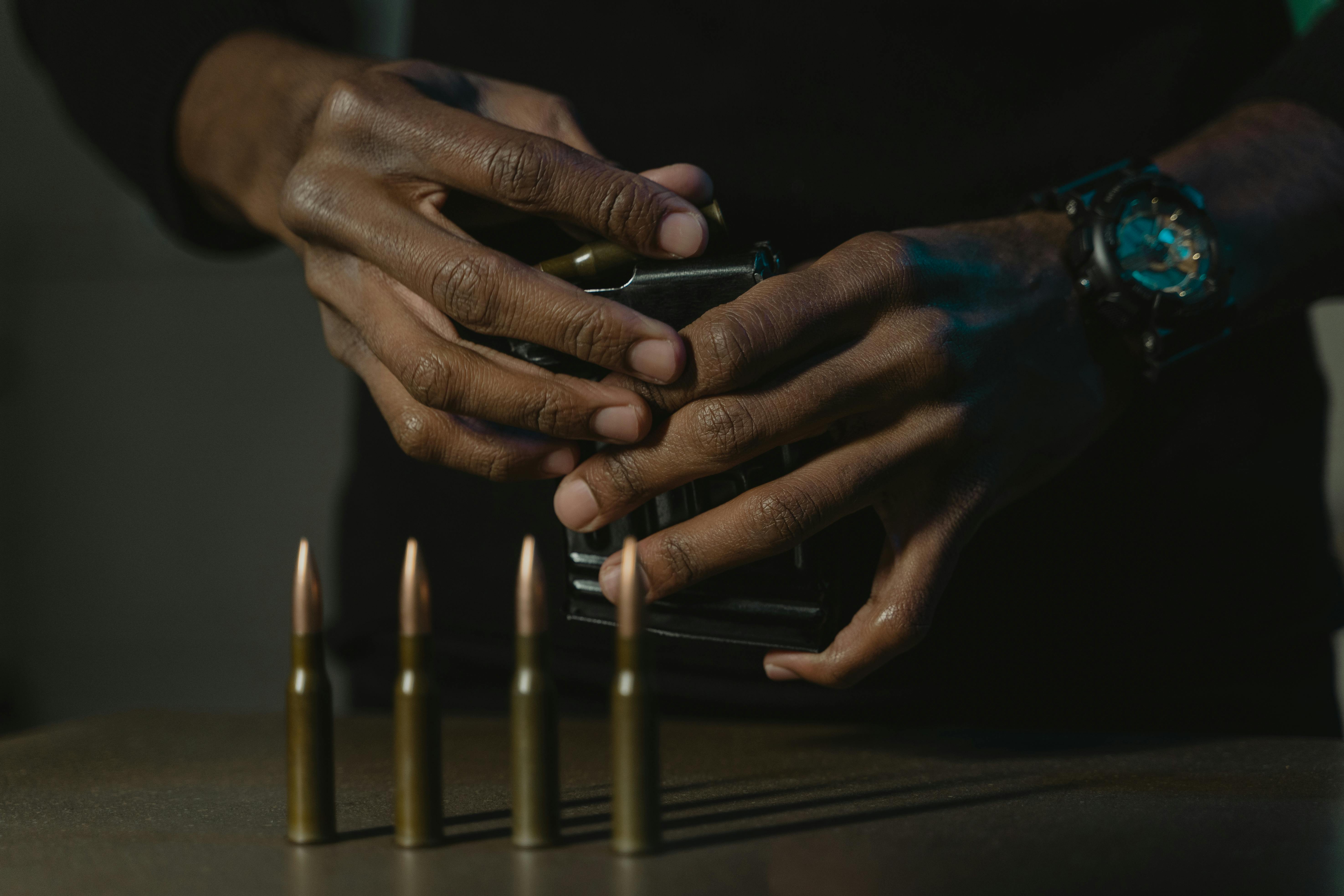
Because 300 Blackout is commonly used in rifles that also accept 5.56 magazines and share a familiar AR format, the potential for confusion is real. For owners with both calibers in the safe, sloppy organization can become a serious safety concern.
At a glance, magazines may look identical, and a rushed range bag can hide bad habits. Experienced shooters often develop strict routines for labeling, storing, and separating gear because the overlap in hardware makes complacency easy.
This is one of those things almost everyone mentions after the fact. The convenience of shared components is great, but it also places more responsibility on the shooter to keep ammunition and magazines sorted every single time.
The best use case may be narrower than the marketing suggests

Before buying, many people hear that 300 Blackout can do nearly everything. After owning one, they usually develop a more specific answer about why it earns a place in the collection, whether that is suppressed shooting, hunting at moderate ranges, or compact-rifle performance.
That clarity is not disappointment so much as refinement. The cartridge often works best when paired with a defined mission instead of a vague idea that it will replace every other upper, caliber, or rifle in the safe.
In other words, satisfaction tends to rise when expectations get tighter. Once owners stop asking it to be perfect at everything, they usually start appreciating the things it genuinely does better than more general-purpose options.
Choosing optics is trickier than it first appears
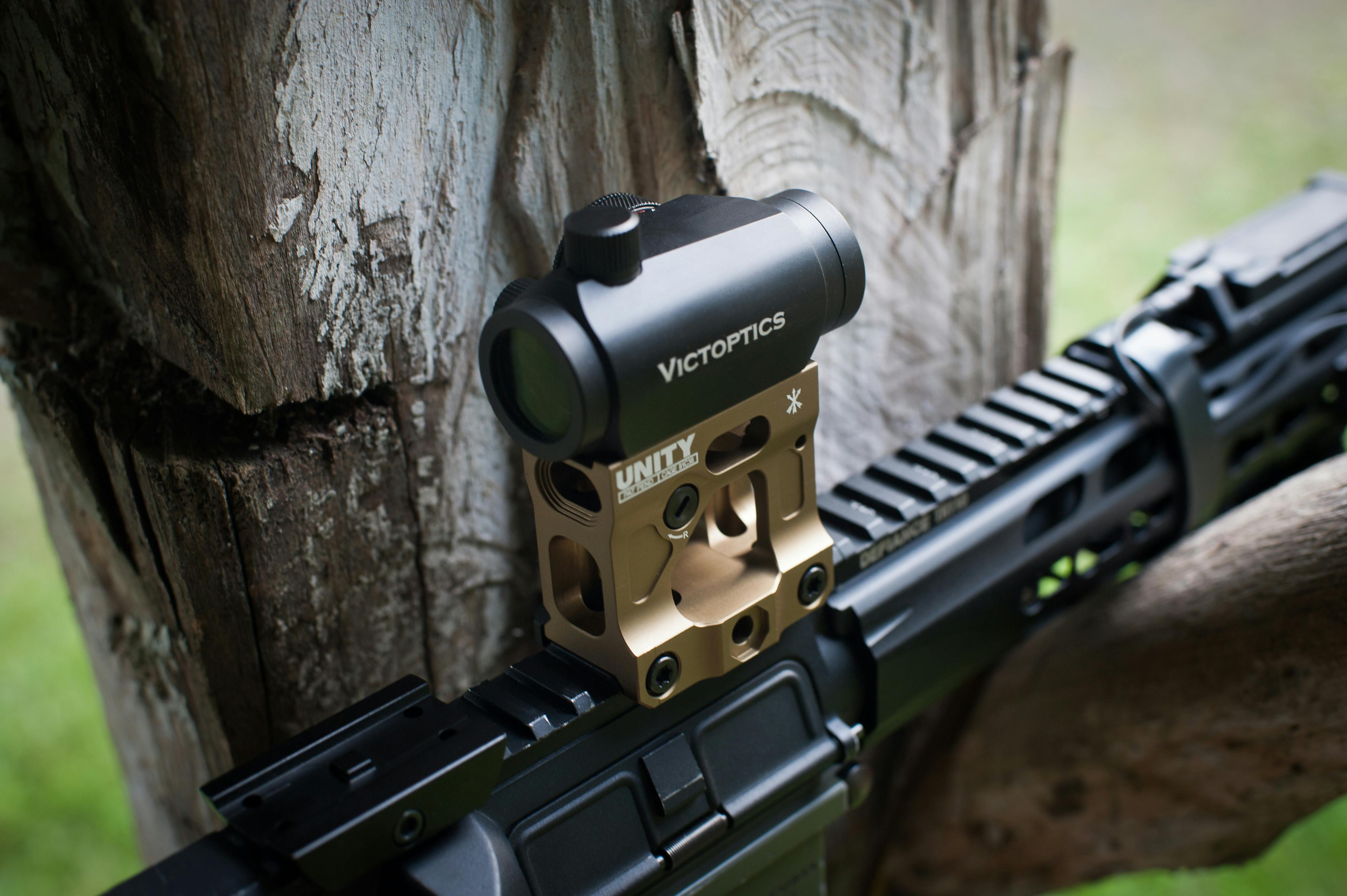
Optic selection for 300 Blackout can get complicated fast because the cartridge spans very different roles. A simple red dot may feel ideal for close work, while a low-power variable optic makes more sense if you plan to use supersonic loads across wider distance bands.
The challenge is that many owners want one setup to handle everything. That is possible, but compromises show up quickly when you start bouncing between subsonic and supersonic ammunition or from close-range drills to more deliberate shots.
This is why owners often change optics after the honeymoon period. The rifle reveals its real job only after range time, and once that happens, the sighting system usually follows the mission instead of the original impulse buy.
It rewards handloaders and tinkerers more than casual owners
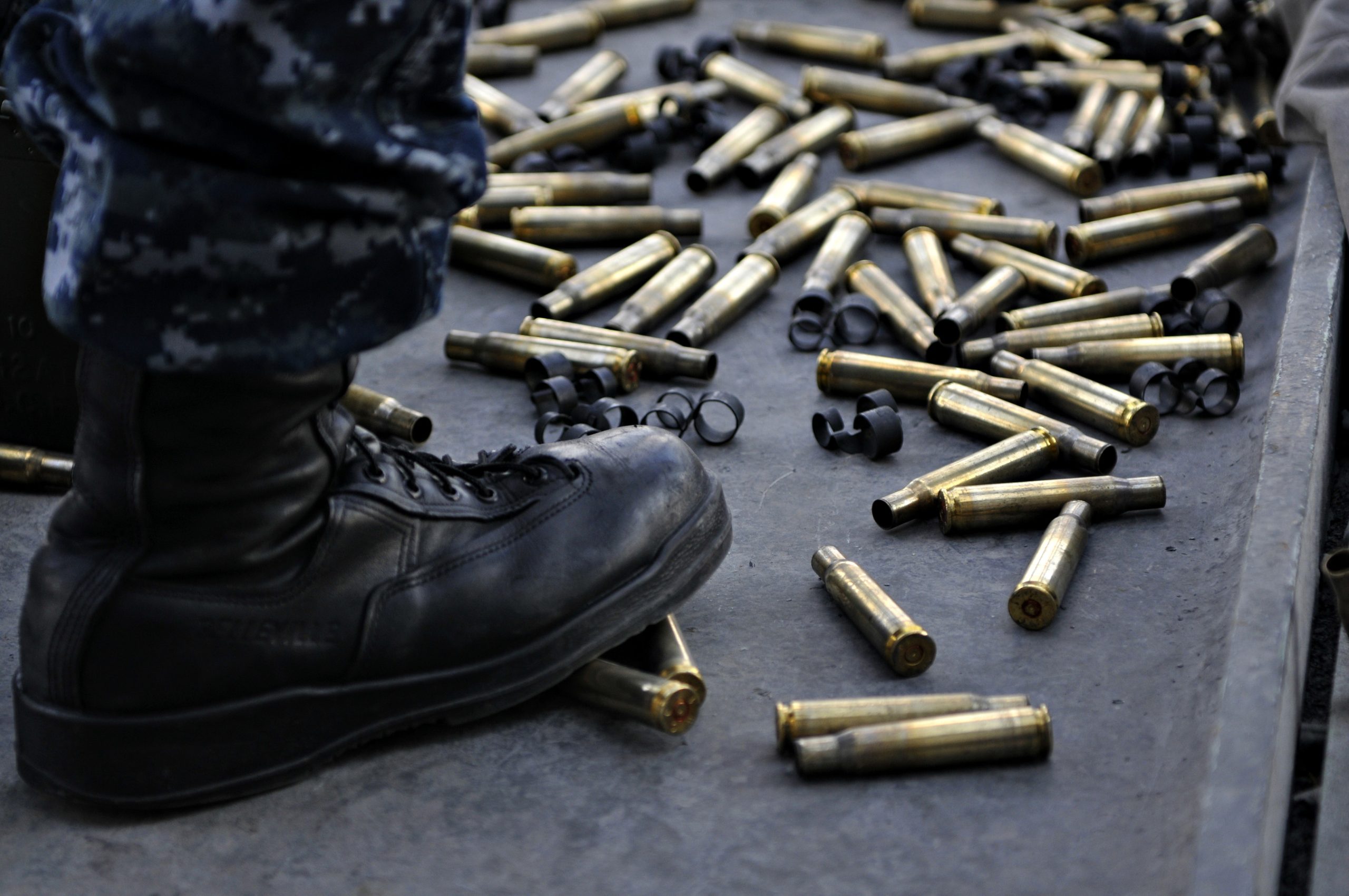
300 Blackout has a strong appeal for people who enjoy experimenting. Handloaders can explore a wide range of bullet weights and performance goals, and gear-minded shooters often appreciate how much tuning and personalization the cartridge invites.
For a casual owner, though, that same flexibility can feel like extra work. Instead of buying one common load and forgetting about it, you may find yourself comparing brands, tracking performance notes, and adjusting expectations around availability and cost.
That does not make the cartridge inaccessible. It just means the people who get the most out of it are often the ones willing to learn its preferences. If you like dialing in a system, it is rewarding. If not, it can feel fussier than expected.
You may end up loving it for reasons different from why you bought it

This might be the most common surprise of all. People often buy 300 Blackout because of hype around suppression, compact builds, or online claims that it is the perfect all-around answer. Then real use reveals a more personal reason to keep it.
Maybe it becomes your favorite short-range range toy, a practical hunting rig, or simply the rifle that feels the most enjoyable to shoot with the right load. The original sales pitch fades, and a more grounded appreciation takes its place.
That is often the sign of a good firearm purchase. Not that it fulfilled every fantasy, but that it proved useful and satisfying once real-world expectations replaced internet mythology and range time did the talking.