A good hunting spot is never just a pin on a map. It is time, boot leather, mistakes, and often years of learning compressed into one location.
Why Honey Holes Mean More Than Coordinates
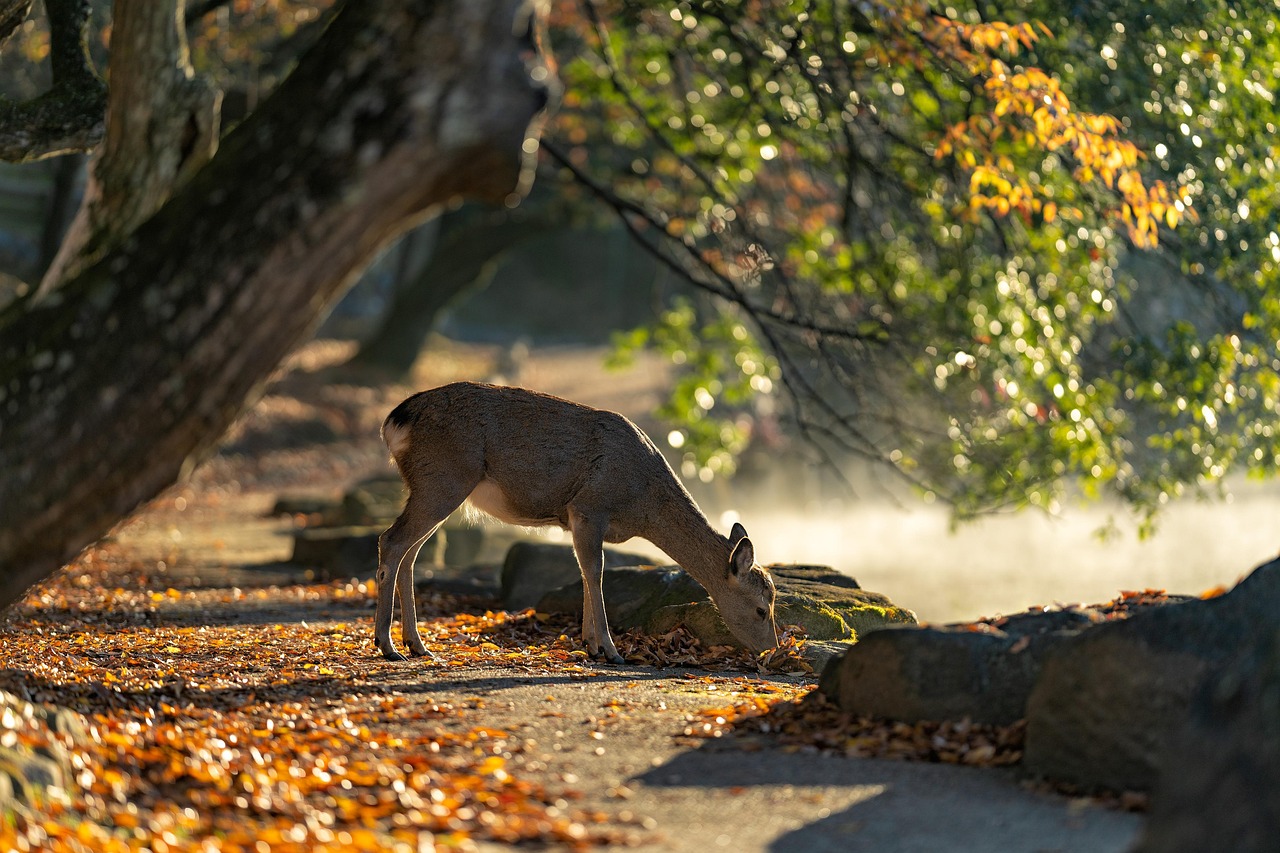
Among hunters, a honey hole is not simply a place where animals exist. It is a place where access, timing, pressure, wind, habitat, and luck line up often enough to matter. That is why people guard them so closely. A productive creek crossing, backwater slough, oak flat, or saddle may look ordinary on a satellite image, yet perform because of tiny details only repeated scouting reveals.
Those details are exactly what gets lost when people say, “It is just public land.” Public land is public, but good opportunities on it are not evenly distributed. onX Hunt has built entire planning tools around waypoints, shared folders, routes, and hunt areas because hunters know specific locations are valuable information, not random trivia. The map layer may be public. The insight usually is not.
That value is emotional as well as practical. Hunters often inherit spots from family, mentors, or trusted friends. In many camps, sharing a location is treated almost like sharing a key to the house. Once it leaves a tight circle and lands on social media, control is gone. Screenshots spread faster than apologies, and a post meant for friends can quickly become a roadmap for strangers.
What Happens When a Spot Goes Public
The biggest risk of revealing a honey hole online is pressure. One tagged marsh edge, one trailhead selfie, or one background ridgeline can turn a quiet area into a crowded one by next weekend. Leave No Trace and the National Park Service both frame outdoor ethics around protecting resources and being considerate of other visitors. In hunting terms, that means understanding that publicity changes the experience for wildlife and people alike.
Pressure is not just annoying. It changes animal behavior. Deer shift movement, waterfowl abandon small resting pockets, turkeys get educated, and access points become parking lot competitions. OnX content aimed at whitetail hunters openly discusses identifying and avoiding high-traffic areas because hunting pressure is a real factor in success. Once your post increases that pressure, you are not just sharing scenery. You may be actively reducing the quality of the hunt.
There is also the social fallout. Local hunters may feel burned if they helped you learn an area and then watched it become content. Landowners can sour on granting permission if a private fence line or gate becomes recognizable online. Even on refuges and managed areas, crowding can create conflict, and some hunt programs already stress orderly use, tagging, and not inserting yourself into another party’s location without agreement.
Social Media Makes Small Clues Dangerous
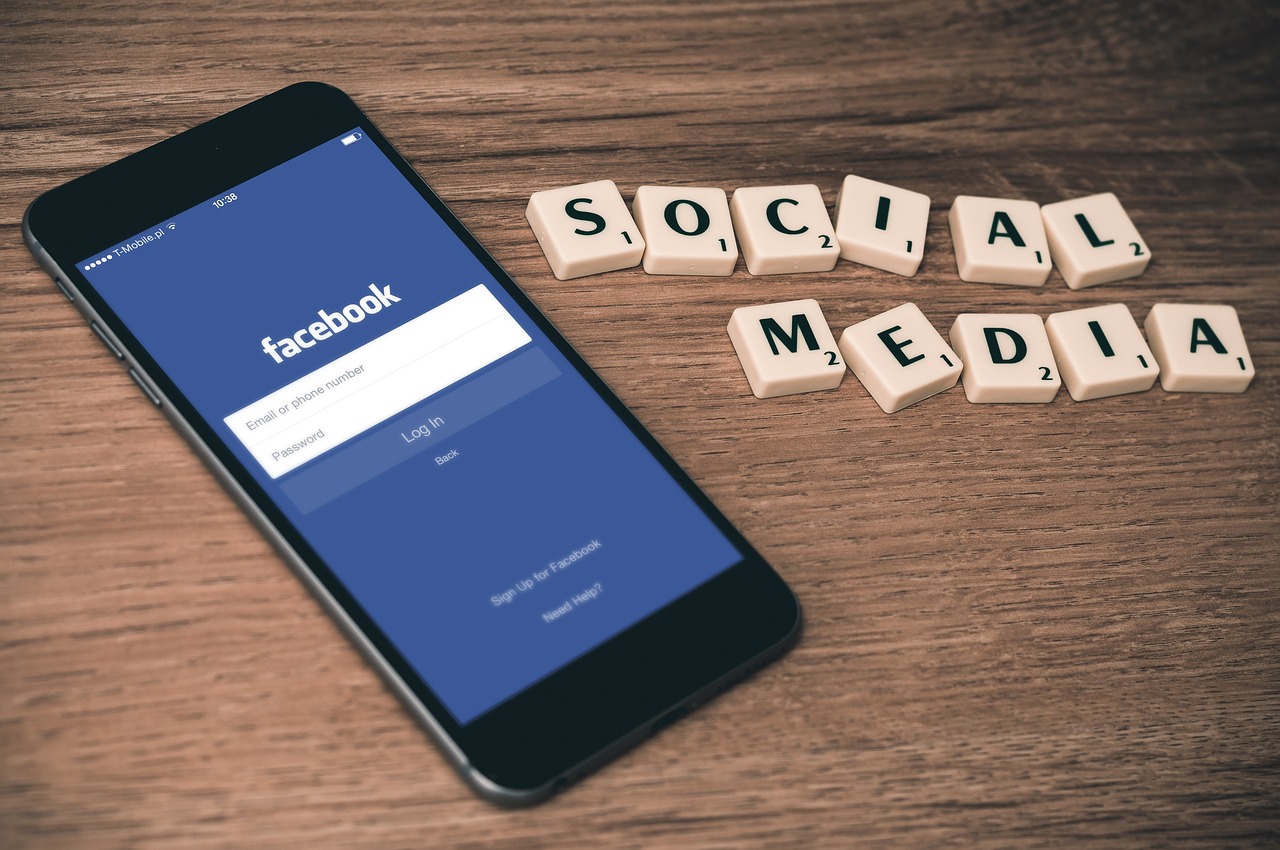
Many hunters imagine they are safe as long as they do not post exact GPS coordinates. That is outdated thinking. A screenshot of an app, a distant mountain profile, a boat ramp sign, a unique timber cut, or even the sequence of sunrise and habitat in a short video can be enough for internet detectives. USGS has noted that geotagged photos, location sharing, and path sharing on social platforms can be used to infer where recreation is happening on public lands.
The technology stack makes this easier than ever. Mapping apps let users compare terrain features, ownership boundaries, parking access, and trail networks within minutes. onX also allows private sharing of markups and waypoints, which is excellent for trusted partners, but a reminder that location data moves fast once exported from your phone to your network. The same convenience that helps your hunt crew coordinate can also help a stranger reverse-engineer your route.
Then there is metadata. Some platforms strip location data from images, some do not, and devices can retain precise location settings in ways users barely notice. Leave No Trace warns broadly that digital behavior shapes real-world impact, and even privacy policies across outdoor platforms make clear that location information can be collected depending on settings and permissions. If you care about a place, assume every photo contains more information than you intended to share.
The Ethics Are Not Black And White
All that said, the answer is not “never share anything.” Hunting has always depended on mentorship, storytelling, and community. New hunters need guidance, and the culture gets stronger when experienced people help others understand habitat, safety, regulations, and access. The U.S. Fish and Wildlife Service emphasizes hunter responsibility, from knowing rules to respecting wildlife and other users. Secrecy alone does not build good hunters. Teaching does.
The real ethical divide is between teaching principles and broadcasting places. Saying, “Look for sheltered loafing water away from boat lanes,” helps people learn. Saying, “Here is the exact backwater bend where we limited out,” shortcuts the process and often transfers the cost to everyone else. Good mentors share frameworks, not always waypoints. They show how to read signs, access terrain legally, and leave a place better than they found it.
There are also moments when general sharing serves conservation. Publicizing threats to access, poor habitat management, or destructive policy can rally support. Groups like Backcountry Hunters and Anglers are built around defending public lands and waters, not hoarding them. But advocacy works best when it protects the broader place while withholding the fragile micro spots that cannot absorb viral attention.
When Sharing Can Actually Be Appropriate

There are times when revealing a location is reasonable. One is within a tight, trusted circle where reciprocity exists. If you and two longtime partners share scouting, hang stands together, split fuel, and respect boundaries, exchanging pins is normal. Modern apps were clearly built for that use case. Shared folders, collaborative waypoints, and offline markup sharing are tools for teams, families, and camps, not necessarily for the whole internet.
Another acceptable case is delayed, generalized storytelling. Posting after the season, widening the area description, and removing identifiable visual clues can let you tell a good story without burning a spot. “Western Kentucky public timber” or “a high desert mule deer basin” teaches less about the exact place and more about the hunt itself. That keeps the focus where it belongs: decisions, weather, persistence, and lessons learned.
A third case is education tied to durable, high-capacity locations. If a wildlife agency is actively promoting a large public area with established access, parking, and management goals that can handle visitation, broad mention may be fine. But even then, hunters should ask whether their post adds useful context or just piles more pressure onto the easiest access points. The difference matters more than people admit.
How Smart Hunters Share Without Burning Spots
The best rule is simple: share the experience, not the coordinates. Crop map screenshots. Turn off location tagging. Avoid posting in real time from the field. Leave identifiable road signs, boat ramps, check stations, and trailhead kiosks out of frame. If the background includes a distinct skyline, water tower, grain bin, or burn scar, assume someone can match it. A little paranoia is healthy when the internet never forgets.
It also helps to build a delay into your posting habits. Wait until a trip is over, or better yet until the season has moved on. Waterfowl, especially, can be displaced quickly from small pockets once attention spikes. Deer hunters know the same truth about overlooked access routes and hidden bedding edges. The more time-sensitive the location, the less you should say while it is still active.
Finally, use direct messages with care. Private is better than public, but “private” is not the same as permanent or controlled. If you would be upset seeing that pin forwarded to ten people, do not send it. Trust should be earned slowly. In hunting, as in camping, stewardship often means resisting the short-term dopamine hit of a post to protect the long-term value of a place.
The Best Answer Is Usually Respectful Restraint

So should hunters ever reveal their honey holes online? Rarely, and only with a clear reason. The burden should be on the person sharing to justify why exposure helps more than it harms. Most of the time, it does not. Most of the time, it is better to teach patterns, celebrate effort, and leave the exact place out of the story.
That approach is not elitist. It is stewardship. Leave No Trace principles ask people to minimize impact and be considerate of others, and those ideas fit hunting culture better than many online arguments do. A honey hole can be public and still deserve discretion. Ownership is not the same thing as an obligation to advertise.
The hunters who age well in this culture usually learn one thing: spots are earned, but reputations are too. If you become known as the person who burns places for engagement, people stop trusting you. If you become known as the person who protects places while helping others grow, people remember that too. In the long run, the second reputation is worth far more than a viral post.