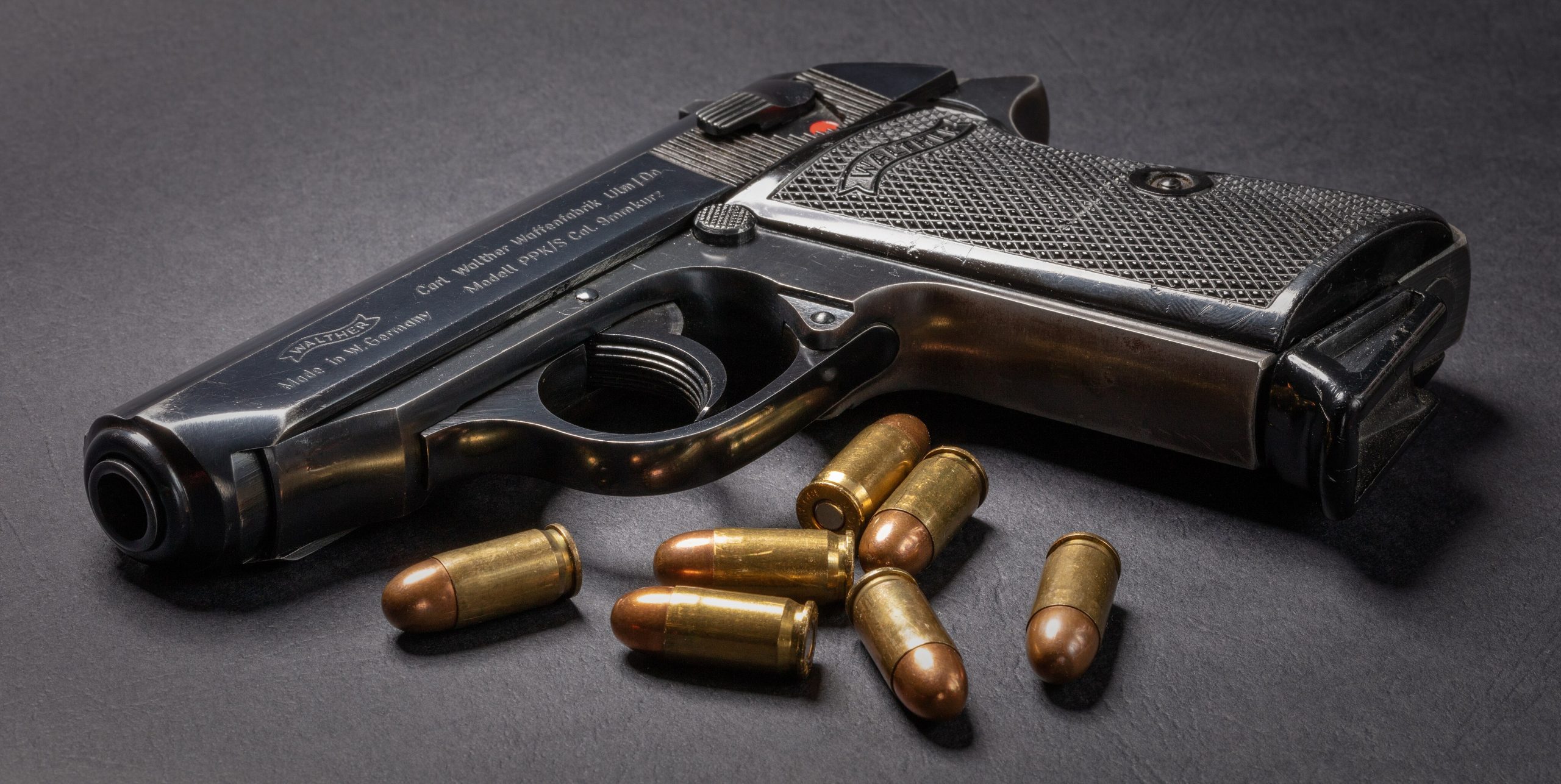
Making a handgun smaller can solve one problem while creating another. Short barrels reduce velocity, tiny actions leave less room for reliable cycling, and ammunition designed around larger firearms may behave differently in a miniature platform. Some pistols were carefully engineered around small cartridges, while others pushed full-power ammunition into remarkably compact frames. The seven examples below show how extreme size could expose the limits of both firearm and cartridge.
1. Seecamp LWS-32

The Seecamp LWS-32 may be the clearest example of a handgun becoming so compact that ammunition dimensions became part of the engineering problem. Measuring about 4.25 inches long with a 2.06-inch barrel, the 11.5-ounce pistol holds 6 rounds of .32 ACP. Early LWS-32 pistols were designed around Winchester Silvertip ammunition, and Seecamp’s manual explains that the delayed-blowback system was developed around hollow-point ammunition. That unusually close relationship meant cartridge shape mattered as much as caliber. The pistol was mechanically tiny, but its compact dimensions left very little tolerance for ammunition that differed from the loads for which the design was developed.
2. Smith & Wesson 340PD
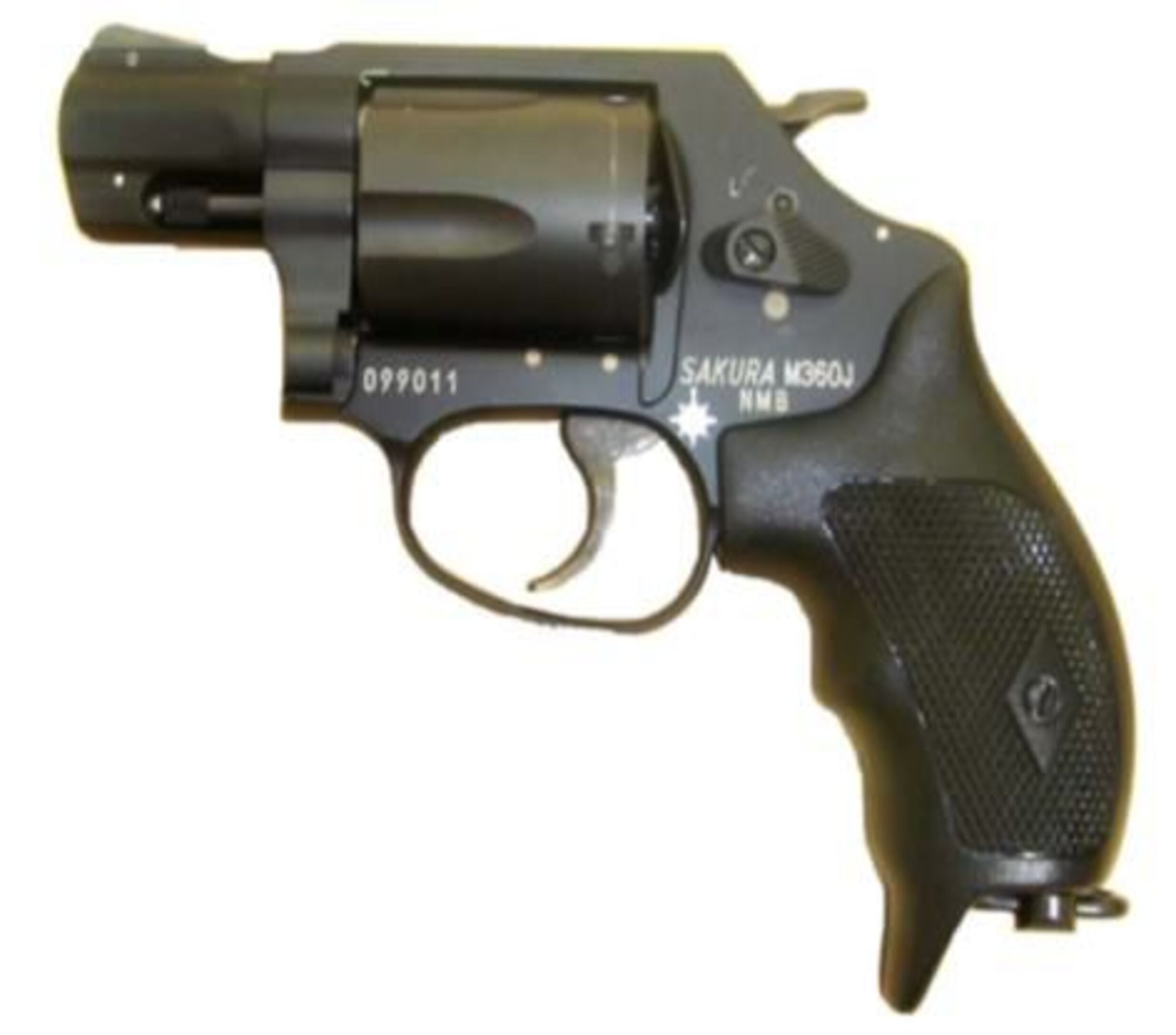
The Smith & Wesson 340PD takes the opposite approach from tiny .25-caliber pocket pistols: it places the powerful .357 Magnum in an exceptionally light snub-nose revolver. Its 1.875-inch barrel and scandium-alloy frame keep weight extremely low, but the short barrel gives the cartridge less opportunity to develop the velocity associated with longer revolvers. It also produces substantial recoil and muzzle blast. That does not mean .357 Magnum fails to function in the revolver; the issue is how radically the small platform changes the shooting characteristics of the ammunition. It shows how a cartridge meant for larger revolvers changes character in an ultralight package.
3. Colt Officer’s ACP
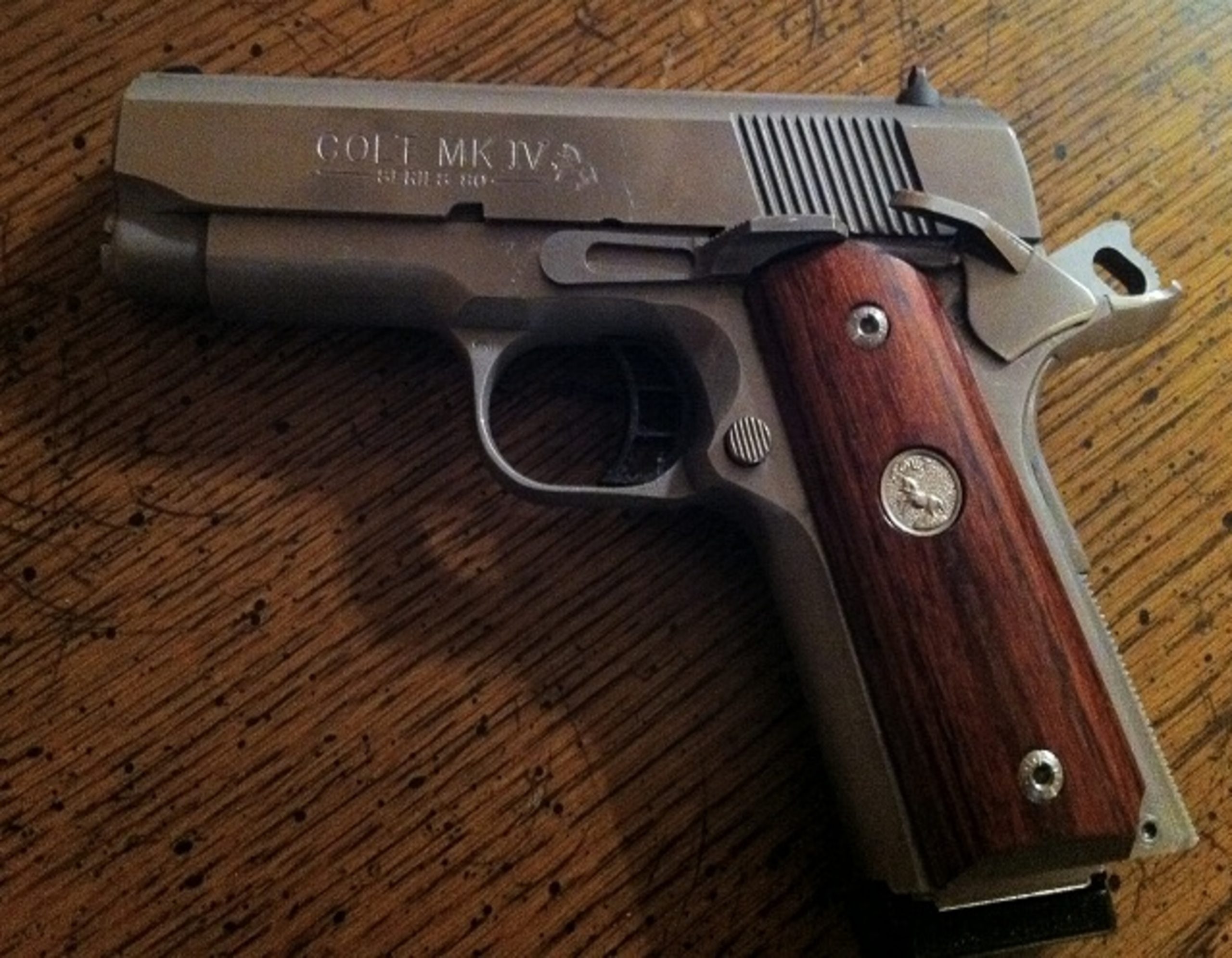
The Colt Officer’s ACP showed how difficult it could be to shrink a full-size .45 ACP platform without changing its behavior. Introduced in 1985, the pistol used a 3.5-inch barrel and a shorter frame than the Government Model. Early examples developed a reputation for feeding sensitivity with some bullet shapes, while the shorter barrel also reduced velocity compared with the traditional 5-inch 1911. Fitting .45 ACP into a smaller operating system also reduced the mechanical margin available to the pistol. Later compact 1911 designs refined the formula. Its 8-round magazine also made the shortened grip noticeably more compact than the original 7-round Government pattern.
4. Beretta 21A Bobcat
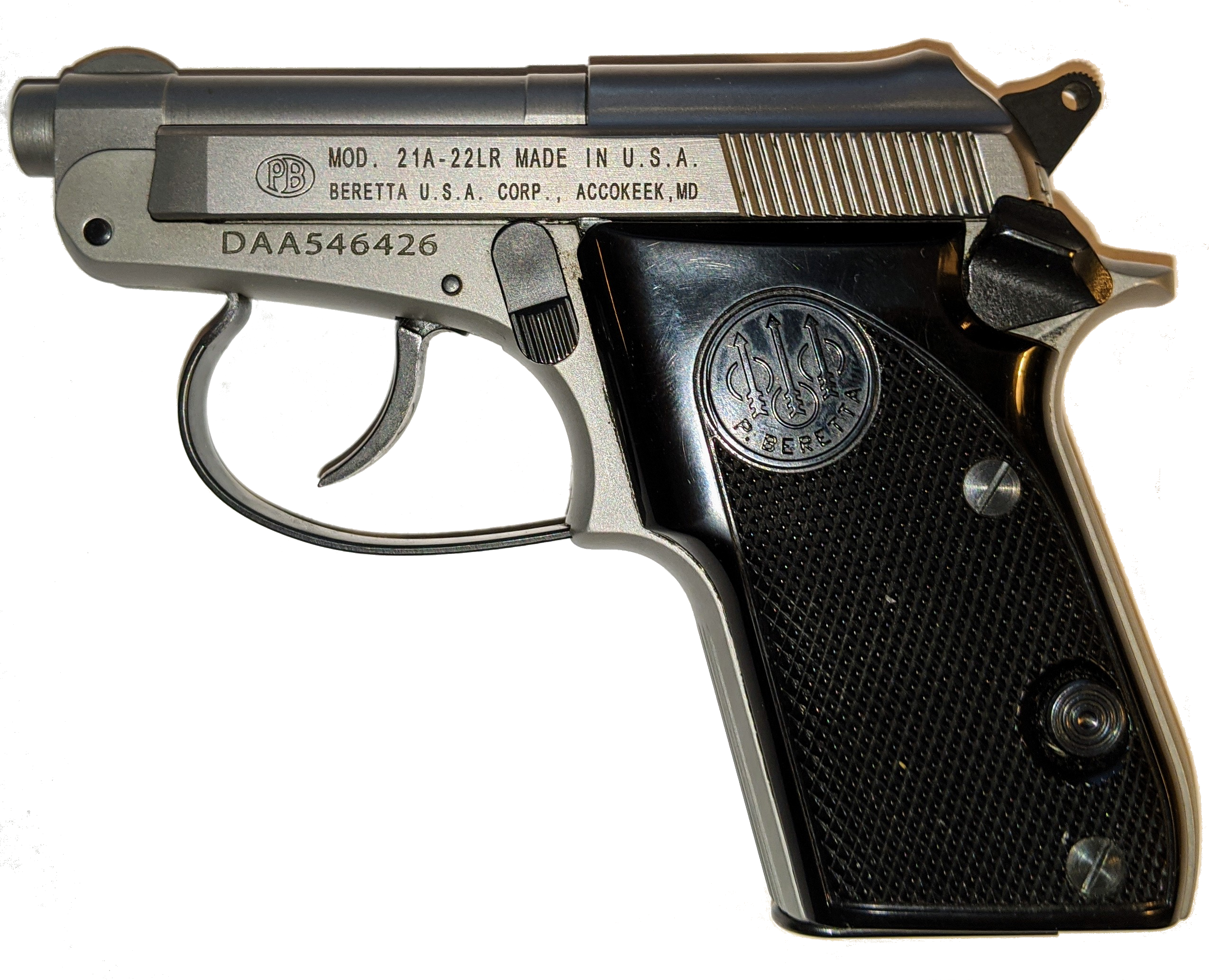
The Beretta 21A Bobcat illustrates the limits of using .22 LR in a miniature semi-automatic pistol. Its barrel is only about 2 inches long, and the cartridge was developed primarily around rifles and longer firearms. From such a short tube, velocity can fall substantially, while the wide variation among rimfire loads can make miniature .22 pistols more ammunition-sensitive than larger guns. It can also be chambered in .25 ACP, designed for pocket pistols. With its tip-up barrel and compact blowback design, the Bobcat demonstrates that fitting a cartridge physically into a small pistol is only part of the challenge; getting consistent performance is another matter.
5. North American Arms Mini
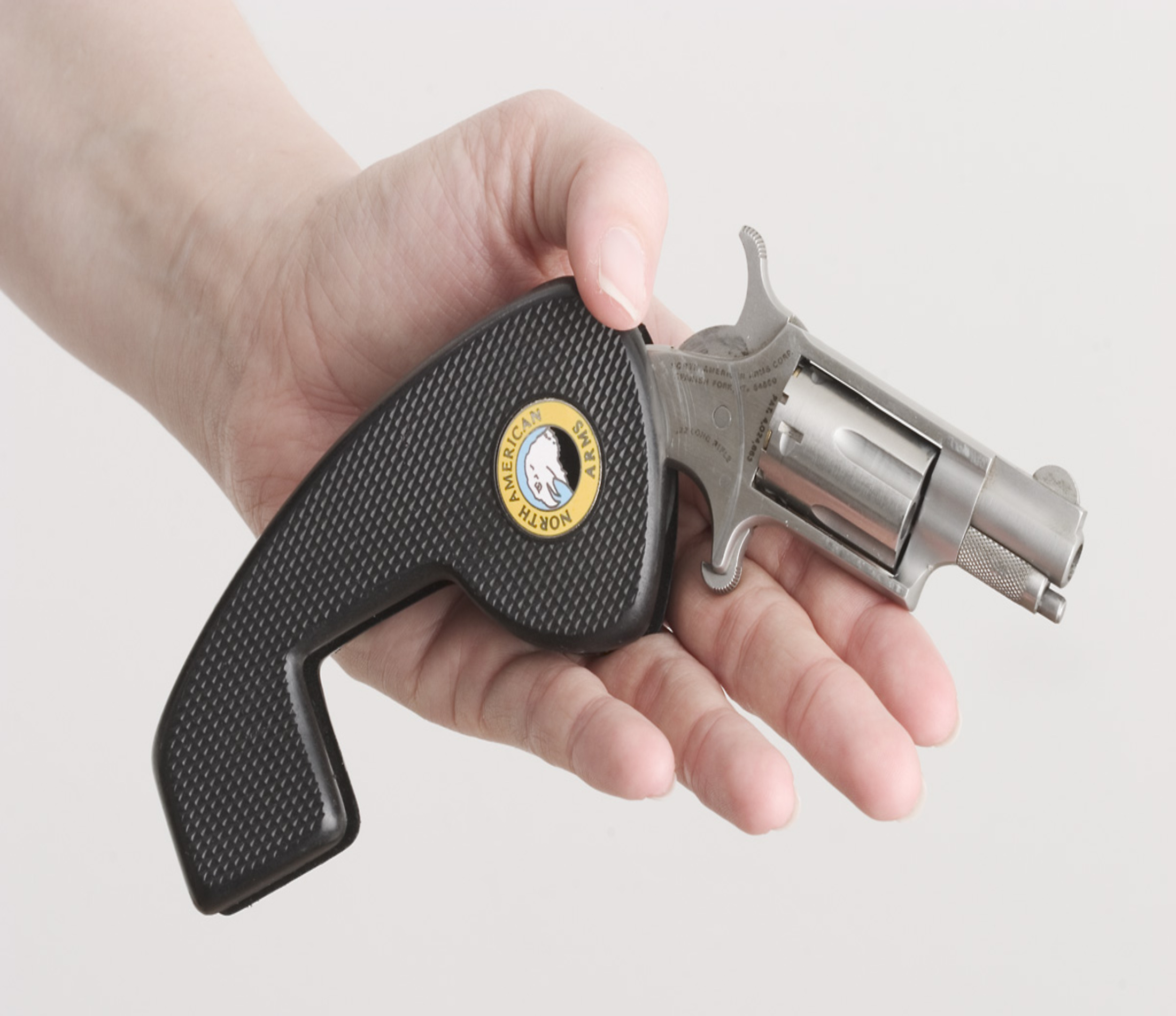
North American Arms Mini revolvers show what happens when a handgun is reduced almost to the size of its cartridge. Depending on the model, they use .22 Short, .22 LR or .22 Magnum, with barrels around 1 to 2 inches. The revolver action avoids the cycling demands of a semi-automatic, but the very short barrel still limits the velocity available from ammunition developed for longer firearms. The .22 LR version is particularly revealing because published cartridge performance is often measured from longer barrels. A miniature revolver can fire reliably while producing very different results, making barrel length crucial. Barrel length therefore matters when cartridge figures are compared.
6. Colt Detective Special
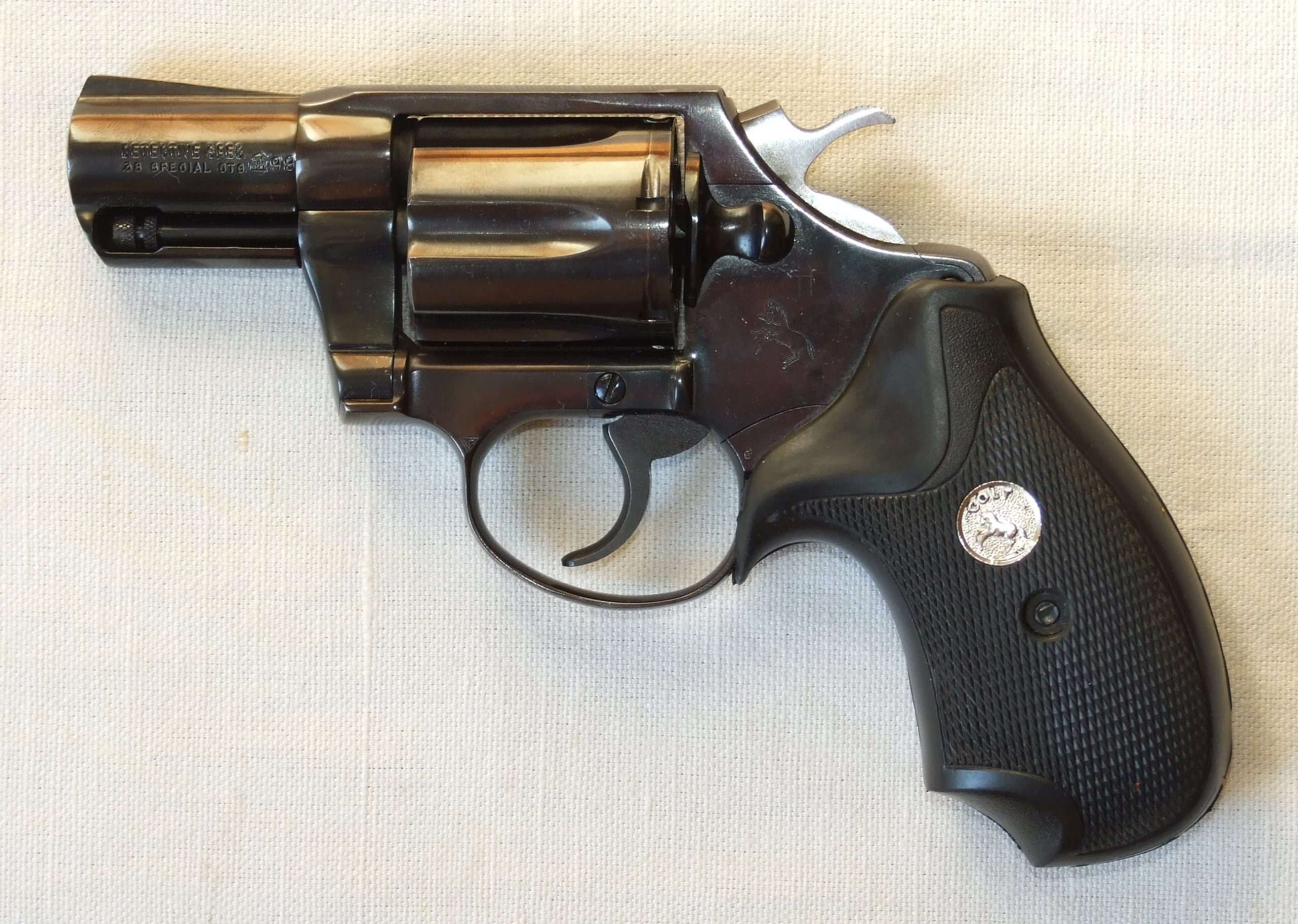
The Colt Detective Special became famous by putting .38 Special into a compact six-shot revolver with a 2-inch barrel. Introduced in 1927, it was substantially smaller than the service revolvers for which the cartridge had become known. Shortening the barrel reduced velocity and changed the balance of recoil, blast and bullet performance, particularly with loads developed around longer barrels. The ammunition still functioned normally; compatibility was not the issue. Instead, the little revolver exposed a broader limitation: a cartridge cannot deliver exactly the same performance when its barrel is dramatically shortened. Later ammunition development increasingly recognized this difference by tailoring loads to compact revolvers.
7. Smith & Wesson Model 1
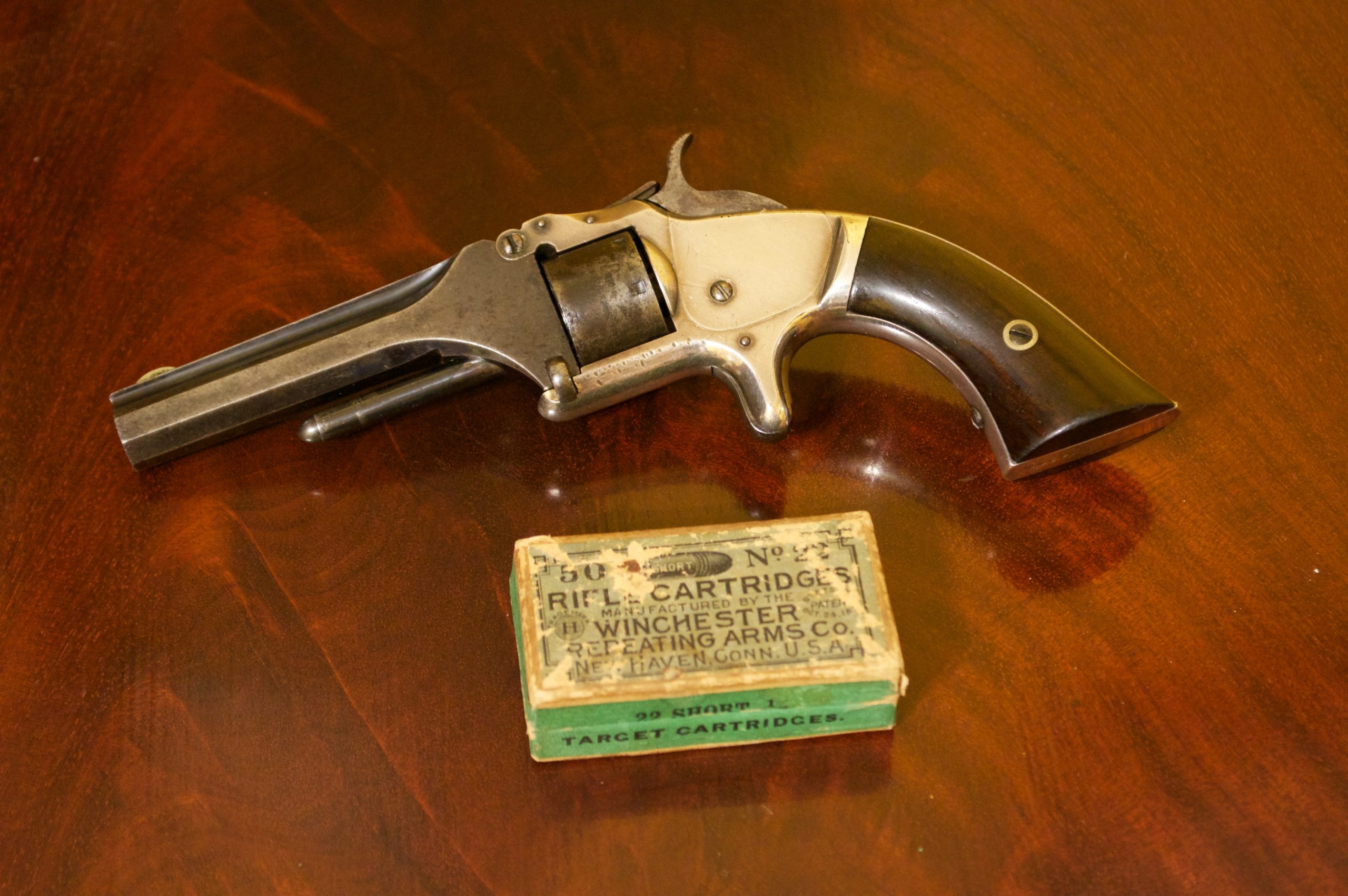
The Smith & Wesson Model 1 was built around the tiny .22 Short cartridge, making it one of the clearest early examples of a handgun designed around ammunition rather than the other way around. Introduced in 1857, the seven-shot revolver used a tip-up barrel and a compact frame, with early examples commonly fitted with a 3.5-inch barrel. The .22 Short offered modest power, but that was part of the design’s appeal: its small case allowed an unusually compact handgun for the period. The Model 1 therefore was not mechanically mismatched; its story shows how extreme miniaturization inevitably limited what a cartridge could accomplish, even when the gun itself worked as intended.