Firearms are often judged by controlled trials, accuracy tables, reliability tests, production standards, and military requirements. But history is rarely that neat. Some guns performed poorly against competing designs, struggled with reliability, or failed to win official contracts, yet still found a purpose that mattered. Others were too expensive, too complicated, or simply unsuited to the conditions for which they were tested. Their stories show that a firearm’s real value can sometimes be measured by what it accomplished when circumstances became difficult.
1. M1941 Johnson Rifle
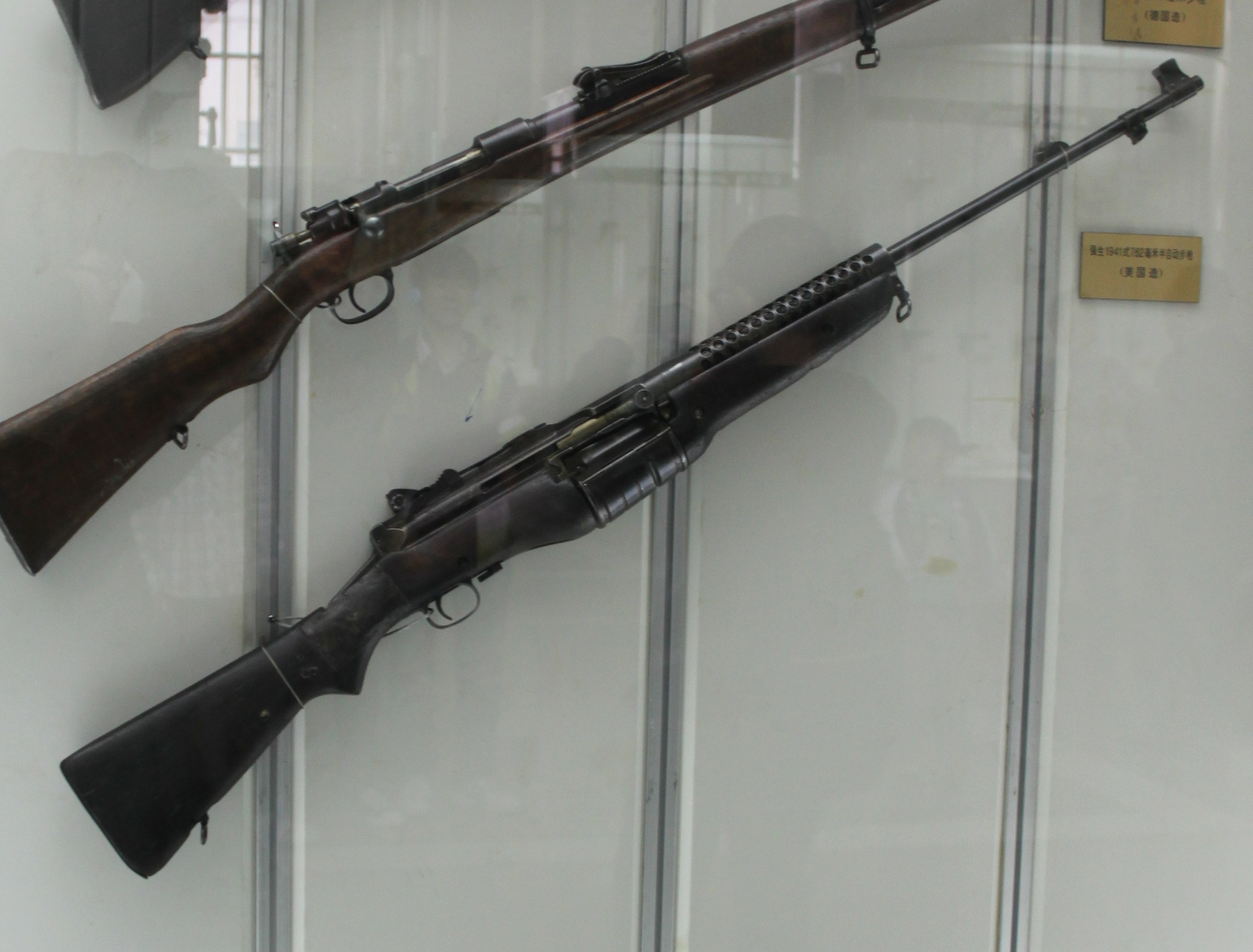
The M1941 Johnson rifle never beat the M1 Garand where the U.S. Army wanted a winner: standard service adoption. Army testing exposed problems with weight, bayonet use, and parts vulnerability, while a 1941 Marine comparison recorded 773 Johnson malfunctions and 36 broken parts or repairs during 12,000 rounds. Yet the rifle had qualities troops could feel in the field. It weighed about 9 lb, used a 10-round rotary magazine, and had a recoil system that let it keep firing after some abuse. About 750 reached the Marines, and combat users generally valued its light handling and accuracy.
2. Ross Rifle
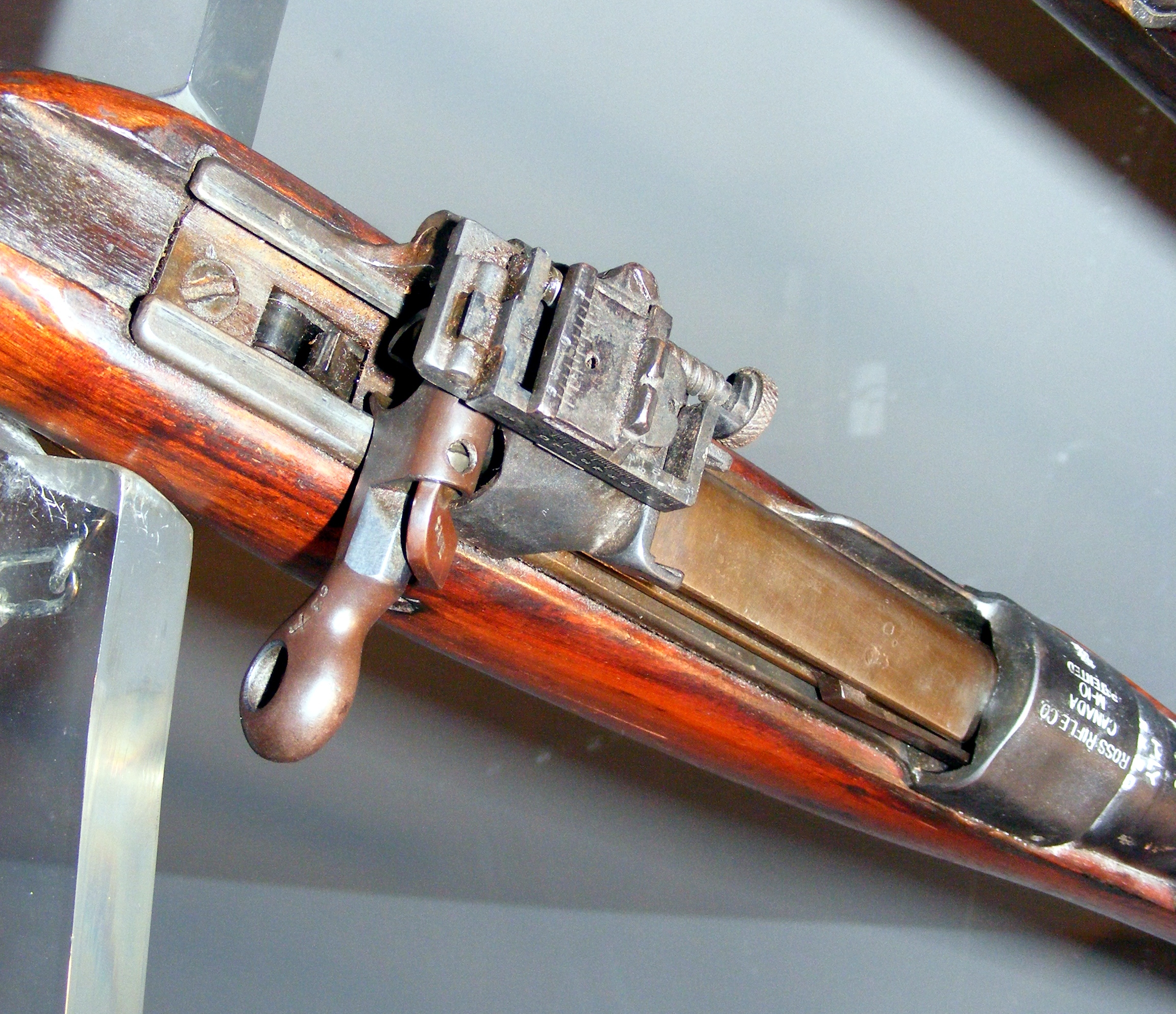
The Canadian Ross rifle could look impressive on a range and still be a poor trench companion. Its straight-pull action and heavy barrel earned it a reputation as a precision target rifle, and the Mk II** became famous at Bisley. War exposed different requirements. Mud, rough ammunition, and rapid fire caused stoppages, while field testing showed the Lee-Enfield handled oversized cartridges better. About 44,000 Ross rifles were rechambered in 1915, yet jamming continued. By 1916 the Canadian Expeditionary Force withdrew the Ross from front-line service. Its success was precision shooting, not reliability.
3. Chauchat Model 1915
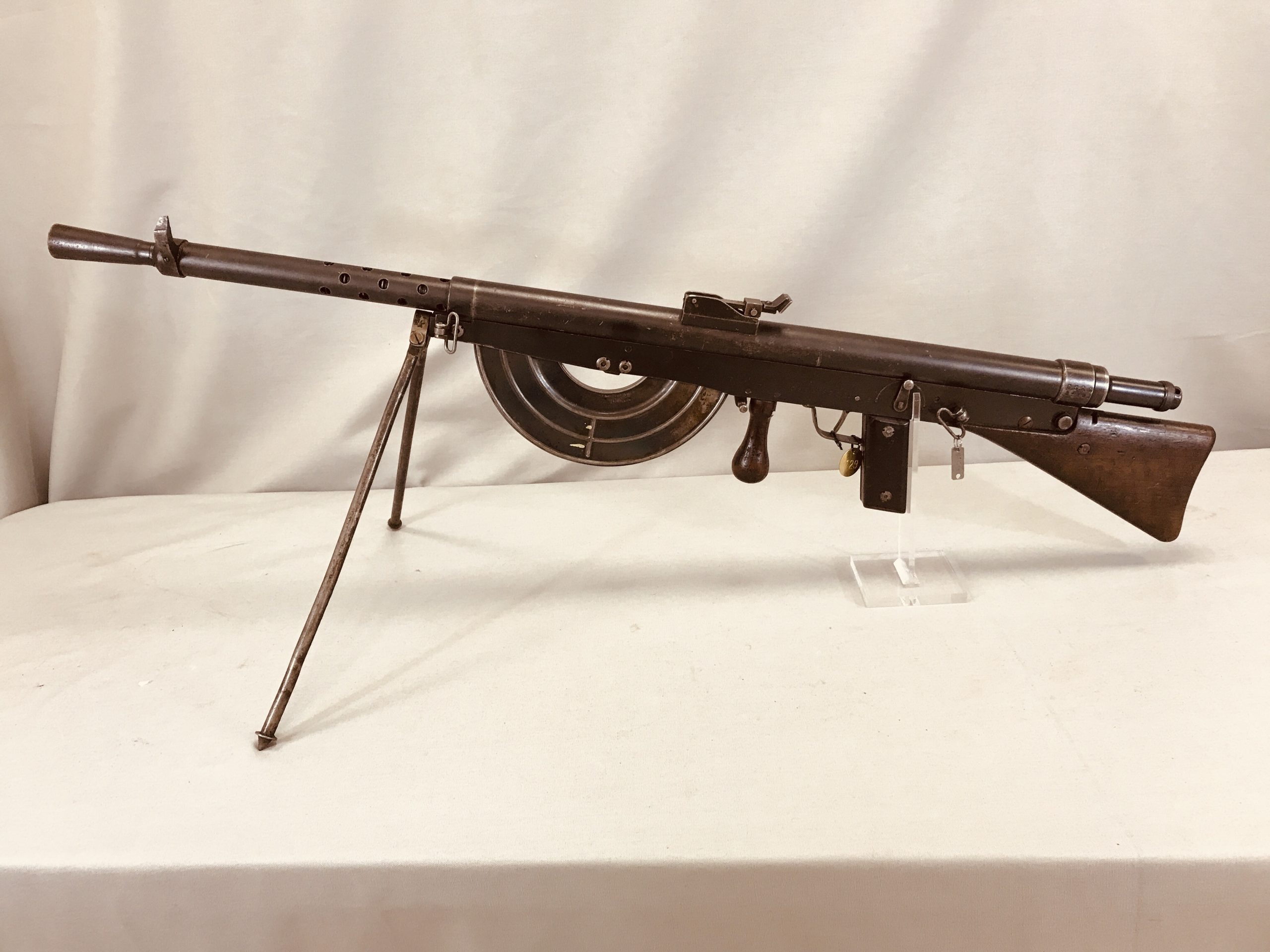
The Chauchat was built around an urgent wartime idea: give infantry a portable automatic weapon instead of a heavy machine gun. In practice, its long-recoil action, open-sided magazine, severe recoil, and sensitivity to heat and dirt created serious problems. The U.S. version in .30-06 was especially troubled. Yet dismissing it as useless misses the test that mattered in 1915: availability. Around 250,000 Chauchats were produced, and French and American troops used them when armies needed mobile firepower. It was crude, but it helped establish the light-machine-gun role.
4. STEN Mk II
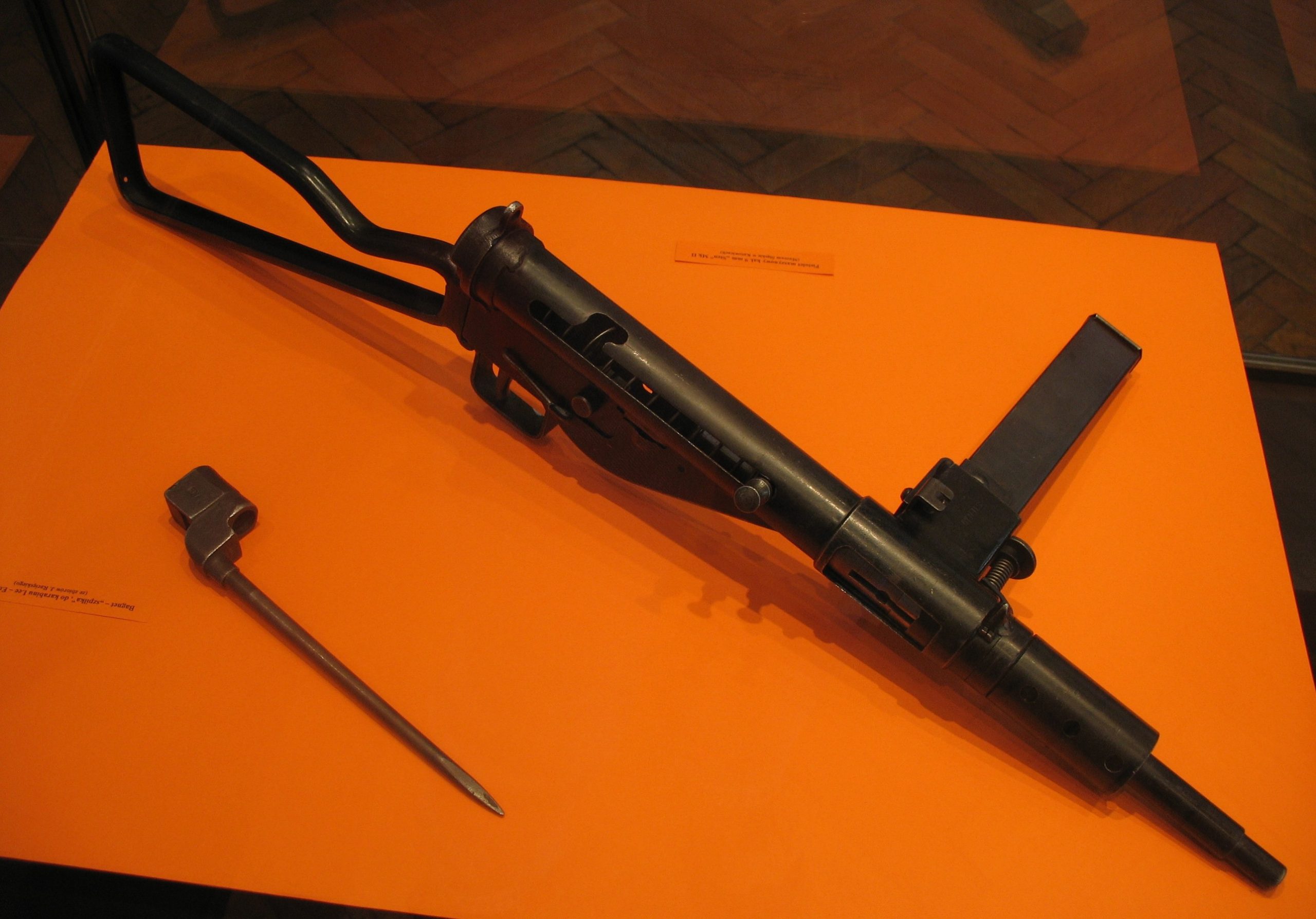
The STEN Mk II rarely won admiration for craftsmanship. It used simple steel components and inexpensive production methods, and developed a reputation for accidental discharges and unreliable operation. But its key test was whether Britain could arm huge numbers of troops and resistance fighters during a national emergency. By 1945, more than 4 million STENs of various marks had been produced, while about 500,000 Mk IIs went to underground movements in occupied Europe. Its rough construction was deliberate. The STEN succeeded because it was cheap, fast to manufacture, easy to supply, and good enough.
5. FG 42
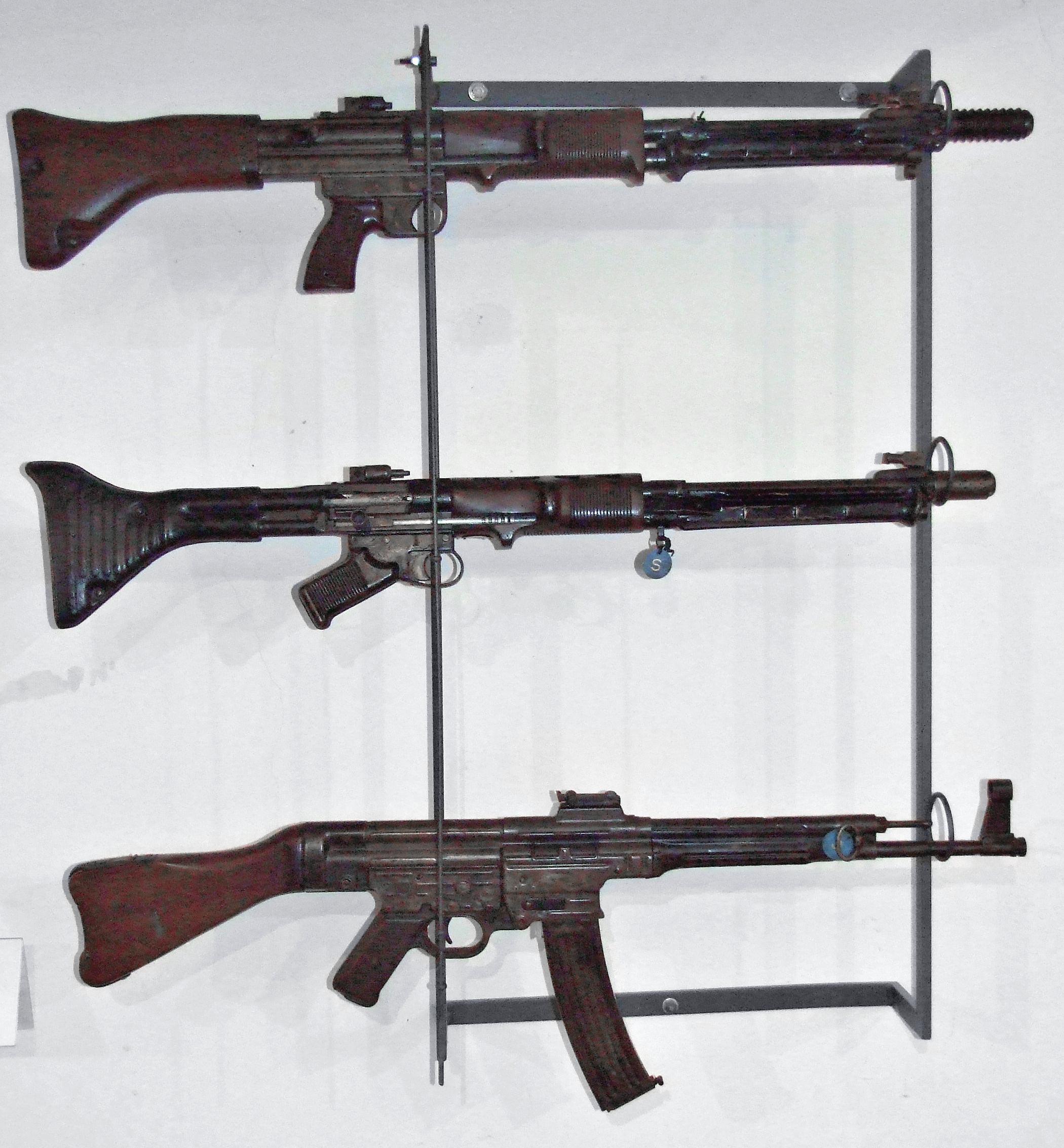
The German FG 42 looked designed to satisfy requirements at once, yet development exposed repeated limits. Early prototypes suffered reliability problems, and a 1943 pre-series batch produced failures. One rifle suffered a catastrophic failure after only 2,100 rounds, while rifle-grenade firing damaged another. Still, the concept answered a battlefield problem: paratroopers wanted one compact weapon with rifle, automatic, and light-support capabilities. The FG 42 remained costly, but its selective-fire layout influenced later airborne weapon designs. Its lasting achievement was the concept.
6. M1941 Johnson LMG
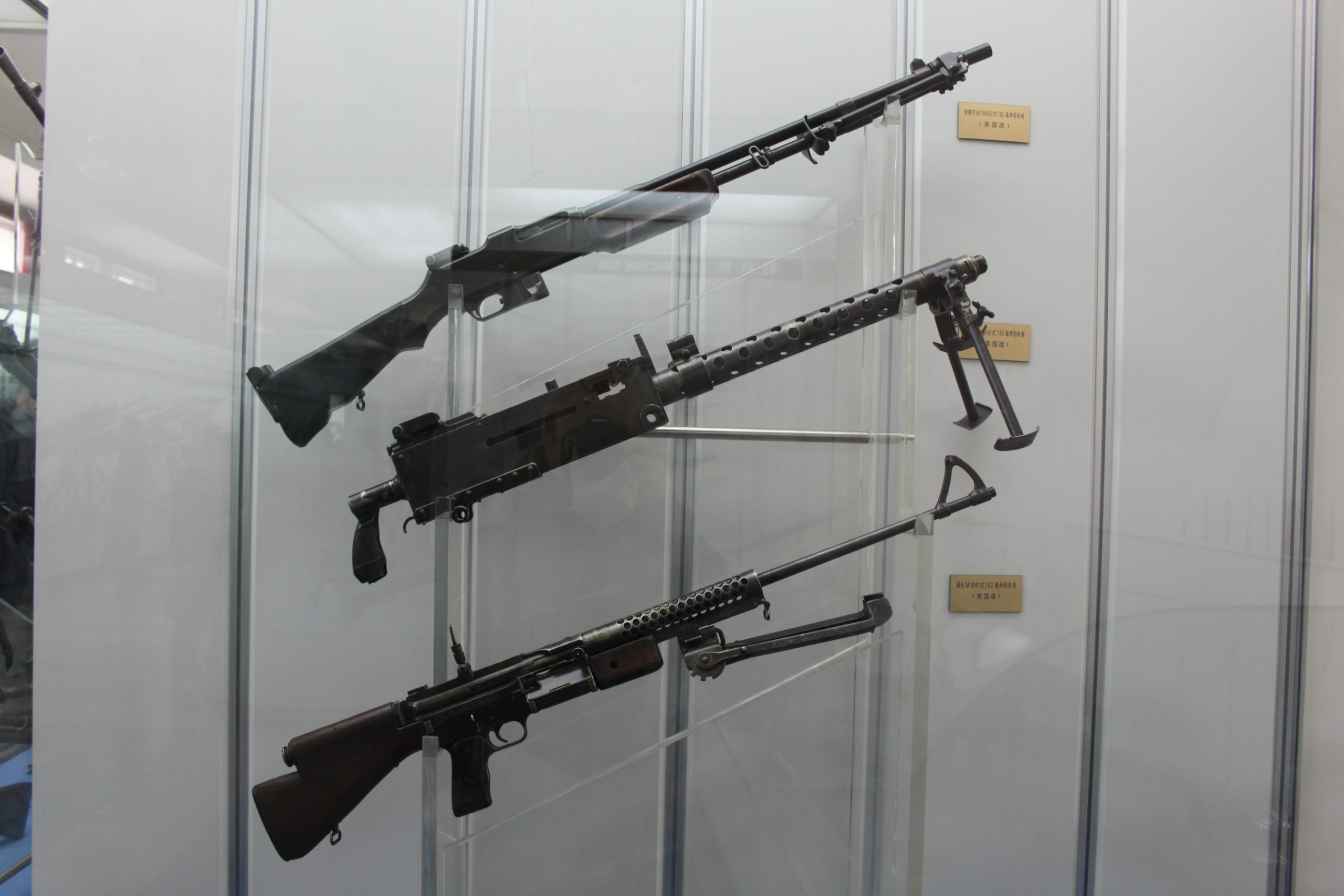
The M1941 Johnson light machine gun faced the same obstacle as its rifle companion: it could not displace established weapons. Its Army prospects faded after testing, and it never became a standard U.S. service arm. Yet combat gave it a different report card. The recoil-operated design, roughly 12 lb weight, removable barrel, and 20-round magazine made it attractive to Marine parachute and Raider units. It saw fighting in the Pacific, including Bougainville, where its light weight and accuracy were appreciated. Production remained tiny compared with the BAR, but mobility was the test it passed.
7. Mauser C96
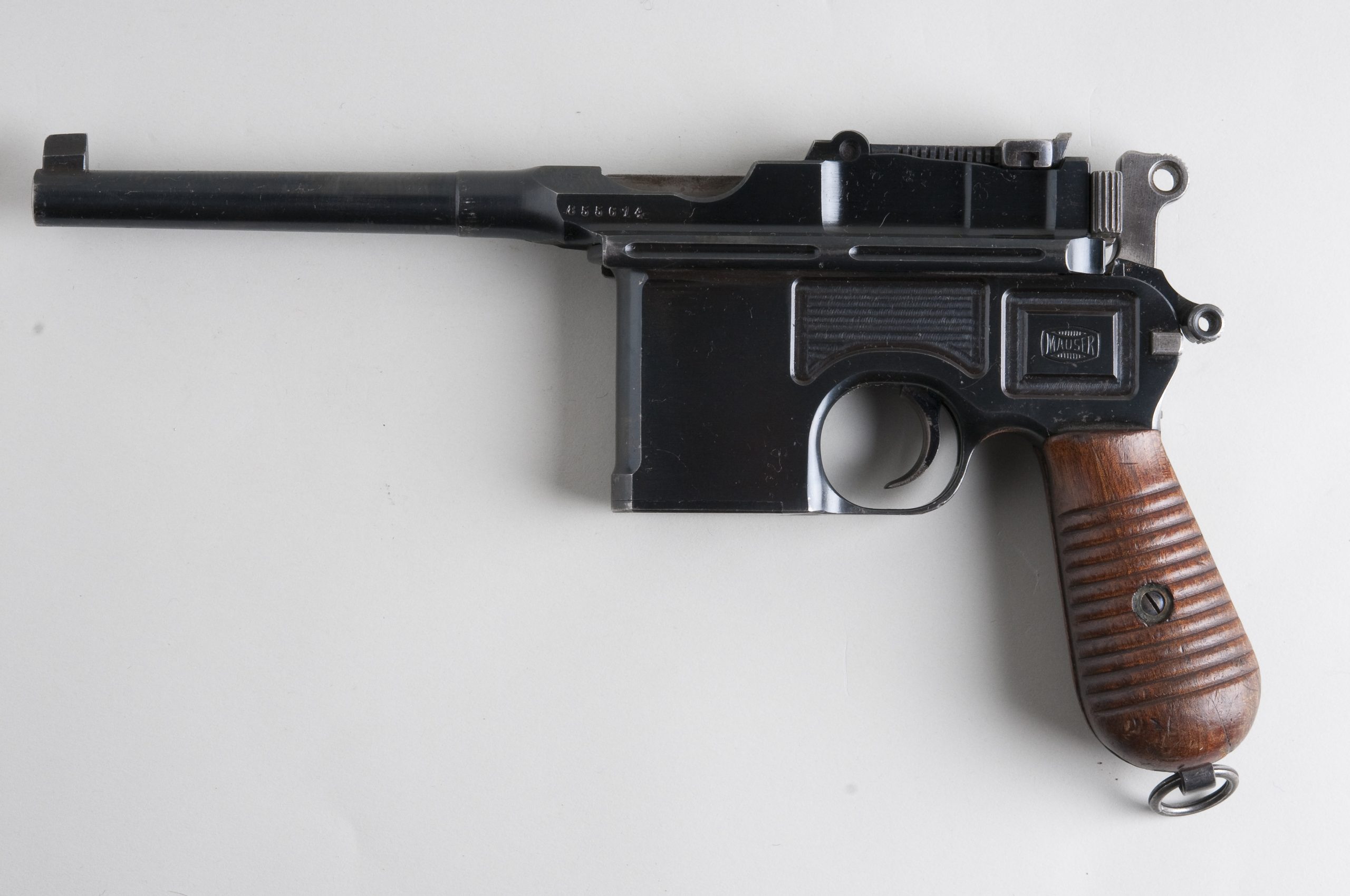
The Mauser C96 missed the biggest prize: adoption as Germany’s standard service pistol. Its bulk, unusual balance, and manufacturing demands worked against it, while the German military favored the Luger. Yet the C96 passed another test that mattered: staying relevant. More than 1 million were produced during a 41-year run from 1896 to 1937. The pistol also saw military contracts, wartime use, and civilian sales. Its 10-round magazine, high-velocity 7.63mm cartridge, and wooden stock gave it unusual capability for its era. It failed as Germany’s standard sidearm, but succeeded commercially.