A first duck hunt can feel exciting right up until bad gear choices turn the morning into a cold, wet, frustrating mess. The truth is, many beginner problems start long before the first bird flies overhead. These common mistakes can ruin comfort, safety, and success, but they are easy to avoid once you know what to look for.
Wearing Waders That Do Not Fit

Nothing derails a first duck hunt faster than waders that pinch, leak, or drag with every step. New hunters often buy whatever is on sale, then discover too late that poor fit means less mobility, colder legs, and a lot more noise moving through mud or shallow water.
Waders that are too tight restrict layering and make crouching uncomfortable. Waders that are too loose can rub, snag, and tire you out before sunrise. A long walk to the blind feels twice as long when every step reminds you your gear was the wrong choice.
A proper fit should leave room for warm layers without feeling baggy. If your boots slip, your seams leak, or your legs bind when kneeling, your hunt is already starting at a disadvantage.
Bringing the Wrong Clothing Layers

Duck hunting mornings can shift from biting cold to damp and clammy in a hurry. Beginners often overdress with bulky clothes that trap sweat, or underdress and spend the entire hunt shivering. Either mistake makes it harder to stay alert, comfortable, and patient when birds finally start moving.
The problem is not just temperature. Cotton holds moisture, heavy layers limit shoulder movement, and loud fabrics can betray you when you settle into position. Gear that feels fine in the truck can become miserable once wind, water, and hours of stillness enter the picture.
Smart layering keeps you dry, quiet, and able to move naturally. A moisture-wicking base layer, practical insulation, and weather-blocking outerwear matter far more than simply piling on extra clothes.
Using a Shotgun That Is Not Ready for the Hunt
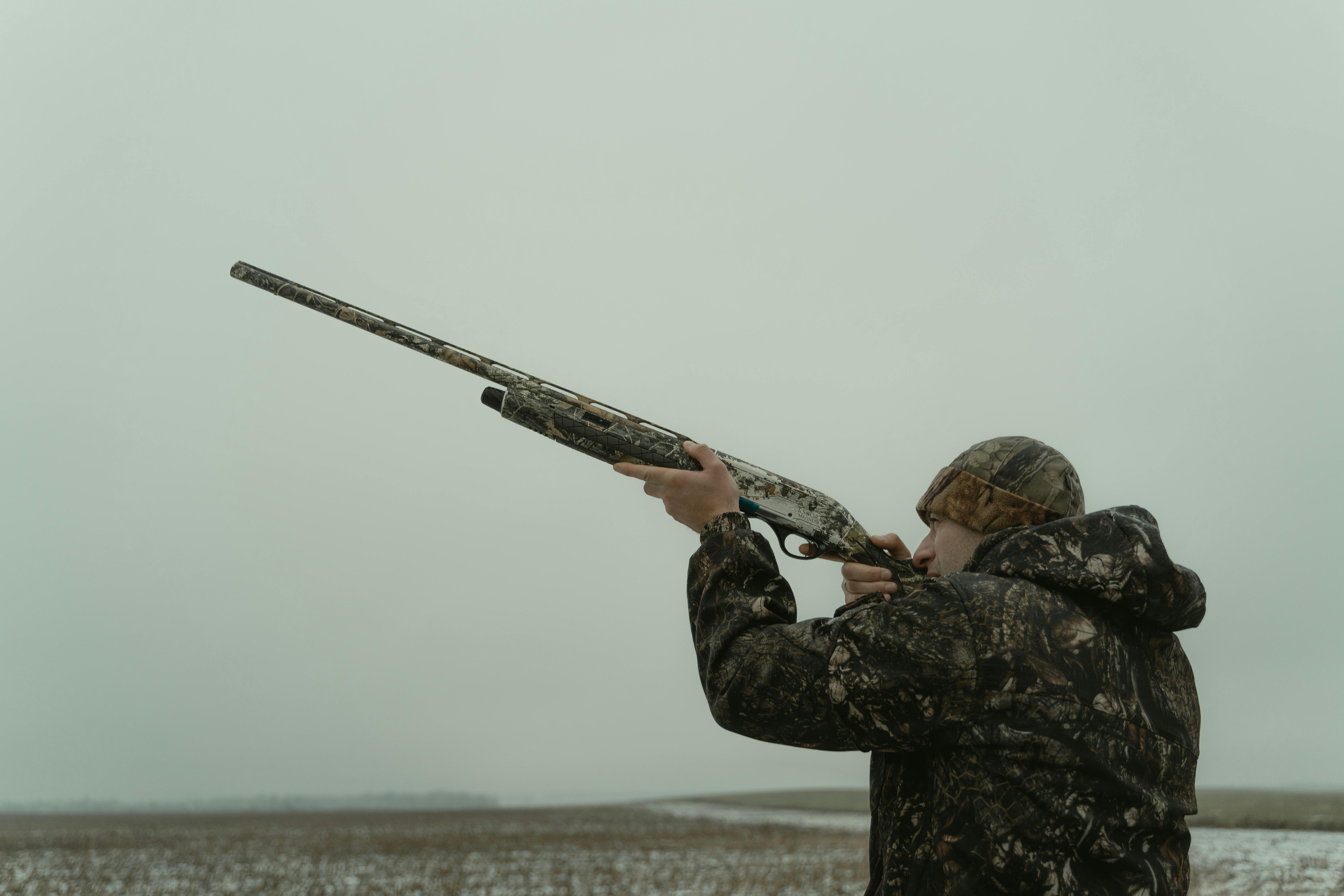
A first duck hunt is the worst time to discover your shotgun does not fit, cycles poorly, or has not been patterned. Many new hunters borrow a gun, buy one in a rush, or assume any shotgun will do. In the field, that guesswork can lead to missed chances and a lot of confusion.
Fit matters more than most beginners realize. If the stock is awkward, the mount is inconsistent, or recoil feels punishing, accuracy suffers right away. Add the wrong choke or unsuitable loads, and even a clean opportunity can disappear without a bird in hand.
A hunt starts better when the shotgun has been tested before dawn ever arrives. Knowing how it shoulders, shoots, and performs in wet conditions gives a new hunter one less problem to solve in the blind.
Packing Cheap or Incomplete Decoy Gear

Decoys do not need to be expensive to work, but they do need to be usable, visible, and ready for the conditions. Beginners sometimes show up with a bargain set that tangles easily, rides low in the water, or looks battered before the season even settles in. That can make a spread look sloppy fast.
The trouble usually goes beyond the decoys themselves. Weak anchor lines, missing weights, and poor storage can waste valuable setup time in the dark. Instead of building confidence before shooting light, a new hunter ends up untangling cords and scrambling to make the spread look believable.
Reliable decoy gear saves time and reduces stress. A modest, well-kept spread with solid rigging often does more good than a larger pile of gear that is already working against you.
Forgetting the Small Essentials That Keep You Functional
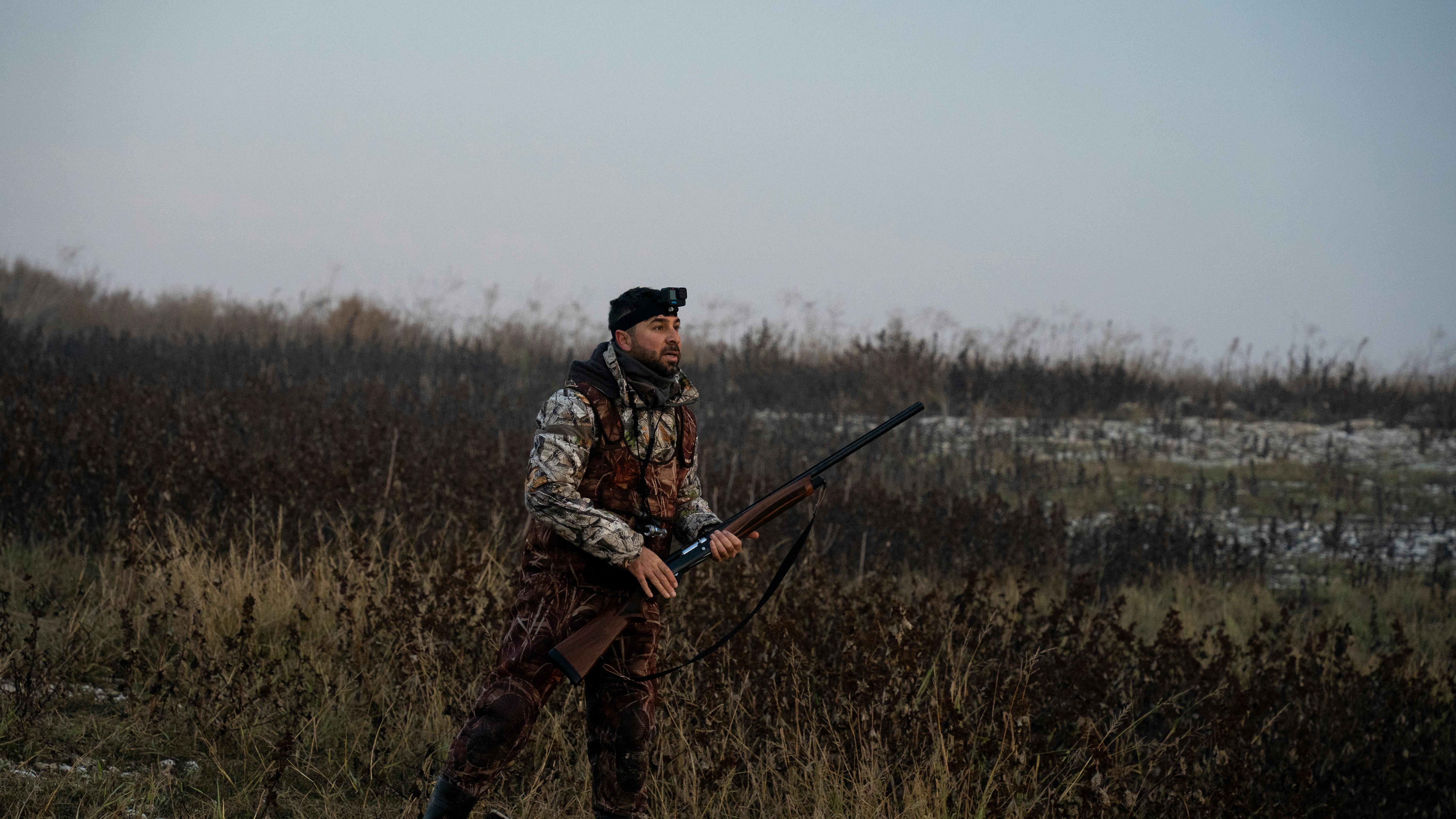
The little items are often what decide whether a first duck hunt feels smooth or miserable. Gloves, a headlamp, extra shells, dry bags, hand warmers, and waterproof storage do not seem dramatic when packing at home. At 5 a.m. in cold mud, they suddenly become the gear that holds the whole morning together.
New hunters often focus on the big purchases and overlook the small fixes that protect comfort and routine. A dead flashlight, wet phone, numb hands, or no place to keep licenses and keys dry can turn a simple outing into an avoidable headache.
These essentials are not glamorous, but they are part of hunting well. When the basics are covered, you can pay attention to the weather, the birds, and the experience instead of fighting preventable problems in the dark.