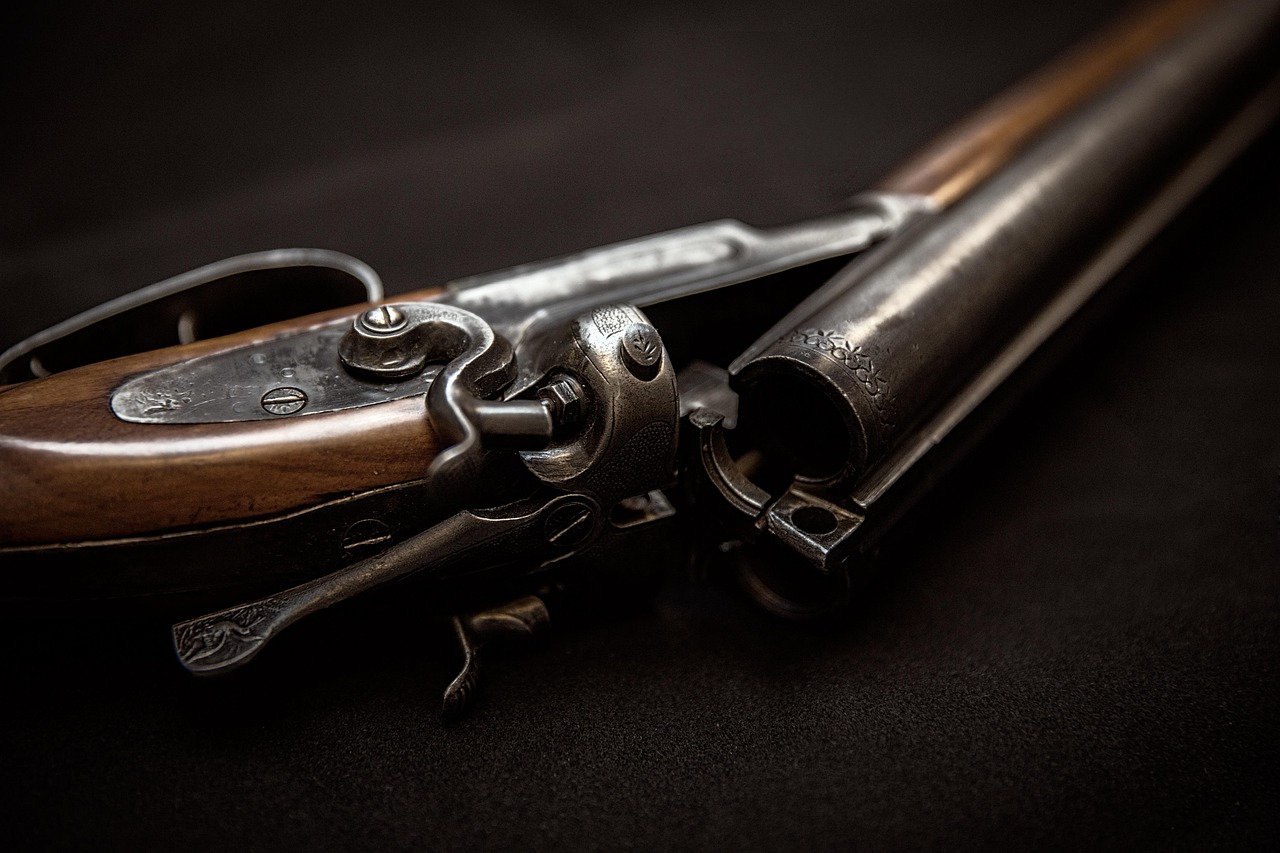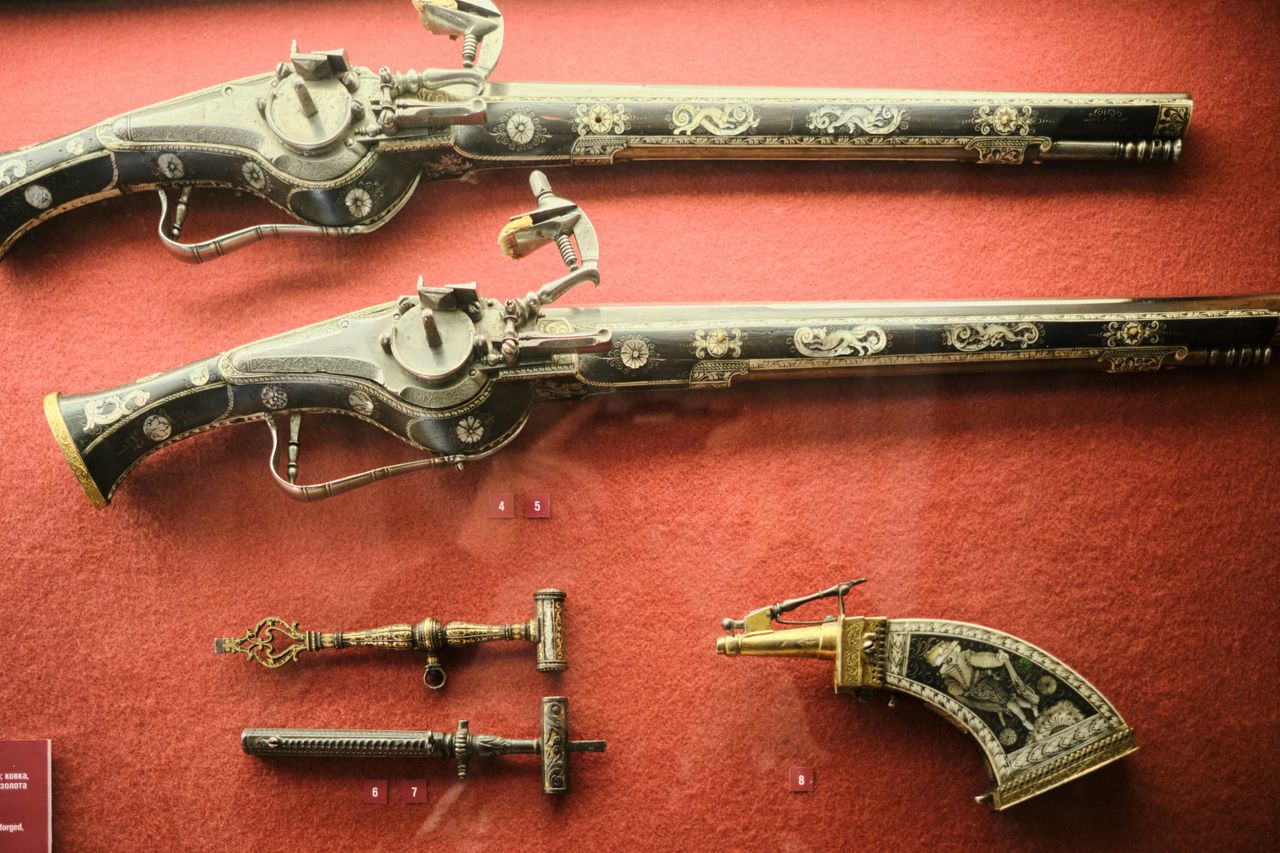
A firearm may begin as a tool, but in the hands of a master engraver it can become something far more expressive. This gallery explores seven standout examples of gun engraving, where steel, gold, and patient handwork turned hard function into visual poetry. Along the way, you will see how scrolls, scenes, and precious inlays helped make these objects as admired in display cases as they once were in the field.
English Rose and Scroll Shotguns
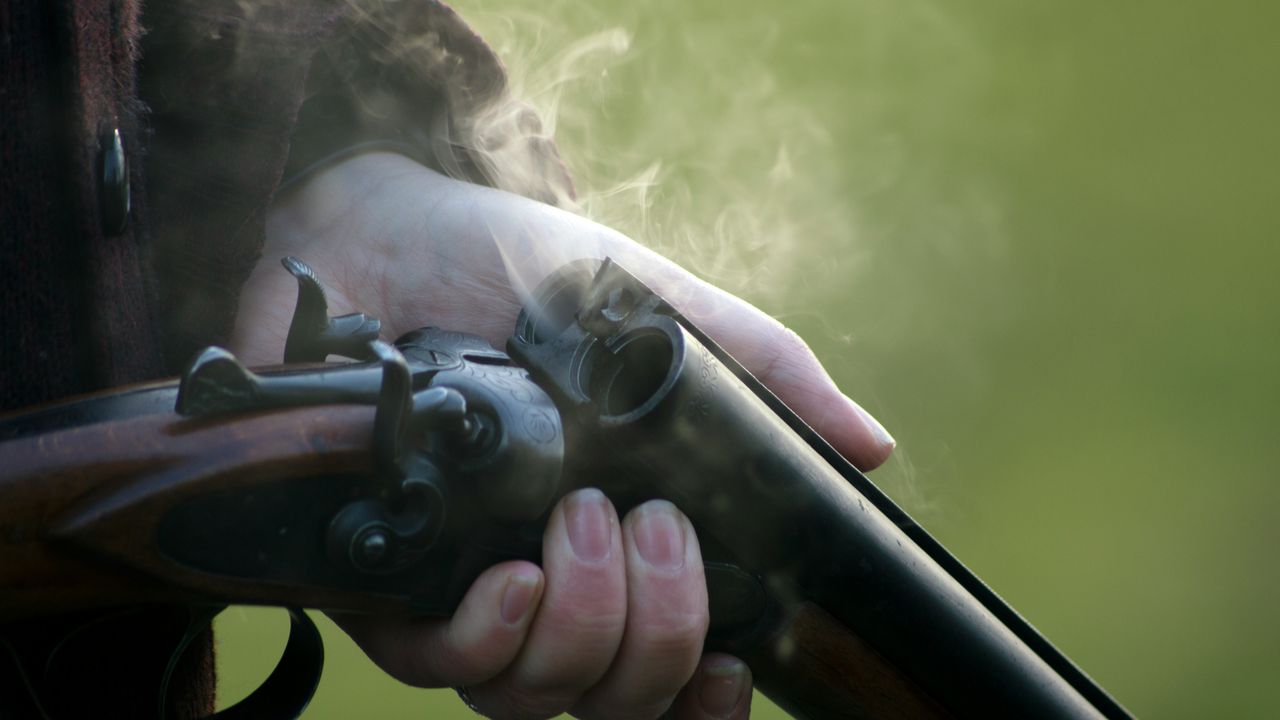
Among classic sporting arms, few looks are as instantly elegant as English rose and scroll engraving. Built around flowing curves, fine shading, and tightly balanced empty space, the style gives a shotgun a refined surface without overwhelming its clean mechanical lines. It is decorative, but it still feels disciplined.
On best guns from London and Birmingham makers, that restraint is exactly the point. The engraving frames the locks, fences, and action body like tailored ornament on a Savile Row coat. What could have remained a straightforward field gun instead becomes a study in proportion, taste, and craftsmanship that rewards a closer look every time.
Belgian Bulino Hunting Scenes

Bulino engraving changed the conversation by treating steel almost like a sheet of paper. Using tiny dots and hairline cuts, engravers created tonal images with astonishing depth, from alert pointers in the grass to pheasants breaking skyward. The result can feel less like ornament and more like miniature illustration.
Belgian and later European masters pushed this technique into truly painterly territory. On a gun meant for the hunt, those scenes introduced memory, atmosphere, and emotion to the metal itself. Suddenly the action body was not just a place for screws and levers. It became a stage, holding a whole landscape in the palm of your hand.
American Banknote Style Revolvers
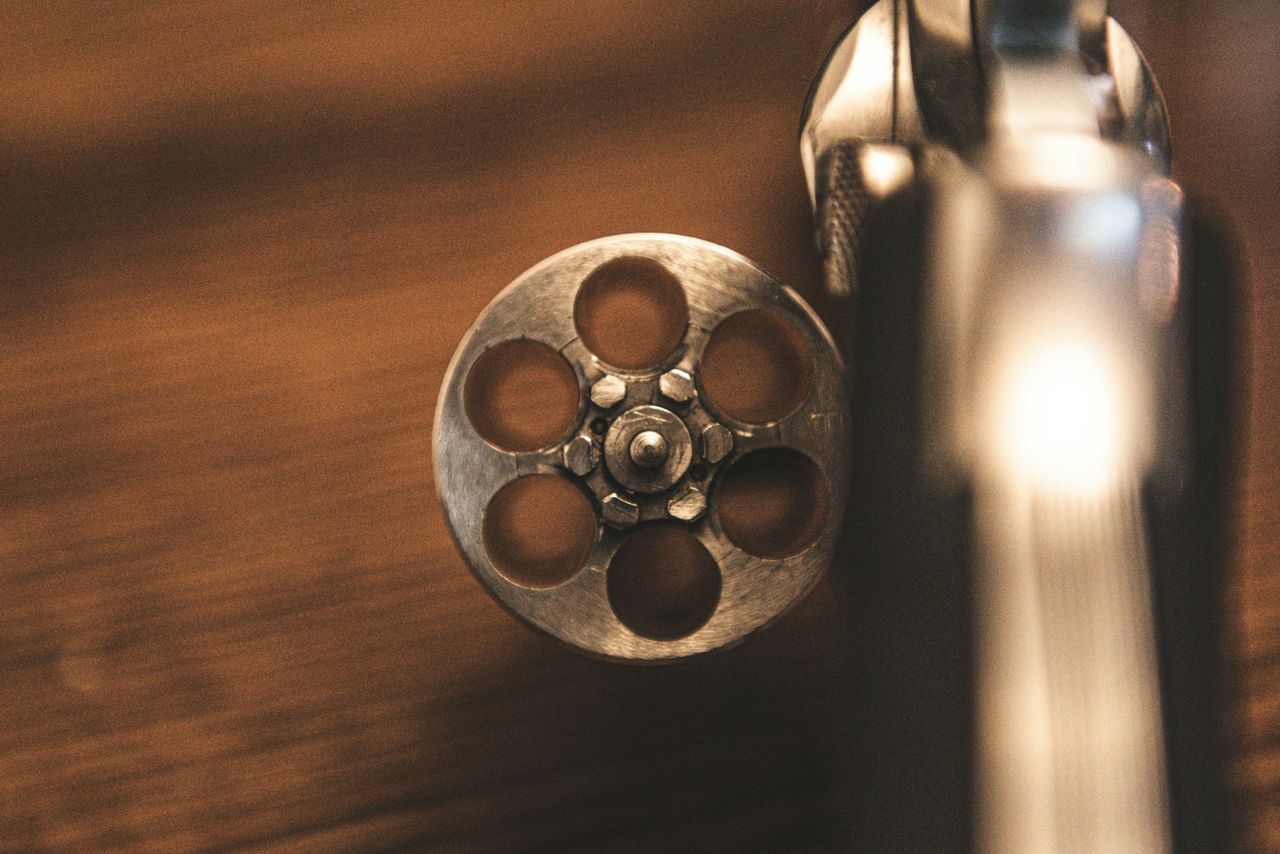
In the United States, some of the most striking engraved revolvers borrowed visual language from currency, certificates, and formal document design. Dense scrolls, bright cuts, borders, and crisp symmetry gave Colt and Smith & Wesson handguns a ceremonial presence. Even before precious metal inlays entered the picture, the surfaces looked expensive.
That banknote influence suited the industrial confidence of the era. These were practical sidearms, yet their decoration suggested prestige, presentation, and national identity. On exhibition pieces and special-order revolvers, engravers used every flat and curve to prove that machine-made repeaters could still carry the hand-touched beauty usually associated with luxury objects.
Gold Inlaid Imperial Presentation Pistols
Some engraved firearms were never meant to live ordinary working lives. Presentation pistols made for royalty, diplomats, or military leaders often carried gold inlays, arabesques, coats of arms, and ceremonial inscriptions. The base object may have been fully functional, but its true purpose was to impress, flatter, and endure.
Gold changes the reading of engraved steel immediately. It catches light first, then leads the eye into the cut lines around it, turning the whole composition into something almost architectural. On imperial and courtly arms, that interplay transformed a weapon into a symbol of power and status, with decoration doing as much talking as the mechanism inside.
Italian Game Scene Over and Unders

Italian engravers have long been admired for making sporting guns feel lively, graceful, and richly atmospheric. On high-end over and unders, they often paired deep relief scrollwork with finely rendered game scenes, giving the metal a cinematic quality. Ducks, partridges, dogs, and reeds seem to move even while frozen in steel.
Part of the appeal is balance. The decoration celebrates the romance of the hunt without burying the sleek profile that makes these guns so admired in the first place. Makers from Gardone Val Trompia helped turn the shotgun into a complete design object, where performance, national style, and hand engraving all speak in the same visual language.
German Oak Leaf and Boar Motifs
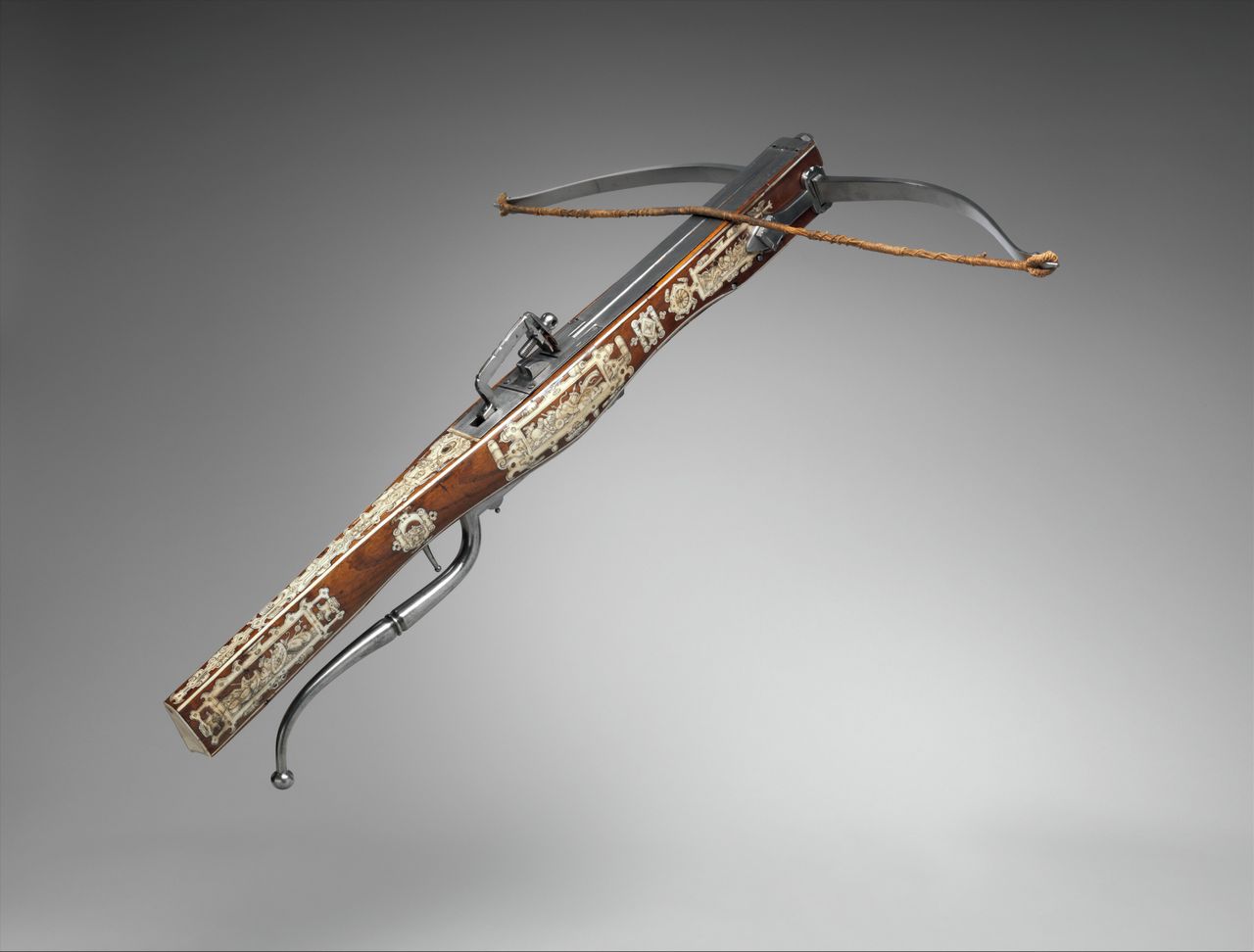
German and Central European gun engraving often leans into a mood that feels robust, old-world, and deeply tied to the forest. Oak leaves, acorns, wild boar, stag heads, and other hunting symbols appear again and again, often cut with bold relief and strong texture. The effect is less airy than English scroll and more sculptural.
That visual weight suits the cultural traditions behind it. These guns often carry a sense of ritual, season, and place, as if the woodland itself has been carved into the metal. What starts as surface embellishment becomes storytelling through motif, connecting the owner not just to a tool, but to a whole hunting identity.
Middle Eastern Silver Damascening

Not all firearm decoration relies on cut scroll alone. In parts of the Middle East, damascening brought silver or gold wire into steel surfaces, creating luminous patterns, calligraphic elements, and geometric rhythm. The finished work can feel almost textile-like, with repeating motifs wrapping a gun in shimmer and precision.
This approach changes the personality of the object completely. Instead of emphasizing only the carved line, it builds contrast between dark metal and bright inlaid ornament. On antique matchlocks and later decorative arms, that contrast gave even simple forms a ceremonial richness, showing how regional metalworking traditions could elevate weapons into objects of cultural and visual significance.