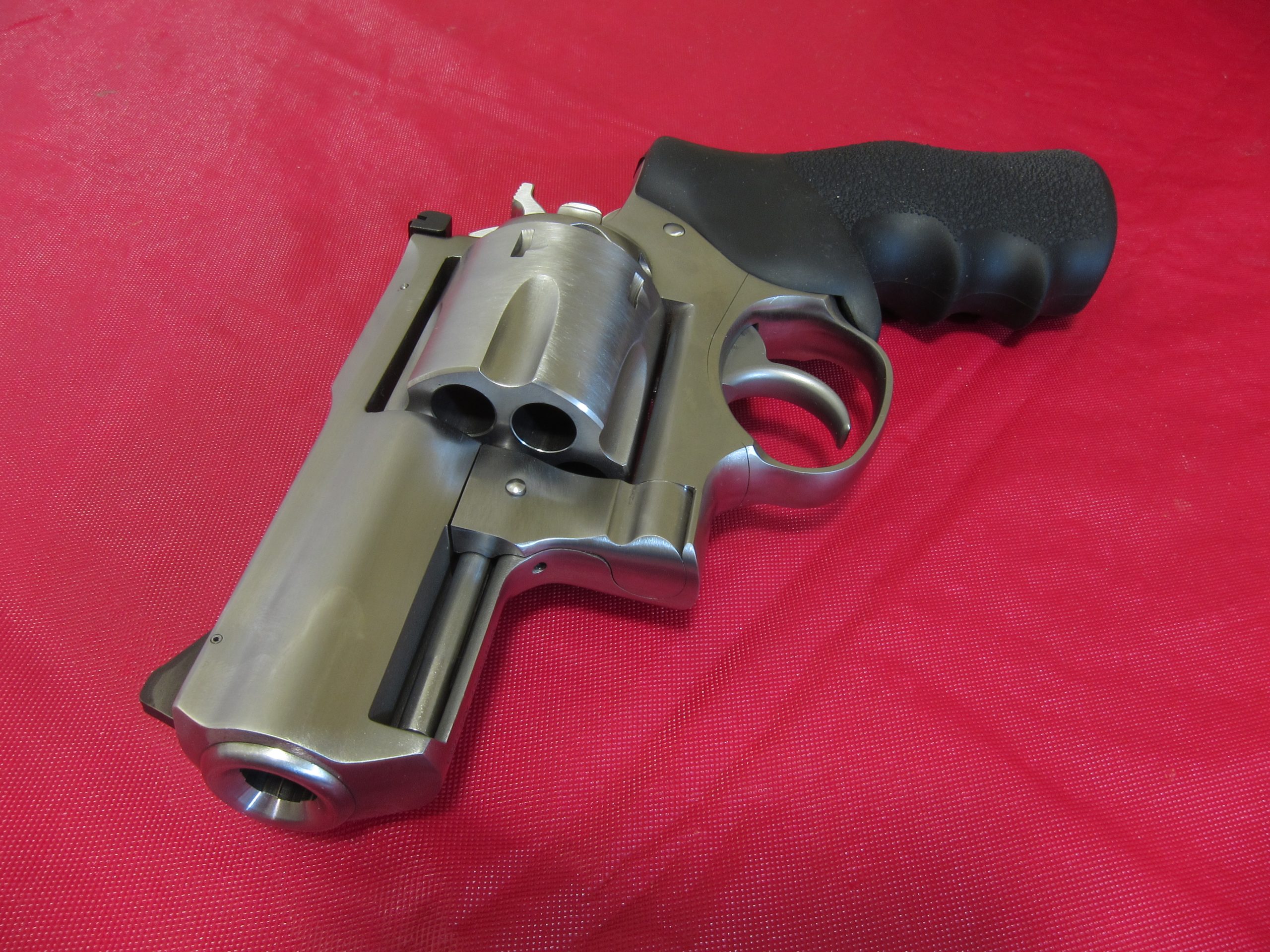
Firearm laws in the United States can vary dramatically from one state to another. A firearm that can be legally bought in one state may be prohibited from sale, tightly restricted, or limited to grandfathered owners in another. Some restrictions focus on a firearm’s firing mechanism, while others use barrel length, caliber, design features, or specific model names. The seven examples below show how federal and state laws have gradually removed certain firearms from ordinary commercial availability without necessarily creating a nationwide ban.
1. Machine Guns

Machine guns represent one of the clearest examples of a firearm category that was effectively phased out of ordinary civilian transfers at the federal level. The Firearm Owners’ Protection Act of 1986 amended federal law to prohibit civilian possession or transfer of machine guns made after May 19, 1986, while preserving limited exceptions for government agencies and machine guns lawfully possessed before that date. Earlier registered examples therefore became a distinct collector market, while newly manufactured machine guns generally cannot enter the ordinary civilian market. The rule applies to the firearm’s ability to fire automatically with a continuous trigger activation, rather than simply its appearance.
2. Short-Barreled Rifles and Shotguns
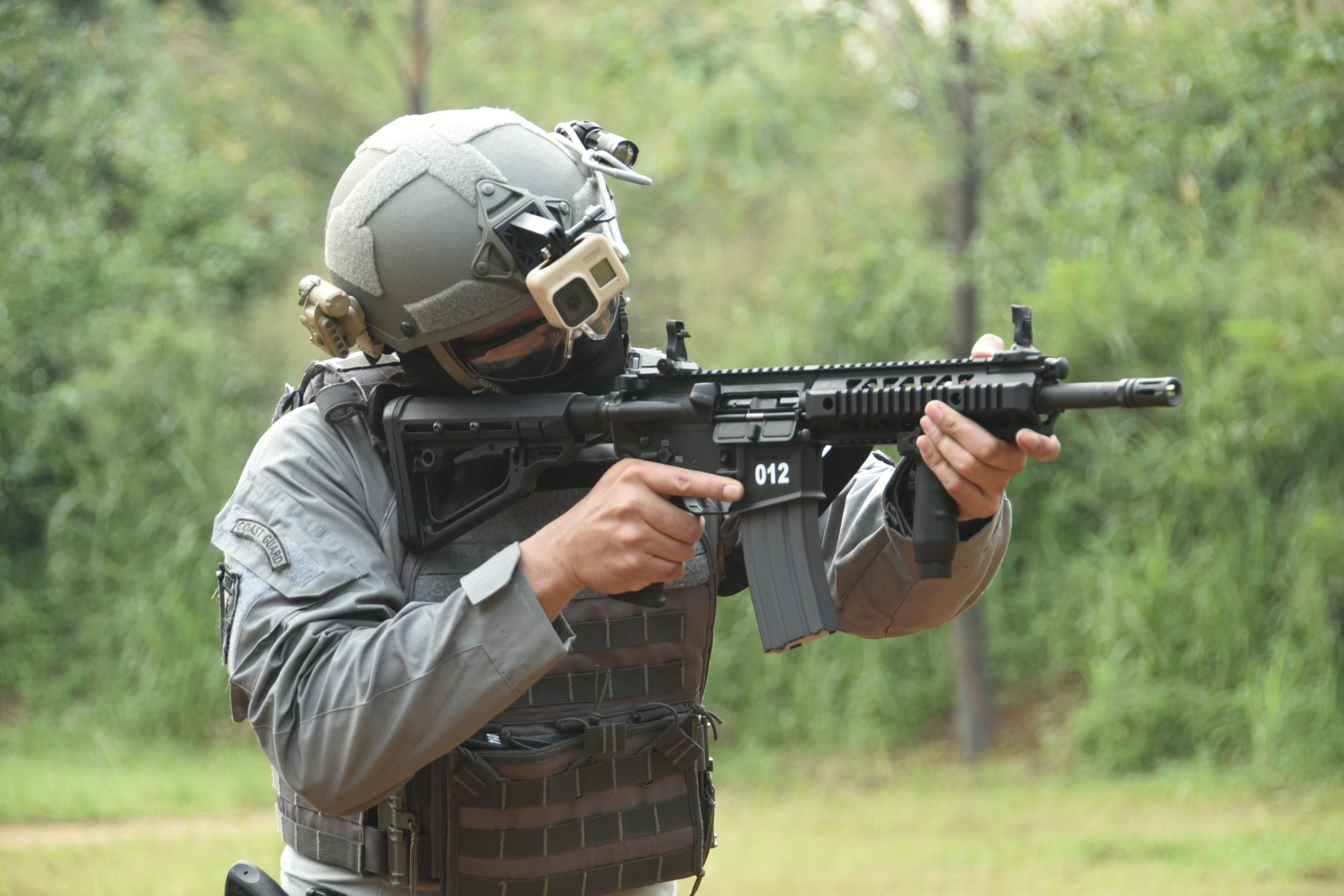
Short-barreled rifles and shotguns occupy an unusual position because federal law regulates them through the National Firearms Act rather than banning them outright. Federal definitions generally place rifles below 16 inches of barrel length and shotguns below 18 inches into the short-barreled category, with an overall-length threshold of 26 inches also relevant to weapons made from rifles or shotguns. Individual states can impose stricter rules. Michigan, for example, generally prohibits making, manufacturing, transferring, or possessing these firearms, while creating an exception for weapons lawfully handled under federal law.
3. AR-15 and AK-Pattern Rifles
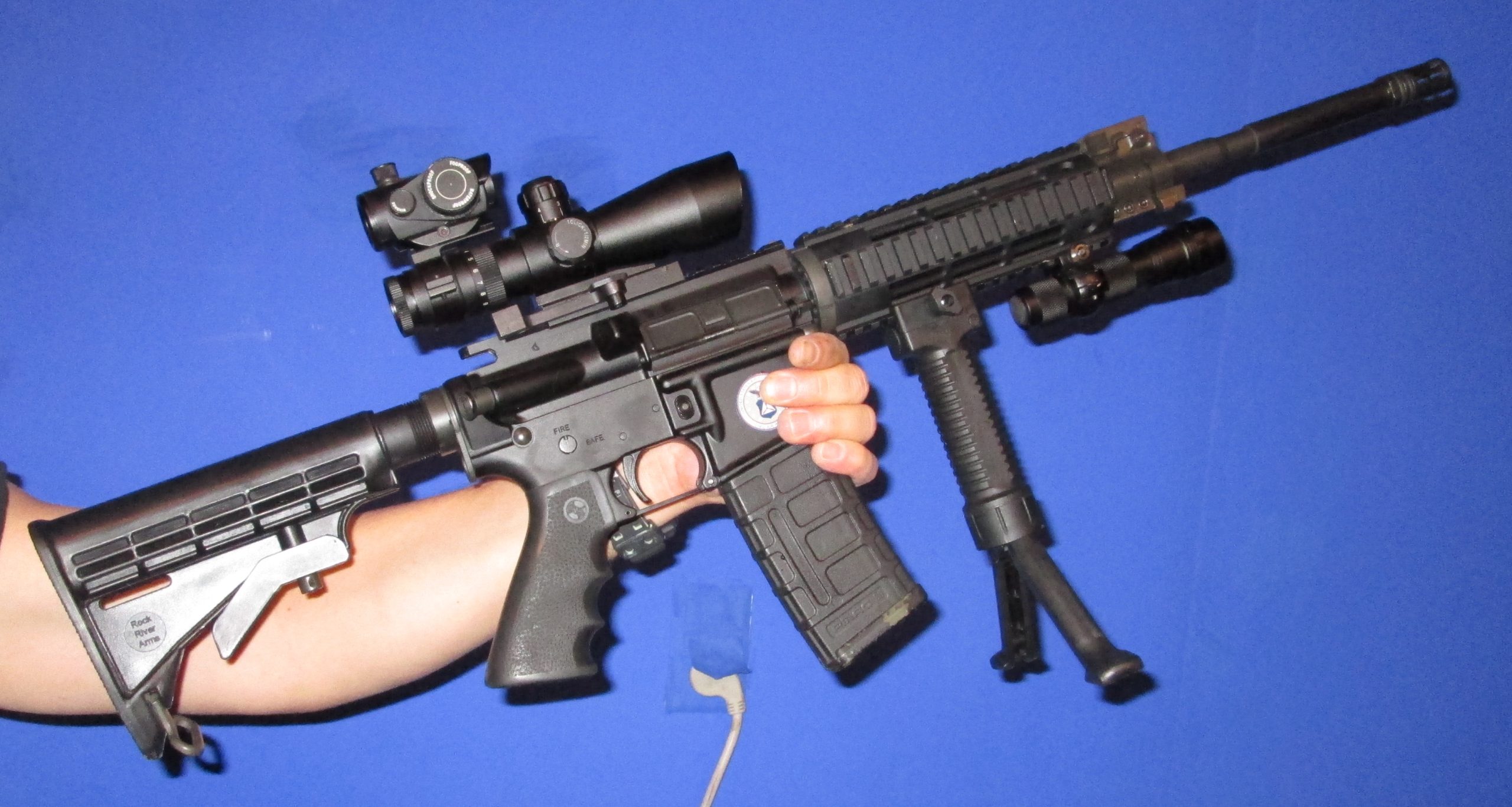
AR-15 and AK-pattern rifles have not been banned nationwide, but their legal status changes sharply in some states. California, for example, regulates assault weapons through three categories covering named firearms, AK and AR-15 series weapons, and firearms meeting specified feature-based definitions. The state also ended the ordinary registration windows for its major assault-weapon categories years ago. Washington’s law likewise identifies numerous models, including AK-47, AK-74, AR-15, M16 and M4 variants, and prohibits the manufacture, importation, distribution, sale or offer for sale of covered assault weapons, subject to statutory exceptions.
4. .50 BMG Rifles

California provides one of the most notable examples of a state specifically restricting a powerful rifle cartridge rather than relying only on firearm design. Its .50 BMG rules generally prohibit the manufacture, importation, sale and possession of covered .50 BMG rifles, while allowing certain previously registered firearms to remain under specific conditions. California defines the cartridge using several measurements, including a 5.54-inch overall cartridge length, a .510-to-.511-inch bullet diameter and a 3.91-inch case length. The original registration deadline for qualifying rifles was April 30, 2006, making this a distinctly grandfathered category today.
5. Assault-Style Firearms in Massachusetts

Massachusetts substantially changed its firearm restrictions in 2024 by creating a broader statutory category called “assault-style firearm.” The definition covers certain semiautomatic rifles, pistols and shotguns based on combinations of features, while also naming models such as AK variants, UZI, Galil, AR-15, FN/FAL, Steyr AUG, and TEC-9. Current law generally prohibits possession, ownership, sale, transfer, and importation of these firearms, but provides a grandfathering provision for qualifying firearms lawfully possessed in Massachusetts on August 1, 2024. The law therefore distinguishes between newly acquired firearms and qualifying pre-existing ownership.
6. Assault Weapons in Connecticut
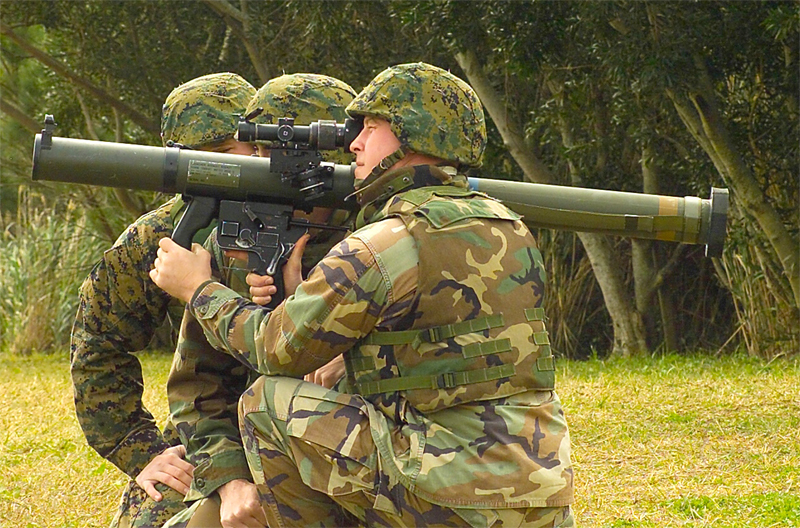
Connecticut has regulated assault weapons for decades, and its current definition combines specifically named firearms with broader feature-based standards. The state’s list includes numerous semiautomatic rifles and pistols, while newer provisions also cover certain semiautomatic centerfire rifles, pistols, and shotguns according to characteristics such as folding stocks, pistol grips, flash suppressors, and magazine configurations. Connecticut law generally prohibits possession unless an exception applies, with grandfather provisions tied to specific dates including October 1, 1993, April 4, 2013, and June 5, 2023. Some violations can constitute a felony, demonstrating the seriousness of the restrictions.
7. Semiautomatic Pistols With Specific Features in California
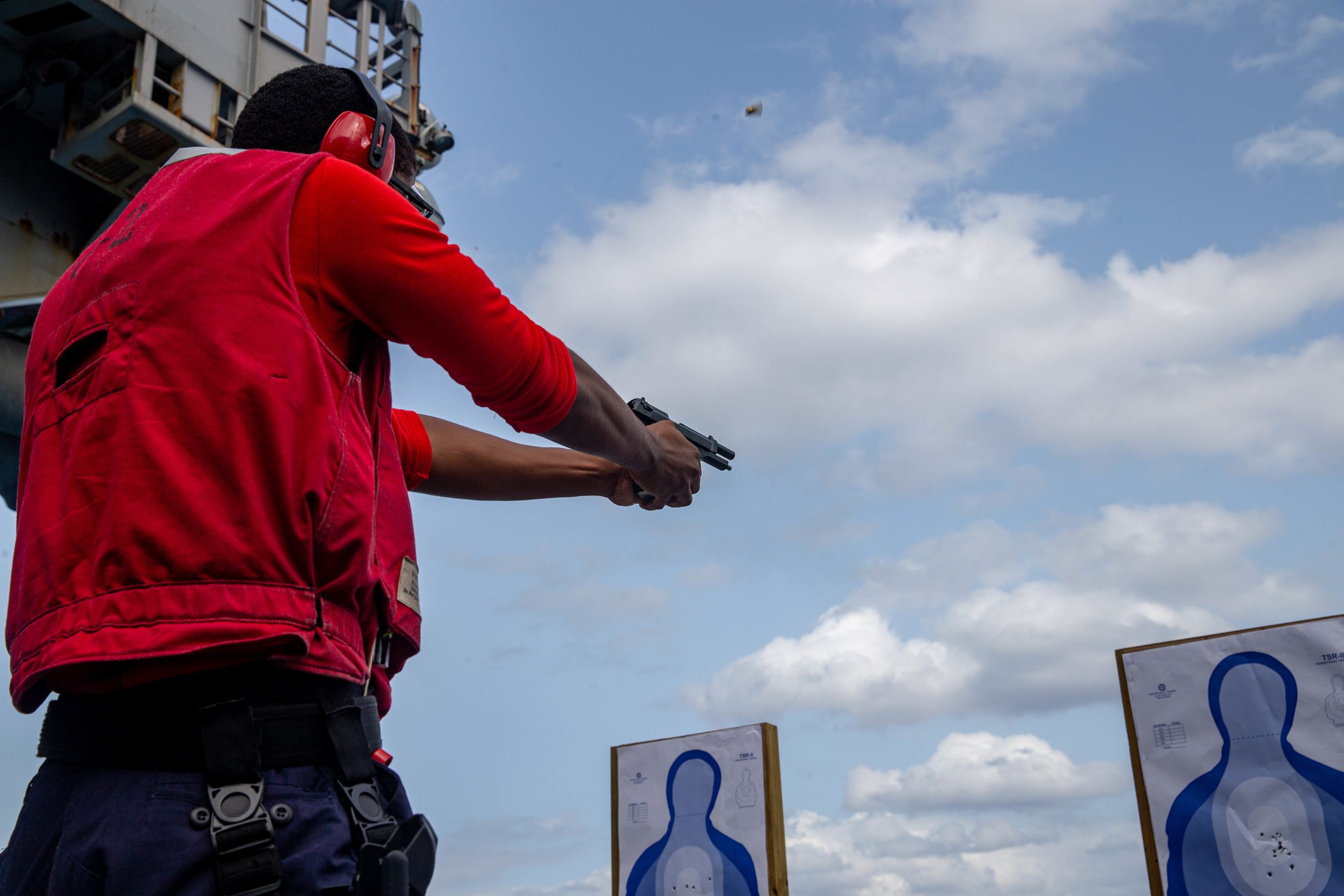
California also restricts certain semiautomatic pistols based on their design features rather than simply their brand or caliber. Under the state’s assault-weapon definition, a semiautomatic pistol can fall into the restricted category if it accepts a detachable magazine and has features such as a threaded barrel, second handgrip, barrel shroud, or a magazine that attaches outside the pistol grip. The rules have changed over time, with important registration dates affecting previously possessed firearms. This makes California’s system more complicated than a simple model-by-model prohibition and shows how a firearm’s configuration can determine its legal status.