Few handguns are more important for what they almost became. The Colt Model 1907 was not the final answer, but it exposed the problems that had to be solved before America got the M1911.
Why The Army Was Looking For A New Pistol
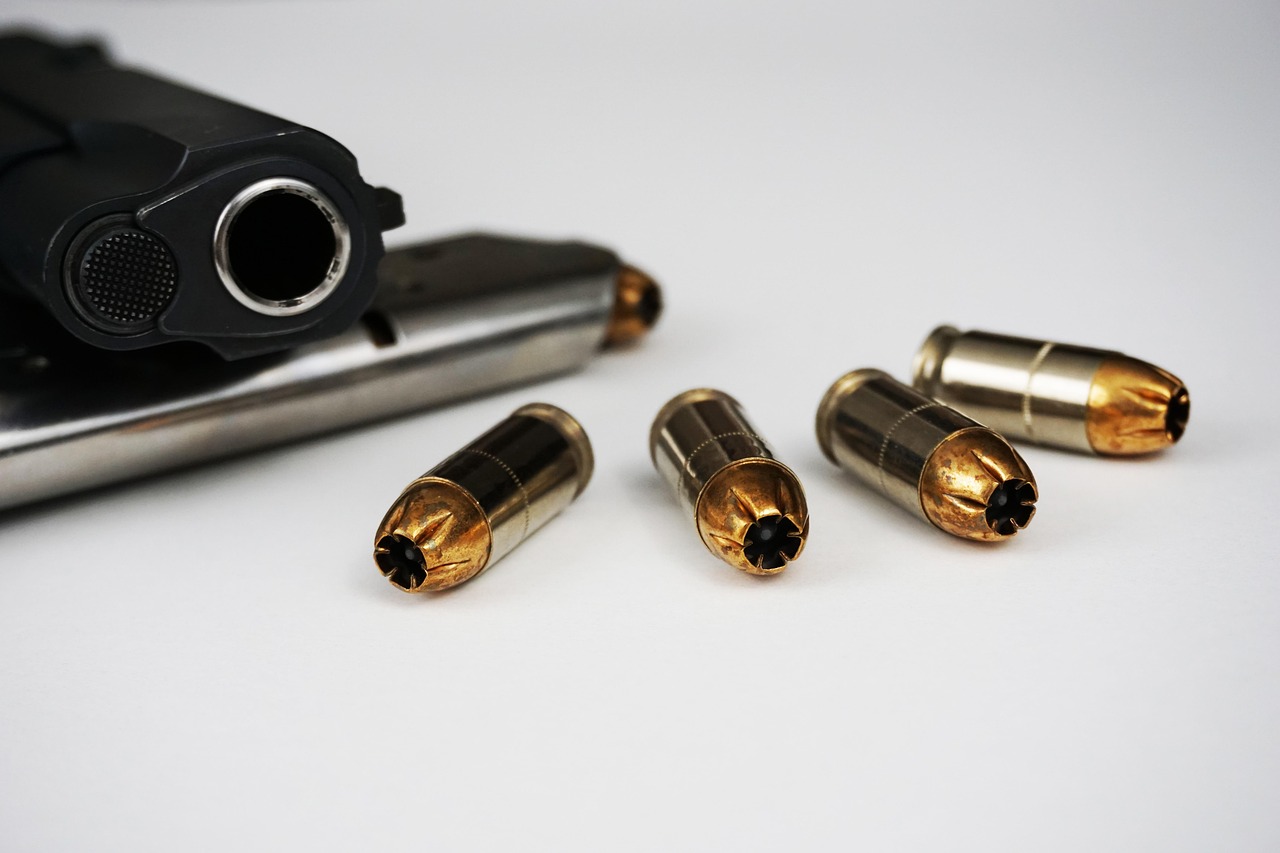
The U.S. Army’s search for a better sidearm was shaped by hard battlefield lessons. After experiences in the Philippines, military officials wanted a more decisive handgun cartridge and began leaning toward a .45-caliber self-loader rather than another light revolver.
That set the stage for the 1907 automatic pistol trials. According to American Rifleman, Colt’s large-bore Browning design had evolved from the earlier Model 1905, while Army evaluators were already pushing for changes that would make it more suitable for service use.
Those requested changes mattered. The Army wanted features like a grip safety and improved ejection, and Colt responded by producing a batch of 200 trial pistols for extended field evaluation, with the first deliveries beginning in March 1908, according to American Rifleman.
What The Colt Model 1907 Actually Was

Despite the name, the Colt Model 1907 was less a clean-sheet pistol than a developmental bridge. It retained John Browning’s earlier parallel-link, large-frame .45 ACP layout, but added military-requested refinements intended to make it safer and more practical in troop hands.
Forgotten Weapons notes that the 1907 trial guns were issued to cavalry units in places including Iowa, Minnesota, and the Philippines. That wide distribution gave the Army a meaningful real-world sample instead of a narrowly controlled factory demonstration.
In other words, the pistol was being judged under field conditions that exposed every weakness. It had to survive mounted use, dirt, routine handling, inconsistent maintenance, and ammunition realities that often reveal flaws far faster than range trials ever do.
How It Earned Its Reputation For Jamming
This is where the Model 1907’s reputation was made, and not in a flattering way. Field reports described significant jamming, along with broken firing pins and sears, complaints that appear in summaries of the cavalry trials preserved and discussed by Forgotten Weapons.
An Ordnance report from the period shows stoppages were not isolated annoyances. During endurance firing, evaluators recorded repeated jams, misfires, and magazine feeding failures, exactly the kind of recurring reliability trouble that can sour military confidence in a hurry.
That does not mean every malfunction was unique to Colt or shocking by early self-loading standards. Plenty of turn-of-the-century automatics were temperamental, but the Army was not testing curiosities. It needed a service weapon, and service weapons do not get much patience for chronic stoppages.
Why Cavalry Use Made The Problems Worse
Mounted service put unusual demands on an automatic pistol. Troopers needed a handgun that could be drawn, fired, and reloaded while controlling a horse, which made awkward handling and uncertain reliability much bigger problems than they might have seemed on a square range.
According to Forgotten Weapons, commanders also complained that the pistol was difficult to shoot accurately and was awkward on horseback. A gun that jams in laboratory conditions is bad enough; a gun that balks while a cavalryman is moving, stressed, and one-handed is a far more serious liability.
That context helps explain the Model 1907’s damaged reputation. The pistol was not merely inconvenient. It was being tested in one of the least forgiving handgun environments imaginable, where small design weaknesses became impossible to ignore.
The Fixes Colt And Browning Pursued
To Colt’s credit, the company did not stand still while criticism rolled in. During the trial period, modifications were introduced, including a larger ejection port, a bigger grip safety, and improvements aimed at sear durability and more dependable operation.
American Rifleman and Forgotten Weapons both point to the bigger story: Browning himself was already moving beyond the older two-link locking system. Even as the 1907 was under evaluation, he was developing the improved mechanical path that would appear in later 1909 and 1910 pistols.
That matters because the Model 1907’s failures were productive failures. Its jamming and breakage gave Colt and Browning a brutally honest test program, one that identified what had to change before the design could become a genuine military sidearm.
Why The 1907 Still Matters Today
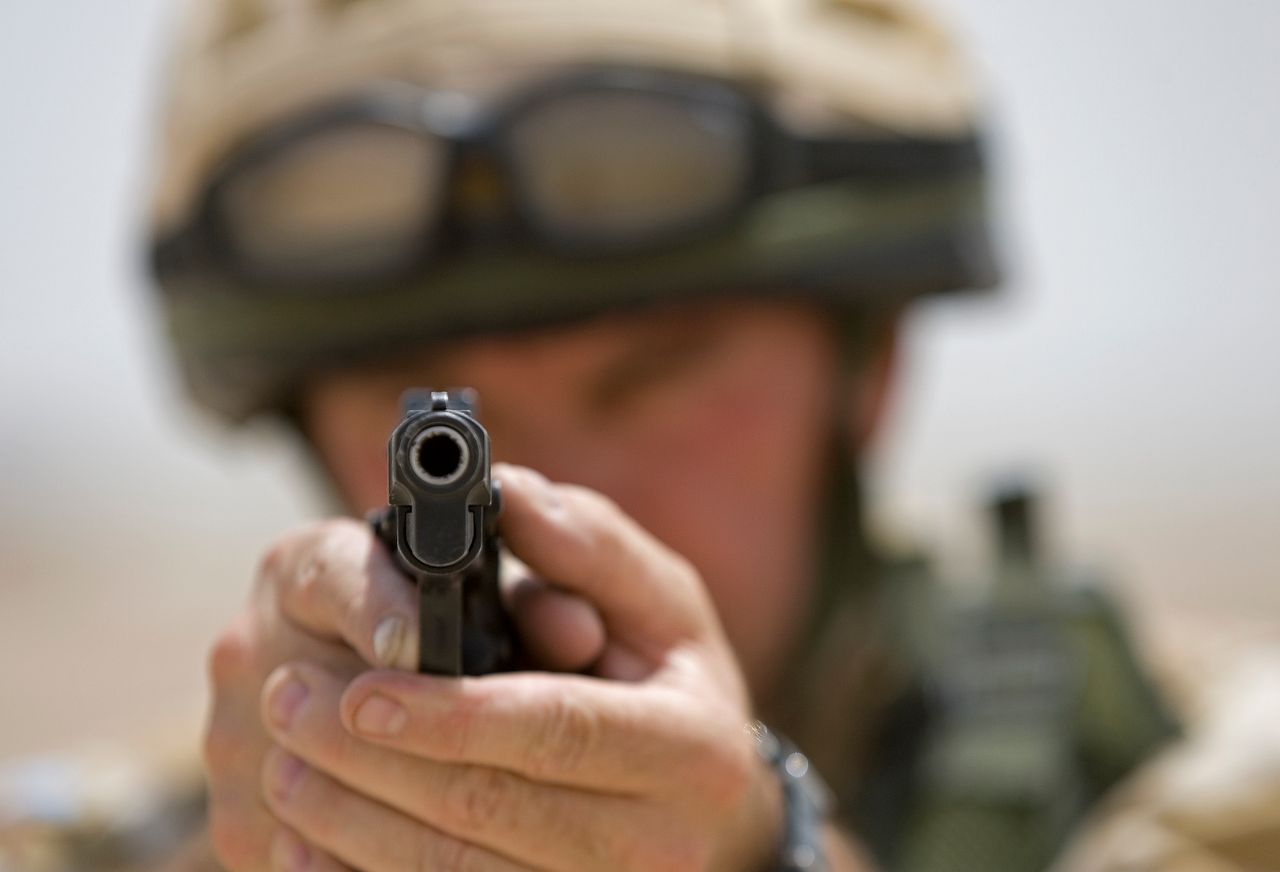
The Colt Model 1907 is remembered today not because it triumphed, but because it stumbled in useful ways. Its bad reputation in service trials helped force the refinements that ultimately produced the much more successful Colt pistol adopted as the M1911.
Seen in that light, the 1907 was an essential prototype in uniform. It proved that the Army’s desired big-bore self-loader was possible, but also showed that durability, feed reliability, and practical handling had to improve dramatically before adoption could happen.
For collectors and military-arms enthusiasts, that makes the pistol fascinating. It stands at the uncomfortable middle point between concept and classic, a handgun that jammed often enough to earn criticism, yet contributed directly to one of the most respected service pistols ever built.