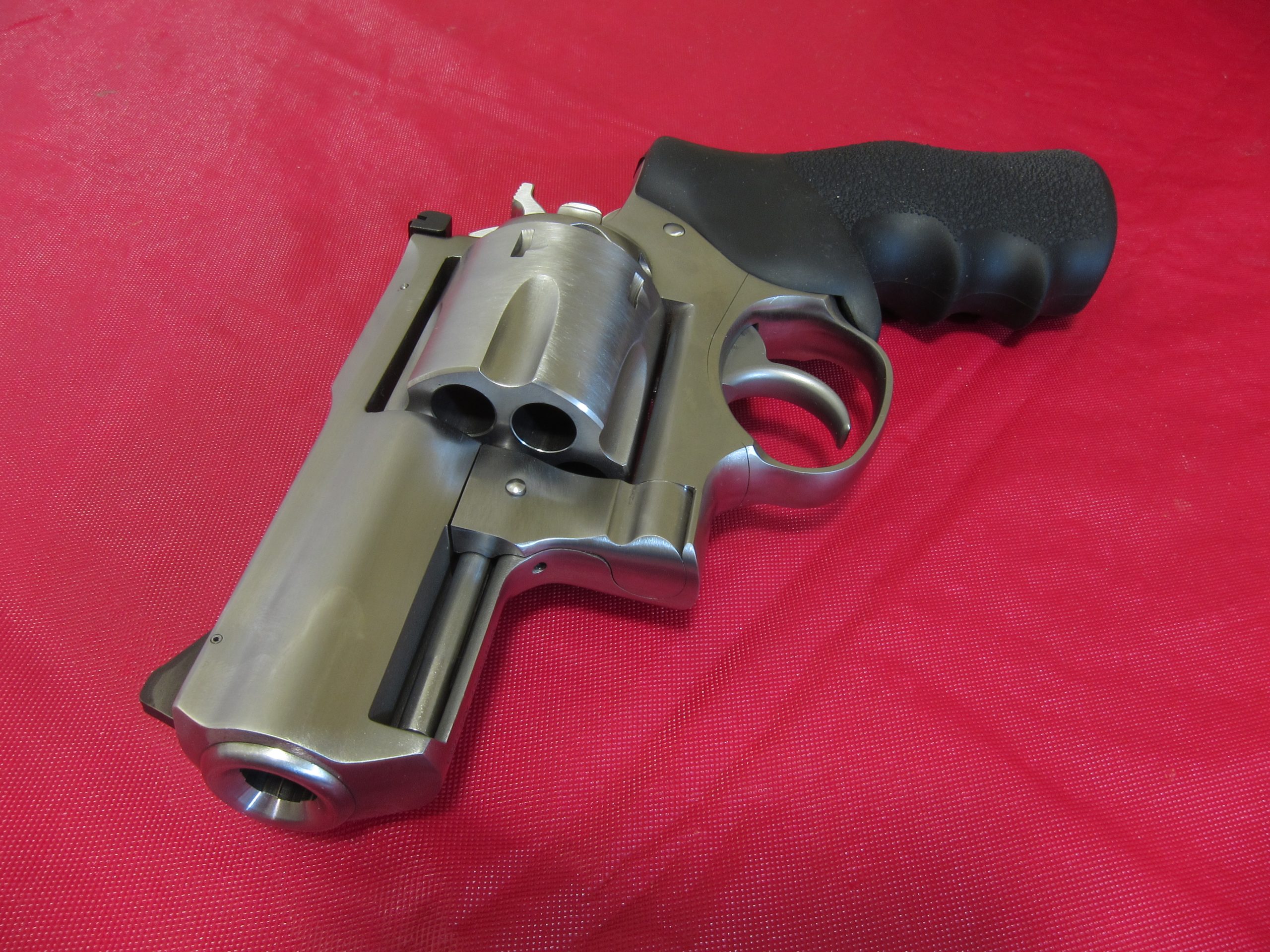
The Ruger Super Redhawk Alaskan is one of the more unusual revolvers ever designed for wilderness carry. Introduced in 2004, it combined a large-frame revolver with an unusually short 2.5-inch barrel and powerful cartridges such as .454 Casull and .480 Ruger. Its purpose was not to maximize velocity or target-shooting comfort, but to create a substantial sidearm that could remain practical while moving through demanding country.
1. It Was Built Around a Very Short Barrel
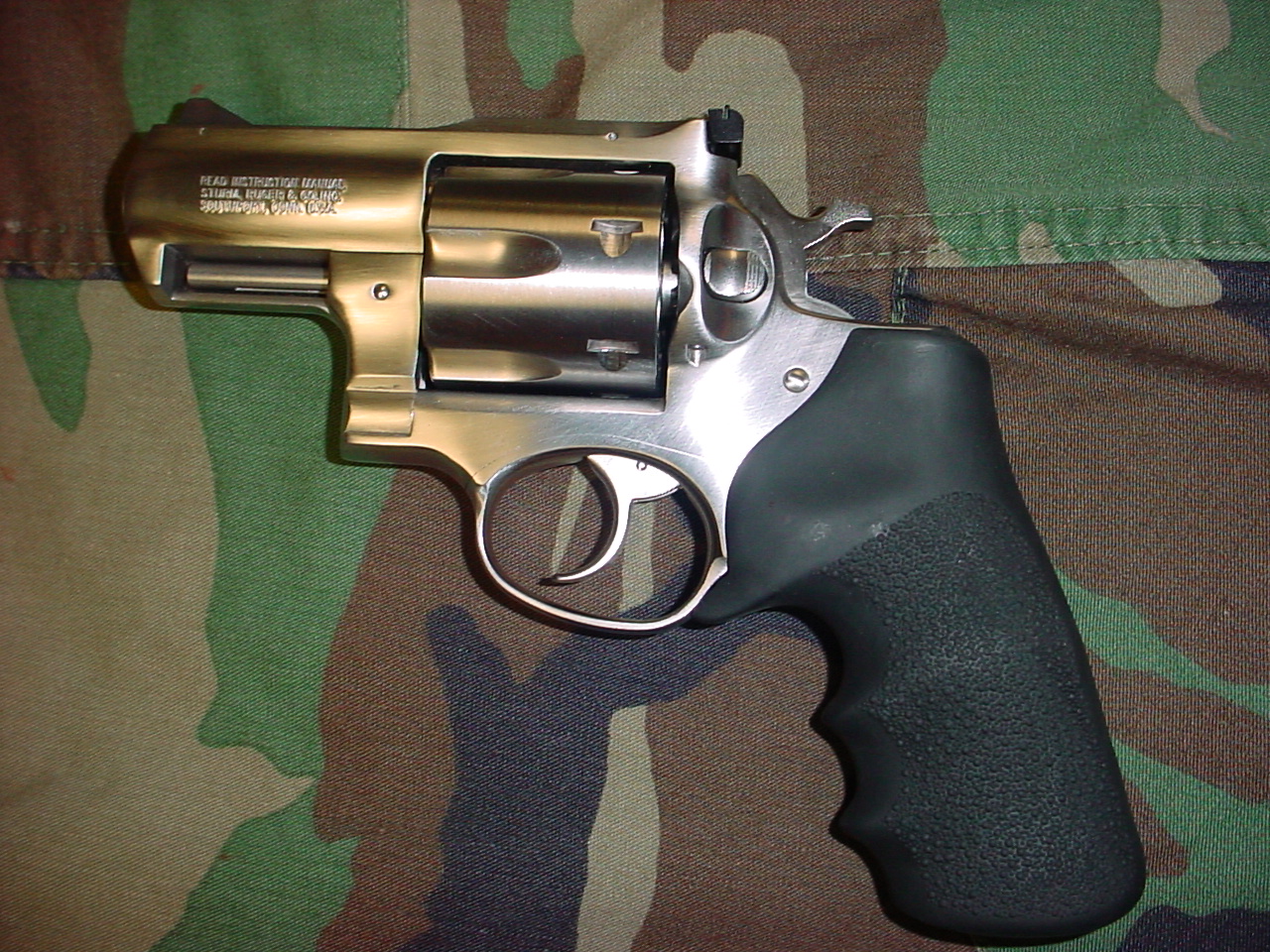
The Ruger Super Redhawk Alaskan took the idea of a snub-nose revolver in an unusual direction. Instead of using a small cartridge, Ruger fitted a 2.5-inch barrel to a large, heavy frame intended for powerful ammunition. The compact barrel made the gun easier to carry while hiking, fishing, boating, or working around camp, where a long gun might be inconvenient. Ruger introduced the model in 2004, and its defining trade-off was clear: portability came at the expense of some velocity and sight radius. It was designed as a field companion, not a lightweight pocket revolver. Its proportions were deliberately unusual, because the goal was practical field carry rather than pocket.
2. The Name Came From Its Intended Environment
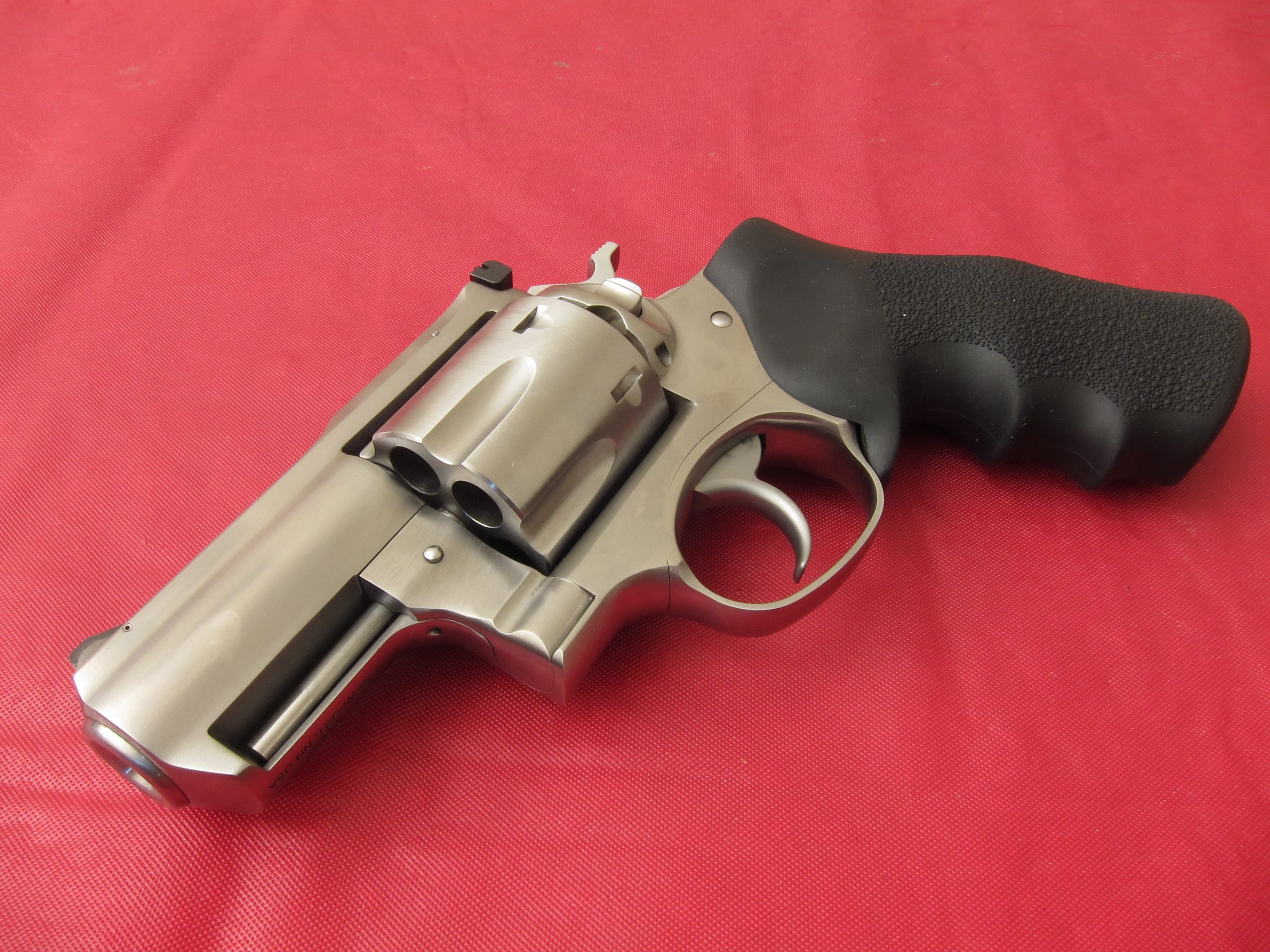
The Alaskan name was more than marketing. Ruger developed the revolver after company president Steve Sanetti heard about the practical needs of people traveling in Alaska and other remote country. A large revolver could remain accessible when a rifle was stored elsewhere, while its short barrel reduced the chance of snagging on clothing or equipment. The original model offered six shots and powerful chamberings including .454 Casull and .480 Ruger, with .45 Colt compatibility in the .454 version. That combination made the Alaskan a specialized wilderness sidearm rather than a general-purpose handgun. The concept was simple: a sidearm is useful only if it is actually carried.
3. Its Frame Is Much Bigger Than Its Barrel
The Alaskan looks compact only from the muzzle forward. Behind that 2.5-inch barrel is the substantial Super Redhawk frame, built to withstand high-pressure cartridges. Early specifications listed the revolver at roughly 42 to 43 ounces, with an overall length around 7.5 inches in some configurations. Ruger also used a stainless-steel construction and a triple-locking cylinder system. Those numbers explain the design philosophy: the gun is short, but it is not light. The extra mass helps make powerful ammunition more manageable and gives the revolver the rugged character expected of a serious backcountry tool.
4. .454 Casull Made It a Serious Big-Bore
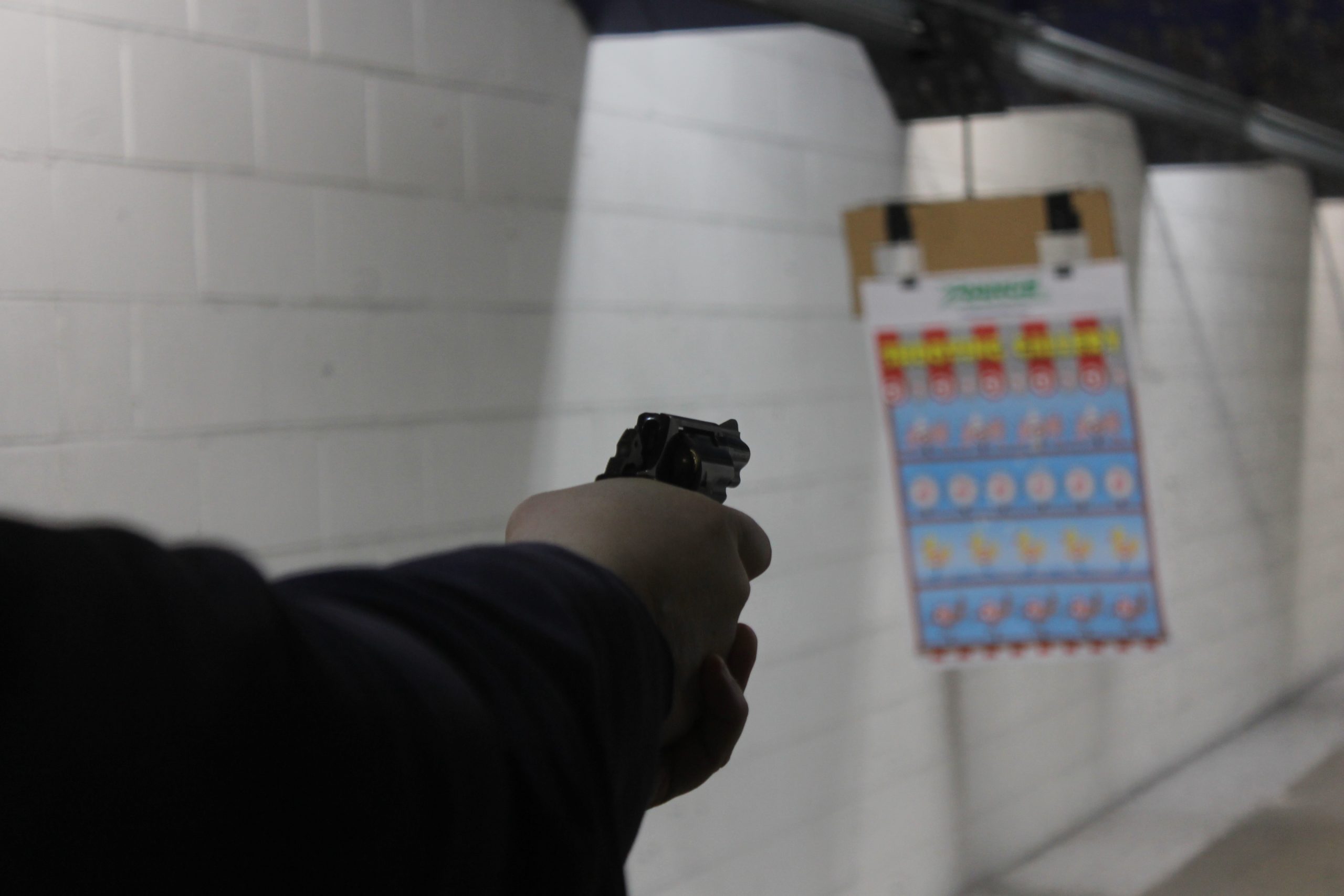
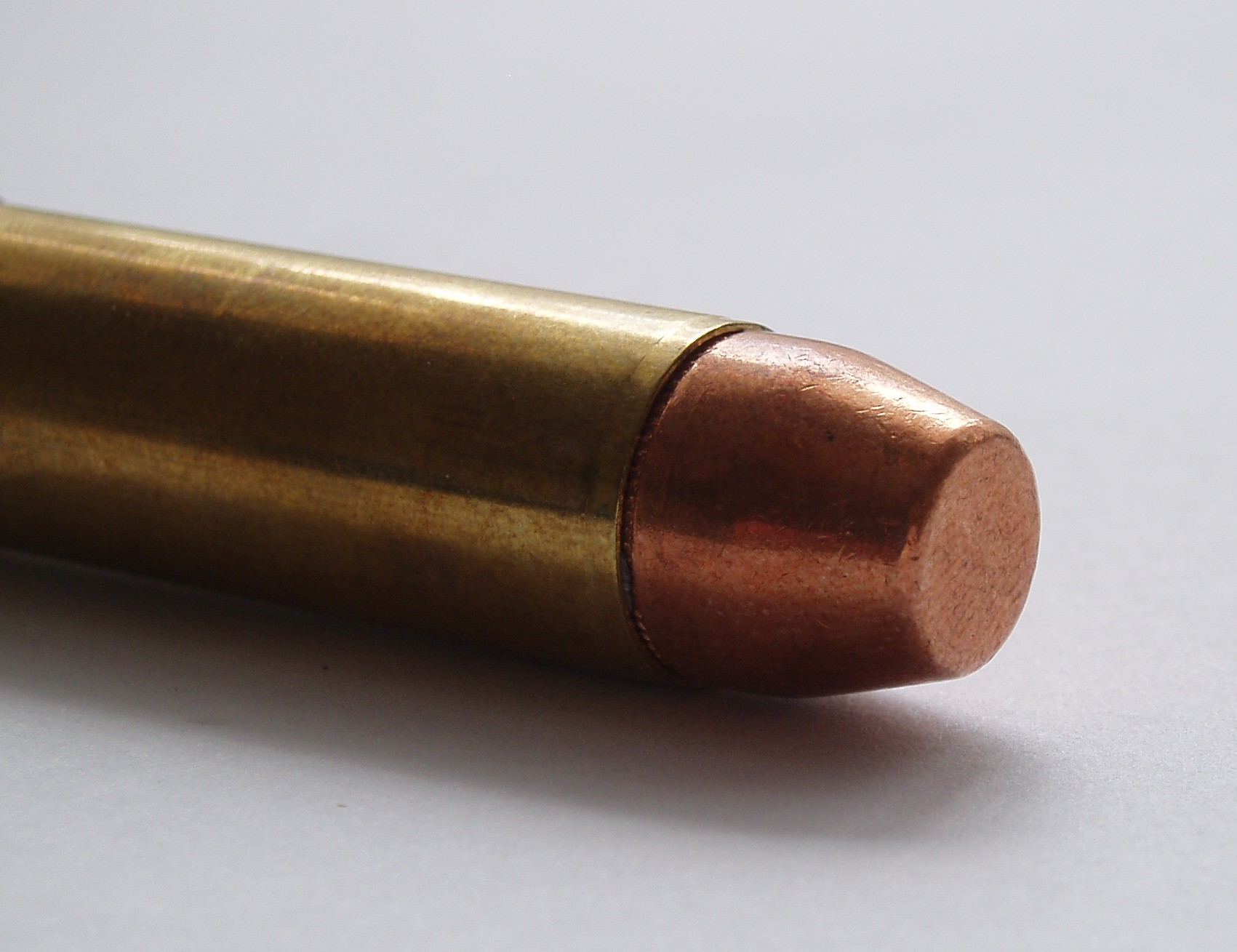
One of the Alaskan’s headline chamberings was .454 Casull, a powerful cartridge developed for demanding hunting and field use. In a 2.5-inch barrel, it does not reach the same velocity that longer hunting revolvers can produce, because the short tube leaves less room for the propellant to accelerate the bullet. Even so, the cartridge gives the compact revolver considerable authority. The important point is that the Alaskan was never intended to make .454 Casull comfortable or economical for casual shooting. It was engineered around carrying a powerful option when portability mattered more than maximum ballistic performance.
5. The .480 Ruger Offered Another Heavy Option
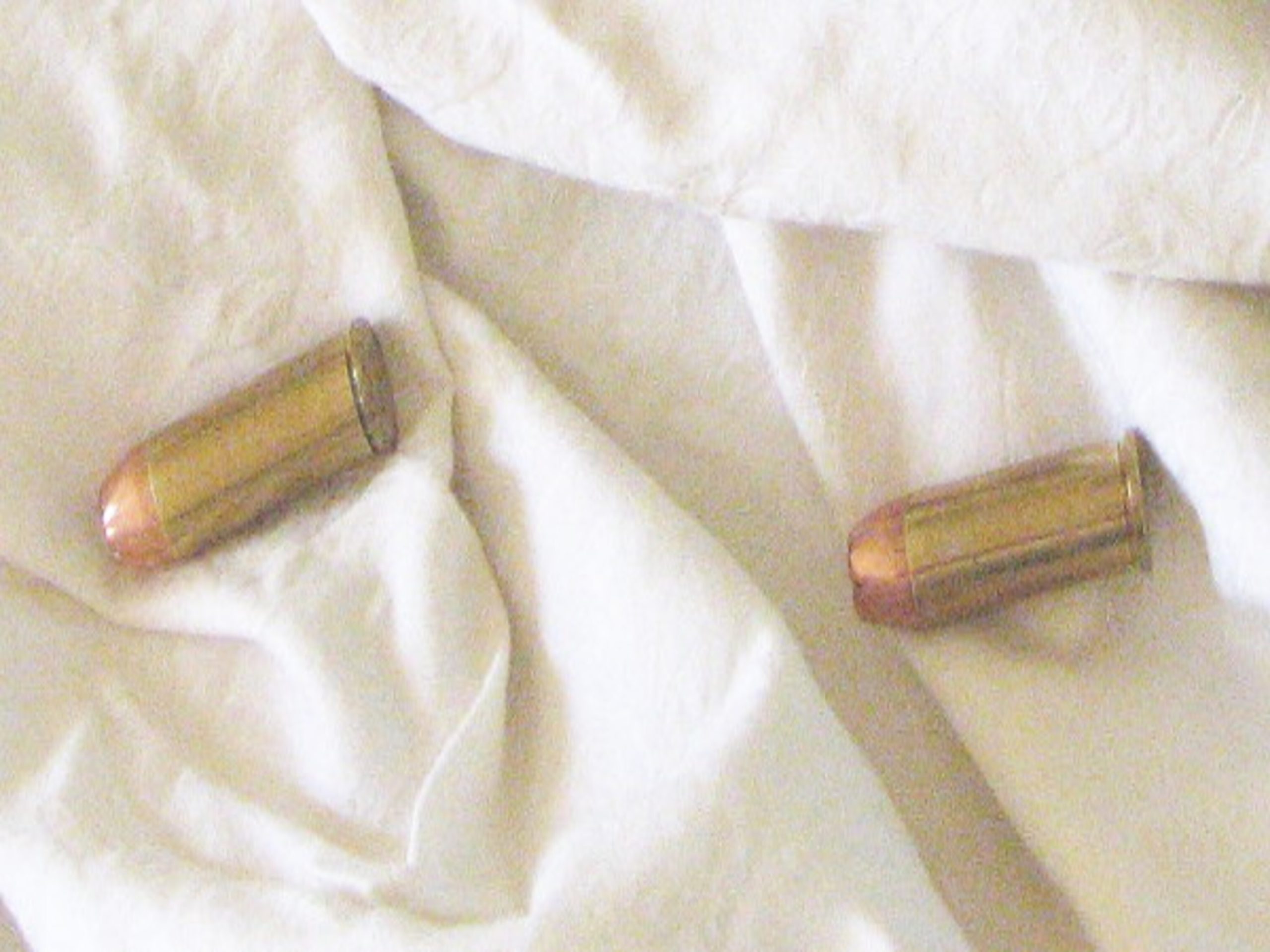
Ruger also chambered the Alaskan for .480 Ruger, a cartridge introduced by the company in 2003 with hunting and large-game applications in mind. Compared with the .454 Casull, it uses a larger-diameter bullet and was designed around substantial projectile weight rather than extreme velocity. The Alaskan’s short barrel made the package compact, but recoil and blast remained significant. This is why the revolver’s rubber grip and heavy frame were important parts of the overall design. The .480 version was never meant to be a casual range toy; it was a specialized combination of compact dimensions and heavy-caliber capability.
6. The Grip Was Designed With Recoil in Mind
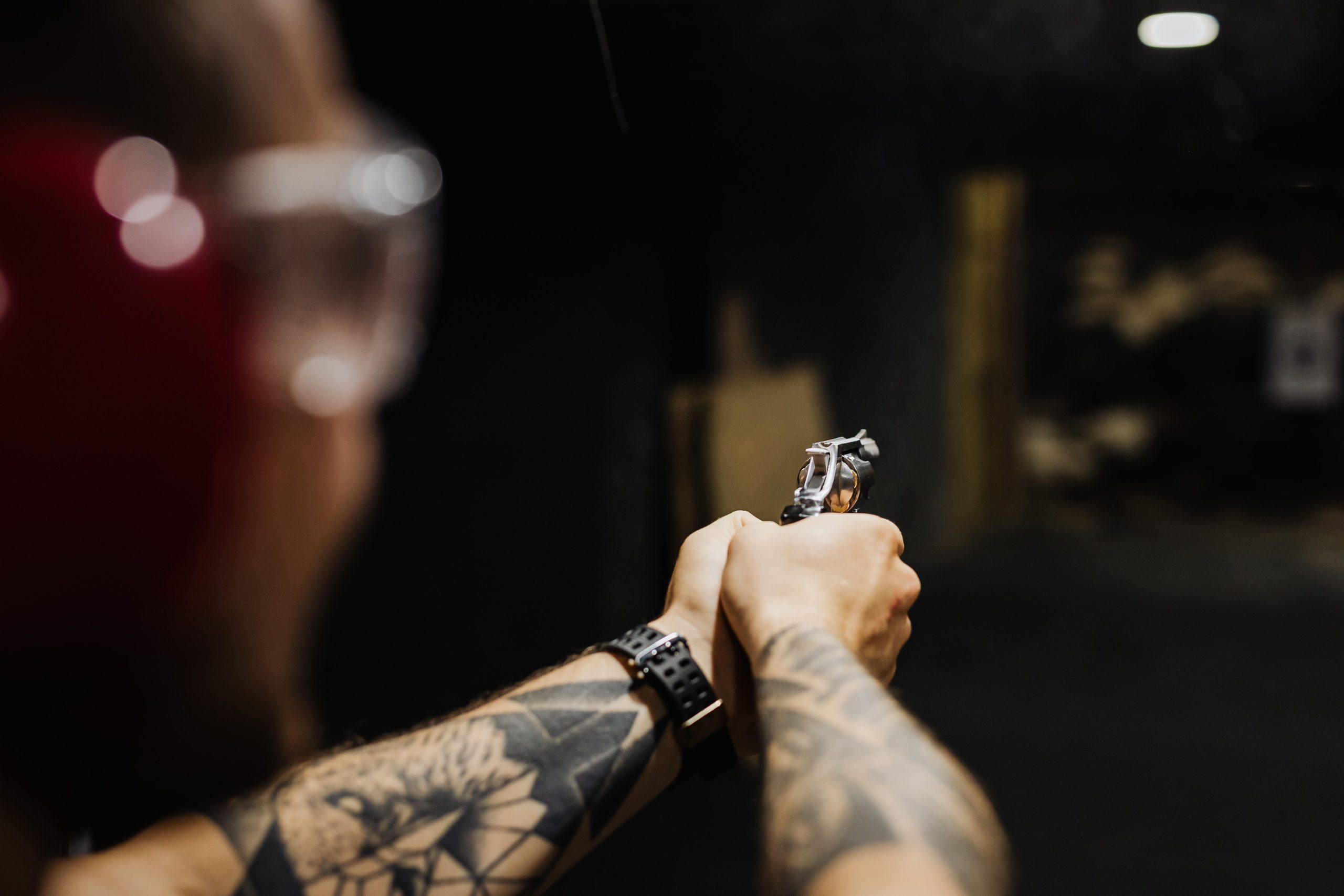
A powerful cartridge in a short-barreled revolver can be unpleasant to fire, so Ruger gave the Alaskan a Hogue rubber grip designed to cushion the shooter’s hand. The grip also provides a more secure hold than the tiny stocks normally associated with snub-nose revolvers. That matters because the revolver can generate substantial recoil, especially with full-power magnum ammunition. The gun’s roughly 42-ounce weight helps too, although it does not transform the experience into a mild one. In practical terms, the Alaskan’s handling is a balance between a compact barrel and enough mass and grip area to control a very energetic cartridge.
7. Six Shots Came From a Full-Size Cylinder

Despite its short barrel, the Alaskan retained a six-round cylinder in its original .454 Casull configuration and in the .44 Magnum version. That capacity was significant because the revolver’s purpose demanded a dependable, straightforward action rather than a complex compact mechanism. Its double-action design allows the shooter to fire without manually cocking the hammer between shots, while the transfer-bar system adds an important layer of drop safety. The cylinder and frame were built for heavy loads, reinforcing the idea that this was a shortened big-game revolver, not simply a conventional snub-nose scaled upward.
8. The Short Barrel Has a Real Ballistic Cost
The Alaskan’s greatest advantage is also one of its biggest compromises. A 2.5-inch barrel makes the revolver easier to carry and less awkward in confined outdoor situations, but powerful cartridges generally lose velocity compared with longer barrels. Published testing of .454 Casull loads has shown meaningful velocity reductions from the short tube. The shorter sight radius can also make precise shooting more demanding. In other words, the Alaskan does not create extra power by being compact; it accepts some ballistic performance in exchange for handiness. That trade-off is central to understanding why the revolver exists.
9. It Was Designed for a Very Specific Job

The Super Redhawk Alaskan is best understood as a specialized wilderness revolver rather than a universal handgun. Its 2.5-inch barrel, heavy stainless frame, six-shot cylinder, large grip, and magnum chamberings were selected around one idea: keeping substantial handgun capability available without carrying a long-barreled hunting revolver. That does not make it a guaranteed solution to a bear encounter, and no handgun replaces avoidance, distance, food storage, local guidance, or legally required safety practices. Its real significance is the unusual engineering compromise it represents: maximum portability for a genuinely big-bore revolver. For that reason, the Alaskan remains interesting beyond bear-country discussions: it showed how a manufacturer could rethink a large hunting revolver around everyday field carry. Its unusual proportions became the defining feature rather than a limitation.