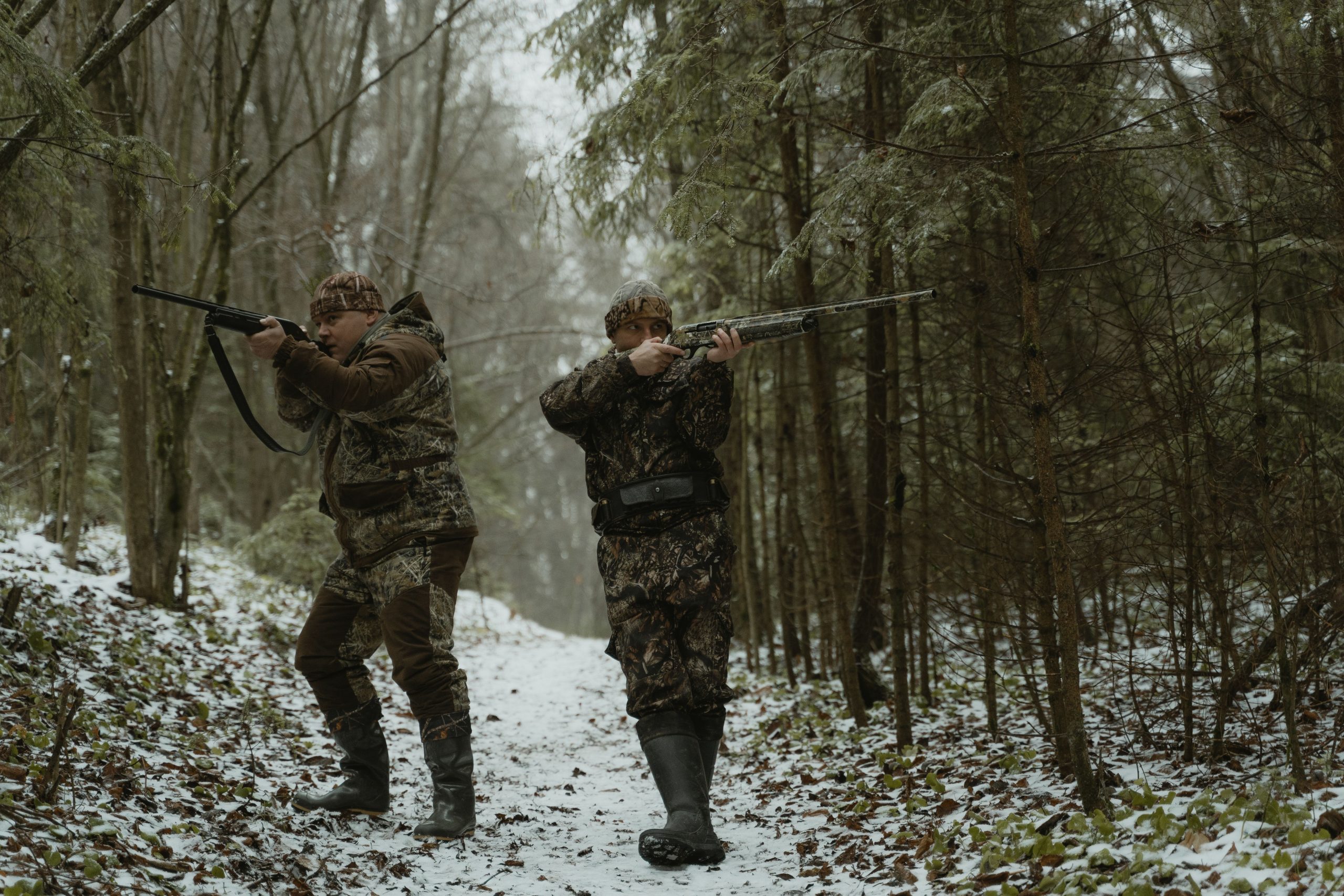
Camouflage can make a hunter less noticeable, but wearing the right pattern does not automatically make someone invisible outdoors. Small mistakes involving movement, lighting, clothing choices, and surroundings can reveal a person’s position long before an animal comes within range. Some failures lead to missed opportunities, while others create genuine safety concerns for hunters and people sharing the same land. Understanding these seven common camouflage mistakes helps explain why effective concealment depends on much more than the colors printed on a jacket or pair of trousers.
1. Wearing Woodland Patterns in the Wrong Environment
A woodland camouflage pattern may look convincing in a store but become surprisingly obvious when its colors clash with the hunting area. Dark green clothing, for example, can stand out against dry grass, pale tree trunks, or autumn leaves. A hunter wearing one pattern throughout a 4-season year may overlook how dramatically the surroundings change. Matching the dominant colors, contrast, and vegetation structure matters more than choosing the most detailed design. Even a few mismatched clothing areas can create a recognizable outline, reducing concealment and making a carefully planned approach less effective.
2. Moving Too Quickly When Animals Are Watching
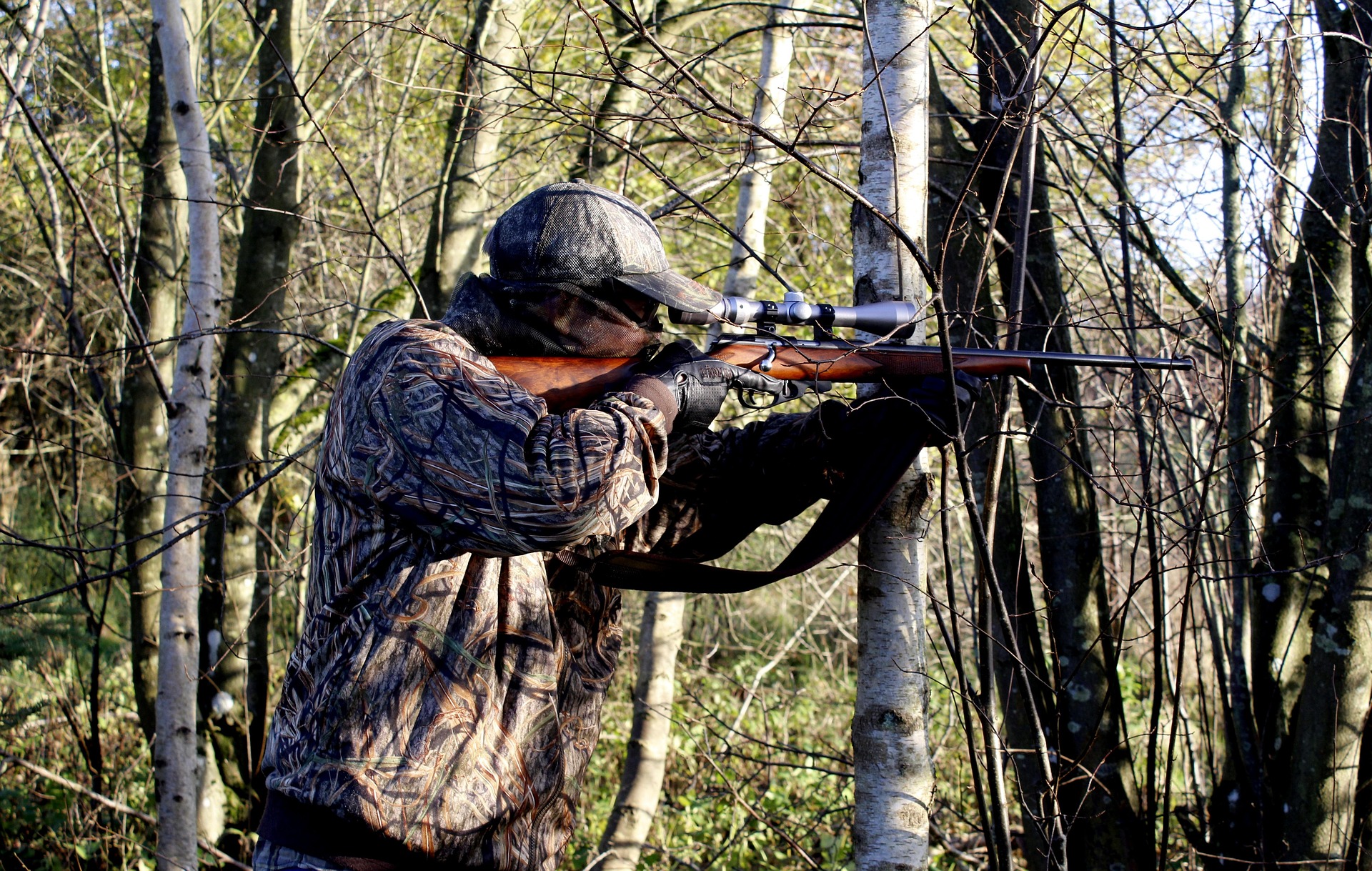
Even well-matched camouflage cannot hide sudden movement from an alert animal. Deer, for example, have wide fields of vision and can notice movement that contrasts with otherwise stationary surroundings. A hunter who turns quickly, raises binoculars abruptly, or changes position every 30 seconds may attract attention despite wearing suitable clothing. Remaining still when an animal is scanning the area can make a meaningful difference. Slow, deliberate movements also reduce unnecessary noise from equipment. Camouflage works best as one part of a broader approach that accounts for animal behavior, visibility, and the importance of patience.
3. Ignoring the Silhouette Against the Sky
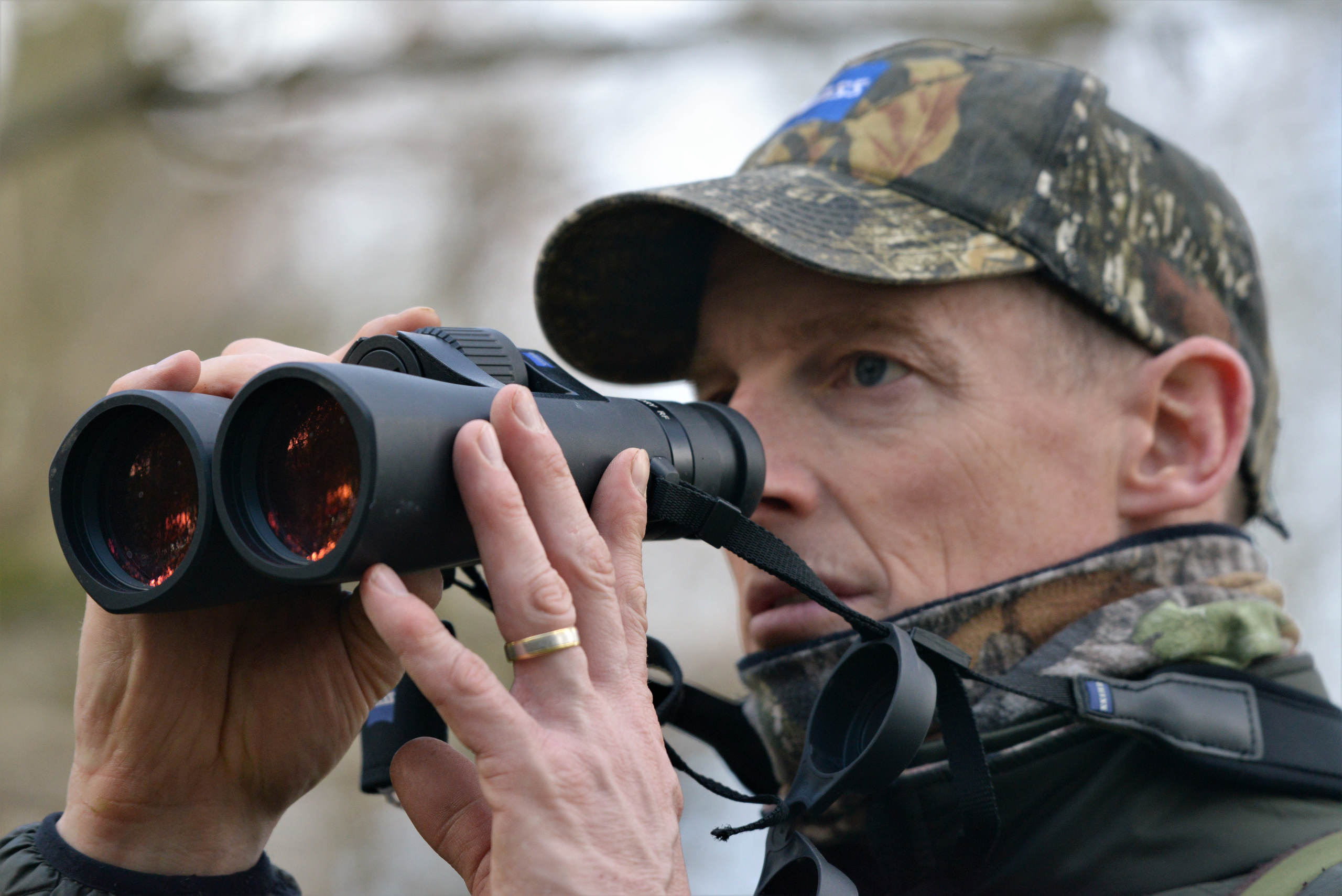
A hunter positioned on a ridge or exposed rise may become easy to recognize when the body creates a sharp outline against the bright sky. Even a pattern designed for forest cover cannot eliminate that contrast. A person’s head, shoulders, and raised arms may form a recognizable shape from a considerable distance, especially during clear daylight. Before settling into a position, hunters should consider the surrounding background and avoid unnecessarily exposing themselves on open skylines. Natural terrain and vegetation can provide visual cover, but concealment must never compromise a safe field of view or awareness of other people nearby.
4. Choosing Clothing That Makes Unnecessary Noise
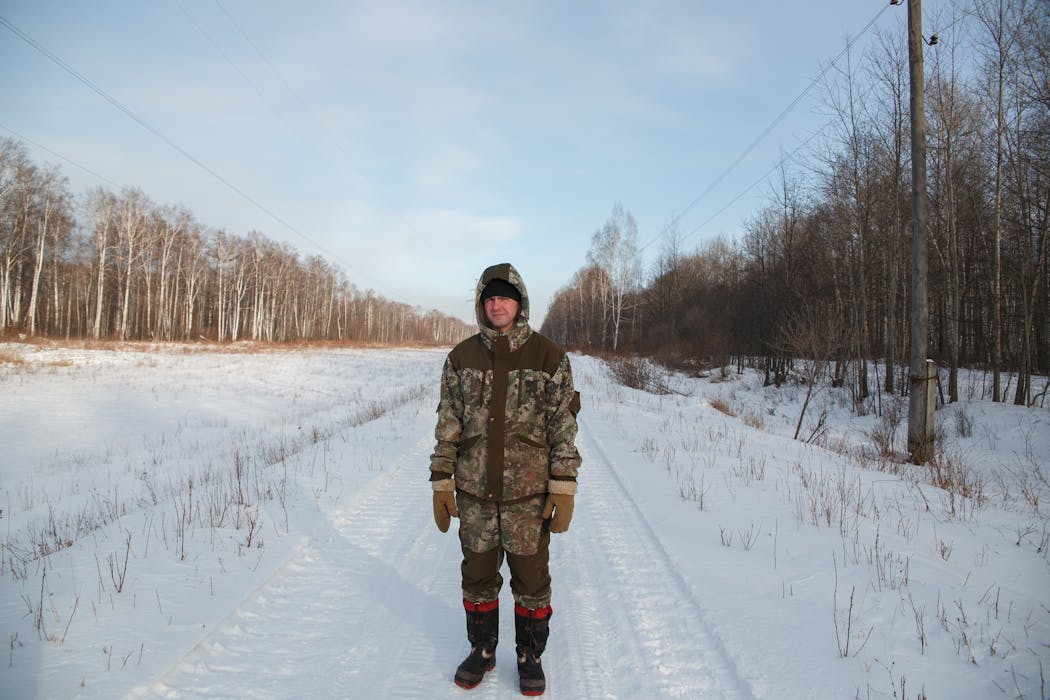
Camouflage clothing can conceal a person’s appearance while revealing their location through sound. Stiff synthetic fabric, loose straps, noisy pockets, and equipment rubbing together may produce noticeable sounds during movement. In quiet woodland, even a single misplaced metal buckle can interrupt the natural soundscape. Temperature also matters because cold weather can make some materials feel stiffer and encourage hunters to wear extra layers. Checking every pocket, strap, and accessory before a trip can prevent avoidable noise. Effective concealment involves managing sound as well as appearance, particularly when animals are close enough to hear small disturbances.
5. Forgetting That Hands and Faces Remain Visible
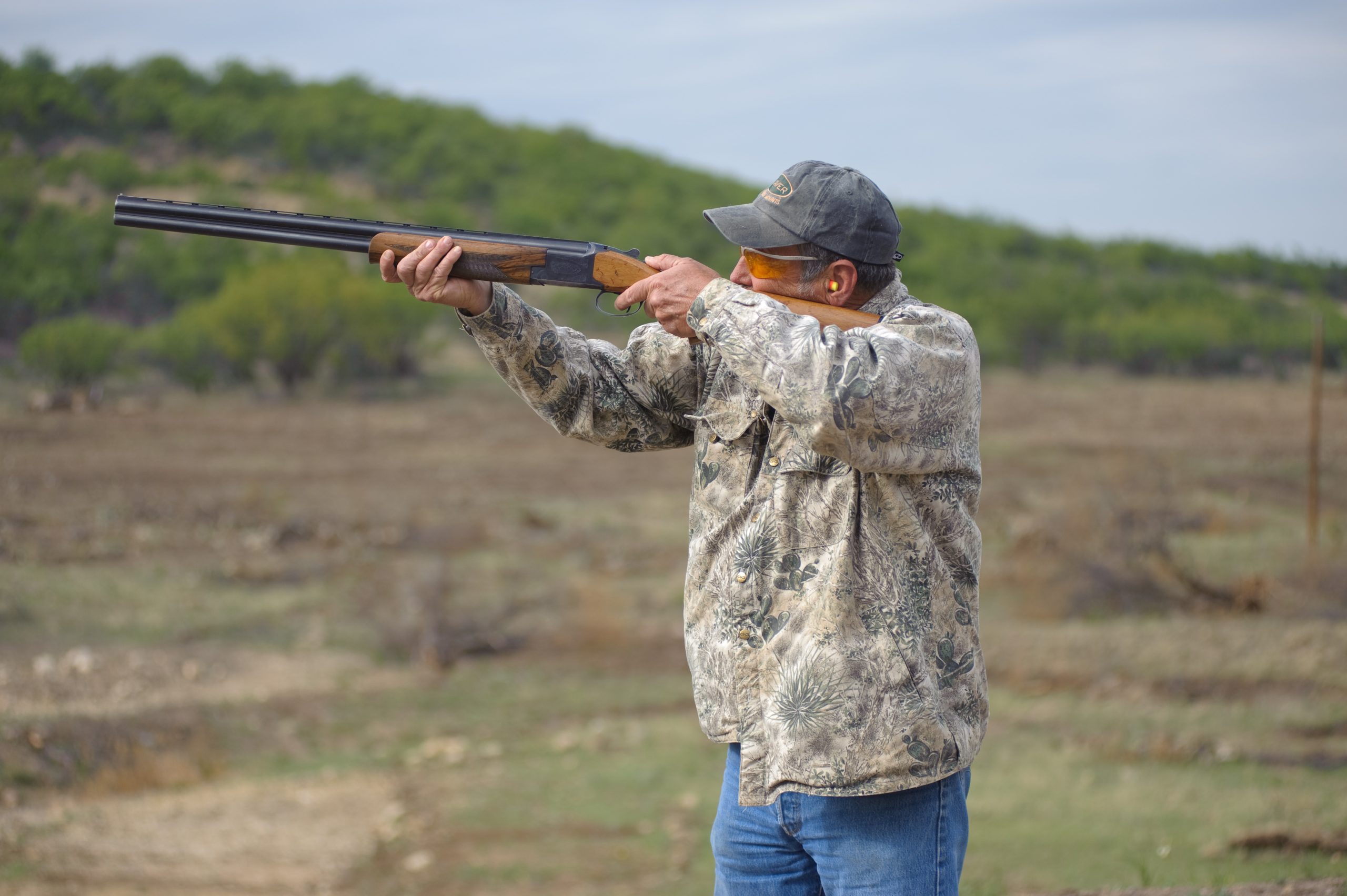
A camouflage jacket may blend perfectly with nearby vegetation, yet exposed skin can create a strong visual contrast. The face and hands are especially noticeable when sunlight reaches them, and sudden gestures can draw attention even when the rest of the body remains still. Gloves, suitable headwear, and weather-appropriate face coverings may help reduce this contrast when conditions permit. However, covering the face too heavily can interfere with breathing, vision, or hearing. Hunters should balance concealment with comfort and awareness, remembering that a complete outfit works as a system rather than as a collection of matching garments.
6. Treating Camouflage as a Substitute for Hunter Safety
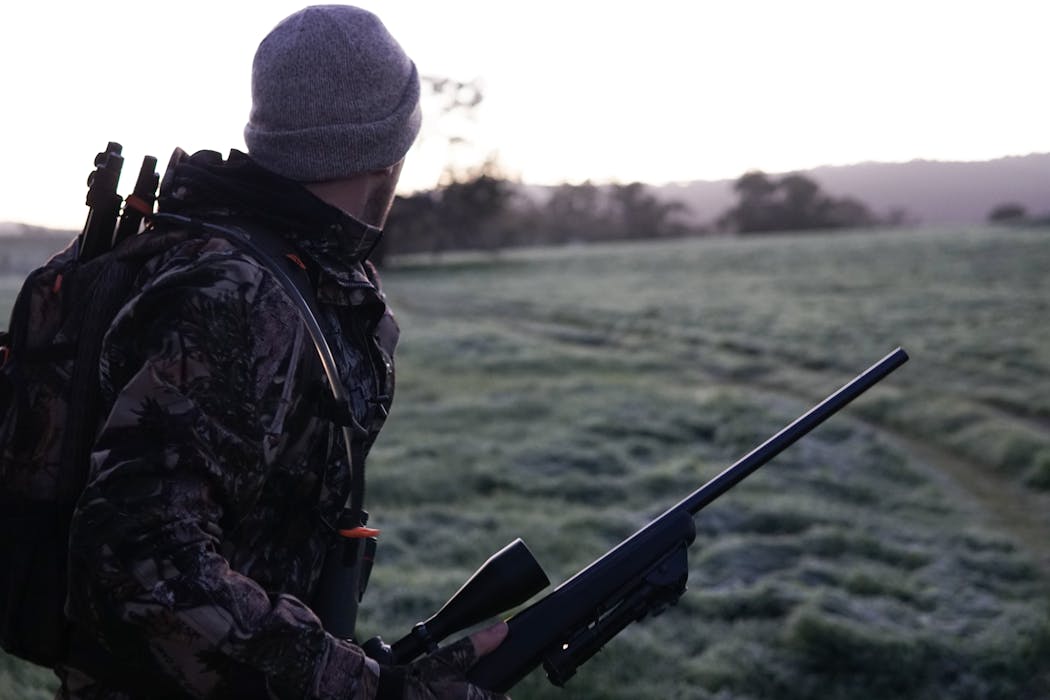
One of the most serious camouflage mistakes is assuming that blending into the landscape makes a hunter safe from being mistaken for wildlife. In the United States, hunting regulations vary by state, species, and season, and some circumstances require specific amounts or types of fluorescent orange clothing. A dark or highly concealed outfit may violate local rules or increase risks where other hunters are present. Before every trip, check the applicable regulations and wear required safety clothing, even if it interrupts the camouflage pattern. No missed opportunity is worth a preventable accident, and visibility to people can matter more than concealment from animals.
7. Relying on One Outfit for Every Weather Condition
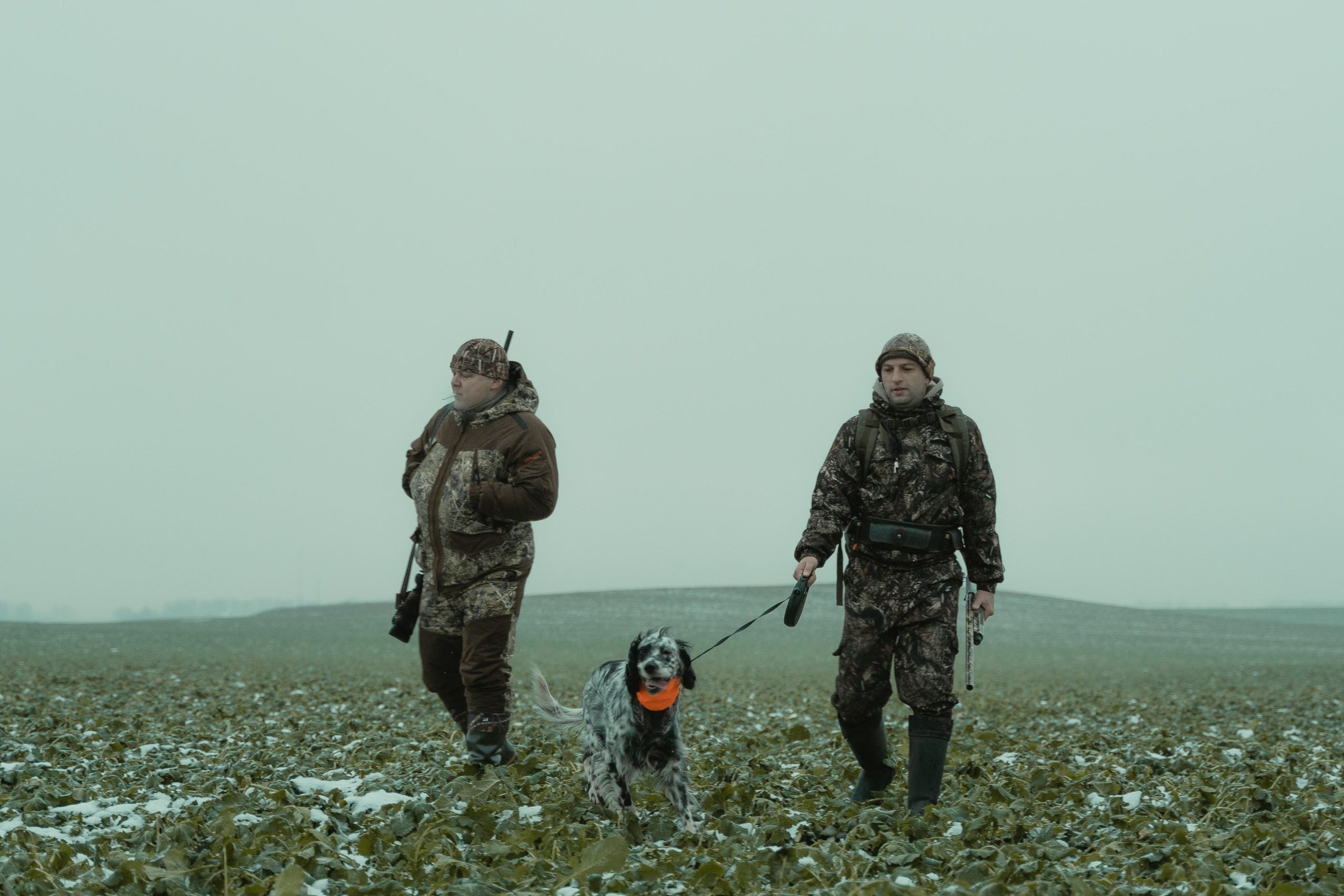
A camouflage pattern that works well on a dry October morning may become less effective after rain, snowfall, or a change in vegetation. Wet fabric can darken, while bright snow creates a background that makes woodland patterns conspicuous. Temperature changes also influence clothing choices, and wearing too many layers can restrict movement or lead to overheating during a long walk. Hunters should evaluate conditions before heading out and carry appropriate layers for the expected weather. A versatile clothing system, updated for the season and terrain, is generally more practical than assuming one camouflage outfit will work equally well in all 12 months.