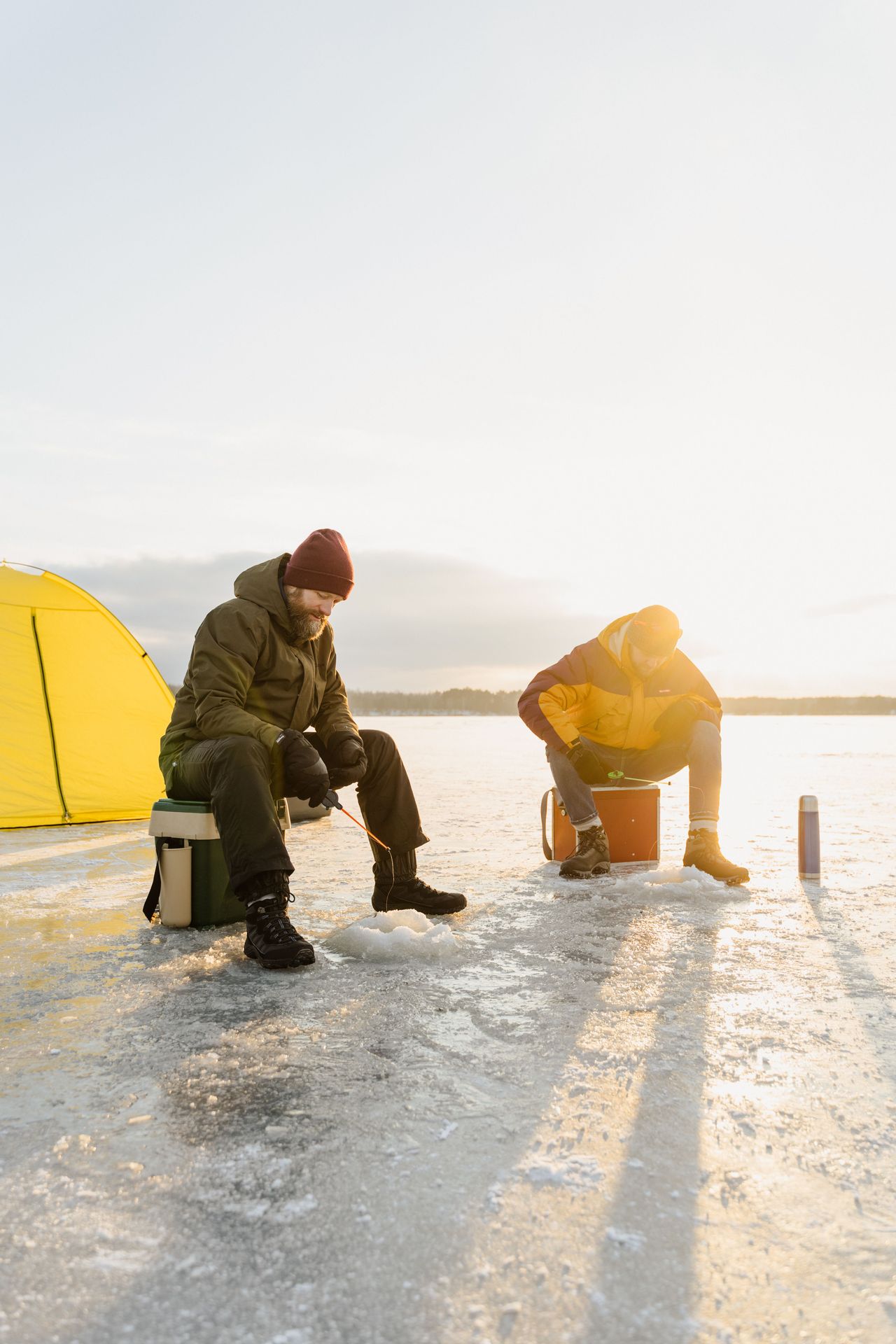
Ask enough hardwater anglers in the North, and you hear the same thing: the best tip-up systems are usually tuned, modified, and field-tested, not pulled straight off a retail peg. Small changes in spool tension, leader material, flag visibility, and freeze protection can make a huge difference when the bite is light and the weather turns brutal. These eight setups reflect the kind of real-world adjustments seasoned anglers say keep producing when standard store-bought rigs fall short.
Wide-Base Wooden Tip-Up With Insulated Hole Cover
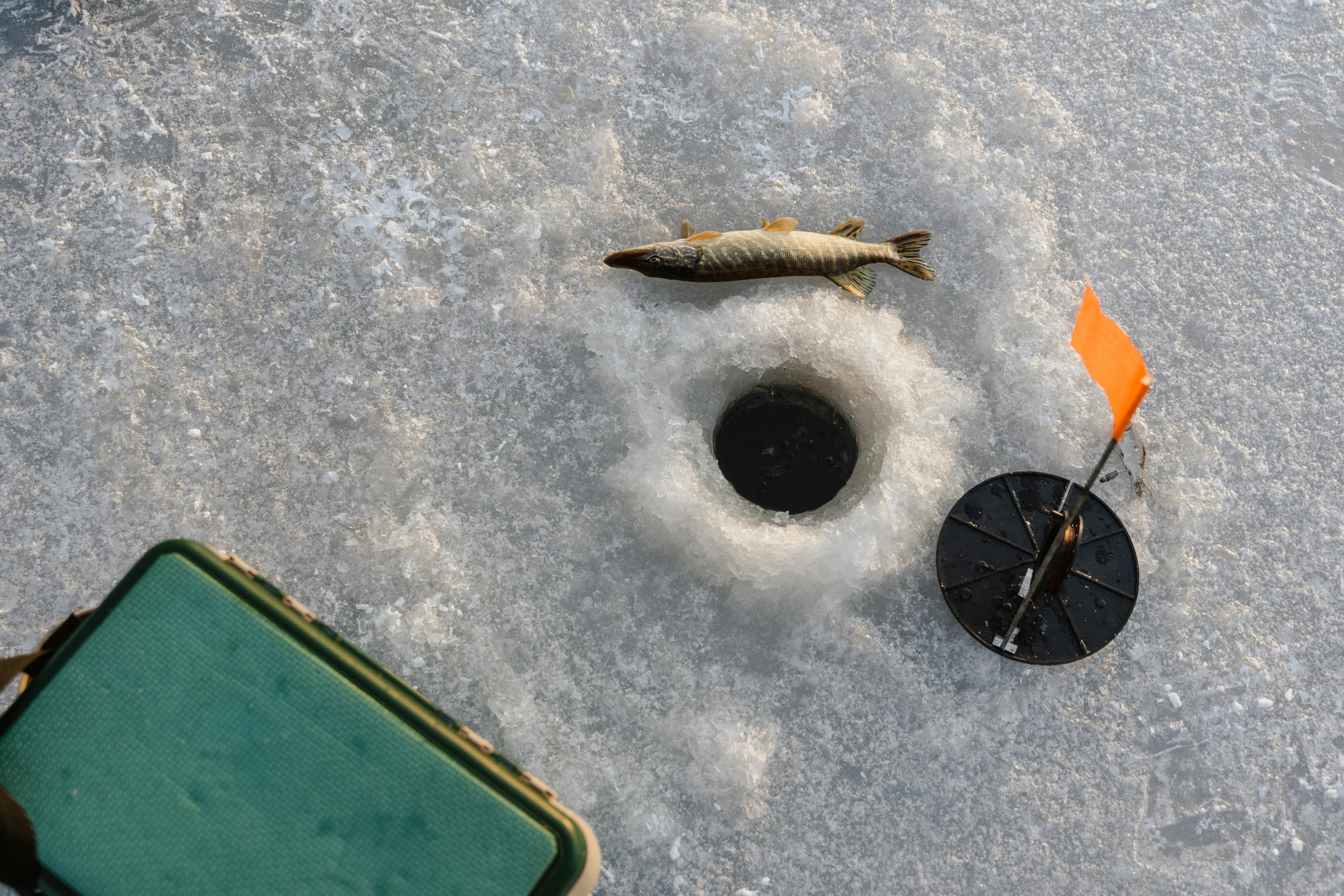
Northern anglers still swear by a wide wooden base because it does two jobs at once. It keeps the mechanism stable in wind and drifted snow, and it shades the hole enough to slow refreezing during long sits. That simple edge matters more than glossy packaging ever suggests.
Add a foam or rubberized cover underneath, and the setup becomes even better in bitter weather. The spool keeps turning more freely, slush builds more slowly, and fewer false flags happen when line is not fighting fresh ice.
It is not flashy, but it is dependable. On pike and walleye water, that kind of reliability often beats lighter plastic designs sold as all-purpose solutions.
Low-Resistance Spool Tuned for Light Walleye Bites
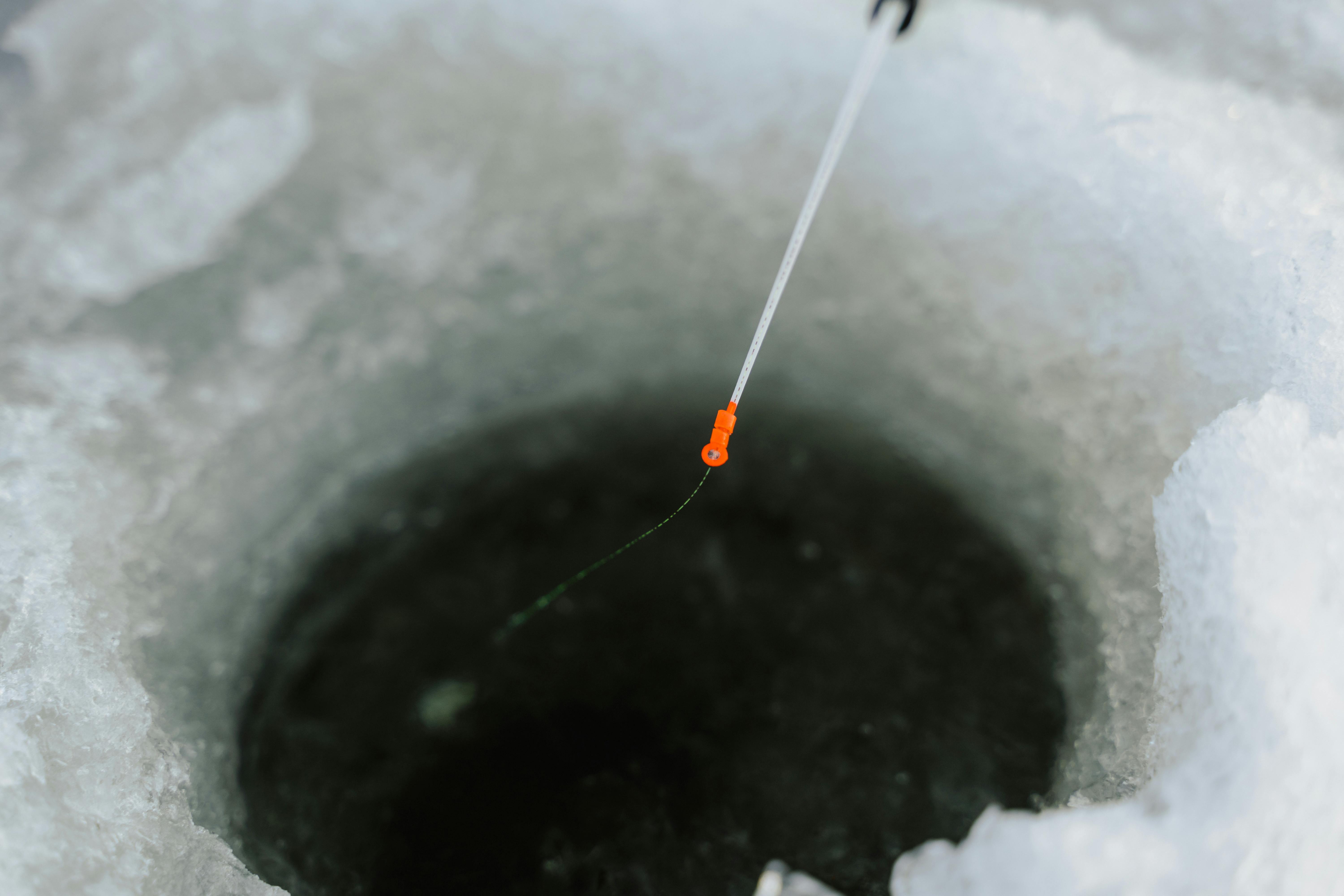
One of the most common complaints about store tip-ups is spool resistance. Experienced walleye anglers often tune the spindle, polish contact points, or swap bushings so a fish can take line with almost no hesitation. That tiny improvement can be the difference between a clean run and a dropped shiner.
This setup is especially useful during evening windows when walleyes mouth a bait before committing. A smooth, balanced spool lets them move naturally, without feeling drag right away.
Veterans also like to match it with a softer trip tension. The result is a system that reacts to subtle pickups instead of waiting for a dramatic rip that never comes.
Heavy Fluorocarbon Pike Rig With Quick-Strike Hooks
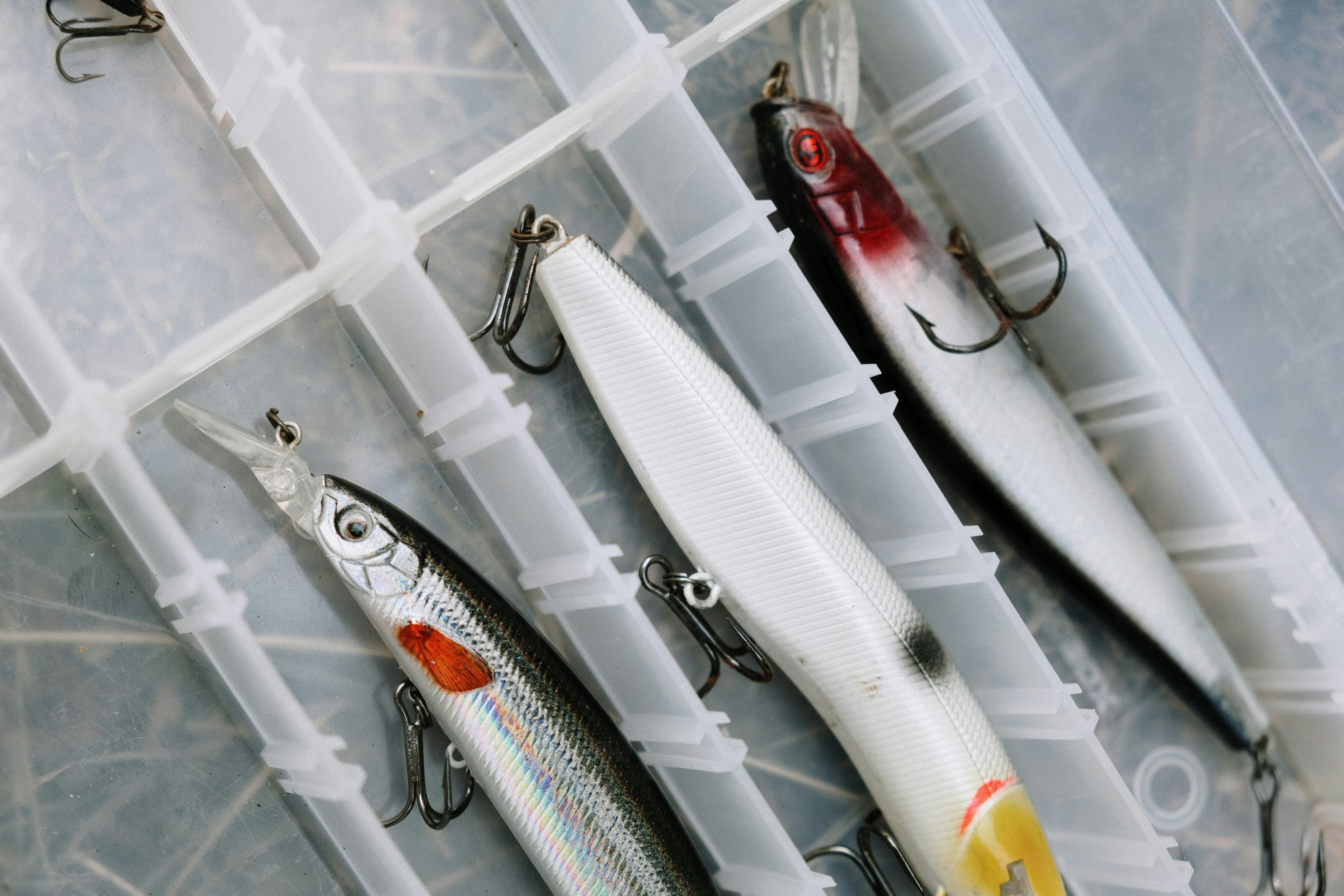
For big northern pike, many anglers skip the basic wire leader and single-hook package sold in stores. Instead, they build a heavy fluorocarbon rig with quick-strike trebles spaced to pin large suckers cleanly and fast. It is a setup designed for solid hooksets and safer releases.
Fluorocarbon offers stiffness and abrasion resistance without the extra kink memory that can make cheap wire look rough after one fish. In clear water, plenty of anglers also believe it gets fewer refusals from pressured fish.
The quick-strike approach changes the whole rhythm. Rather than waiting forever, anglers can set sooner, reduce deep-hooking, and keep the bait tracking straighter under the ice.
Perch Pattern Setup With Small Live Bait and Fine Leader
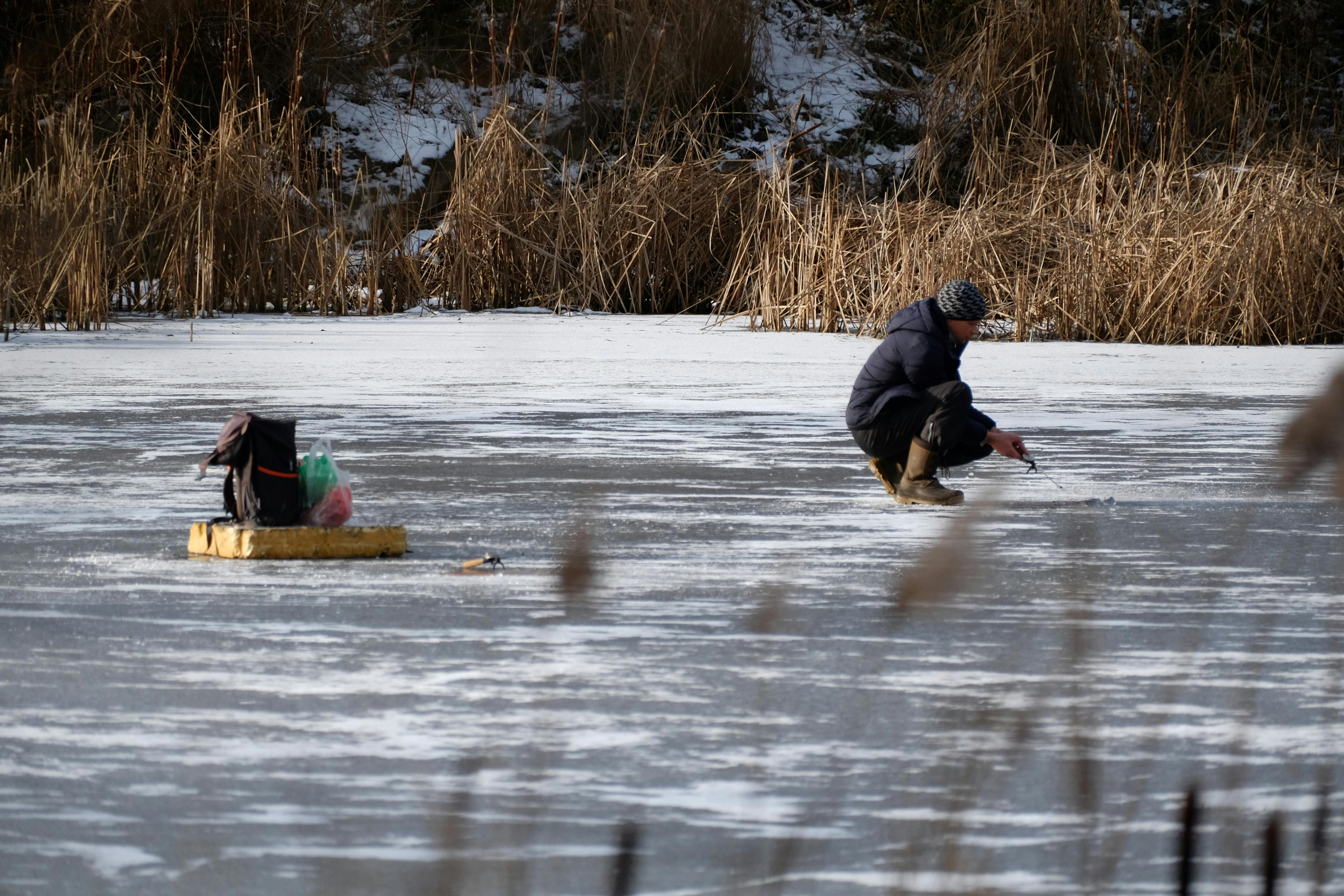
When fish get selective, a scaled-down tip-up can outfish bulkier standard rigs by a mile. Perch anglers often run smaller minnows, lighter fluorocarbon, and compact hooks that let the bait swim naturally instead of dragging it down with oversized hardware.
That finesse approach shines on clear lakes where perch cruise in schools and inspect everything. A subtle presentation keeps the spread from looking clunky, which matters when fish are moving but not feeding aggressively.
Many northern anglers also place these rigs slightly higher in the water column than expected. On some days, suspended perch eat much better than fish glued to bottom, especially over weed edges and basin transitions.
Deep Water Walleye Rig With Sliding Sinker and Long Leader

Big box tip-up kits often come pre-rigged for general use, but deep walleye anglers usually want more separation between weight and bait. A sliding sinker above a swivel, followed by a longer leader, helps keep the minnow active while still holding the set depth in current or over sharp breaks.
That longer leader gives the bait a freer look, and many anglers say walleyes respond to that extra movement at night. It is a subtle presentation trick that feels more natural than a short, stiff terminal setup.
This rig also adapts well to changing conditions. If fish slide a few feet higher, you can adjust depth quickly without rebuilding the entire line from scratch.
Wind-Visible Flag System With High-Contrast Tape

A surprising number of seasoned anglers care as much about seeing the flag as tripping it. In snow glare, flat light, and long spreads, a standard red flag can disappear. Many northern setups use taller springs, reflective tape, or high-contrast colors like chartreuse and orange to stay visible from a distance.
That does not sound revolutionary until a blustery day scatters your group across a wide flat. A flag you can spot instantly means quicker response, fewer missed runs, and less second-guessing about whether something actually popped.
The best versions also stay stable in gusts. Visibility helps, but so does a spring system that does not chatter loose every time the wind shifts across the ice.
Cold-Proof Grease and Freeze-Resistant Line Setup
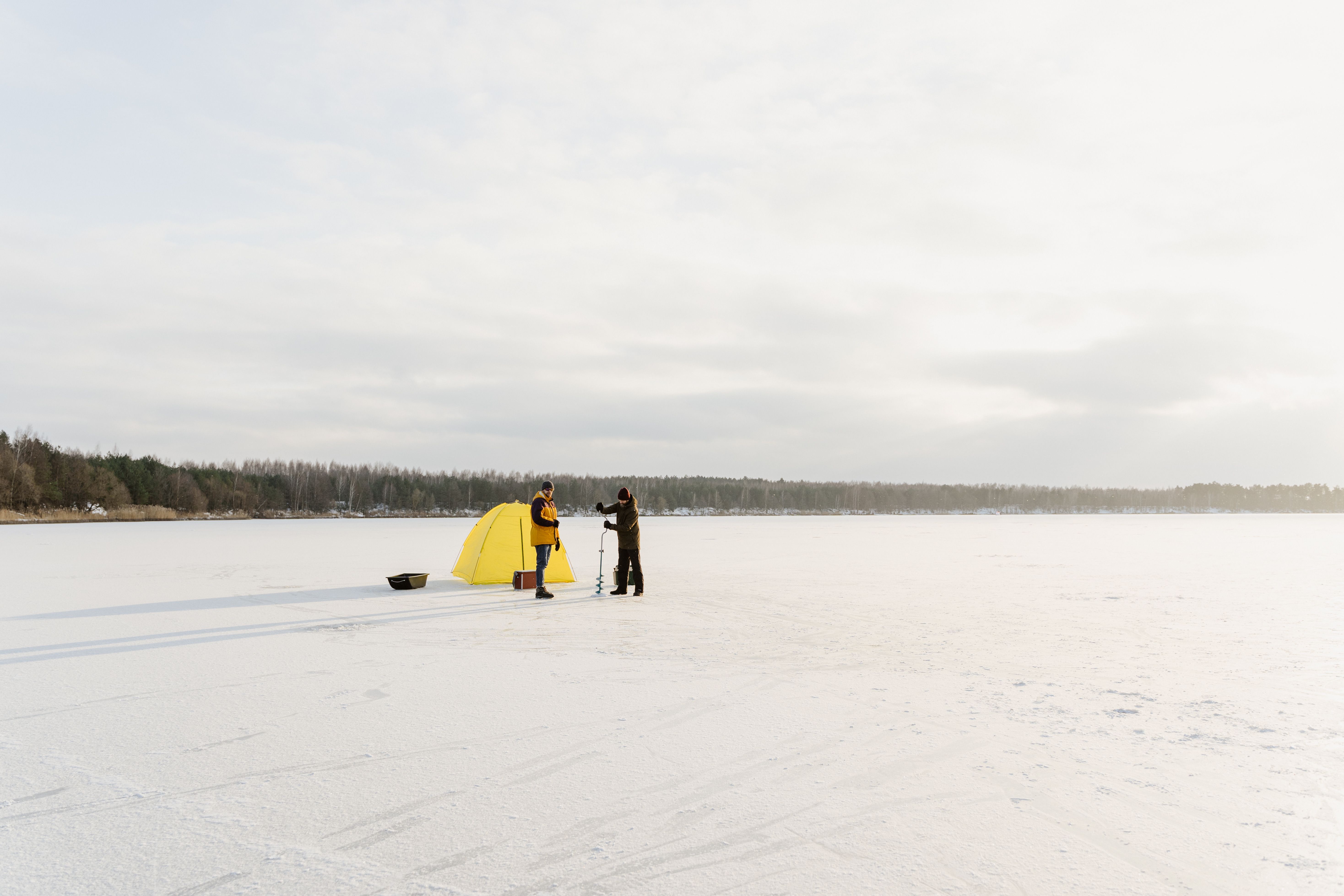
Plenty of factory tip-ups work fine in mild conditions, then turn stubborn when temperatures really crash. Northern anglers often strip the stock lubricant, replace it with cold-weather grease, and pair the system with line that resists coiling and ice buildup. The payoff is smoother function when the weather gets mean.
This kind of preparation matters most during overnight lows and midseason cold snaps. A sticky spindle or memory-heavy line can create enough drag to ruin an otherwise perfect bite.
The anglers who do this well are not chasing gimmicks. They are removing small points of failure so the rig behaves the same at 10 degrees as it does at 30, which is exactly what consistent fishing demands.
Staggered Depth Spread for Mixed-Species Lakes

On lakes with pike, walleye, perch, and bonus trout, many experts say the smartest setup is not one perfect rig. It is a coordinated spread with tip-ups staggered at different depths, each tuned to a likely strike zone and bait size. That strategy consistently outperforms identical store rigs dropped at random.
One line might sit just under the ice over weeds, another midway across a break, and another tight to bottom on a rocky edge. The spread becomes a map of fish behavior, not just a collection of traps.
Once a pattern shows itself, anglers refine the rest fast. It is a more thoughtful way to fish, and it often turns a slow day into a system you can repeat all winter.