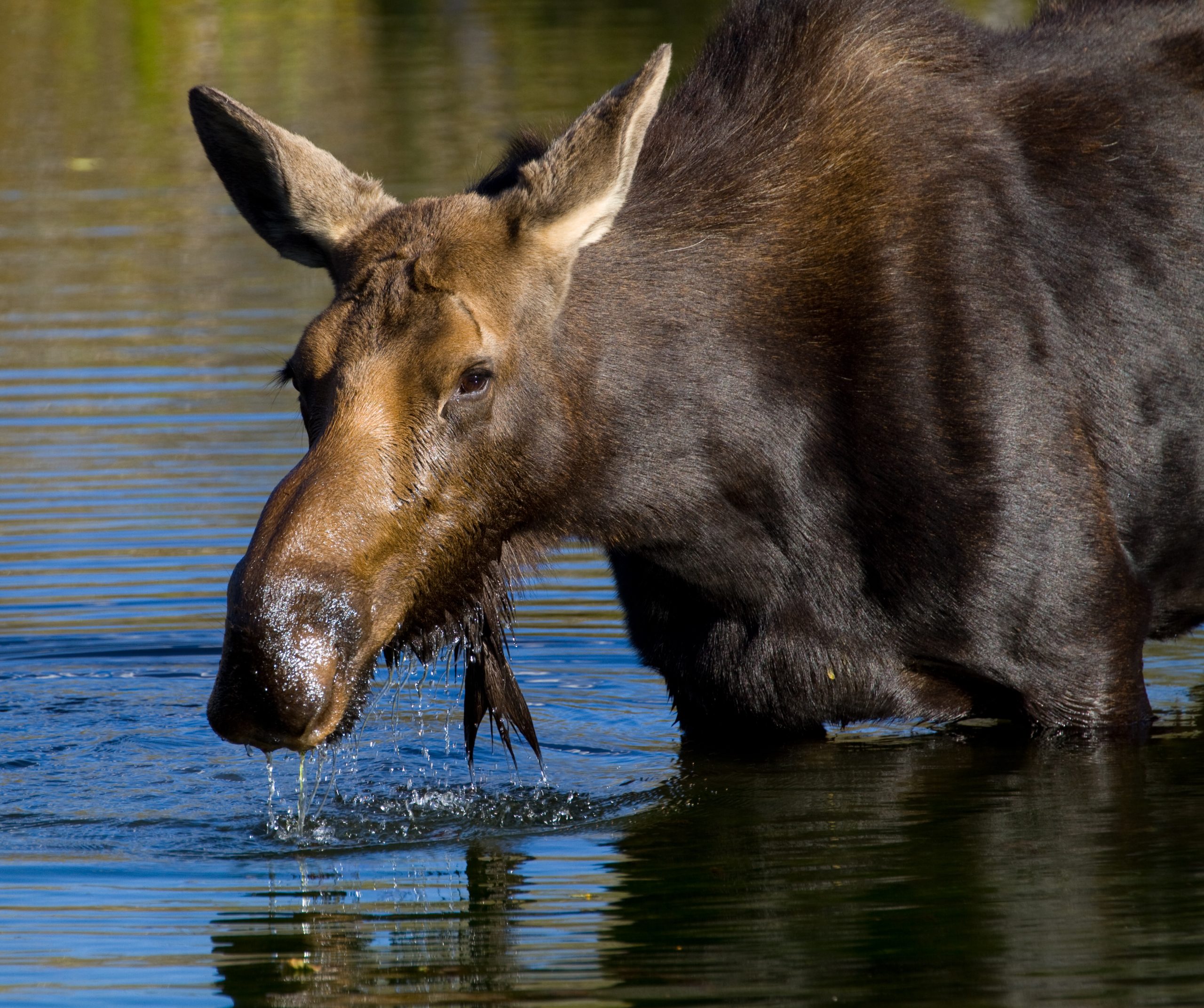
Moose are among North America’s largest big-game animals, and choosing a suitable hunting cartridge involves more than comparing bullet diameter or muzzle energy. A mature bull can weigh well over 1,000 pounds, while hunting conditions may include thick timber, open marshes, steep terrain, and long distances. Hunters therefore consider bullet construction, penetration, recoil, and the ability to place a shot accurately under field conditions. The following seven cartridges have established reputations for moose hunting, each offering a different balance of power, practical range, ammunition availability, and shooting comfort.
1. .30-06 Springfield
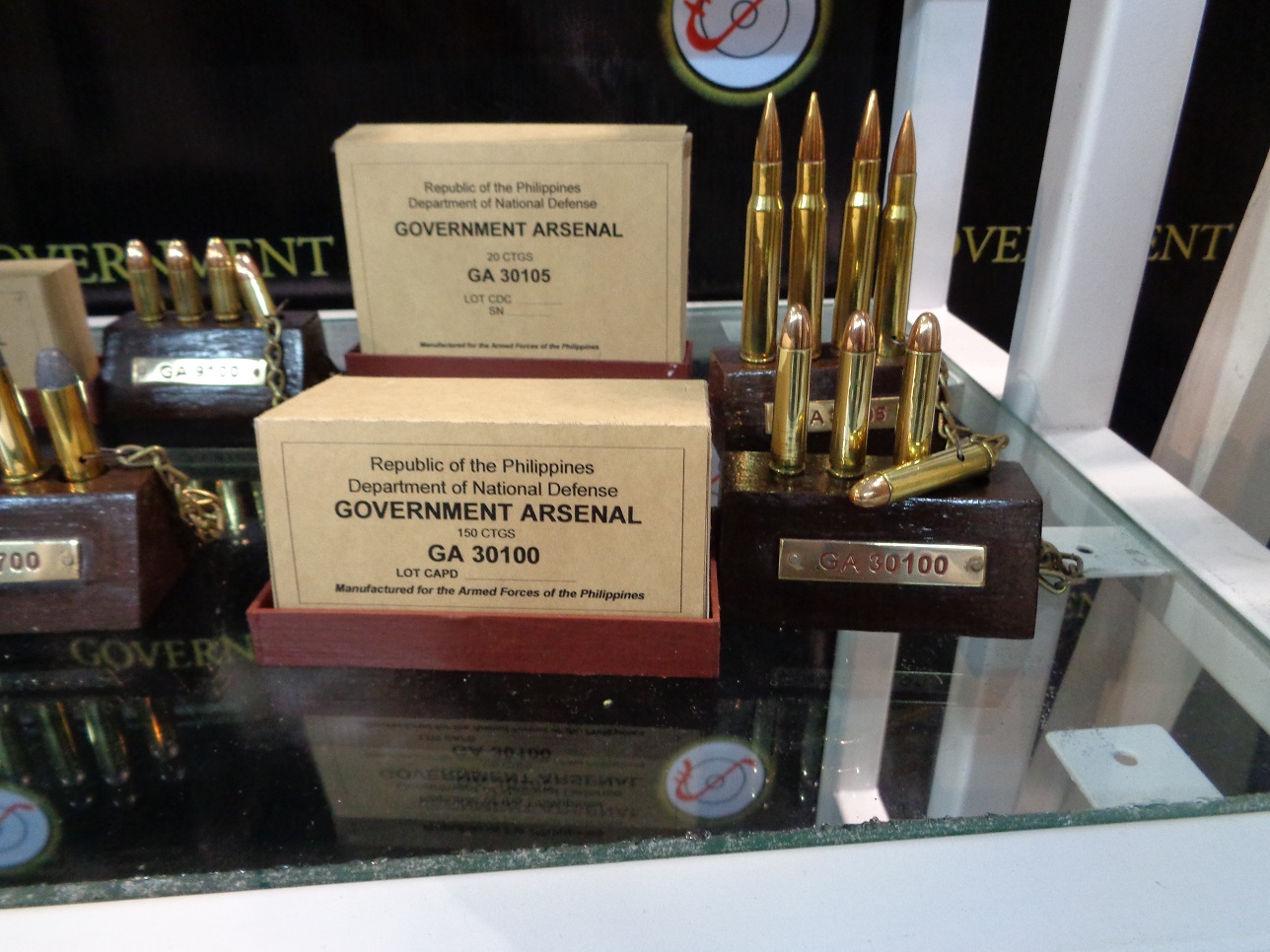
The .30-06 Springfield has remained a dependable big-game cartridge since its 1906 introduction, largely because it balances useful power with manageable recoil. With suitable 180-grain bullets, many factory loads produce roughly 2,700 feet per second at the muzzle, though figures vary by rifle and ammunition. That combination gives hunters a practical option for moose in timber and across moderate openings. Its broad ammunition selection is another advantage, but bullet construction and accurate shot placement matter more than the cartridge’s reputation alone.
2. .300 Winchester Magnum

Introduced in 1963, the .300 Winchester Magnum is valued by hunters who want a flatter trajectory and strong performance at longer distances. A typical 180-grain load may leave the muzzle at around 2,960 feet per second, depending on the ammunition and barrel length. That added speed can help when a moose is standing across a broad valley, although it also brings more recoil and muzzle blast than many standard cartridges. A controlled-expansion bullet and realistic distance limits remain essential; extra velocity cannot make a poor shot safe or effective.
3. .308 Winchester
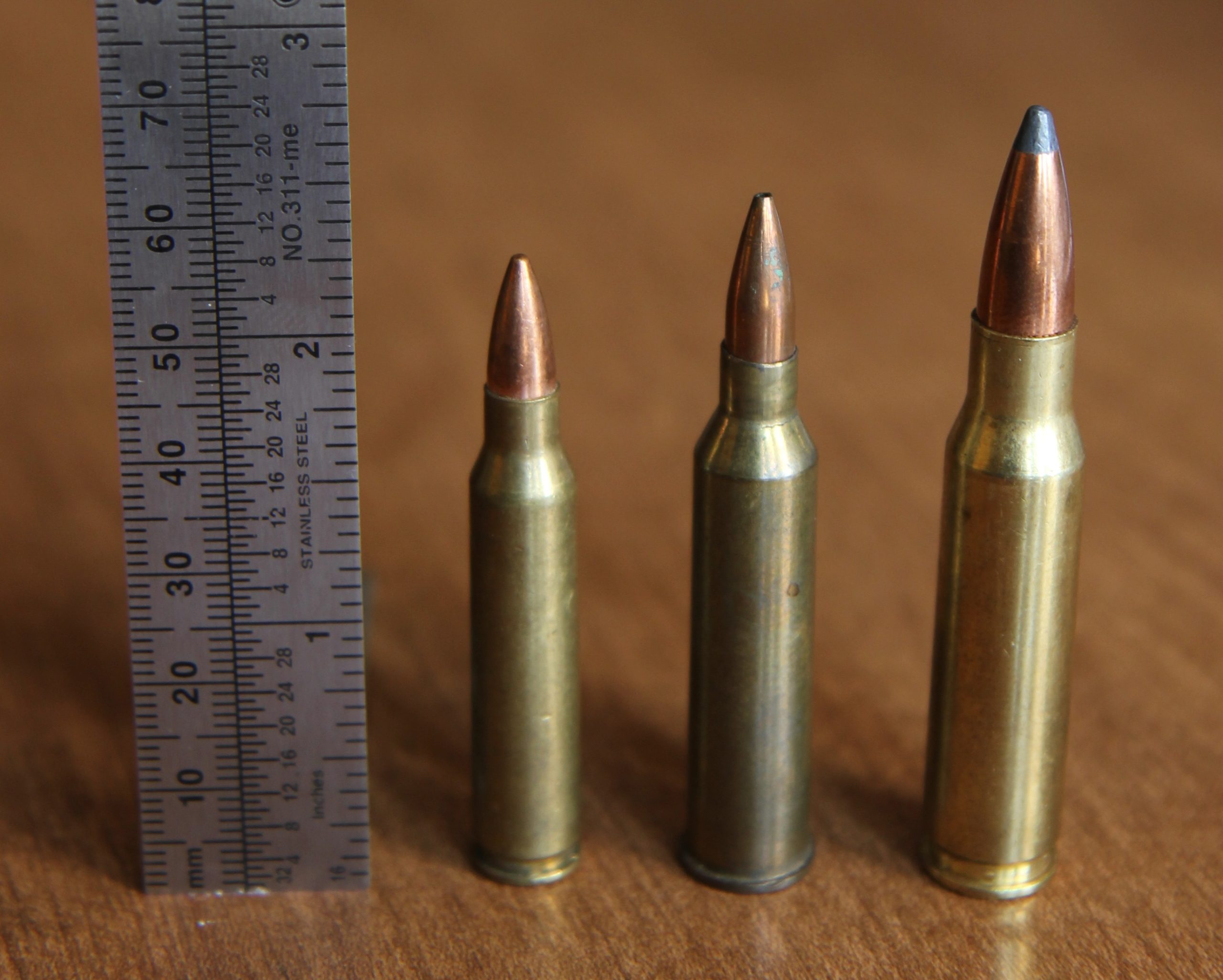
The .308 Winchester dates to 1952 and remains popular because it can deliver dependable big-game performance from relatively compact rifles. With a 165-grain hunting bullet, common loads often reach about 2,650 feet per second at the muzzle, with exact results varying by load and barrel. Its recoil is generally easier to manage than that of many magnum cartridges, which can help hunters shoot more consistently. For moose, choosing a sturdy bullet designed for deep penetration is important, and hunters should keep shots within distances where they can place them accurately.
4. 7mm Remington Magnum

Released in 1962, the 7mm Remington Magnum combines a streamlined bullet with high velocity, making it attractive for hunters who may encounter moose in open country. A representative 160-grain load can reach around 3,000 feet per second at the muzzle, although factory figures differ. Its trajectory can simplify elevation judgments at distance, but wind, angle, and animal movement still complicate field shots. The cartridge can be suitable with a robust, moose-appropriate bullet and careful shot selection; hunters should also practise enough to manage its noticeable recoil confidently.
5. .338 Winchester Magnum
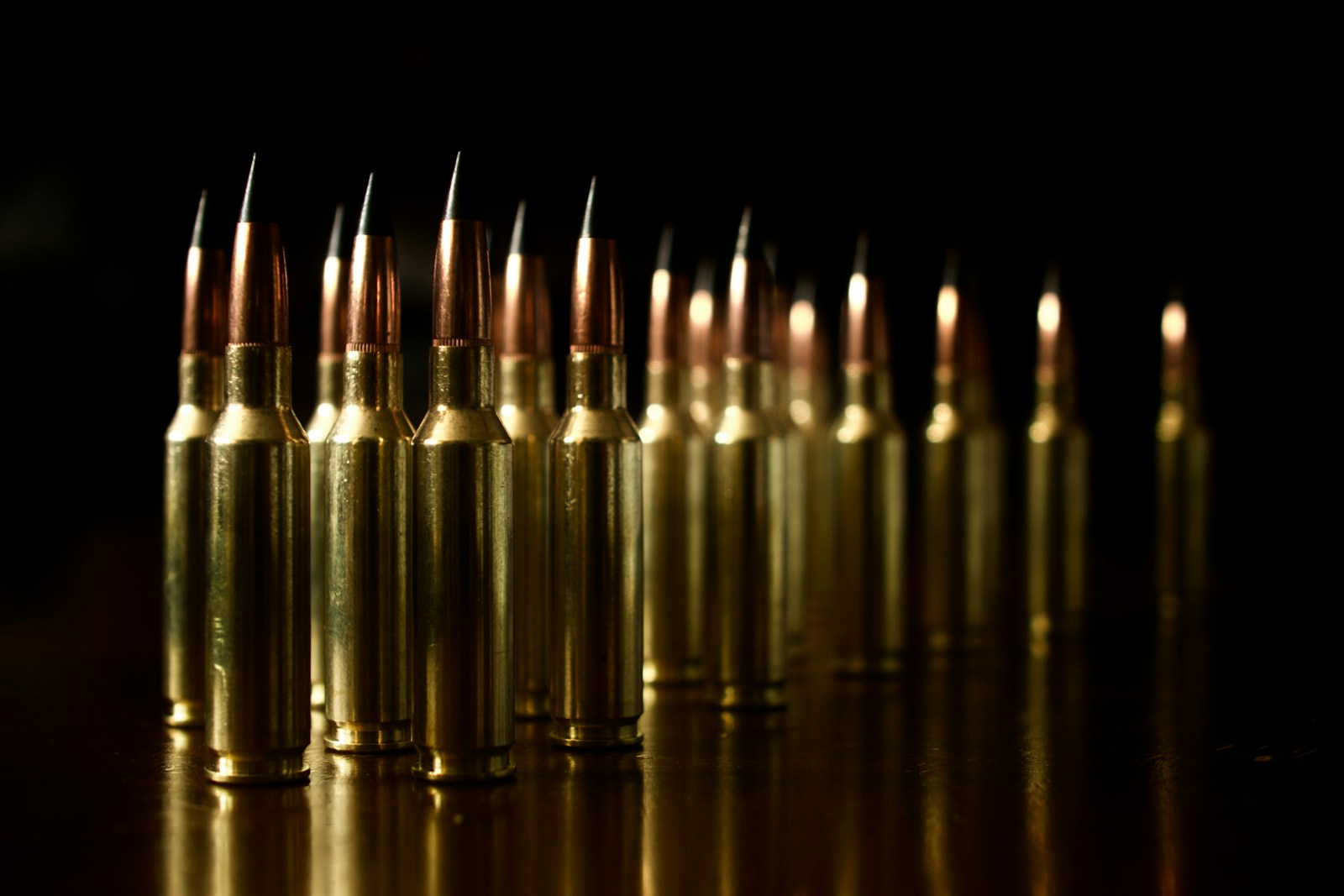
The .338 Winchester Magnum arrived in 1958 and has a long-standing reputation for large North American game. Typical 225-grain loads may travel at approximately 2,780 feet per second at the muzzle, depending on the specific ammunition. Its heavier bullets offer substantial mass and can support deep penetration when paired with suitable construction, a useful quality for a large-bodied animal. The trade-off is stronger recoil, which some shooters find difficult to control during repeated practice. Familiarity with the rifle and disciplined shot placement are still crucial.
6. .45-70 Government
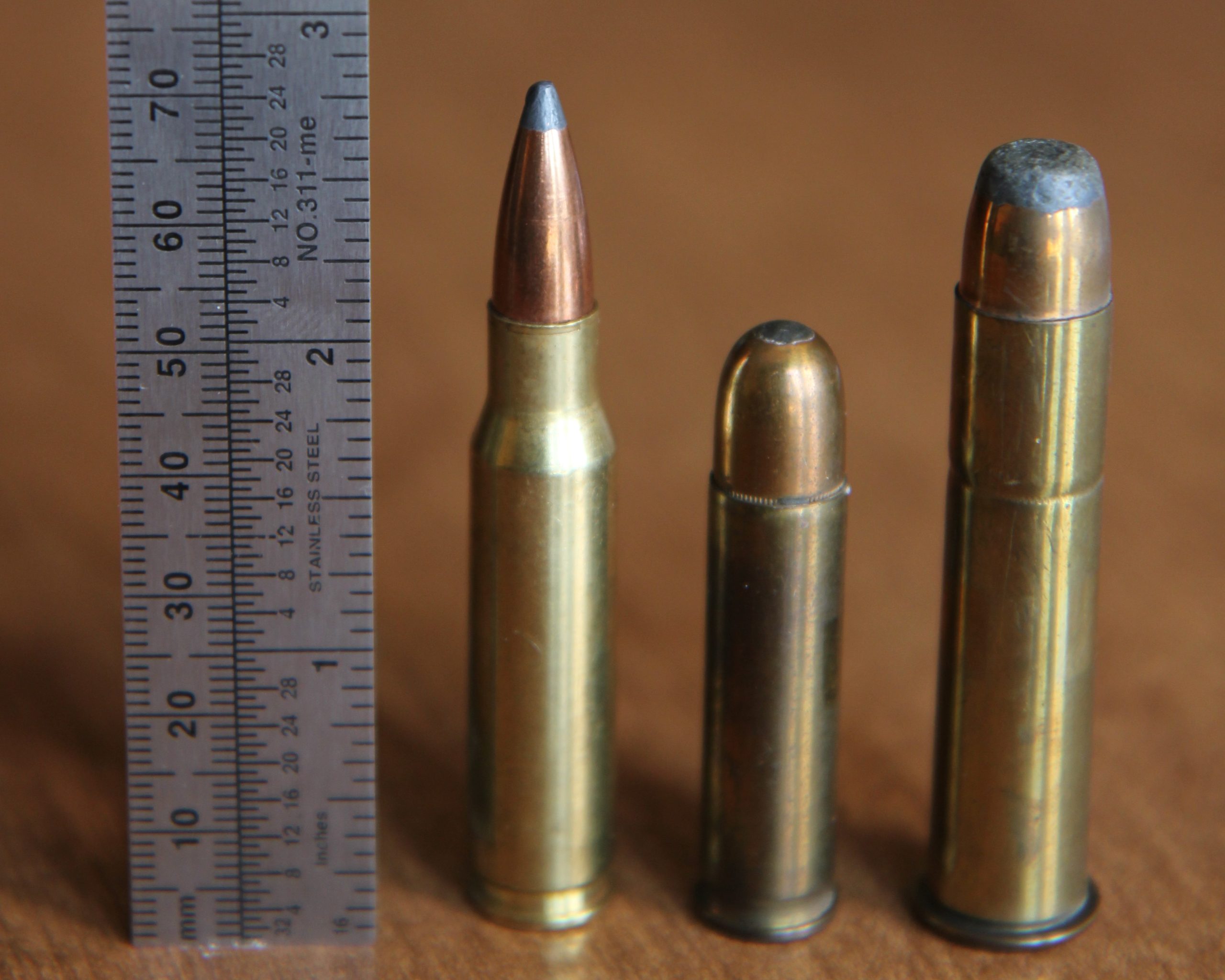
First adopted by the U.S. Army in 1873, the .45-70 Government remains popular in modern lever-action rifles, especially for hunting in dense cover. A common factory load with a 300-grain bullet may produce around 1,800 feet per second, though modern ammunition and rifle limits vary considerably. Its large, heavy bullet can be effective at short range, but its trajectory drops more sharply than that of many high-velocity cartridges. Hunters must distinguish ammunition intended for different firearm types and follow the rifle maker’s limits, while keeping shots close and carefully judged.
7. .375 H&H Magnum
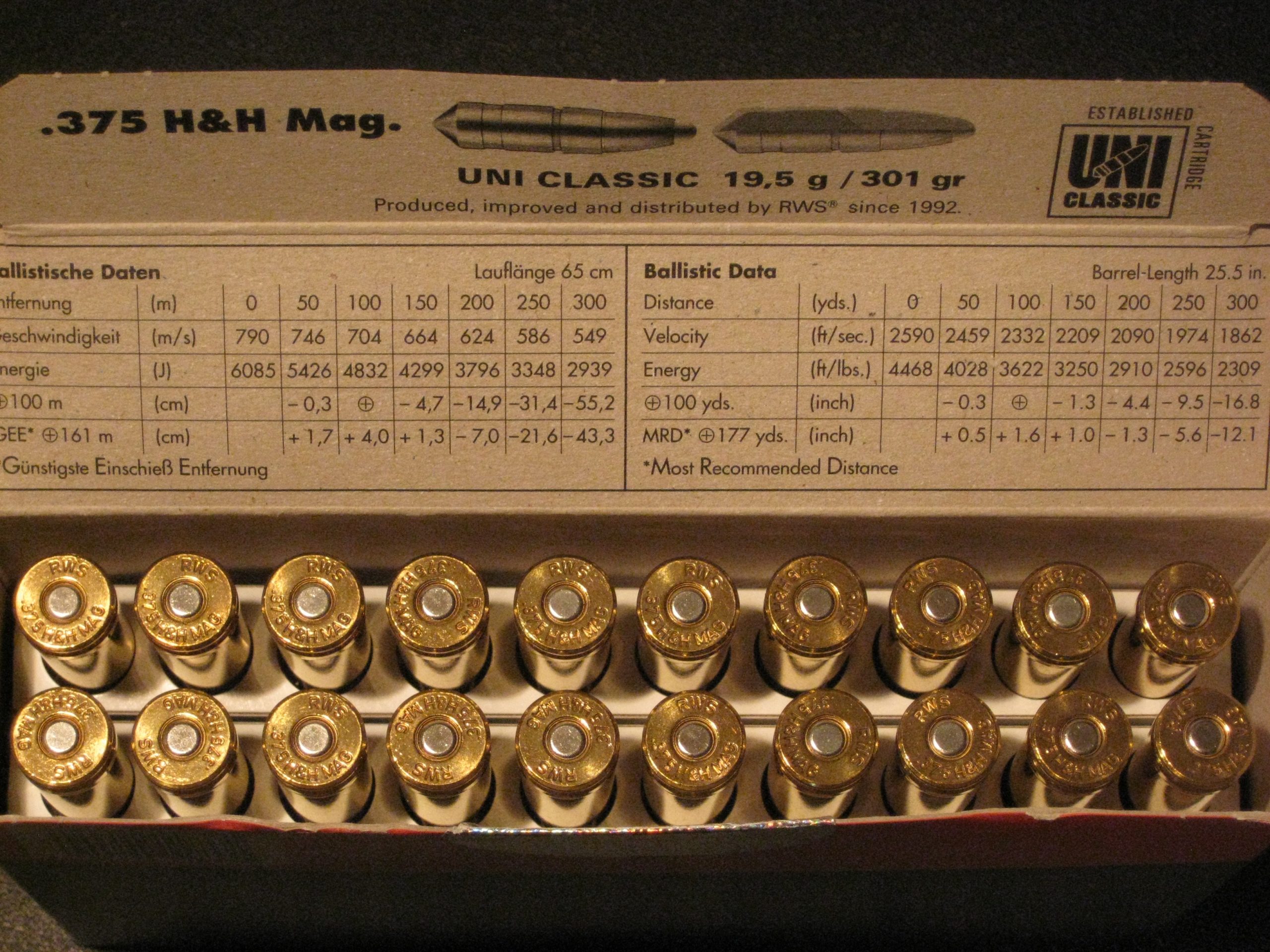
Introduced in 1912, the .375 H&H Magnum is a powerful cartridge used for large game around the world. A typical 300-grain load may reach about 2,530 feet per second at the muzzle, depending on the manufacturer and barrel. For moose, it provides considerable bullet weight and penetration potential, but that capability comes with substantial recoil, a larger rifle, and higher ammunition costs. It is more cartridge than many hunters need for ordinary North American conditions, yet experienced shooters may value its strength when one rifle must serve for multiple large-game hunts.