Some anti-materiel rifles began with military contracts and large engineering teams. Others took a much more unusual path. A determined designer saw a gap, sketched an idea, found a way to build a prototype, and kept pushing until the concept became a real firearm. The phrase “one-person passion project” should not be taken literally in every case, because machining, testing, and later production often involved other people. Instead, these rifles stand out because one individual was central to the original vision and development.
1. Barrett M82: Ronnie Barrett’s Garage-Born Giant
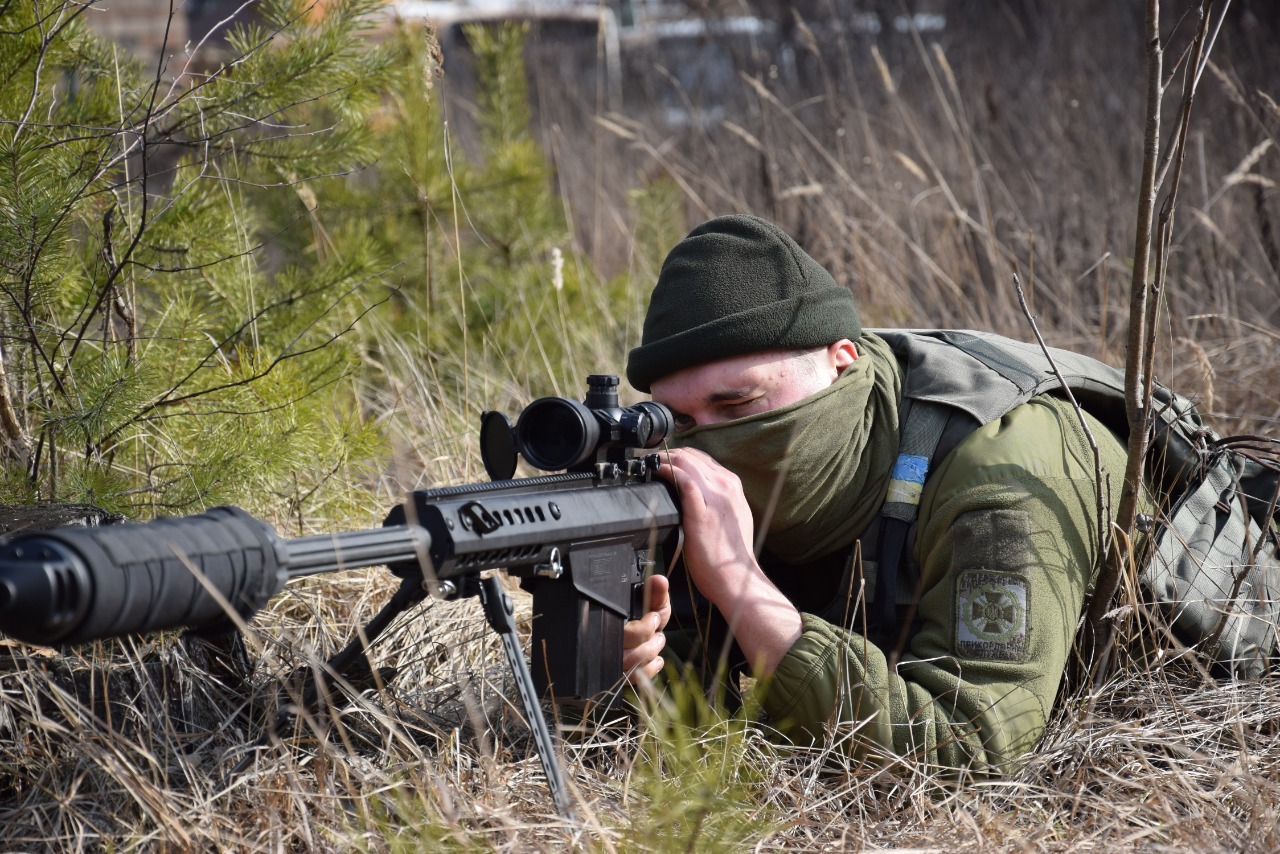
The Barrett M82 is probably the clearest example of an anti-materiel rifle growing from one person’s determination. In 1982, photographer Ronnie Barrett became fascinated by the .50 BMG after photographing a patrol boat armed with Browning machine guns. He had no formal firearms engineering background, yet he sketched a semiautomatic .50 caliber rifle and worked with a tool-and-die maker to produce a prototype. The first rifle appeared within months, and the early production run consisted of just 30 examples. The design eventually became the M82A1 and M107 family, adopted by numerous military users.
2. Serbu BFG-50: Mark Serbu’s Midnight Design
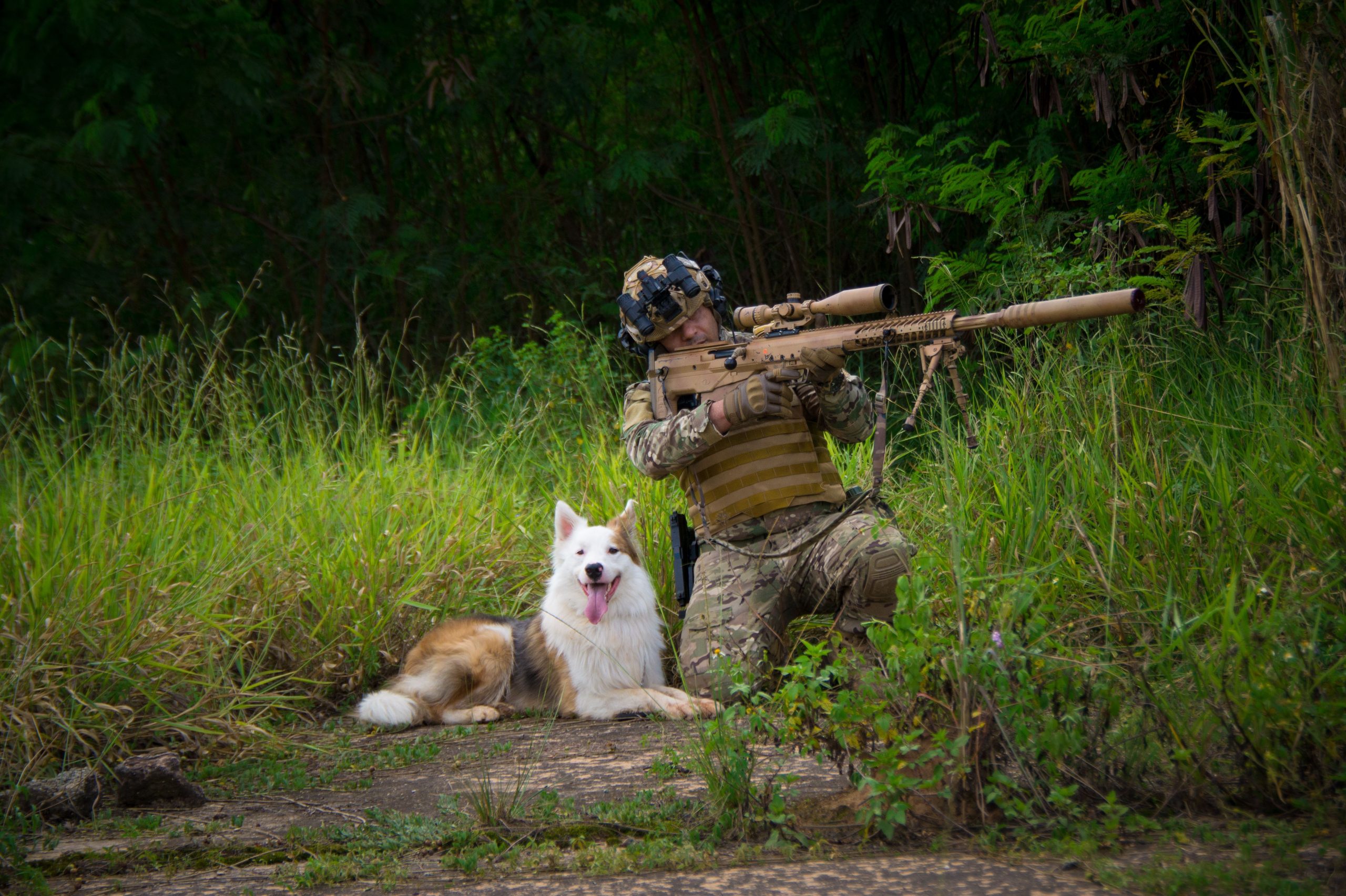
Mark Serbu approached the .50 BMG problem from a different angle. He wanted a powerful rifle that was properly engineered without carrying the extremely high price of many existing designs. On June 9, 1999, he designed the first BFG-50, reportedly staying up through the night while a proposed .50 caliber rifle ban was being discussed in Congress. His garage already contained a Bridgeport mill and a Clausing lathe, giving him a practical foundation for the project. The first 50 rifles were offered at $995 each and sold rapidly, turning a personal engineering exercise into a successful product.
3. Pauza P-50: Robert Pauza Against the Competition
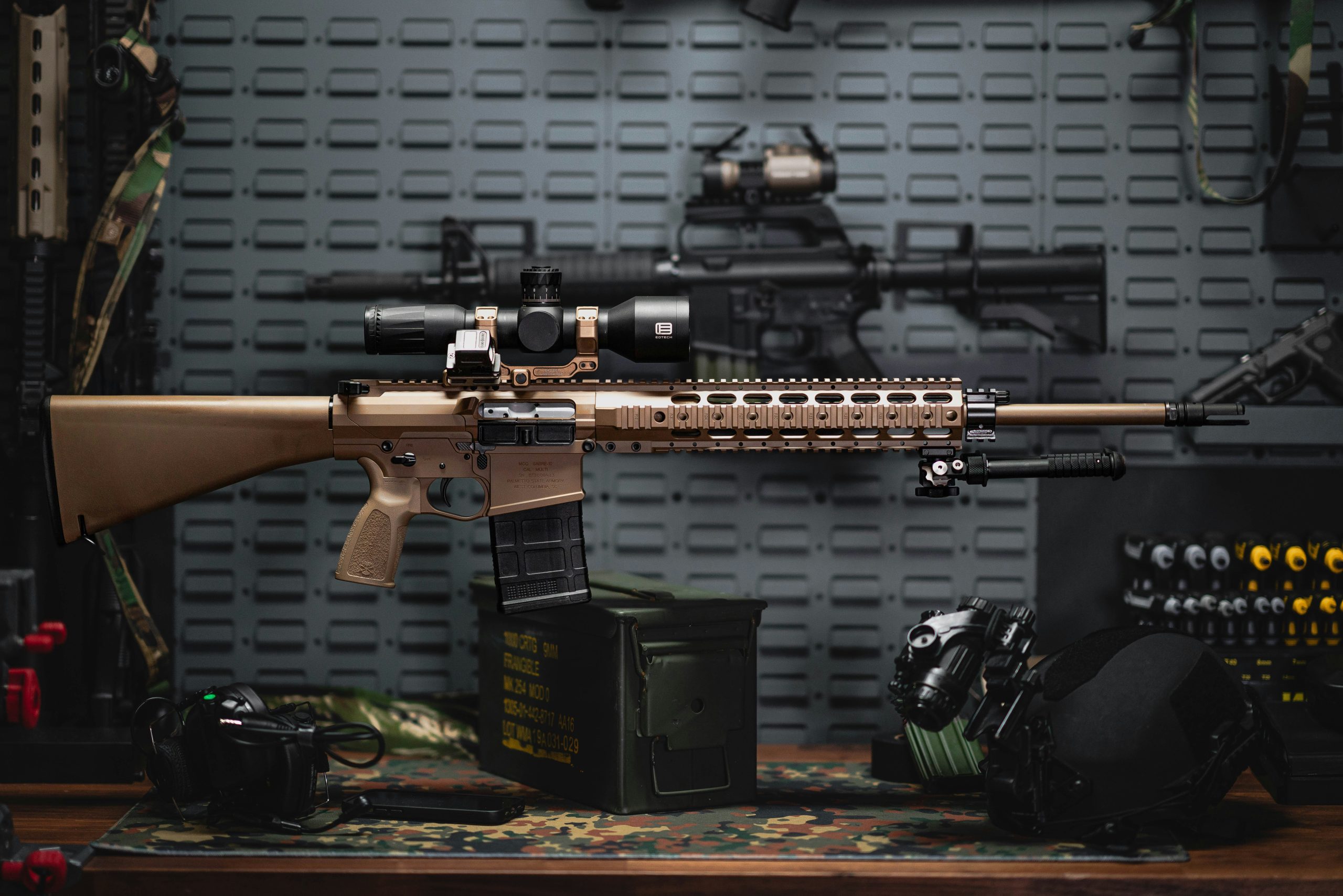
Robert Pauza’s P-50 is one of the lesser-known stories in the .50 BMG world. Rather than simply copying the emerging bolt-action pattern, Pauza developed a semiautomatic design using a gas system and tilting-bolt arrangement. His company produced the rifle in Texas during the 1990s, with the project aimed directly at competing with established .50 caliber rifles. The numbers reveal how specialized it became: the standard rifle weighed about 32 pounds, used a 29-inch barrel, and carried a five-round magazine. Only 36 Pauza-made examples are commonly documented, making it a genuine small-production passion project.
4. Gepárd M1: Ferenc Földi’s Hungarian Answer
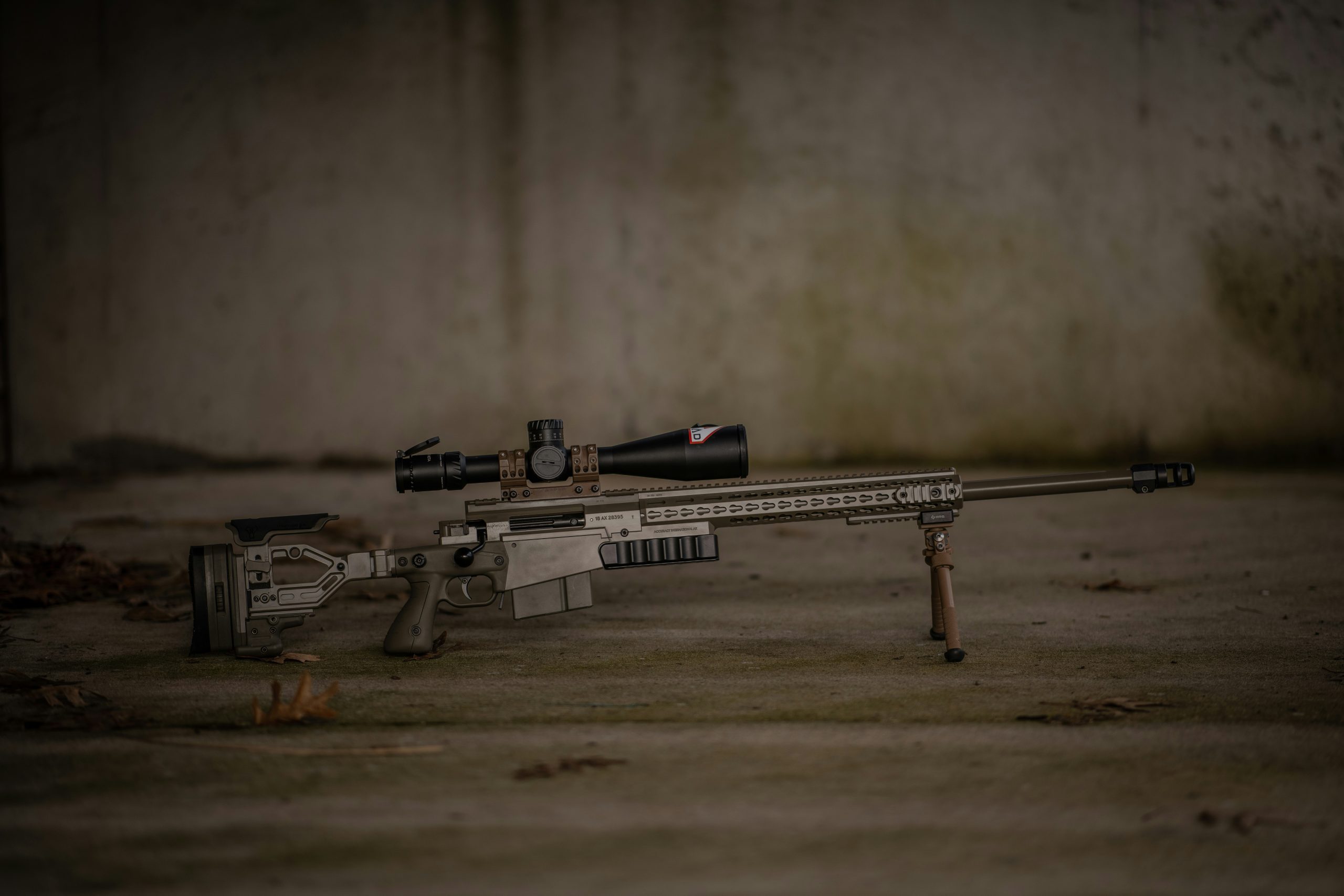
The Gepárd M1 shows how an individual designer could produce a distinctive answer to a military requirement. Engineer Major Ferenc Földi developed the Hungarian rifle between 1987 and 1990 after the army sought a mobile weapon capable of engaging lightly armored targets at long range. The resulting M1 used a bullpup layout and fired 12.7×108mm ammunition, with .50 BMG compatibility also reported. At roughly 17.5 kilograms and 1.57 meters long, it was substantial but considerably different from conventional rifles. The M1 later became the foundation for an entire family of Gepárd designs.
5. NTW-20: Tony Neophytou’s Fast Prototype
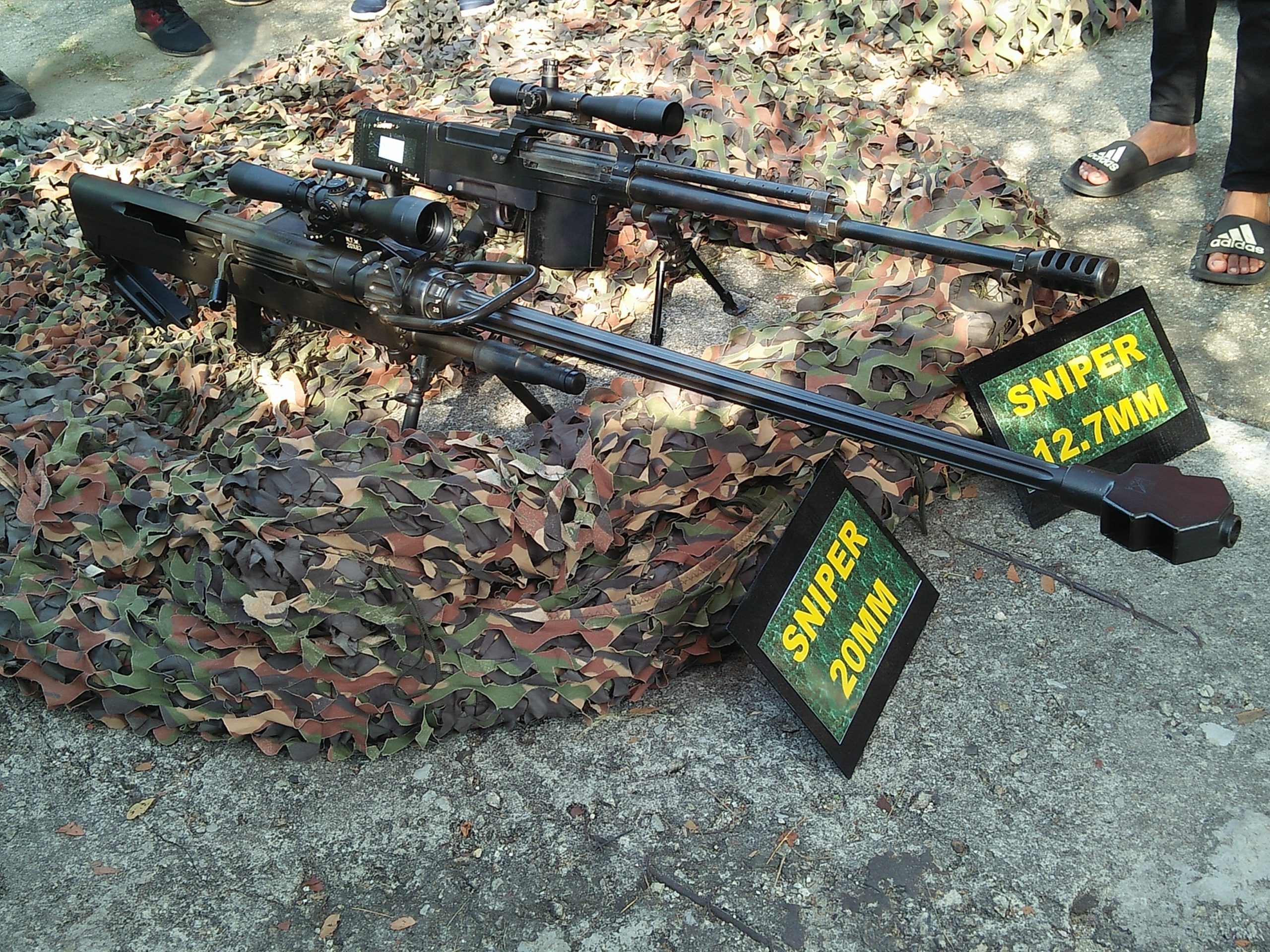
Tony Neophytou’s NTW-20 is unusual because its development moved extraordinarily quickly. Work began in August 1995 under the Aerotek name, and a functioning prototype reportedly appeared only about four and a half months later. Neophytou brought experience with recoil-reduction systems, which became central to the design. The rifle eventually offered 20×82mm and 14.5×114mm configurations, while a larger 20×110mm version was also developed. The 20mm version weighs roughly 31 kilograms, while the 14.5mm configuration approaches 34 kilograms. It later entered South African service in 1998.
6. Anzio 20mm: Mike Remo’s Oversized Ambition
The Anzio 20mm stands out because it pushed the civilian large-caliber rifle concept far beyond the familiar .50 BMG format. Anzio Ironworks owner Mike Remo built the rifle around the 20×102mm cartridge, producing a bolt-action platform that could use a three-round magazine. Published specifications put the rifle at a minimum of about 59 pounds, while heavily equipped versions could exceed 130 pounds. Its reported muzzle velocity is around 3,396 feet per second, producing approximately 39,500 foot-pounds of muzzle energy. Few projects better demonstrate how far individual enthusiasm can push a rifle concept.