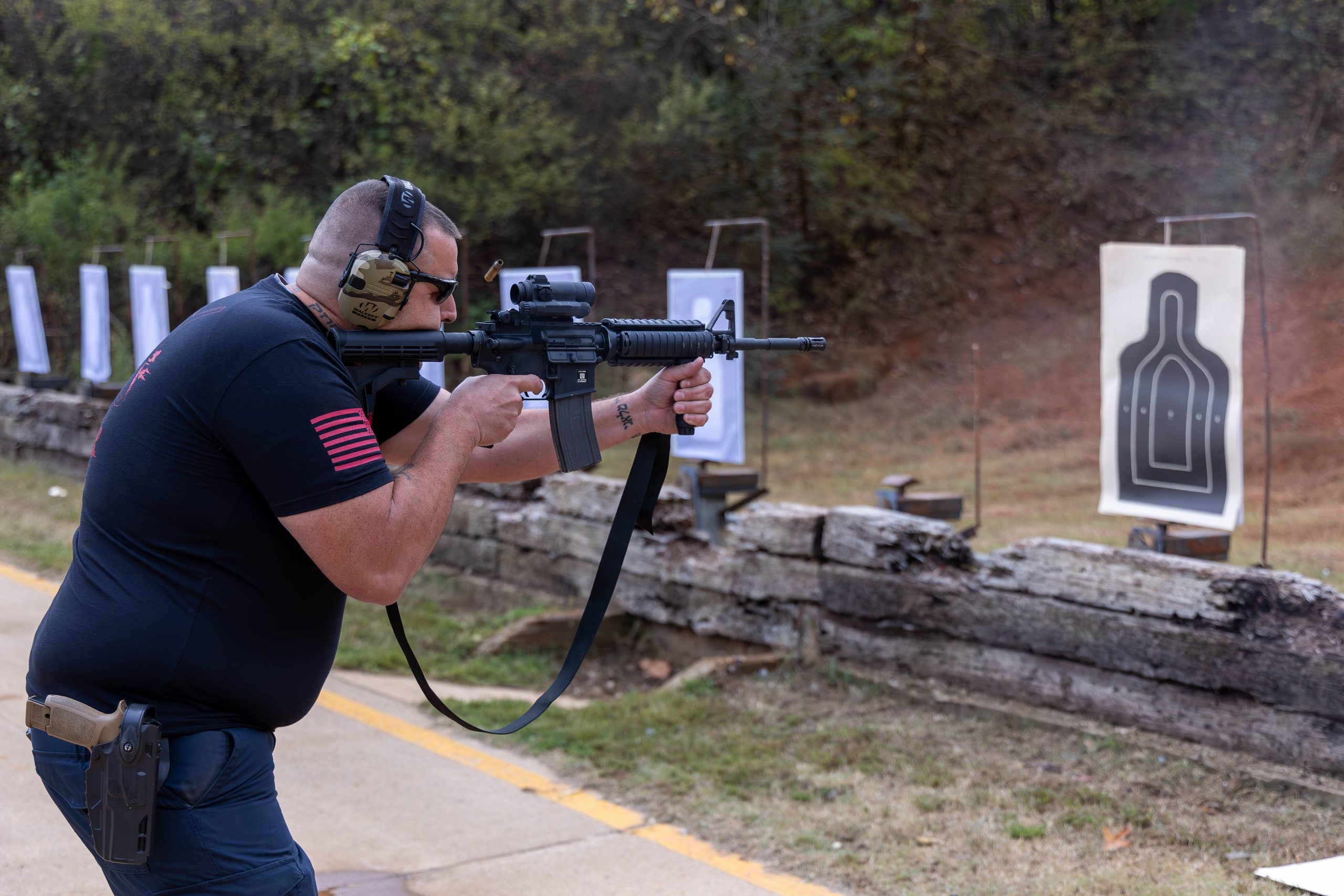
The .277 Fury arrived with an unusual combination of military ambition, extreme operating pressures, innovative case construction, and serious hunting potential. Rather than simply necking down an existing cartridge, SIG Sauer designed it around a new ammunition concept intended to deliver substantially higher performance from a relatively compact rifle. The U.S. Army connection made the cartridge instantly important, but it also created debate among hunters and shooters about cost, recoil, barrel life, ammunition availability, and whether its advantages justify the compromises.
It Was Born From a Military Program
The .277 Fury is unusual because its development was closely tied to the U.S. Army’s Next Generation Squad Weapons program rather than beginning as a conventional hunting cartridge. SIG Sauer developed the commercial .277 SIG Fury as the civilian counterpart to the military 6.8x51mm cartridge used with the XM7/M7 family. The Army selected SIG Sauer’s system in 2022, giving the cartridge an immediate military pedigree. That background helped generate enormous attention, but it also created skepticism. Hunters naturally wondered whether a round optimized around battlefield requirements would translate neatly into practical hunting.
Its Hybrid Case Is the Big Engineering Story
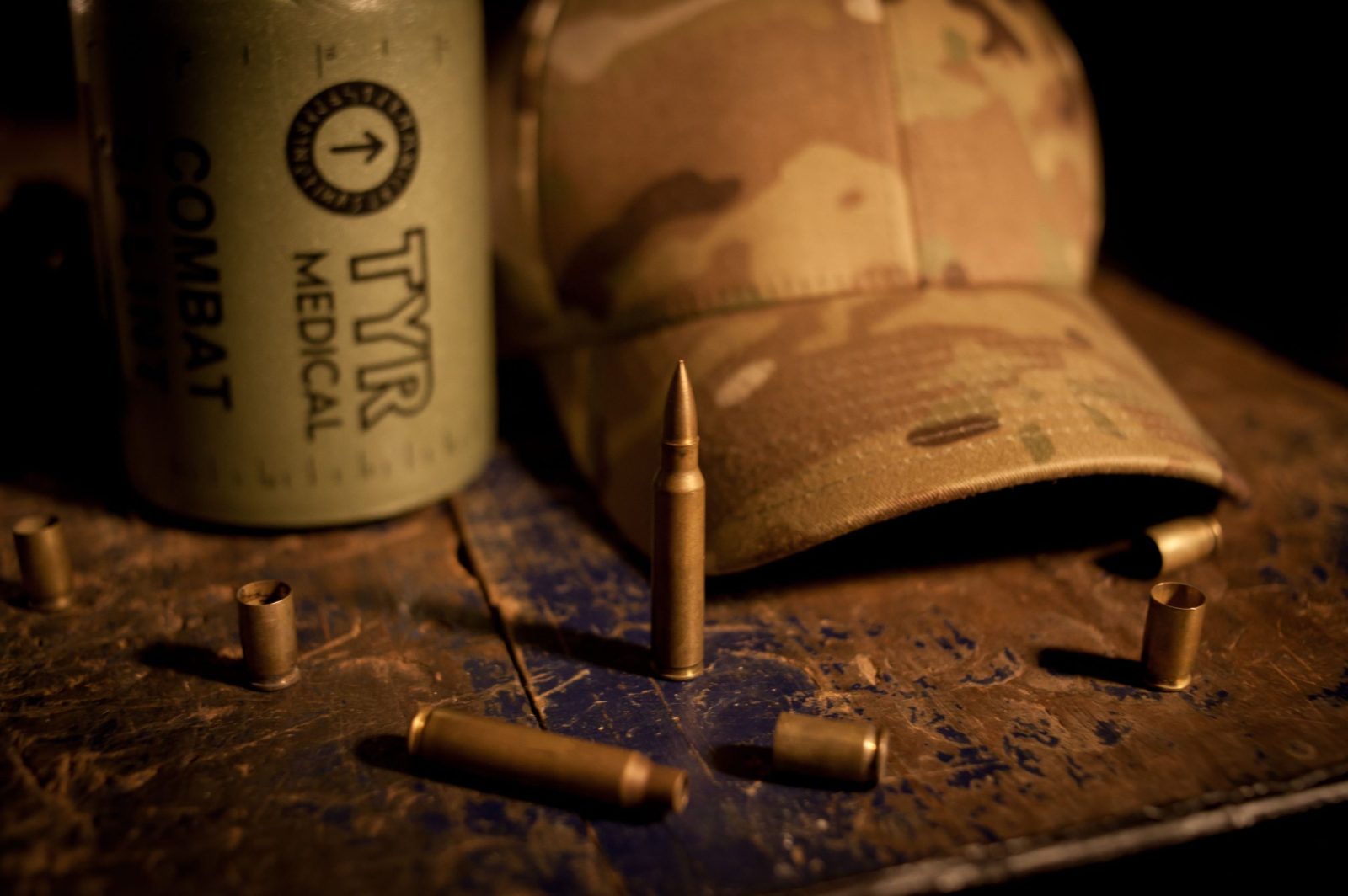
The most controversial feature is arguably hidden inside the cartridge rather than visible on the rifle. .277 Fury can use SIG’s hybrid case, combining a conventional brass body with a stainless-steel base designed to tolerate unusually high chamber pressure. That construction allows performance beyond what traditional brass ammunition can comfortably provide. SIG developed the concept specifically for the 6.8x51mm program, and commercial .277 Fury ammunition brought that technology to civilian shooters. The unusual case is also why comparing Fury directly with ordinary .270-class cartridges can be misleading. It is fundamentally a different engineering approach.
The Pressure Level Changed the Conversation
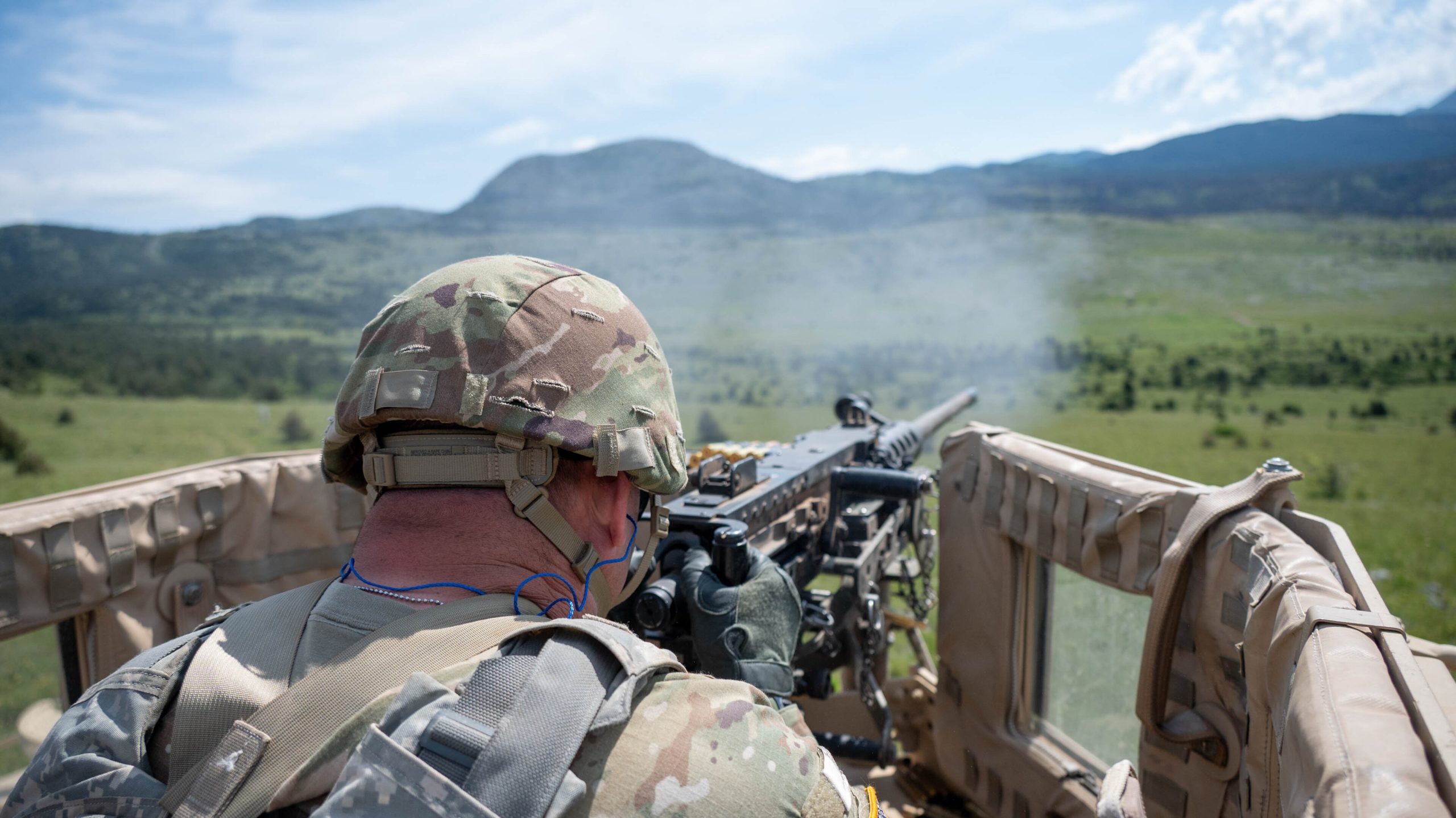
Few modern sporting cartridges have attracted as much attention for operating pressure as the .277 Fury. SIG’s military-oriented ammunition technology is designed around pressures exceeding those normally associated with conventional rifle cartridges, with SIG describing its newer hybrid ammunition technology as capable of operating above 80,000 psi. That extreme pressure is central to the cartridge’s velocity and energy claims, but it also raises obvious questions about heat, barrel wear, ammunition construction and rifle design. The important distinction is that hunters should use factory ammunition and firearms specifically chambered and rated for .277 Fury rather than treating it like an ordinary handloading experiment.
Short Barrels Are Part of Its Appeal
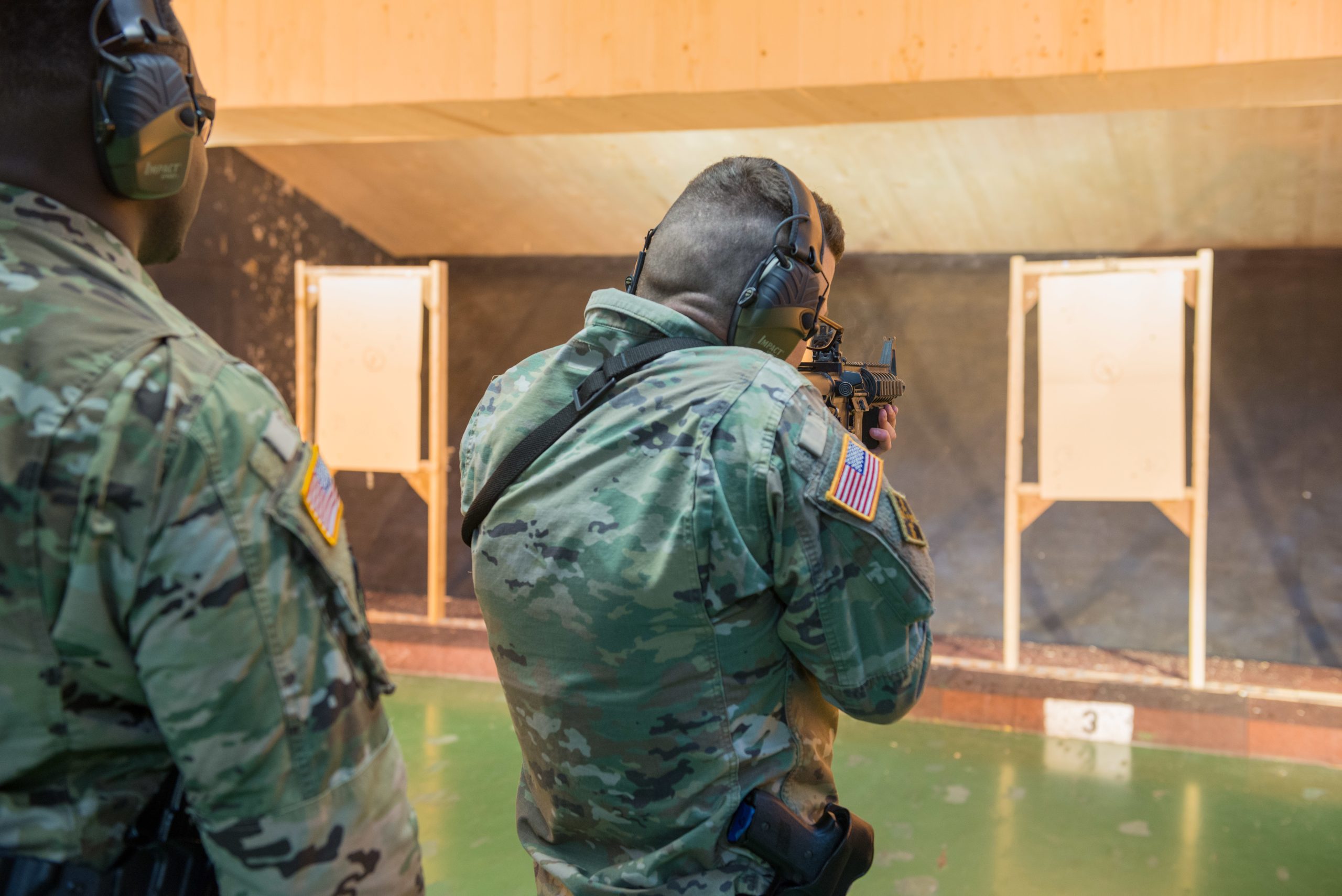
The .277 Fury was designed with compact rifles in mind, which makes its performance particularly interesting for hunters who dislike long, cumbersome firearms. SIG has highlighted the cartridge’s ability to maintain high velocity from relatively short barrels because its high-pressure hybrid ammunition extracts more performance from limited barrel length. One commercial example, the SIG CROSS, uses a 16-inch barrel in .277 Fury, while earlier MCX-SPEAR configurations were offered with 13-inch barrels. That compact-rifle compatibility is a major attraction for backcountry hunters, although shorter barrels can increase blast and perceived recoil compared with longer hunting configurations.
Its Performance Invites Comparisons With Magnums
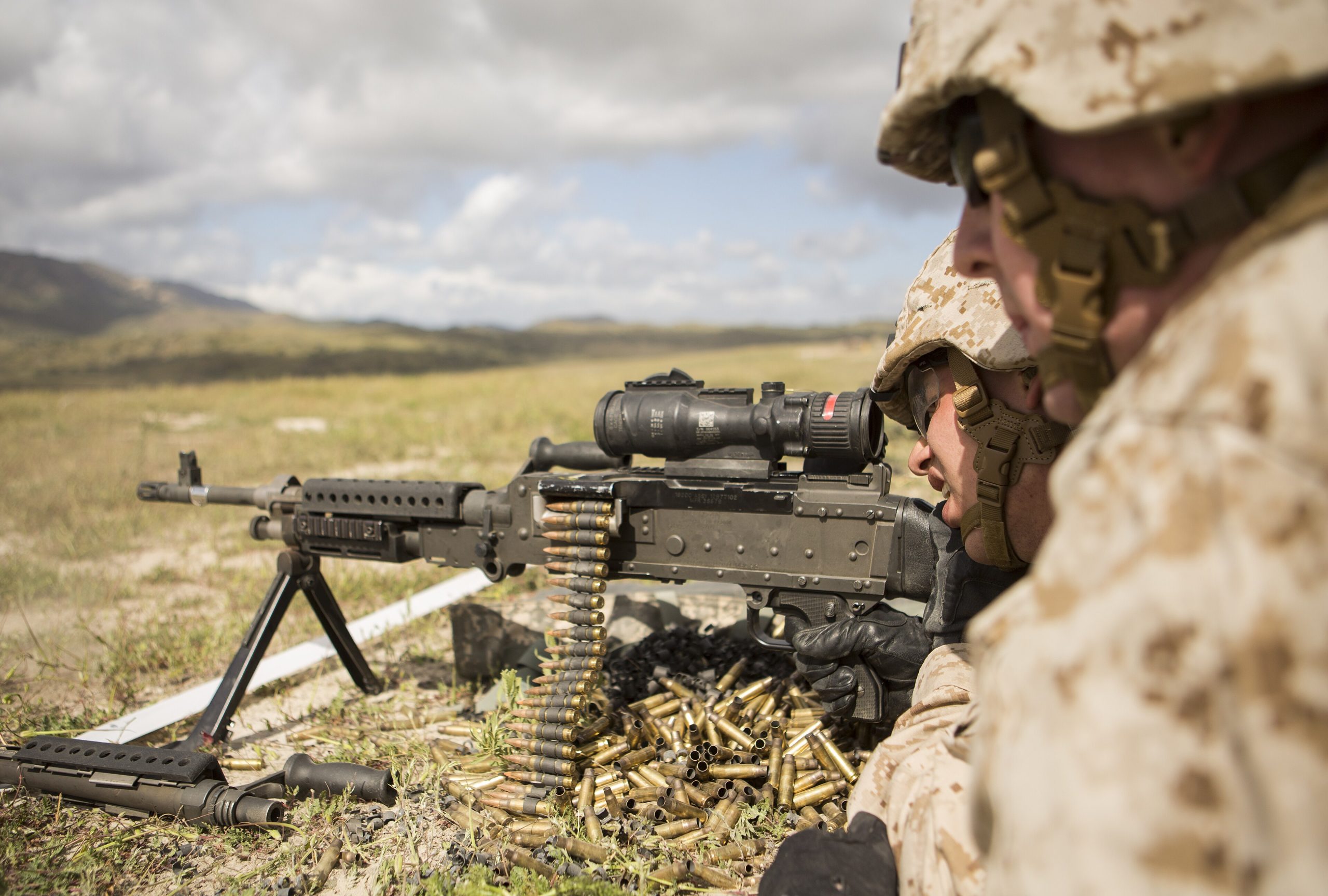
The cartridge became controversial partly because its performance occupies an unusual space between traditional .270-class rounds and larger magnum cartridges. SIG’s published hunting load includes a 150-grain Nosler AccuBond, and the company has stated that velocities can reach approximately 3,000 feet per second from a 16-inch barrel under specified conditions. That combination gives the round impressive energy and a relatively flat trajectory for its size. However, paper performance does not automatically make a cartridge superior to established hunting rounds. Real-world accuracy, recoil, ammunition availability, and terminal performance still determine whether the numbers translate into meaningful field advantages.
Recoil Is Part of the Price of Performance
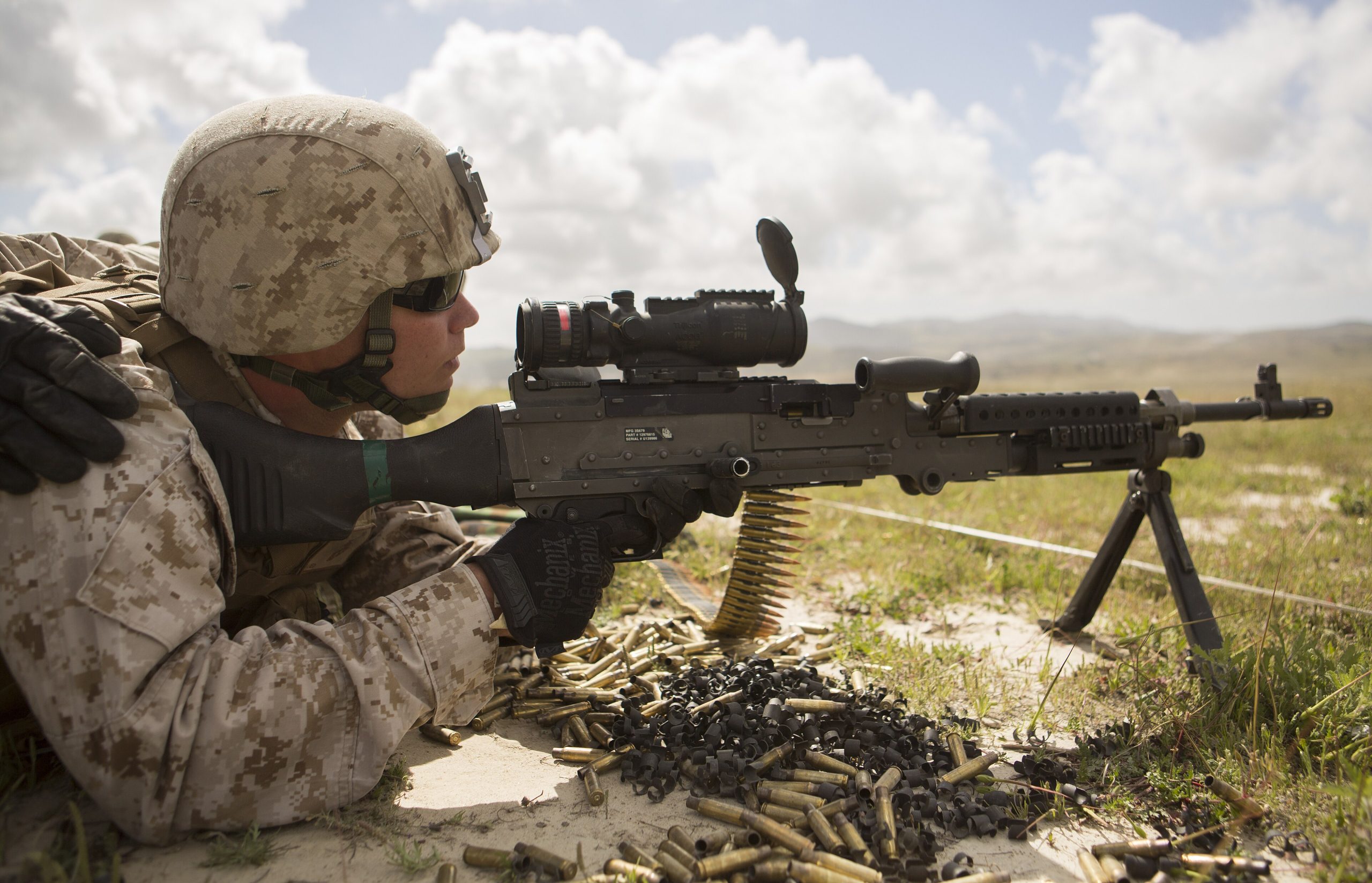
Higher velocity and greater downrange energy inevitably create trade-offs, and recoil is one of the most frequently discussed with .277 Fury. The cartridge pushes substantial bullet weights at high speeds while operating at pressures far above many familiar hunting rounds. Rifle weight, barrel length, stock design,n and muzzle devices can dramatically change how that recoil feels, so two Fury rifles may behave very differently in the field. The commercial SIG CROSS, for example, weighs about 6.2 pounds without its magazine, while an MCX-SPEAR configuration was listed at 9.2 pounds. That difference illustrates why cartridge specifications alone cannot predict shooting comfort.
Ammunition Cost Became a Major Objection
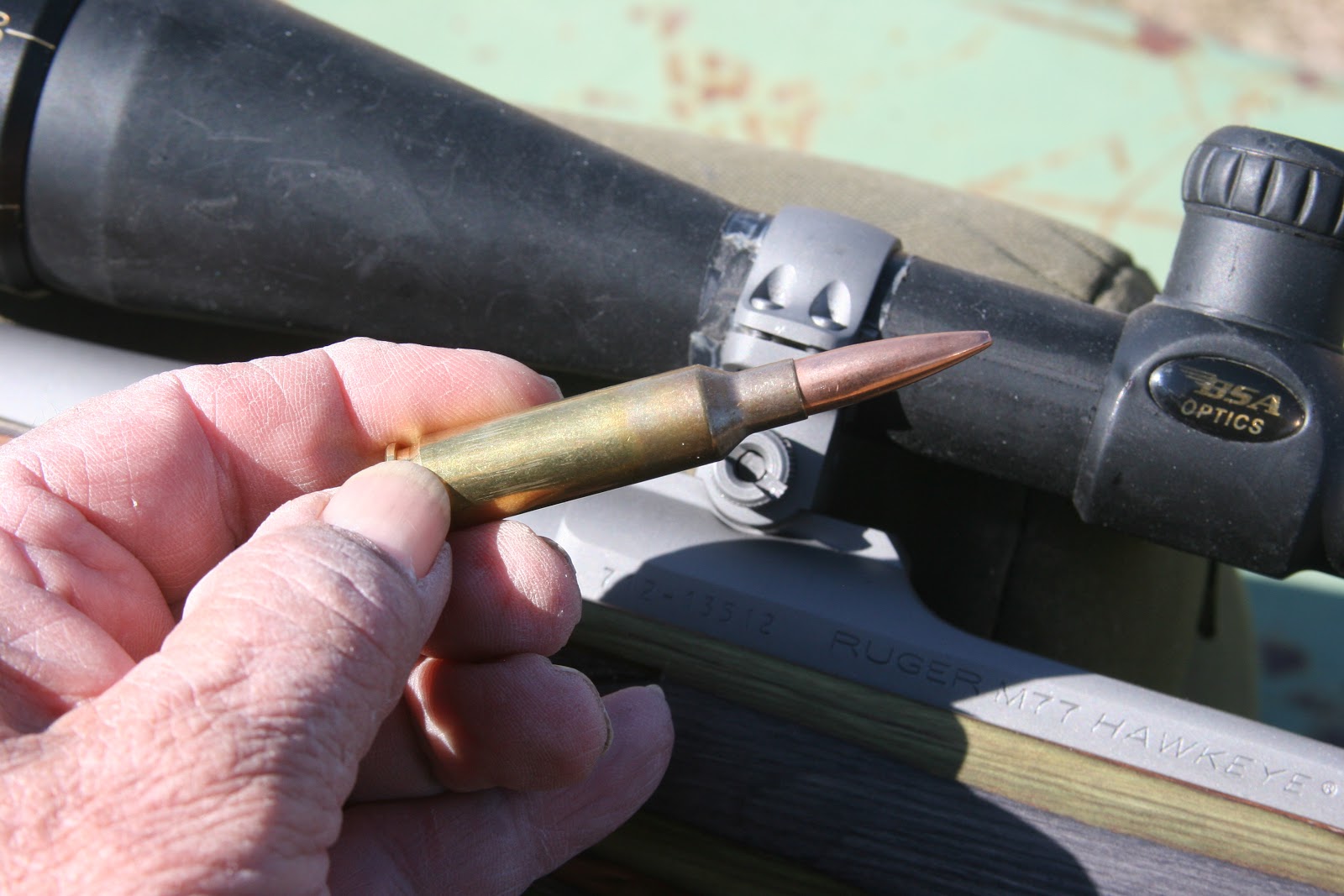
Price is another reason the .277 Fury has generated debate. Established cartridges such as .308 Winchester and 6.5 Creedmoor benefit from enormous production volumes, numerous manufacturers and decades of accumulated sporting demand. Fury ammunition remains comparatively specialized. SIG’s published 2025 catalog listed its 150-grain hybrid AccuBond load at $79.99 for a 20-round box, while a 130-grain .277 Fury soft-point load was listed at $39.99 per 20. Those figures make practice substantially more expensive than shooting many mainstream cartridges. For hunters who fire hundreds of rounds annually, ammunition economics can matter more than impressive ballistic charts.
The Rifle Platform Is Part of the Debate
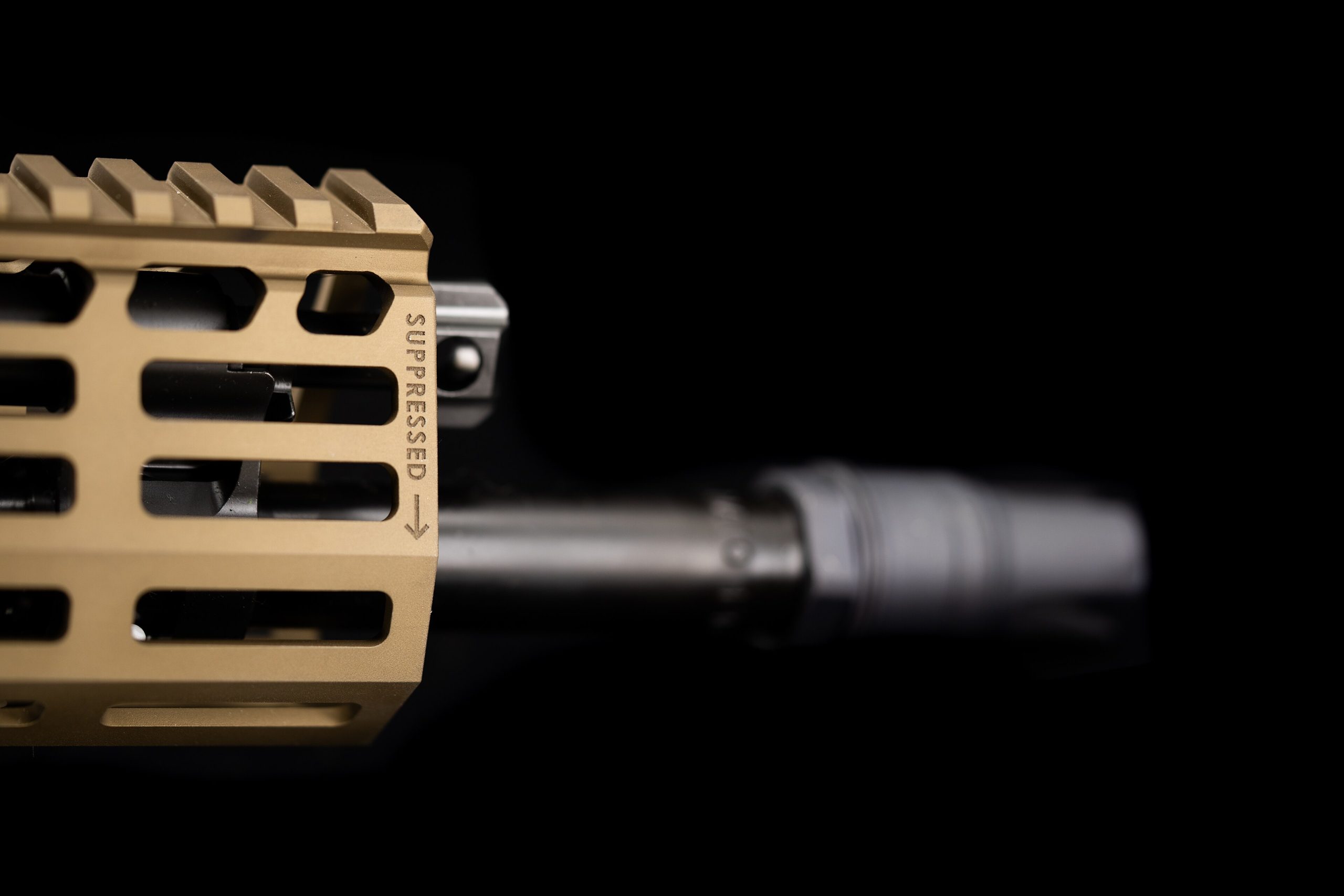
Another unusual aspect is how closely the cartridge became associated with advanced rifles rather than traditional hunting actions. The MCX-SPEAR was designed around .277 Fury and could also accommodate 6.5 Creedmoor and 7.62 NATO through caliber conversion, while the SIG CROSS brought the cartridge into a lightweight bolt-action hunting platform. The commercial MCX-SPEAR was listed at 9.2 pounds with a 16-inch barrel, whereas the CROSS .277 Fury was listed at about 6.2 pounds. That broad platform selection makes Fury more versatile than its military origins suggest, but it also reinforces its reputation as a specialized cartridge.
Its Biggest Question Is Long-Term Adoption
The most important question surrounding .277 Fury may not be ballistic performance at all, but staying power. The cartridge has already achieved something most new hunting rounds never do: it gained military adoption, commercial rifles, and factory hunting ammunition. The Army’s 6.8mm program continues to expand production, with an interim manufacturing capability at Lake City producing ammunition as of March 2026. Yet civilian success requires more than military adoption. Hunters need affordable ammunition, multiple rifle choices, component availability,y and confidence that the cartridge will remain supported for decades. With those factors still developing, Fury remains one of the most closely watched new rifle cartridges.