A quality rifle and an expensive optic can still shoot below their potential if the mounting job is off by even a little. Many hunters blame ammo, weather, or the rifle itself when the real problem is sitting right between the receiver and the scope. These common mistakes are easy to miss, but fixing them can tighten groups, protect your gear, and restore confidence before the next hunt.
Using the Wrong Rings or Bases

A surprising number of accuracy problems start with hardware that simply does not match the rifle or the optic. Rings that are too low can force contact with the barrel or handguard, while rings that are too high can make a solid cheek weld harder to repeat. Even a premium scope cannot perform well when the foundation is wrong.
Base pattern mistakes are just as costly. A mount that almost fits can shift under recoil or create alignment issues that show up as wandering groups. Hunters often focus on brand names, but the real key is choosing rings and bases built for that exact action, tube diameter, and objective size.
When the fit is correct, the scope sits securely, naturally, and consistently. That is where accuracy starts.
Skipping Proper Torque Specs
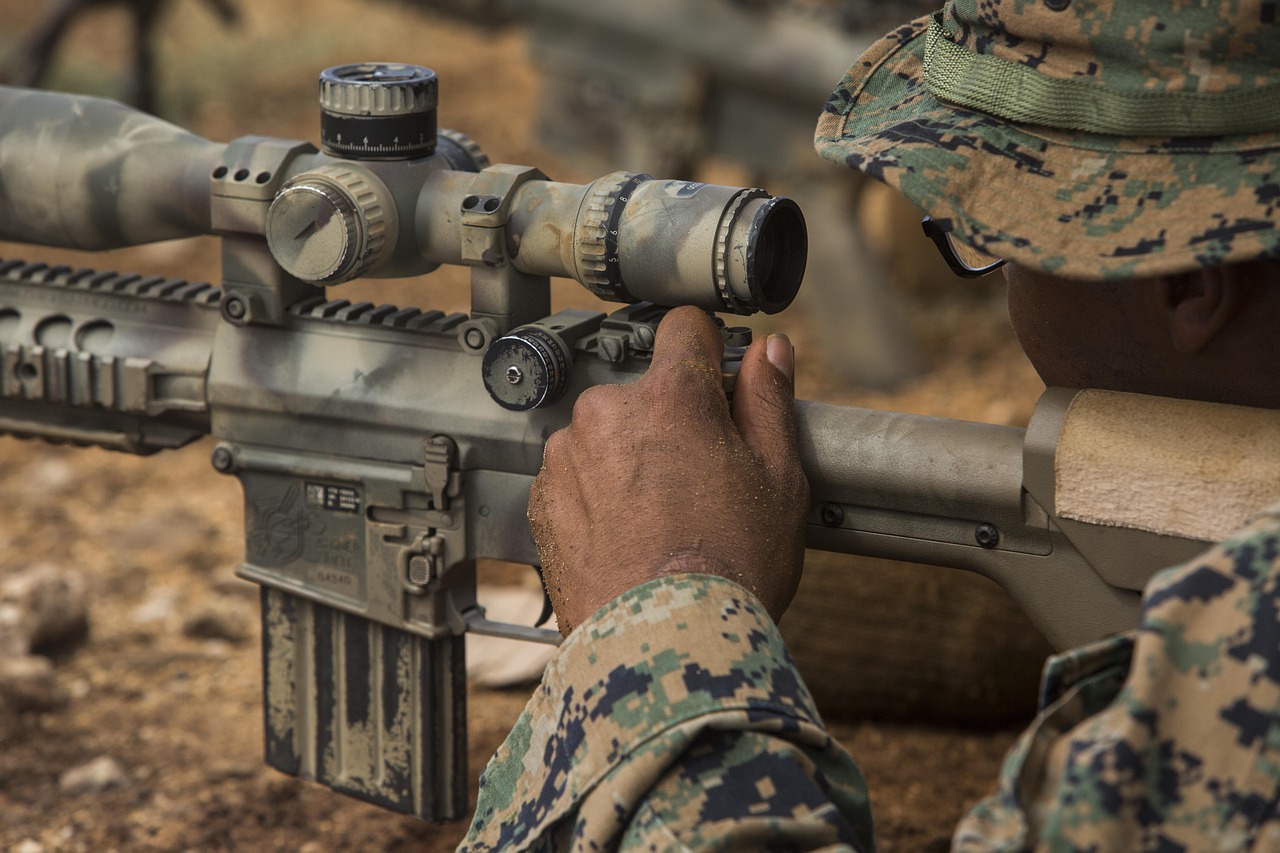
Overtightened screws can crush a scope tube, distort internal components, and leave you chasing mysterious point-of-impact shifts. Undertightened screws are not any better, because recoil can slowly loosen the setup and move the optic just enough to ruin confidence. Both mistakes are common when people rely on feel instead of a torque driver.
Manufacturers publish torque specs for a reason. Ring caps, crossbolts, and base screws all have different limits, and those numbers matter more than most hunters realize. A few inch-pounds too much or too little can change how the system behaves under recoil.
A small torque tool is not flashy gear, but it may do more for your rifle than another box of premium ammo.
Mounting the Scope Without Leveling It

A canted scope does more than look slightly off. If the reticle is not properly leveled to the rifle, holdovers and dialed corrections become less reliable, especially as distance increases. That means a hunter can make a good wind call and still miss because the reticle is working at an angle.
This mistake often sneaks in during a rushed garage setup. Eyeballing it against a wall or trusting the shape of the rifle stock is rarely precise enough. The result may not show up at 50 yards, but it becomes much more obvious when stretching shots across a field or cutline.
Taking a few extra minutes with leveling tools helps ensure that your vertical adjustments actually track vertically when the moment matters.
Ignoring Eye Relief in Real Shooting Positions

A scope can seem perfectly placed on the bench and still be wrong in the field. Hunters often set eye relief while sitting upright at a table, then discover the image shadows badly when shooting prone, uphill, or in a heavy coat. In some cases, the scope ends up uncomfortably close under recoil, which is a lesson nobody wants to learn twice.
Proper eye relief should be checked in the positions you actually use while hunting. Shoulder the rifle naturally, close your eyes, mount the gun, then open them and see where the sight picture lands. That simple test reveals a lot.
A full, immediate image speeds target acquisition and helps maintain a calm shot process when an opportunity appears fast.
Failing to Degrease Screws and Contact Surfaces
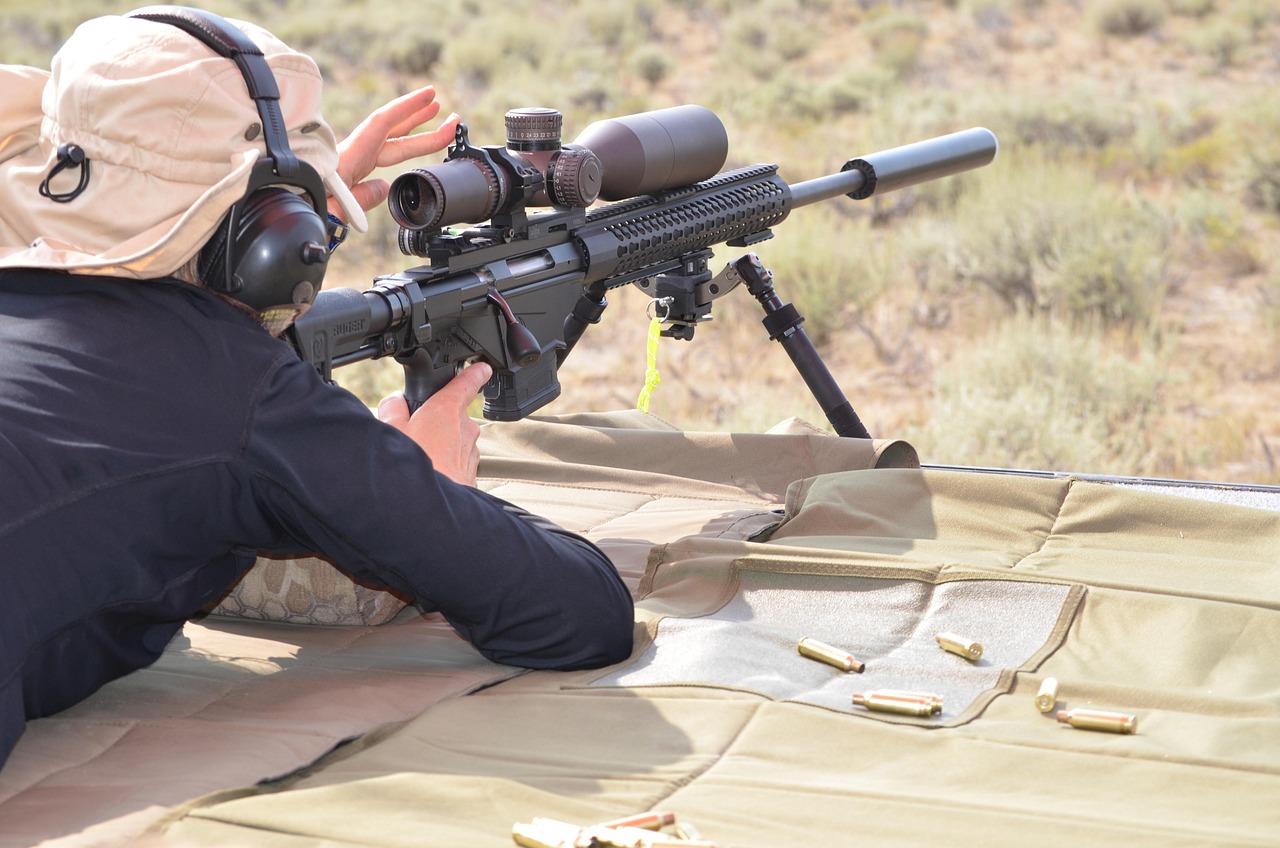
Factory oils, packing grease, and leftover residue can quietly sabotage an otherwise careful mounting job. If screws go in slick with oil, torque readings become less reliable, and hardware may loosen over time. The mount can feel secure on day one and still start shifting after a handful of shots.
The same goes for the surfaces where bases and rings make contact. Tiny films of oil or debris can prevent solid mating, introducing movement that is hard to spot but easy to see on paper. Hunters sometimes call it a bad zero when it is really a bad interface.
A clean setup gives torque values a fair chance to mean what they should. It is a small prep step with a big payoff in consistency.
Clamping the Scope Tube Unevenly
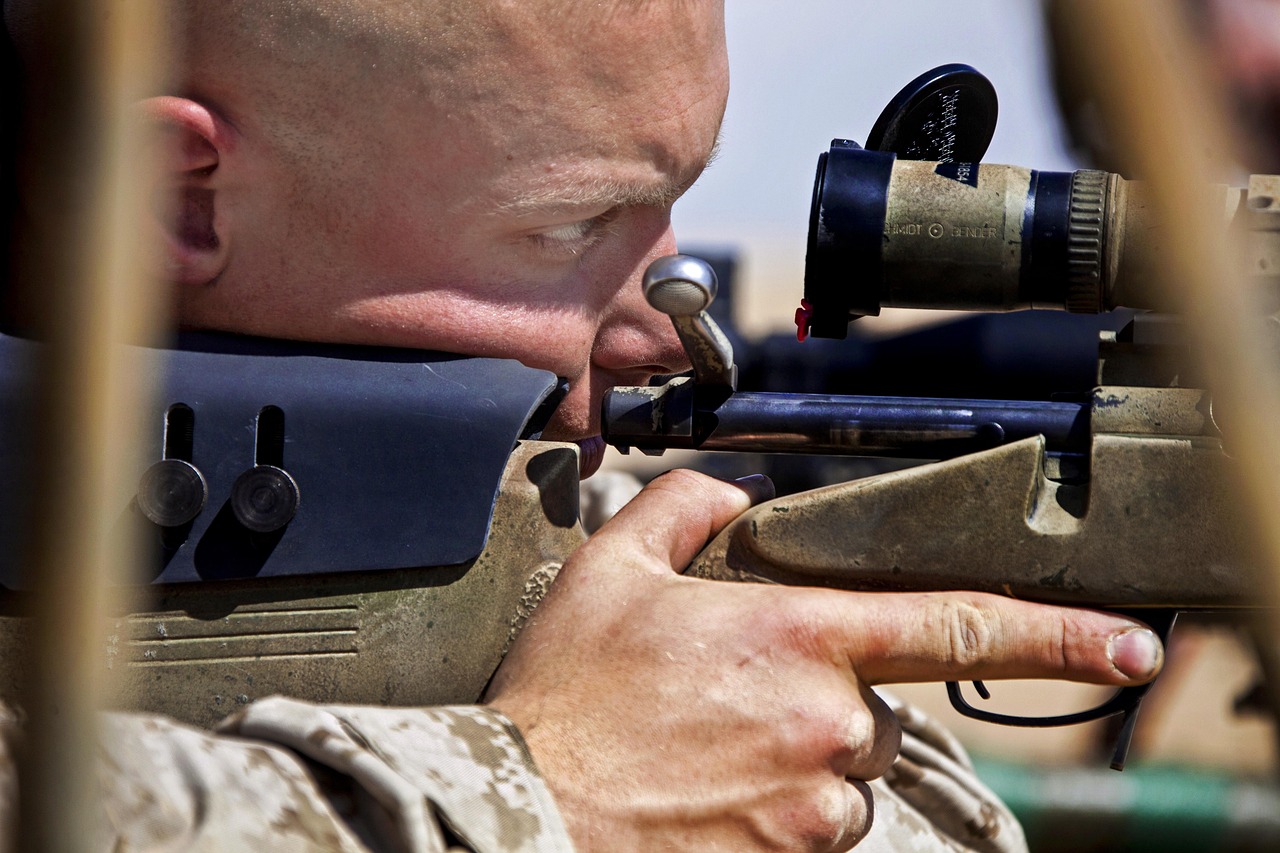
Ring caps tightened unevenly can twist the scope, pinch the tube, or create stress that affects tracking and durability. It is an easy mistake to make when one side is cinched down quickly and the other is pulled in later. The gaps may even look fine at a glance while the pressure underneath tells a different story.
A careful installer tightens ring screws gradually and in an alternating pattern, keeping the cap gaps as even as possible. That balanced approach helps the scope settle naturally instead of being forced into position. With some setups, lapping or alignment checks may also be worth considering.
A scope should be held firmly, not bullied into place. Smooth, even pressure protects both accuracy and the optic itself.
Not Checking for Interference or Clearance Issues

A mounted scope can look excellent and still have hidden fit problems. Objective bells may sit too close to the barrel, eyepieces can interfere with bolt handles, and oversized caps may crowd loading space or ejection. These issues often show up only after the rifle is cycled quickly or taken into the field.
Clearance matters because anything that touches, rubs, or limits movement can affect function and confidence. A bolt that barely clears the ocular housing may be fine in the shop but frustrating with gloves on in cold weather. Small annoyances become big distractions when a shot window is short.
Before calling the job finished, cycle the action, check every angle, and make sure the rifle still operates naturally and cleanly.
Assuming the Zero Problem Is the Ammo

When groups open up or impacts drift, many hunters immediately blame the ammunition. Sometimes that is true, but a surprising number of zero problems trace back to mounting mistakes that were never fully resolved. Loose bases, creeping rings, reticle cant, and poor eye position can all mimic ammo inconsistency.
That is what makes these errors expensive. People burn through premium loads, swap brands, and doubt a rifle that may have been fine all along. Meanwhile, the real issue stays bolted to the receiver. It is a frustrating cycle that wastes both range time and hunting confidence.
Before giving up on a load you trust, inspect the mounting system carefully. Accuracy starts with stability, and stability starts with the setup.