Few handguns have ever crossed over from the gun counter to pop culture quite like this one. The Smith & Wesson Model 29 still carries an outsized reputation, even decades after its most famous line made history.
The revolver behind the legend
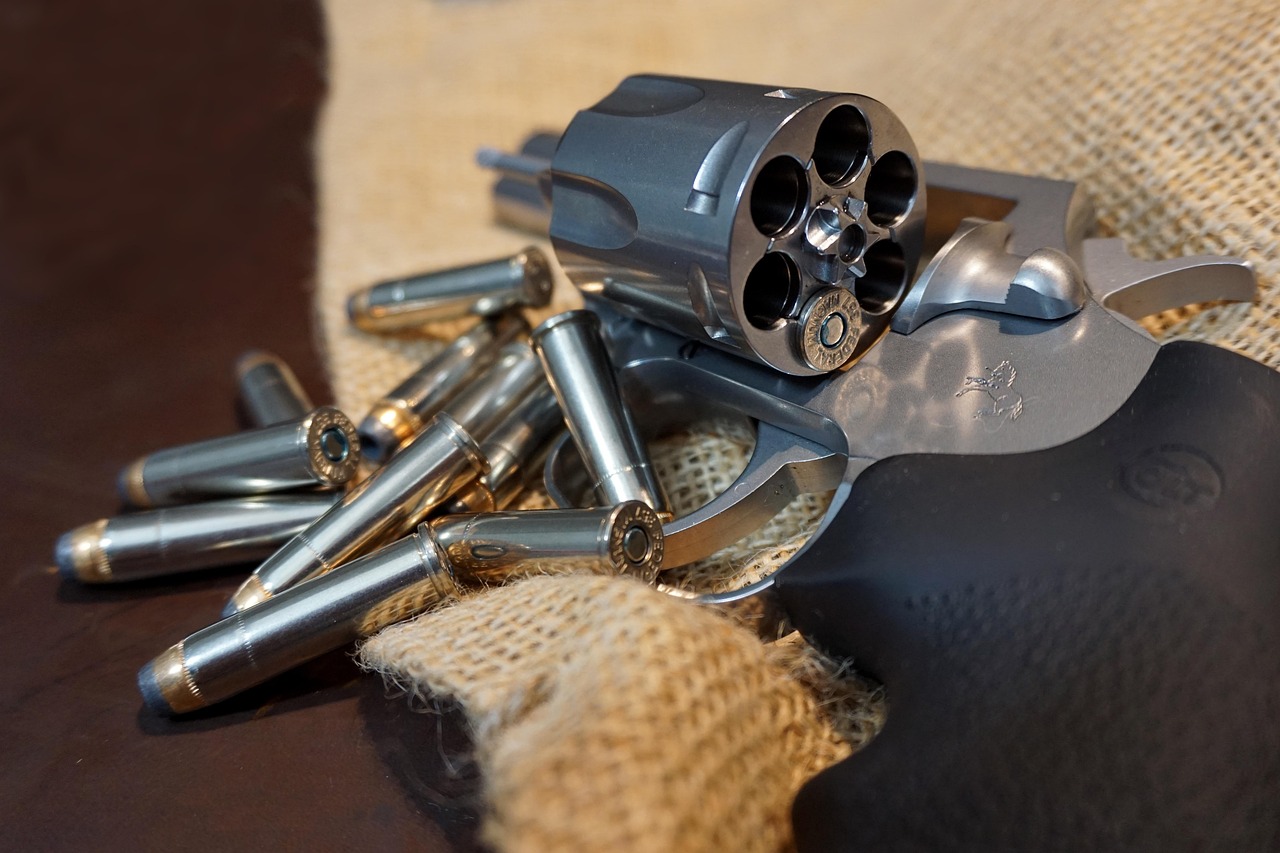
When people talk about “the world’s most powerful handgun,” they are usually talking about the Smith & Wesson Model 29, the blued N-frame revolver chambered in .44 Remington Magnum. The phrase was burned into public memory by Clint Eastwood’s character in Dirty Harry, and the movie turned a specialized big-bore revolver into a household name. According to American Rifleman, the film triggered a surge in demand so strong that Smith & Wesson was caught off guard.
The timing matters. The first .44 Magnum revolvers came off the Smith & Wesson line in late 1955 and early 1956, with American Rifleman noting that one of the earliest examples went to Elmer Keith, the outdoors writer and handgun experimenter most associated with the cartridge’s development. That origin story gave the gun immediate credibility with serious shooters, long before Hollywood discovered it.
Smith & Wesson’s own company history still treats the Model 29 as one of its landmark handguns. The company also notes that later handguns surpassed it in outright power, especially the S&W 500, which Smith & Wesson describes as the most powerful factory-production double-action revolver in the world. That does not diminish the Model 29’s place in history. It simply clarifies that its legendary slogan belongs to a specific moment in firearms development.
What made the Model 29 so powerful for its time
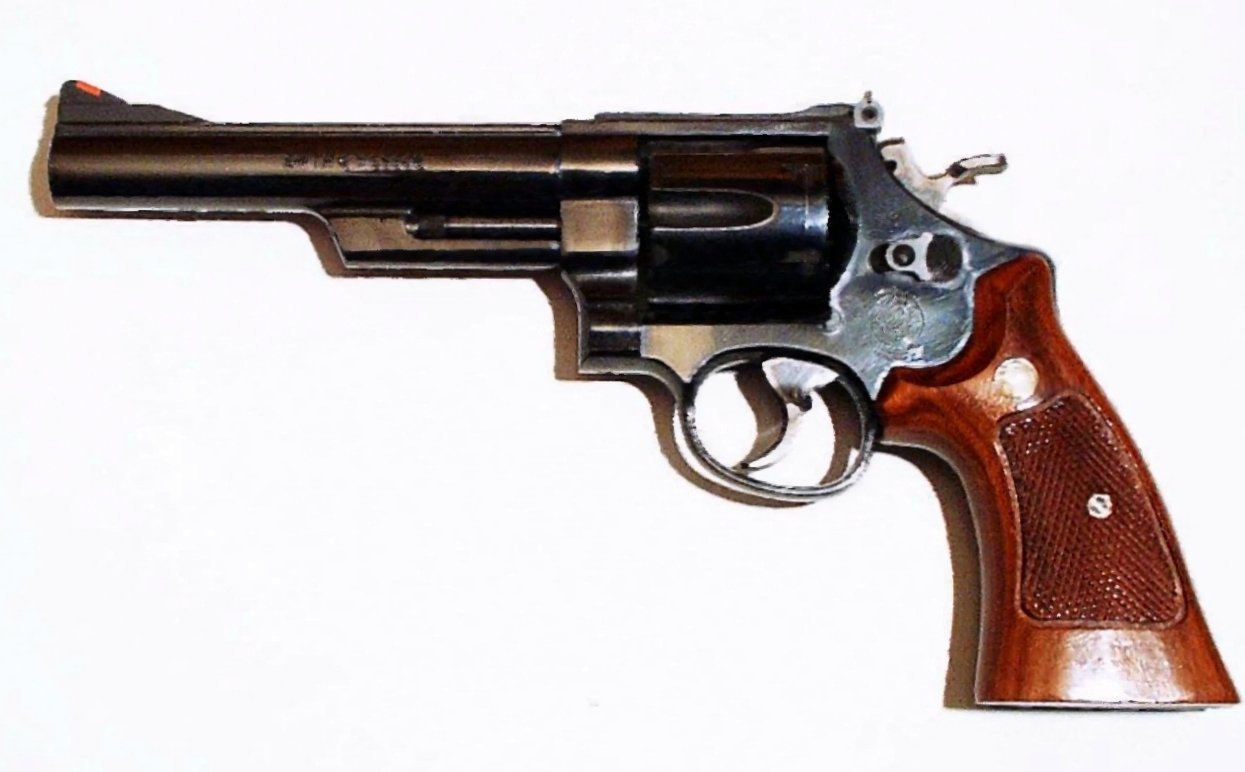
(Original text: kaltduscher)/Wikimedia Commons
To understand the Model 29’s reputation, you have to look at the cartridge it launched with. The .44 Remington Magnum was a major step up from the .44 Special loads that inspired it. Period accounts and later NRA coverage describe it as the most powerful production handgun chambering of its day, delivering a level of velocity and striking energy that ordinary service revolvers simply could not match.
SAAMI performance tables list traditional .44 Remington Magnum loads with a 240-grain bullet at around 1,740 fps from test conditions, underscoring just how ambitious the cartridge was when it arrived. Even modern factory ammunition catalogs still show substantial energy from standard hunting-oriented .44 Magnum loads. In practical terms, that meant a skilled shooter had enough power for handgun hunting, backcountry defense, and metallic silhouette shooting, all from a sidearm.
That power came with tradeoffs. The Model 29 was large, heavy, and not remotely subtle. Recoil was sharp enough that inexperienced shooters often discovered very quickly that movie dialogue and range reality are not the same thing. Still, that was part of the appeal. The revolver offered genuine magnum performance in a time when “more power” usually meant moving to a long gun, not simply strapping on a sidearm.
Design, construction, and why shooters still respect it
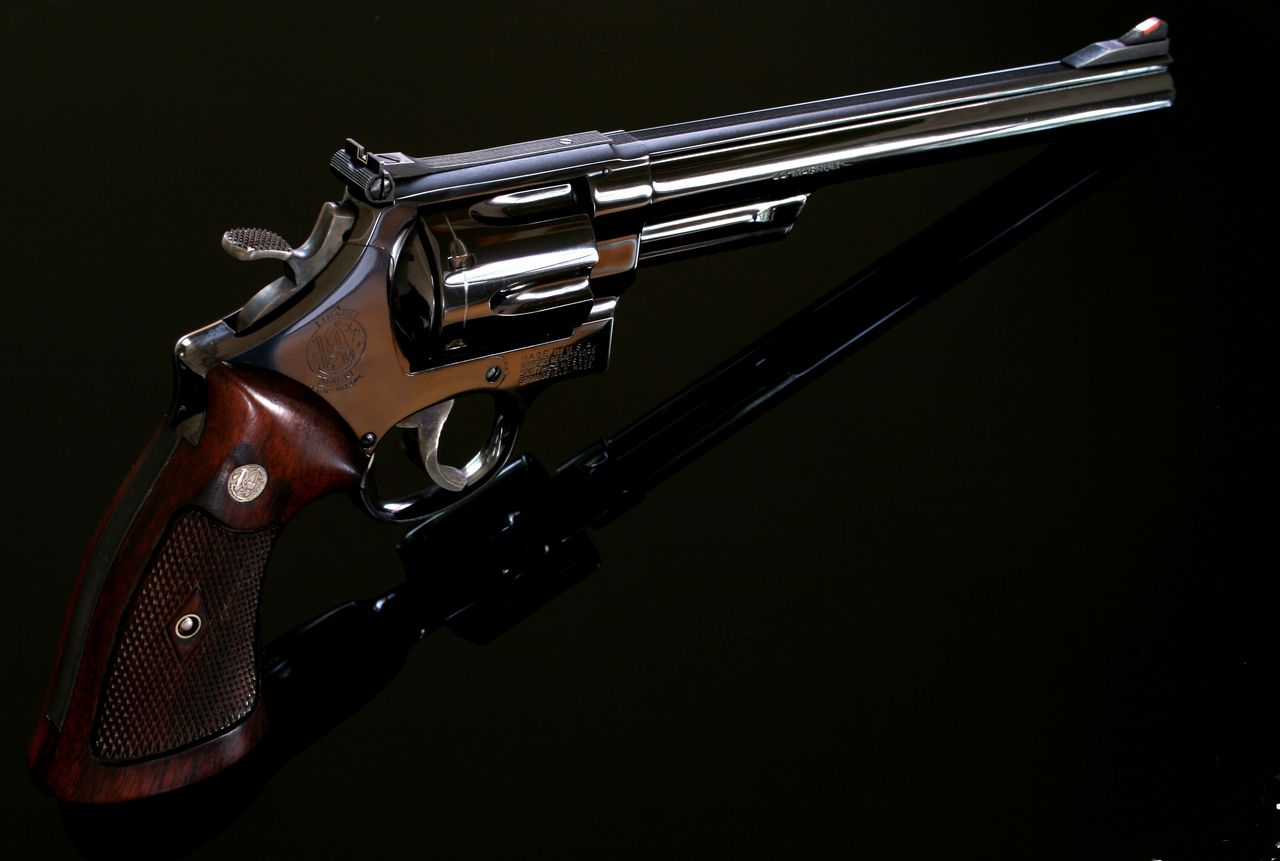
The Model 29 was built on Smith & Wesson’s large N-frame, and that matters because the frame gave the gun enough mass to handle full-power .44 Magnum ammunition. Typical examples were six-shot, double-action revolvers with adjustable sights, substantial barrels, and the kind of polished blued steel finish that modern mass-market handguns rarely attempt. It looked serious before a single round was ever fired.
Part of the Model 29’s staying power comes from how it balances brute force with refinement. This was never just a rough utility revolver. It was a premium big-bore handgun, often fitted with target-style stocks, a wide hammer spur, and sights intended for deliberate shooting. Even people who have no intention of hunting with a revolver can appreciate the craftsmanship in an older Model 29.
The gun also spawned a stainless counterpart, the Model 629, introduced in 1978. That version kept the same basic concept while offering improved weather resistance and easier maintenance for outdoor use. Among hunters, hikers, and revolver enthusiasts, the 629 became the practical branch of the family tree, while the original blued Model 29 remained the classic everyone recognized at a glance.
Hollywood made it famous, but not invincible
The Dirty Harry effect cannot be overstated. American Rifleman has described the Model 29 as America’s shooting star because the film transformed a relatively niche handgun into an object of mass fascination. Suddenly, a revolver that had appealed mostly to enthusiasts, hunters, and experiment-minded handgun shooters became the gun everyone wanted to see, hold, and, if possible, own.
But the movie line was always a little more mythic than technical. American Hunter has pointed out that while the .44 Magnum was the most powerful production revolver cartridge of its era, more exotic wildcat rounds such as the .454 Casull already existed in non-mainstream form. In other words, Harry Callahan’s line was close enough for cinema, even if it was not a laboratory-grade statement.
That distinction is useful because it explains why the phrase endured. The Model 29 was not merely strong on paper. It was the strongest thing most ordinary people had ever heard of in a handgun. In pop culture terms, that made it unbeatable. Even now, when modern magnum revolvers and specialty handguns exceed it by a wide margin, the Model 29 still owns the title in the public imagination.
How the Model 29 performs in the real world
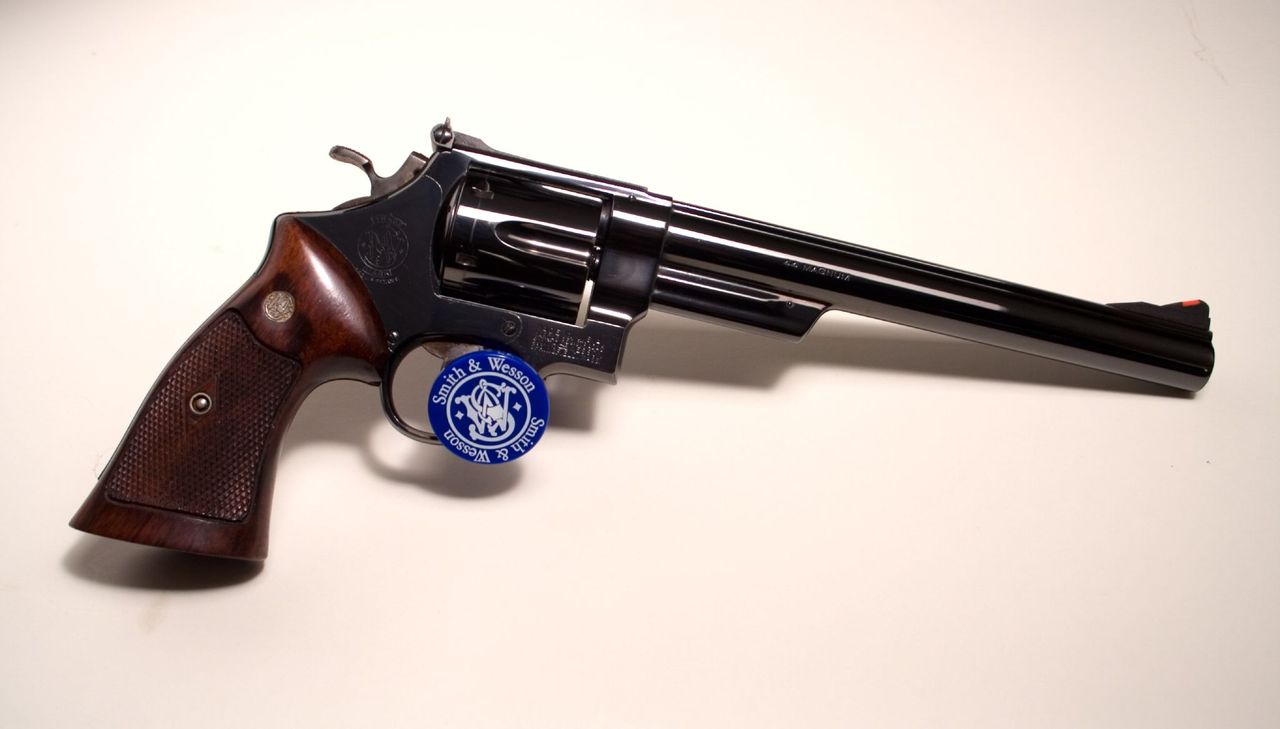
On the range, the Model 29 rewards discipline more than bravado. Full-power .44 Magnum loads produce muzzle blast, flash, and recoil that can wear out a shooter faster than many expect. That is why experienced owners often practice with lighter loads and reserve heavy magnum ammunition for hunting, woods carry, or serious field use. The gun can do impressive work, but it asks something from the person behind it.
Accuracy has always been one of its strong suits. A long sight radius, solid single-action trigger potential, and a heavy frame can make the revolver surprisingly precise in practiced hands. That is one reason big-bore revolvers built lasting followings among handgun hunters. The Model 29 was never intended to be a fast, high-capacity defensive pistol. It was intended to launch powerful bullets accurately and reliably.
In the field, that formula still makes sense. For hunters pursuing deer-sized game at sensible handgun distances, or outdoorsmen wanting a capable revolver in bear country, the .44 Magnum remains relevant. It may no longer dominate the power conversation, but it still sits in a practical sweet spot: more manageable than the biggest hand cannons, yet far more potent than ordinary sidearm cartridges.
Why collectors and enthusiasts keep coming back to it
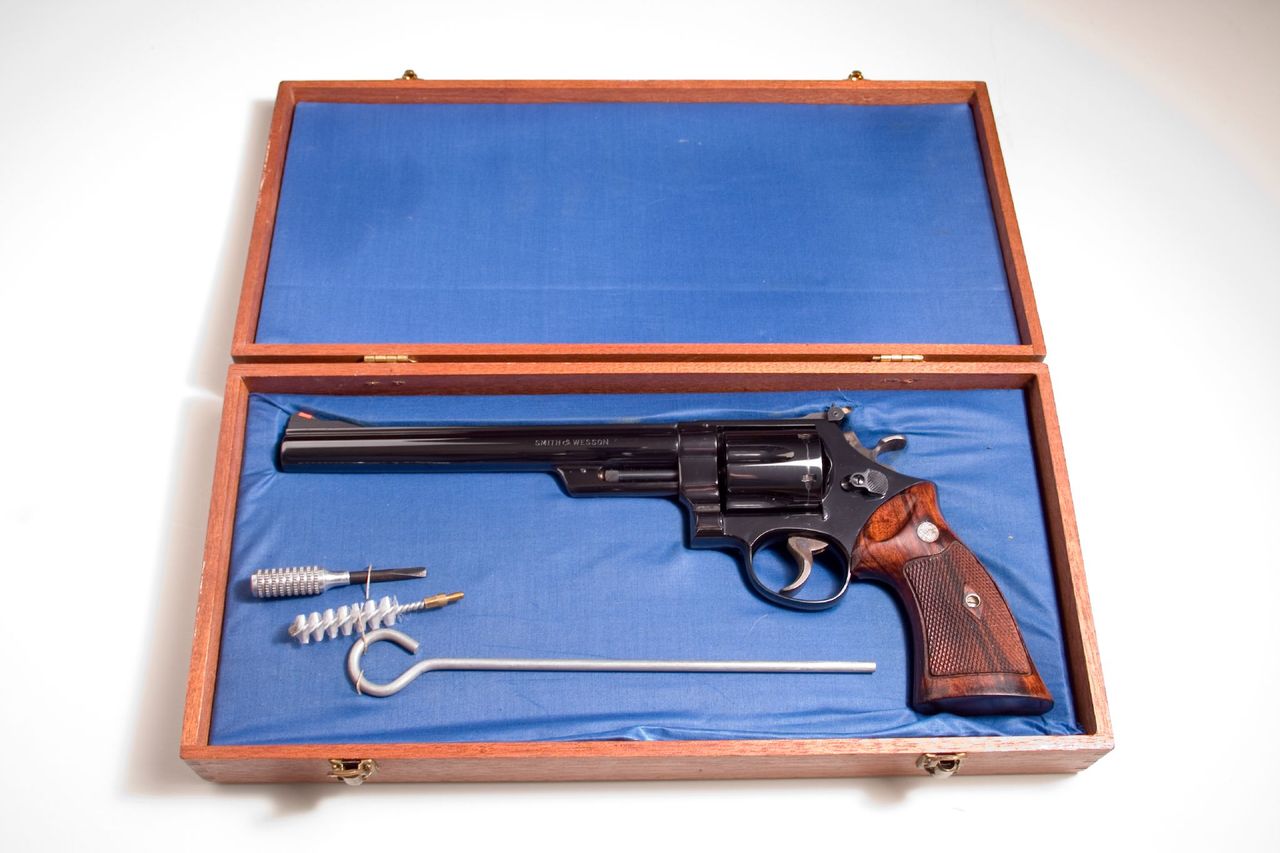
The Model 29 occupies a rare space in firearms culture. It is historically important, mechanically interesting, visually distinctive, and instantly recognizable even to non-gun people. That combination gives it unusual staying power. Plenty of revolvers are excellent shooters. Very few have a biography.
Collectors are drawn to different eras of the gun. Early pinned-and-recessed examples, classic 6 1/2-inch guns, and revolvers with strong ties to the pre- and post-Dirty Harry period all hold special interest. Enthusiasts often debate details like barrel length, dash numbers, finish quality, and whether later engineering changes helped or hurt the character of the gun. Those discussions are part of what keeps the Model 29 alive as more than a movie prop.
There is also the emotional factor. Owning a Model 29 means owning a piece of the era when magnum revolvers symbolized the outer edge of handgun performance. Smith & Wesson’s own historical material reinforces that legacy, and the gun’s continued appearance in enthusiast media shows that the fascination never really disappeared. It simply matured from hype into respect.
The truth about “the world’s most powerful handgun”
So was the Model 29 really the world’s most powerful handgun? The honest answer is yes, with context. In the mid-1950s and into its early commercial life, the .44 Magnum earned that reputation as the top-tier production handgun chambering most shooters could realistically buy. Later developments changed the technical ranking, but they did not erase what the gun represented at the time.
Today, Smith & Wesson itself reserves true top-power bragging rights for the S&W 500, not the Model 29. Modern shooters also have access to revolvers and specialty pistols chambered in cartridges that generate significantly more energy than the classic .44 Magnum. If the question is raw numbers, the Model 29 has long since been surpassed.
If the question is legend, though, the answer is different. The Model 29 remains the revolver most people picture when they hear the phrase “most powerful handgun in the world.” That is the kind of title no ballistic chart can fully take away. The gun’s power was real, but its myth is what made it immortal.