It sounds like a simple manufacturing problem. In reality, it is a warning light for the entire American defense and ammunition supply chain.
The Real Bottleneck Is Not “Gunpowder” In The Old-Fashioned Sense

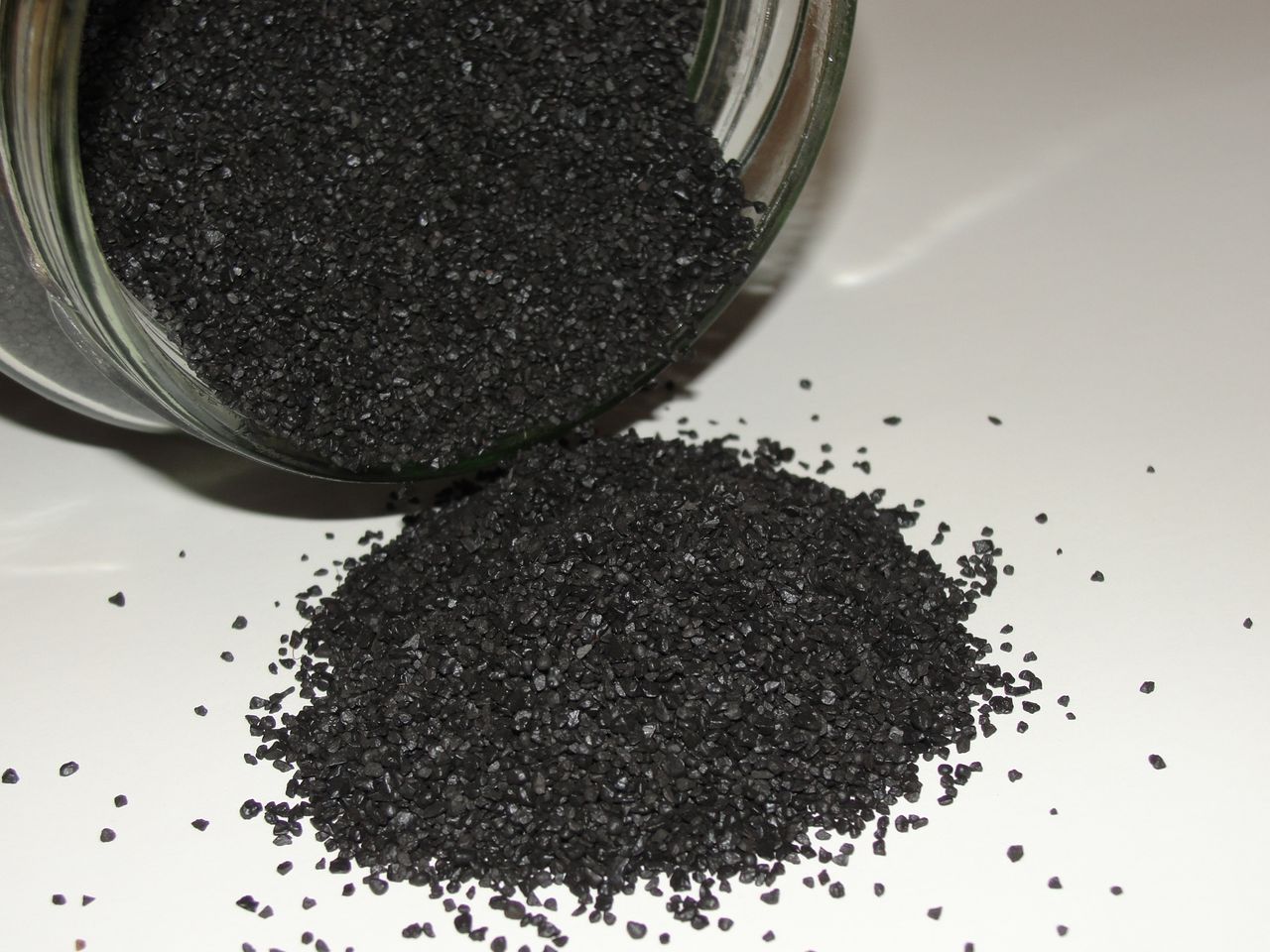
When most people hear gunpowder, they picture the black powder used in muskets and cowboy-era firearms. But most modern military and commercial ammunition depends on smokeless propellants, and the key ingredient is nitrocellulose, not the old sulfur-charcoal-saltpeter recipe.
That distinction matters because America can still make some black powder, and the Defense Department has even invested to re-establish domestic production capacity for it in Louisiana. The bigger pressure point is smokeless propellant, which powers rifle cartridges, artillery charges, and many other modern rounds.
According to Army and GAO material, the Radford Army Ammunition Plant in Virginia is the only active U.S. facility producing military nitrocellulose at scale and the only full-spectrum military propellant manufacturing site in the country. When one plant sits at the center of such a large system, every maintenance outage, modernization delay, or raw-material shortfall becomes a national problem.
Nitrocellulose Starts With A Surprisingly Fragile Raw Material Chain
Nitrocellulose is made from cellulose, and for military-grade applications, that cellulose has to meet tight quality standards. For years, officials have warned that changes in the cotton industry reduced reliable domestic access to the kind of cotton linters traditionally used for this process.
The Army was already talking about this problem more than a decade ago, noting that the United States no longer had a dependable domestic source of suitable raw material from baled cotton linters for some nitrocellulose applications. That is a remarkable vulnerability for something so central to artillery and small-arms propellant.
The problem does not stop with cotton. The supply chain also depends on acids, nitration chemistry, purification capacity, and specialized handling because nitrocellulose is hazardous, tightly regulated, and difficult to scale safely. A shortage in any one of those areas can slow output long before a cartridge or artillery round reaches a loading line.
Wars Abroad Turned A Neglected Capacity Problem Into An Urgent One
For years, the United States operated as if large-scale artillery wars were a thing of the past. Then Russia’s full-scale invasion of Ukraine in February 2022 reminded Western governments that high-intensity warfare burns through ammunition at a speed that peacetime planners had not fully prepared for.
The Pentagon and Congress responded with major investments to expand 155mm artillery production, and GAO reported in 2024 that DOD was using about $2 billion to help companies get the materials needed to increase output. The Army has said it wants to reach 100,000 155mm rounds per month, a huge jump from the roughly 14,000 monthly rate cited in early wartime briefings.
But shells are only the visible part of the problem. Every increase in artillery output also increases pressure on propellant, energetic chemicals, and nitrocellulose, which means the bottleneck shifts upstream toward the chemistry plants rather than the final assembly line.
Aging Plants And Slow Modernization Make Every Expansion Harder
Radford is not a startup factory built around modern chemical lines and redundant equipment. It is a legacy government-owned, contractor-operated plant with roots going back to World War II, and officials have spent years trying to modernize it without interrupting production.
Army modernization plans have highlighted construction of a new nitrocellulose facility at Radford, and the service has repeatedly described plant upgrades as essential to readiness. That tells you something important: the government knows the core facilities are old, stressed, and not ideal for a rapid national production surge.
Modernizing an explosives and propellant plant is also far harder than adding a second shift at a normal factory. These sites require environmental controls, safety standoff distances, trained workers, specialized machinery, and lengthy qualification processes before new output can be trusted for military use.
The Civilian Ammunition Market Gets Squeezed By The Same Constraints
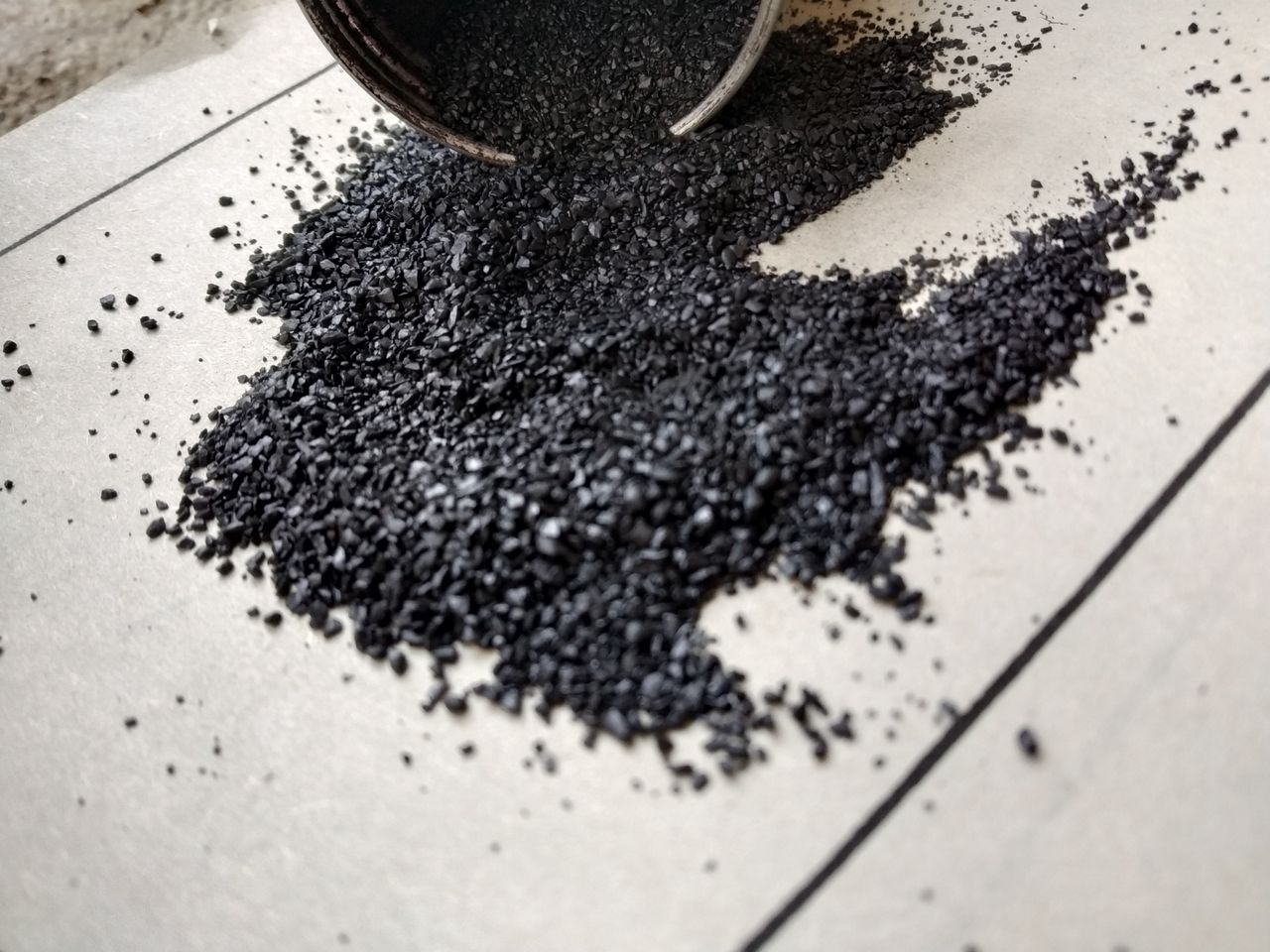
Military demand and civilian demand do not live in separate universes. The same global supply chain for nitrocellulose and related energetic inputs also affects commercial smokeless powder used in hunting ammunition, target loads, and reloading components.
That overlap became visible enough that members of Congress explicitly tied supply-chain strain to higher costs and greater difficulty acquiring ammunition for both the military and U.S. firearms and ammunition producers. When a basic energetic ingredient gets tight, the stress moves quickly through the entire market.
This is why shooters often experience the problem as empty shelves, spotty powder availability, and higher prices rather than as an industrial-policy debate. The shortage does not need to shut down every ammunition line to be felt. It only has to make scheduling, allocation, and replenishment less predictable.
Decades Of Consolidation Left The Country With Too Few Options
The deeper issue is structural. Over decades, the United States allowed critical energetic-material production to shrink into a handful of specialized sites, often with single-point failures built into the system.
Defense officials and outside analysts have increasingly described munitions production as a narrow industrial base problem, where one plant may be the only qualified source for a key ingredient. That might look efficient on a spreadsheet during peacetime, but it becomes dangerous when demand rises fast or a plant goes down.
The Defense Department’s first National Defense Industrial Strategy, released in January 2024, openly called for expanding production methods, diversifying the supplier base, and rebuilding resilience. That language matters because it amounts to an official admission that the old model was too brittle for current security realities.
What Fixing The Problem Actually Looks Like

There is no silver bullet here. The United States will need more than one answer: modernized nitrocellulose lines, more secure cellulose feedstocks, stronger acid and precursor capacity, and a wider network of qualified energetic-material suppliers.
Some of that work is already underway. The Army continues to modernize Radford, lawmakers have pushed for closer scrutiny of the smokeless gunpowder supply chain, and Army researchers are even exploring bacteria-grown cellulose as a potential long-term way to ease nitrocellulose shortages.
Still, the important takeaway is that capacity is not just about spending money. It is about rebuilding industrial memory, qualifying alternative materials, training a workforce that can safely run hazardous chemical operations, and maintaining enough excess capacity that the next crisis does not break the system again.