Some rifles are remembered for winning wars. Others are remembered because the world they were built for never quite arrived.
A Rifle Born From Politics, Not Just Marksmanship
The Gustloff KKW, short for Kleinkaliber Wehrsportgewehr, came out of a very specific moment in 1930s Germany. Civilian shooting sports were being reorganized under Nazi control, and according to Forgotten Weapons, the SA wanted a .22 trainer that looked and handled more like a service Mauser than the earlier DSM pattern.
That demand mattered because the rifle was never just about casual target shooting. It was about preparing young shooters and party-affiliated marksmen for military-style handling, sling use, sight picture, and field positions. In other words, this was a training arm dressed up as a sporting rifle.
Gustloff Werke became one of the major names attached to KKW production as the program expanded. The company itself sat inside the wider Wilhelm Gustloff industrial system, which grew rapidly under the Nazi state and later became deeply entangled with wartime forced labor and armaments production.
What Made The Gustloff KKW Different
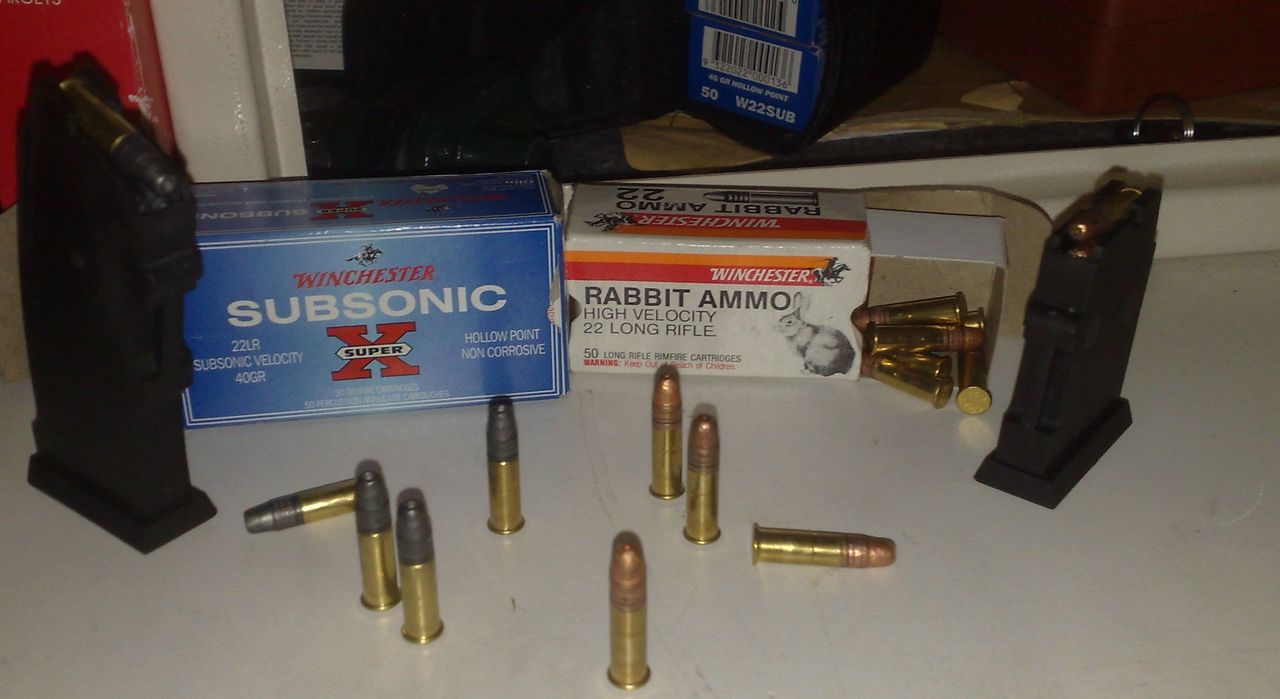
At a glance, the KKW looked like a scaled-down Mauser service rifle. That was the point. It used .22 Long Rifle ammunition, but its stock shape, sights, and general handling were intended to mimic the feel of a full-size military arm far more closely than a light sporting plinker would.
That design philosophy gave it real value as a trainer. Shooters could practice mounting the rifle, working the bolt, using military sling techniques, and firing from supported and unsupported positions without the cost and recoil of 7.92x57mm ammunition.
Collectors and arms historians often note that Gustloff-marked examples are especially interesting because they sit at the intersection of sporting culture and militarization. Even when the rifle appears mild by caliber, everything about its purpose says it was meant to normalize soldierly shooting habits long before many users ever touched a standard infantry rifle.
The Competition It Was Supposed To Serve

The “competition” behind the rifle was less a single missed match than an entire promised culture of organized, militarized marksmanship. Forgotten Weapons notes that Nazi shooting authorities pushed events and standards that treated target shooting as pre-military conditioning, not simply recreation.
In that sense, the KKW was built for a system that was supposed to keep expanding. Club competition, youth training, SA shooting, and politically staged marksmanship events were all part of the vision. The rifle fit perfectly into that ecosystem.
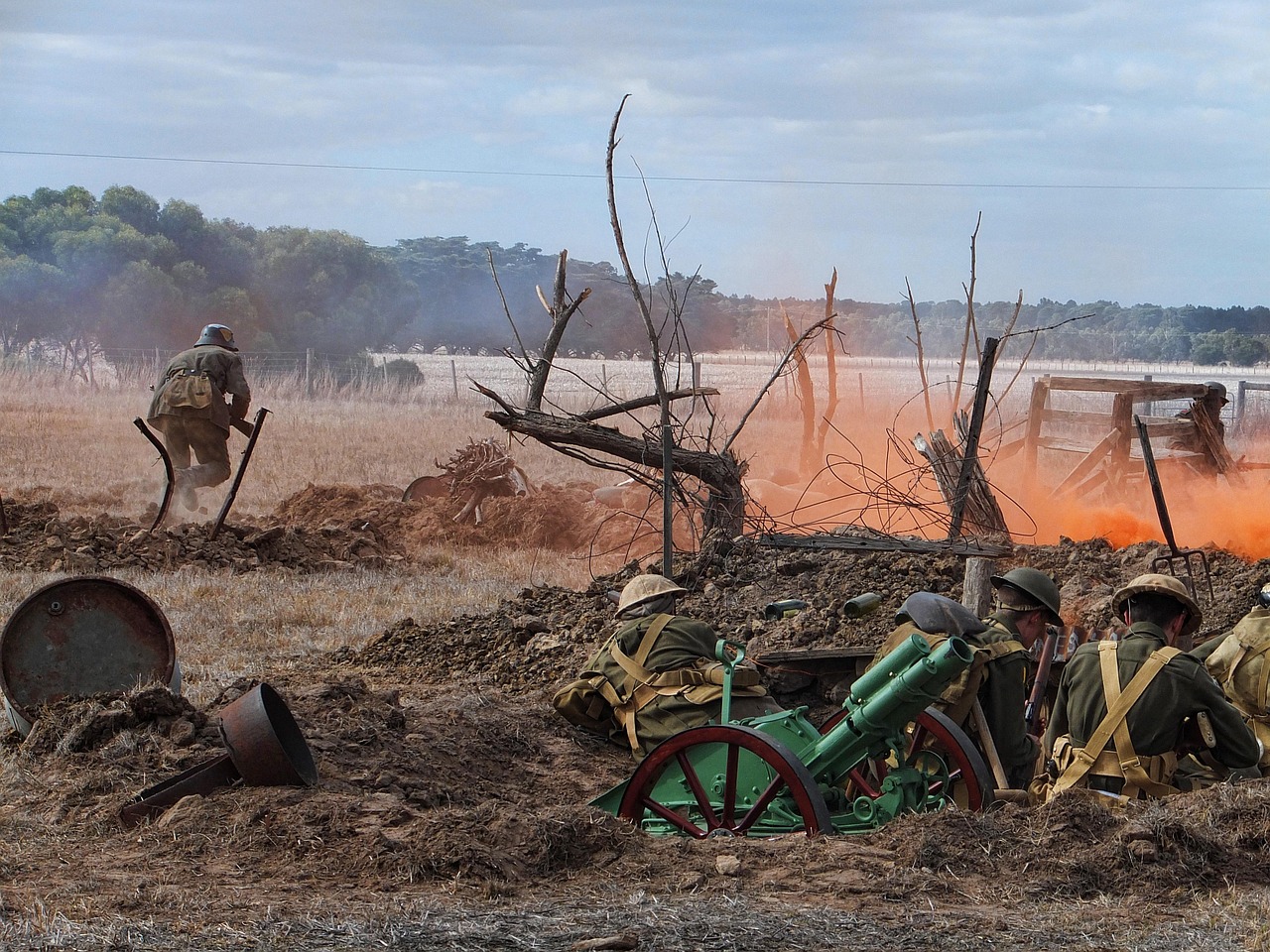
But history had other plans. As Germany moved deeper into total war, the tidy fantasy of structured nationwide competition gave way to material shortages, battlefield losses, and industrial emergency. A rifle designed for disciplined competitive preparation increasingly belonged to a state that no longer had the luxury of pretending sport and war were separate worlds.
Why The Moment Passed So Quickly
The KKW did not become irrelevant because it was poorly made. Quite the opposite. Surviving examples show thoughtful workmanship, and period interest in realistic small-bore trainers was entirely genuine. The problem was that the political and military situation outran the concept.
As the war intensified, Germany’s priorities shifted hard toward mass battlefield production. Gustloff facilities were increasingly tied to more urgent weapons work, including Karabiner 98k output and other wartime manufacturing. The broader industrial network also became notorious for its reliance on coerced and concentration-camp labor.
That changed how these rifles are viewed today. You cannot discuss a Gustloff firearm honestly as if it were just another neat old .22. Its technical role as a training rifle is real, but so is the machinery of the regime that funded, branded, and deployed it.
A Useful Rifle With An Uncomfortable Legacy
On pure shooting terms, the KKW was clever. A rimfire trainer that mirrored service-rifle ergonomics gave users affordable repetitions and built familiarity with military handling. That basic idea still makes sense today, which is why modern trainers often imitate full-power rifles in weight, sights, and controls.
But the Gustloff example carries heavier baggage than most training rifles. It was part of an effort to reshape sport into ideological preparation. The gun itself may be compact and elegant, yet its intended role was embedded in a much darker national program.
That tension is exactly why collectors, museum curators, and historians keep returning to it. The KKW is not memorable because it was the deadliest rifle of its age. It is memorable because it shows how even a humble .22 can reveal the ambitions of a militarized society.
Why Collectors Still Talk About It
Today, Gustloff-marked rifles attract attention because they are historical artifacts first and shooters second. Identification details, factory markings, stock configuration, and originality all matter, especially since KKW production involved multiple manufacturers and later wartime disruption complicated provenance.
There is also a strong narrative pull here. People expect dramatic stories from prototype assault rifles or desperate last-ditch weapons. The Gustloff KKW is quieter than that, but in some ways more revealing. It captures the period before collapse, when a regime still believed it could turn competitive shooting into a pipeline for national mobilization.
That is what makes the rifle fascinating. It was built for a competitive culture that was supposed to thrive, mature, and feed a larger political project. Instead, that project consumed the very world the rifle had been designed to serve.