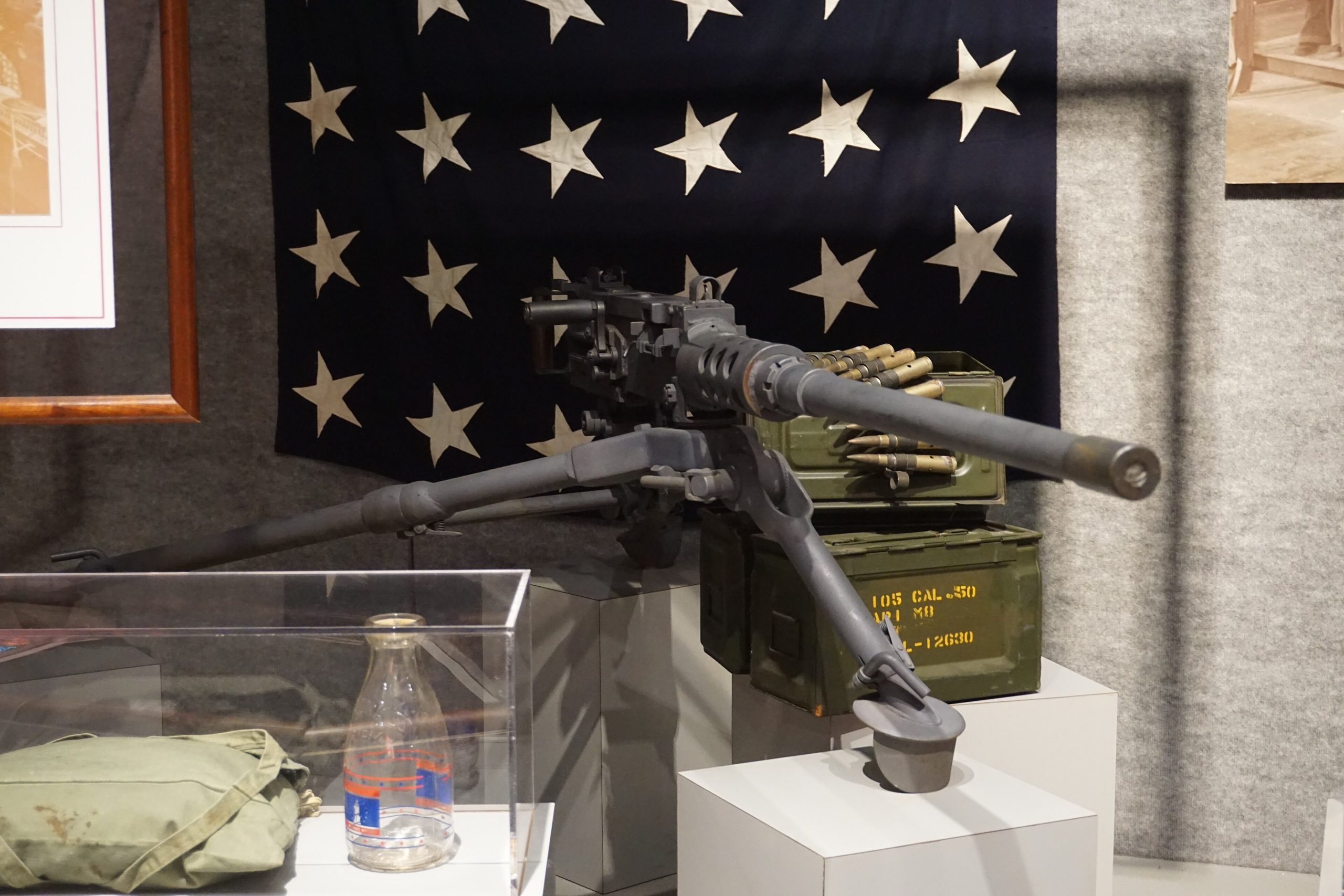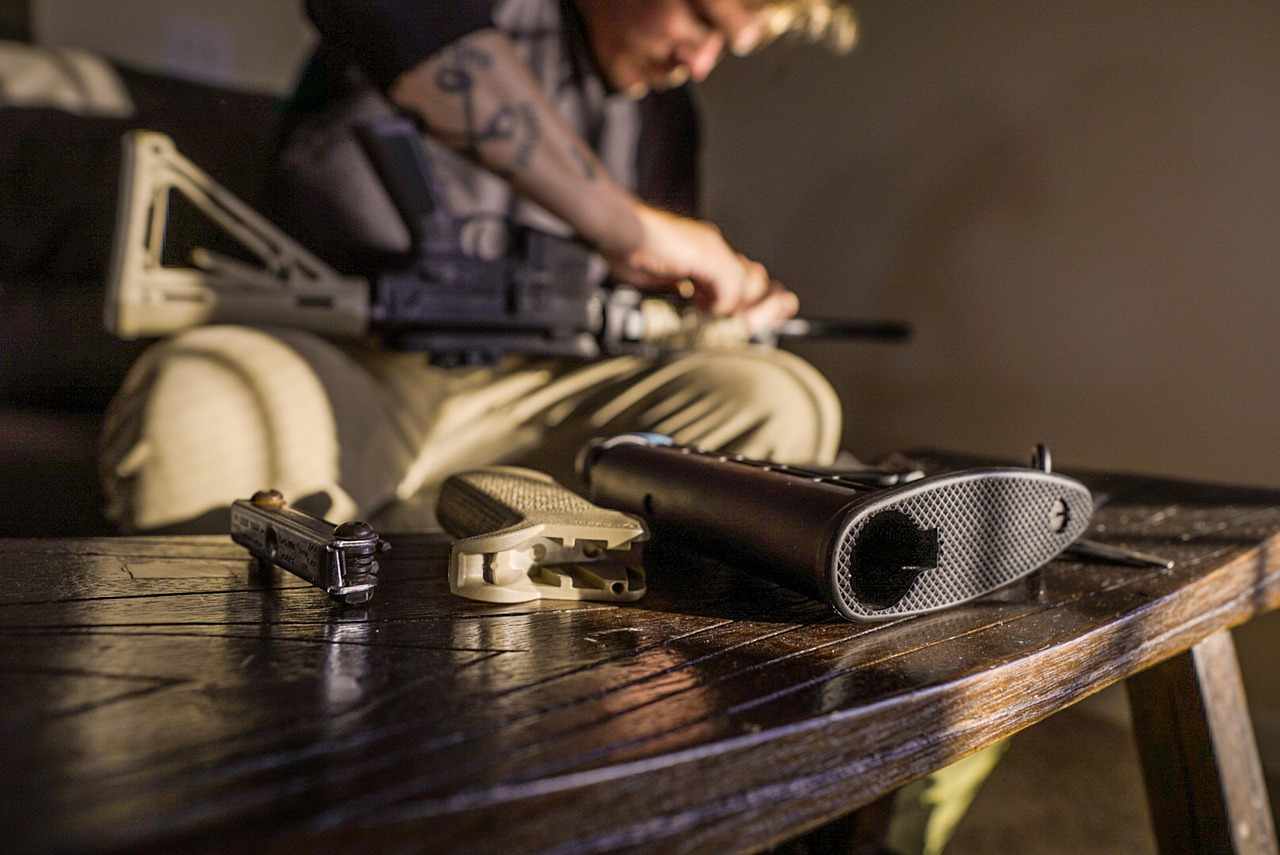
Military surplus firearms have a way of carrying history in every worn stock, stamped receiver, and battlefield repair. Some were built by the millions, yet today they inspire fierce loyalty among collectors who appreciate their craftsmanship, wartime stories, and surprising range appeal. This gallery explores 15 surplus standouts that earned lasting popularity well beyond their time in uniform.
M1 Garand

Few surplus firearms enjoy the same reputation as the M1 Garand. Adopted by the United States before World War II, it became famous for rugged reliability, handsome walnut furniture, and that unmistakable en bloc clip ping that shooters still talk about with a grin.
Collectors love the Garand because it bridges history and shootability so well. It is a serious military arm, but also one that still feels rewarding at the range today. Original finish, matching-era parts, and desirable manufacturers can all push interest even higher, making it a centerpiece in many collections.
Mosin-Nagant 91/30

The Mosin-Nagant 91/30 has long been the gateway surplus rifle for new collectors. Built in massive numbers and used across some of the 20th century’s harshest battlefields, it combines crude charm with undeniable historical weight.
What makes the 91/30 such a favorite is its accessibility and personality. Arsenal marks, wartime stock repairs, and differing production years give each example a story. Even shooters who joke about the stiff bolt and mighty recoil tend to keep one around, because few rifles offer this much old-world military character at such an approachable entry point.
Karabiner 98k
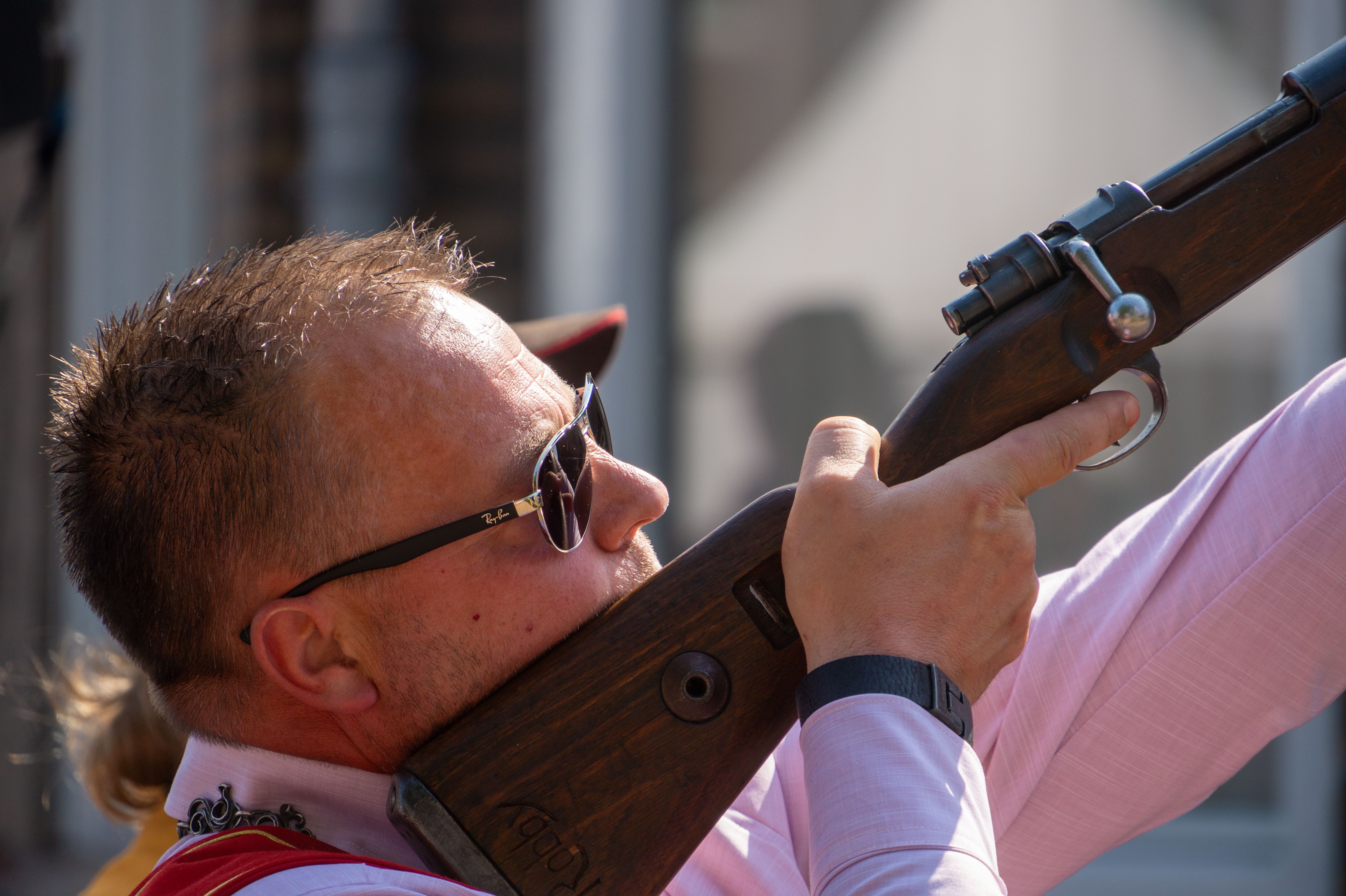
The Karabiner 98k is one of the most recognized bolt-action service rifles ever made. Compact, strong, and deeply tied to World War II history, it remains a magnet for collectors who study markings, manufacturers, and wartime production changes with near scholarly devotion.
Interest in the 98k goes far beyond simple rarity. Small details matter here, from sight hoods and cleaning rods to matching serial numbers and capture history. Russian capture rifles, vet bring-backs, and late-war examples all occupy different lanes of appeal, giving the 98k a depth that keeps collectors hunting for just one more example.
Lee-Enfield No. 4 Mk I
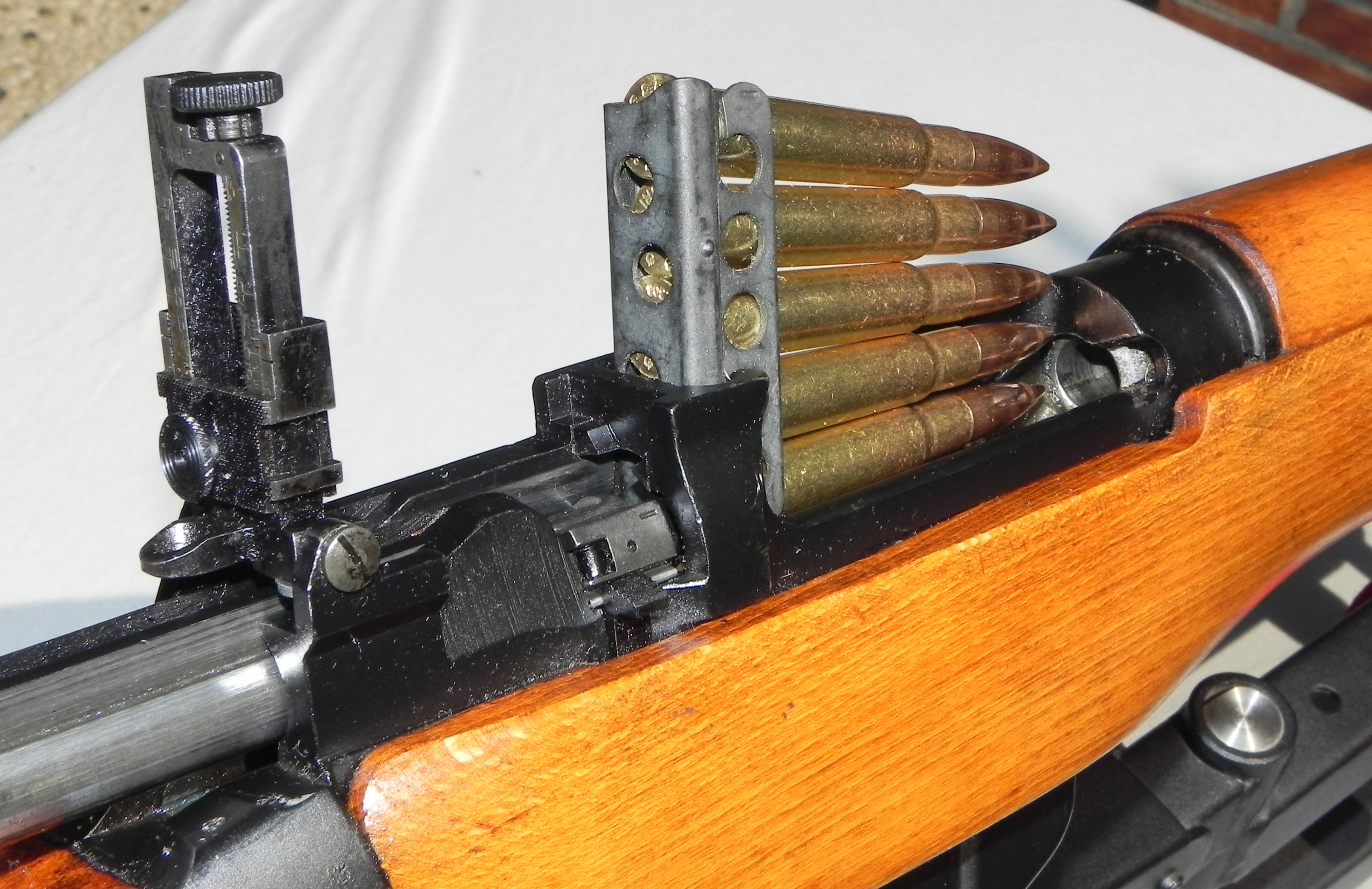
The Lee-Enfield No. 4 Mk I has a devoted following thanks to its smooth action and unmistakably British profile. Designed for fast cycling and battlefield durability, it built a reputation for practical excellence that still impresses modern shooters.
Collectors appreciate the No. 4 because it balances wartime significance with real usability. Factory variations, Commonwealth markings, and service wear all add texture to the hunt. Many enthusiasts also fall for the rifle’s excellent aperture sights and buttery bolt throw, which make this old infantry arm feel surprisingly lively at the range even decades later.
Swiss K31

The Swiss K31 became a collector darling for a simple reason: quality. Even among military surplus rifles, its precision machining, clean lines, and excellent accuracy stand out. It looks and feels like a rifle built by people who took immense pride in every detail.
Many collectors first buy a K31 for its reputation, then keep it because it overdelivers. Matching numbers are common, bores are often superb, and the occasional troop tag tucked under the buttplate adds a remarkably personal touch. It is one of those surplus rifles that can make even casual owners start paying closer attention to Swiss military history.
SKS

The SKS occupies a sweet spot between old-world milled steel craftsmanship and the emerging age of semi-automatic infantry rifles. Produced in several countries and imported in large numbers, it became a collector staple with plenty of room for specialization.
Some enthusiasts chase Russian originals, while others focus on Chinese, Yugoslav, Romanian, or Albanian variants. That variety is part of the SKS appeal. It is also one of the most approachable surplus rifles to shoot, with mild recoil and classic lines that feel more refined than many people expect from a rifle once viewed as simply plentiful and inexpensive.
AKM Parts Kit Builds

While complete military AKM rifles can be heavily regulated or unavailable in original form, surplus parts kit builds have become a collector category all their own. They offer a tactile connection to Cold War history, often with authentic components from former Warsaw Pact arsenals.
Collectors tend to look closely at country of origin, trunnion markings, furniture style, and build quality. A well-executed kit build can capture much of the appeal of a service rifle, especially when paired with period-correct features. For many enthusiasts, these rifles represent a practical way to preserve and appreciate military heritage that might otherwise remain out of reach.
FN FAL

The FN FAL earned the nickname the right arm of the free world, and that alone gives it collector cachet. Used by dozens of nations during the Cold War, it became one of the most globally recognizable battle rifles of the postwar era.
Collectors are drawn to the FAL because it offers endless national variation. Belgian roots, Commonwealth patterns, South American contracts, and kit-built examples all create different lanes of interest. It also helps that the rifle has a commanding presence, with sleek lines and a reputation that feels every bit as substantial as its full-power cartridge.
M1 Carbine

Light, handy, and instantly recognizable, the M1 Carbine remains one of the most popular American surplus firearms on the market. Originally intended for support troops, it developed a life of its own through wartime service, postwar rebuilds, and long international use.
Collectors enjoy the M1 Carbine because there is always another detail to learn. Different wartime manufacturers, import marks, arsenal upgrades, and stock types keep the category lively. It is also simply pleasant to handle, which matters more than some collectors like to admit. Few surplus arms combine historical significance and easy-going shootability quite so gracefully.
Luger P08

The Luger P08 may be one of the most elegant military sidearms ever fielded. Its sharply angled grip, toggle-lock action, and unmistakable silhouette helped turn it into more than a service pistol. It became an icon, and collectors still respond to that visual appeal immediately.
Beyond looks, the Luger offers a deep rabbit hole of variations. Imperial, Weimar, and wartime production examples all attract attention, as do unit marks, matching magazines, and original finish. It is not the simplest surplus pistol to master, but that complexity is part of the draw. Owning one feels like holding a precision-made artifact from another era.
Walther P38

The Walther P38 arrived as a modern answer to older military handgun designs, bringing a double-action trigger and practical wartime engineering to the forefront. It may not have the romantic aura of the Luger, but many collectors find its mix of innovation and history even more compelling.
The P38 also rewards close inspection. Wartime makers, postwar variants, and condition differences create a wide collecting field, while holsters and spare magazines add another layer of interest. It remains a pistol that feels important in design terms, not just historical ones. That combination gives it a durable appeal among both firearm enthusiasts and military historians.
Tokarev TT-33

The Tokarev TT-33 is a pistol with a straightforward, no-nonsense personality. Slim, rugged, and widely distributed across Soviet and satellite arsenals, it became a favorite among collectors who appreciate military sidearms that reflect practicality more than polish.
Part of the TT-33’s charm is its broad international footprint. Soviet, Romanian, Yugoslav, and Chinese examples each bring their own details and markings to the table. The pistol’s simple lines and powerful cartridge also give it real range appeal. For collectors, it is the kind of sidearm that feels historically grounded, mechanically interesting, and still surprisingly attainable.
Mauser C96
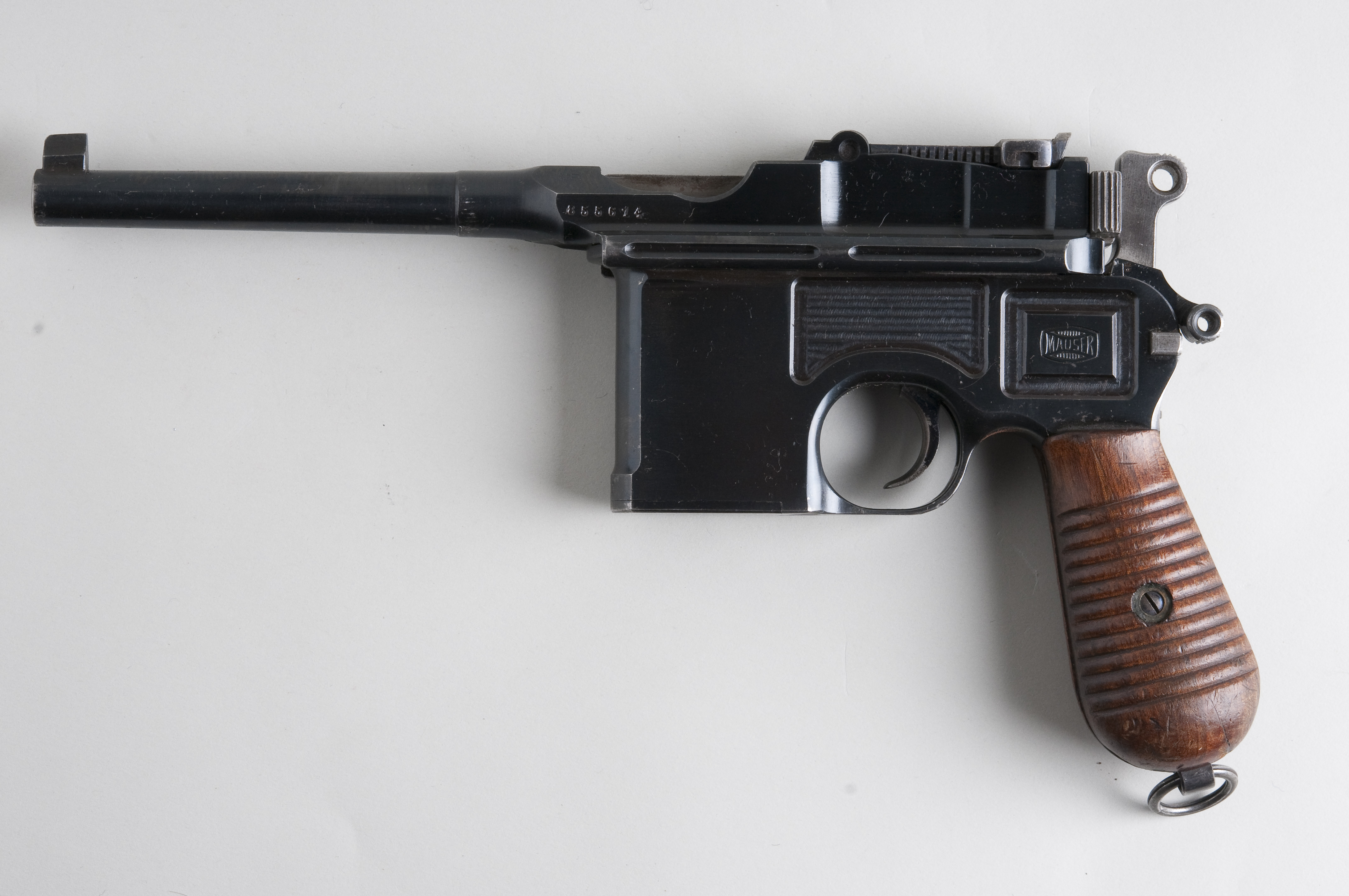
The Mauser C96 stands apart from almost every other military surplus handgun thanks to its unmistakable broomhandle grip and magazine-forward profile. Even people who know little about firearms often recognize it instantly, which says a lot about its lasting cultural footprint.
Collectors prize the C96 for its early semi-automatic design, international service history, and impressive variety. Contracts, caliber differences, stock holsters, and condition all play a role in desirability. It is one of those pieces that feels half firearm and half industrial art. That visual drama, paired with genuine historical significance, keeps demand strong among serious collectors.
Arisaka Type 99
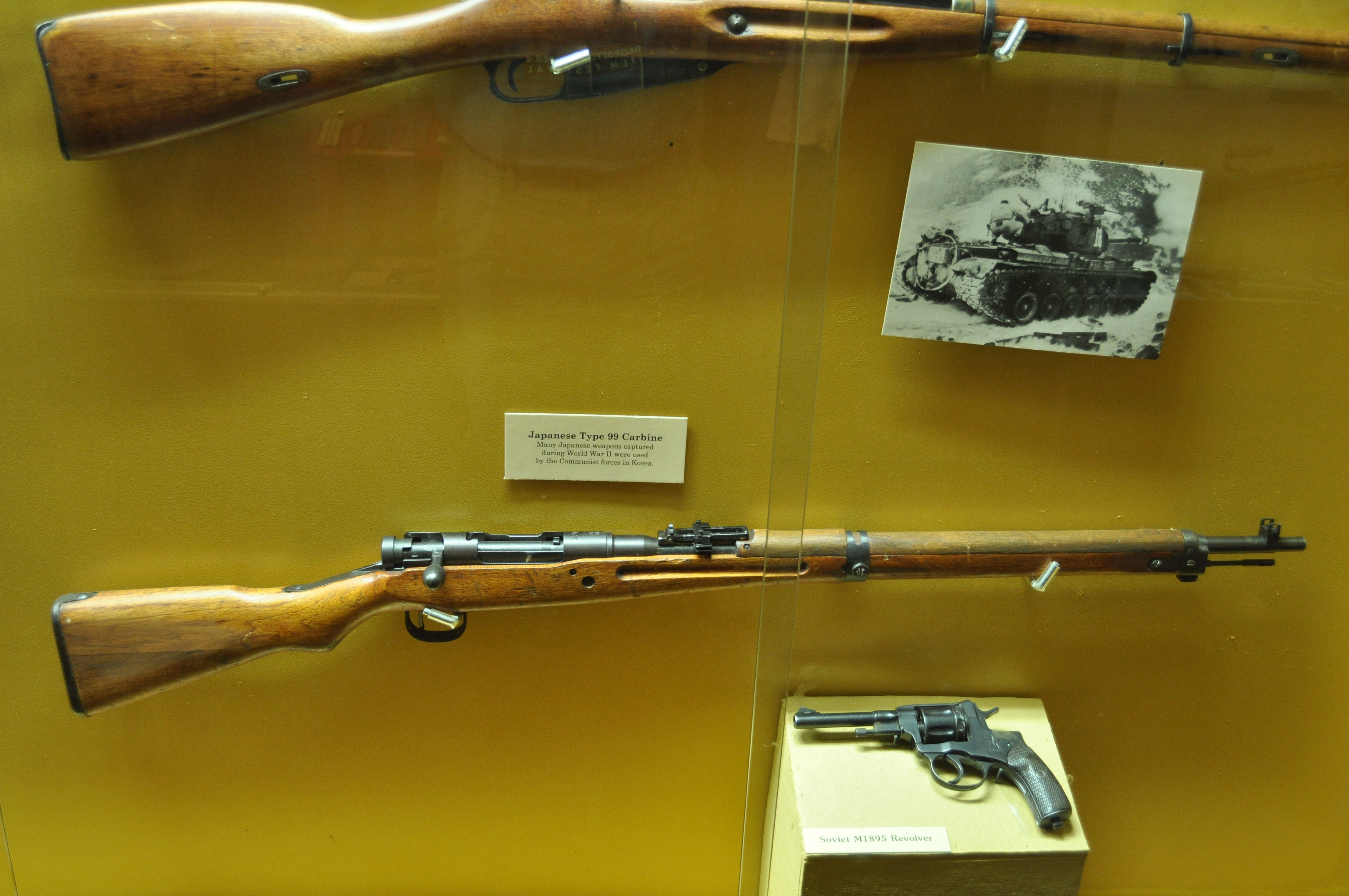
The Arisaka Type 99 spent years being underestimated, but collectors eventually gave it the respect it deserved. Built for Imperial Japan during World War II, it offers a fascinating mix of strong action design, wartime scarcity in certain forms, and highly varied production quality.
That variation is a big part of the collecting appeal. Early rifles with intact features can look dramatically different from rough last-ditch examples made under increasing wartime pressure. Chrysanthemum markings, matching parts, and original accessories all matter here. For many collectors, the Type 99 opens a window into a less familiar but deeply important side of the war.
Springfield 1903

The Springfield 1903 remains one of the most admired American bolt-action military rifles ever produced. Inspired in part by Mauser design and refined through U.S. manufacturing, it developed a reputation for accuracy, balance, and handsome classic lines.
Collectors often gravitate to the 1903 because it feels like a bridge between military necessity and traditional gunmaking excellence. World War I roots, interwar changes, sniper variants, and arsenal rebuilds all add depth to the field. It is also a rifle that rewards a slow look, from its sighting system to its stock profile. In collector circles, admiration for the 1903 runs deep.