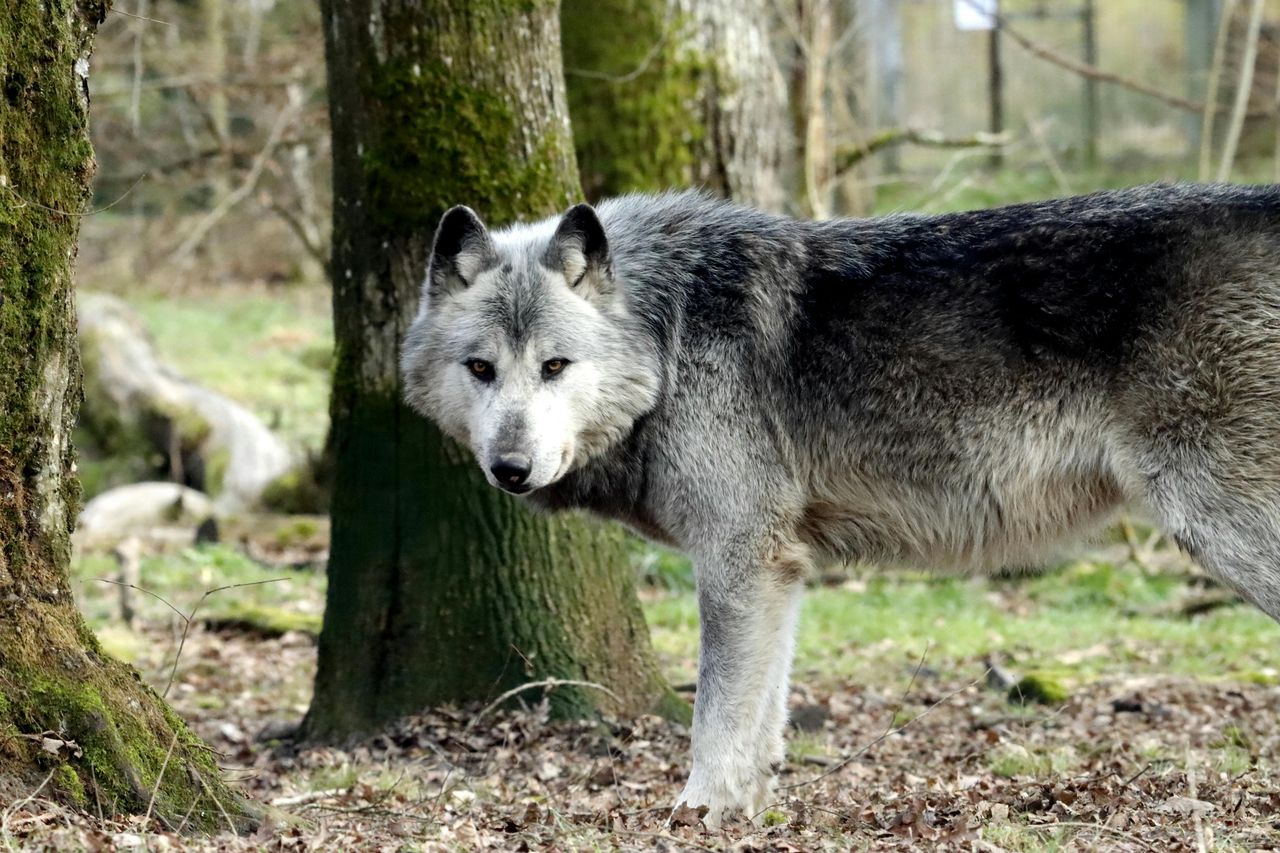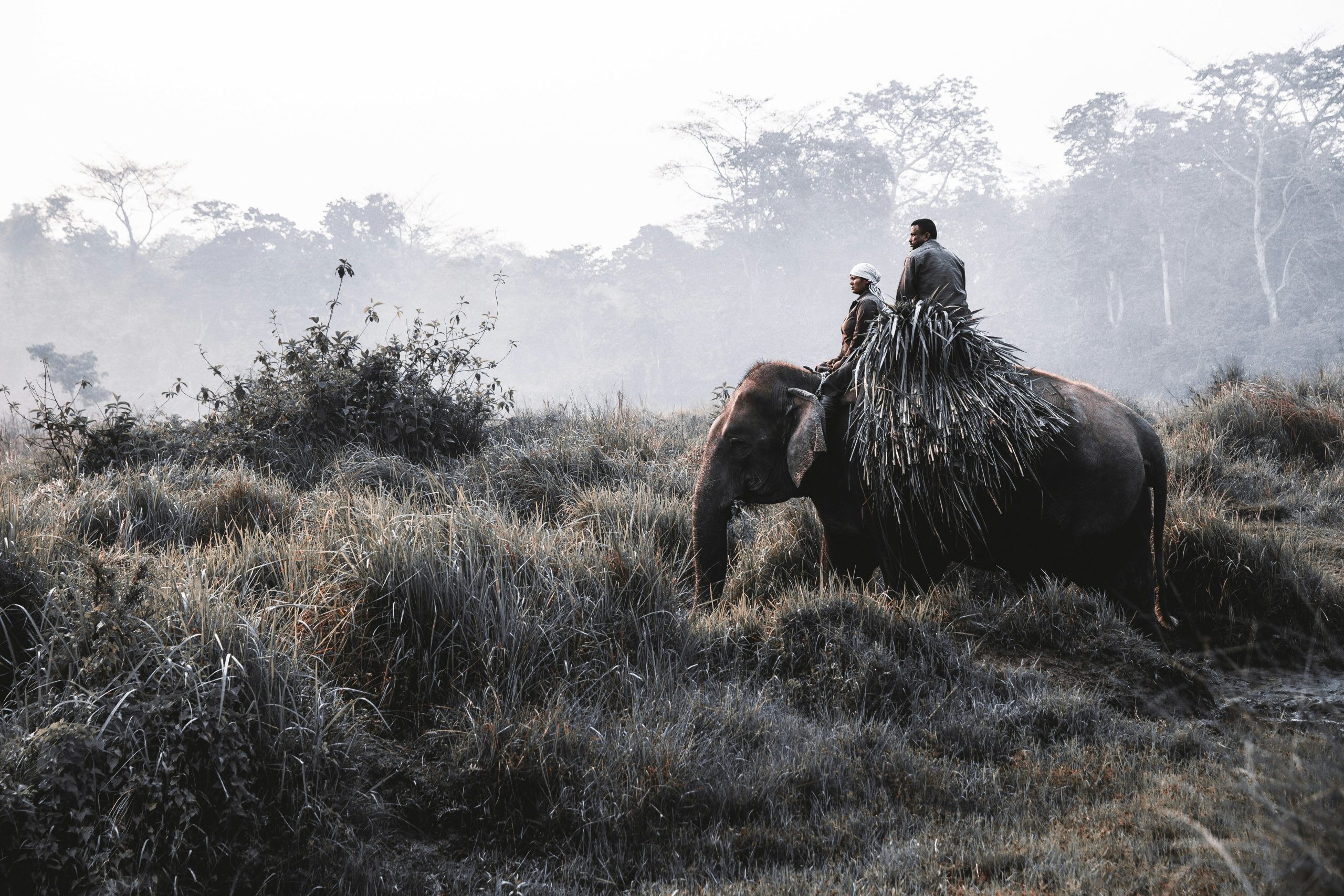
Wildlife tourism generates more than $100 billion annually worldwide, according to the World Travel & Tourism Council, but studies by World Animal Protection and National Geographic have shown that many popular activities harm the very animals tourists want to see. From elephant rides in Asia to chimpanzee selfies in Africa, seemingly harmless interactions can cause stress, injury, and long-term ecological damage. Below are the most common mistakes backed by research and data.
Close Encounters That Stress Wildlife
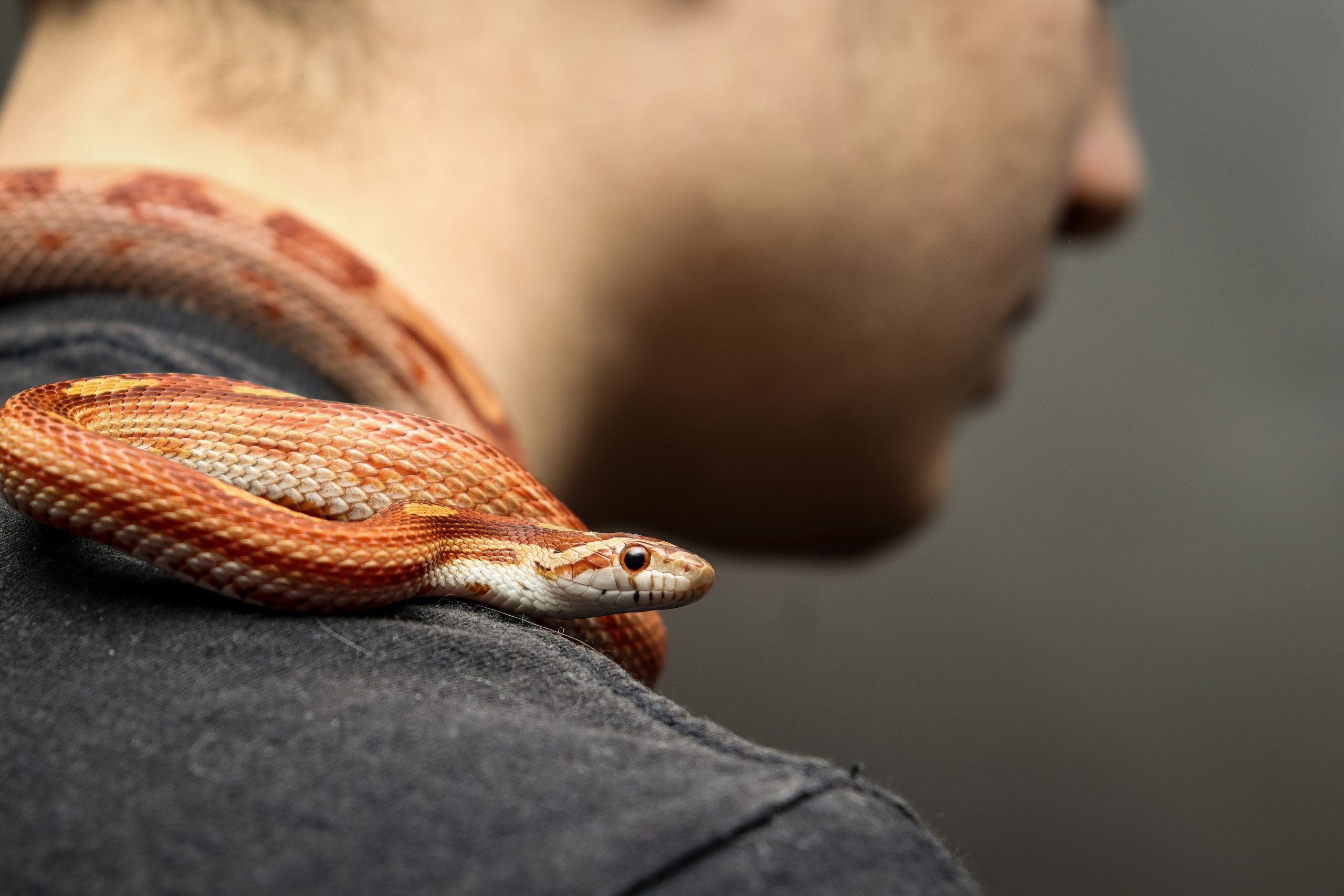
Research published in “Biological Conservation” found that animals exposed to frequent close human approach exhibited 20–30% higher stress hormone levels, which can weaken immune systems. In Yellowstone National Park, bison and elk injuries to visitors spiked after tourists ignored safe-distance rules; 307 incidents were reported between 2000 and 2015. Getting too close forces animals to alter their natural behavior, disrupt feeding, and waste energy fleeing human presence.
The Hidden Harm in Petting Wildlife
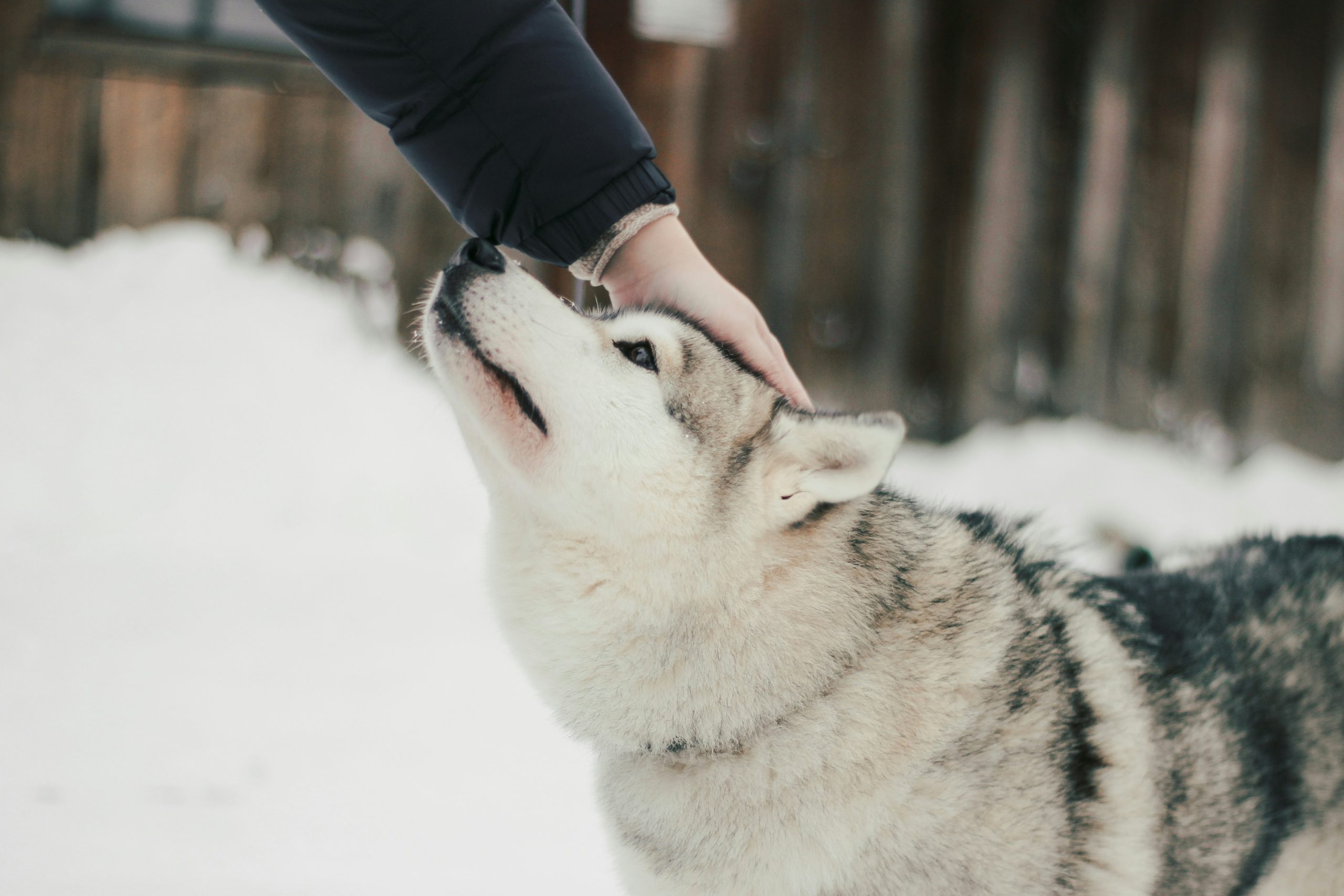
Touching wild animals, from tiger cubs in Thailand to sloths in Costa Rica, is far from harmless. A 2017 study by World Animal Protection revealed that over 70% of captive wildlife attractions involving handling showed signs of poor welfare, such as malnutrition or cramped conditions. Even brief human contact can spread diseases like herpes simplex from humans to primates, often fatal to the animals.
The Dark Side of Animal Shows
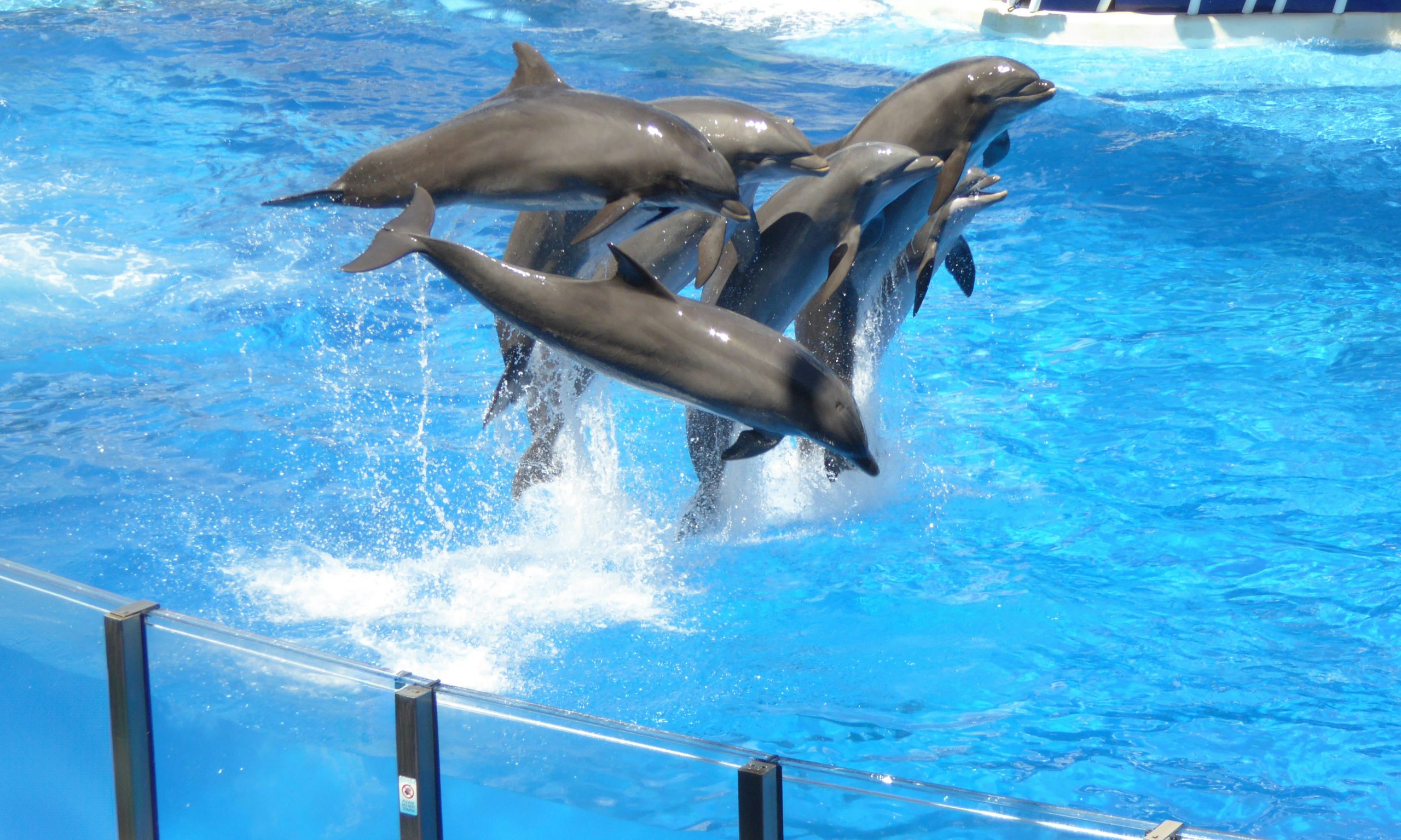
Elephant painting, dancing bears, and dolphin tricks may look entertaining, but they are often the result of coercion. Data collected by the NGO Traffic indicates that over 75% of Asian elephants used in tourism live in severely inadequate conditions, often chained for 16 hours a day. Marine parks have also come under scrutiny; orcas in captivity have been documented to live half as long as their wild counterparts, according to NOAA data.
Feeding Wildlife Disrupts Nature
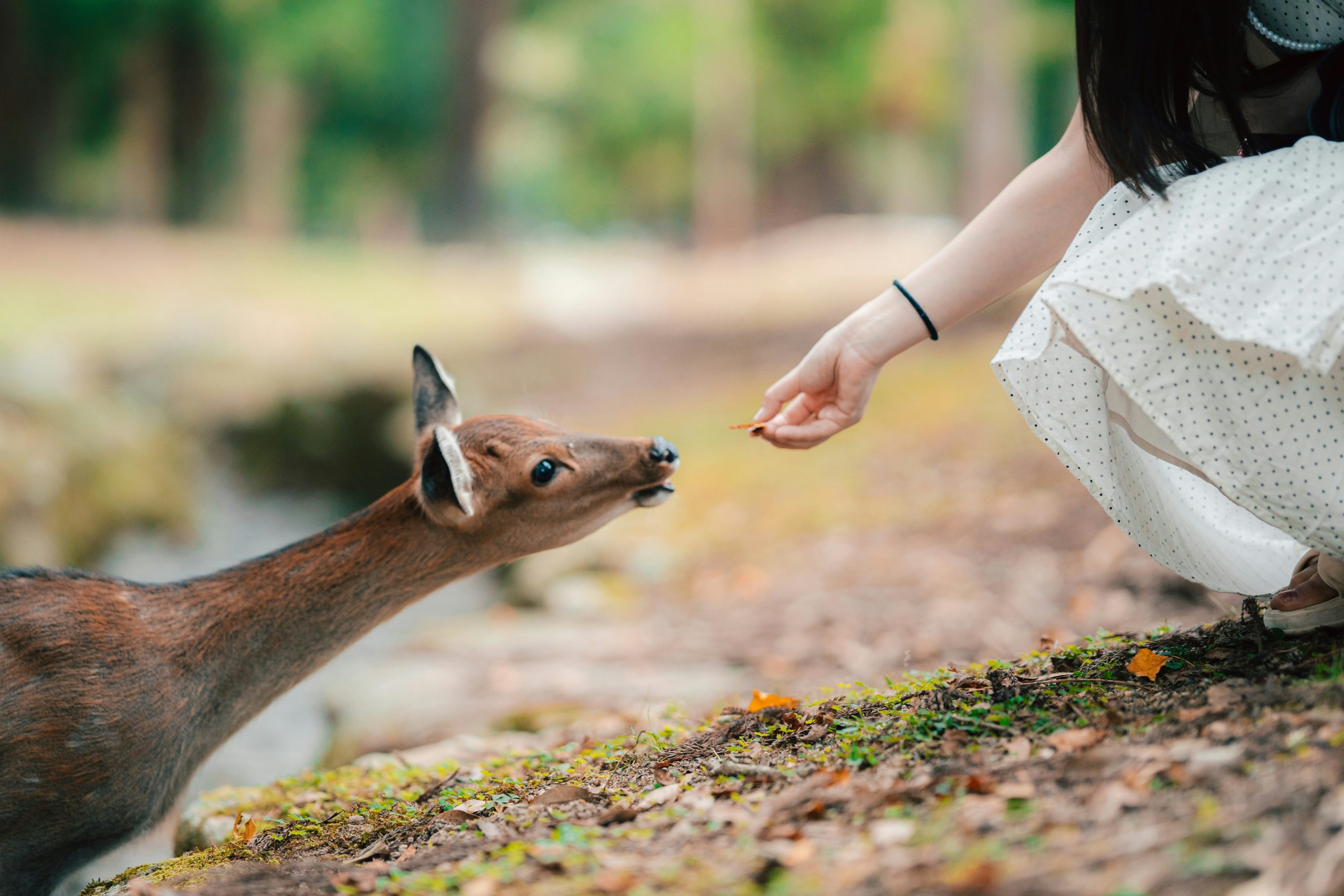
Supplemental feeding alters natural foraging patterns. In Gibraltar, studies showed that Barbary macaques fed by tourists spent up to 40% less time foraging naturally, increasing aggression toward humans. In U.S. national parks, artificially fed bears were 3 times more likely to be killed after becoming “problem animals,” according to the National Park Service. Feeding wildlife not only endangers them but also raises human–animal conflict risks.
Souvenirs That Cost Lives
The illegal wildlife trade is valued at $7–23 billion annually, making it one of the most lucrative black markets, according to Interpol. Items such as ivory carvings, tortoiseshell trinkets, or pangolin scales directly fuel poaching. Between 2007 and 2014, Africa lost 144,000 elephants to ivory demand (Great Elephant Census). Purchasing such products supports criminal networks and accelerates population declines of endangered species.
When Conservation Becomes Tunnel Vision
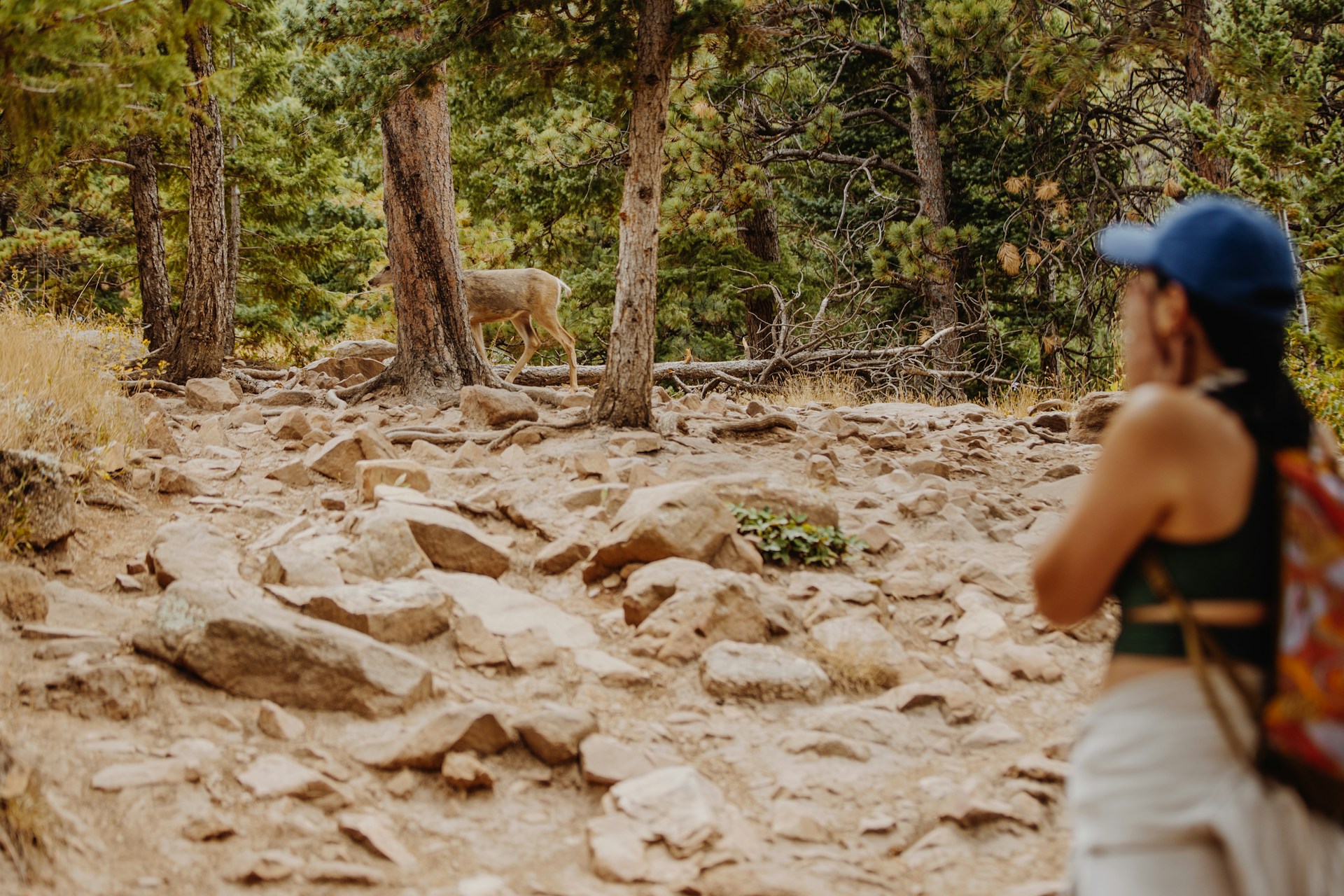
Tourists and even donors often fixate on charismatic “flagship species” like pandas, elephants, or tigers. However, a “Nature Communications” study showed that less than 10% of global conservation funding reaches less iconic but ecologically vital species, such as amphibians and freshwater fish. This imbalance leaves critical ecosystems unprotected. Protecting biodiversity requires attention to entire habitats, not just single animal celebrities.