Some rifles vanish with headlines, collector frenzy, and a lot of nostalgia. Others simply fade from store shelves while newer models, changing tastes, and shifting regulations pull attention elsewhere. This gallery looks at 10 rifles that were once easy to spot at gun counters, then quietly became much harder to find before most casual shooters realized anything had changed.
Remington Model 742 Woodsmaster

For years, the Remington 742 felt like a perfectly normal sight in deer country. It was a handy semiautomatic hunting rifle with classic lines, a familiar profile, and the kind of broad appeal that made it seem permanent in gun shops across America.
What changed was not one dramatic event so much as a slow shift in reputation. Wear issues in hard-used examples, plus the arrival of newer semiauto designs, made it less attractive over time. As production ended and remaining stock dried up, the 742 slipped from everyday retail life and into the used rack, where many shooters only later realized it had quietly become yesterday’s rifle.
Winchester Model 100

The Winchester Model 100 once offered a sleek, modern alternative for hunters who wanted semiautomatic speed without giving up a traditional sporting look. It had the Winchester name, clean styling, and exactly the kind of mainstream appeal that should have kept it visible for decades.
Instead, it gradually drifted out of the spotlight. A recall left a lingering mark on its image, and bolt-action rifles kept dominating the hunting market anyway. By the time many shooters started talking about the Model 100 again, it was no longer something they saw new in stores. It had become more of a conversation piece than a current option on the rack.
Ruger Deerfield Carbine

The Ruger Deerfield Carbine had a loyal following among hunters who wanted serious brush-gun power in a compact package. Chambered in .44 Magnum, it filled a very specific niche and did it with the sturdy, practical feel Ruger fans tend to appreciate.
That niche, however, was part of the problem. It was useful, but not broadly useful enough to dominate shelf space once retail tastes changed. As modern tactical rifles and more common deer calibers pulled buyers in other directions, the Deerfield quietly faded out of regular store inventory. Today it feels less like a failed idea and more like a product that simply got left behind by a different era of demand.
Savage Model 99

The Savage 99 was one of those rifles that seemed too iconic to ever disappear. Its lever-action design, rotary magazine, and trim handling gave it a distinct personality that stood apart from the usual crowd of bolt guns and tube-fed lever rifles.
But icon status does not always translate into modern shelf space. Manufacturing complexity and rising costs made the 99 harder to justify in a market that increasingly rewarded simpler, cheaper designs. It did not vanish because shooters stopped respecting it. It vanished because the business case became tougher, and many buyers did not notice until the last examples had long since moved from storefront displays to collector tables.
Marlin Model 56 Levermatic

The Marlin Levermatic always felt a little different, and that was both its charm and its challenge. Fast-cycling, compact, and mechanically interesting, it looked like the kind of rifle that should have built a bigger legacy than it ultimately did.
Instead, it became one of those models people discover after the fact and wonder why they had not seen one before. Part of the answer is simple visibility. It never occupied the same cultural space as more famous Marlin lever guns, and once production ended, it stopped appearing where newer shooters actually shopped. That is how a clever rifle can disappear almost invisibly, not because it lacked merit, but because it lost the fight for attention.
Browning BAR Sporting Rifle

The hunting version of the Browning BAR was never obscure, but it did become less visible in many stores than its reputation might suggest. For a long time, it represented upscale semiautomatic hunting performance, especially for shooters who wanted polished fit and finish rather than a purely utilitarian tool.
Over time, price became part of the story. As lower-cost bolt rifles improved and black synthetic stocks became more common, the BAR’s more refined personality felt less central to the market. It did not vanish everywhere, but in plenty of local gun stores it grew scarce enough that younger buyers might barely remember seeing one new. That kind of slow retreat can be easy to miss until it is already complete.
Remington Nylon 66
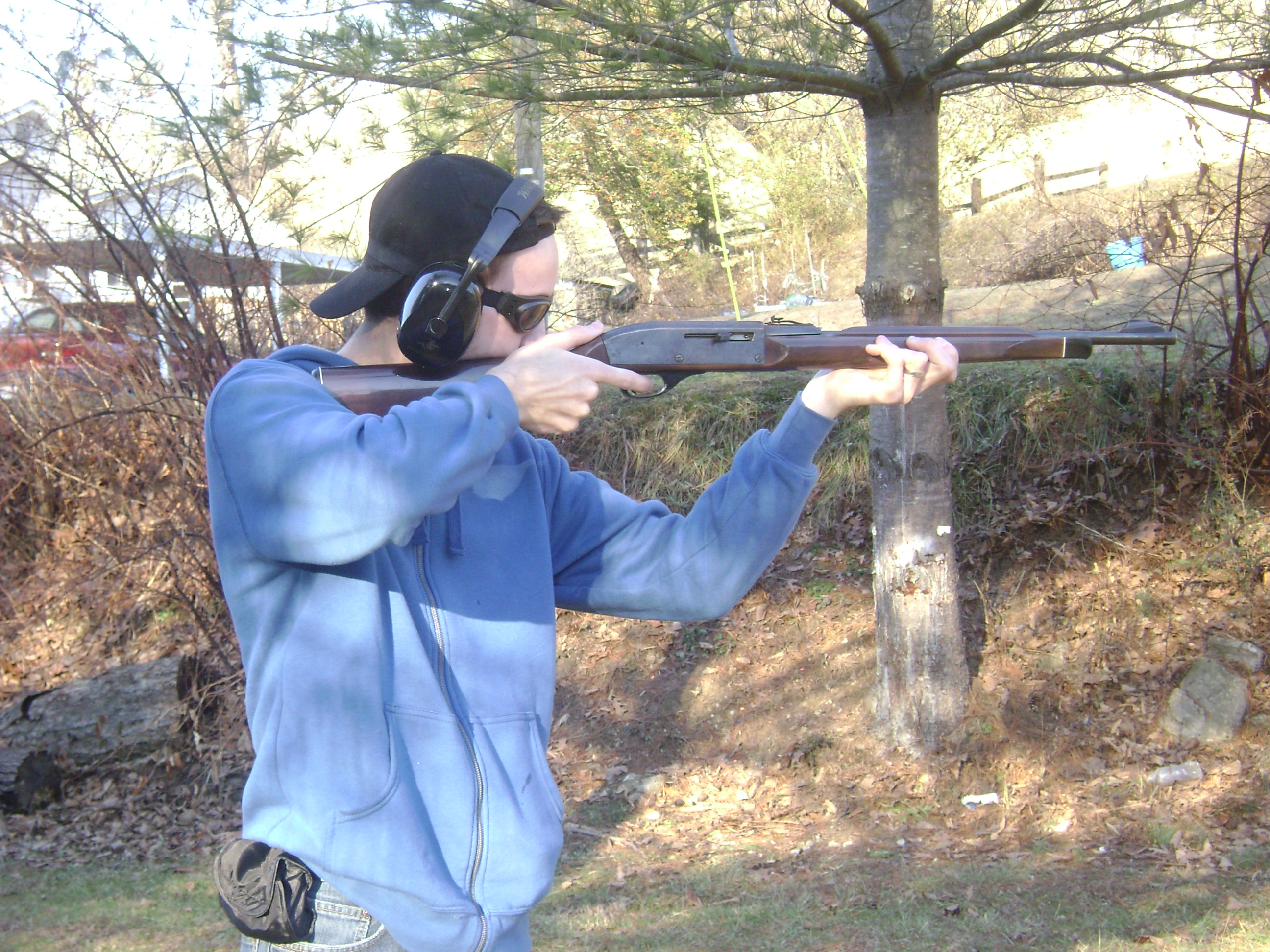
The Remington Nylon 66 looked futuristic when it arrived and somehow still looks distinctive today. Light, dependable, and easy to like, it was exactly the sort of .22 rifle that earned a place in cabins, pickup racks, and generations of casual shooting memories.
Its disappearance was quiet because the rimfire market never stopped moving. Newer .22 rifles kept coming, and the Nylon 66 shifted from common utility gun to nostalgic favorite almost without ceremony. Once production ended, there was no dramatic farewell, just a gradual reduction in visibility. Eventually, many shooters realized they had not seen one in a shop for years, which is often how truly familiar products disappear: not with a bang, but with shrinking shelf space.
Ruger Mini-14 GB and early variants
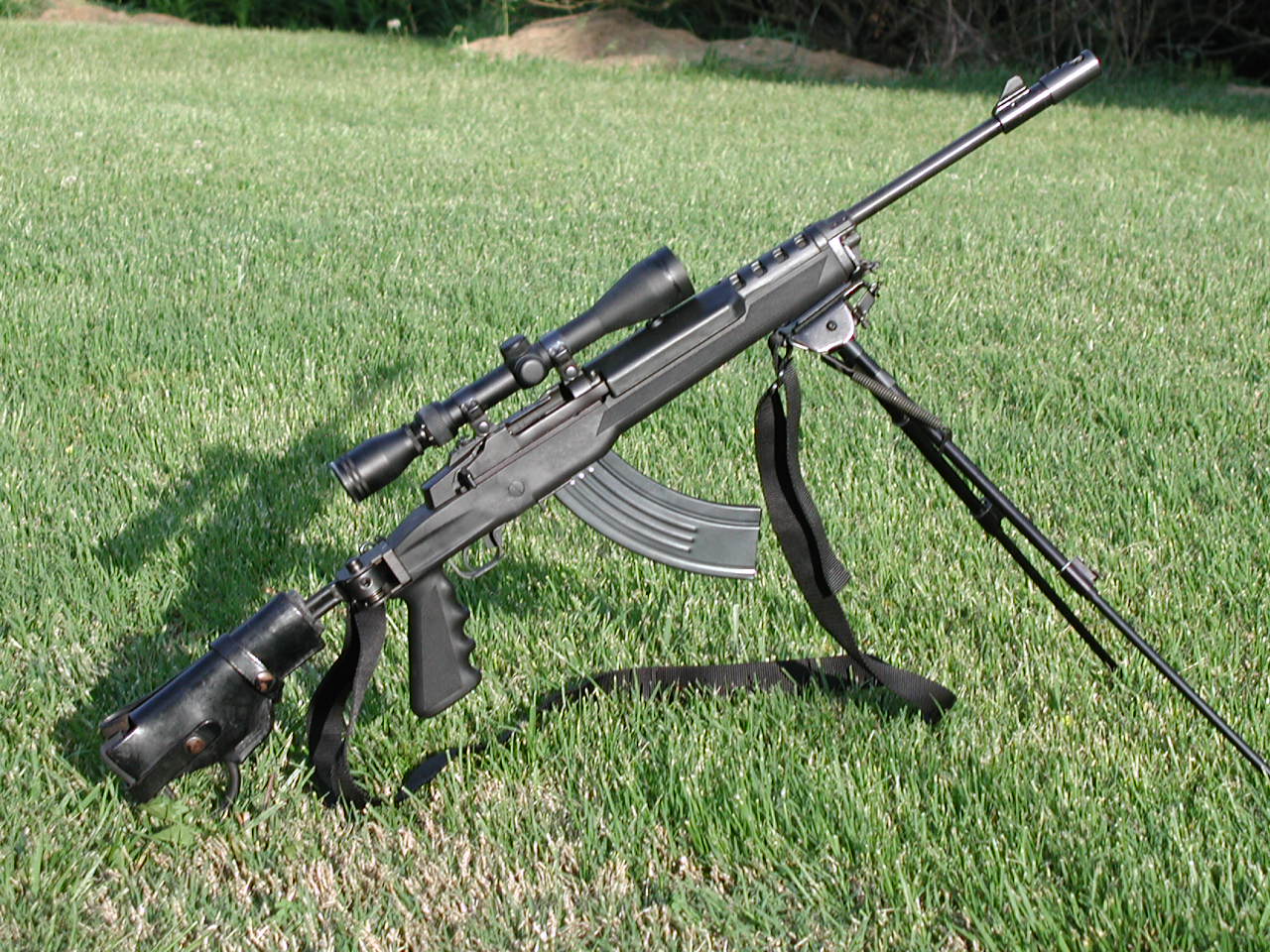
The Mini-14 never truly vanished as a platform, but certain early variants definitely slipped out of ordinary retail view. Models like the GB once carried a distinct identity, tied to a particular period when ranch rifles, police carbines, and practical semiautos overlapped in a way that now feels very specific to its time.
As configurations changed and the market became more standardized around newer tactical expectations, those earlier versions stopped being everyday inventory. Retailers stocked what current buyers wanted, and the old variants slowly exited the scene. For many shooters, the surprise came later when they realized the Mini-14 they remembered was no longer the one sitting at the counter, if a Mini-14 was there at all.
Winchester Model 88

The Winchester Model 88 was a fascinating hybrid, blending lever-action handling with a more modern, box-magazine-fed approach. It looked like a bridge between eras, which made it exciting in concept and still makes it intriguing to collectors and rifle enthusiasts today.
That same in-between identity may have limited its long-term mainstream staying power. It was neither the pure classic lever gun many traditionalists wanted nor the simplest path for shooters leaning toward bolt actions. Once production stopped, it did not maintain broad retail visibility for long. The Model 88 became the kind of rifle people read about, inherit, or find at a show, rather than the sort of thing a casual shopper expects to see lined up in a modern gun store.
Mannlicher Schoenauer Sporting Rifle

The Mannlicher Schoenauer sporting rifle was never an everyday budget item, but there was a time when old-world hunting rifles like this still had a more natural place in the market. Elegant lines, a smooth action, and serious pedigree gave it a level of refinement that many shooters still admire.
What changed was the center of gravity in retail gun culture. Practicality, cost, optics compatibility, and synthetic-weatherproof utility became more important than old-world charm for most buyers. That left rifles like the Mannlicher Schoenauer with shrinking space in ordinary shops, especially in the United States. They did not disappear because they lost their appeal. They disappeared because the mainstream moved on, and specialty taste rarely wins the shelf war.